

How 2JZ Engine Balancing Improves High RPM Stability
AUG 5, 20259 MIN READ
Generate Your Research Report Instantly with AI Agent
PatSnap Eureka helps you evaluate technical feasibility & market potential.
2JZ Engine Balancing Background and Objectives
The 2JZ engine, developed by Toyota in the early 1990s, has become legendary in the automotive world for its robust design and exceptional performance capabilities. This inline-six engine gained prominence for its ability to handle high levels of power output and maintain stability at high RPMs, making it a favorite among performance enthusiasts and racing teams. The focus of this technical research report is to explore how engine balancing techniques contribute to the 2JZ's remarkable high RPM stability.
Engine balancing is a critical process in the design and manufacturing of high-performance engines, aimed at minimizing vibrations and ensuring smooth operation across a wide range of engine speeds. For the 2JZ engine, achieving optimal balance is particularly crucial due to its high-revving nature and the extreme conditions it often operates under in modified applications.
The primary objective of this research is to analyze the specific balancing techniques employed in the 2JZ engine and how they contribute to its stability at high RPMs. This includes examining the design of rotating and reciprocating components, such as the crankshaft, connecting rods, and pistons, as well as the overall engine architecture that supports these elements.
Furthermore, this study aims to investigate the evolution of balancing technologies applied to the 2JZ engine since its inception, including both factory implementations and aftermarket solutions. By understanding these advancements, we can gain insights into the engine's enduring popularity and its continued relevance in high-performance applications.
Another key goal is to explore the relationship between engine balancing and other performance factors, such as power output, fuel efficiency, and longevity. This holistic approach will provide a comprehensive understanding of how balancing techniques not only improve high RPM stability but also contribute to the overall performance characteristics of the 2JZ engine.
Additionally, this research seeks to compare the balancing methods used in the 2JZ engine with those employed in other high-performance engines, both contemporary and modern. This comparative analysis will help contextualize the 2JZ's engineering achievements and identify potential areas for further improvement or innovation in engine balancing technology.
Lastly, the study aims to assess the implications of advanced engine balancing techniques for future engine designs, particularly in the context of increasing demands for efficiency and performance in both traditional internal combustion engines and hybrid powertrains. By examining the principles that make the 2JZ engine exceptionally stable at high RPMs, we can potentially uncover valuable insights applicable to next-generation engine development.
Engine balancing is a critical process in the design and manufacturing of high-performance engines, aimed at minimizing vibrations and ensuring smooth operation across a wide range of engine speeds. For the 2JZ engine, achieving optimal balance is particularly crucial due to its high-revving nature and the extreme conditions it often operates under in modified applications.
The primary objective of this research is to analyze the specific balancing techniques employed in the 2JZ engine and how they contribute to its stability at high RPMs. This includes examining the design of rotating and reciprocating components, such as the crankshaft, connecting rods, and pistons, as well as the overall engine architecture that supports these elements.
Furthermore, this study aims to investigate the evolution of balancing technologies applied to the 2JZ engine since its inception, including both factory implementations and aftermarket solutions. By understanding these advancements, we can gain insights into the engine's enduring popularity and its continued relevance in high-performance applications.
Another key goal is to explore the relationship between engine balancing and other performance factors, such as power output, fuel efficiency, and longevity. This holistic approach will provide a comprehensive understanding of how balancing techniques not only improve high RPM stability but also contribute to the overall performance characteristics of the 2JZ engine.
Additionally, this research seeks to compare the balancing methods used in the 2JZ engine with those employed in other high-performance engines, both contemporary and modern. This comparative analysis will help contextualize the 2JZ's engineering achievements and identify potential areas for further improvement or innovation in engine balancing technology.
Lastly, the study aims to assess the implications of advanced engine balancing techniques for future engine designs, particularly in the context of increasing demands for efficiency and performance in both traditional internal combustion engines and hybrid powertrains. By examining the principles that make the 2JZ engine exceptionally stable at high RPMs, we can potentially uncover valuable insights applicable to next-generation engine development.
Market Demand for High-Performance Engines
The market demand for high-performance engines, particularly those capable of maintaining stability at high RPMs, has been steadily increasing in recent years. This trend is driven by several factors, including the growing popularity of motorsports, the rise of performance-oriented consumer vehicles, and the continuous pursuit of automotive excellence by enthusiasts and manufacturers alike.
In the motorsports sector, there is a constant push for engines that can deliver maximum power while maintaining reliability under extreme conditions. Formula 1, endurance racing, and drag racing all require engines that can operate at high RPMs for extended periods without compromising performance or risking mechanical failure. This demand has led to significant investments in engine balancing technologies, with the 2JZ engine serving as a prime example of engineering excellence in this field.
The consumer market has also shown a growing appetite for high-performance vehicles. Sports cars, luxury sedans, and even some SUVs are now equipped with engines capable of reaching and sustaining high RPMs. This trend is reflected in the increasing sales figures of performance-oriented vehicles across various segments. Manufacturers are responding to this demand by incorporating advanced engine balancing techniques, similar to those used in the 2JZ engine, to improve the overall driving experience and vehicle performance.
Automotive enthusiasts and tuners represent another significant market segment driving the demand for high-performance engines. These individuals often seek to modify and upgrade their vehicles to achieve higher power outputs and improved engine stability at high RPMs. The 2JZ engine has gained legendary status within this community due to its robust design and ability to handle significant power increases while maintaining stability.
The aftermarket parts industry has also experienced growth in response to this demand. Companies specializing in engine components, balancing equipment, and performance upgrades have seen increased sales as more consumers and professionals seek to enhance engine performance and stability at high RPMs. This has created a thriving ecosystem of businesses catering to the high-performance engine market.
Furthermore, the demand for high-performance engines extends beyond traditional automotive applications. Industries such as marine propulsion, aviation, and industrial machinery also require engines capable of operating reliably at high RPMs. The technologies and principles developed for automotive engines, including those employed in the 2JZ engine, often find applications in these adjacent markets, further expanding the overall demand for high-performance, well-balanced engines.
In the motorsports sector, there is a constant push for engines that can deliver maximum power while maintaining reliability under extreme conditions. Formula 1, endurance racing, and drag racing all require engines that can operate at high RPMs for extended periods without compromising performance or risking mechanical failure. This demand has led to significant investments in engine balancing technologies, with the 2JZ engine serving as a prime example of engineering excellence in this field.
The consumer market has also shown a growing appetite for high-performance vehicles. Sports cars, luxury sedans, and even some SUVs are now equipped with engines capable of reaching and sustaining high RPMs. This trend is reflected in the increasing sales figures of performance-oriented vehicles across various segments. Manufacturers are responding to this demand by incorporating advanced engine balancing techniques, similar to those used in the 2JZ engine, to improve the overall driving experience and vehicle performance.
Automotive enthusiasts and tuners represent another significant market segment driving the demand for high-performance engines. These individuals often seek to modify and upgrade their vehicles to achieve higher power outputs and improved engine stability at high RPMs. The 2JZ engine has gained legendary status within this community due to its robust design and ability to handle significant power increases while maintaining stability.
The aftermarket parts industry has also experienced growth in response to this demand. Companies specializing in engine components, balancing equipment, and performance upgrades have seen increased sales as more consumers and professionals seek to enhance engine performance and stability at high RPMs. This has created a thriving ecosystem of businesses catering to the high-performance engine market.
Furthermore, the demand for high-performance engines extends beyond traditional automotive applications. Industries such as marine propulsion, aviation, and industrial machinery also require engines capable of operating reliably at high RPMs. The technologies and principles developed for automotive engines, including those employed in the 2JZ engine, often find applications in these adjacent markets, further expanding the overall demand for high-performance, well-balanced engines.
Current Challenges in High RPM Engine Stability
High RPM stability remains a significant challenge in modern engine design, particularly for high-performance engines like the 2JZ. As engines operate at increasingly higher speeds, they encounter a range of issues that can compromise performance, reliability, and safety. One of the primary challenges is vibration management, which becomes more pronounced at higher RPMs. The forces generated by rapidly moving components can lead to destructive resonance frequencies, potentially causing catastrophic engine failure if not properly addressed.
Another critical challenge is maintaining proper oil circulation and pressure at high RPMs. As engine speeds increase, oil pumps struggle to keep up with the demand, potentially leading to inadequate lubrication of crucial components. This can result in increased wear, reduced engine life, and even immediate failure in extreme cases. Additionally, the centrifugal forces acting on the oil at high speeds can cause it to migrate away from critical bearing surfaces, further exacerbating lubrication issues.
Heat management presents another significant hurdle in high RPM stability. As engine speeds increase, so does the heat generated by combustion and friction. Cooling systems must be carefully designed to dissipate this excess heat effectively, preventing thermal expansion issues and maintaining optimal operating temperatures. Failure to manage heat properly can lead to warped components, compromised seals, and reduced overall engine efficiency.
Fuel delivery and air intake systems also face challenges at high RPMs. Ensuring consistent and precise fuel metering becomes increasingly difficult as engine speeds rise, potentially leading to lean or rich conditions that can affect performance and engine longevity. Similarly, air intake systems must be designed to provide sufficient airflow without creating turbulence or restriction, which can become more pronounced at higher RPMs.
Valve train stability is another critical area of concern. At high RPMs, valve float can occur, where the valves fail to follow the cam profile accurately. This can lead to reduced engine efficiency, increased wear, and potential valve-to-piston contact. Advanced materials and design techniques are necessary to create lightweight yet durable valve train components capable of withstanding the extreme forces encountered at high engine speeds.
Lastly, the structural integrity of the engine block and rotating assembly becomes increasingly critical at high RPMs. The forces acting on these components grow exponentially with engine speed, necessitating robust design and materials to prevent flexing, distortion, or catastrophic failure. Balancing of rotating components becomes paramount to minimize vibration and ensure longevity, particularly in engines like the 2JZ that are often pushed to their limits in high-performance applications.
Another critical challenge is maintaining proper oil circulation and pressure at high RPMs. As engine speeds increase, oil pumps struggle to keep up with the demand, potentially leading to inadequate lubrication of crucial components. This can result in increased wear, reduced engine life, and even immediate failure in extreme cases. Additionally, the centrifugal forces acting on the oil at high speeds can cause it to migrate away from critical bearing surfaces, further exacerbating lubrication issues.
Heat management presents another significant hurdle in high RPM stability. As engine speeds increase, so does the heat generated by combustion and friction. Cooling systems must be carefully designed to dissipate this excess heat effectively, preventing thermal expansion issues and maintaining optimal operating temperatures. Failure to manage heat properly can lead to warped components, compromised seals, and reduced overall engine efficiency.
Fuel delivery and air intake systems also face challenges at high RPMs. Ensuring consistent and precise fuel metering becomes increasingly difficult as engine speeds rise, potentially leading to lean or rich conditions that can affect performance and engine longevity. Similarly, air intake systems must be designed to provide sufficient airflow without creating turbulence or restriction, which can become more pronounced at higher RPMs.
Valve train stability is another critical area of concern. At high RPMs, valve float can occur, where the valves fail to follow the cam profile accurately. This can lead to reduced engine efficiency, increased wear, and potential valve-to-piston contact. Advanced materials and design techniques are necessary to create lightweight yet durable valve train components capable of withstanding the extreme forces encountered at high engine speeds.
Lastly, the structural integrity of the engine block and rotating assembly becomes increasingly critical at high RPMs. The forces acting on these components grow exponentially with engine speed, necessitating robust design and materials to prevent flexing, distortion, or catastrophic failure. Balancing of rotating components becomes paramount to minimize vibration and ensure longevity, particularly in engines like the 2JZ that are often pushed to their limits in high-performance applications.
Existing 2JZ Engine Balancing Solutions
01 Engine control systems for stability
Advanced control systems are implemented to enhance the stability of the 2JZ engine. These systems monitor various engine parameters and adjust fuel injection, ignition timing, and other factors to maintain optimal performance and stability across different operating conditions.- Engine control systems for stability: Advanced control systems are implemented to enhance the stability of the 2JZ engine. These systems monitor various engine parameters and adjust fuel injection, ignition timing, and other factors to maintain optimal performance and stability across different operating conditions.
- Vibration reduction techniques: Various methods are employed to reduce engine vibrations, improving overall stability. These include optimized engine mounts, balancing shafts, and advanced materials for engine components that dampen vibrations and enhance structural integrity.
- Fuel system enhancements: Improvements in the fuel system contribute to engine stability. This includes advanced fuel injection systems, precise fuel pressure regulation, and optimized fuel delivery strategies that ensure consistent fuel supply and combustion across all engine speeds and loads.
- Thermal management solutions: Effective thermal management systems are crucial for maintaining engine stability. These include advanced cooling systems, heat-resistant materials, and temperature-controlled components that help maintain optimal operating temperatures under various conditions.
- Sensor and diagnostic technologies: Advanced sensors and diagnostic systems are integrated to monitor engine performance in real-time. These technologies allow for early detection of potential issues, enabling proactive adjustments to maintain engine stability and prevent failures.
02 Vibration reduction techniques
Various methods are employed to reduce engine vibrations, improving overall stability. These may include advanced engine mounts, balancing shafts, and optimized crankshaft designs. Such techniques help minimize unwanted vibrations and enhance the engine's smooth operation.Expand Specific Solutions03 Fuel system enhancements
Improvements in the fuel system contribute to engine stability. This includes advanced fuel injection systems, precise fuel pressure regulation, and optimized fuel delivery methods. These enhancements ensure consistent fuel supply and combustion, leading to improved engine stability and performance.Expand Specific Solutions04 Thermal management solutions
Effective thermal management is crucial for maintaining engine stability. This involves advanced cooling systems, improved heat dissipation methods, and temperature-responsive control mechanisms. These solutions help prevent overheating and maintain consistent engine performance across various operating conditions.Expand Specific Solutions05 Sensor and diagnostic systems
Advanced sensor and diagnostic systems are implemented to monitor engine performance and detect potential issues that could affect stability. These systems provide real-time data on various engine parameters, allowing for quick adjustments and preventive measures to maintain optimal engine stability.Expand Specific Solutions
Key Players in Performance Engine Manufacturing
The competition landscape for 2JZ engine balancing technology is evolving rapidly, reflecting the automotive industry's ongoing pursuit of high-performance engines. Currently, the market is in a growth phase, with increasing demand for enhanced engine stability at high RPMs. While the exact market size is undetermined, it's expanding as more performance car manufacturers and aftermarket tuners adopt advanced balancing techniques. Technologically, companies like Toyota (original 2JZ developer), Nissan, BMW, and Audi are at the forefront, leveraging their extensive R&D capabilities. Smaller specialized firms and racing teams also contribute significantly to innovations in this niche. The technology's maturity is moderate, with ongoing refinements focused on precision balancing methods and materials to further improve high-RPM stability.
Nissan Motor Co., Ltd.
Technical Solution: Nissan, having produced the legendary RB26DETT engine (a contemporary of the 2JZ), has extensive experience in high-RPM engine balancing. For their modern high-performance engines, Nissan employs a combination of internal and external balancing techniques. They use precision-machined crankshafts with optimized counterweights to reduce vibration[14]. Nissan also implements lightweight, forged pistons and connecting rods to minimize reciprocating mass, crucial for high-RPM stability[15]. Their engines often feature a dual-mass flywheel system to dampen torsional vibrations, particularly effective at high RPMs[16]. Additionally, Nissan uses advanced engine mounts with hydraulic damping to further reduce vibration transmission to the vehicle chassis.
Strengths: Proven track record in high-performance engines, excellent high-RPM stability, and reduced NVH. Weaknesses: Potential for higher manufacturing costs due to specialized components.
Bayerische Motoren Werke AG
Technical Solution: BMW has implemented several advanced engine balancing techniques to improve high-RPM stability, drawing on principles similar to those used in the 2JZ engine. They utilize a combination of internal and external balancing methods, including precisely machined counterweights on the crankshaft and optimized flywheel designs[11]. BMW's high-performance engines often feature forged, lightweight internals to reduce reciprocating mass, crucial for high-RPM stability[12]. They also employ dual-mass flywheels and advanced vibration damping systems to minimize torsional vibrations at high engine speeds[13]. Additionally, BMW uses sophisticated engine management systems that can adjust timing and fuel delivery to maintain smooth operation across the entire RPM range.
Strengths: Excellent high-RPM performance, reduced NVH, and improved overall engine efficiency. Weaknesses: Potentially higher production costs and increased complexity in manufacturing and maintenance.
Core Innovations in Engine Balancing Technology
Method and systems for determining internal combustion engine cylinder condition
PatentInactiveUS7246006B2
Innovation
- A method and system that measure engine revolutions per minute (RPM) in both enabled and disabled states by applying a direct current voltage signal to the ignition coil's negative terminal during the dwell period, allowing for the evaluation of each cylinder's contribution to the engine's performance without physical access to all components.


a control method for vibration improvement of enginein automobile
PatentInactiveKR1020040097483A
Innovation
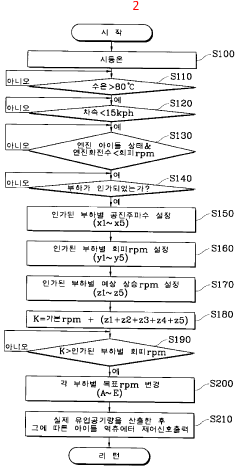
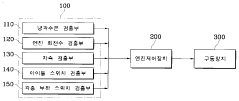
- A method that involves detecting engine operating conditions and load applications, setting a vibration avoidance engine speed, and adjusting intake air amount to maintain engine speed below resonance frequencies, thereby preventing engine vibrations.
Environmental Impact of High-Performance Engines
High-performance engines, such as the 2JZ engine, have significant environmental impacts that extend beyond their impressive power output and high RPM stability. These engines, while celebrated for their performance, contribute to various environmental concerns that warrant careful consideration.
The primary environmental impact of high-performance engines lies in their fuel consumption and emissions. Due to their design for maximum power output, these engines typically consume more fuel than standard engines, leading to increased carbon dioxide emissions. The 2JZ engine, known for its robustness and ability to handle high boost pressures, often requires premium fuel and consumes it at a higher rate, especially when modified for even greater performance.
Emissions from high-performance engines also include higher levels of nitrogen oxides (NOx) and particulate matter. The increased combustion temperatures and pressures that allow for high RPM stability in engines like the 2JZ also contribute to the formation of these pollutants. While modern emission control systems have made significant strides in reducing these emissions, high-performance engines still tend to produce more pollutants per mile driven compared to standard engines.
The manufacturing process of high-performance engines also has environmental implications. The specialized materials and precision engineering required for components that can withstand high RPMs and boost pressures often involve energy-intensive production methods. This includes the creation of forged internals, high-strength alloys, and precision-machined parts, all of which contribute to a larger carbon footprint in the production phase.
Additionally, the pursuit of high RPM stability often leads to more frequent maintenance and shorter engine lifespans, particularly when these engines are pushed to their limits. This results in increased resource consumption for replacement parts and potentially more frequent engine rebuilds or replacements, further impacting the environment through increased manufacturing and waste.
The noise pollution generated by high-performance engines is another environmental concern. While not directly related to air quality or resource consumption, the increased noise levels from these engines, especially when modified, can have negative impacts on urban environments and wildlife habitats.
However, it's important to note that advancements in engine technology, including those derived from high-performance engine development, have led to improvements in efficiency and emissions control that benefit broader automotive applications. Innovations in materials science, combustion efficiency, and engine management systems often trickle down from high-performance applications to more mainstream vehicles, potentially offsetting some of the environmental impacts in the long term.
The primary environmental impact of high-performance engines lies in their fuel consumption and emissions. Due to their design for maximum power output, these engines typically consume more fuel than standard engines, leading to increased carbon dioxide emissions. The 2JZ engine, known for its robustness and ability to handle high boost pressures, often requires premium fuel and consumes it at a higher rate, especially when modified for even greater performance.
Emissions from high-performance engines also include higher levels of nitrogen oxides (NOx) and particulate matter. The increased combustion temperatures and pressures that allow for high RPM stability in engines like the 2JZ also contribute to the formation of these pollutants. While modern emission control systems have made significant strides in reducing these emissions, high-performance engines still tend to produce more pollutants per mile driven compared to standard engines.
The manufacturing process of high-performance engines also has environmental implications. The specialized materials and precision engineering required for components that can withstand high RPMs and boost pressures often involve energy-intensive production methods. This includes the creation of forged internals, high-strength alloys, and precision-machined parts, all of which contribute to a larger carbon footprint in the production phase.
Additionally, the pursuit of high RPM stability often leads to more frequent maintenance and shorter engine lifespans, particularly when these engines are pushed to their limits. This results in increased resource consumption for replacement parts and potentially more frequent engine rebuilds or replacements, further impacting the environment through increased manufacturing and waste.
The noise pollution generated by high-performance engines is another environmental concern. While not directly related to air quality or resource consumption, the increased noise levels from these engines, especially when modified, can have negative impacts on urban environments and wildlife habitats.
However, it's important to note that advancements in engine technology, including those derived from high-performance engine development, have led to improvements in efficiency and emissions control that benefit broader automotive applications. Innovations in materials science, combustion efficiency, and engine management systems often trickle down from high-performance applications to more mainstream vehicles, potentially offsetting some of the environmental impacts in the long term.
Safety Considerations for High RPM Operations
Operating engines at high RPM poses significant safety risks that must be carefully managed. The increased mechanical stress and heat generation at elevated speeds can lead to catastrophic failures if not properly addressed. To ensure safe high RPM operation, robust engine balancing is critical. Properly balanced rotating assemblies minimize vibration and reduce the likelihood of component failure due to fatigue or excessive wear.
Implementing advanced materials and manufacturing techniques can enhance durability at high RPM. For example, forged pistons and connecting rods offer superior strength-to-weight ratios compared to cast components, reducing reciprocating mass and improving reliability. High-performance bearings with specialized coatings can better withstand the increased loads and heat generated at extreme engine speeds.
Adequate lubrication is paramount for high RPM safety. Oil systems must be designed to maintain proper pressure and flow throughout the engine, even under high g-forces experienced during acceleration and cornering. Dry sump systems are often employed in high-performance applications to ensure consistent oil delivery and prevent oil starvation.
Cooling system efficiency becomes increasingly critical as RPM increases. Enhanced radiators, oil coolers, and water pumps may be necessary to dissipate the additional heat generated. Proper coolant selection and maintenance are essential to prevent overheating and potential engine damage.
Electronic safeguards play a crucial role in high RPM safety. Modern engine management systems incorporate rev limiters to prevent over-revving, while monitoring various parameters such as oil pressure, coolant temperature, and knock sensors to detect potential issues before they lead to failure. Some advanced systems can even adjust engine output or limit RPM based on real-time operating conditions.
Regular inspection and maintenance become even more critical for engines operating at high RPM. This includes frequent oil changes, valve adjustments, and component inspections to catch wear or potential failures before they occur. Non-destructive testing methods, such as ultrasonic or magnetic particle inspection, may be employed to detect early signs of fatigue in critical components.
Operator training and awareness are essential aspects of high RPM safety. Drivers and technicians must understand the unique challenges and risks associated with high-speed engine operation. This includes proper warm-up procedures, monitoring of engine parameters, and recognition of warning signs that may indicate impending problems.
Implementing advanced materials and manufacturing techniques can enhance durability at high RPM. For example, forged pistons and connecting rods offer superior strength-to-weight ratios compared to cast components, reducing reciprocating mass and improving reliability. High-performance bearings with specialized coatings can better withstand the increased loads and heat generated at extreme engine speeds.
Adequate lubrication is paramount for high RPM safety. Oil systems must be designed to maintain proper pressure and flow throughout the engine, even under high g-forces experienced during acceleration and cornering. Dry sump systems are often employed in high-performance applications to ensure consistent oil delivery and prevent oil starvation.
Cooling system efficiency becomes increasingly critical as RPM increases. Enhanced radiators, oil coolers, and water pumps may be necessary to dissipate the additional heat generated. Proper coolant selection and maintenance are essential to prevent overheating and potential engine damage.
Electronic safeguards play a crucial role in high RPM safety. Modern engine management systems incorporate rev limiters to prevent over-revving, while monitoring various parameters such as oil pressure, coolant temperature, and knock sensors to detect potential issues before they lead to failure. Some advanced systems can even adjust engine output or limit RPM based on real-time operating conditions.
Regular inspection and maintenance become even more critical for engines operating at high RPM. This includes frequent oil changes, valve adjustments, and component inspections to catch wear or potential failures before they occur. Non-destructive testing methods, such as ultrasonic or magnetic particle inspection, may be employed to detect early signs of fatigue in critical components.
Operator training and awareness are essential aspects of high RPM safety. Drivers and technicians must understand the unique challenges and risks associated with high-speed engine operation. This includes proper warm-up procedures, monitoring of engine parameters, and recognition of warning signs that may indicate impending problems.
Unlock deeper insights with PatSnap Eureka Quick Research — get a full tech report to explore trends and direct your research. Try now!
Generate Your Research Report Instantly with AI Agent
Supercharge your innovation with PatSnap Eureka AI Agent Platform!