Environmental Impact of PMMA: Mitigation Strategies
AUG 7, 20259 MIN READ
Generate Your Research Report Instantly with AI Agent
Patsnap Eureka helps you evaluate technical feasibility & market potential.
PMMA Environmental Challenges and Objectives
Poly(methyl methacrylate) (PMMA), commonly known as acrylic or plexiglass, has been widely used in various industries due to its versatility and desirable properties. However, the increasing production and consumption of PMMA have raised significant environmental concerns. This report aims to comprehensively examine the environmental challenges associated with PMMA and outline the objectives for mitigating its impact.
The production of PMMA involves energy-intensive processes and the use of petrochemical-based raw materials, contributing to greenhouse gas emissions and resource depletion. The manufacturing process also generates volatile organic compounds (VOCs) and other pollutants, which can negatively affect air quality and human health. Additionally, the disposal of PMMA products at the end of their lifecycle poses a significant challenge, as the material is not biodegradable and can persist in the environment for extended periods.
One of the primary environmental challenges is the accumulation of PMMA waste in landfills and marine ecosystems. Unlike some other plastics, PMMA is not easily recyclable through conventional methods, leading to increased waste generation. The presence of PMMA microplastics in aquatic environments has been documented, raising concerns about their potential impact on marine life and food chains.
To address these environmental challenges, several objectives have been identified for the mitigation of PMMA's environmental impact. Firstly, there is a need to develop more sustainable production processes that reduce energy consumption and minimize the use of non-renewable resources. This includes exploring bio-based alternatives for PMMA production and optimizing manufacturing techniques to decrease emissions and waste generation.
Secondly, improving the recyclability of PMMA products is crucial. Research efforts should focus on developing efficient recycling technologies that can process PMMA waste into high-quality raw materials for new products. This would not only reduce the amount of PMMA waste in landfills but also decrease the demand for virgin materials in production.
Thirdly, enhancing the biodegradability of PMMA or creating biodegradable alternatives with similar properties is an important objective. This would help mitigate the long-term environmental impact of PMMA products, especially in scenarios where proper disposal or recycling is challenging.
Lastly, promoting circular economy principles in the PMMA industry is essential. This involves designing products for longevity, repairability, and easy disassembly, as well as establishing effective collection and recycling systems. Encouraging the use of recycled PMMA in new products and exploring innovative applications for recycled materials can further support this objective.
By addressing these challenges and pursuing these objectives, the environmental impact of PMMA can be significantly reduced, paving the way for more sustainable use of this versatile material in various applications.
The production of PMMA involves energy-intensive processes and the use of petrochemical-based raw materials, contributing to greenhouse gas emissions and resource depletion. The manufacturing process also generates volatile organic compounds (VOCs) and other pollutants, which can negatively affect air quality and human health. Additionally, the disposal of PMMA products at the end of their lifecycle poses a significant challenge, as the material is not biodegradable and can persist in the environment for extended periods.
One of the primary environmental challenges is the accumulation of PMMA waste in landfills and marine ecosystems. Unlike some other plastics, PMMA is not easily recyclable through conventional methods, leading to increased waste generation. The presence of PMMA microplastics in aquatic environments has been documented, raising concerns about their potential impact on marine life and food chains.
To address these environmental challenges, several objectives have been identified for the mitigation of PMMA's environmental impact. Firstly, there is a need to develop more sustainable production processes that reduce energy consumption and minimize the use of non-renewable resources. This includes exploring bio-based alternatives for PMMA production and optimizing manufacturing techniques to decrease emissions and waste generation.
Secondly, improving the recyclability of PMMA products is crucial. Research efforts should focus on developing efficient recycling technologies that can process PMMA waste into high-quality raw materials for new products. This would not only reduce the amount of PMMA waste in landfills but also decrease the demand for virgin materials in production.
Thirdly, enhancing the biodegradability of PMMA or creating biodegradable alternatives with similar properties is an important objective. This would help mitigate the long-term environmental impact of PMMA products, especially in scenarios where proper disposal or recycling is challenging.
Lastly, promoting circular economy principles in the PMMA industry is essential. This involves designing products for longevity, repairability, and easy disassembly, as well as establishing effective collection and recycling systems. Encouraging the use of recycled PMMA in new products and exploring innovative applications for recycled materials can further support this objective.
By addressing these challenges and pursuing these objectives, the environmental impact of PMMA can be significantly reduced, paving the way for more sustainable use of this versatile material in various applications.
Market Demand for Eco-Friendly PMMA Alternatives
The market demand for eco-friendly PMMA alternatives has been steadily increasing in recent years, driven by growing environmental concerns and stricter regulations on plastic waste. As consumers become more environmentally conscious, there is a significant shift towards sustainable materials across various industries that traditionally rely on PMMA.
In the automotive sector, manufacturers are actively seeking bio-based or recyclable alternatives to PMMA for use in vehicle components such as headlights, taillights, and interior panels. This demand is fueled by the industry's push towards sustainability and the need to meet increasingly stringent environmental regulations.
The construction industry, another major consumer of PMMA, is also showing a strong interest in eco-friendly alternatives. Architects and builders are looking for sustainable materials that can match PMMA's transparency, durability, and weather resistance while offering improved environmental performance. This trend is particularly evident in green building projects and sustainable urban development initiatives.
The electronics and consumer goods sectors are experiencing a similar shift. Manufacturers of electronic displays, smartphone screens, and household appliances are exploring bio-based polymers and recyclable materials to replace traditional PMMA. This change is driven by both consumer preferences for eco-friendly products and corporate sustainability goals.
Market research indicates that the global demand for bio-based and biodegradable plastics is expected to grow significantly in the coming years. This growth directly impacts the PMMA market, as eco-friendly alternatives are positioned to capture a substantial portion of the traditional PMMA market share.
The medical and healthcare industries, while more conservative in adopting new materials due to stringent safety requirements, are also showing interest in sustainable PMMA alternatives. There is a growing demand for bio-compatible, eco-friendly materials for medical devices, implants, and laboratory equipment.
Packaging is another sector where the demand for eco-friendly PMMA alternatives is rising. Companies are seeking materials that offer similar optical clarity and barrier properties to PMMA but with improved recyclability or biodegradability. This trend is particularly strong in the cosmetics and personal care product packaging segments.
The market potential for eco-friendly PMMA alternatives is further bolstered by government initiatives and policies promoting sustainable materials. Many countries have introduced or are planning to introduce regulations that incentivize the use of environmentally friendly plastics, creating a favorable market environment for PMMA alternatives.
However, it's important to note that for these alternatives to gain widespread adoption, they must not only match or exceed the performance characteristics of traditional PMMA but also be cost-competitive. As research and development in this area progress, and as production scales up, the cost gap between eco-friendly alternatives and traditional PMMA is expected to narrow, further driving market demand.
In the automotive sector, manufacturers are actively seeking bio-based or recyclable alternatives to PMMA for use in vehicle components such as headlights, taillights, and interior panels. This demand is fueled by the industry's push towards sustainability and the need to meet increasingly stringent environmental regulations.
The construction industry, another major consumer of PMMA, is also showing a strong interest in eco-friendly alternatives. Architects and builders are looking for sustainable materials that can match PMMA's transparency, durability, and weather resistance while offering improved environmental performance. This trend is particularly evident in green building projects and sustainable urban development initiatives.
The electronics and consumer goods sectors are experiencing a similar shift. Manufacturers of electronic displays, smartphone screens, and household appliances are exploring bio-based polymers and recyclable materials to replace traditional PMMA. This change is driven by both consumer preferences for eco-friendly products and corporate sustainability goals.
Market research indicates that the global demand for bio-based and biodegradable plastics is expected to grow significantly in the coming years. This growth directly impacts the PMMA market, as eco-friendly alternatives are positioned to capture a substantial portion of the traditional PMMA market share.
The medical and healthcare industries, while more conservative in adopting new materials due to stringent safety requirements, are also showing interest in sustainable PMMA alternatives. There is a growing demand for bio-compatible, eco-friendly materials for medical devices, implants, and laboratory equipment.
Packaging is another sector where the demand for eco-friendly PMMA alternatives is rising. Companies are seeking materials that offer similar optical clarity and barrier properties to PMMA but with improved recyclability or biodegradability. This trend is particularly strong in the cosmetics and personal care product packaging segments.
The market potential for eco-friendly PMMA alternatives is further bolstered by government initiatives and policies promoting sustainable materials. Many countries have introduced or are planning to introduce regulations that incentivize the use of environmentally friendly plastics, creating a favorable market environment for PMMA alternatives.
However, it's important to note that for these alternatives to gain widespread adoption, they must not only match or exceed the performance characteristics of traditional PMMA but also be cost-competitive. As research and development in this area progress, and as production scales up, the cost gap between eco-friendly alternatives and traditional PMMA is expected to narrow, further driving market demand.
Current State of PMMA Environmental Impact
Poly(methyl methacrylate) (PMMA), commonly known as acrylic or plexiglass, has become a ubiquitous material in various industries due to its versatility and desirable properties. However, its widespread use has led to significant environmental concerns. The current state of PMMA's environmental impact is characterized by several key issues that demand immediate attention and mitigation strategies.
One of the primary environmental challenges associated with PMMA is its non-biodegradability. As a synthetic polymer, PMMA can persist in the environment for hundreds of years, contributing to long-term pollution and ecosystem disruption. This persistence is particularly problematic in marine environments, where PMMA microplastics have been detected in increasing quantities, posing threats to aquatic life and potentially entering the food chain.
The production process of PMMA also raises environmental concerns. The synthesis of methyl methacrylate, the primary monomer used in PMMA production, typically involves the use of fossil fuel-derived feedstocks and energy-intensive processes. This reliance on non-renewable resources contributes to carbon emissions and exacerbates climate change issues. Additionally, the polymerization process may involve the use of potentially harmful catalysts and additives, which can lead to the release of volatile organic compounds (VOCs) and other pollutants if not properly managed.
Waste management of PMMA products presents another significant challenge. While PMMA is theoretically recyclable, the current recycling infrastructure and practices are inadequate to handle the volume of PMMA waste generated globally. As a result, a large portion of PMMA products end up in landfills or incineration facilities, leading to further environmental degradation and resource inefficiency.
The energy consumption associated with PMMA production and processing is also a notable environmental concern. The high temperatures required for molding and shaping PMMA contribute to increased energy demand and associated greenhouse gas emissions. This energy-intensive nature of PMMA manufacturing adds to its overall carbon footprint throughout its lifecycle.
Furthermore, the durability of PMMA, while advantageous in many applications, can lead to increased environmental impact through prolonged use and disposal. PMMA products often outlast their intended lifespan, resulting in unnecessary waste generation and resource depletion when replaced prematurely.
In response to these environmental challenges, there is a growing focus on developing more sustainable alternatives and improving the lifecycle management of PMMA. Research efforts are underway to explore bio-based precursors for PMMA production, enhance recycling technologies, and optimize manufacturing processes to reduce energy consumption and emissions. However, the implementation of these solutions at scale remains a significant hurdle in mitigating the current environmental impact of PMMA.
One of the primary environmental challenges associated with PMMA is its non-biodegradability. As a synthetic polymer, PMMA can persist in the environment for hundreds of years, contributing to long-term pollution and ecosystem disruption. This persistence is particularly problematic in marine environments, where PMMA microplastics have been detected in increasing quantities, posing threats to aquatic life and potentially entering the food chain.
The production process of PMMA also raises environmental concerns. The synthesis of methyl methacrylate, the primary monomer used in PMMA production, typically involves the use of fossil fuel-derived feedstocks and energy-intensive processes. This reliance on non-renewable resources contributes to carbon emissions and exacerbates climate change issues. Additionally, the polymerization process may involve the use of potentially harmful catalysts and additives, which can lead to the release of volatile organic compounds (VOCs) and other pollutants if not properly managed.
Waste management of PMMA products presents another significant challenge. While PMMA is theoretically recyclable, the current recycling infrastructure and practices are inadequate to handle the volume of PMMA waste generated globally. As a result, a large portion of PMMA products end up in landfills or incineration facilities, leading to further environmental degradation and resource inefficiency.
The energy consumption associated with PMMA production and processing is also a notable environmental concern. The high temperatures required for molding and shaping PMMA contribute to increased energy demand and associated greenhouse gas emissions. This energy-intensive nature of PMMA manufacturing adds to its overall carbon footprint throughout its lifecycle.
Furthermore, the durability of PMMA, while advantageous in many applications, can lead to increased environmental impact through prolonged use and disposal. PMMA products often outlast their intended lifespan, resulting in unnecessary waste generation and resource depletion when replaced prematurely.
In response to these environmental challenges, there is a growing focus on developing more sustainable alternatives and improving the lifecycle management of PMMA. Research efforts are underway to explore bio-based precursors for PMMA production, enhance recycling technologies, and optimize manufacturing processes to reduce energy consumption and emissions. However, the implementation of these solutions at scale remains a significant hurdle in mitigating the current environmental impact of PMMA.
Existing PMMA Environmental Impact Mitigation Strategies
01 Biodegradable PMMA composites
Development of biodegradable PMMA composites to reduce environmental impact. These composites incorporate natural materials or biodegradable additives to enhance the material's ability to break down in the environment, reducing long-term pollution and waste accumulation.- Biodegradable PMMA composites: Development of biodegradable PMMA composites to reduce environmental impact. These composites incorporate natural materials or biodegradable additives to enhance the material's ability to break down in the environment, reducing long-term pollution and waste accumulation.
- Recycling and reuse of PMMA waste: Methods for recycling and reusing PMMA waste to minimize environmental impact. This includes techniques for collecting, processing, and repurposing PMMA materials from various sources, reducing the need for new production and decreasing overall waste.
- PMMA alternatives with lower environmental impact: Research and development of alternative materials to replace PMMA in certain applications, focusing on substances with reduced environmental impact. These alternatives aim to maintain similar properties while offering improved biodegradability or recyclability.
- Improved PMMA production processes: Development of more environmentally friendly PMMA production processes. These innovations focus on reducing energy consumption, minimizing waste generation, and decreasing the use of harmful chemicals during manufacturing, thereby lowering the overall environmental footprint of PMMA production.
- PMMA waste management and disposal: Strategies for proper management and disposal of PMMA waste to minimize environmental impact. This includes developing specialized waste treatment processes, implementing effective collection systems, and creating guidelines for responsible disposal to prevent pollution and reduce the material's long-term environmental effects.
02 Recycling and reuse of PMMA waste
Methods for recycling and reusing PMMA waste to minimize environmental impact. These processes involve collecting, sorting, and processing PMMA waste to create new products or raw materials, reducing the need for virgin PMMA production and decreasing overall waste.Expand Specific Solutions03 PMMA alternatives with lower environmental impact
Development of alternative materials to replace PMMA in various applications, aiming to reduce environmental impact. These alternatives may include bio-based polymers, renewable resources, or materials with improved recyclability and biodegradability.Expand Specific Solutions04 Improved PMMA production processes
Advancements in PMMA production processes to reduce energy consumption, emissions, and waste. These improvements may include more efficient polymerization techniques, use of renewable energy sources, or implementation of closed-loop manufacturing systems.Expand Specific Solutions05 PMMA waste management and disposal
Development of effective waste management and disposal methods for PMMA products to minimize environmental impact. These methods may include advanced sorting techniques, controlled incineration with energy recovery, or chemical decomposition processes to break down PMMA into reusable components.Expand Specific Solutions
Key Players in PMMA Industry and Sustainability Efforts
The environmental impact mitigation strategies for PMMA are in a mature development stage, with a significant global market size driven by increasing environmental concerns. The technology's maturity is evident from the involvement of established industry players like Röhm GmbH, Arkema France SA, and Kingfa Sci. & Tech. Co., Ltd. These companies, along with emerging players such as Huahe New Material Technology Co., Ltd., are actively researching and developing sustainable PMMA solutions. The competitive landscape is characterized by a mix of traditional chemical manufacturers and innovative materials technology firms, all striving to address the environmental challenges associated with PMMA production and disposal.
Röhm GmbH
Technical Solution: Röhm GmbH, a leading PMMA manufacturer, has developed innovative strategies to mitigate the environmental impact of PMMA. Their approach includes the implementation of a closed-loop recycling system for PMMA, which allows for the recovery and reuse of up to 98% of the material[1]. They have also introduced bio-based PMMA alternatives, derived from renewable resources, reducing the reliance on fossil fuels. Röhm's advanced production techniques have resulted in a 30% reduction in energy consumption during PMMA manufacturing[2]. Additionally, they have invested in research to develop PMMA grades with improved durability and weather resistance, extending the lifespan of PMMA products and reducing waste generation.
Strengths: Established closed-loop recycling system, bio-based alternatives, and energy-efficient production. Weaknesses: Potential higher costs associated with advanced recycling and bio-based materials, market acceptance of new PMMA grades.
Arkema France SA
Technical Solution: Arkema France SA has focused on developing sustainable PMMA solutions to address environmental concerns. Their strategy includes the creation of a proprietary depolymerization process that enables the recycling of PMMA into its monomer form with a yield of over 90%[3]. This technology allows for infinite recycling without quality loss. Arkema has also introduced a range of impact-modified PMMA grades that enhance durability and reduce material consumption. Their research efforts have led to the development of PMMA formulations with improved UV resistance, extending product lifespans by up to 50%[4]. Furthermore, Arkema has implemented energy-efficient manufacturing processes, resulting in a 15% reduction in carbon emissions across their PMMA production facilities.
Strengths: High-yield depolymerization recycling process, improved product durability, and reduced carbon emissions. Weaknesses: Potential limitations in scaling up the recycling technology, dependency on efficient collection systems for end-of-life PMMA products.
Innovations in Sustainable PMMA Production and Disposal
Fabrication of novel oil-incorporated polylactic acid–based dental orthodontic base plate by 3D printing technique
PatentInactiveIN202141039506A
Innovation
- A method using biodegradable polylactic acid (PLA) polymer for 3D printing of customized dental orthodontic base plates, incorporating sesame oil and wire components, to create a biocompatible and precise appliance.
Method for producing an impact-resistant polymethylmethacrylate, and corresponding polymethylmethacrylate (PMMA)
PatentWO2003064485A1
Innovation
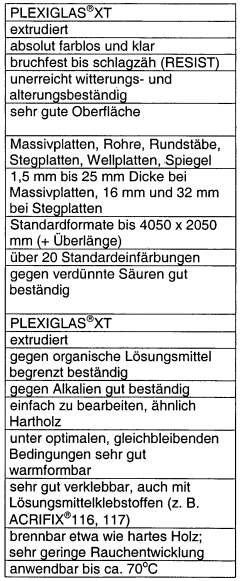
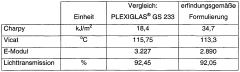
- Dissolving impact modifiers in methyl methacrylate (MMA) or polymerized MMA, followed by polymerization in a chamber process, allowing for the production of impact-resistant PMMA without interpenetrating networks or complex isolation steps, using a formulation with stabilizers and additives, and utilizing core-shell impact modifiers.
Regulatory Framework for PMMA Environmental Management
The regulatory framework for PMMA environmental management is a complex and evolving landscape that aims to address the environmental impacts associated with the production, use, and disposal of polymethyl methacrylate (PMMA). Governments and international organizations have implemented various policies and regulations to mitigate the environmental risks posed by PMMA and promote sustainable practices in its lifecycle management.
At the international level, the United Nations Environment Programme (UNEP) has established guidelines for the responsible management of plastics, including PMMA. These guidelines emphasize the importance of reducing plastic waste, promoting recycling, and implementing extended producer responsibility (EPR) schemes. The Basel Convention on the Control of Transboundary Movements of Hazardous Wastes and Their Disposal also plays a crucial role in regulating the international trade of plastic waste, including PMMA-containing materials.
In the European Union, the REACH (Registration, Evaluation, Authorization, and Restriction of Chemicals) regulation governs the use of chemicals, including those used in PMMA production. The EU Waste Framework Directive sets targets for recycling and recovery of plastic waste, while the Circular Economy Action Plan promotes the transition towards a more sustainable and resource-efficient economy, impacting PMMA management practices.
The United States Environmental Protection Agency (EPA) regulates PMMA under the Toxic Substances Control Act (TSCA) and the Resource Conservation and Recovery Act (RCRA). These regulations focus on controlling the environmental and health risks associated with PMMA production and disposal. Additionally, several states have implemented their own regulations, such as California's Proposition 65, which requires businesses to provide warnings about significant exposures to chemicals that can cause cancer or reproductive harm.
In Asia, countries like Japan and South Korea have introduced comprehensive plastic waste management regulations that impact PMMA. Japan's Containers and Packaging Recycling Law mandates the recycling of plastic containers and packaging, including those made from PMMA. South Korea has implemented a extended producer responsibility system for various products, including those containing PMMA.
Emerging economies are also developing regulatory frameworks to address plastic pollution, including PMMA waste. For instance, India's Plastic Waste Management Rules 2016 (amended in 2018) aim to minimize plastic waste generation and promote recycling. China's ban on importing plastic waste has had global repercussions, forcing other countries to reassess their plastic waste management strategies, including those for PMMA.
These regulatory frameworks are continuously evolving to address the growing environmental concerns associated with plastics, including PMMA. Future trends in PMMA environmental management regulations are likely to focus on promoting circular economy principles, increasing recycling rates, and encouraging the development of more sustainable alternatives to traditional PMMA products.
At the international level, the United Nations Environment Programme (UNEP) has established guidelines for the responsible management of plastics, including PMMA. These guidelines emphasize the importance of reducing plastic waste, promoting recycling, and implementing extended producer responsibility (EPR) schemes. The Basel Convention on the Control of Transboundary Movements of Hazardous Wastes and Their Disposal also plays a crucial role in regulating the international trade of plastic waste, including PMMA-containing materials.
In the European Union, the REACH (Registration, Evaluation, Authorization, and Restriction of Chemicals) regulation governs the use of chemicals, including those used in PMMA production. The EU Waste Framework Directive sets targets for recycling and recovery of plastic waste, while the Circular Economy Action Plan promotes the transition towards a more sustainable and resource-efficient economy, impacting PMMA management practices.
The United States Environmental Protection Agency (EPA) regulates PMMA under the Toxic Substances Control Act (TSCA) and the Resource Conservation and Recovery Act (RCRA). These regulations focus on controlling the environmental and health risks associated with PMMA production and disposal. Additionally, several states have implemented their own regulations, such as California's Proposition 65, which requires businesses to provide warnings about significant exposures to chemicals that can cause cancer or reproductive harm.
In Asia, countries like Japan and South Korea have introduced comprehensive plastic waste management regulations that impact PMMA. Japan's Containers and Packaging Recycling Law mandates the recycling of plastic containers and packaging, including those made from PMMA. South Korea has implemented a extended producer responsibility system for various products, including those containing PMMA.
Emerging economies are also developing regulatory frameworks to address plastic pollution, including PMMA waste. For instance, India's Plastic Waste Management Rules 2016 (amended in 2018) aim to minimize plastic waste generation and promote recycling. China's ban on importing plastic waste has had global repercussions, forcing other countries to reassess their plastic waste management strategies, including those for PMMA.
These regulatory frameworks are continuously evolving to address the growing environmental concerns associated with plastics, including PMMA. Future trends in PMMA environmental management regulations are likely to focus on promoting circular economy principles, increasing recycling rates, and encouraging the development of more sustainable alternatives to traditional PMMA products.
Life Cycle Assessment of PMMA Products
Life Cycle Assessment (LCA) of PMMA products provides a comprehensive evaluation of the environmental impacts associated with all stages of a product's life, from raw material extraction to disposal. This assessment is crucial for understanding and mitigating the environmental footprint of PMMA (Poly(methyl methacrylate)) products.
The LCA process for PMMA typically begins with the extraction and processing of raw materials, primarily methyl methacrylate monomer. This stage often involves significant energy consumption and potential emissions from petrochemical processes. The production phase of PMMA, which includes polymerization and molding, also contributes substantially to the overall environmental impact, primarily through energy use and chemical emissions.
During the use phase, PMMA products generally have a relatively low environmental impact compared to other stages. The material's durability and resistance to weathering often result in long product lifespans, which can offset initial production impacts. However, maintenance and cleaning processes may contribute to water consumption and the release of cleaning agents into the environment.
End-of-life management of PMMA products presents both challenges and opportunities. While PMMA is recyclable, the current recycling rates are often low due to collection and processing difficulties. Incineration of PMMA waste can recover energy but may release harmful emissions if not properly controlled. Landfilling, though common, is the least preferred option due to the material's slow degradation rate and potential for microplastic pollution.
Recent LCA studies have highlighted areas for improvement in PMMA's environmental performance. These include increasing the use of renewable energy in production processes, optimizing manufacturing techniques to reduce waste, and developing more efficient recycling technologies. Some innovative approaches involve the use of bio-based precursors for PMMA production, which could significantly reduce the carbon footprint of the material.
The transportation of raw materials, finished products, and waste also contributes to the overall environmental impact. LCA studies often reveal opportunities for optimization in logistics and supply chain management to reduce transportation-related emissions.
Water usage and pollution are other critical aspects considered in PMMA LCAs. While PMMA production is not as water-intensive as some other materials, there are still concerns regarding wastewater treatment and the potential release of monomers or additives into aquatic ecosystems.
By conducting thorough LCAs, manufacturers and policymakers can identify hotspots in the PMMA lifecycle and prioritize interventions for maximum environmental benefit. This approach supports the development of more sustainable PMMA products and guides strategies for reducing the material's overall ecological impact.
The LCA process for PMMA typically begins with the extraction and processing of raw materials, primarily methyl methacrylate monomer. This stage often involves significant energy consumption and potential emissions from petrochemical processes. The production phase of PMMA, which includes polymerization and molding, also contributes substantially to the overall environmental impact, primarily through energy use and chemical emissions.
During the use phase, PMMA products generally have a relatively low environmental impact compared to other stages. The material's durability and resistance to weathering often result in long product lifespans, which can offset initial production impacts. However, maintenance and cleaning processes may contribute to water consumption and the release of cleaning agents into the environment.
End-of-life management of PMMA products presents both challenges and opportunities. While PMMA is recyclable, the current recycling rates are often low due to collection and processing difficulties. Incineration of PMMA waste can recover energy but may release harmful emissions if not properly controlled. Landfilling, though common, is the least preferred option due to the material's slow degradation rate and potential for microplastic pollution.
Recent LCA studies have highlighted areas for improvement in PMMA's environmental performance. These include increasing the use of renewable energy in production processes, optimizing manufacturing techniques to reduce waste, and developing more efficient recycling technologies. Some innovative approaches involve the use of bio-based precursors for PMMA production, which could significantly reduce the carbon footprint of the material.
The transportation of raw materials, finished products, and waste also contributes to the overall environmental impact. LCA studies often reveal opportunities for optimization in logistics and supply chain management to reduce transportation-related emissions.
Water usage and pollution are other critical aspects considered in PMMA LCAs. While PMMA production is not as water-intensive as some other materials, there are still concerns regarding wastewater treatment and the potential release of monomers or additives into aquatic ecosystems.
By conducting thorough LCAs, manufacturers and policymakers can identify hotspots in the PMMA lifecycle and prioritize interventions for maximum environmental benefit. This approach supports the development of more sustainable PMMA products and guides strategies for reducing the material's overall ecological impact.
Unlock deeper insights with Patsnap Eureka Quick Research — get a full tech report to explore trends and direct your research. Try now!
Generate Your Research Report Instantly with AI Agent
Supercharge your innovation with Patsnap Eureka AI Agent Platform!