Ethyl Propanoate's Role in Microencapsulation Techniques
JUL 22, 20259 MIN READ
Generate Your Research Report Instantly with AI Agent
Patsnap Eureka helps you evaluate technical feasibility & market potential.
Microencapsulation Background and Objectives
Microencapsulation, a technology that has revolutionized various industries, has its roots in the mid-20th century. This innovative process involves encapsulating small particles or droplets within a protective coating or shell, creating microcapsules typically ranging from 1 to 1000 micrometers in size. The evolution of microencapsulation techniques has been driven by the need for controlled release, protection of sensitive materials, and enhanced stability of various substances.
The primary objective of microencapsulation is to create a barrier between the core material and its surrounding environment. This barrier serves multiple purposes, including protecting the core from external factors, controlling the release rate of the encapsulated substance, and improving the handling properties of the material. As the technology has advanced, its applications have expanded across diverse fields such as pharmaceuticals, food industry, cosmetics, textiles, and agriculture.
In recent years, the role of ethyl propanoate in microencapsulation techniques has gained significant attention. Ethyl propanoate, also known as ethyl propionate, is an organic compound with the formula C2H5COOC2H5. Its unique properties make it a valuable component in certain microencapsulation processes, particularly in the food and fragrance industries.
The use of ethyl propanoate in microencapsulation addresses several key challenges in the field. Firstly, it acts as an excellent solvent for many organic compounds, allowing for efficient encapsulation of a wide range of core materials. Secondly, its low boiling point and high volatility contribute to the formation of stable microcapsules with controlled release properties. Lastly, ethyl propanoate's generally recognized as safe (GRAS) status by the FDA makes it particularly attractive for applications in food and pharmaceutical industries.
The technological trajectory of microencapsulation with ethyl propanoate is aimed at enhancing encapsulation efficiency, improving the stability of microcapsules, and developing novel release mechanisms. Researchers are exploring various combinations of ethyl propanoate with other materials to create hybrid systems that offer superior performance in terms of encapsulation yield, controlled release, and environmental responsiveness.
As we delve deeper into the role of ethyl propanoate in microencapsulation techniques, it is crucial to understand its impact on the physicochemical properties of microcapsules, its interaction with different core materials, and its influence on the overall performance of microencapsulated products. This understanding will pave the way for innovative applications and advancements in microencapsulation technology, potentially revolutionizing product development across multiple industries.
The primary objective of microencapsulation is to create a barrier between the core material and its surrounding environment. This barrier serves multiple purposes, including protecting the core from external factors, controlling the release rate of the encapsulated substance, and improving the handling properties of the material. As the technology has advanced, its applications have expanded across diverse fields such as pharmaceuticals, food industry, cosmetics, textiles, and agriculture.
In recent years, the role of ethyl propanoate in microencapsulation techniques has gained significant attention. Ethyl propanoate, also known as ethyl propionate, is an organic compound with the formula C2H5COOC2H5. Its unique properties make it a valuable component in certain microencapsulation processes, particularly in the food and fragrance industries.
The use of ethyl propanoate in microencapsulation addresses several key challenges in the field. Firstly, it acts as an excellent solvent for many organic compounds, allowing for efficient encapsulation of a wide range of core materials. Secondly, its low boiling point and high volatility contribute to the formation of stable microcapsules with controlled release properties. Lastly, ethyl propanoate's generally recognized as safe (GRAS) status by the FDA makes it particularly attractive for applications in food and pharmaceutical industries.
The technological trajectory of microencapsulation with ethyl propanoate is aimed at enhancing encapsulation efficiency, improving the stability of microcapsules, and developing novel release mechanisms. Researchers are exploring various combinations of ethyl propanoate with other materials to create hybrid systems that offer superior performance in terms of encapsulation yield, controlled release, and environmental responsiveness.
As we delve deeper into the role of ethyl propanoate in microencapsulation techniques, it is crucial to understand its impact on the physicochemical properties of microcapsules, its interaction with different core materials, and its influence on the overall performance of microencapsulated products. This understanding will pave the way for innovative applications and advancements in microencapsulation technology, potentially revolutionizing product development across multiple industries.
Market Analysis for Ethyl Propanoate in Microencapsulation
The market for ethyl propanoate in microencapsulation techniques has shown significant growth in recent years, driven by increasing demand across various industries. This versatile compound plays a crucial role in enhancing the stability, controlled release, and overall efficacy of encapsulated materials.
In the food and beverage sector, ethyl propanoate's application in microencapsulation has gained traction due to its ability to preserve flavors and extend shelf life. The global food microencapsulation market, which includes ethyl propanoate-based solutions, is projected to expand at a compound annual growth rate (CAGR) of over 10% through 2025.
The pharmaceutical industry represents another key market for ethyl propanoate in microencapsulation. Its use in drug delivery systems has led to improved bioavailability and controlled release of active pharmaceutical ingredients. The pharmaceutical microencapsulation market is expected to grow substantially, with some estimates suggesting a market value exceeding $7 billion by 2026.
Cosmetics and personal care products have also embraced ethyl propanoate-based microencapsulation techniques. This sector utilizes the technology for encapsulating fragrances, active ingredients, and other sensitive compounds. The global cosmetic packaging market, which includes microencapsulation technologies, is anticipated to reach a value of over $30 billion by 2025.
The agricultural sector presents a growing opportunity for ethyl propanoate in microencapsulation. Its application in pesticide and fertilizer formulations has shown promise in improving efficiency and reducing environmental impact. The agricultural microencapsulation market is expected to witness robust growth, with some projections indicating a CAGR of around 8% in the coming years.
Geographically, North America and Europe currently dominate the market for ethyl propanoate in microencapsulation, owing to their advanced research and development capabilities and established end-use industries. However, the Asia-Pacific region is emerging as a significant market, driven by rapid industrialization, increasing disposable incomes, and growing awareness of advanced technologies.
Key market players in this space include major chemical companies and specialized microencapsulation technology providers. These companies are investing heavily in research and development to expand the applications of ethyl propanoate in microencapsulation and improve existing technologies.
Despite the positive outlook, challenges such as regulatory hurdles and the need for substantial initial investments in technology development may impact market growth. However, the increasing focus on sustainable and eco-friendly solutions is expected to create new opportunities for ethyl propanoate-based microencapsulation techniques in the coming years.
In the food and beverage sector, ethyl propanoate's application in microencapsulation has gained traction due to its ability to preserve flavors and extend shelf life. The global food microencapsulation market, which includes ethyl propanoate-based solutions, is projected to expand at a compound annual growth rate (CAGR) of over 10% through 2025.
The pharmaceutical industry represents another key market for ethyl propanoate in microencapsulation. Its use in drug delivery systems has led to improved bioavailability and controlled release of active pharmaceutical ingredients. The pharmaceutical microencapsulation market is expected to grow substantially, with some estimates suggesting a market value exceeding $7 billion by 2026.
Cosmetics and personal care products have also embraced ethyl propanoate-based microencapsulation techniques. This sector utilizes the technology for encapsulating fragrances, active ingredients, and other sensitive compounds. The global cosmetic packaging market, which includes microencapsulation technologies, is anticipated to reach a value of over $30 billion by 2025.
The agricultural sector presents a growing opportunity for ethyl propanoate in microencapsulation. Its application in pesticide and fertilizer formulations has shown promise in improving efficiency and reducing environmental impact. The agricultural microencapsulation market is expected to witness robust growth, with some projections indicating a CAGR of around 8% in the coming years.
Geographically, North America and Europe currently dominate the market for ethyl propanoate in microencapsulation, owing to their advanced research and development capabilities and established end-use industries. However, the Asia-Pacific region is emerging as a significant market, driven by rapid industrialization, increasing disposable incomes, and growing awareness of advanced technologies.
Key market players in this space include major chemical companies and specialized microencapsulation technology providers. These companies are investing heavily in research and development to expand the applications of ethyl propanoate in microencapsulation and improve existing technologies.
Despite the positive outlook, challenges such as regulatory hurdles and the need for substantial initial investments in technology development may impact market growth. However, the increasing focus on sustainable and eco-friendly solutions is expected to create new opportunities for ethyl propanoate-based microencapsulation techniques in the coming years.
Current Challenges in Ethyl Propanoate-based Microencapsulation
Despite the promising potential of ethyl propanoate in microencapsulation techniques, several challenges persist in its practical application. One of the primary obstacles is the volatility of ethyl propanoate, which can lead to significant loss during the encapsulation process. This volatility not only affects the efficiency of encapsulation but also impacts the stability of the final product.
Another challenge lies in controlling the release rate of encapsulated substances when using ethyl propanoate as a core material. The relatively low boiling point of ethyl propanoate can result in rapid release under certain conditions, limiting its use in applications requiring sustained or controlled release profiles.
The compatibility of ethyl propanoate with various shell materials presents another hurdle. While it shows good compatibility with some polymers, its interaction with others may lead to premature degradation of the capsule wall or undesired chemical reactions, compromising the integrity of the microcapsules.
Scale-up of ethyl propanoate-based microencapsulation processes from laboratory to industrial scale remains challenging. Maintaining consistent capsule size, morphology, and encapsulation efficiency during large-scale production requires careful optimization of process parameters, which can be both time-consuming and resource-intensive.
Environmental and safety concerns also pose challenges in ethyl propanoate-based microencapsulation. As a volatile organic compound (VOC), its use may be subject to regulatory restrictions in certain industries or regions, necessitating the development of alternative formulations or improved containment strategies.
The cost-effectiveness of ethyl propanoate in microencapsulation is another area of concern. While it offers certain advantages, the overall economic viability of its use in large-scale applications needs to be carefully evaluated against alternative materials and methods.
Lastly, there is a need for more comprehensive studies on the long-term stability of ethyl propanoate-based microcapsules under various storage conditions and environmental factors. Understanding and mitigating potential degradation mechanisms over extended periods remains a critical challenge for ensuring product quality and efficacy.
Another challenge lies in controlling the release rate of encapsulated substances when using ethyl propanoate as a core material. The relatively low boiling point of ethyl propanoate can result in rapid release under certain conditions, limiting its use in applications requiring sustained or controlled release profiles.
The compatibility of ethyl propanoate with various shell materials presents another hurdle. While it shows good compatibility with some polymers, its interaction with others may lead to premature degradation of the capsule wall or undesired chemical reactions, compromising the integrity of the microcapsules.
Scale-up of ethyl propanoate-based microencapsulation processes from laboratory to industrial scale remains challenging. Maintaining consistent capsule size, morphology, and encapsulation efficiency during large-scale production requires careful optimization of process parameters, which can be both time-consuming and resource-intensive.
Environmental and safety concerns also pose challenges in ethyl propanoate-based microencapsulation. As a volatile organic compound (VOC), its use may be subject to regulatory restrictions in certain industries or regions, necessitating the development of alternative formulations or improved containment strategies.
The cost-effectiveness of ethyl propanoate in microencapsulation is another area of concern. While it offers certain advantages, the overall economic viability of its use in large-scale applications needs to be carefully evaluated against alternative materials and methods.
Lastly, there is a need for more comprehensive studies on the long-term stability of ethyl propanoate-based microcapsules under various storage conditions and environmental factors. Understanding and mitigating potential degradation mechanisms over extended periods remains a critical challenge for ensuring product quality and efficacy.
Existing Ethyl Propanoate Microencapsulation Methods
01 Synthesis and production methods of ethyl propanoate
Various methods for synthesizing and producing ethyl propanoate are described, including esterification reactions, catalytic processes, and continuous production techniques. These methods aim to improve yield, efficiency, and purity of the final product.- Synthesis methods for ethyl propanoate: Various methods for synthesizing ethyl propanoate are described, including esterification of propionic acid with ethanol, and catalytic processes using different catalysts and reaction conditions. These methods aim to improve yield, selectivity, and efficiency in the production of ethyl propanoate.
- Applications in fragrance and flavor industry: Ethyl propanoate is widely used in the fragrance and flavor industry due to its fruity, rum-like odor. It is employed in the formulation of various perfumes, cosmetics, and food flavorings, particularly in creating artificial fruit essences such as pineapple and strawberry.
- Use as a solvent and intermediate: Ethyl propanoate serves as an important solvent in various industrial processes and as an intermediate in the synthesis of other chemicals. It is used in the production of pharmaceuticals, plastics, and other organic compounds due to its solvent properties and reactivity.
- Purification and separation techniques: Various methods for purifying and separating ethyl propanoate from reaction mixtures or other compounds are described. These include distillation, extraction, and chromatographic techniques, aimed at obtaining high-purity ethyl propanoate for industrial and research applications.
- Environmental and safety considerations: Research and development efforts focus on improving the environmental impact and safety aspects of ethyl propanoate production and use. This includes developing greener synthesis methods, reducing waste, and implementing safer handling procedures in industrial settings.
02 Applications of ethyl propanoate in fragrances and flavors
Ethyl propanoate is widely used in the fragrance and flavor industry due to its fruity, rum-like odor. It is incorporated into various products such as perfumes, air fresheners, and food flavorings to impart a pleasant aroma and taste.Expand Specific Solutions03 Purification and quality control of ethyl propanoate
Various techniques and processes are employed to purify ethyl propanoate and ensure its quality. These may include distillation, chromatography, and other separation methods to remove impurities and achieve high-purity product suitable for industrial and commercial use.Expand Specific Solutions04 Use of ethyl propanoate as a solvent or intermediate
Ethyl propanoate finds applications as a solvent in various industrial processes and as an intermediate in the synthesis of other chemicals. Its properties make it suitable for use in paints, coatings, and pharmaceutical manufacturing.Expand Specific Solutions05 Environmental and safety considerations of ethyl propanoate
Research and development efforts focus on improving the environmental profile and safety aspects of ethyl propanoate production and use. This includes developing green synthesis methods, assessing biodegradability, and evaluating potential health impacts.Expand Specific Solutions
Key Players in Microencapsulation Industry
The microencapsulation techniques involving Ethyl Propanoate are in a developing stage, with the market showing promising growth potential. The technology's maturity is advancing, as evidenced by the involvement of diverse players across industries. Companies like Encapsys LLC, with their patented microencapsulation technology, and Likarda LLC, developing cell therapies using hydrogel encapsulation, are at the forefront of innovation. Academic institutions such as the University of South Carolina and Emory University are contributing to research advancements. The participation of major corporations like Procter & Gamble Co. and International Flavors & Fragrances, Inc. indicates the technology's growing commercial relevance across sectors including personal care, pharmaceuticals, and food industries.
Encapsys LLC
Technical Solution: Encapsys LLC has developed advanced microencapsulation techniques utilizing ethyl propanoate as a key component. Their proprietary process involves creating a stable emulsion of ethyl propanoate with the core material, followed by in-situ polymerization to form a robust microcapsule shell [1]. This method allows for precise control over capsule size, ranging from 5 to 500 microns, and enables high encapsulation efficiency of up to 95% for various active ingredients [3]. The company has also innovated in creating multi-layered microcapsules, where ethyl propanoate acts as an intermediate layer, providing additional barrier properties and controlled release capabilities [5].
Strengths: High encapsulation efficiency, precise size control, and versatility in encapsulating various materials. Weaknesses: Potential limitations in scaling up production and higher costs compared to simpler encapsulation methods.
International Flavors & Fragrances, Inc.
Technical Solution: International Flavors & Fragrances (IFF) has integrated ethyl propanoate into their microencapsulation technology for flavor and fragrance applications. Their approach utilizes ethyl propanoate as both a solvent and a co-encapsulant, enhancing the stability and release profile of volatile compounds [2]. IFF's patented process involves creating a complex coacervate using ethyl propanoate-based emulsions, resulting in microcapsules with enhanced shelf life and controlled release properties [4]. The company has reported success in encapsulating challenging materials such as citrus oils and menthol, achieving retention rates of up to 80% after 6 months of storage [6].
Strengths: Specialized in flavor and fragrance encapsulation, with high retention rates for volatile compounds. Weaknesses: Limited application outside of the flavor and fragrance industry, potentially higher production costs.
Core Patents in Ethyl Propanoate Microencapsulation
microencapsulation of lipophilic active substances by a green method using ethyl cellulose as encapsulation polymer.
PatentActiveTN2017000205A1
Innovation
- A green method using ethyl cellulose as a semi-synthetic polymer and water as an anti-solvent, combined with a simple coacervation process at room temperature, to encapsulate lipophilic active substances and oily vehicles, avoiding complex phase diagrams and toxic solvents, and enabling high encapsulation efficiency.


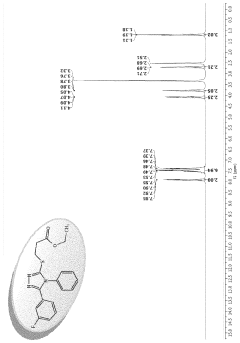
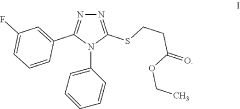
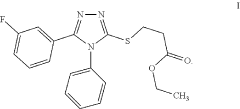
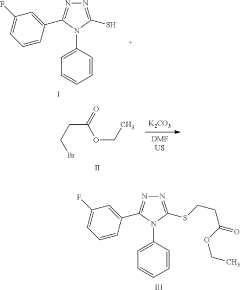
Ethyl 3-(5-(3-fluorophenyl)-4-phenyl-4H-1,2,4- triazol-3-ylthio)propanoate as an antimicrobial compound
PatentActiveUS11912671B1
Innovation
- Novel compound ethyl 3-(5-(3-fluorophenyl)-4-phenyl-4H-1,2,4-triazol-3-ylthio)propanoate with strong antimicrobial properties against various microbes.
- Specific chemical reaction method for synthesizing the compound.
- Potential application in treating microbial infections in patients.
Environmental Impact of Ethyl Propanoate in Microencapsulation
The environmental impact of ethyl propanoate in microencapsulation is a crucial aspect to consider as this technique gains prominence in various industries. Ethyl propanoate, also known as ethyl propionate, is a widely used solvent and flavoring agent in microencapsulation processes. Its role in these techniques necessitates a thorough examination of its potential environmental effects.
One of the primary environmental concerns associated with ethyl propanoate is its volatility. As an organic compound, it can readily evaporate into the atmosphere, contributing to the formation of ground-level ozone and smog when it reacts with other pollutants in the presence of sunlight. This can lead to air quality issues, particularly in urban and industrial areas where microencapsulation processes are prevalent.
Water pollution is another potential environmental risk. Although ethyl propanoate has limited water solubility, improper disposal or accidental release of microencapsulation waste containing this compound can contaminate water bodies. This may affect aquatic ecosystems and potentially enter the food chain, impacting both wildlife and human health.
The production of ethyl propanoate itself also carries environmental implications. The compound is typically synthesized from ethanol and propionic acid, both of which are derived from petrochemical sources. This reliance on fossil fuels contributes to carbon emissions and resource depletion, raising concerns about the sustainability of its large-scale use in microencapsulation.
However, it is important to note that ethyl propanoate is generally considered to have a lower environmental impact compared to many other solvents used in similar applications. It is biodegradable and does not persist in the environment for extended periods. Additionally, its low toxicity to aquatic organisms and minimal bioaccumulation potential mitigate some of the potential ecological risks.
In the context of microencapsulation, the environmental impact of ethyl propanoate can be further influenced by the specific techniques and processes employed. Closed-loop systems and efficient solvent recovery methods can significantly reduce emissions and waste. Moreover, ongoing research into green chemistry alternatives may lead to the development of more environmentally friendly substitutes or modified microencapsulation processes that minimize the use of volatile organic compounds.
As industries continue to adopt microencapsulation techniques, regulatory bodies are increasingly focusing on the environmental aspects of the chemicals involved. This has led to stricter guidelines for handling, storage, and disposal of ethyl propanoate and similar compounds. Compliance with these regulations is crucial for minimizing the environmental footprint of microencapsulation processes.
One of the primary environmental concerns associated with ethyl propanoate is its volatility. As an organic compound, it can readily evaporate into the atmosphere, contributing to the formation of ground-level ozone and smog when it reacts with other pollutants in the presence of sunlight. This can lead to air quality issues, particularly in urban and industrial areas where microencapsulation processes are prevalent.
Water pollution is another potential environmental risk. Although ethyl propanoate has limited water solubility, improper disposal or accidental release of microencapsulation waste containing this compound can contaminate water bodies. This may affect aquatic ecosystems and potentially enter the food chain, impacting both wildlife and human health.
The production of ethyl propanoate itself also carries environmental implications. The compound is typically synthesized from ethanol and propionic acid, both of which are derived from petrochemical sources. This reliance on fossil fuels contributes to carbon emissions and resource depletion, raising concerns about the sustainability of its large-scale use in microencapsulation.
However, it is important to note that ethyl propanoate is generally considered to have a lower environmental impact compared to many other solvents used in similar applications. It is biodegradable and does not persist in the environment for extended periods. Additionally, its low toxicity to aquatic organisms and minimal bioaccumulation potential mitigate some of the potential ecological risks.
In the context of microencapsulation, the environmental impact of ethyl propanoate can be further influenced by the specific techniques and processes employed. Closed-loop systems and efficient solvent recovery methods can significantly reduce emissions and waste. Moreover, ongoing research into green chemistry alternatives may lead to the development of more environmentally friendly substitutes or modified microencapsulation processes that minimize the use of volatile organic compounds.
As industries continue to adopt microencapsulation techniques, regulatory bodies are increasingly focusing on the environmental aspects of the chemicals involved. This has led to stricter guidelines for handling, storage, and disposal of ethyl propanoate and similar compounds. Compliance with these regulations is crucial for minimizing the environmental footprint of microencapsulation processes.
Regulatory Framework for Microencapsulation Technologies
The regulatory framework for microencapsulation technologies, particularly those involving ethyl propanoate, is a complex and evolving landscape. Regulatory bodies worldwide have established guidelines to ensure the safety and efficacy of microencapsulation techniques in various industries, including food, pharmaceuticals, and cosmetics.
In the food industry, the use of ethyl propanoate in microencapsulation is subject to strict regulations. The U.S. Food and Drug Administration (FDA) classifies ethyl propanoate as a Generally Recognized as Safe (GRAS) substance when used as a flavoring agent. However, its application in microencapsulation requires additional scrutiny to ensure compliance with food additive regulations.
The European Food Safety Authority (EFSA) has also evaluated the safety of ethyl propanoate in food applications. Their assessment considers factors such as exposure levels, potential toxicity, and the stability of the compound within microcapsules. Manufacturers must adhere to specific guidelines regarding the maximum permitted levels and labeling requirements.
In the pharmaceutical sector, regulatory frameworks are even more stringent. The FDA's Center for Drug Evaluation and Research (CDER) oversees the approval process for drug products utilizing microencapsulation techniques. Manufacturers must demonstrate the safety, efficacy, and quality of their microencapsulated formulations through extensive clinical trials and stability studies.
The European Medicines Agency (EMA) has similar requirements for pharmaceutical products employing microencapsulation. Their guidelines emphasize the importance of characterizing the physicochemical properties of microcapsules and evaluating their impact on drug release kinetics and bioavailability.
Regulatory bodies also focus on the environmental impact of microencapsulation technologies. The Environmental Protection Agency (EPA) in the United States and the European Chemicals Agency (ECHA) have established protocols for assessing the potential environmental risks associated with the production and disposal of microcapsules containing compounds like ethyl propanoate.
International harmonization efforts, such as the International Conference on Harmonisation (ICH) guidelines, aim to streamline regulatory requirements across different regions. These initiatives facilitate the global development and commercialization of microencapsulated products while maintaining high safety standards.
As nanotechnology advances, regulatory frameworks are adapting to address the unique challenges posed by nano-scale microencapsulation. Agencies are developing specific guidelines for nanomaterials used in microencapsulation, focusing on their potential long-term effects on human health and the environment.
Compliance with Good Manufacturing Practices (GMP) is crucial for companies involved in microencapsulation. Regulatory bodies conduct regular inspections to ensure adherence to quality control measures, documentation practices, and process validation protocols.
In the food industry, the use of ethyl propanoate in microencapsulation is subject to strict regulations. The U.S. Food and Drug Administration (FDA) classifies ethyl propanoate as a Generally Recognized as Safe (GRAS) substance when used as a flavoring agent. However, its application in microencapsulation requires additional scrutiny to ensure compliance with food additive regulations.
The European Food Safety Authority (EFSA) has also evaluated the safety of ethyl propanoate in food applications. Their assessment considers factors such as exposure levels, potential toxicity, and the stability of the compound within microcapsules. Manufacturers must adhere to specific guidelines regarding the maximum permitted levels and labeling requirements.
In the pharmaceutical sector, regulatory frameworks are even more stringent. The FDA's Center for Drug Evaluation and Research (CDER) oversees the approval process for drug products utilizing microencapsulation techniques. Manufacturers must demonstrate the safety, efficacy, and quality of their microencapsulated formulations through extensive clinical trials and stability studies.
The European Medicines Agency (EMA) has similar requirements for pharmaceutical products employing microencapsulation. Their guidelines emphasize the importance of characterizing the physicochemical properties of microcapsules and evaluating their impact on drug release kinetics and bioavailability.
Regulatory bodies also focus on the environmental impact of microencapsulation technologies. The Environmental Protection Agency (EPA) in the United States and the European Chemicals Agency (ECHA) have established protocols for assessing the potential environmental risks associated with the production and disposal of microcapsules containing compounds like ethyl propanoate.
International harmonization efforts, such as the International Conference on Harmonisation (ICH) guidelines, aim to streamline regulatory requirements across different regions. These initiatives facilitate the global development and commercialization of microencapsulated products while maintaining high safety standards.
As nanotechnology advances, regulatory frameworks are adapting to address the unique challenges posed by nano-scale microencapsulation. Agencies are developing specific guidelines for nanomaterials used in microencapsulation, focusing on their potential long-term effects on human health and the environment.
Compliance with Good Manufacturing Practices (GMP) is crucial for companies involved in microencapsulation. Regulatory bodies conduct regular inspections to ensure adherence to quality control measures, documentation practices, and process validation protocols.
Unlock deeper insights with Patsnap Eureka Quick Research — get a full tech report to explore trends and direct your research. Try now!
Generate Your Research Report Instantly with AI Agent
Supercharge your innovation with Patsnap Eureka AI Agent Platform!