

How Butane Involves in Developing Cutting-Edge Cleaning Solvents
JUL 25, 20259 MIN READ
Generate Your Research Report Instantly with AI Agent
PatSnap Eureka helps you evaluate technical feasibility & market potential.
Butane in Solvents: Background and Objectives
Butane, a hydrocarbon compound with the formula C4H10, has played a significant role in the evolution of cleaning solvents. The journey of butane in this field began in the mid-20th century when the demand for more effective and versatile cleaning agents surged across various industries. As a readily available and relatively inexpensive byproduct of petroleum refining, butane quickly gained attention for its potential as a cleaning solvent.
The primary objective in developing butane-based cleaning solvents has been to harness its unique properties to create more efficient, safer, and environmentally friendly cleaning solutions. Butane's low boiling point and high vapor pressure make it an excellent candidate for use in aerosol-based cleaning products, where rapid evaporation is desirable. This characteristic has been particularly valuable in electronics cleaning, where residue-free drying is crucial.
Over the years, researchers and industry professionals have focused on optimizing butane's cleaning efficacy while addressing safety concerns associated with its flammability. This has led to the development of various butane-based solvent blends, where butane is combined with other compounds to enhance performance and mitigate risks. These efforts have resulted in a new generation of cleaning solvents that offer improved cleaning power, reduced environmental impact, and enhanced user safety.
The technological evolution of butane in cleaning solvents has been driven by several factors, including increasingly stringent environmental regulations, growing awareness of workplace safety, and the need for specialized cleaning solutions in high-tech industries. As a result, the research and development in this field have expanded to explore novel formulations and applications, pushing the boundaries of what's possible in cleaning technology.
Current trends in butane-based solvent development are focused on creating more sustainable and eco-friendly products. This includes efforts to reduce volatile organic compound (VOC) emissions, improve biodegradability, and minimize the overall environmental footprint of cleaning products. Additionally, there is a growing interest in developing butane-based solvents that can effectively clean emerging materials and complex surfaces in industries such as aerospace, medical devices, and advanced manufacturing.
Looking ahead, the objectives for future development of butane in cutting-edge cleaning solvents include further enhancing its cleaning efficiency, expanding its range of applications, and continuing to improve its safety and environmental profile. Researchers are exploring innovative ways to modify butane's molecular structure or combine it with other compounds to create next-generation cleaning agents that meet the evolving needs of various industries while adhering to increasingly strict regulatory standards.
The primary objective in developing butane-based cleaning solvents has been to harness its unique properties to create more efficient, safer, and environmentally friendly cleaning solutions. Butane's low boiling point and high vapor pressure make it an excellent candidate for use in aerosol-based cleaning products, where rapid evaporation is desirable. This characteristic has been particularly valuable in electronics cleaning, where residue-free drying is crucial.
Over the years, researchers and industry professionals have focused on optimizing butane's cleaning efficacy while addressing safety concerns associated with its flammability. This has led to the development of various butane-based solvent blends, where butane is combined with other compounds to enhance performance and mitigate risks. These efforts have resulted in a new generation of cleaning solvents that offer improved cleaning power, reduced environmental impact, and enhanced user safety.
The technological evolution of butane in cleaning solvents has been driven by several factors, including increasingly stringent environmental regulations, growing awareness of workplace safety, and the need for specialized cleaning solutions in high-tech industries. As a result, the research and development in this field have expanded to explore novel formulations and applications, pushing the boundaries of what's possible in cleaning technology.
Current trends in butane-based solvent development are focused on creating more sustainable and eco-friendly products. This includes efforts to reduce volatile organic compound (VOC) emissions, improve biodegradability, and minimize the overall environmental footprint of cleaning products. Additionally, there is a growing interest in developing butane-based solvents that can effectively clean emerging materials and complex surfaces in industries such as aerospace, medical devices, and advanced manufacturing.
Looking ahead, the objectives for future development of butane in cutting-edge cleaning solvents include further enhancing its cleaning efficiency, expanding its range of applications, and continuing to improve its safety and environmental profile. Researchers are exploring innovative ways to modify butane's molecular structure or combine it with other compounds to create next-generation cleaning agents that meet the evolving needs of various industries while adhering to increasingly strict regulatory standards.
Market Analysis for Butane-Based Cleaning Solvents
The market for butane-based cleaning solvents has shown significant growth in recent years, driven by increasing demand for effective and environmentally friendly cleaning solutions across various industries. The global market size for these solvents is expected to reach substantial figures by 2025, with a compound annual growth rate (CAGR) outpacing traditional cleaning solvent markets.
One of the key factors contributing to this growth is the versatility of butane-based solvents. They are widely used in electronics manufacturing, automotive maintenance, and industrial cleaning applications. The electronics industry, in particular, has been a major driver of demand, as butane-based solvents are effective in removing flux residues and other contaminants from circuit boards without damaging sensitive components.
The automotive sector has also embraced butane-based cleaning solvents for their ability to effectively clean engine parts and remove grease and oil without leaving residues. This has led to increased adoption in both professional automotive repair shops and consumer-grade products for DIY maintenance.
In the industrial cleaning segment, butane-based solvents have gained traction due to their low toxicity and reduced environmental impact compared to traditional chlorinated solvents. This aligns with the growing emphasis on sustainable and eco-friendly cleaning solutions across industries.
Geographically, North America and Europe currently dominate the market for butane-based cleaning solvents, owing to stringent environmental regulations and a strong presence of key industries such as electronics and automotive manufacturing. However, the Asia-Pacific region is expected to witness the highest growth rate in the coming years, driven by rapid industrialization and increasing adoption of advanced cleaning technologies.
Consumer trends are also shaping the market landscape. There is a growing preference for multi-purpose cleaning products that offer convenience and cost-effectiveness. Butane-based solvents, with their broad spectrum of applications, are well-positioned to meet this demand.
Despite the positive outlook, the market faces challenges such as volatility in raw material prices and concerns about flammability. Manufacturers are addressing these issues through product innovations and improved safety measures. The development of non-flammable formulations and enhanced packaging designs are examples of ongoing efforts to mitigate risks associated with butane-based solvents.
Looking ahead, the market for butane-based cleaning solvents is poised for continued growth. Emerging applications in 3D printing, where these solvents are used for support material removal, and in the rapidly expanding field of flexible electronics manufacturing, are expected to create new opportunities for market expansion.
One of the key factors contributing to this growth is the versatility of butane-based solvents. They are widely used in electronics manufacturing, automotive maintenance, and industrial cleaning applications. The electronics industry, in particular, has been a major driver of demand, as butane-based solvents are effective in removing flux residues and other contaminants from circuit boards without damaging sensitive components.
The automotive sector has also embraced butane-based cleaning solvents for their ability to effectively clean engine parts and remove grease and oil without leaving residues. This has led to increased adoption in both professional automotive repair shops and consumer-grade products for DIY maintenance.
In the industrial cleaning segment, butane-based solvents have gained traction due to their low toxicity and reduced environmental impact compared to traditional chlorinated solvents. This aligns with the growing emphasis on sustainable and eco-friendly cleaning solutions across industries.
Geographically, North America and Europe currently dominate the market for butane-based cleaning solvents, owing to stringent environmental regulations and a strong presence of key industries such as electronics and automotive manufacturing. However, the Asia-Pacific region is expected to witness the highest growth rate in the coming years, driven by rapid industrialization and increasing adoption of advanced cleaning technologies.
Consumer trends are also shaping the market landscape. There is a growing preference for multi-purpose cleaning products that offer convenience and cost-effectiveness. Butane-based solvents, with their broad spectrum of applications, are well-positioned to meet this demand.
Despite the positive outlook, the market faces challenges such as volatility in raw material prices and concerns about flammability. Manufacturers are addressing these issues through product innovations and improved safety measures. The development of non-flammable formulations and enhanced packaging designs are examples of ongoing efforts to mitigate risks associated with butane-based solvents.
Looking ahead, the market for butane-based cleaning solvents is poised for continued growth. Emerging applications in 3D printing, where these solvents are used for support material removal, and in the rapidly expanding field of flexible electronics manufacturing, are expected to create new opportunities for market expansion.
Current Challenges in Butane Solvent Development
The development of cutting-edge cleaning solvents using butane faces several significant challenges. One of the primary obstacles is achieving an optimal balance between cleaning efficacy and safety. While butane-based solvents demonstrate excellent cleaning properties, their high flammability poses substantial risks in both manufacturing and end-use applications. This necessitates the implementation of stringent safety measures and specialized handling procedures, which can increase production costs and limit widespread adoption.
Another challenge lies in meeting increasingly stringent environmental regulations. As global efforts to reduce volatile organic compound (VOC) emissions intensify, butane-based solvents face scrutiny due to their potential contribution to air pollution and ozone depletion. Developing formulations that maintain cleaning power while minimizing environmental impact remains a complex task for researchers and manufacturers alike.
The stability of butane-based solvents presents an additional hurdle. These solvents tend to evaporate quickly, which can lead to inconsistent cleaning results and increased solvent consumption. Addressing this issue requires innovative approaches to slow evaporation rates without compromising cleaning effectiveness, a delicate balance that continues to challenge formulators.
Compatibility with diverse materials is another area of concern. While butane-based solvents excel in certain applications, they may cause degradation or damage to sensitive substrates. Developing versatile formulations that can safely clean a wide range of materials without adverse effects demands extensive research and testing.
Furthermore, the cost-effectiveness of butane-based cleaning solvents remains a challenge. Although butane itself is relatively inexpensive, the additional safety measures, specialized equipment, and potential regulatory compliance costs can significantly impact the overall economics of production and use. Striking a balance between performance and affordability is crucial for market acceptance and commercial viability.
Lastly, the perception of butane as a potentially dangerous substance presents a marketing and public relations challenge. Overcoming consumer and industrial user concerns about safety and environmental impact requires comprehensive education and transparent communication about the benefits and proper use of butane-based cleaning solvents.
Another challenge lies in meeting increasingly stringent environmental regulations. As global efforts to reduce volatile organic compound (VOC) emissions intensify, butane-based solvents face scrutiny due to their potential contribution to air pollution and ozone depletion. Developing formulations that maintain cleaning power while minimizing environmental impact remains a complex task for researchers and manufacturers alike.
The stability of butane-based solvents presents an additional hurdle. These solvents tend to evaporate quickly, which can lead to inconsistent cleaning results and increased solvent consumption. Addressing this issue requires innovative approaches to slow evaporation rates without compromising cleaning effectiveness, a delicate balance that continues to challenge formulators.
Compatibility with diverse materials is another area of concern. While butane-based solvents excel in certain applications, they may cause degradation or damage to sensitive substrates. Developing versatile formulations that can safely clean a wide range of materials without adverse effects demands extensive research and testing.
Furthermore, the cost-effectiveness of butane-based cleaning solvents remains a challenge. Although butane itself is relatively inexpensive, the additional safety measures, specialized equipment, and potential regulatory compliance costs can significantly impact the overall economics of production and use. Striking a balance between performance and affordability is crucial for market acceptance and commercial viability.
Lastly, the perception of butane as a potentially dangerous substance presents a marketing and public relations challenge. Overcoming consumer and industrial user concerns about safety and environmental impact requires comprehensive education and transparent communication about the benefits and proper use of butane-based cleaning solvents.
Existing Butane Solvent Formulations
01 Butane-based cleaning systems for electronic devices
Butane-based cleaning systems are effective for cleaning electronic devices, particularly in hard-to-reach areas. These systems often use pressurized butane to dislodge and remove contaminants, providing a thorough cleaning without leaving residue. The effectiveness of butane cleaning for electronics is due to its ability to quickly evaporate, reducing the risk of damage to sensitive components.- Butane-based cleaning systems for electronic devices: Butane-based cleaning systems are effective for cleaning electronic devices, particularly in hard-to-reach areas. These systems often use pressurized butane to remove dust, debris, and contaminants from sensitive components without causing damage. The cleaning effectiveness is enhanced by the ability of butane to evaporate quickly, leaving no residue.
- Butane as a solvent in cleaning compositions: Butane is utilized as a solvent in various cleaning compositions due to its effectiveness in dissolving and removing oils, greases, and other organic contaminants. These cleaning compositions often combine butane with other solvents or surfactants to enhance their cleaning power and versatility across different surfaces and materials.
- Butane in pressurized cleaning devices: Pressurized cleaning devices using butane as a propellant or cleaning agent are effective for various applications. These devices can deliver a concentrated stream of cleaning solution or pure butane to target specific areas, making them particularly useful for precision cleaning tasks in industries such as electronics manufacturing or automotive maintenance.
- Butane in dry cleaning processes: Butane is employed in dry cleaning processes as an alternative to traditional solvents. Its effectiveness lies in its ability to dissolve oils and stains without damaging delicate fabrics. Butane-based dry cleaning systems often offer improved cleaning performance while reducing environmental impact compared to conventional methods.
- Safety and efficiency improvements in butane cleaning: Advancements in butane cleaning technology focus on improving safety and efficiency. These improvements include the development of closed-loop systems to minimize butane exposure, enhanced filtration methods to increase cleaning effectiveness, and the integration of sensors and controls to optimize the cleaning process while ensuring safe operation.
02 Butane as a solvent in cleaning compositions
Butane is utilized as an effective solvent in various cleaning compositions. Its properties allow it to dissolve and remove a wide range of contaminants, including oils and greases. When combined with other cleaning agents, butane can enhance the overall cleaning effectiveness of the solution, making it suitable for both industrial and consumer applications.Expand Specific Solutions03 Butane in aerosol cleaning products
Butane is commonly used as a propellant in aerosol cleaning products. Its effectiveness in this application stems from its ability to create a fine mist of cleaning solution, allowing for even distribution and improved coverage of the target surface. The pressure provided by butane also helps in dislodging stubborn dirt and grime, enhancing the overall cleaning performance.Expand Specific Solutions04 Butane cleaning in industrial applications
In industrial settings, butane-based cleaning systems are employed for their effectiveness in removing contaminants from machinery, equipment, and surfaces. These systems often utilize high-pressure butane streams to clean hard-to-reach areas and remove stubborn deposits. The quick evaporation of butane leaves surfaces dry and residue-free, making it suitable for cleaning sensitive industrial equipment.Expand Specific Solutions05 Safety considerations in butane cleaning
While butane is an effective cleaning agent, its use requires careful consideration of safety measures. Proper ventilation, handling, and storage are essential to prevent accidents and ensure user safety. Some cleaning systems incorporate safety features to minimize risks associated with butane's flammability. Additionally, alternatives to pure butane, such as butane blends or modified formulations, may be used to enhance safety while maintaining cleaning effectiveness.Expand Specific Solutions
Key Players in Butane Solvent Industry
The development of cutting-edge cleaning solvents involving butane is in a growth phase, with increasing market size and technological advancements. The global cleaning solvents market is expanding due to rising demand across various industries. Technologically, the field is progressing rapidly, with companies like China Petroleum & Chemical Corp., Gevo, Inc., and DuPont de Nemours, Inc. leading innovation. These firms are investing in research and development to create more efficient, environmentally friendly solvents. While established players dominate, emerging companies are also contributing to technological advancements, indicating a competitive and dynamic landscape in this sector.
China Petroleum & Chemical Corp.
Technical Solution: China Petroleum & Chemical Corp. (Sinopec) has developed advanced butane-based cleaning solvents by leveraging its expertise in petrochemical processing. Their approach involves the synthesis of butane derivatives with enhanced solvency properties. The company has implemented a proprietary catalytic process that converts n-butane into more reactive compounds, such as butyl acetate and butyl glycol ethers[1]. These derivatives offer improved cleaning performance while maintaining lower volatility compared to traditional solvents. Sinopec has also focused on developing environmentally friendly formulations by incorporating bio-based additives to reduce the overall carbon footprint of their cleaning products[3].
Strengths: Extensive petrochemical expertise, large-scale production capabilities, and a strong research infrastructure. Weaknesses: Potential environmental concerns associated with fossil fuel-based solvents and regulatory challenges in some markets.
DuPont de Nemours, Inc.
Technical Solution: DuPont has pioneered the development of butane-based cleaning solvents through its innovative "Green Chemistry" initiative. The company has created a range of high-performance, low-toxicity solvents by modifying butane molecules to enhance their cleaning properties. DuPont's approach involves the incorporation of functional groups that increase the solvents' ability to dissolve a wide range of contaminants while maintaining low volatility and reduced environmental impact[2]. One of their key innovations is a butane-derived solvent with improved biodegradability, achieved through the integration of easily metabolized chemical bonds[4]. Additionally, DuPont has developed specialized formulations that combine butane-based solvents with surfactants to create highly effective cleaning solutions for industrial applications[5].
Strengths: Strong R&D capabilities, extensive patent portfolio, and a reputation for sustainable innovation. Weaknesses: Higher production costs compared to conventional solvents and potential scalability challenges for some specialized formulations.
Innovative Butane Solvent Patents
Process for hydrogenating acetylenes
PatentInactiveEP1754535A1
Innovation
- A catalytic composite with finely divided copper and optional activator metals like nickel, cobalt, or palladium dispersed on an inorganic oxide support, where at least 70 weight percent of the metals are located on the outer 200 µm layer, is used to enhance stability and selectivity, with a preferred spherical shape and average diameter of 800 µm or less, reducing acetylene polymerization and extending catalyst life.


Process and system for producing ethylene and at least one of butanol and an alkyl TERT-butyl ether
PatentWO2020104967A1
Innovation
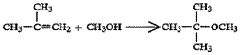
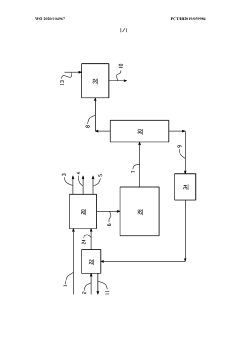
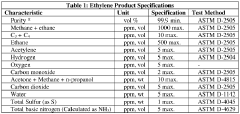
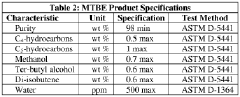
- A process and system that separates field butane into n-butane and isobutane streams, cracks n-butane to produce butenes, and then dehydrogenates isobutane to form isobutene, which is reacted with an aliphatic alcohol to produce alkyl tert-butyl ether, while also reacting butenes with water to produce butanol, thereby increasing MTBE production capacity and cracker feed handling.
Environmental Impact of Butane Solvents
The environmental impact of butane solvents in cutting-edge cleaning applications is a critical consideration for both manufacturers and consumers. Butane, a hydrocarbon compound, has been widely used in various cleaning solvents due to its effectiveness in dissolving oils and greases. However, its environmental implications have raised concerns among researchers and environmentalists.
One of the primary environmental concerns associated with butane solvents is their contribution to volatile organic compound (VOC) emissions. When released into the atmosphere, butane can react with other pollutants in the presence of sunlight, forming ground-level ozone. This photochemical smog can have detrimental effects on air quality, leading to respiratory issues in humans and damage to vegetation.
Furthermore, the production and disposal of butane-based cleaning solvents can lead to soil and water contamination. Improper handling or disposal of these solvents may result in leaching into groundwater or surface water bodies, potentially affecting aquatic ecosystems and drinking water sources. The persistence of butane in the environment is relatively low compared to some other solvents, but its short-term effects can still be significant.
In terms of climate impact, butane is a greenhouse gas, albeit with a lower global warming potential than carbon dioxide. However, the cumulative effect of widespread use in cleaning solvents can contribute to overall greenhouse gas emissions. This has led to increased scrutiny of butane-based products in the context of climate change mitigation efforts.
The ozone depletion potential of butane is considered negligible, which is an advantage over some older cleaning solvents that contained chlorofluorocarbons (CFCs). However, this does not negate its other environmental impacts, and researchers are continuously seeking alternatives with even lower environmental footprints.
From a workplace safety perspective, the use of butane solvents requires proper ventilation and handling procedures to prevent the accumulation of flammable vapors. This not only protects workers but also reduces the risk of accidental releases into the environment.
As environmental regulations become more stringent, manufacturers are under pressure to develop cleaning solvents with reduced environmental impacts. This has led to innovations in formulation, including the use of butane in lower concentrations or in combination with other, more environmentally friendly compounds. Some cutting-edge approaches involve encapsulating butane within other substances to minimize its release during use.
In conclusion, while butane remains an effective component in cutting-edge cleaning solvents, its environmental impact cannot be overlooked. The industry is at a crossroads, balancing the need for effective cleaning solutions with the imperative to protect the environment. Future developments in this field will likely focus on minimizing the use of butane or finding alternative compounds that offer similar cleaning efficacy with reduced environmental consequences.
One of the primary environmental concerns associated with butane solvents is their contribution to volatile organic compound (VOC) emissions. When released into the atmosphere, butane can react with other pollutants in the presence of sunlight, forming ground-level ozone. This photochemical smog can have detrimental effects on air quality, leading to respiratory issues in humans and damage to vegetation.
Furthermore, the production and disposal of butane-based cleaning solvents can lead to soil and water contamination. Improper handling or disposal of these solvents may result in leaching into groundwater or surface water bodies, potentially affecting aquatic ecosystems and drinking water sources. The persistence of butane in the environment is relatively low compared to some other solvents, but its short-term effects can still be significant.
In terms of climate impact, butane is a greenhouse gas, albeit with a lower global warming potential than carbon dioxide. However, the cumulative effect of widespread use in cleaning solvents can contribute to overall greenhouse gas emissions. This has led to increased scrutiny of butane-based products in the context of climate change mitigation efforts.
The ozone depletion potential of butane is considered negligible, which is an advantage over some older cleaning solvents that contained chlorofluorocarbons (CFCs). However, this does not negate its other environmental impacts, and researchers are continuously seeking alternatives with even lower environmental footprints.
From a workplace safety perspective, the use of butane solvents requires proper ventilation and handling procedures to prevent the accumulation of flammable vapors. This not only protects workers but also reduces the risk of accidental releases into the environment.
As environmental regulations become more stringent, manufacturers are under pressure to develop cleaning solvents with reduced environmental impacts. This has led to innovations in formulation, including the use of butane in lower concentrations or in combination with other, more environmentally friendly compounds. Some cutting-edge approaches involve encapsulating butane within other substances to minimize its release during use.
In conclusion, while butane remains an effective component in cutting-edge cleaning solvents, its environmental impact cannot be overlooked. The industry is at a crossroads, balancing the need for effective cleaning solutions with the imperative to protect the environment. Future developments in this field will likely focus on minimizing the use of butane or finding alternative compounds that offer similar cleaning efficacy with reduced environmental consequences.
Safety Regulations for Butane-Based Cleaning Products
The development of butane-based cleaning solvents has necessitated the implementation of stringent safety regulations to protect both consumers and workers. These regulations are primarily focused on addressing the flammability and potential health hazards associated with butane.
One of the key safety concerns is the high flammability of butane. Regulatory bodies such as the Occupational Safety and Health Administration (OSHA) in the United States have established strict guidelines for the handling, storage, and use of butane-based cleaning products in industrial settings. These guidelines include requirements for proper ventilation, fire suppression systems, and the use of explosion-proof electrical equipment in areas where these products are used or stored.
For consumer products, agencies like the Consumer Product Safety Commission (CPSC) have implemented regulations that mandate clear labeling of butane-based cleaning solvents. These labels must include prominent warnings about flammability and proper usage instructions to minimize the risk of accidents in household settings.
In addition to flammability concerns, safety regulations also address the potential health risks associated with exposure to butane vapors. Occupational exposure limits have been established to protect workers from the adverse effects of prolonged inhalation. These limits are typically expressed as time-weighted averages (TWAs) and short-term exposure limits (STELs).
Environmental regulations also play a crucial role in the safety framework for butane-based cleaning products. Many countries have implemented restrictions on volatile organic compound (VOC) emissions, which affect the formulation and use of these solvents. Manufacturers are required to develop products that meet increasingly stringent VOC limits while maintaining cleaning efficacy.
The transportation of butane-based cleaning solvents is subject to hazardous materials regulations. These regulations dictate specific packaging, labeling, and documentation requirements for the safe transport of these products by road, rail, sea, and air. The United Nations' Globally Harmonized System of Classification and Labeling of Chemicals (GHS) has been widely adopted to standardize hazard communication across different countries.
To ensure compliance with safety regulations, manufacturers of butane-based cleaning products are required to conduct thorough risk assessments and implement appropriate control measures. This includes the development of safety data sheets (SDS) that provide detailed information on the hazards, handling procedures, and emergency response measures for these products.
Regulatory bodies also mandate regular safety audits and inspections of facilities that manufacture, store, or use butane-based cleaning solvents. These audits help ensure ongoing compliance with safety standards and identify areas for improvement in safety protocols.
As the cleaning industry continues to innovate and develop new butane-based formulations, safety regulations are expected to evolve accordingly. Regulatory agencies are likely to focus on emerging risks and refine existing standards to address the specific challenges posed by cutting-edge cleaning solvents.
One of the key safety concerns is the high flammability of butane. Regulatory bodies such as the Occupational Safety and Health Administration (OSHA) in the United States have established strict guidelines for the handling, storage, and use of butane-based cleaning products in industrial settings. These guidelines include requirements for proper ventilation, fire suppression systems, and the use of explosion-proof electrical equipment in areas where these products are used or stored.
For consumer products, agencies like the Consumer Product Safety Commission (CPSC) have implemented regulations that mandate clear labeling of butane-based cleaning solvents. These labels must include prominent warnings about flammability and proper usage instructions to minimize the risk of accidents in household settings.
In addition to flammability concerns, safety regulations also address the potential health risks associated with exposure to butane vapors. Occupational exposure limits have been established to protect workers from the adverse effects of prolonged inhalation. These limits are typically expressed as time-weighted averages (TWAs) and short-term exposure limits (STELs).
Environmental regulations also play a crucial role in the safety framework for butane-based cleaning products. Many countries have implemented restrictions on volatile organic compound (VOC) emissions, which affect the formulation and use of these solvents. Manufacturers are required to develop products that meet increasingly stringent VOC limits while maintaining cleaning efficacy.
The transportation of butane-based cleaning solvents is subject to hazardous materials regulations. These regulations dictate specific packaging, labeling, and documentation requirements for the safe transport of these products by road, rail, sea, and air. The United Nations' Globally Harmonized System of Classification and Labeling of Chemicals (GHS) has been widely adopted to standardize hazard communication across different countries.
To ensure compliance with safety regulations, manufacturers of butane-based cleaning products are required to conduct thorough risk assessments and implement appropriate control measures. This includes the development of safety data sheets (SDS) that provide detailed information on the hazards, handling procedures, and emergency response measures for these products.
Regulatory bodies also mandate regular safety audits and inspections of facilities that manufacture, store, or use butane-based cleaning solvents. These audits help ensure ongoing compliance with safety standards and identify areas for improvement in safety protocols.
As the cleaning industry continues to innovate and develop new butane-based formulations, safety regulations are expected to evolve accordingly. Regulatory agencies are likely to focus on emerging risks and refine existing standards to address the specific challenges posed by cutting-edge cleaning solvents.
Unlock deeper insights with PatSnap Eureka Quick Research — get a full tech report to explore trends and direct your research. Try now!
Generate Your Research Report Instantly with AI Agent
Supercharge your innovation with PatSnap Eureka AI Agent Platform!