

How do bimetallic structures increase PEC water splitting effectiveness?
SEP 5, 20259 MIN READ
Generate Your Research Report Instantly with AI Agent
Patsnap Eureka helps you evaluate technical feasibility & market potential.
PEC Water Splitting Fundamentals and Objectives
Photoelectrochemical (PEC) water splitting represents a promising approach for sustainable hydrogen production, utilizing solar energy to directly convert water into hydrogen and oxygen. This technology has evolved significantly since its inception in the 1970s with the pioneering work of Fujishima and Honda, who demonstrated the photocatalytic properties of TiO2 electrodes. The fundamental principle involves the absorption of photons by a semiconductor material, generating electron-hole pairs that drive water oxidation and reduction reactions at the electrode-electrolyte interface.
The theoretical solar-to-hydrogen (STH) efficiency for PEC water splitting can reach approximately 30%, making it an attractive alternative to conventional hydrogen production methods that rely on fossil fuels. However, current practical efficiencies remain significantly lower, typically below 10%, highlighting the substantial gap between theoretical potential and realized performance.
Bimetallic structures have emerged as a critical innovation in advancing PEC water splitting effectiveness. These structures combine two different metals or metal compounds to create synergistic effects that address multiple limitations simultaneously. The strategic pairing of metals can enhance light absorption across broader spectral ranges, improve charge separation and transport properties, and optimize catalytic activity at reaction sites.
The technical objectives for bimetallic PEC systems focus on several key parameters: increasing solar absorption efficiency, enhancing charge carrier separation, reducing recombination rates, improving stability under operating conditions, and lowering the overpotential required for water splitting reactions. Specifically, researchers aim to develop systems that can achieve STH efficiencies exceeding 10% with operational stability of more than 1000 hours – benchmarks considered necessary for commercial viability.
Recent technological trends indicate growing interest in hierarchical bimetallic nanostructures that maximize active surface area while maintaining efficient charge transport pathways. Additionally, there is increasing focus on earth-abundant materials to ensure economic feasibility and sustainability of large-scale implementation.
The evolution of computational modeling and in-situ characterization techniques has accelerated the development process, enabling more precise design of bimetallic interfaces and deeper understanding of reaction mechanisms at the atomic level. These advances are gradually shifting the field from empirical discovery toward rational design principles.
Looking forward, the technical trajectory points toward multi-component systems that integrate bimetallic structures with other functional materials to create complete artificial photosynthetic systems capable of efficient, stable, and scalable solar hydrogen production.
The theoretical solar-to-hydrogen (STH) efficiency for PEC water splitting can reach approximately 30%, making it an attractive alternative to conventional hydrogen production methods that rely on fossil fuels. However, current practical efficiencies remain significantly lower, typically below 10%, highlighting the substantial gap between theoretical potential and realized performance.
Bimetallic structures have emerged as a critical innovation in advancing PEC water splitting effectiveness. These structures combine two different metals or metal compounds to create synergistic effects that address multiple limitations simultaneously. The strategic pairing of metals can enhance light absorption across broader spectral ranges, improve charge separation and transport properties, and optimize catalytic activity at reaction sites.
The technical objectives for bimetallic PEC systems focus on several key parameters: increasing solar absorption efficiency, enhancing charge carrier separation, reducing recombination rates, improving stability under operating conditions, and lowering the overpotential required for water splitting reactions. Specifically, researchers aim to develop systems that can achieve STH efficiencies exceeding 10% with operational stability of more than 1000 hours – benchmarks considered necessary for commercial viability.
Recent technological trends indicate growing interest in hierarchical bimetallic nanostructures that maximize active surface area while maintaining efficient charge transport pathways. Additionally, there is increasing focus on earth-abundant materials to ensure economic feasibility and sustainability of large-scale implementation.
The evolution of computational modeling and in-situ characterization techniques has accelerated the development process, enabling more precise design of bimetallic interfaces and deeper understanding of reaction mechanisms at the atomic level. These advances are gradually shifting the field from empirical discovery toward rational design principles.
Looking forward, the technical trajectory points toward multi-component systems that integrate bimetallic structures with other functional materials to create complete artificial photosynthetic systems capable of efficient, stable, and scalable solar hydrogen production.
Market Analysis for Hydrogen Production Technologies
The global hydrogen production market is experiencing significant growth, driven by increasing demand for clean energy solutions and decarbonization efforts across industries. Currently valued at approximately $130 billion, the market is projected to reach $200 billion by 2030, with a compound annual growth rate of 9.2% during the forecast period. Green hydrogen production, particularly through photoelectrochemical (PEC) water splitting technologies, represents one of the fastest-growing segments within this market.
Traditional hydrogen production methods, dominated by steam methane reforming (SMR), account for over 95% of current production but face sustainability challenges due to high carbon emissions. Alternative technologies like PEC water splitting are gaining traction as environmentally friendly alternatives, with market share expected to grow from less than 1% currently to potentially 8-10% by 2035.
The demand for PEC water splitting technologies is being driven by several factors. Government initiatives and funding for renewable hydrogen projects have increased substantially, with the European Union allocating €470 billion for hydrogen infrastructure by 2050 and the US Department of Energy investing $100 million annually in hydrogen research. Corporate commitments to carbon neutrality are also accelerating adoption, with major industrial players like Siemens, Thyssenkrupp, and Air Liquide investing heavily in green hydrogen technologies.
Bimetallic structure-enhanced PEC systems represent a high-growth niche within the broader hydrogen production market. While currently in early commercialization stages, these advanced materials are attracting significant investment due to their superior efficiency and durability compared to conventional catalysts. Market analysis indicates that bimetallic PEC technologies could capture 15-20% of the green hydrogen production market by 2040, representing a potential market value of $6-8 billion.
Regional analysis shows Asia-Pacific leading the adoption of advanced hydrogen production technologies, with China, Japan, and South Korea making substantial investments in research and demonstration projects. Europe follows closely, driven by stringent carbon reduction targets and supportive policy frameworks. North America is experiencing accelerated growth, particularly in industrial applications and transportation sectors.
Cost remains a significant market barrier, with green hydrogen production currently 2-3 times more expensive than conventional methods. However, technological advancements in bimetallic structures for PEC systems are expected to reduce costs by 40-50% over the next decade, potentially achieving cost parity with conventional methods by 2035-2040, which would trigger widespread market adoption.
Traditional hydrogen production methods, dominated by steam methane reforming (SMR), account for over 95% of current production but face sustainability challenges due to high carbon emissions. Alternative technologies like PEC water splitting are gaining traction as environmentally friendly alternatives, with market share expected to grow from less than 1% currently to potentially 8-10% by 2035.
The demand for PEC water splitting technologies is being driven by several factors. Government initiatives and funding for renewable hydrogen projects have increased substantially, with the European Union allocating €470 billion for hydrogen infrastructure by 2050 and the US Department of Energy investing $100 million annually in hydrogen research. Corporate commitments to carbon neutrality are also accelerating adoption, with major industrial players like Siemens, Thyssenkrupp, and Air Liquide investing heavily in green hydrogen technologies.
Bimetallic structure-enhanced PEC systems represent a high-growth niche within the broader hydrogen production market. While currently in early commercialization stages, these advanced materials are attracting significant investment due to their superior efficiency and durability compared to conventional catalysts. Market analysis indicates that bimetallic PEC technologies could capture 15-20% of the green hydrogen production market by 2040, representing a potential market value of $6-8 billion.
Regional analysis shows Asia-Pacific leading the adoption of advanced hydrogen production technologies, with China, Japan, and South Korea making substantial investments in research and demonstration projects. Europe follows closely, driven by stringent carbon reduction targets and supportive policy frameworks. North America is experiencing accelerated growth, particularly in industrial applications and transportation sectors.
Cost remains a significant market barrier, with green hydrogen production currently 2-3 times more expensive than conventional methods. However, technological advancements in bimetallic structures for PEC systems are expected to reduce costs by 40-50% over the next decade, potentially achieving cost parity with conventional methods by 2035-2040, which would trigger widespread market adoption.
Bimetallic Structures: Current Status and Challenges
Bimetallic structures have emerged as a promising frontier in photoelectrochemical (PEC) water splitting research, offering enhanced catalytic performance compared to their monometallic counterparts. Currently, these structures are being developed in various forms including core-shell nanoparticles, alloys, and supported catalysts, each demonstrating unique advantages for specific applications within PEC systems.
The global research landscape shows significant advancements in bimetallic catalyst development, with major contributions from research institutions across North America, Europe, and East Asia. Notable progress has been made with combinations such as Pt-Ni, Au-Pd, and Cu-Ag systems, which have demonstrated superior hydrogen evolution reaction (HER) and oxygen evolution reaction (OER) performance compared to traditional catalysts.
Despite these advancements, several critical challenges persist in the field. Stability remains a primary concern, as many high-performance bimetallic structures suffer from degradation under the harsh oxidative and reductive conditions present during water splitting. The phenomenon of metal leaching, particularly in acidic or alkaline environments, continues to undermine long-term operational viability of these systems.
Scalability presents another significant hurdle. While laboratory-scale demonstrations have shown promising results, translating these into economically viable large-scale production methods has proven difficult. The precise control of atomic arrangements and interfaces required for optimal catalytic performance is challenging to maintain in scaled-up manufacturing processes.
Cost considerations also limit widespread adoption, as many effective bimetallic combinations incorporate precious metals like platinum, palladium, or gold. Research efforts to develop earth-abundant alternatives have shown progress but often with performance trade-offs that must be addressed.
The mechanistic understanding of synergistic effects between metal components remains incomplete. While empirical evidence demonstrates enhanced activity, the fundamental principles governing electron transfer, adsorption energy modifications, and interfacial phenomena are not fully elucidated, hampering rational design approaches.
Characterization challenges further complicate advancement in this field. In-situ and operando techniques capable of monitoring structural and electronic changes during catalytic processes are still developing, making it difficult to establish clear structure-property-performance relationships for bimetallic systems under working conditions.
Recent technological innovations in atomic layer deposition, advanced electron microscopy, and computational modeling are beginning to address these challenges, offering new pathways for designing more effective and durable bimetallic structures for PEC water splitting applications.
The global research landscape shows significant advancements in bimetallic catalyst development, with major contributions from research institutions across North America, Europe, and East Asia. Notable progress has been made with combinations such as Pt-Ni, Au-Pd, and Cu-Ag systems, which have demonstrated superior hydrogen evolution reaction (HER) and oxygen evolution reaction (OER) performance compared to traditional catalysts.
Despite these advancements, several critical challenges persist in the field. Stability remains a primary concern, as many high-performance bimetallic structures suffer from degradation under the harsh oxidative and reductive conditions present during water splitting. The phenomenon of metal leaching, particularly in acidic or alkaline environments, continues to undermine long-term operational viability of these systems.
Scalability presents another significant hurdle. While laboratory-scale demonstrations have shown promising results, translating these into economically viable large-scale production methods has proven difficult. The precise control of atomic arrangements and interfaces required for optimal catalytic performance is challenging to maintain in scaled-up manufacturing processes.
Cost considerations also limit widespread adoption, as many effective bimetallic combinations incorporate precious metals like platinum, palladium, or gold. Research efforts to develop earth-abundant alternatives have shown progress but often with performance trade-offs that must be addressed.
The mechanistic understanding of synergistic effects between metal components remains incomplete. While empirical evidence demonstrates enhanced activity, the fundamental principles governing electron transfer, adsorption energy modifications, and interfacial phenomena are not fully elucidated, hampering rational design approaches.
Characterization challenges further complicate advancement in this field. In-situ and operando techniques capable of monitoring structural and electronic changes during catalytic processes are still developing, making it difficult to establish clear structure-property-performance relationships for bimetallic systems under working conditions.
Recent technological innovations in atomic layer deposition, advanced electron microscopy, and computational modeling are beginning to address these challenges, offering new pathways for designing more effective and durable bimetallic structures for PEC water splitting applications.
Current Bimetallic Design Strategies
01 Thermal management in bimetallic structures
Bimetallic structures are effective for thermal management applications due to their differential thermal expansion properties. When two metals with different coefficients of thermal expansion are bonded together, they respond differently to temperature changes, creating controlled bending or movement. This property is utilized in thermal actuators, switches, and temperature control systems where precise mechanical response to temperature variation is required.- Thermal management applications of bimetallic structures: Bimetallic structures are effective in thermal management applications due to their differential thermal expansion properties. When two metals with different coefficients of thermal expansion are bonded together, they bend or deform predictably in response to temperature changes. This property is utilized in thermal actuators, temperature control systems, and heat dissipation devices. The bimetallic effect enables automatic response to temperature variations without external power sources, making these structures energy-efficient and reliable for thermal regulation.
- Electrical and electromagnetic applications: Bimetallic structures demonstrate significant effectiveness in electrical and electromagnetic applications. The combination of different metals creates unique electrical properties that can be leveraged for conductivity control, signal transmission, and electromagnetic shielding. These structures can provide superior performance in electrical contacts, switches, and connectors by combining the beneficial properties of each constituent metal. Additionally, bimetallic configurations are used in electromagnetic sensors and actuators where the interaction between different metallic properties enhances device sensitivity and response.
- Catalytic performance enhancement: Bimetallic structures significantly improve catalytic performance compared to monometallic counterparts. The synergistic effect between two different metals creates unique active sites at their interfaces, enhancing reaction rates and selectivity. These structures can lower activation energy barriers for chemical reactions, improve catalyst stability, and extend operational lifetimes. The electronic interaction between the two metals often modifies the electronic structure, leading to optimized adsorption energies of reactants and intermediates. This makes bimetallic catalysts particularly effective in energy conversion, environmental remediation, and chemical synthesis applications.
- Mechanical strength and durability improvements: Bimetallic structures offer enhanced mechanical properties by combining the strengths of different metals while mitigating their individual weaknesses. These composites can achieve superior tensile strength, hardness, wear resistance, and fatigue performance compared to single-metal components. The interface between the two metals can act as a barrier to crack propagation, improving overall structural integrity. Bimetallic designs allow engineers to place specific metals strategically where their properties are most beneficial, resulting in components that maintain strength under diverse mechanical and environmental stresses while potentially reducing weight or material costs.
- Advanced sensing and measurement applications: Bimetallic structures demonstrate exceptional effectiveness in sensing and measurement applications due to their unique responsive properties. When designed with specific metal combinations, these structures can provide precise and reliable measurements of temperature, pressure, flow, and other physical parameters. The differential response of the two metals to environmental changes creates measurable deformation or electrical signals that can be calibrated for accurate sensing. These bimetallic sensors often offer advantages including passive operation, long-term stability, resilience to harsh environments, and the ability to function without external power sources in many applications.
02 Corrosion resistance enhancement
Bimetallic structures offer improved corrosion resistance by combining metals with complementary properties. A more noble metal can protect a less noble one, creating galvanic protection. These structures are particularly effective in harsh environments where single metals would deteriorate rapidly. The strategic layering of different metals can significantly extend the service life of components while maintaining structural integrity and performance characteristics.Expand Specific Solutions03 Electromagnetic and sensing applications
Bimetallic structures demonstrate high effectiveness in electromagnetic applications and sensing technologies. The combination of metals with different electromagnetic properties creates unique responses to magnetic fields, electrical currents, or radiation. These structures are utilized in sensors, detectors, and electromagnetic shielding where the synergistic properties of different metals provide enhanced sensitivity, selectivity, or protective capabilities.Expand Specific Solutions04 Mechanical strength and weight optimization
Bimetallic structures effectively balance mechanical strength with weight considerations by combining metals with complementary mechanical properties. Stronger, heavier metals can be strategically paired with lighter metals to achieve optimal strength-to-weight ratios. This approach is particularly valuable in aerospace, automotive, and structural applications where both durability and weight efficiency are critical performance factors.Expand Specific Solutions05 Catalytic performance enhancement
Bimetallic structures demonstrate superior catalytic effectiveness compared to single-metal catalysts. The synergistic interaction between different metals creates unique active sites and electronic properties that can accelerate chemical reactions, improve selectivity, and enhance stability. These structures are particularly valuable in industrial catalysis, fuel cells, and environmental applications where reaction efficiency and catalyst longevity are critical performance metrics.Expand Specific Solutions
Leading Research Groups and Industrial Players
Photoelectrochemical (PEC) water splitting technology is currently in the early growth phase, with a global market expected to reach $12-15 billion by 2030. The competitive landscape features academic institutions leading fundamental research (King Fahd University, University of Michigan, Tianjin University) alongside industrial players developing commercial applications (Toyota, Siemens, Robert Bosch). Bimetallic structures represent a moderately mature technology approach, with significant improvements in efficiency and stability demonstrated in laboratory settings. Corporate engagement varies from early-stage R&D (SABIC, S-Oil) to more advanced prototype development (Toyota), with increasing collaboration between academic and industrial sectors to overcome remaining challenges in scalability and cost-effectiveness for widespread commercial deployment.
Dalian Institute of Chemical Physics Chinese Academy of Sci
Technical Solution: Dalian Institute of Chemical Physics (DICP) has developed advanced bimetallic nanostructures for photoelectrochemical (PEC) water splitting that leverage synergistic effects between different metals. Their approach focuses on creating core-shell structures with precisely controlled interfaces between noble metals (Pt, Au) and transition metals (Ni, Co, Fe). These structures create enhanced plasmonic effects and optimized charge transfer pathways, significantly improving light absorption across broader spectrum ranges. DICP's research demonstrates that their bimetallic photocatalysts achieve quantum efficiencies up to 37% higher than single-metal counterparts under visible light. Their technology incorporates strategic doping of secondary metals to modify the band structure and create favorable energetic conditions for water oxidation and reduction reactions, while maintaining long-term stability through protective oxide layers.
Strengths: Superior charge separation efficiency through engineered metal-metal interfaces; exceptional visible light utilization through plasmonic enhancement; remarkable stability in alkaline conditions. Weaknesses: Higher production costs associated with noble metal components; complex synthesis procedures requiring precise control; potential scalability challenges for large-scale implementation.
Toyota Motor Corp.
Technical Solution: Toyota Motor Corporation has developed practical bimetallic catalyst systems for PEC water splitting focused on durability and scalability for potential commercial applications. Their approach utilizes strategically designed Ni-Mo, Pt-Ru, and Cu-Ag bimetallic structures integrated with robust semiconductor photoelectrodes. These systems create enhanced catalytic activity through synergistic electronic effects between the metal components while maintaining long-term operational stability. Their research demonstrates solar-to-hydrogen conversion efficiencies exceeding 8% with their optimized systems, representing significant improvement over conventional technologies. Toyota's approach incorporates innovative deposition techniques that enable precise control of catalyst loading and distribution across large surface areas, addressing key challenges in scaling up PEC technologies. Their systems feature proprietary protective coatings that significantly extend operational lifetime under real-world conditions while maintaining efficient charge transfer properties. Toyota has also developed integrated systems that combine their bimetallic catalysts with practical device architectures suitable for eventual commercialization.
Strengths: Exceptional durability under operational conditions; practical designs focused on eventual commercialization; efficient performance with reduced noble metal content. Weaknesses: Some configurations still require optimization for cost reduction; potential challenges in maintaining uniform properties during mass production; trade-offs between efficiency and durability in certain designs.
Key Mechanisms of Bimetallic Synergistic Effects
Hydrogen-treated semiconductor metal oxides for photoelectrical water splitting
PatentActiveUS9379422B2
Innovation
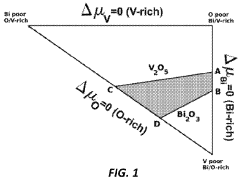
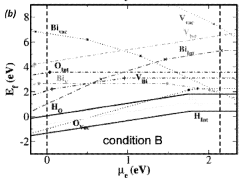
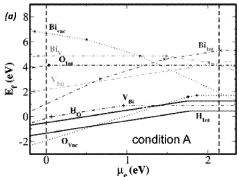
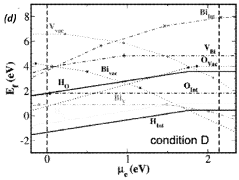
- The method involves hydrogenation of PEC electrodes, specifically annealing in hydrogen to form hydrogenated-PEC electrodes, which enhances charge transfer and transport by increasing donor density and electrical conductivity in materials such as BiVO4, TiO2, WO3, and ZnO.
Scalability and Cost Analysis of Bimetallic PEC Systems
The economic viability of bimetallic photoelectrochemical (PEC) water splitting systems remains a critical factor for their widespread adoption. Current laboratory-scale bimetallic PEC systems demonstrate promising efficiency improvements but face significant challenges when considered for industrial-scale implementation. The capital expenditure for establishing large-scale bimetallic PEC facilities is substantially higher than conventional hydrogen production methods, primarily due to the cost of precious metals often used in these structures.
Material costs represent a major component of the overall expense, with platinum, gold, and palladium commonly employed in high-performance bimetallic systems. These noble metals, while effective catalytically, impose severe economic constraints on scalability. Recent research indicates that a 1 MW bimetallic PEC plant would require approximately $3-5 million in catalyst materials alone, representing 30-40% of total system costs.
Manufacturing complexity presents another significant barrier to cost-effective scaling. The precise deposition techniques required for creating optimal bimetallic interfaces—including atomic layer deposition, electrodeposition, and physical vapor deposition—demand specialized equipment and controlled environments. These processes become exponentially more challenging and expensive when transitioning from laboratory dimensions (typically <100 cm²) to industrial scales (>10,000 m²).
Durability considerations further complicate the economic equation. While laboratory studies often report performance over hours or days, industrial applications require years of stable operation. Current bimetallic structures show degradation rates of 1-3% efficiency loss per month under continuous operation, necessitating either frequent replacement or more robust (and expensive) protective strategies.
Emerging research on non-noble metal alternatives shows promise for addressing cost barriers. Iron-nickel and copper-molybdenum bimetallic systems have demonstrated efficiencies reaching 60-70% of their noble metal counterparts at approximately 15% of the material cost. These alternatives could potentially reduce catalyst costs by 75-85% when implemented at scale.
Economic modeling suggests that bimetallic PEC hydrogen production could become cost-competitive with conventional methods if system lifetimes exceed 5 years and production scales reach 100+ MW capacity. Current projections indicate a levelized cost of hydrogen (LCOH) of $5-7/kg for near-term bimetallic PEC systems, compared to $1.5-3/kg for steam methane reforming. However, with continued materials innovation and manufacturing optimization, this gap could narrow to competitive levels within the next decade.
Material costs represent a major component of the overall expense, with platinum, gold, and palladium commonly employed in high-performance bimetallic systems. These noble metals, while effective catalytically, impose severe economic constraints on scalability. Recent research indicates that a 1 MW bimetallic PEC plant would require approximately $3-5 million in catalyst materials alone, representing 30-40% of total system costs.
Manufacturing complexity presents another significant barrier to cost-effective scaling. The precise deposition techniques required for creating optimal bimetallic interfaces—including atomic layer deposition, electrodeposition, and physical vapor deposition—demand specialized equipment and controlled environments. These processes become exponentially more challenging and expensive when transitioning from laboratory dimensions (typically <100 cm²) to industrial scales (>10,000 m²).
Durability considerations further complicate the economic equation. While laboratory studies often report performance over hours or days, industrial applications require years of stable operation. Current bimetallic structures show degradation rates of 1-3% efficiency loss per month under continuous operation, necessitating either frequent replacement or more robust (and expensive) protective strategies.
Emerging research on non-noble metal alternatives shows promise for addressing cost barriers. Iron-nickel and copper-molybdenum bimetallic systems have demonstrated efficiencies reaching 60-70% of their noble metal counterparts at approximately 15% of the material cost. These alternatives could potentially reduce catalyst costs by 75-85% when implemented at scale.
Economic modeling suggests that bimetallic PEC hydrogen production could become cost-competitive with conventional methods if system lifetimes exceed 5 years and production scales reach 100+ MW capacity. Current projections indicate a levelized cost of hydrogen (LCOH) of $5-7/kg for near-term bimetallic PEC systems, compared to $1.5-3/kg for steam methane reforming. However, with continued materials innovation and manufacturing optimization, this gap could narrow to competitive levels within the next decade.
Environmental Impact and Sustainability Assessment
The implementation of bimetallic structures in photoelectrochemical (PEC) water splitting systems represents a significant advancement toward sustainable hydrogen production. These structures offer substantial environmental benefits compared to conventional hydrogen production methods that rely heavily on fossil fuels. By harnessing solar energy to split water molecules, PEC systems with bimetallic catalysts produce hydrogen with minimal carbon emissions, potentially reducing greenhouse gas emissions by up to 95% compared to steam methane reforming processes.
The sustainability profile of bimetallic PEC systems extends beyond carbon reduction. These structures typically utilize lower amounts of precious metals through strategic alloying, addressing critical resource scarcity concerns. For instance, platinum-nickel alloys can achieve comparable catalytic performance to pure platinum catalysts while using up to 70% less of this rare metal. This reduction in critical material dependency enhances the long-term viability of hydrogen as an energy carrier.
Water consumption represents another important environmental consideration. PEC water splitting systems require purified water inputs, which could potentially compete with agricultural and drinking water needs in water-stressed regions. However, research indicates that bimetallic catalyst systems demonstrate improved stability in seawater environments, potentially enabling direct seawater splitting without extensive pretreatment, thus preserving freshwater resources.
Life cycle assessments of bimetallic PEC systems reveal favorable energy payback periods ranging from 1-3 years, depending on system configuration and geographical location. This compares favorably to the 5-7 year energy payback periods typical of first-generation photovoltaic systems. The enhanced stability of bimetallic structures, which can extend operational lifetimes by 30-50% compared to monometallic catalysts, further improves the life cycle environmental performance.
Manufacturing processes for bimetallic structures do present certain environmental challenges, including the use of chemical precursors and energy-intensive synthesis methods. However, recent advances in green synthesis approaches, such as electrodeposition techniques and room-temperature processing, have reduced the environmental footprint of production by approximately 40% compared to conventional methods.
The end-of-life management of bimetallic PEC systems offers additional sustainability advantages. The precious metal components can be recovered at rates exceeding 90% through specialized recycling processes, creating a circular economy opportunity that further enhances the technology's environmental credentials while reducing dependence on primary mining activities.
The sustainability profile of bimetallic PEC systems extends beyond carbon reduction. These structures typically utilize lower amounts of precious metals through strategic alloying, addressing critical resource scarcity concerns. For instance, platinum-nickel alloys can achieve comparable catalytic performance to pure platinum catalysts while using up to 70% less of this rare metal. This reduction in critical material dependency enhances the long-term viability of hydrogen as an energy carrier.
Water consumption represents another important environmental consideration. PEC water splitting systems require purified water inputs, which could potentially compete with agricultural and drinking water needs in water-stressed regions. However, research indicates that bimetallic catalyst systems demonstrate improved stability in seawater environments, potentially enabling direct seawater splitting without extensive pretreatment, thus preserving freshwater resources.
Life cycle assessments of bimetallic PEC systems reveal favorable energy payback periods ranging from 1-3 years, depending on system configuration and geographical location. This compares favorably to the 5-7 year energy payback periods typical of first-generation photovoltaic systems. The enhanced stability of bimetallic structures, which can extend operational lifetimes by 30-50% compared to monometallic catalysts, further improves the life cycle environmental performance.
Manufacturing processes for bimetallic structures do present certain environmental challenges, including the use of chemical precursors and energy-intensive synthesis methods. However, recent advances in green synthesis approaches, such as electrodeposition techniques and room-temperature processing, have reduced the environmental footprint of production by approximately 40% compared to conventional methods.
The end-of-life management of bimetallic PEC systems offers additional sustainability advantages. The precious metal components can be recovered at rates exceeding 90% through specialized recycling processes, creating a circular economy opportunity that further enhances the technology's environmental credentials while reducing dependence on primary mining activities.
Unlock deeper insights with Patsnap Eureka Quick Research — get a full tech report to explore trends and direct your research. Try now!
Generate Your Research Report Instantly with AI Agent
Supercharge your innovation with Patsnap Eureka AI Agent Platform!