
How Isopentane Interacts with Metal Surfaces during Processing
JUL 25, 202510 MIN READ
Generate Your Research Report Instantly with AI Agent
Patsnap Eureka helps you evaluate technical feasibility & market potential.
Isopentane-Metal Interaction Background
Isopentane, a branched alkane with the molecular formula C5H12, has garnered significant attention in various industrial processes due to its unique properties and versatile applications. The interaction between isopentane and metal surfaces plays a crucial role in numerous processing scenarios, including catalysis, fuel systems, and refrigeration cycles. Understanding these interactions is fundamental to optimizing industrial processes and developing more efficient technologies.
The study of isopentane-metal interactions has its roots in surface science and catalysis research, dating back to the mid-20th century. Early investigations focused primarily on the adsorption and desorption behaviors of hydrocarbons on metal surfaces, with isopentane serving as a model compound for branched alkanes. As analytical techniques advanced, researchers gained deeper insights into the molecular-level processes occurring at the isopentane-metal interface.
One of the key aspects of isopentane-metal interactions is the adsorption mechanism. Isopentane can interact with metal surfaces through various modes, including physisorption and chemisorption. Physisorption involves weak van der Waals forces between the isopentane molecules and the metal surface, while chemisorption entails the formation of chemical bonds. The predominant mode of interaction depends on factors such as the metal type, surface structure, temperature, and pressure conditions.
The branched structure of isopentane introduces additional complexity to its interaction with metal surfaces compared to linear alkanes. The presence of a tertiary carbon atom in isopentane can lead to preferential adsorption orientations and influence the overall surface coverage. This structural feature also affects the reactivity of isopentane on metal surfaces, potentially leading to different reaction pathways and product distributions in catalytic processes.
Metal surface properties, including composition, crystallographic orientation, and defect structures, significantly impact isopentane interactions. Transition metals, such as platinum, palladium, and nickel, are particularly relevant due to their catalytic properties and widespread use in industrial applications. The electronic structure of these metals influences their ability to form bonds with isopentane molecules, thereby affecting adsorption energies and reaction kinetics.
Temperature plays a critical role in isopentane-metal interactions during processing. At low temperatures, physisorption dominates, with isopentane molecules forming weakly bound layers on the metal surface. As temperature increases, the likelihood of chemisorption and surface reactions increases. This temperature dependence is crucial in applications such as refrigeration cycles, where isopentane serves as a working fluid, and in catalytic processes, where controlled activation of isopentane is desired.
Understanding the dynamics of isopentane-metal interactions is essential for addressing challenges in various industrial processes. In catalytic reforming, for example, the interaction between isopentane and metal catalysts influences the efficiency of isomerization and dehydrogenation reactions. In fuel systems, the behavior of isopentane on metal surfaces affects issues such as corrosion, fouling, and fuel stability. By elucidating these interactions, researchers and engineers can develop more effective catalysts, improve process efficiencies, and mitigate operational issues in isopentane-related applications.
The study of isopentane-metal interactions has its roots in surface science and catalysis research, dating back to the mid-20th century. Early investigations focused primarily on the adsorption and desorption behaviors of hydrocarbons on metal surfaces, with isopentane serving as a model compound for branched alkanes. As analytical techniques advanced, researchers gained deeper insights into the molecular-level processes occurring at the isopentane-metal interface.
One of the key aspects of isopentane-metal interactions is the adsorption mechanism. Isopentane can interact with metal surfaces through various modes, including physisorption and chemisorption. Physisorption involves weak van der Waals forces between the isopentane molecules and the metal surface, while chemisorption entails the formation of chemical bonds. The predominant mode of interaction depends on factors such as the metal type, surface structure, temperature, and pressure conditions.
The branched structure of isopentane introduces additional complexity to its interaction with metal surfaces compared to linear alkanes. The presence of a tertiary carbon atom in isopentane can lead to preferential adsorption orientations and influence the overall surface coverage. This structural feature also affects the reactivity of isopentane on metal surfaces, potentially leading to different reaction pathways and product distributions in catalytic processes.
Metal surface properties, including composition, crystallographic orientation, and defect structures, significantly impact isopentane interactions. Transition metals, such as platinum, palladium, and nickel, are particularly relevant due to their catalytic properties and widespread use in industrial applications. The electronic structure of these metals influences their ability to form bonds with isopentane molecules, thereby affecting adsorption energies and reaction kinetics.
Temperature plays a critical role in isopentane-metal interactions during processing. At low temperatures, physisorption dominates, with isopentane molecules forming weakly bound layers on the metal surface. As temperature increases, the likelihood of chemisorption and surface reactions increases. This temperature dependence is crucial in applications such as refrigeration cycles, where isopentane serves as a working fluid, and in catalytic processes, where controlled activation of isopentane is desired.
Understanding the dynamics of isopentane-metal interactions is essential for addressing challenges in various industrial processes. In catalytic reforming, for example, the interaction between isopentane and metal catalysts influences the efficiency of isomerization and dehydrogenation reactions. In fuel systems, the behavior of isopentane on metal surfaces affects issues such as corrosion, fouling, and fuel stability. By elucidating these interactions, researchers and engineers can develop more effective catalysts, improve process efficiencies, and mitigate operational issues in isopentane-related applications.
Industrial Applications and Market Demand
Isopentane's interaction with metal surfaces during processing has significant implications for various industrial applications, driving market demand across multiple sectors. The petroleum and chemical industries are primary consumers of isopentane, utilizing it in the production of gasoline and as a blowing agent for polystyrene foam. The increasing global demand for lightweight materials in construction and packaging has led to a surge in isopentane usage, particularly in the manufacture of insulation materials.
In the refrigeration and air conditioning industry, isopentane has gained traction as an environmentally friendly alternative to traditional refrigerants. Its low global warming potential and zero ozone depletion potential align with stringent environmental regulations, fostering market growth in this sector. The automotive industry also benefits from isopentane's properties, employing it in the production of high-performance fuel systems and as a component in some lubricants.
The electronics industry has found applications for isopentane in the cleaning and degreasing of sensitive components. Its low boiling point and rapid evaporation make it ideal for precision cleaning processes, particularly in the manufacture of semiconductors and printed circuit boards. This niche application has seen steady growth as the demand for electronic devices continues to rise globally.
The personal care and cosmetics industry utilizes isopentane as a propellant in aerosol products, leveraging its low toxicity and compatibility with a wide range of formulations. The market for such products has expanded, driven by consumer preferences for convenient and portable personal care items.
In the energy sector, isopentane plays a role in geothermal power plants, where it is used as a working fluid in binary cycle systems. As renewable energy sources gain prominence, the demand for efficient geothermal technologies has increased, subsequently boosting the market for isopentane in this application.
The interaction of isopentane with metal surfaces during processing is crucial in these applications, affecting efficiency, product quality, and safety. Understanding and optimizing these interactions can lead to improved processes, reduced material waste, and enhanced product performance. This has spurred research and development efforts across industries, aiming to refine processing techniques and develop specialized metal surfaces or coatings that can better manage isopentane interactions.
Market analysis indicates a growing demand for isopentane, with projections suggesting continued expansion in the coming years. This growth is attributed to the versatility of isopentane across multiple industries and its alignment with environmental sustainability goals. As industries continue to innovate and adapt to changing regulatory landscapes, the market for isopentane and related processing technologies is expected to evolve, presenting opportunities for companies that can effectively address the challenges associated with isopentane-metal surface interactions.
In the refrigeration and air conditioning industry, isopentane has gained traction as an environmentally friendly alternative to traditional refrigerants. Its low global warming potential and zero ozone depletion potential align with stringent environmental regulations, fostering market growth in this sector. The automotive industry also benefits from isopentane's properties, employing it in the production of high-performance fuel systems and as a component in some lubricants.
The electronics industry has found applications for isopentane in the cleaning and degreasing of sensitive components. Its low boiling point and rapid evaporation make it ideal for precision cleaning processes, particularly in the manufacture of semiconductors and printed circuit boards. This niche application has seen steady growth as the demand for electronic devices continues to rise globally.
The personal care and cosmetics industry utilizes isopentane as a propellant in aerosol products, leveraging its low toxicity and compatibility with a wide range of formulations. The market for such products has expanded, driven by consumer preferences for convenient and portable personal care items.
In the energy sector, isopentane plays a role in geothermal power plants, where it is used as a working fluid in binary cycle systems. As renewable energy sources gain prominence, the demand for efficient geothermal technologies has increased, subsequently boosting the market for isopentane in this application.
The interaction of isopentane with metal surfaces during processing is crucial in these applications, affecting efficiency, product quality, and safety. Understanding and optimizing these interactions can lead to improved processes, reduced material waste, and enhanced product performance. This has spurred research and development efforts across industries, aiming to refine processing techniques and develop specialized metal surfaces or coatings that can better manage isopentane interactions.
Market analysis indicates a growing demand for isopentane, with projections suggesting continued expansion in the coming years. This growth is attributed to the versatility of isopentane across multiple industries and its alignment with environmental sustainability goals. As industries continue to innovate and adapt to changing regulatory landscapes, the market for isopentane and related processing technologies is expected to evolve, presenting opportunities for companies that can effectively address the challenges associated with isopentane-metal surface interactions.
Current Challenges in Isopentane Processing
The processing of isopentane on metal surfaces presents several significant challenges that researchers and industry professionals are currently grappling with. One of the primary issues is the potential for surface contamination during processing. Isopentane, being a highly volatile hydrocarbon, can easily adsorb onto metal surfaces, leading to the formation of unwanted residues or films. These contaminants can affect the quality of the final product and may interfere with subsequent processing steps.
Another challenge lies in controlling the reaction kinetics between isopentane and metal surfaces. The interaction between the hydrocarbon and the metal can lead to catalytic reactions, which may result in the formation of undesired byproducts or the degradation of the isopentane itself. Understanding and controlling these reactions is crucial for maintaining product purity and process efficiency.
The issue of heat transfer during isopentane processing is also a significant concern. As isopentane has a low boiling point, maintaining proper temperature control during processing is critical. The interaction between isopentane and metal surfaces can affect heat transfer rates, potentially leading to localized hot spots or uneven heating, which can compromise the integrity of the product or the processing equipment.
Corrosion of metal surfaces is another challenge that arises from the interaction of isopentane with metals. While isopentane itself is not corrosive, impurities present in the hydrocarbon or byproducts formed during processing can lead to corrosion of metal surfaces over time. This can result in equipment degradation, reduced efficiency, and potential safety hazards.
The formation of static electricity during isopentane processing poses a significant safety risk. The movement of isopentane across metal surfaces can generate static charges, which, if not properly managed, can lead to sparks and potentially cause fires or explosions. Implementing effective grounding and bonding techniques is essential but can be challenging in complex processing systems.
Furthermore, the adsorption and desorption behavior of isopentane on metal surfaces presents challenges in terms of process control and product recovery. The strong affinity of isopentane for certain metal surfaces can lead to retention issues, making it difficult to completely remove the hydrocarbon from processing equipment. This can result in product loss and potential cross-contamination between batches.
Lastly, the environmental and health concerns associated with isopentane emissions during processing pose regulatory challenges. Developing effective containment and recovery systems for isopentane vapors that may escape during interaction with metal surfaces is crucial for compliance with environmental regulations and ensuring worker safety.
Another challenge lies in controlling the reaction kinetics between isopentane and metal surfaces. The interaction between the hydrocarbon and the metal can lead to catalytic reactions, which may result in the formation of undesired byproducts or the degradation of the isopentane itself. Understanding and controlling these reactions is crucial for maintaining product purity and process efficiency.
The issue of heat transfer during isopentane processing is also a significant concern. As isopentane has a low boiling point, maintaining proper temperature control during processing is critical. The interaction between isopentane and metal surfaces can affect heat transfer rates, potentially leading to localized hot spots or uneven heating, which can compromise the integrity of the product or the processing equipment.
Corrosion of metal surfaces is another challenge that arises from the interaction of isopentane with metals. While isopentane itself is not corrosive, impurities present in the hydrocarbon or byproducts formed during processing can lead to corrosion of metal surfaces over time. This can result in equipment degradation, reduced efficiency, and potential safety hazards.
The formation of static electricity during isopentane processing poses a significant safety risk. The movement of isopentane across metal surfaces can generate static charges, which, if not properly managed, can lead to sparks and potentially cause fires or explosions. Implementing effective grounding and bonding techniques is essential but can be challenging in complex processing systems.
Furthermore, the adsorption and desorption behavior of isopentane on metal surfaces presents challenges in terms of process control and product recovery. The strong affinity of isopentane for certain metal surfaces can lead to retention issues, making it difficult to completely remove the hydrocarbon from processing equipment. This can result in product loss and potential cross-contamination between batches.
Lastly, the environmental and health concerns associated with isopentane emissions during processing pose regulatory challenges. Developing effective containment and recovery systems for isopentane vapors that may escape during interaction with metal surfaces is crucial for compliance with environmental regulations and ensuring worker safety.
Existing Isopentane-Metal Interaction Solutions
01 Isopentane in chemical reactions and processes
Isopentane is utilized in various chemical reactions and industrial processes. It serves as a reactant, solvent, or intermediate in the production of other chemicals. Its unique properties make it suitable for use in alkylation processes, isomerization reactions, and as a blowing agent in the production of foam materials.- Isopentane in chemical reactions and processes: Isopentane is used in various chemical reactions and industrial processes. It serves as a reactant, solvent, or intermediate in the production of other chemicals. Its properties make it suitable for use in alkylation processes, isomerization reactions, and as a blowing agent in the production of foam materials.
- Isopentane in fuel and energy applications: Isopentane is utilized in fuel and energy-related applications due to its high energy content and volatility. It is used as a component in gasoline blends to improve octane ratings and as a refrigerant in heat pumps and cooling systems. Its low boiling point makes it suitable for use in organic Rankine cycle systems for power generation.
- Separation and purification of isopentane: Various methods and apparatus are employed for the separation and purification of isopentane from mixtures containing other hydrocarbons. These include distillation, adsorption, and membrane separation techniques. The purification processes aim to obtain high-purity isopentane for specific industrial applications.
- Isopentane in polymer production and processing: Isopentane plays a role in polymer production and processing. It is used as a blowing agent in the manufacture of expanded polystyrene and other foam materials. Additionally, it serves as a solvent or diluent in polymer synthesis and modification processes, influencing the properties of the resulting materials.
- Safety and environmental considerations for isopentane handling: Due to its flammability and volatility, special safety measures are required for handling and storing isopentane. This includes the use of specialized equipment and storage facilities designed to prevent leaks and minimize fire risks. Environmental considerations involve measures to reduce emissions and proper disposal methods to prevent contamination.
02 Isopentane in fuel compositions
Isopentane is an important component in fuel compositions, particularly in gasoline blends. It is used to improve the octane rating and volatility of fuels. The addition of isopentane to fuel mixtures can enhance engine performance and cold-start capabilities in automotive applications.Expand Specific Solutions03 Isopentane in refrigeration and heat transfer systems
Isopentane finds applications in refrigeration and heat transfer systems due to its thermodynamic properties. It is used as a refrigerant or working fluid in various cooling and heat exchange processes. Its low boiling point and high vapor pressure make it suitable for use in heat pumps and organic Rankine cycle systems.Expand Specific Solutions04 Isopentane in separation and purification processes
Isopentane is employed in separation and purification processes within the petrochemical industry. It is used in distillation columns, extractive distillation, and other separation techniques to isolate and purify various hydrocarbon fractions. Its physical properties make it useful in the separation of close-boiling hydrocarbons.Expand Specific Solutions05 Isopentane handling and safety considerations
Due to its flammability and volatility, special considerations are required for the handling and storage of isopentane. Safety measures, such as proper ventilation, grounding, and explosion-proof equipment, are necessary when working with isopentane. Additionally, environmental regulations may apply to its use and disposal due to its potential as a volatile organic compound (VOC).Expand Specific Solutions
Key Industry Players and Competitors
The interaction of isopentane with metal surfaces during processing is a complex technical challenge in the petrochemical industry. This field is in a mature stage of development, with established players and ongoing research. The global market for isopentane processing is substantial, driven by its applications in various industries. Technologically, the field is well-developed but continues to evolve. Companies like China Petroleum & Chemical Corp., BASF Corp., and Wanhua Chemical Group Co., Ltd. are at the forefront of research and development in this area, leveraging their extensive experience in petrochemical processing. Academic institutions such as Shanghai Jiao Tong University and Huazhong University of Science & Technology also contribute significantly to advancing the understanding of isopentane-metal surface interactions.
China Petroleum & Chemical Corp.
Technical Solution: China Petroleum & Chemical Corp. (Sinopec) has developed advanced surface modification techniques for metal catalysts used in isopentane processing. Their approach involves precise control of metal surface properties to enhance catalytic activity and selectivity. Sinopec's research focuses on tailoring the electronic and geometric structure of metal surfaces to optimize isopentane interactions[1]. They employ techniques such as atomic layer deposition and controlled thermal treatments to create highly active and stable catalysts. Sinopec has also investigated the use of bimetallic catalysts, where two different metals are combined to create synergistic effects that improve isopentane conversion and product selectivity[3]. Their studies have shown that carefully engineered metal surfaces can significantly reduce coking and extend catalyst lifetime in isopentane processing applications.
Strengths: Extensive experience in petroleum processing, large-scale research capabilities, and access to industrial testing facilities. Weaknesses: Potential focus on large-scale applications may limit innovation in niche or specialized isopentane processing scenarios.
BASF Corp.
Technical Solution: BASF Corp. has developed innovative approaches to understanding and controlling isopentane interactions with metal surfaces during processing. Their research utilizes advanced surface characterization techniques, including in-situ spectroscopy and high-resolution microscopy, to study the molecular-level interactions between isopentane and various metal catalysts[2]. BASF has pioneered the use of computational modeling to predict and optimize metal surface properties for specific isopentane reactions. They have developed novel metal alloy catalysts with tailored surface structures that enhance isopentane adsorption and activation[4]. BASF's work also extends to the development of protective coatings that can modify metal surface properties to prevent unwanted side reactions or corrosion during isopentane processing. Their holistic approach considers not only the immediate catalytic performance but also long-term stability and process integration aspects.
Strengths: Strong R&D capabilities, diverse expertise in materials science and catalysis, global presence for technology implementation. Weaknesses: Broad focus across multiple industries may dilute resources dedicated specifically to isopentane processing.
Core Technologies in Isopentane Processing
Composition for metal surface treatment, metal surface treatment method and coating method of metal material
PatentActiveCN102031508A
Innovation
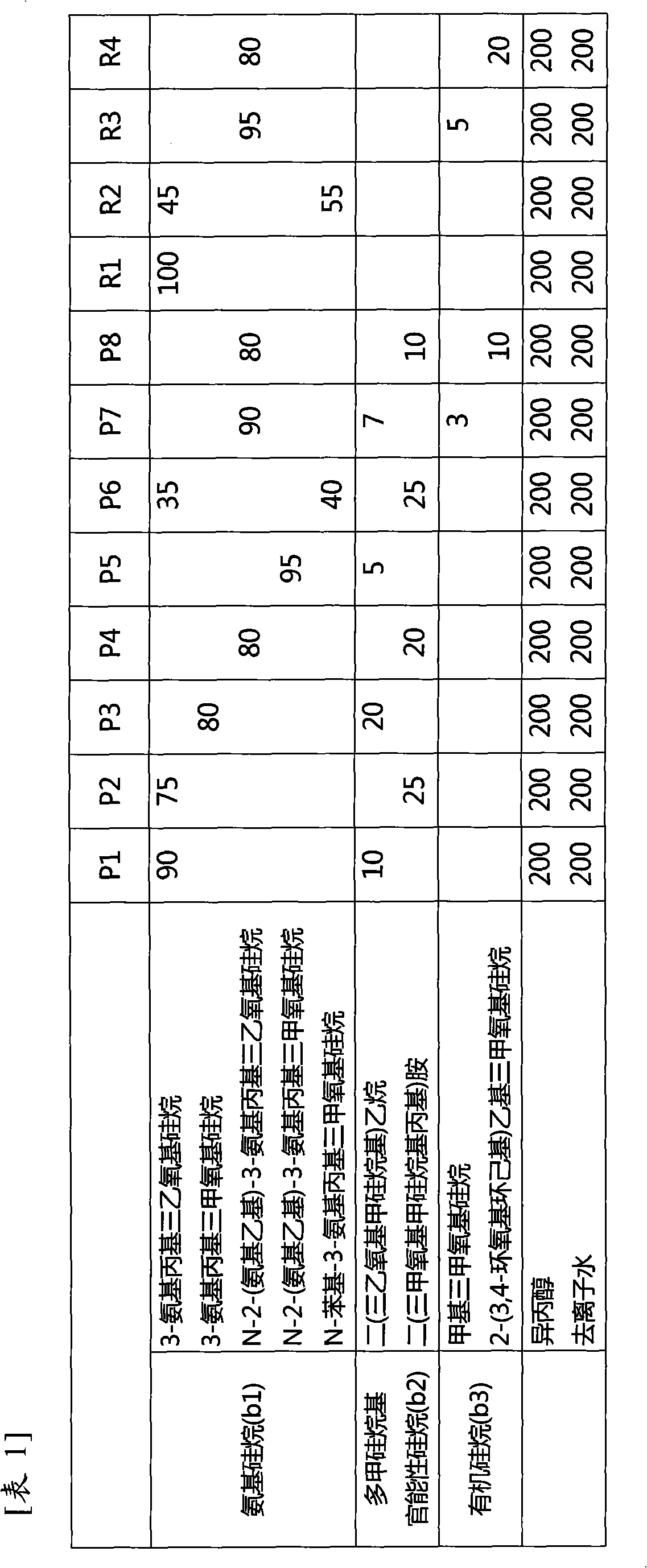
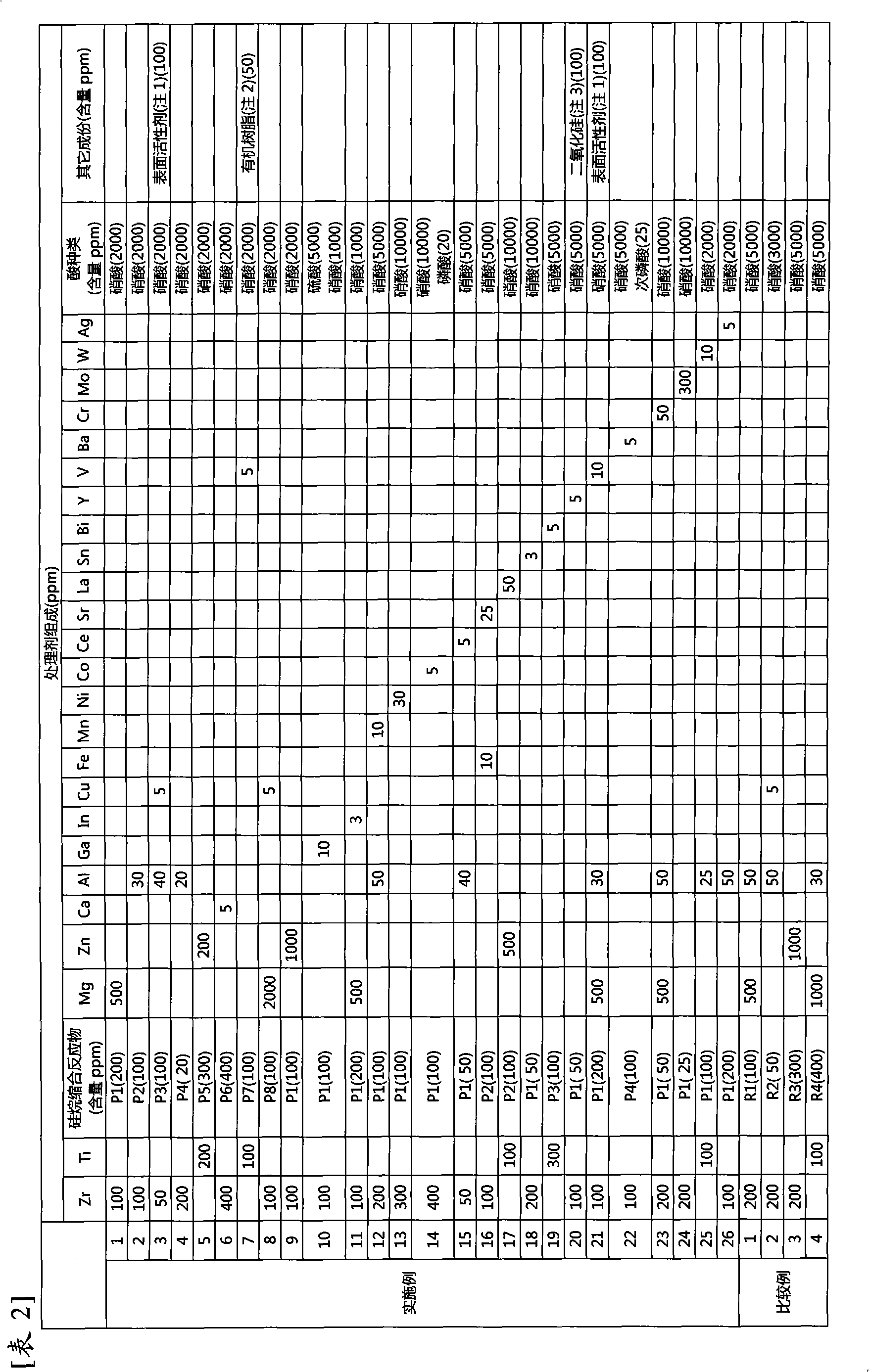
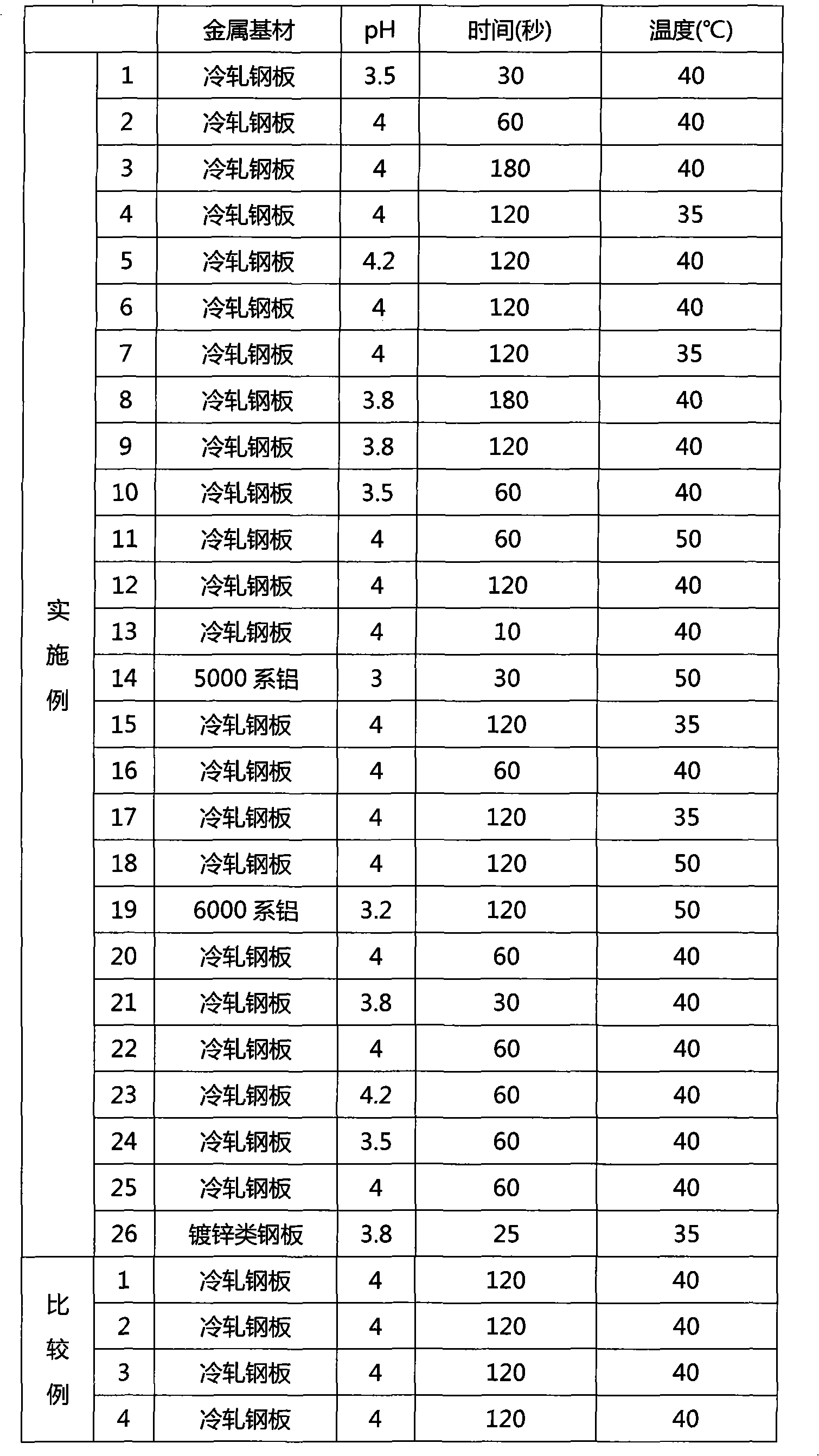
- A composition containing titanium compound and/or zirconium compound, aminosilane and polysilyl functional silane condensation reactant is used to form a coating through chemical conversion treatment, and water washing and coating processes are performed after the treatment to improve corrosion resistance and Adhesion.

Environmental Impact and Regulations
The interaction between isopentane and metal surfaces during processing has significant environmental implications and is subject to various regulations. Isopentane, a volatile organic compound (VOC), can contribute to air pollution and ozone formation when released into the atmosphere. Its use in industrial processes requires careful management to minimize environmental impact and comply with regulatory standards.
Emissions of isopentane during processing can occur through evaporation, leaks, or incomplete combustion. These emissions can lead to the formation of ground-level ozone, a key component of smog, which can have adverse effects on human health and ecosystems. Additionally, isopentane has a high global warming potential, contributing to climate change when released into the atmosphere.
To address these environmental concerns, regulatory bodies worldwide have implemented strict guidelines for the handling and processing of isopentane. In the United States, the Environmental Protection Agency (EPA) regulates isopentane under the Clean Air Act as a VOC. Industries using isopentane must adhere to emission limits and implement control technologies to reduce releases into the environment.
The European Union has similar regulations in place, with the Registration, Evaluation, Authorization, and Restriction of Chemicals (REACH) regulation governing the use of isopentane. REACH requires manufacturers and importers to assess and manage the risks associated with isopentane use, including its potential environmental impact.
To comply with these regulations and minimize environmental impact, industries have developed various strategies for managing isopentane during processing. These include the use of closed-loop systems to prevent emissions, implementation of vapor recovery units, and adoption of low-emission processing techniques. Advanced monitoring systems are also employed to detect and prevent leaks, ensuring that isopentane remains contained within the processing equipment.
Research into alternative materials and processes that can replace or reduce the use of isopentane is ongoing. This includes the development of more environmentally friendly refrigerants and blowing agents for foam production. Such innovations aim to mitigate the environmental impact of isopentane while maintaining or improving process efficiency.
The interaction between isopentane and metal surfaces during processing also raises concerns about potential contamination of water resources. Proper handling and disposal procedures are crucial to prevent isopentane from entering waterways or groundwater. Regulations often require industries to implement spill prevention and containment measures, as well as appropriate waste management protocols.
As environmental awareness grows and regulations become more stringent, industries are increasingly focusing on sustainable practices in their use of isopentane. This includes improving energy efficiency in processing to reduce overall consumption, implementing recycling and recovery systems, and investing in research to develop more environmentally friendly alternatives.
Emissions of isopentane during processing can occur through evaporation, leaks, or incomplete combustion. These emissions can lead to the formation of ground-level ozone, a key component of smog, which can have adverse effects on human health and ecosystems. Additionally, isopentane has a high global warming potential, contributing to climate change when released into the atmosphere.
To address these environmental concerns, regulatory bodies worldwide have implemented strict guidelines for the handling and processing of isopentane. In the United States, the Environmental Protection Agency (EPA) regulates isopentane under the Clean Air Act as a VOC. Industries using isopentane must adhere to emission limits and implement control technologies to reduce releases into the environment.
The European Union has similar regulations in place, with the Registration, Evaluation, Authorization, and Restriction of Chemicals (REACH) regulation governing the use of isopentane. REACH requires manufacturers and importers to assess and manage the risks associated with isopentane use, including its potential environmental impact.
To comply with these regulations and minimize environmental impact, industries have developed various strategies for managing isopentane during processing. These include the use of closed-loop systems to prevent emissions, implementation of vapor recovery units, and adoption of low-emission processing techniques. Advanced monitoring systems are also employed to detect and prevent leaks, ensuring that isopentane remains contained within the processing equipment.
Research into alternative materials and processes that can replace or reduce the use of isopentane is ongoing. This includes the development of more environmentally friendly refrigerants and blowing agents for foam production. Such innovations aim to mitigate the environmental impact of isopentane while maintaining or improving process efficiency.
The interaction between isopentane and metal surfaces during processing also raises concerns about potential contamination of water resources. Proper handling and disposal procedures are crucial to prevent isopentane from entering waterways or groundwater. Regulations often require industries to implement spill prevention and containment measures, as well as appropriate waste management protocols.
As environmental awareness grows and regulations become more stringent, industries are increasingly focusing on sustainable practices in their use of isopentane. This includes improving energy efficiency in processing to reduce overall consumption, implementing recycling and recovery systems, and investing in research to develop more environmentally friendly alternatives.
Safety Considerations in Isopentane Handling
Safety considerations in isopentane handling are paramount due to the compound's high volatility and flammability. When interacting with metal surfaces during processing, isopentane poses significant risks that must be carefully managed. The primary concern is the formation of explosive atmospheres, as isopentane readily vaporizes at room temperature and can quickly reach its lower explosive limit (LEL) in confined spaces.
To mitigate these risks, proper ventilation systems are essential in areas where isopentane is processed or stored. These systems should be designed to prevent the accumulation of vapors and maintain concentrations well below the LEL. Additionally, all electrical equipment in the vicinity must be explosion-proof and properly grounded to eliminate potential ignition sources.
The interaction between isopentane and metal surfaces can lead to static electricity buildup, particularly during transfer operations. This necessitates the implementation of bonding and grounding procedures for all metal components involved in isopentane handling. Operators should use conductive hoses and ensure that storage tanks, pipelines, and processing equipment are electrically connected to dissipate any static charge.
Personal protective equipment (PPE) is crucial for workers handling isopentane. This includes chemical-resistant gloves, goggles or face shields, and flame-resistant clothing. In areas with potential for high vapor concentrations, respiratory protection may be required. Regular training on the proper use of PPE and emergency response procedures is essential for all personnel working with isopentane.
Temperature control is another critical aspect of safe isopentane handling. As the compound's vapor pressure increases rapidly with temperature, cooling systems may be necessary to maintain safe operating conditions. This is particularly important in processes where isopentane interacts with heated metal surfaces, as elevated temperatures can lead to rapid vaporization and pressure buildup.
Leak detection and containment measures are vital components of a comprehensive safety strategy. Regular inspections of seals, gaskets, and fittings on metal equipment can help prevent small leaks from escalating into major incidents. Installation of gas detection systems can provide early warning of vapor releases, allowing for prompt corrective action.
In the event of a spill or release, proper containment and cleanup procedures must be in place. This includes the use of appropriate absorbents and the availability of spill kits designed specifically for volatile organic compounds. Emergency shutdown systems should be installed to quickly isolate isopentane sources in case of a significant leak or fire.
Finally, the design and material selection of metal surfaces that come into contact with isopentane require careful consideration. Certain metals may be susceptible to corrosion or degradation when exposed to isopentane over time, potentially leading to equipment failure and safety hazards. The use of compatible materials and protective coatings can help ensure the long-term integrity of processing equipment and reduce the risk of leaks or structural failures.
To mitigate these risks, proper ventilation systems are essential in areas where isopentane is processed or stored. These systems should be designed to prevent the accumulation of vapors and maintain concentrations well below the LEL. Additionally, all electrical equipment in the vicinity must be explosion-proof and properly grounded to eliminate potential ignition sources.
The interaction between isopentane and metal surfaces can lead to static electricity buildup, particularly during transfer operations. This necessitates the implementation of bonding and grounding procedures for all metal components involved in isopentane handling. Operators should use conductive hoses and ensure that storage tanks, pipelines, and processing equipment are electrically connected to dissipate any static charge.
Personal protective equipment (PPE) is crucial for workers handling isopentane. This includes chemical-resistant gloves, goggles or face shields, and flame-resistant clothing. In areas with potential for high vapor concentrations, respiratory protection may be required. Regular training on the proper use of PPE and emergency response procedures is essential for all personnel working with isopentane.
Temperature control is another critical aspect of safe isopentane handling. As the compound's vapor pressure increases rapidly with temperature, cooling systems may be necessary to maintain safe operating conditions. This is particularly important in processes where isopentane interacts with heated metal surfaces, as elevated temperatures can lead to rapid vaporization and pressure buildup.
Leak detection and containment measures are vital components of a comprehensive safety strategy. Regular inspections of seals, gaskets, and fittings on metal equipment can help prevent small leaks from escalating into major incidents. Installation of gas detection systems can provide early warning of vapor releases, allowing for prompt corrective action.
In the event of a spill or release, proper containment and cleanup procedures must be in place. This includes the use of appropriate absorbents and the availability of spill kits designed specifically for volatile organic compounds. Emergency shutdown systems should be installed to quickly isolate isopentane sources in case of a significant leak or fire.
Finally, the design and material selection of metal surfaces that come into contact with isopentane require careful consideration. Certain metals may be susceptible to corrosion or degradation when exposed to isopentane over time, potentially leading to equipment failure and safety hazards. The use of compatible materials and protective coatings can help ensure the long-term integrity of processing equipment and reduce the risk of leaks or structural failures.
Unlock deeper insights with Patsnap Eureka Quick Research — get a full tech report to explore trends and direct your research. Try now!
Generate Your Research Report Instantly with AI Agent
Supercharge your innovation with Patsnap Eureka AI Agent Platform!