

How Perchloric Acid Instigates Morphological Changes in Crystalline Structures
AUG 4, 20259 MIN READ
Generate Your Research Report Instantly with AI Agent
PatSnap Eureka helps you evaluate technical feasibility & market potential.
Perchloric Acid Crystalline Morphology Background
Perchloric acid, a powerful oxidizing agent and strong acid, has been a subject of significant interest in the field of crystallography due to its unique ability to induce morphological changes in crystalline structures. This phenomenon has been observed across various materials, ranging from simple inorganic compounds to complex organic molecules, making it a versatile tool in crystal engineering and materials science.
The interaction between perchloric acid and crystalline structures can be traced back to the early 20th century when researchers first noticed its effects on crystal growth and morphology. Since then, numerous studies have been conducted to understand the underlying mechanisms and potential applications of this phenomenon. The ability of perchloric acid to alter crystal morphology is primarily attributed to its strong oxidizing properties and its capacity to form stable complexes with metal ions.
One of the key aspects of perchloric acid's influence on crystal morphology is its impact on the growth kinetics of different crystal faces. By selectively adsorbing onto specific crystal planes, perchloric acid can inhibit or promote growth in certain directions, leading to the formation of unique crystal habits. This selective interaction is often dependent on factors such as concentration, pH, and temperature, allowing for a high degree of control over the resulting crystal morphology.
The morphological changes induced by perchloric acid can manifest in various ways, including the formation of new crystal faces, the elongation or shortening of existing faces, and even the complete transformation of crystal habits. These changes can have profound effects on the physical and chemical properties of the resulting crystals, including their solubility, reactivity, and mechanical strength.
In recent years, the use of perchloric acid in crystal engineering has gained renewed interest due to its potential applications in nanotechnology and advanced materials synthesis. Researchers have explored its use in creating novel nanostructures, tailoring the properties of functional materials, and developing new drug delivery systems. The ability to precisely control crystal morphology using perchloric acid has opened up new avenues for designing materials with specific properties and functionalities.
However, it is important to note that the use of perchloric acid in crystal morphology studies comes with certain challenges and safety considerations. Its strong oxidizing nature and potential for forming explosive compounds necessitate careful handling and specialized laboratory protocols. Despite these challenges, the unique capabilities of perchloric acid in modifying crystalline structures continue to drive research and innovation in this field.
The interaction between perchloric acid and crystalline structures can be traced back to the early 20th century when researchers first noticed its effects on crystal growth and morphology. Since then, numerous studies have been conducted to understand the underlying mechanisms and potential applications of this phenomenon. The ability of perchloric acid to alter crystal morphology is primarily attributed to its strong oxidizing properties and its capacity to form stable complexes with metal ions.
One of the key aspects of perchloric acid's influence on crystal morphology is its impact on the growth kinetics of different crystal faces. By selectively adsorbing onto specific crystal planes, perchloric acid can inhibit or promote growth in certain directions, leading to the formation of unique crystal habits. This selective interaction is often dependent on factors such as concentration, pH, and temperature, allowing for a high degree of control over the resulting crystal morphology.
The morphological changes induced by perchloric acid can manifest in various ways, including the formation of new crystal faces, the elongation or shortening of existing faces, and even the complete transformation of crystal habits. These changes can have profound effects on the physical and chemical properties of the resulting crystals, including their solubility, reactivity, and mechanical strength.
In recent years, the use of perchloric acid in crystal engineering has gained renewed interest due to its potential applications in nanotechnology and advanced materials synthesis. Researchers have explored its use in creating novel nanostructures, tailoring the properties of functional materials, and developing new drug delivery systems. The ability to precisely control crystal morphology using perchloric acid has opened up new avenues for designing materials with specific properties and functionalities.
However, it is important to note that the use of perchloric acid in crystal morphology studies comes with certain challenges and safety considerations. Its strong oxidizing nature and potential for forming explosive compounds necessitate careful handling and specialized laboratory protocols. Despite these challenges, the unique capabilities of perchloric acid in modifying crystalline structures continue to drive research and innovation in this field.
Market Applications of Perchloric Acid-Induced Structures
The market applications of perchloric acid-induced structures span various industries, showcasing the versatility and potential of this technology. In the field of materials science, these structures find significant use in developing advanced ceramics and composites. The unique morphological changes induced by perchloric acid treatment can enhance the mechanical properties, thermal stability, and chemical resistance of materials, making them suitable for high-performance applications in aerospace, automotive, and defense sectors.
In the electronics industry, perchloric acid-induced structures play a crucial role in the fabrication of advanced semiconductor devices. The controlled etching and modification of crystalline structures using perchloric acid enable the creation of intricate patterns and nanoscale features essential for next-generation microchips and electronic components. This technology contributes to the miniaturization and improved performance of electronic devices, driving innovation in consumer electronics, telecommunications, and computing.
The pharmaceutical and biomedical sectors also benefit from perchloric acid-induced structures. These modified crystalline forms can enhance drug solubility, bioavailability, and stability, leading to more effective and longer-lasting medications. Additionally, the altered surface properties of these structures make them valuable in developing advanced drug delivery systems, biosensors, and tissue engineering scaffolds.
In the energy sector, perchloric acid-induced structures find applications in the development of advanced catalysts and energy storage materials. The modified crystalline structures can improve the efficiency of catalytic converters, fuel cells, and batteries, contributing to cleaner energy production and more sustainable transportation solutions.
The environmental industry leverages perchloric acid-induced structures for water treatment and pollution control. These modified materials exhibit enhanced adsorption properties, making them effective in removing contaminants from water and air. They are particularly useful in developing advanced filtration systems and environmental remediation technologies.
In the field of optics and photonics, perchloric acid-induced structures enable the creation of novel optical materials with unique light-manipulating properties. These materials find applications in the development of advanced sensors, displays, and optical communication devices, contributing to advancements in telecommunications, imaging, and spectroscopy.
The textile industry also benefits from perchloric acid-induced structures, particularly in the development of smart fabrics and functional textiles. The modified crystalline structures can impart properties such as water repellency, antimicrobial activity, and self-cleaning capabilities to fabrics, opening up new possibilities for high-performance clothing and technical textiles.
In the electronics industry, perchloric acid-induced structures play a crucial role in the fabrication of advanced semiconductor devices. The controlled etching and modification of crystalline structures using perchloric acid enable the creation of intricate patterns and nanoscale features essential for next-generation microchips and electronic components. This technology contributes to the miniaturization and improved performance of electronic devices, driving innovation in consumer electronics, telecommunications, and computing.
The pharmaceutical and biomedical sectors also benefit from perchloric acid-induced structures. These modified crystalline forms can enhance drug solubility, bioavailability, and stability, leading to more effective and longer-lasting medications. Additionally, the altered surface properties of these structures make them valuable in developing advanced drug delivery systems, biosensors, and tissue engineering scaffolds.
In the energy sector, perchloric acid-induced structures find applications in the development of advanced catalysts and energy storage materials. The modified crystalline structures can improve the efficiency of catalytic converters, fuel cells, and batteries, contributing to cleaner energy production and more sustainable transportation solutions.
The environmental industry leverages perchloric acid-induced structures for water treatment and pollution control. These modified materials exhibit enhanced adsorption properties, making them effective in removing contaminants from water and air. They are particularly useful in developing advanced filtration systems and environmental remediation technologies.
In the field of optics and photonics, perchloric acid-induced structures enable the creation of novel optical materials with unique light-manipulating properties. These materials find applications in the development of advanced sensors, displays, and optical communication devices, contributing to advancements in telecommunications, imaging, and spectroscopy.
The textile industry also benefits from perchloric acid-induced structures, particularly in the development of smart fabrics and functional textiles. The modified crystalline structures can impart properties such as water repellency, antimicrobial activity, and self-cleaning capabilities to fabrics, opening up new possibilities for high-performance clothing and technical textiles.
Current Challenges in Perchloric Acid Crystal Modification
The modification of crystalline structures using perchloric acid presents several significant challenges that researchers and industry professionals are currently grappling with. One of the primary obstacles is controlling the rate and extent of morphological changes induced by perchloric acid. The highly reactive nature of this strong acid can lead to rapid and sometimes unpredictable alterations in crystal structure, making it difficult to achieve precise and reproducible results.
Another challenge lies in understanding the exact mechanisms by which perchloric acid interacts with different types of crystalline materials. While it is known that the acid can cause etching, dissolution, and recrystallization, the specific pathways and intermediate states during these processes are not fully elucidated for many crystal systems. This lack of detailed mechanistic understanding hampers the development of targeted modification strategies.
The potential for unwanted side reactions or byproducts during perchloric acid-induced crystal modification is also a significant concern. These secondary effects can compromise the purity and integrity of the modified crystals, potentially altering their desired properties or introducing impurities that are difficult to remove.
Researchers are also facing difficulties in developing methods to stabilize the modified crystal structures after treatment with perchloric acid. In some cases, the altered morphologies may be metastable, reverting to their original form or undergoing further undesired changes over time. Identifying suitable stabilization techniques that preserve the modified structures without introducing additional complications is an ongoing challenge.
The scalability of perchloric acid-based crystal modification processes presents another hurdle. While laboratory-scale experiments may yield promising results, translating these findings into industrial-scale applications often encounters issues related to process control, safety, and cost-effectiveness. The corrosive nature of perchloric acid and its potential to form explosive compounds further complicate large-scale implementation.
Additionally, there is a growing need for more environmentally friendly and sustainable approaches to crystal modification. The use of perchloric acid raises concerns about waste management and environmental impact, prompting researchers to explore alternative methods or ways to minimize the amount of acid used while maintaining efficacy.
Lastly, the characterization of perchloric acid-modified crystals poses its own set of challenges. Existing analytical techniques may not always be sufficient to fully capture the subtle changes in crystal morphology, surface properties, and internal structure. Developing more sensitive and comprehensive characterization methods is crucial for advancing our understanding and control of these modification processes.
Another challenge lies in understanding the exact mechanisms by which perchloric acid interacts with different types of crystalline materials. While it is known that the acid can cause etching, dissolution, and recrystallization, the specific pathways and intermediate states during these processes are not fully elucidated for many crystal systems. This lack of detailed mechanistic understanding hampers the development of targeted modification strategies.
The potential for unwanted side reactions or byproducts during perchloric acid-induced crystal modification is also a significant concern. These secondary effects can compromise the purity and integrity of the modified crystals, potentially altering their desired properties or introducing impurities that are difficult to remove.
Researchers are also facing difficulties in developing methods to stabilize the modified crystal structures after treatment with perchloric acid. In some cases, the altered morphologies may be metastable, reverting to their original form or undergoing further undesired changes over time. Identifying suitable stabilization techniques that preserve the modified structures without introducing additional complications is an ongoing challenge.
The scalability of perchloric acid-based crystal modification processes presents another hurdle. While laboratory-scale experiments may yield promising results, translating these findings into industrial-scale applications often encounters issues related to process control, safety, and cost-effectiveness. The corrosive nature of perchloric acid and its potential to form explosive compounds further complicate large-scale implementation.
Additionally, there is a growing need for more environmentally friendly and sustainable approaches to crystal modification. The use of perchloric acid raises concerns about waste management and environmental impact, prompting researchers to explore alternative methods or ways to minimize the amount of acid used while maintaining efficacy.
Lastly, the characterization of perchloric acid-modified crystals poses its own set of challenges. Existing analytical techniques may not always be sufficient to fully capture the subtle changes in crystal morphology, surface properties, and internal structure. Developing more sensitive and comprehensive characterization methods is crucial for advancing our understanding and control of these modification processes.
Existing Methods for Perchloric Acid-Induced Morphology Changes
01 Morphological changes in materials due to perchloric acid treatment
Perchloric acid can induce significant morphological changes in various materials, including metals, alloys, and ceramics. These changes may include surface etching, pitting, or the formation of new crystalline structures. The extent and nature of these changes depend on factors such as acid concentration, exposure time, and the material's composition.- Morphological changes in materials due to perchloric acid treatment: Perchloric acid can induce significant morphological changes in various materials, including metals, alloys, and polymers. These changes may include surface etching, pitting, or restructuring of the material's surface at the microscopic level. The extent and nature of these changes depend on factors such as acid concentration, exposure time, and the specific material being treated.
- Perchloric acid-induced nanostructure formation: Perchloric acid treatment can be used to create nanostructures on material surfaces. This process involves controlled etching and oxidation, resulting in the formation of nanopores, nanotubes, or other nanoscale features. These nanostructures can enhance the material's surface area and modify its properties for various applications in fields such as catalysis, sensing, and energy storage.
- Perchloric acid effects on crystal structure and phase transformations: Exposure to perchloric acid can lead to changes in the crystal structure of materials, potentially inducing phase transformations. This can result in alterations to the material's physical and chemical properties, such as hardness, conductivity, or reactivity. The acid's interaction with the material's lattice structure may cause reorganization or the formation of new crystalline phases.
- Surface functionalization using perchloric acid: Perchloric acid can be used for surface functionalization of materials, introducing specific chemical groups or modifying surface properties. This process can alter the material's wettability, adhesion characteristics, or chemical reactivity. The controlled use of perchloric acid in surface treatments can lead to tailored surface properties for specific applications in areas such as coatings, adhesives, or biomedical materials.
- Perchloric acid-induced porosity and surface area modifications: Treatment with perchloric acid can significantly alter the porosity and surface area of materials. This process can create or modify pore structures, potentially increasing the material's specific surface area. Such modifications are particularly relevant for applications in catalysis, filtration, or adsorption, where high surface area and controlled porosity are desirable characteristics.
02 Perchloric acid-induced nanostructure formation
Perchloric acid treatment can be used to create nanostructures on material surfaces. This process involves controlled etching and oxidation, resulting in the formation of nanopores, nanotubes, or other nanoscale features. These nanostructures can enhance the material's surface area and modify its properties for various applications.Expand Specific Solutions03 Perchloric acid in electrochemical processes
Perchloric acid plays a crucial role in various electrochemical processes, where it can induce morphological changes in electrodes or electrocatalysts. These changes may include surface roughening, formation of active sites, or alteration of crystal structures, which can significantly impact the performance of electrochemical devices or reactions.Expand Specific Solutions04 Perchloric acid effects on biological materials
Perchloric acid can cause morphological changes in biological materials such as proteins, cell membranes, and tissues. These changes may include denaturation, structural alterations, or chemical modifications. Understanding these effects is crucial for applications in biochemistry, histology, and related fields.Expand Specific Solutions05 Safety considerations in handling perchloric acid
Due to its strong oxidizing properties and potential to cause morphological changes in various materials, special safety measures are required when handling perchloric acid. This includes using appropriate containment systems, protective equipment, and following strict protocols to prevent accidents and ensure safe storage and disposal.Expand Specific Solutions
Key Players in Perchloric Acid and Crystal Research
The field of perchloric acid-induced morphological changes in crystalline structures is in its early developmental stages, with growing interest from both academic institutions and industry players. The market size is relatively small but expanding, driven by applications in materials science and chemical engineering. Technical maturity is still evolving, with key players like North Carolina State University, University of Florida, and FUJIFILM Corp. leading research efforts. Companies such as BASF Corp. and Johnson Matthey Plc are exploring potential industrial applications, while specialized chemical manufacturers like Liuyang City Chemical Factory Co., Ltd. are focusing on production capabilities. As the technology advances, collaborations between academia and industry are likely to accelerate progress and expand market opportunities.
Chemical Materials Research Institute of China Academy of Engineering Physics
Technical Solution: The institute has developed a novel approach to study the effects of perchloric acid on crystalline structures. They utilize advanced in-situ characterization techniques, including X-ray diffraction and scanning electron microscopy, to observe real-time morphological changes in various crystalline materials exposed to perchloric acid[1]. Their research focuses on understanding the kinetics and mechanisms of acid-induced transformations, particularly in energetic materials and inorganic compounds. The team has successfully mapped the progression of structural changes at different acid concentrations and exposure times, providing valuable insights into the degradation processes and potential stabilization strategies[3].
Strengths: Access to state-of-the-art characterization equipment and expertise in energetic materials. Weaknesses: Potential limitations in studying a wide range of organic crystalline structures.
Lanzhou Institute of Chemical Physics
Technical Solution: Researchers at the Lanzhou Institute have developed a comprehensive approach to investigate perchloric acid-induced morphological changes in crystalline structures. They employ a combination of spectroscopic techniques, including Raman spectroscopy and Fourier-transform infrared spectroscopy (FTIR), to analyze the chemical bonding changes during acid exposure[2]. Additionally, they use atomic force microscopy (AFM) to map surface topography alterations at the nanoscale. Their studies have revealed that perchloric acid can induce significant changes in crystal habit, surface roughness, and even polymorphic transitions in certain materials[4]. The institute has also developed computational models to predict the stability of various crystal faces in acidic environments.
Strengths: Multidisciplinary approach combining spectroscopy, microscopy, and computational modeling. Weaknesses: May have limited experience with biological crystals or pharmaceutically relevant compounds.
Core Innovations in Crystalline Structure Modification
Biomimetic organic/inorganic composites
PatentInactiveUS7514249B2
Innovation
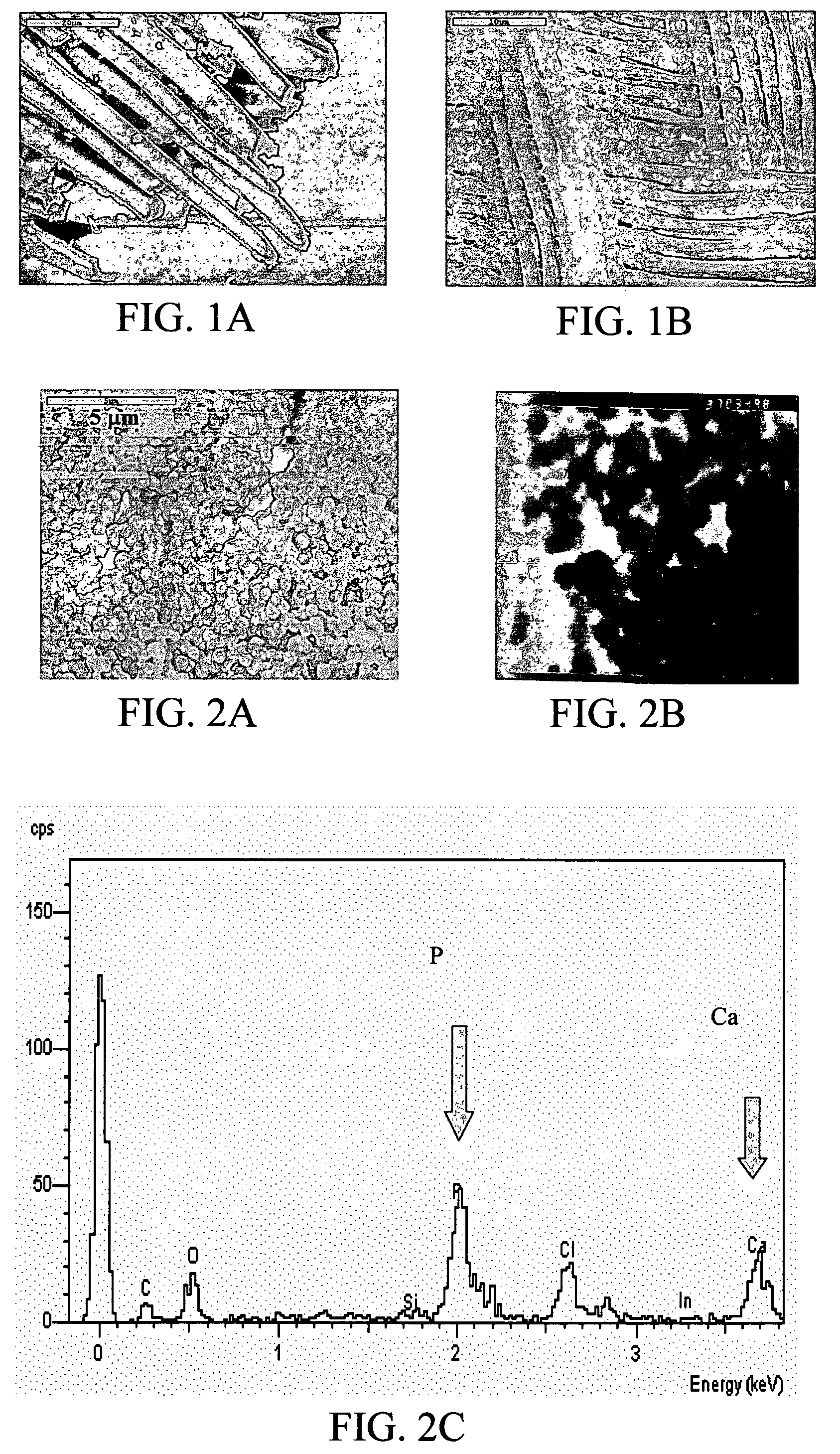
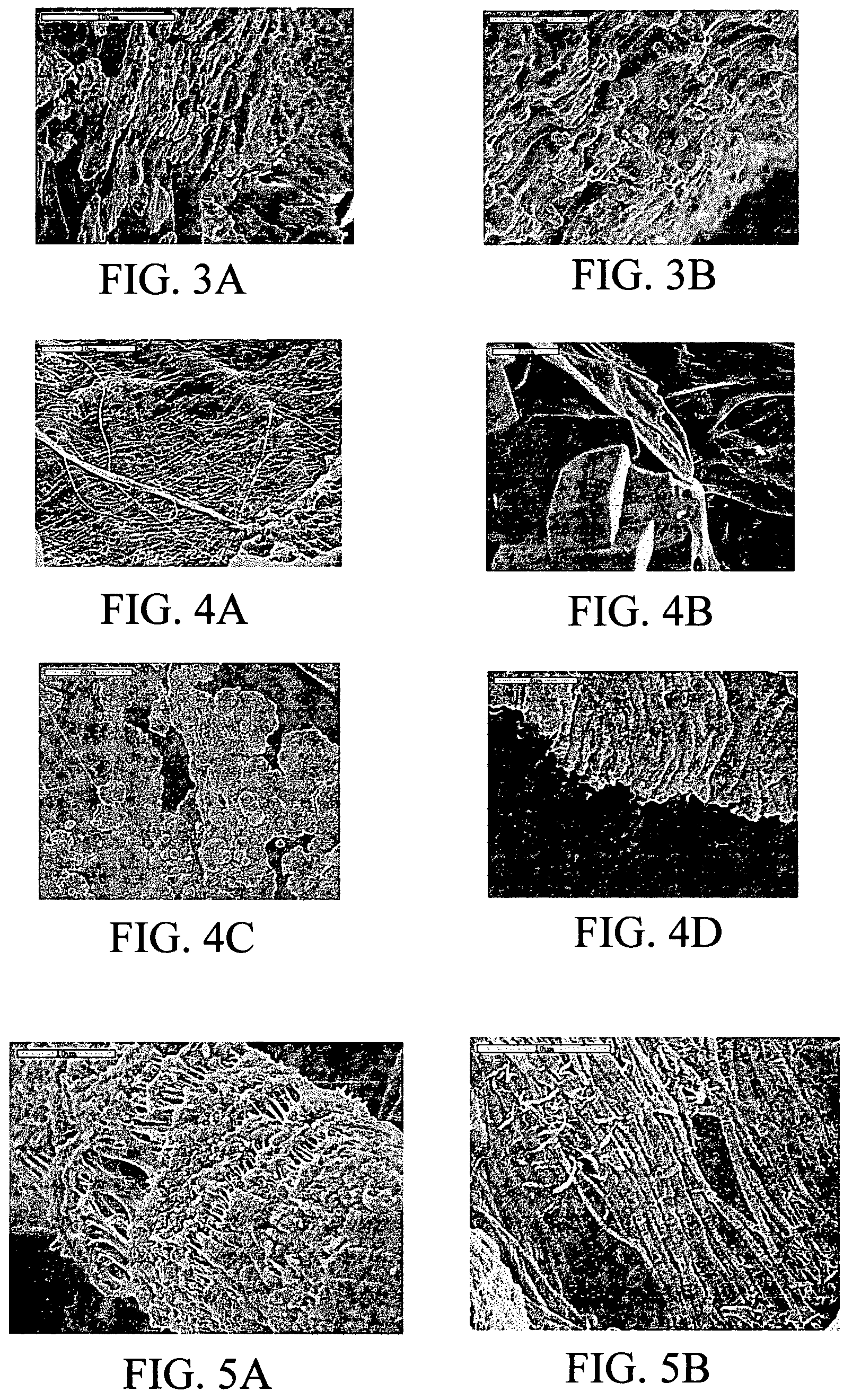
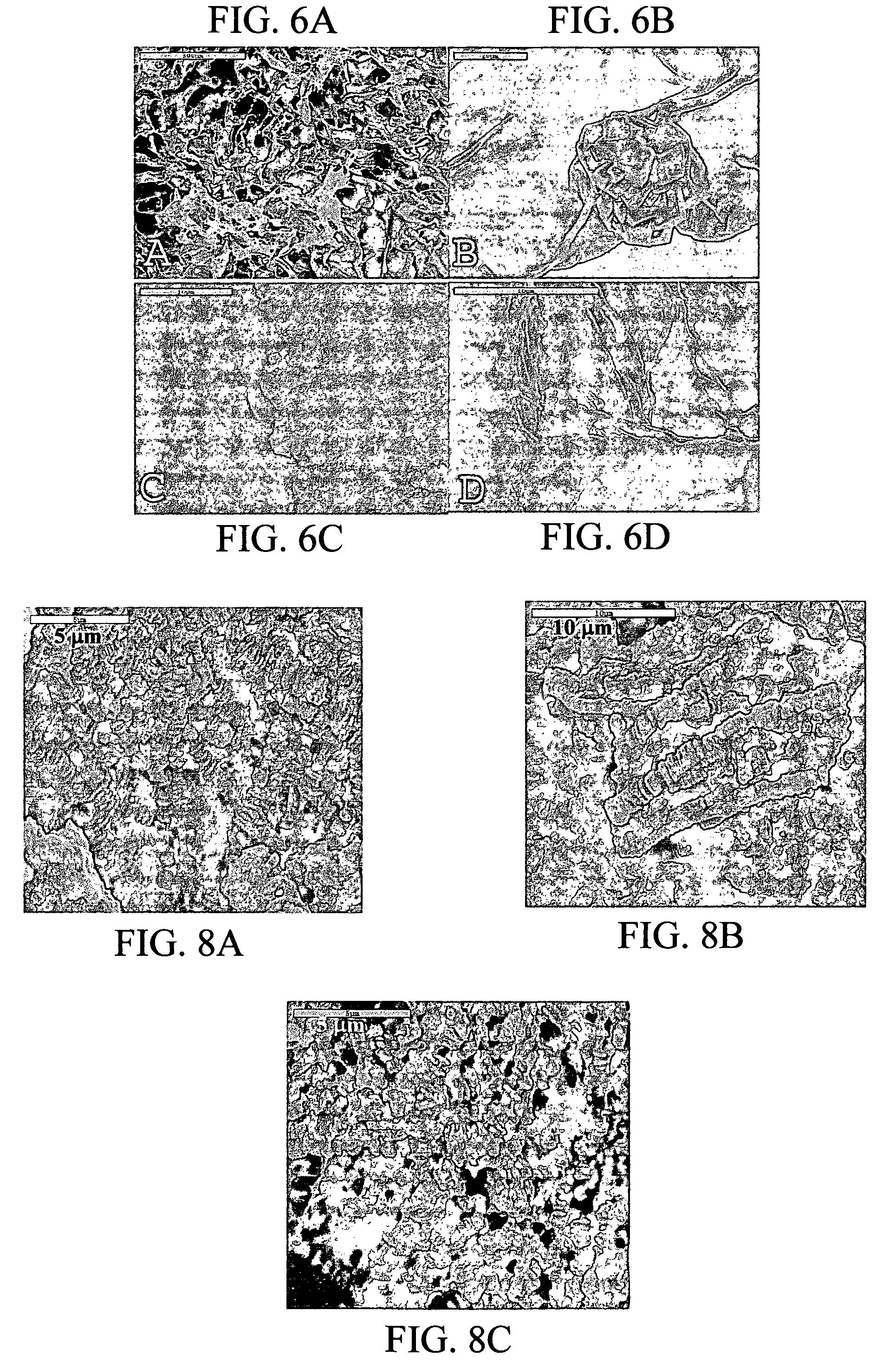
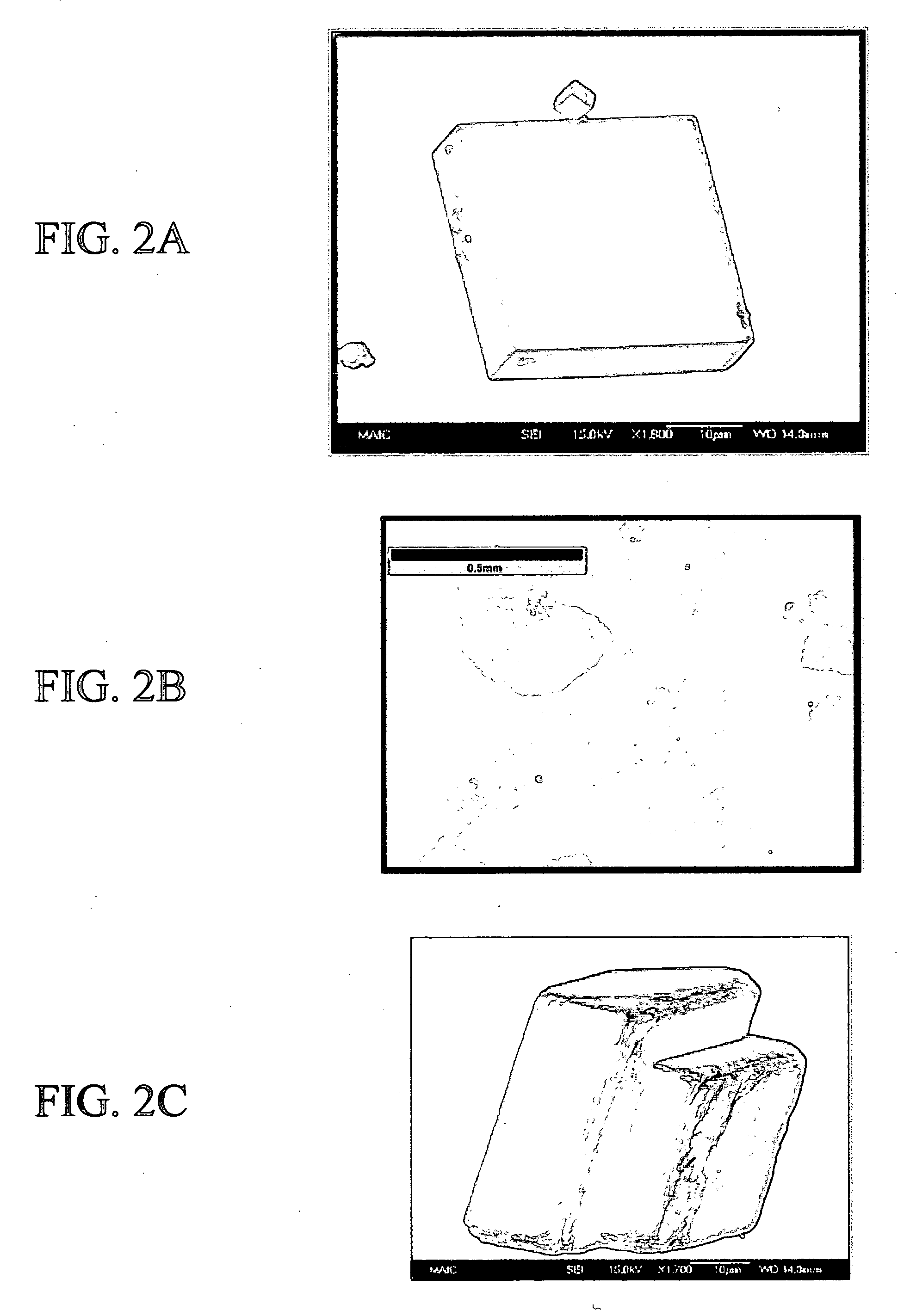
- A biomimetic organic/inorganic composite is developed using a polymer-induced liquid-precursor (PILP) process, where an amorphous mineral phase is infiltrated into a collagen matrix, aligning with the collagen fibers to mimic the structure of natural bone, allowing for high mineral loading and bioresorbability.

Fibrous minerals, methods for their production using a solution-precursor-solid mechanism, and methods of use
PatentInactiveUS20050152990A1
Innovation
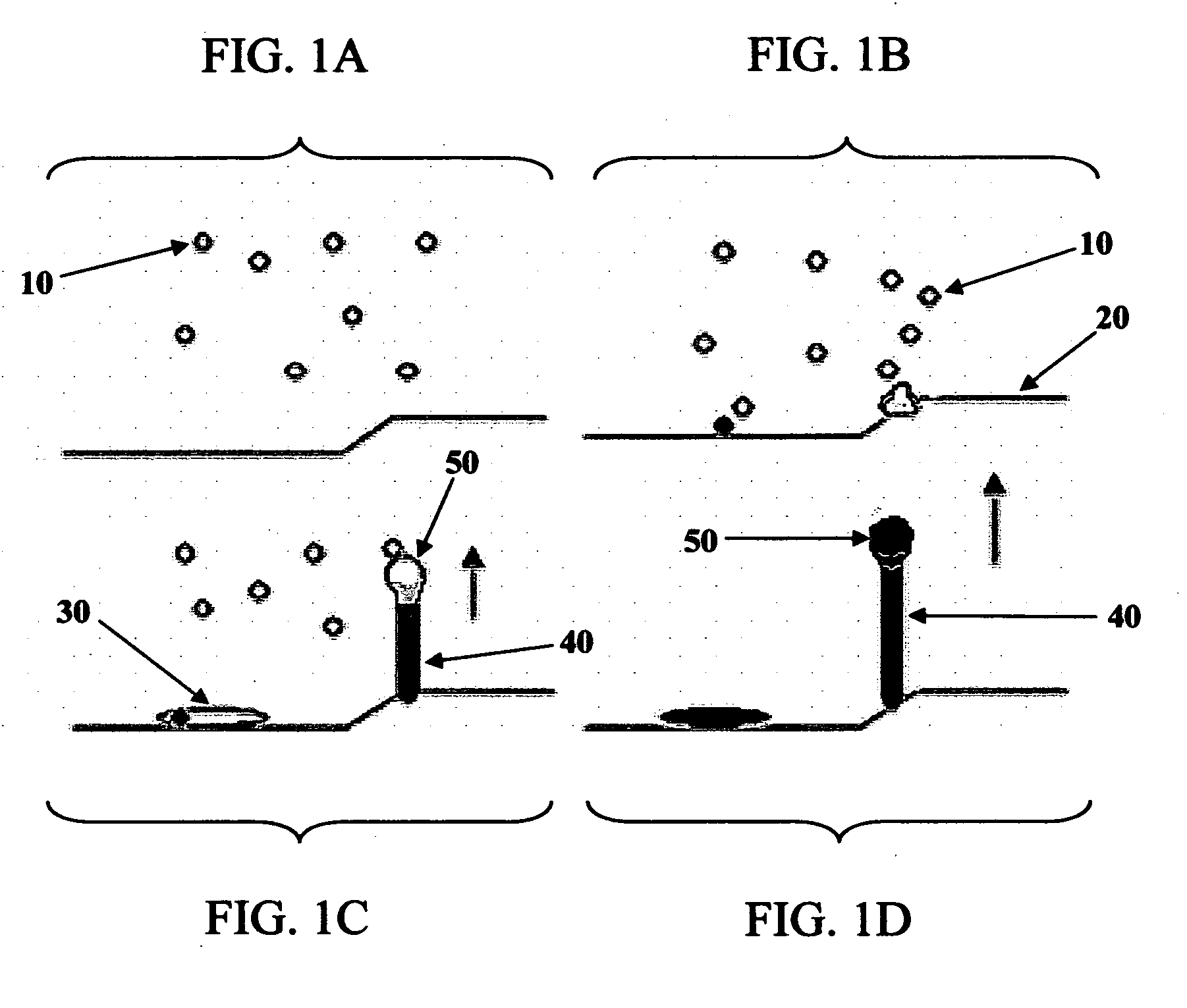
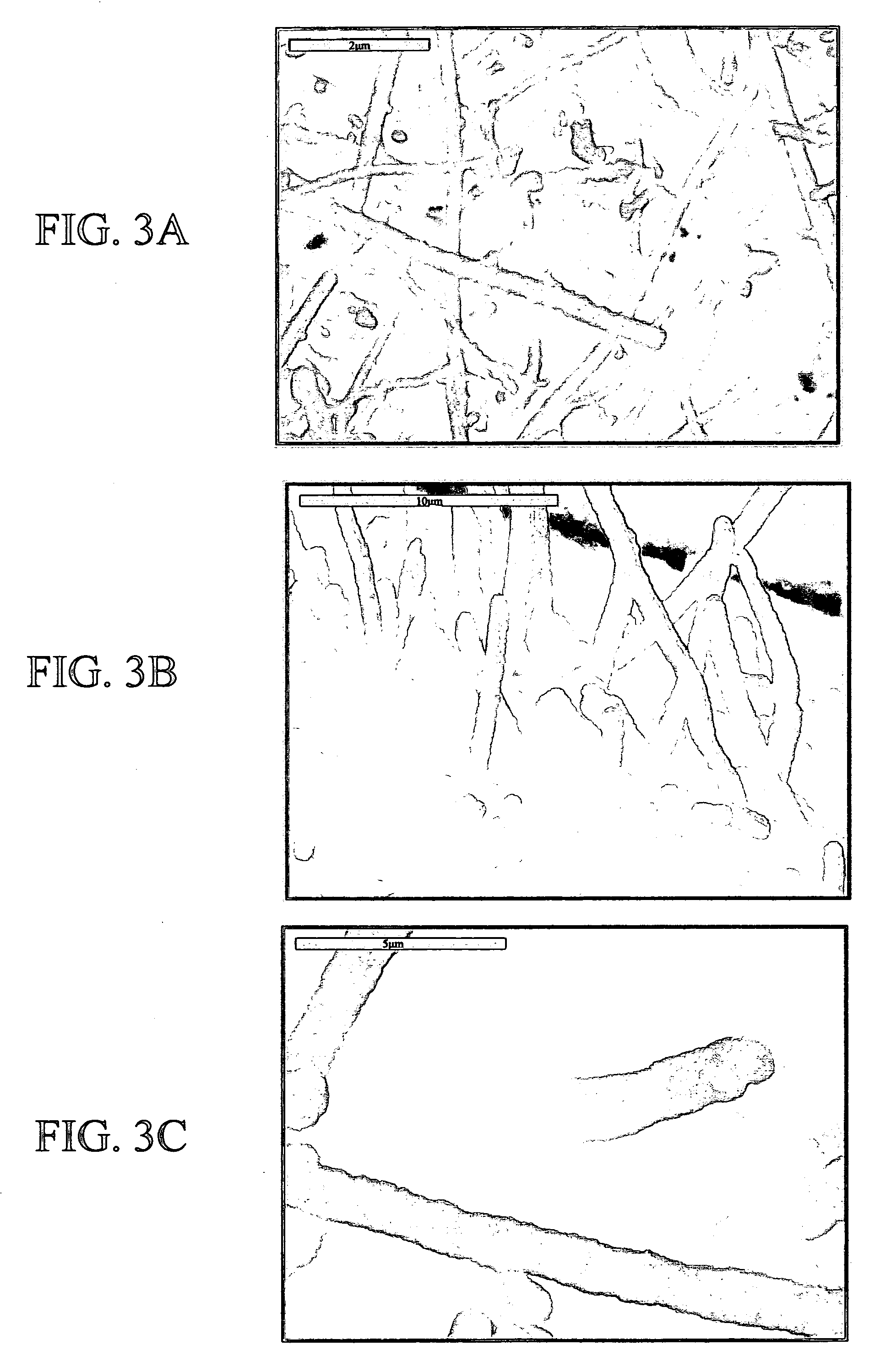
- The development of mineral fibers with a high aspect ratio, produced using an inorganic liquid-phase mineral precursor and a crystalline inorganic substrate, which allows for epitaxial interaction and formation of fibers that mimic the structure and properties of bone, including the use of acidic polymers and specific mineral compositions like hydroxyapatite, to create a biomimetic substitute for bone and other tissues.

Safety Protocols for Perchloric Acid Handling
Handling perchloric acid requires strict adherence to safety protocols due to its highly reactive and potentially explosive nature. Proper training and equipment are essential for all personnel working with this substance. Personal protective equipment (PPE) must include chemical-resistant gloves, safety goggles, and a lab coat. A face shield and acid-resistant apron may be necessary for larger-scale operations.
Work involving perchloric acid should be conducted in a designated fume hood equipped with a wash-down system to prevent the accumulation of explosive perchlorates. The work area must be free from organic materials, as perchloric acid can form explosive compounds when in contact with these substances. Regular cleaning and maintenance of the fume hood are crucial to prevent buildup of perchlorate residues.
Storage of perchloric acid demands special considerations. It should be kept in a cool, well-ventilated area, separate from other chemicals, especially organic compounds and reducing agents. Glass or PTFE containers are suitable for storage, but metal containers should be avoided due to potential corrosion.
When diluting perchloric acid, always add the acid to water slowly while stirring, never the reverse. This process should be performed in a fume hood with proper cooling to control the heat generated during dilution. Spill response procedures must be in place, including appropriate neutralizing agents and absorbent materials specifically designed for acid spills.
Waste disposal of perchloric acid and its solutions requires careful management. Neutralization should be performed cautiously, and disposal should follow local regulations for hazardous waste. Contaminated materials, including glassware and equipment, must be thoroughly cleaned to remove all traces of perchloric acid.
Regular safety audits and inspections of perchloric acid handling areas are essential to ensure compliance with safety protocols. Emergency response plans, including eyewash stations and safety showers, must be readily accessible. All personnel should be trained in emergency procedures and the use of safety equipment.
Documentation of all procedures involving perchloric acid is crucial. This includes maintaining up-to-date safety data sheets (SDS), standard operating procedures (SOPs), and detailed records of usage and disposal. Regular review and updating of these documents ensure that safety protocols remain current and effective.
Work involving perchloric acid should be conducted in a designated fume hood equipped with a wash-down system to prevent the accumulation of explosive perchlorates. The work area must be free from organic materials, as perchloric acid can form explosive compounds when in contact with these substances. Regular cleaning and maintenance of the fume hood are crucial to prevent buildup of perchlorate residues.
Storage of perchloric acid demands special considerations. It should be kept in a cool, well-ventilated area, separate from other chemicals, especially organic compounds and reducing agents. Glass or PTFE containers are suitable for storage, but metal containers should be avoided due to potential corrosion.
When diluting perchloric acid, always add the acid to water slowly while stirring, never the reverse. This process should be performed in a fume hood with proper cooling to control the heat generated during dilution. Spill response procedures must be in place, including appropriate neutralizing agents and absorbent materials specifically designed for acid spills.
Waste disposal of perchloric acid and its solutions requires careful management. Neutralization should be performed cautiously, and disposal should follow local regulations for hazardous waste. Contaminated materials, including glassware and equipment, must be thoroughly cleaned to remove all traces of perchloric acid.
Regular safety audits and inspections of perchloric acid handling areas are essential to ensure compliance with safety protocols. Emergency response plans, including eyewash stations and safety showers, must be readily accessible. All personnel should be trained in emergency procedures and the use of safety equipment.
Documentation of all procedures involving perchloric acid is crucial. This includes maintaining up-to-date safety data sheets (SDS), standard operating procedures (SOPs), and detailed records of usage and disposal. Regular review and updating of these documents ensure that safety protocols remain current and effective.
Environmental Impact of Perchloric Acid Use
The use of perchloric acid in various industrial and research applications has raised significant environmental concerns due to its potential impact on ecosystems and human health. When released into the environment, perchloric acid can contaminate soil and water sources, leading to long-term ecological consequences. The high oxidizing power of perchloric acid can disrupt natural chemical balances in soil and aquatic systems, affecting plant growth and aquatic life.
One of the primary environmental risks associated with perchloric acid is its persistence in groundwater. Once it enters the water table, perchloric acid can form perchlorate ions, which are highly mobile and resistant to natural degradation processes. This persistence can lead to widespread contamination of drinking water sources, posing potential health risks to humans and wildlife.
The impact of perchloric acid on soil chemistry is another area of concern. It can alter soil pH levels, potentially affecting nutrient availability for plants and soil microorganisms. This alteration can have cascading effects on local ecosystems, disrupting food chains and biodiversity. Additionally, the acid's strong oxidizing properties can lead to the mobilization of heavy metals in soil, further exacerbating environmental contamination.
In aquatic environments, perchloric acid can have detrimental effects on fish and other aquatic organisms. It can cause changes in water chemistry, potentially leading to oxygen depletion and altered habitats. The acid's corrosive nature can also damage the gills and other sensitive tissues of aquatic species, impacting their survival and reproduction rates.
The atmospheric release of perchloric acid, although less common, can contribute to the formation of acid rain. This can have far-reaching effects on terrestrial and aquatic ecosystems, damaging vegetation and acidifying water bodies. The potential for perchloric acid to react with other atmospheric pollutants may also lead to the formation of secondary pollutants, further complicating its environmental impact.
Efforts to mitigate the environmental impact of perchloric acid use have focused on improved handling and disposal practices. Advanced treatment technologies for contaminated water and soil are being developed, including ion exchange and bioremediation methods. Regulatory measures have also been implemented in many countries to control the use and disposal of perchloric acid, aiming to minimize its release into the environment.
One of the primary environmental risks associated with perchloric acid is its persistence in groundwater. Once it enters the water table, perchloric acid can form perchlorate ions, which are highly mobile and resistant to natural degradation processes. This persistence can lead to widespread contamination of drinking water sources, posing potential health risks to humans and wildlife.
The impact of perchloric acid on soil chemistry is another area of concern. It can alter soil pH levels, potentially affecting nutrient availability for plants and soil microorganisms. This alteration can have cascading effects on local ecosystems, disrupting food chains and biodiversity. Additionally, the acid's strong oxidizing properties can lead to the mobilization of heavy metals in soil, further exacerbating environmental contamination.
In aquatic environments, perchloric acid can have detrimental effects on fish and other aquatic organisms. It can cause changes in water chemistry, potentially leading to oxygen depletion and altered habitats. The acid's corrosive nature can also damage the gills and other sensitive tissues of aquatic species, impacting their survival and reproduction rates.
The atmospheric release of perchloric acid, although less common, can contribute to the formation of acid rain. This can have far-reaching effects on terrestrial and aquatic ecosystems, damaging vegetation and acidifying water bodies. The potential for perchloric acid to react with other atmospheric pollutants may also lead to the formation of secondary pollutants, further complicating its environmental impact.
Efforts to mitigate the environmental impact of perchloric acid use have focused on improved handling and disposal practices. Advanced treatment technologies for contaminated water and soil are being developed, including ion exchange and bioremediation methods. Regulatory measures have also been implemented in many countries to control the use and disposal of perchloric acid, aiming to minimize its release into the environment.
Unlock deeper insights with PatSnap Eureka Quick Research — get a full tech report to explore trends and direct your research. Try now!
Generate Your Research Report Instantly with AI Agent
Supercharge your innovation with PatSnap Eureka AI Agent Platform!