How to Prevent Diesel Particulate Filter Overheating
SEP 18, 20259 MIN READ
Generate Your Research Report Instantly with AI Agent
PatSnap Eureka helps you evaluate technical feasibility & market potential.
DPF Overheating Prevention Background and Objectives
Diesel Particulate Filters (DPFs) have emerged as a critical component in modern diesel engine exhaust systems since their introduction in the early 2000s. These filtration devices capture and store particulate matter (PM) emissions, primarily soot, preventing their release into the atmosphere. The evolution of DPF technology has been largely driven by increasingly stringent global emission regulations, including Euro standards in Europe, EPA regulations in the United States, and similar frameworks in Asia and other regions.
The primary function of a DPF involves trapping particulate matter as exhaust gases pass through its honeycomb-like ceramic structure. Once captured, these particles accumulate until a regeneration process is initiated to oxidize the collected soot into carbon dioxide. This regeneration process, while necessary for maintaining filter functionality, creates significant thermal challenges that can lead to overheating scenarios.
DPF overheating represents a substantial technical challenge in diesel emission control systems. When temperatures exceed design thresholds (typically above 600-700°C), several critical issues may arise, including thermal stress cracking of the ceramic substrate, melting of the filter material, damage to surrounding components, and in extreme cases, vehicle fires. These failures not only compromise emission control but also present safety hazards and result in costly repairs.
The technical evolution of DPF systems has progressed through several generations, from early passive systems relying solely on exhaust heat to more sophisticated active regeneration systems utilizing fuel injection strategies, electrical heating elements, and advanced thermal management algorithms. Despite these advancements, overheating prevention remains a persistent challenge, particularly under variable operating conditions.
The objectives of DPF overheating prevention technology development are multifaceted. Primary goals include extending filter lifespan by minimizing thermal stress, ensuring consistent regeneration efficiency across diverse operating conditions, reducing maintenance requirements and associated downtime, and maintaining compliance with increasingly stringent emission standards without compromising engine performance or fuel economy.
Additionally, as diesel engines continue to evolve toward higher efficiency and lower emissions, DPF systems must adapt to changing exhaust characteristics, including lower exhaust temperatures and altered particulate composition. This adaptation necessitates innovative approaches to thermal management that can function effectively within these evolving parameters.
Future technological objectives include the development of more thermally resilient filter materials, advanced predictive algorithms for regeneration timing, improved temperature sensing and control mechanisms, and integration with broader vehicle thermal management systems. These developments aim to create more robust, efficient, and reliable DPF systems capable of meeting both current and anticipated regulatory requirements while minimizing operational disruptions.
The primary function of a DPF involves trapping particulate matter as exhaust gases pass through its honeycomb-like ceramic structure. Once captured, these particles accumulate until a regeneration process is initiated to oxidize the collected soot into carbon dioxide. This regeneration process, while necessary for maintaining filter functionality, creates significant thermal challenges that can lead to overheating scenarios.
DPF overheating represents a substantial technical challenge in diesel emission control systems. When temperatures exceed design thresholds (typically above 600-700°C), several critical issues may arise, including thermal stress cracking of the ceramic substrate, melting of the filter material, damage to surrounding components, and in extreme cases, vehicle fires. These failures not only compromise emission control but also present safety hazards and result in costly repairs.
The technical evolution of DPF systems has progressed through several generations, from early passive systems relying solely on exhaust heat to more sophisticated active regeneration systems utilizing fuel injection strategies, electrical heating elements, and advanced thermal management algorithms. Despite these advancements, overheating prevention remains a persistent challenge, particularly under variable operating conditions.
The objectives of DPF overheating prevention technology development are multifaceted. Primary goals include extending filter lifespan by minimizing thermal stress, ensuring consistent regeneration efficiency across diverse operating conditions, reducing maintenance requirements and associated downtime, and maintaining compliance with increasingly stringent emission standards without compromising engine performance or fuel economy.
Additionally, as diesel engines continue to evolve toward higher efficiency and lower emissions, DPF systems must adapt to changing exhaust characteristics, including lower exhaust temperatures and altered particulate composition. This adaptation necessitates innovative approaches to thermal management that can function effectively within these evolving parameters.
Future technological objectives include the development of more thermally resilient filter materials, advanced predictive algorithms for regeneration timing, improved temperature sensing and control mechanisms, and integration with broader vehicle thermal management systems. These developments aim to create more robust, efficient, and reliable DPF systems capable of meeting both current and anticipated regulatory requirements while minimizing operational disruptions.
Market Demand Analysis for Advanced DPF Solutions
The global market for advanced Diesel Particulate Filter (DPF) solutions is experiencing robust growth driven by increasingly stringent emission regulations worldwide. The European Union's Euro 7 standards, the United States EPA's Cleaner Trucks Initiative, and China's National VI standards are collectively pushing manufacturers to develop more efficient and durable DPF systems that can prevent overheating issues while maintaining optimal performance.
Current market analysis indicates that the global DPF market was valued at approximately $12 billion in 2022 and is projected to reach $21.4 billion by 2030, growing at a CAGR of 7.5% during the forecast period. This growth is primarily attributed to the rising production of diesel vehicles in emerging economies and the retrofitting of existing fleets to meet new emission standards.
The commercial vehicle segment represents the largest market share for advanced DPF solutions, accounting for over 60% of the total market. Fleet operators are increasingly demanding DPF systems with enhanced thermal management capabilities to reduce maintenance costs and vehicle downtime associated with filter regeneration and overheating problems. A recent industry survey revealed that 78% of fleet managers consider DPF reliability and thermal stability as critical factors in their purchasing decisions.
Off-highway applications, including construction equipment, agricultural machinery, and mining vehicles, are emerging as high-growth segments for advanced DPF solutions. These applications often operate under extreme conditions that can accelerate DPF overheating, creating a specialized market need for robust thermal management technologies.
Regional market analysis shows North America and Europe leading the demand for advanced DPF solutions, collectively accounting for approximately 65% of the global market. However, the Asia-Pacific region is expected to witness the fastest growth rate, with China and India implementing stricter emission norms for diesel vehicles.
The aftermarket segment for DPF replacement and upgrades is also expanding significantly, with a projected CAGR of 8.3% through 2030. This growth is driven by the aging vehicle fleet in developed markets and increasing awareness about the performance benefits of newer DPF technologies with improved thermal management capabilities.
Customer demand is increasingly focused on integrated solutions that combine advanced materials, sensor technologies, and intelligent control systems to prevent DPF overheating while optimizing fuel efficiency. Market research indicates that solutions offering a 15% or greater reduction in regeneration-related fuel consumption can command premium pricing in both OEM and aftermarket segments.
Current market analysis indicates that the global DPF market was valued at approximately $12 billion in 2022 and is projected to reach $21.4 billion by 2030, growing at a CAGR of 7.5% during the forecast period. This growth is primarily attributed to the rising production of diesel vehicles in emerging economies and the retrofitting of existing fleets to meet new emission standards.
The commercial vehicle segment represents the largest market share for advanced DPF solutions, accounting for over 60% of the total market. Fleet operators are increasingly demanding DPF systems with enhanced thermal management capabilities to reduce maintenance costs and vehicle downtime associated with filter regeneration and overheating problems. A recent industry survey revealed that 78% of fleet managers consider DPF reliability and thermal stability as critical factors in their purchasing decisions.
Off-highway applications, including construction equipment, agricultural machinery, and mining vehicles, are emerging as high-growth segments for advanced DPF solutions. These applications often operate under extreme conditions that can accelerate DPF overheating, creating a specialized market need for robust thermal management technologies.
Regional market analysis shows North America and Europe leading the demand for advanced DPF solutions, collectively accounting for approximately 65% of the global market. However, the Asia-Pacific region is expected to witness the fastest growth rate, with China and India implementing stricter emission norms for diesel vehicles.
The aftermarket segment for DPF replacement and upgrades is also expanding significantly, with a projected CAGR of 8.3% through 2030. This growth is driven by the aging vehicle fleet in developed markets and increasing awareness about the performance benefits of newer DPF technologies with improved thermal management capabilities.
Customer demand is increasingly focused on integrated solutions that combine advanced materials, sensor technologies, and intelligent control systems to prevent DPF overheating while optimizing fuel efficiency. Market research indicates that solutions offering a 15% or greater reduction in regeneration-related fuel consumption can command premium pricing in both OEM and aftermarket segments.
Current DPF Technology Challenges and Limitations
Diesel Particulate Filters (DPFs) face significant challenges in thermal management that limit their effectiveness and longevity. The primary concern is the risk of overheating during regeneration processes, where temperatures can exceed 600°C. This thermal stress accelerates filter degradation, reduces service life, and in extreme cases, can cause catastrophic failure through melting or cracking of the ceramic substrate. The challenge is particularly acute in urban driving conditions where frequent stops and starts prevent the exhaust system from reaching optimal operating temperatures.
Current DPF systems struggle with heat distribution uniformity across the filter substrate. Uneven heating creates thermal gradients that induce mechanical stress, leading to microfractures that compromise structural integrity over time. These thermal inconsistencies also result in incomplete regeneration in cooler areas while risking damage in hotter zones, reducing overall filtration efficiency.
Another significant limitation is the inadequate thermal sensing and control mechanisms in many DPF systems. Most contemporary systems rely on a limited number of temperature sensors that provide insufficient spatial resolution of thermal conditions within the filter. This sparse data makes precise thermal management nearly impossible, especially during dynamic driving conditions where exhaust temperatures fluctuate rapidly.
The regeneration timing algorithms present additional challenges. Current systems often initiate regeneration based on pressure differential measurements that indicate soot loading levels. However, these algorithms frequently lack sophistication in accounting for varying driving conditions, fuel quality variations, and engine performance factors. This results in either premature regeneration that wastes fuel or delayed regeneration that allows excessive soot accumulation, increasing overheating risks.
Material limitations further constrain DPF performance. While silicon carbide and cordierite materials offer reasonable thermal resistance, they still have temperature thresholds above which permanent damage occurs. The trade-off between filtration efficiency and backpressure also remains problematic, as higher efficiency filters typically create greater backpressure, requiring more frequent and potentially hotter regeneration cycles.
Integration challenges with other emission control systems compound these issues. DPFs must function harmoniously with selective catalytic reduction (SCR) systems and exhaust gas recirculation (EGR) components. The thermal interactions between these systems are complex and can lead to competing requirements that compromise overall emission control effectiveness and thermal management.
Lastly, current DPF systems lack adaptive capabilities to respond to aging effects. As filters accumulate ash (non-combustible material) over time, their thermal characteristics change, yet most control systems do not adequately adjust regeneration parameters to compensate for these evolving conditions.
Current DPF systems struggle with heat distribution uniformity across the filter substrate. Uneven heating creates thermal gradients that induce mechanical stress, leading to microfractures that compromise structural integrity over time. These thermal inconsistencies also result in incomplete regeneration in cooler areas while risking damage in hotter zones, reducing overall filtration efficiency.
Another significant limitation is the inadequate thermal sensing and control mechanisms in many DPF systems. Most contemporary systems rely on a limited number of temperature sensors that provide insufficient spatial resolution of thermal conditions within the filter. This sparse data makes precise thermal management nearly impossible, especially during dynamic driving conditions where exhaust temperatures fluctuate rapidly.
The regeneration timing algorithms present additional challenges. Current systems often initiate regeneration based on pressure differential measurements that indicate soot loading levels. However, these algorithms frequently lack sophistication in accounting for varying driving conditions, fuel quality variations, and engine performance factors. This results in either premature regeneration that wastes fuel or delayed regeneration that allows excessive soot accumulation, increasing overheating risks.
Material limitations further constrain DPF performance. While silicon carbide and cordierite materials offer reasonable thermal resistance, they still have temperature thresholds above which permanent damage occurs. The trade-off between filtration efficiency and backpressure also remains problematic, as higher efficiency filters typically create greater backpressure, requiring more frequent and potentially hotter regeneration cycles.
Integration challenges with other emission control systems compound these issues. DPFs must function harmoniously with selective catalytic reduction (SCR) systems and exhaust gas recirculation (EGR) components. The thermal interactions between these systems are complex and can lead to competing requirements that compromise overall emission control effectiveness and thermal management.
Lastly, current DPF systems lack adaptive capabilities to respond to aging effects. As filters accumulate ash (non-combustible material) over time, their thermal characteristics change, yet most control systems do not adequately adjust regeneration parameters to compensate for these evolving conditions.
Current DPF Overheating Prevention Solutions
01 Temperature monitoring and control systems
Various systems and methods for monitoring and controlling the temperature of diesel particulate filters to prevent overheating. These include temperature sensors, thermal management controllers, and feedback mechanisms that adjust engine parameters when filter temperatures approach critical thresholds. Some systems incorporate predictive models to anticipate temperature spikes and take preventive actions before overheating occurs.- Temperature monitoring and control systems: Various systems and methods for monitoring and controlling the temperature of diesel particulate filters (DPF) to prevent overheating. These systems typically include temperature sensors placed at strategic locations within the DPF or exhaust system to detect excessive temperatures. When high temperatures are detected, control units can implement various strategies such as adjusting fuel injection, modifying exhaust flow, or triggering cooling mechanisms to reduce the temperature and prevent damage to the filter.
- Regeneration process management: Techniques for managing the DPF regeneration process to prevent overheating. During regeneration, accumulated soot is burned off at high temperatures, which can lead to thermal damage if not properly controlled. These innovations include adaptive regeneration timing, controlled oxidation rates, and interruption mechanisms that can pause or terminate regeneration if temperatures approach critical thresholds. Some systems also incorporate predictive models to optimize regeneration parameters based on operating conditions.
- Advanced filter materials and designs: Development of specialized filter materials and structural designs that can withstand higher temperatures or distribute heat more effectively. These innovations include heat-resistant ceramic compounds, multi-layer filter structures, and thermally optimized cell geometries. Some designs incorporate heat shields or insulation layers to protect vulnerable components from extreme temperatures during regeneration events or under heavy load conditions.
- Cooling systems and heat management: Dedicated cooling systems and heat management strategies specifically designed to prevent DPF overheating. These include auxiliary cooling mechanisms such as air injection systems, coolant circulation, or specialized heat exchangers that can rapidly reduce filter temperatures when necessary. Some systems employ active thermal management that continuously regulates exhaust temperatures through various engine control parameters or dedicated cooling devices.
- Diagnostic and predictive systems: Advanced diagnostic and predictive systems that can anticipate potential overheating conditions before they occur. These systems analyze multiple parameters including exhaust flow rates, soot load levels, engine operating conditions, and historical data to predict thermal behavior of the DPF. When the risk of overheating is detected, these systems can trigger preventive measures or alert operators to take action before damage occurs. Some implementations include machine learning algorithms that continuously improve prediction accuracy based on operational data.
02 Regeneration process optimization
Techniques for optimizing the regeneration process of diesel particulate filters to prevent excessive heat generation. These include controlled injection of fuel or additives, modulation of exhaust gas flow rates, and adaptive regeneration strategies based on filter loading conditions. By carefully managing the regeneration process, these methods ensure effective soot removal while maintaining safe operating temperatures.Expand Specific Solutions03 Heat-resistant materials and coatings
Development of advanced materials and coatings for diesel particulate filters that can withstand higher temperatures without damage. These include ceramic composites, metal alloys, and specialized thermal barrier coatings that improve heat distribution and thermal stability. Such materials extend filter lifespan by reducing thermal stress and preventing structural failure during high-temperature regeneration events.Expand Specific Solutions04 Exhaust flow management systems
Systems designed to manage exhaust gas flow through diesel particulate filters to prevent localized hotspots and ensure even temperature distribution. These include bypass valves, flow distributors, and variable geometry components that can redirect or modulate exhaust flow based on operating conditions. By preventing concentrated heat buildup in specific areas of the filter, these systems reduce the risk of thermal damage.Expand Specific Solutions05 Emergency protection mechanisms
Safety systems designed to protect diesel particulate filters during critical overheating events. These include emergency cooling mechanisms, automatic regeneration interruption, and fail-safe protocols that activate when temperatures exceed safe thresholds. Some systems incorporate warning indicators to alert operators of potential overheating conditions, allowing for manual intervention before damage occurs.Expand Specific Solutions
Key Industry Players in DPF Technology
The diesel particulate filter (DPF) overheating prevention technology landscape is currently in a mature growth phase, with an estimated global market size of $12-15 billion. Major automotive manufacturers like Toyota, Nissan, GM, and Ford are competing with specialized filtration companies such as Donaldson and Corning to develop advanced thermal management solutions. The competitive landscape features three distinct approaches: integrated vehicle thermal management systems (led by OEMs like Toyota and Cummins), advanced filter materials (where Corning and Johnson Matthey excel), and sensor-based predictive technologies (with Bosch and DENSO as frontrunners). The technology has reached commercial maturity but continues to evolve with stricter emissions regulations driving innovation in regeneration strategies and materials science to enhance durability and efficiency.
GM Global Technology Operations LLC
Technical Solution: GM has pioneered a multi-faceted approach to DPF overheating prevention through their Active Thermal Management System. This technology employs a combination of hardware and software solutions including variable-geometry turbocharging that can be adjusted to control exhaust gas temperatures entering the DPF. GM's system incorporates active cooling mechanisms that can inject small amounts of fuel directly into the exhaust stream to create an endothermic reaction when temperatures approach critical levels. Their patented regeneration control algorithm continuously monitors multiple parameters including vehicle speed, load conditions, and historical regeneration patterns to optimize timing and duration of regeneration events. The system also features adaptive learning capabilities that adjust strategies based on driving patterns and environmental conditions, preventing unnecessary high-temperature regenerations that could damage the filter structure.
Strengths: Adaptive learning algorithms optimize regeneration timing based on actual usage patterns; integrated approach with engine and exhaust system controls provides comprehensive thermal management. Weaknesses: System complexity may lead to higher diagnostic challenges when issues arise; performance may vary significantly under extreme operating conditions.
Ford Global Technologies LLC
Technical Solution: Ford has developed the Intelligent DPF Temperature Control System that employs a multi-stage approach to prevent filter overheating. Their technology utilizes a network of strategically placed temperature sensors throughout the exhaust system to create a thermal profile during operation. The system incorporates predictive modeling that anticipates temperature spikes based on driving conditions and engine load. When potential overheating is detected, Ford's solution implements a graduated response including modified injection timing, exhaust gas recirculation adjustment, and in extreme cases, driver notification with power limitation. A key innovation in their approach is the use of a secondary air injection system that can introduce controlled amounts of cool air into the exhaust stream during critical temperature conditions, effectively providing emergency cooling capability. Ford's system also features a "thermal history" tracking function that monitors cumulative heat exposure to predict DPF durability and adjust protection parameters accordingly.
Strengths: Secondary air injection provides rapid cooling capability during critical thermal events; comprehensive temperature monitoring throughout the exhaust system enables precise intervention. Weaknesses: Additional hardware components increase system complexity and potential failure points; secondary air system requires regular maintenance to ensure proper operation.
Critical Patents and Innovations in DPF Thermal Management
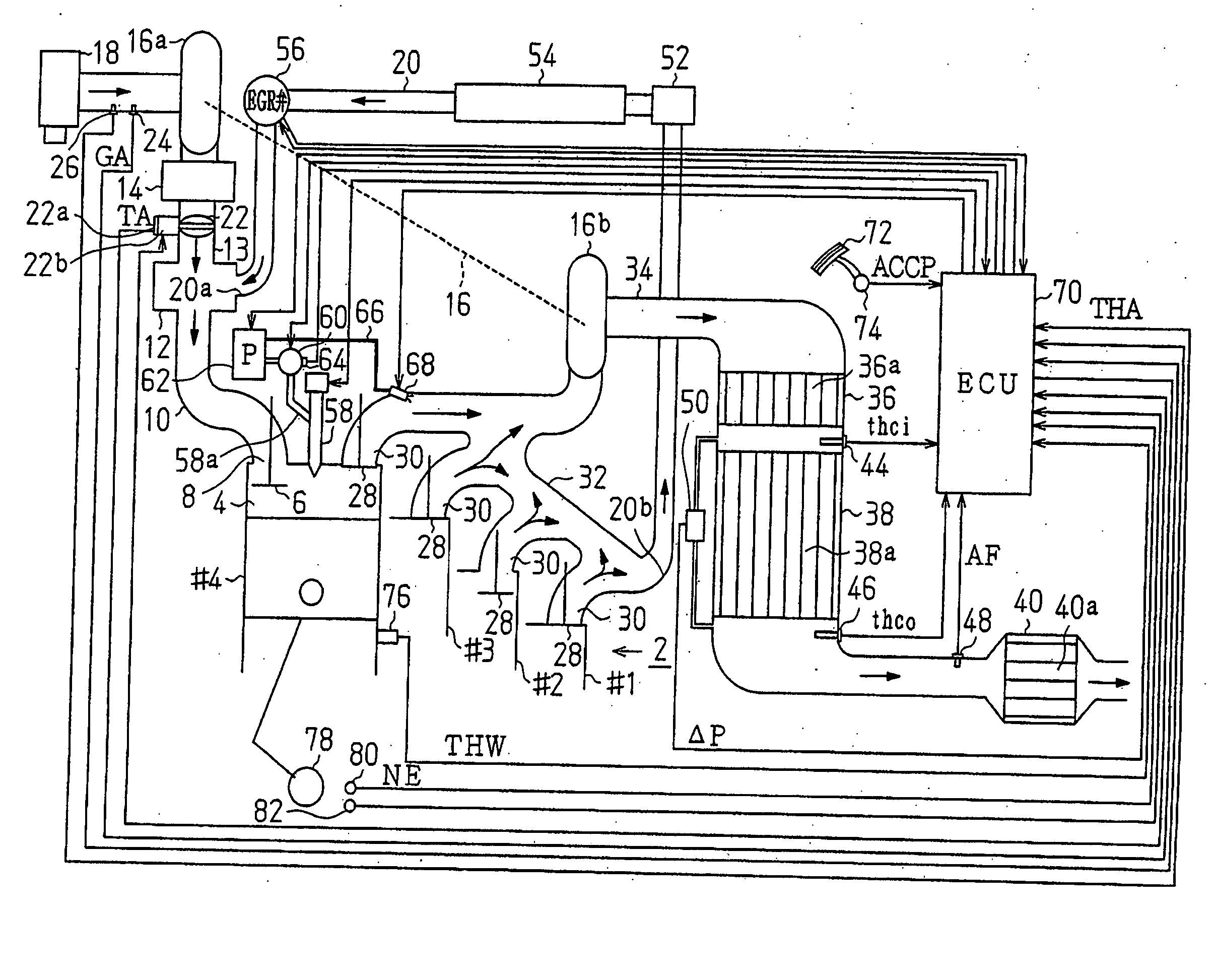
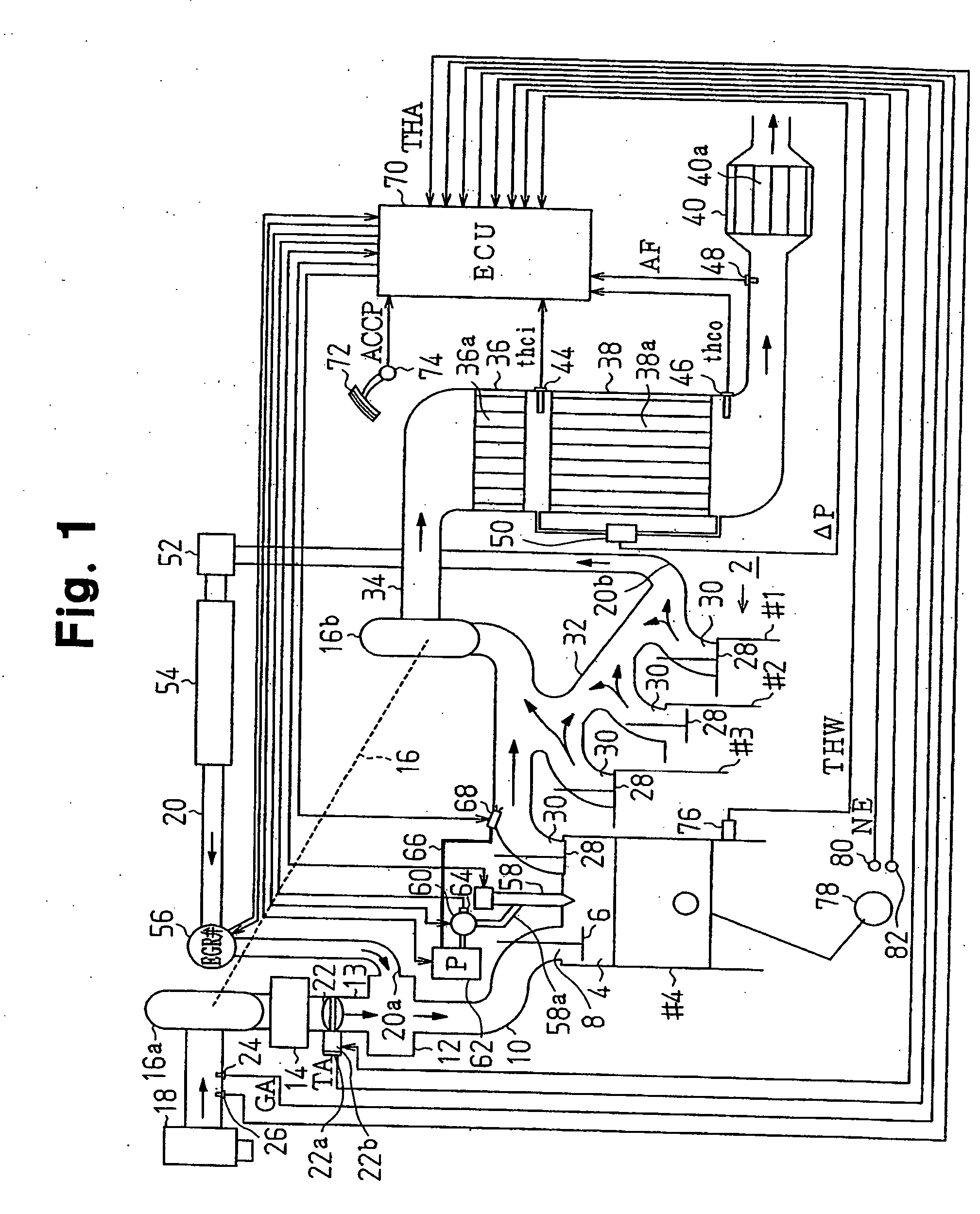
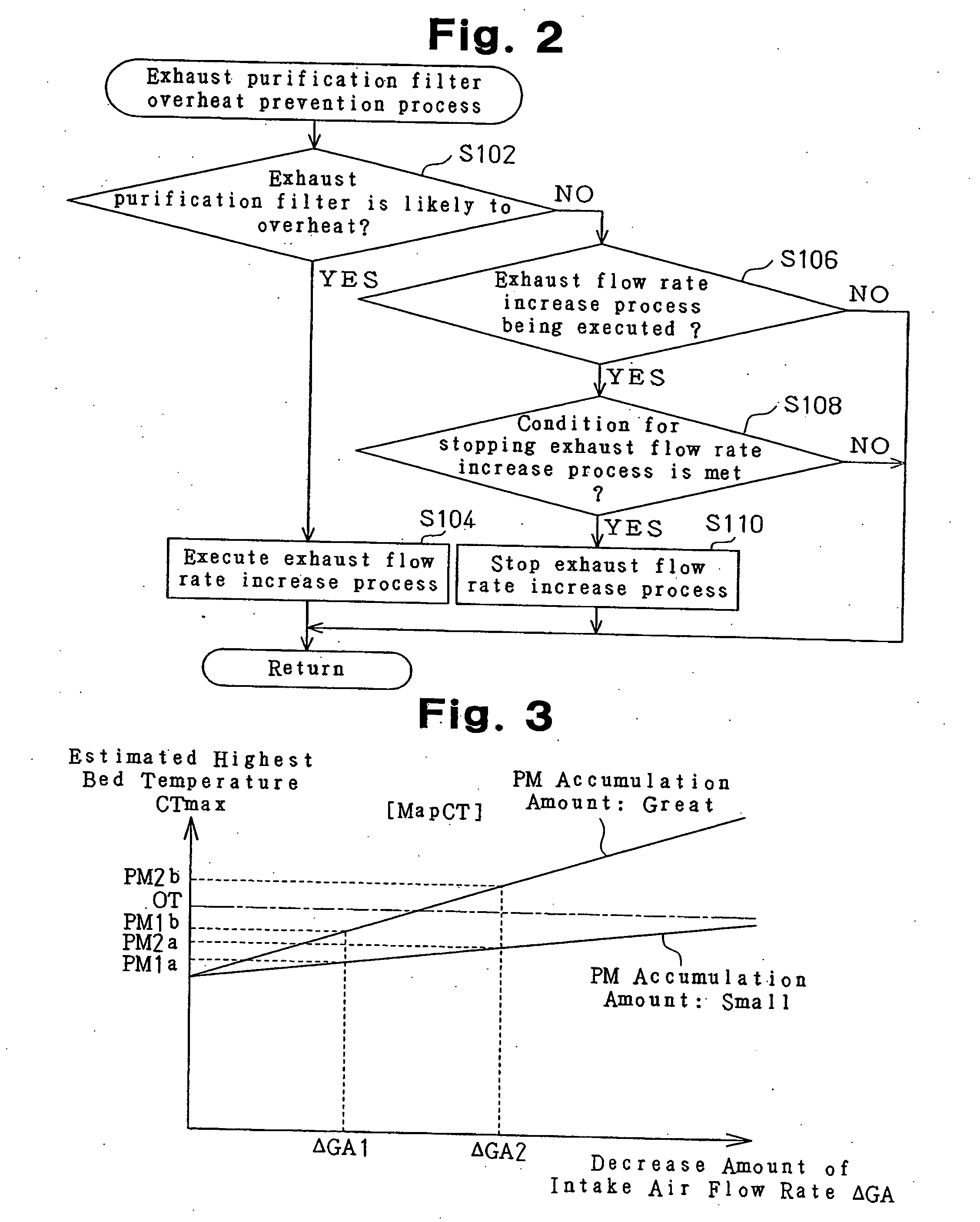
Apparatus and method for preventing overheating of exhaust purification filter
PatentInactiveUS20060016180A1
Innovation
- An apparatus and method that increase the exhaust gas flow rate when the filter is likely to overheat, using controls such as fully opening the throttle valve and closing the EGR valve to prevent overheating by maintaining or increasing the flow rate, thereby reducing heat accumulation.

Particulate filter overheat protection
PatentActiveUS20140366722A1
Innovation
- A thermal fuse is positioned in the exhaust flow path, comprising a body of electrically conductive fusible material with a higher melting point than the fusible material, which melts and creates an open circuit when activated, providing a low-cost and reliable method to detect overheating and prevent damage to the particulate filter.


Emissions Regulations Impact on DPF Development
Emissions regulations have been the primary driving force behind the development and evolution of Diesel Particulate Filter (DPF) technology. Since the early 2000s, increasingly stringent standards in Europe, North America, and Asia have necessitated advanced particulate matter (PM) control systems for diesel engines. The European Union's Euro standards progression from Euro 4 to the current Euro 6d has reduced permissible PM emissions by over 90%, directly influencing DPF design parameters and thermal management requirements.
The United States EPA's Tier regulations and California's CARB standards have similarly pushed manufacturers to develop more efficient DPF systems with enhanced thermal resistance properties. These regulations not only specify PM mass limits but increasingly focus on particle number counts, requiring more effective filtration efficiency while maintaining thermal stability during regeneration cycles.
Japan and China have followed similar regulatory paths, with China's rapid transition from China IV to China VI standards creating significant market pressure for advanced DPF solutions that can withstand varied operational conditions without overheating risks. This global regulatory convergence has accelerated research into materials and control strategies specifically targeting thermal management.
Regulatory bodies have also begun incorporating real-world driving emissions (RDE) testing protocols, exposing DPF systems to more variable operating conditions than traditional laboratory cycles. This shift has highlighted the importance of robust thermal management across diverse driving scenarios, from urban stop-start to highway cruising, where regeneration events must be carefully controlled to prevent filter damage.
The regulatory timeline for future emissions standards indicates continued tightening of PM limits, with Euro 7 and equivalent standards in other regions expected to impose even more demanding requirements. This regulatory forecast is driving current research into next-generation DPF materials with higher temperature tolerance and advanced thermal management systems.
Compliance verification methods have also evolved, with on-board diagnostics (OBD) requirements now mandating continuous monitoring of DPF performance and temperature profiles. These monitoring requirements have led to the integration of more sophisticated temperature sensors and predictive algorithms to prevent overheating events before they occur.
The economic implications of these regulations cannot be overlooked, as non-compliance penalties have increased substantially, making DPF reliability and thermal management not just technical imperatives but financial necessities for manufacturers operating in global markets.
The United States EPA's Tier regulations and California's CARB standards have similarly pushed manufacturers to develop more efficient DPF systems with enhanced thermal resistance properties. These regulations not only specify PM mass limits but increasingly focus on particle number counts, requiring more effective filtration efficiency while maintaining thermal stability during regeneration cycles.
Japan and China have followed similar regulatory paths, with China's rapid transition from China IV to China VI standards creating significant market pressure for advanced DPF solutions that can withstand varied operational conditions without overheating risks. This global regulatory convergence has accelerated research into materials and control strategies specifically targeting thermal management.
Regulatory bodies have also begun incorporating real-world driving emissions (RDE) testing protocols, exposing DPF systems to more variable operating conditions than traditional laboratory cycles. This shift has highlighted the importance of robust thermal management across diverse driving scenarios, from urban stop-start to highway cruising, where regeneration events must be carefully controlled to prevent filter damage.
The regulatory timeline for future emissions standards indicates continued tightening of PM limits, with Euro 7 and equivalent standards in other regions expected to impose even more demanding requirements. This regulatory forecast is driving current research into next-generation DPF materials with higher temperature tolerance and advanced thermal management systems.
Compliance verification methods have also evolved, with on-board diagnostics (OBD) requirements now mandating continuous monitoring of DPF performance and temperature profiles. These monitoring requirements have led to the integration of more sophisticated temperature sensors and predictive algorithms to prevent overheating events before they occur.
The economic implications of these regulations cannot be overlooked, as non-compliance penalties have increased substantially, making DPF reliability and thermal management not just technical imperatives but financial necessities for manufacturers operating in global markets.
Cost-Benefit Analysis of DPF Protection Technologies
When evaluating DPF protection technologies, a comprehensive cost-benefit analysis reveals significant economic implications for fleet operators and manufacturers. Initial implementation costs for advanced thermal management systems range from $800 to $2,500 per vehicle, depending on sophistication level and integration complexity. These systems include temperature sensors, cooling mechanisms, and control software that work together to prevent overheating events.
Operational savings present a compelling counterbalance to these upfront investments. Properly protected DPF systems demonstrate 15-20% longer service intervals, reducing maintenance frequency and associated downtime costs. Data from fleet operations indicates that vehicles equipped with comprehensive thermal protection systems experience 30-40% fewer emergency regeneration events, translating to approximately $1,200-1,800 annual savings per vehicle in maintenance costs alone.
Fuel economy benefits further strengthen the economic case. Advanced thermal management solutions optimize regeneration cycles, resulting in 2-3% improved fuel efficiency compared to basic systems. For commercial vehicles covering 100,000 miles annually, this represents $1,000-1,500 in fuel savings per year, allowing most systems to achieve return on investment within 12-24 months of deployment.
The analysis must also account for avoided costs related to catastrophic failures. DPF replacement due to thermal damage typically costs $3,000-7,000, not including vehicle downtime valued at $400-800 per day for commercial operations. Insurance data suggests vehicles with advanced thermal protection experience 70% fewer catastrophic DPF failures, representing significant risk mitigation value.
Total cost of ownership calculations demonstrate that mid-tier protection systems ($1,200-1,800) offer the optimal balance between implementation costs and long-term benefits for most fleet applications. Premium solutions ($2,000+) show favorable economics primarily for heavy-duty applications in extreme operating conditions or specialized industries where downtime carries exceptional costs.
Regulatory compliance represents another economic dimension, as emissions violations can result in penalties ranging from $2,500 to $45,000 per incident. As emissions standards continue to tighten globally, the compliance assurance value of robust thermal protection systems increases proportionally, adding another layer of economic justification beyond direct operational benefits.
Operational savings present a compelling counterbalance to these upfront investments. Properly protected DPF systems demonstrate 15-20% longer service intervals, reducing maintenance frequency and associated downtime costs. Data from fleet operations indicates that vehicles equipped with comprehensive thermal protection systems experience 30-40% fewer emergency regeneration events, translating to approximately $1,200-1,800 annual savings per vehicle in maintenance costs alone.
Fuel economy benefits further strengthen the economic case. Advanced thermal management solutions optimize regeneration cycles, resulting in 2-3% improved fuel efficiency compared to basic systems. For commercial vehicles covering 100,000 miles annually, this represents $1,000-1,500 in fuel savings per year, allowing most systems to achieve return on investment within 12-24 months of deployment.
The analysis must also account for avoided costs related to catastrophic failures. DPF replacement due to thermal damage typically costs $3,000-7,000, not including vehicle downtime valued at $400-800 per day for commercial operations. Insurance data suggests vehicles with advanced thermal protection experience 70% fewer catastrophic DPF failures, representing significant risk mitigation value.
Total cost of ownership calculations demonstrate that mid-tier protection systems ($1,200-1,800) offer the optimal balance between implementation costs and long-term benefits for most fleet applications. Premium solutions ($2,000+) show favorable economics primarily for heavy-duty applications in extreme operating conditions or specialized industries where downtime carries exceptional costs.
Regulatory compliance represents another economic dimension, as emissions violations can result in penalties ranging from $2,500 to $45,000 per incident. As emissions standards continue to tighten globally, the compliance assurance value of robust thermal protection systems increases proportionally, adding another layer of economic justification beyond direct operational benefits.
Unlock deeper insights with PatSnap Eureka Quick Research — get a full tech report to explore trends and direct your research. Try now!
Generate Your Research Report Instantly with AI Agent
Supercharge your innovation with PatSnap Eureka AI Agent Platform!