

PETG in Scalable Production: New Developments
JUL 28, 20259 MIN READ
Generate Your Research Report Instantly with AI Agent
PatSnap Eureka helps you evaluate technical feasibility & market potential.
PETG Evolution and Objectives
Polyethylene terephthalate glycol (PETG) has emerged as a significant material in the plastics industry, evolving from its predecessor PET to offer enhanced properties and versatility. The journey of PETG began in the late 20th century as researchers sought to improve upon the limitations of PET, particularly in terms of processability and impact resistance.
The evolution of PETG has been driven by the increasing demand for high-performance plastics in various industries, including packaging, medical devices, and 3D printing. As manufacturing processes have advanced, the focus has shifted towards developing PETG formulations that can be produced at scale while maintaining consistent quality and performance characteristics.
In recent years, the objectives for PETG development have centered around several key areas. Firstly, there is a push for improved thermal stability, allowing PETG to withstand higher temperatures during processing and end-use applications. This expansion of the material's temperature range opens up new possibilities in sectors such as automotive and electronics.
Secondly, enhancing the barrier properties of PETG has become a priority, particularly for food packaging applications. Researchers are exploring ways to increase PETG's resistance to gas and moisture permeation, potentially extending the shelf life of packaged products and reducing food waste.
Another significant objective is the development of more sustainable PETG formulations. This includes efforts to increase the recyclability of PETG products, as well as incorporating bio-based or recycled content into the material without compromising its performance. The push towards sustainability aligns with global trends in reducing plastic waste and carbon footprint.
Scalability in production remains a critical goal for PETG manufacturers. As demand grows, there is a need for more efficient production processes that can deliver high volumes of PETG while maintaining tight quality control. This involves optimizing polymerization techniques, improving extrusion and molding processes, and developing advanced additives that enhance processability.
The latest developments in PETG production are focused on achieving these objectives through innovative approaches. These include the use of novel catalysts to improve polymerization efficiency, the integration of nanotechnology to enhance material properties, and the application of artificial intelligence in process optimization.
As we look to the future, the evolution of PETG is likely to continue along these trajectories, with an increasing emphasis on sustainability, performance, and scalability. The industry's objectives will likely expand to include more specialized grades of PETG tailored for emerging applications, such as advanced medical devices or next-generation electronics packaging.
The evolution of PETG has been driven by the increasing demand for high-performance plastics in various industries, including packaging, medical devices, and 3D printing. As manufacturing processes have advanced, the focus has shifted towards developing PETG formulations that can be produced at scale while maintaining consistent quality and performance characteristics.
In recent years, the objectives for PETG development have centered around several key areas. Firstly, there is a push for improved thermal stability, allowing PETG to withstand higher temperatures during processing and end-use applications. This expansion of the material's temperature range opens up new possibilities in sectors such as automotive and electronics.
Secondly, enhancing the barrier properties of PETG has become a priority, particularly for food packaging applications. Researchers are exploring ways to increase PETG's resistance to gas and moisture permeation, potentially extending the shelf life of packaged products and reducing food waste.
Another significant objective is the development of more sustainable PETG formulations. This includes efforts to increase the recyclability of PETG products, as well as incorporating bio-based or recycled content into the material without compromising its performance. The push towards sustainability aligns with global trends in reducing plastic waste and carbon footprint.
Scalability in production remains a critical goal for PETG manufacturers. As demand grows, there is a need for more efficient production processes that can deliver high volumes of PETG while maintaining tight quality control. This involves optimizing polymerization techniques, improving extrusion and molding processes, and developing advanced additives that enhance processability.
The latest developments in PETG production are focused on achieving these objectives through innovative approaches. These include the use of novel catalysts to improve polymerization efficiency, the integration of nanotechnology to enhance material properties, and the application of artificial intelligence in process optimization.
As we look to the future, the evolution of PETG is likely to continue along these trajectories, with an increasing emphasis on sustainability, performance, and scalability. The industry's objectives will likely expand to include more specialized grades of PETG tailored for emerging applications, such as advanced medical devices or next-generation electronics packaging.
Market Demand Analysis for PETG
The global market for PETG (Polyethylene Terephthalate Glycol-modified) has been experiencing significant growth in recent years, driven by its versatile properties and wide range of applications. PETG's unique combination of clarity, toughness, and chemical resistance has made it increasingly popular in various industries, including packaging, medical devices, and consumer goods.
In the packaging sector, PETG has gained traction due to its excellent barrier properties and recyclability. The material's ability to maintain clarity and strength even after recycling has positioned it as a sustainable alternative to traditional plastics. This aligns with the growing consumer demand for eco-friendly packaging solutions, particularly in the food and beverage industry.
The medical device industry has also contributed to the rising demand for PETG. Its biocompatibility, sterilization resistance, and clarity make it an ideal choice for medical packaging, diagnostic equipment, and laboratory consumables. The ongoing global health concerns have further accelerated the need for reliable medical-grade materials, boosting PETG's market potential in this sector.
Consumer goods manufacturers have increasingly adopted PETG for its durability and aesthetic appeal. The material's ability to mimic glass while offering superior impact resistance has made it popular in applications such as cosmetic packaging, household items, and electronic device casings. This trend is expected to continue as consumers seek products that balance functionality with visual appeal.
The automotive industry represents another growing market for PETG, particularly in interior components and lighting applications. The material's lightweight nature and formability make it an attractive option for manufacturers looking to reduce vehicle weight and improve fuel efficiency without compromising on performance or aesthetics.
Geographically, Asia-Pacific has emerged as the fastest-growing market for PETG, driven by rapid industrialization, increasing disposable incomes, and a burgeoning middle class. North America and Europe continue to be significant markets, with a focus on high-value applications and sustainable solutions.
Despite the positive market outlook, challenges remain. The volatility of raw material prices, particularly those derived from petroleum, can impact PETG production costs. Additionally, competition from other advanced polymers and ongoing efforts to develop even more sustainable materials pose potential threats to PETG's market share.
Looking ahead, the PETG market is projected to maintain its growth trajectory, supported by technological advancements in production processes and an expanding application base. The development of bio-based PETG variants and improvements in recycling technologies are expected to further enhance the material's market appeal, especially among environmentally conscious consumers and industries striving for sustainability.
In the packaging sector, PETG has gained traction due to its excellent barrier properties and recyclability. The material's ability to maintain clarity and strength even after recycling has positioned it as a sustainable alternative to traditional plastics. This aligns with the growing consumer demand for eco-friendly packaging solutions, particularly in the food and beverage industry.
The medical device industry has also contributed to the rising demand for PETG. Its biocompatibility, sterilization resistance, and clarity make it an ideal choice for medical packaging, diagnostic equipment, and laboratory consumables. The ongoing global health concerns have further accelerated the need for reliable medical-grade materials, boosting PETG's market potential in this sector.
Consumer goods manufacturers have increasingly adopted PETG for its durability and aesthetic appeal. The material's ability to mimic glass while offering superior impact resistance has made it popular in applications such as cosmetic packaging, household items, and electronic device casings. This trend is expected to continue as consumers seek products that balance functionality with visual appeal.
The automotive industry represents another growing market for PETG, particularly in interior components and lighting applications. The material's lightweight nature and formability make it an attractive option for manufacturers looking to reduce vehicle weight and improve fuel efficiency without compromising on performance or aesthetics.
Geographically, Asia-Pacific has emerged as the fastest-growing market for PETG, driven by rapid industrialization, increasing disposable incomes, and a burgeoning middle class. North America and Europe continue to be significant markets, with a focus on high-value applications and sustainable solutions.
Despite the positive market outlook, challenges remain. The volatility of raw material prices, particularly those derived from petroleum, can impact PETG production costs. Additionally, competition from other advanced polymers and ongoing efforts to develop even more sustainable materials pose potential threats to PETG's market share.
Looking ahead, the PETG market is projected to maintain its growth trajectory, supported by technological advancements in production processes and an expanding application base. The development of bio-based PETG variants and improvements in recycling technologies are expected to further enhance the material's market appeal, especially among environmentally conscious consumers and industries striving for sustainability.
PETG Production Challenges
Polyethylene terephthalate glycol (PETG) has gained significant traction in various industries due to its unique properties. However, scaling up PETG production presents several challenges that manufacturers must address to meet growing market demands. One of the primary obstacles is maintaining consistent quality across large-scale production batches. The molecular structure of PETG is sensitive to processing conditions, and slight variations in temperature, pressure, or residence time can lead to inconsistencies in the final product's properties.
Another significant challenge lies in the energy-intensive nature of PETG production. The polymerization process requires high temperatures and pressures, resulting in substantial energy consumption. As production scales up, optimizing energy efficiency becomes crucial for both economic and environmental reasons. Manufacturers are exploring innovative reactor designs and process control strategies to minimize energy usage without compromising product quality.
Raw material sourcing and management pose additional challenges in scalable PETG production. The availability and cost of key monomers, such as purified terephthalic acid (PTA) and ethylene glycol, can fluctuate, impacting production costs and supply chain stability. Ensuring a consistent supply of high-quality raw materials is essential for maintaining product specifications and meeting production targets.
The complexity of PETG's molecular structure also presents challenges in achieving desired material properties consistently. Controlling the degree of polymerization, crystallinity, and molecular weight distribution becomes more difficult as production volumes increase. Advanced process monitoring and control systems are necessary to maintain tight control over these parameters and ensure product uniformity.
Waste management and recycling considerations are becoming increasingly important in PETG production. As production scales up, the volume of waste generated, including off-spec material and process byproducts, also increases. Developing efficient recycling methods and implementing closed-loop production systems are critical for improving sustainability and reducing environmental impact.
Furthermore, scaling up PETG production requires significant capital investment in equipment and infrastructure. Manufacturers must carefully balance the need for increased capacity with the associated costs and risks. This challenge is particularly acute for smaller producers looking to expand their operations to meet growing market demands.
Lastly, regulatory compliance and product certification present ongoing challenges in scalable PETG production. As production volumes increase, manufacturers must ensure that their processes and products consistently meet stringent quality and safety standards across different regions and applications. This requires robust quality management systems and continuous monitoring of regulatory developments in target markets.
Another significant challenge lies in the energy-intensive nature of PETG production. The polymerization process requires high temperatures and pressures, resulting in substantial energy consumption. As production scales up, optimizing energy efficiency becomes crucial for both economic and environmental reasons. Manufacturers are exploring innovative reactor designs and process control strategies to minimize energy usage without compromising product quality.
Raw material sourcing and management pose additional challenges in scalable PETG production. The availability and cost of key monomers, such as purified terephthalic acid (PTA) and ethylene glycol, can fluctuate, impacting production costs and supply chain stability. Ensuring a consistent supply of high-quality raw materials is essential for maintaining product specifications and meeting production targets.
The complexity of PETG's molecular structure also presents challenges in achieving desired material properties consistently. Controlling the degree of polymerization, crystallinity, and molecular weight distribution becomes more difficult as production volumes increase. Advanced process monitoring and control systems are necessary to maintain tight control over these parameters and ensure product uniformity.
Waste management and recycling considerations are becoming increasingly important in PETG production. As production scales up, the volume of waste generated, including off-spec material and process byproducts, also increases. Developing efficient recycling methods and implementing closed-loop production systems are critical for improving sustainability and reducing environmental impact.
Furthermore, scaling up PETG production requires significant capital investment in equipment and infrastructure. Manufacturers must carefully balance the need for increased capacity with the associated costs and risks. This challenge is particularly acute for smaller producers looking to expand their operations to meet growing market demands.
Lastly, regulatory compliance and product certification present ongoing challenges in scalable PETG production. As production volumes increase, manufacturers must ensure that their processes and products consistently meet stringent quality and safety standards across different regions and applications. This requires robust quality management systems and continuous monitoring of regulatory developments in target markets.
Current PETG Production Methods
01 PETG production and processing methods
Various methods for producing and processing PETG are described, including techniques for improving its properties and scalability. These methods involve specific processing conditions, additives, and equipment to enhance the material's performance and production efficiency.- PETG production and processing methods: Various methods for producing and processing PETG are described, including techniques for improving its properties and scalability. These methods involve specific processing conditions, additives, and equipment to enhance the material's performance and production efficiency.
- PETG applications in packaging and containers: PETG is widely used in packaging and container manufacturing due to its excellent properties. Innovations in this area focus on improving the material's performance for specific applications, such as food packaging, bottles, and other consumer goods containers.
- PETG blends and composites: Research on PETG blends and composites aims to enhance the material's properties and expand its applications. These developments involve combining PETG with other polymers or additives to create materials with improved characteristics, such as increased strength, flexibility, or thermal stability.
- PETG recycling and sustainability: Efforts to improve PETG recycling and sustainability focus on developing more efficient recycling processes, reducing waste, and creating eco-friendly alternatives. These innovations aim to address environmental concerns and promote the circular economy in the plastics industry.
- PETG modification for specific properties: Techniques for modifying PETG to achieve specific properties are explored, such as improved heat resistance, chemical resistance, or optical clarity. These modifications often involve the use of additives, copolymerization, or surface treatments to tailor the material for specialized applications.
02 PETG applications in packaging and containers
PETG is widely used in packaging and container manufacturing due to its excellent properties. Innovations in this area focus on improving the material's performance for specific applications, such as food packaging, bottles, and other consumer goods containers.Expand Specific Solutions03 PETG blends and composites
Research on PETG blends and composites aims to enhance the material's properties and expand its applications. These developments include combining PETG with other polymers or additives to create materials with improved characteristics such as strength, flexibility, or thermal stability.Expand Specific Solutions04 PETG recycling and sustainability
Efforts to improve PETG recycling and sustainability focus on developing more efficient recycling processes, reducing waste, and creating eco-friendly PETG formulations. These innovations aim to address environmental concerns and improve the material's overall lifecycle.Expand Specific Solutions05 PETG in 3D printing and additive manufacturing
PETG's use in 3D printing and additive manufacturing is growing, with research focusing on optimizing the material for these applications. Developments in this area include improving print quality, enhancing material properties for specific 3D printing techniques, and expanding the range of printable objects.Expand Specific Solutions
Key PETG Industry Players
The PETG market in scalable production is experiencing significant growth and technological advancements. The industry is in a mature stage, with established players and emerging innovators driving progress. Market size is expanding due to increasing demand in various sectors, including packaging, electronics, and automotive. Technological maturity is advancing, with companies like China Resources Chemical Innovative Materials and Jiangsu Jinghong New Materials Technology leading in research and development. These firms are focusing on improving PETG properties, enhancing production efficiency, and developing sustainable solutions. The competitive landscape is characterized by a mix of large chemical corporations and specialized materials companies, all striving to meet the growing demand for high-performance PETG products in scalable production environments.
China Resources Chemical Innovative Materials Co., Ltd.
Technical Solution: China Resources Chemical has pioneered a new PETG production technique focusing on enhancing material properties for specific applications. Their method incorporates nano-additives during the polymerization process, resulting in PETG with improved barrier properties and mechanical strength[2]. The company has also developed a modular production system that allows for rapid scaling and customization of PETG grades for different end-uses[4]. Furthermore, they have implemented a closed-loop recycling system within their production facilities, significantly reducing environmental impact and improving resource utilization[6].
Strengths: Customizable PETG grades, improved material properties, and sustainable production practices. Weaknesses: Potentially higher production costs and limited to specialized applications.
Zhuhai Huarun Packing Material Co. Ltd.
Technical Solution: Zhuhai Huarun has focused on developing PETG specifically for packaging applications, with an emphasis on food-safe and recyclable materials. Their innovative approach involves a modified esterification process that results in PETG with enhanced clarity and lower acetaldehyde content, making it ideal for food and beverage packaging[7]. The company has also implemented an in-line quality control system using spectroscopic analysis to ensure consistent material properties throughout production[9]. Additionally, Zhuhai Huarun has developed a proprietary additive package that improves the material's processability in various forming techniques such as thermoforming and blow molding[11].
Strengths: Specialized in packaging applications, high-quality food-safe materials, and improved processability. Weaknesses: Limited focus on non-packaging applications and potential regulatory challenges in different markets.
PETG Innovation Breakthroughs
Development of 3D printed cycle
PatentPendingIN202441044771A
Innovation
- Utilization of PETG Carbon Fiber filament for 3D printing, which combines exceptional stiffness, dimensional stability, and surface quality, enabling the creation of strong and lightweight bicycle frames through additive manufacturing, leveraging carbon fibers' high heat treatment properties and compatibility with standard 3D FDM printers.




Process for the production of glycol-modified polyethylene terephthalate from recycled raw materials
PatentActiveCA3025206C
Innovation
- A process involving the depolymerization of recycled PET in the presence of monoethylene glycol and neopentyl glycol, followed by polymerization under specific temperature and pressure conditions, to produce polyethylene terephthalate glycol-modified (r-PETG) without separating monomers, enabling the creation of a food-grade material suitable for various applications.
PETG Sustainability Initiatives
Recent developments in PETG production have placed a significant emphasis on sustainability initiatives, reflecting the growing global concern for environmental impact and resource conservation. These initiatives are reshaping the PETG industry, driving innovation in manufacturing processes and end-product applications.
One of the key focus areas is the development of bio-based PETG alternatives. Researchers and manufacturers are exploring ways to incorporate renewable resources into PETG production, reducing reliance on fossil fuels. This includes the use of bio-derived monomers and the integration of plant-based materials in the polymer chain. While these bio-based alternatives are still in the early stages of development, they show promising potential for reducing the carbon footprint of PETG production.
Recycling technologies for PETG have also seen substantial advancements. New chemical recycling methods are being developed to break down PETG into its constituent monomers, allowing for true circular economy solutions. These processes aim to maintain the high quality of recycled PETG, addressing one of the main challenges in mechanical recycling. Additionally, improved sorting and separation technologies are enhancing the efficiency of PETG recycling streams, increasing the overall recycling rates.
Energy efficiency in PETG production has become another critical area of focus. Manufacturers are implementing advanced process control systems and energy recovery technologies to minimize energy consumption during production. This includes the use of more efficient heating and cooling systems, as well as the integration of renewable energy sources in manufacturing facilities.
Water conservation efforts in PETG production have also gained traction. Closed-loop water systems and advanced water treatment technologies are being implemented to reduce water consumption and minimize wastewater discharge. These initiatives not only contribute to environmental sustainability but also help manufacturers comply with increasingly stringent environmental regulations.
Packaging innovations using PETG are driving sustainability in end-use applications. Lightweight PETG packaging designs are being developed to reduce material usage while maintaining product integrity. Additionally, mono-material PETG packaging solutions are gaining popularity, as they simplify the recycling process and improve recyclability rates.
Collaborations between PETG manufacturers, research institutions, and end-users are accelerating the development and adoption of sustainable practices. These partnerships are fostering knowledge sharing and driving innovation across the entire PETG value chain. As a result, the industry is seeing a more holistic approach to sustainability, encompassing raw material sourcing, production processes, and end-of-life considerations.
One of the key focus areas is the development of bio-based PETG alternatives. Researchers and manufacturers are exploring ways to incorporate renewable resources into PETG production, reducing reliance on fossil fuels. This includes the use of bio-derived monomers and the integration of plant-based materials in the polymer chain. While these bio-based alternatives are still in the early stages of development, they show promising potential for reducing the carbon footprint of PETG production.
Recycling technologies for PETG have also seen substantial advancements. New chemical recycling methods are being developed to break down PETG into its constituent monomers, allowing for true circular economy solutions. These processes aim to maintain the high quality of recycled PETG, addressing one of the main challenges in mechanical recycling. Additionally, improved sorting and separation technologies are enhancing the efficiency of PETG recycling streams, increasing the overall recycling rates.
Energy efficiency in PETG production has become another critical area of focus. Manufacturers are implementing advanced process control systems and energy recovery technologies to minimize energy consumption during production. This includes the use of more efficient heating and cooling systems, as well as the integration of renewable energy sources in manufacturing facilities.
Water conservation efforts in PETG production have also gained traction. Closed-loop water systems and advanced water treatment technologies are being implemented to reduce water consumption and minimize wastewater discharge. These initiatives not only contribute to environmental sustainability but also help manufacturers comply with increasingly stringent environmental regulations.
Packaging innovations using PETG are driving sustainability in end-use applications. Lightweight PETG packaging designs are being developed to reduce material usage while maintaining product integrity. Additionally, mono-material PETG packaging solutions are gaining popularity, as they simplify the recycling process and improve recyclability rates.
Collaborations between PETG manufacturers, research institutions, and end-users are accelerating the development and adoption of sustainable practices. These partnerships are fostering knowledge sharing and driving innovation across the entire PETG value chain. As a result, the industry is seeing a more holistic approach to sustainability, encompassing raw material sourcing, production processes, and end-of-life considerations.
PETG Quality Control Measures
Quality control measures are crucial for ensuring the consistent production of high-quality PETG in scalable manufacturing processes. As new developments emerge in PETG production, quality control methods must evolve to address the unique challenges associated with large-scale operations.
One key aspect of PETG quality control is the monitoring of intrinsic viscosity (IV) throughout the production process. Advanced inline viscometers can now provide real-time IV measurements, allowing for immediate adjustments to process parameters. This continuous monitoring helps maintain optimal polymer chain length and ensures the final product meets specified mechanical and thermal properties.
Spectroscopic techniques, such as near-infrared (NIR) and Raman spectroscopy, have been integrated into production lines for rapid, non-destructive analysis of PETG composition and crystallinity. These methods enable the detection of contaminants, variations in copolymer ratios, and deviations in molecular structure, all of which can significantly impact product quality.
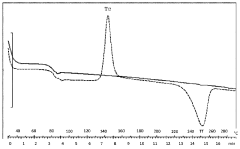
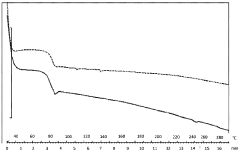
Thermal analysis techniques, including differential scanning calorimetry (DSC) and thermogravimetric analysis (TGA), play a vital role in assessing the thermal properties and stability of PETG. Automated sampling systems coupled with these analytical tools allow for frequent testing without disrupting production flow, ensuring that the material's glass transition temperature, melting point, and thermal degradation characteristics remain within acceptable ranges.
Advanced image analysis systems have been implemented to detect visual defects in PETG sheets and films. High-resolution cameras combined with machine learning algorithms can identify imperfections such as gels, black specks, and variations in thickness or transparency at production speeds, significantly reducing the likelihood of defective products reaching customers.
Rheological testing has become more sophisticated, with new instruments capable of measuring complex viscoelastic properties under conditions that simulate actual processing environments. These tests provide valuable insights into the material's behavior during extrusion, injection molding, and thermoforming processes, helping to optimize processing parameters and predict final product performance.
To address concerns about acetaldehyde formation during PETG processing, which can affect taste and odor in food packaging applications, specialized gas chromatography methods have been developed. These techniques allow for precise quantification of acetaldehyde levels, ensuring compliance with stringent food safety regulations.
As sustainability becomes increasingly important, new quality control measures focus on assessing the recyclability and environmental impact of PETG products. This includes testing for the presence of additives that may hinder recycling processes and evaluating the material's degradation characteristics under various environmental conditions.
One key aspect of PETG quality control is the monitoring of intrinsic viscosity (IV) throughout the production process. Advanced inline viscometers can now provide real-time IV measurements, allowing for immediate adjustments to process parameters. This continuous monitoring helps maintain optimal polymer chain length and ensures the final product meets specified mechanical and thermal properties.
Spectroscopic techniques, such as near-infrared (NIR) and Raman spectroscopy, have been integrated into production lines for rapid, non-destructive analysis of PETG composition and crystallinity. These methods enable the detection of contaminants, variations in copolymer ratios, and deviations in molecular structure, all of which can significantly impact product quality.
Thermal analysis techniques, including differential scanning calorimetry (DSC) and thermogravimetric analysis (TGA), play a vital role in assessing the thermal properties and stability of PETG. Automated sampling systems coupled with these analytical tools allow for frequent testing without disrupting production flow, ensuring that the material's glass transition temperature, melting point, and thermal degradation characteristics remain within acceptable ranges.
Advanced image analysis systems have been implemented to detect visual defects in PETG sheets and films. High-resolution cameras combined with machine learning algorithms can identify imperfections such as gels, black specks, and variations in thickness or transparency at production speeds, significantly reducing the likelihood of defective products reaching customers.
Rheological testing has become more sophisticated, with new instruments capable of measuring complex viscoelastic properties under conditions that simulate actual processing environments. These tests provide valuable insights into the material's behavior during extrusion, injection molding, and thermoforming processes, helping to optimize processing parameters and predict final product performance.
To address concerns about acetaldehyde formation during PETG processing, which can affect taste and odor in food packaging applications, specialized gas chromatography methods have been developed. These techniques allow for precise quantification of acetaldehyde levels, ensuring compliance with stringent food safety regulations.
As sustainability becomes increasingly important, new quality control measures focus on assessing the recyclability and environmental impact of PETG products. This includes testing for the presence of additives that may hinder recycling processes and evaluating the material's degradation characteristics under various environmental conditions.
Unlock deeper insights with PatSnap Eureka Quick Research — get a full tech report to explore trends and direct your research. Try now!
Generate Your Research Report Instantly with AI Agent
Supercharge your innovation with PatSnap Eureka AI Agent Platform!