PLA's Impact on Reducing Plastic Pollution Globally
JUN 25, 20259 MIN READ
Generate Your Research Report Instantly with AI Agent
PatSnap Eureka helps you evaluate technical feasibility & market potential.
PLA Development and Goals
Polylactic acid (PLA) has emerged as a promising solution to address the global plastic pollution crisis. The development of PLA technology has been driven by the urgent need to find sustainable alternatives to conventional petroleum-based plastics. Over the past few decades, researchers and industry players have made significant strides in improving PLA's properties and production processes.
The primary goal of PLA development is to create a biodegradable and compostable material that can effectively replace traditional plastics in various applications. This objective aligns with the global push for circular economy principles and the reduction of plastic waste accumulation in landfills and oceans. PLA aims to offer a more environmentally friendly option without compromising on performance and functionality.
One of the key milestones in PLA's evolution has been the optimization of its production process. Initially, PLA was expensive and limited in its applications. However, advancements in fermentation technologies and the use of renewable feedstocks have significantly reduced production costs and increased scalability. This has made PLA more competitive with conventional plastics in terms of price and availability.
Another important aspect of PLA development has been the enhancement of its material properties. Early versions of PLA had limitations in terms of heat resistance, durability, and flexibility. Ongoing research has focused on improving these characteristics through various techniques such as blending with other biopolymers, adding reinforcing agents, and modifying the molecular structure of PLA.
The goals for future PLA development include further expanding its range of applications, particularly in high-value sectors such as electronics, automotive, and medical devices. Researchers are working on developing PLA composites with enhanced mechanical properties and specialized functionalities to meet the demands of these industries. Additionally, there is a strong focus on improving PLA's end-of-life management, including optimizing its biodegradability and compostability in various environments.
A crucial objective in PLA development is to establish a robust circular economy for this material. This involves creating efficient collection and recycling systems for PLA products, as well as developing technologies for chemical recycling that can break down PLA into its monomer components for reuse. The aim is to minimize the environmental impact of PLA throughout its lifecycle and maximize resource efficiency.
As global plastic pollution continues to be a pressing environmental issue, the development of PLA and other bioplastics plays a vital role in mitigating this problem. The ongoing research and innovation in PLA technology are driven by the overarching goal of providing a sustainable alternative that can significantly reduce the reliance on fossil fuel-based plastics and contribute to a cleaner, more sustainable future.
The primary goal of PLA development is to create a biodegradable and compostable material that can effectively replace traditional plastics in various applications. This objective aligns with the global push for circular economy principles and the reduction of plastic waste accumulation in landfills and oceans. PLA aims to offer a more environmentally friendly option without compromising on performance and functionality.
One of the key milestones in PLA's evolution has been the optimization of its production process. Initially, PLA was expensive and limited in its applications. However, advancements in fermentation technologies and the use of renewable feedstocks have significantly reduced production costs and increased scalability. This has made PLA more competitive with conventional plastics in terms of price and availability.
Another important aspect of PLA development has been the enhancement of its material properties. Early versions of PLA had limitations in terms of heat resistance, durability, and flexibility. Ongoing research has focused on improving these characteristics through various techniques such as blending with other biopolymers, adding reinforcing agents, and modifying the molecular structure of PLA.
The goals for future PLA development include further expanding its range of applications, particularly in high-value sectors such as electronics, automotive, and medical devices. Researchers are working on developing PLA composites with enhanced mechanical properties and specialized functionalities to meet the demands of these industries. Additionally, there is a strong focus on improving PLA's end-of-life management, including optimizing its biodegradability and compostability in various environments.
A crucial objective in PLA development is to establish a robust circular economy for this material. This involves creating efficient collection and recycling systems for PLA products, as well as developing technologies for chemical recycling that can break down PLA into its monomer components for reuse. The aim is to minimize the environmental impact of PLA throughout its lifecycle and maximize resource efficiency.
As global plastic pollution continues to be a pressing environmental issue, the development of PLA and other bioplastics plays a vital role in mitigating this problem. The ongoing research and innovation in PLA technology are driven by the overarching goal of providing a sustainable alternative that can significantly reduce the reliance on fossil fuel-based plastics and contribute to a cleaner, more sustainable future.
Global Plastic Pollution Market Analysis
The global plastic pollution market is experiencing significant growth as awareness of environmental issues and the need for sustainable solutions increases. The market encompasses various sectors, including waste management, recycling technologies, alternative materials, and pollution prevention strategies. As of recent years, the market size for plastic pollution solutions has been estimated to be in the billions of dollars, with projections indicating substantial growth in the coming decade.
Key drivers of this market include stringent government regulations, growing consumer awareness, and corporate sustainability initiatives. Many countries have implemented bans or restrictions on single-use plastics, creating opportunities for alternative materials and recycling technologies. The European Union, for instance, has set ambitious targets for plastic recycling and reduction of plastic waste, which has spurred innovation and investment in the sector.
The market is segmented into several categories, including collection and sorting, recycling, and alternative materials. The recycling segment, in particular, has seen significant growth, with advancements in mechanical and chemical recycling technologies. The development of biodegradable and compostable plastics, such as PLA (Polylactic Acid), represents a growing segment within the alternative materials category.
Geographically, North America and Europe lead the market due to advanced waste management infrastructure and stringent regulations. However, the Asia-Pacific region is expected to witness the fastest growth, driven by rapid industrialization, increasing environmental concerns, and government initiatives to combat plastic pollution.
The competitive landscape of the global plastic pollution market is diverse, with a mix of established waste management companies, innovative startups, and chemical companies developing new materials. Key players in this market are investing heavily in research and development to create more efficient recycling processes and sustainable materials.
Challenges in the market include the high costs associated with recycling technologies, the need for improved waste collection infrastructure in developing countries, and the complexity of recycling mixed plastic waste. However, these challenges also present opportunities for innovation and market growth.
The COVID-19 pandemic has had a mixed impact on the plastic pollution market. While it initially led to an increase in single-use plastic consumption due to hygiene concerns, it has also heightened awareness of environmental issues and the need for sustainable practices, potentially driving long-term growth in the market for plastic pollution solutions.
Looking ahead, the global plastic pollution market is poised for continued expansion as governments, businesses, and consumers increasingly prioritize environmental sustainability. The development of circular economy models, advancements in recycling technologies, and the growing adoption of biodegradable materials like PLA are expected to shape the future of this market.
Key drivers of this market include stringent government regulations, growing consumer awareness, and corporate sustainability initiatives. Many countries have implemented bans or restrictions on single-use plastics, creating opportunities for alternative materials and recycling technologies. The European Union, for instance, has set ambitious targets for plastic recycling and reduction of plastic waste, which has spurred innovation and investment in the sector.
The market is segmented into several categories, including collection and sorting, recycling, and alternative materials. The recycling segment, in particular, has seen significant growth, with advancements in mechanical and chemical recycling technologies. The development of biodegradable and compostable plastics, such as PLA (Polylactic Acid), represents a growing segment within the alternative materials category.
Geographically, North America and Europe lead the market due to advanced waste management infrastructure and stringent regulations. However, the Asia-Pacific region is expected to witness the fastest growth, driven by rapid industrialization, increasing environmental concerns, and government initiatives to combat plastic pollution.
The competitive landscape of the global plastic pollution market is diverse, with a mix of established waste management companies, innovative startups, and chemical companies developing new materials. Key players in this market are investing heavily in research and development to create more efficient recycling processes and sustainable materials.
Challenges in the market include the high costs associated with recycling technologies, the need for improved waste collection infrastructure in developing countries, and the complexity of recycling mixed plastic waste. However, these challenges also present opportunities for innovation and market growth.
The COVID-19 pandemic has had a mixed impact on the plastic pollution market. While it initially led to an increase in single-use plastic consumption due to hygiene concerns, it has also heightened awareness of environmental issues and the need for sustainable practices, potentially driving long-term growth in the market for plastic pollution solutions.
Looking ahead, the global plastic pollution market is poised for continued expansion as governments, businesses, and consumers increasingly prioritize environmental sustainability. The development of circular economy models, advancements in recycling technologies, and the growing adoption of biodegradable materials like PLA are expected to shape the future of this market.
PLA Technology Status and Challenges
Polylactic acid (PLA) has emerged as a promising biodegradable alternative to conventional plastics, offering potential solutions to the global plastic pollution crisis. However, the current status and challenges of PLA technology present a complex landscape that requires careful examination.
The production and application of PLA have seen significant advancements in recent years, with improvements in manufacturing processes and material properties. PLA is now widely used in packaging, disposable items, and 3D printing filaments. Its biodegradability and compostability under specific conditions make it an attractive option for reducing plastic waste accumulation in the environment.
Despite these positive developments, PLA technology faces several challenges that limit its widespread adoption and effectiveness in combating plastic pollution. One major hurdle is the higher production cost compared to traditional petroleum-based plastics, which can deter manufacturers and consumers from switching to PLA products. This cost disparity is primarily due to the more complex production process and the current scale of production.
Another significant challenge is the limited infrastructure for proper disposal and composting of PLA products. While PLA is biodegradable, it requires specific conditions, typically found in industrial composting facilities, to break down efficiently. The lack of widespread access to such facilities means that many PLA products end up in conventional waste streams, where they may not degrade as intended.
The performance characteristics of PLA also present challenges in certain applications. PLA's lower heat resistance and brittleness compared to some conventional plastics can limit its use in products that require high durability or heat stability. This has led to ongoing research efforts to improve PLA's material properties through blending with other polymers or additives.
From a geographical perspective, PLA technology development and adoption vary significantly across regions. North America and Europe lead in research and production capacity, while Asia, particularly China, is rapidly expanding its PLA manufacturing capabilities. However, many developing countries lag in both production and implementation of PLA technologies, creating a disparity in global plastic pollution reduction efforts.
Environmental concerns also persist regarding the sourcing of raw materials for PLA production, primarily corn and other starch-rich crops. The potential competition with food production and the environmental impact of intensive agriculture for PLA feedstock remain subjects of debate and research.
In conclusion, while PLA technology offers promising solutions for reducing plastic pollution, it faces multifaceted challenges that require continued innovation, policy support, and infrastructure development to maximize its positive impact on a global scale.
The production and application of PLA have seen significant advancements in recent years, with improvements in manufacturing processes and material properties. PLA is now widely used in packaging, disposable items, and 3D printing filaments. Its biodegradability and compostability under specific conditions make it an attractive option for reducing plastic waste accumulation in the environment.
Despite these positive developments, PLA technology faces several challenges that limit its widespread adoption and effectiveness in combating plastic pollution. One major hurdle is the higher production cost compared to traditional petroleum-based plastics, which can deter manufacturers and consumers from switching to PLA products. This cost disparity is primarily due to the more complex production process and the current scale of production.
Another significant challenge is the limited infrastructure for proper disposal and composting of PLA products. While PLA is biodegradable, it requires specific conditions, typically found in industrial composting facilities, to break down efficiently. The lack of widespread access to such facilities means that many PLA products end up in conventional waste streams, where they may not degrade as intended.
The performance characteristics of PLA also present challenges in certain applications. PLA's lower heat resistance and brittleness compared to some conventional plastics can limit its use in products that require high durability or heat stability. This has led to ongoing research efforts to improve PLA's material properties through blending with other polymers or additives.
From a geographical perspective, PLA technology development and adoption vary significantly across regions. North America and Europe lead in research and production capacity, while Asia, particularly China, is rapidly expanding its PLA manufacturing capabilities. However, many developing countries lag in both production and implementation of PLA technologies, creating a disparity in global plastic pollution reduction efforts.
Environmental concerns also persist regarding the sourcing of raw materials for PLA production, primarily corn and other starch-rich crops. The potential competition with food production and the environmental impact of intensive agriculture for PLA feedstock remain subjects of debate and research.
In conclusion, while PLA technology offers promising solutions for reducing plastic pollution, it faces multifaceted challenges that require continued innovation, policy support, and infrastructure development to maximize its positive impact on a global scale.
Current PLA Applications and Solutions
01 Biodegradable PLA composites
Developing biodegradable PLA composites by incorporating natural fibers or other biodegradable materials to enhance degradation rates and reduce environmental impact. These composites can maintain the desired properties of PLA while improving its end-of-life characteristics.- Biodegradable PLA composites: Developing biodegradable PLA composites by incorporating natural fibers or other biodegradable materials to enhance degradation rates and reduce environmental impact. These composites can maintain the desired properties of PLA while improving its end-of-life characteristics.
- PLA recycling and upcycling methods: Implementing efficient recycling and upcycling processes for PLA plastics, including chemical depolymerization, mechanical recycling, and thermal processing. These methods aim to reduce PLA waste and create a circular economy for this bioplastic.
- PLA alternatives and blends: Developing alternative bioplastics or PLA blends with improved biodegradability and reduced environmental impact. This includes creating new polymer formulations or combining PLA with other biodegradable materials to enhance overall performance and reduce pollution.
- Additives for enhanced PLA degradation: Incorporating additives or modifiers into PLA formulations to accelerate degradation in various environments. These additives can help break down PLA more quickly and completely, reducing its persistence in ecosystems.
- PLA waste management solutions: Developing comprehensive waste management solutions specifically for PLA plastics, including collection systems, sorting technologies, and specialized treatment facilities. These solutions aim to prevent PLA from entering the environment and ensure proper end-of-life handling.
02 PLA recycling and upcycling methods
Implementing efficient recycling and upcycling methods for PLA plastics, including chemical recycling, mechanical recycling, and conversion into value-added products. These processes aim to reduce PLA waste and promote a circular economy approach.Expand Specific Solutions03 PLA blends with other biodegradable polymers
Creating blends of PLA with other biodegradable polymers to improve overall biodegradability and reduce environmental persistence. These blends can combine the strengths of different materials while addressing the limitations of PLA alone.Expand Specific Solutions04 Additives for enhanced PLA degradation
Incorporating additives into PLA formulations to accelerate degradation in various environments. These additives can include enzymes, pro-oxidants, or other compounds that promote faster breakdown of PLA materials after use.Expand Specific Solutions05 PLA alternatives and substitutes
Developing and promoting alternative materials or substitutes for PLA that offer similar properties but with improved environmental profiles. This includes exploring other bio-based polymers or innovative materials that can replace PLA in various applications.Expand Specific Solutions
Key PLA Manufacturers and Competitors
The global market for PLA (Polylactic Acid) as a solution to plastic pollution is in a growth phase, with increasing adoption across various industries. The market size is expanding rapidly, driven by growing environmental concerns and stringent regulations. Technologically, PLA is maturing, with companies like Total Research Corp, NatureWorks (a subsidiary of CJ CheilJedang Corp), and Corbion leading in production capacity and innovation. Research institutions such as MIT, Cornell University, and Industrial Technology Research Institute are advancing PLA technology through novel applications and improved formulations. Companies like 3M and LG Chem are integrating PLA into diverse product lines, while startups like Arctic Biomaterials Oy are developing specialized PLA composites, indicating a dynamic and competitive landscape with potential for further technological advancements and market expansion.
Industrial Technology Research Institute
Technical Solution: ITRI has developed a biodegradable polymer technology based on PLA (Polylactic Acid) that addresses plastic pollution. Their approach involves modifying PLA to enhance its mechanical properties and biodegradability. They use a proprietary blending process that incorporates natural fibers and additives to create a material that maintains strength while being fully compostable. ITRI's PLA-based products are designed to break down completely in industrial composting facilities within 180 days, leaving no microplastics behind.
Strengths: Fully biodegradable, leaves no microplastics, maintains good mechanical properties. Weaknesses: Requires industrial composting facilities, potentially higher production costs compared to traditional plastics.
Arctic Biomaterials Oy
Technical Solution: Arctic Biomaterials has developed a unique PLA-based compound called ABM PLA+. This material combines PLA with their proprietary mineral-based additive technology. The result is a bioplastic that offers improved mechanical and thermal properties compared to standard PLA, while maintaining biodegradability. Their technology allows for the creation of durable products that can withstand high temperatures and still biodegrade at the end of their life cycle. The company focuses on applications in various industries, including automotive, electronics, and consumer goods.
Strengths: Enhanced durability and heat resistance, versatile applications. Weaknesses: May have higher production costs, specific disposal conditions required for optimal biodegradation.
PLA Material Science Breakthroughs
Biodegradable chemical delivery system
PatentActiveUS20110275520A1
Innovation
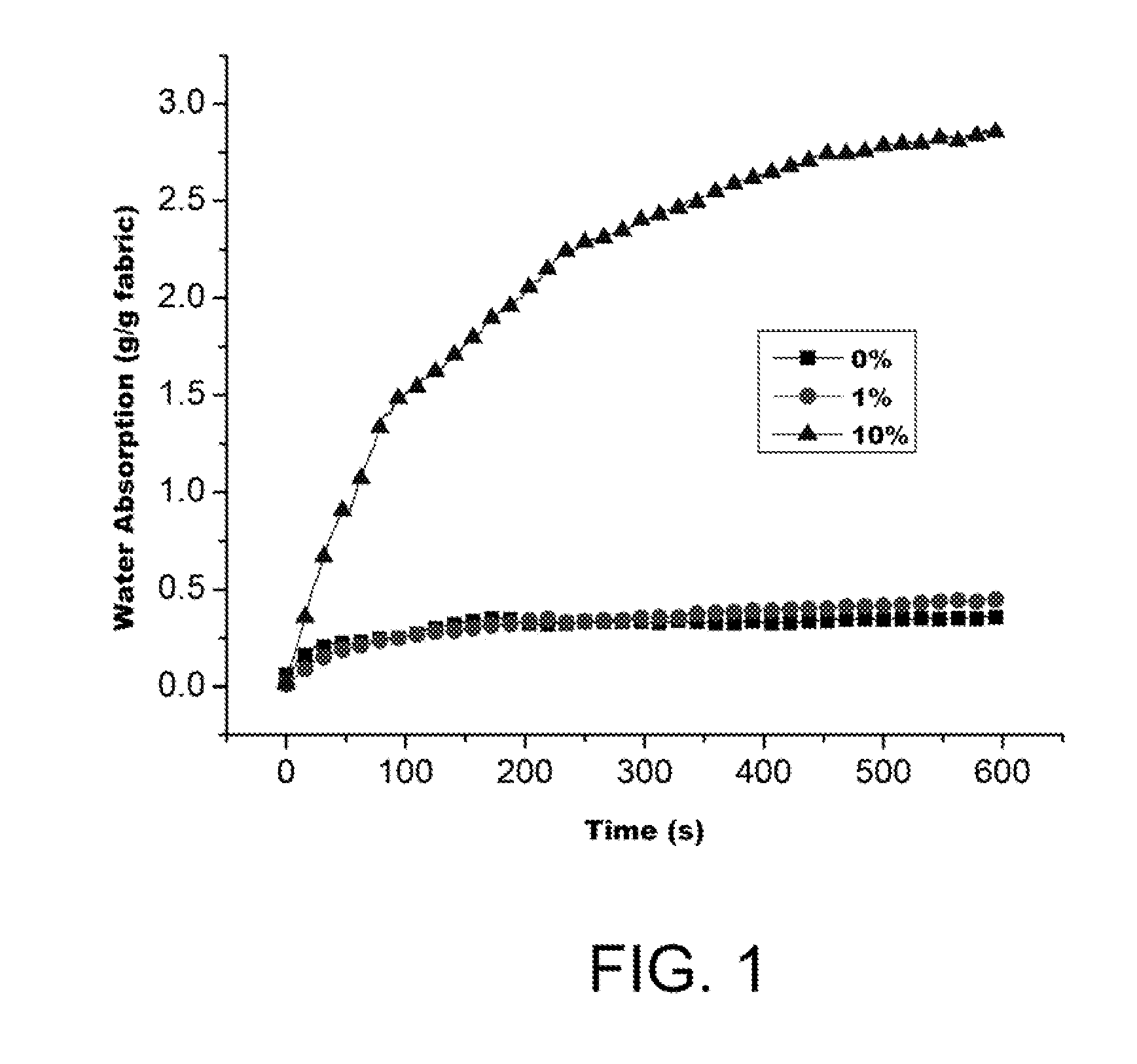
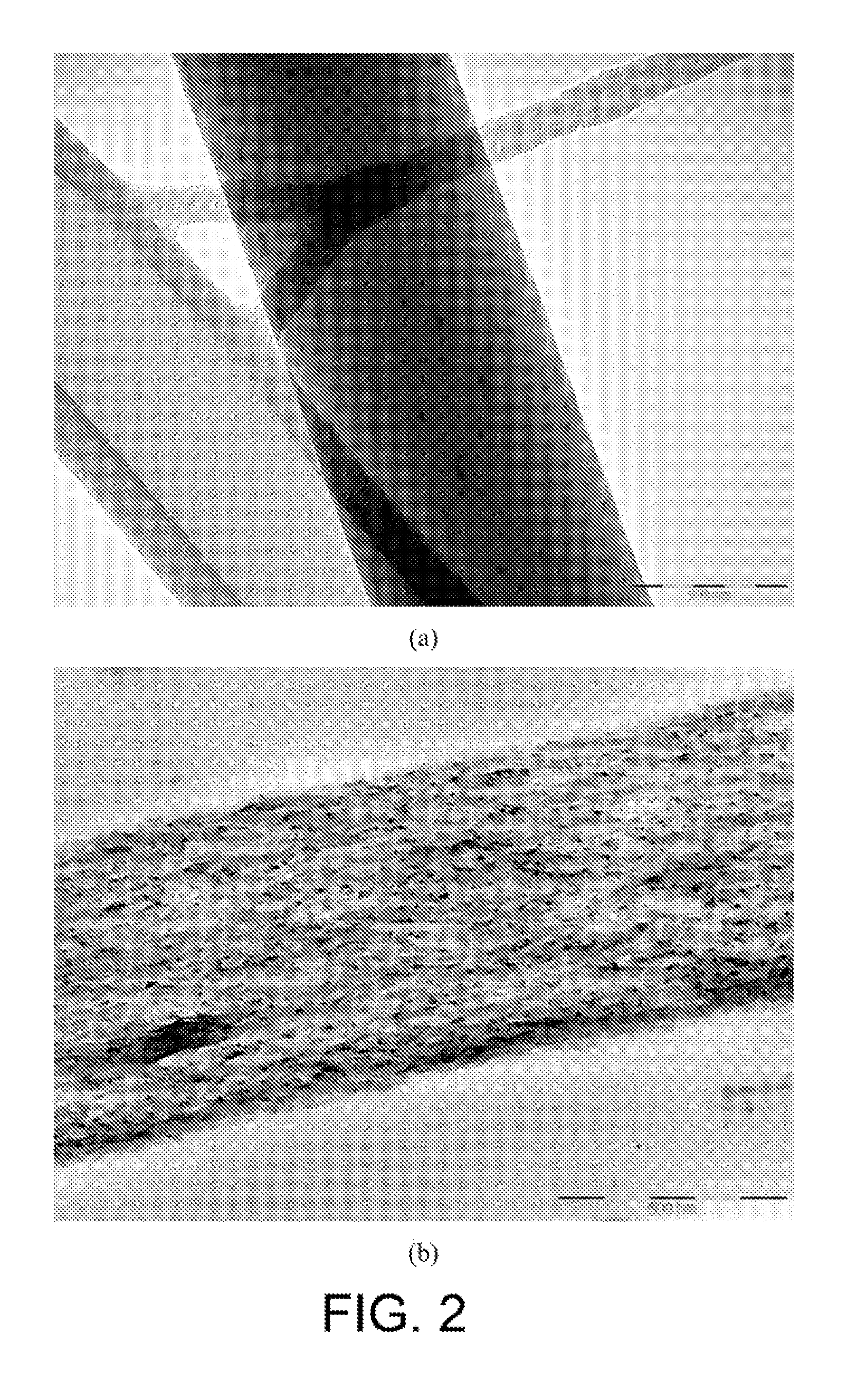
- A polymeric material system comprising a hydrophobic polymeric matrix and a hydrophilic second polymeric material, where the latter forms nanocomposite fibers with PLA, enhancing degradation rates and allowing controlled release of compounds like pesticides through varying the composition and form of the polymeric material.
Polymeric compositions comprising polylactic acid (PLA) and copolymers thereof
PatentPendingUS20220227994A1
Innovation
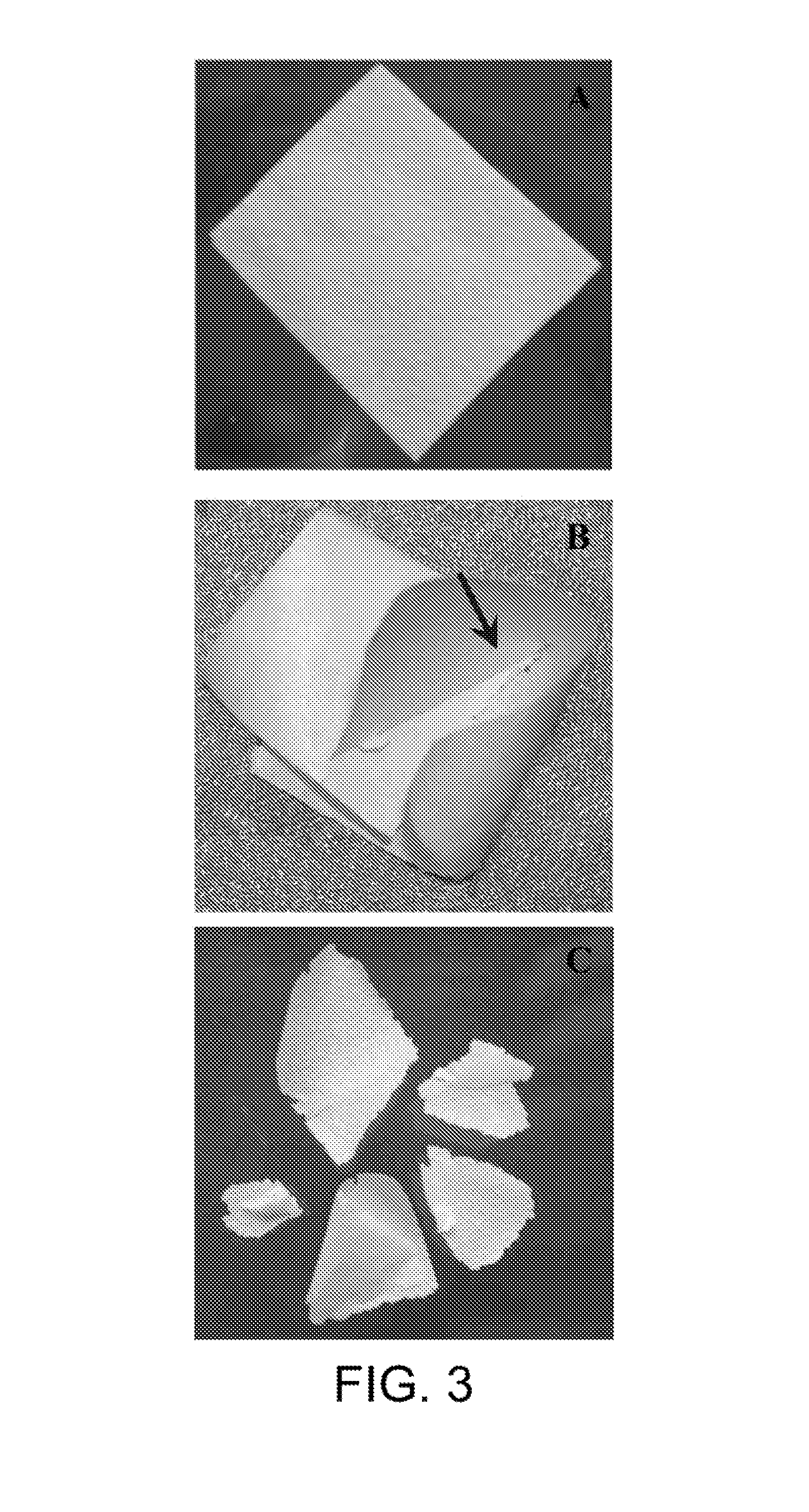
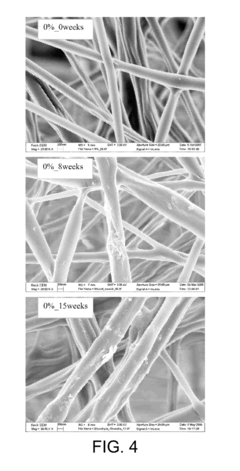
- Development of polymeric blends combining PLA with elastomeric and co-polymer additives to enhance mechanical properties and degradation rates, utilizing organic and inorganic materials that degrade in ambient conditions, such as moisture and warmth, without the need for microorganisms or chemicals.


Environmental Impact Assessment
The environmental impact assessment of PLA (Polylactic Acid) in reducing global plastic pollution reveals both promising potential and notable challenges. PLA, a biodegradable plastic derived from renewable resources such as corn starch or sugarcane, has gained attention as an eco-friendly alternative to conventional plastics.
One of the primary environmental benefits of PLA is its biodegradability. Under proper composting conditions, PLA can break down into water, carbon dioxide, and biomass within a few months to two years. This characteristic significantly reduces the long-term accumulation of plastic waste in landfills and oceans, a major environmental concern associated with traditional plastics.
Furthermore, the production of PLA generally has a lower carbon footprint compared to petroleum-based plastics. The renewable nature of its raw materials contributes to a reduction in greenhouse gas emissions and dependence on fossil fuels. Studies have shown that PLA production can result in up to 80% fewer carbon dioxide emissions compared to traditional plastic manufacturing processes.
However, the environmental impact of PLA is not without complexities. The large-scale cultivation of crops for PLA production raises concerns about land use, water consumption, and potential competition with food production. Additionally, the use of pesticides and fertilizers in crop cultivation can lead to soil degradation and water pollution if not managed sustainably.
Another challenge lies in the end-of-life management of PLA products. While biodegradable, PLA requires specific industrial composting conditions to break down efficiently. Many regions lack the necessary infrastructure for proper PLA disposal, potentially leading to its accumulation in landfills where it may not degrade as intended.
The impact of PLA on marine ecosystems is an area of ongoing research. While it degrades faster than conventional plastics in marine environments, concerns remain about its potential effects on marine life during the degradation process. Studies suggest that PLA may still pose risks to marine organisms through ingestion or entanglement before it fully breaks down.
In conclusion, while PLA offers significant potential in reducing plastic pollution, its overall environmental impact depends on various factors including production methods, disposal practices, and the development of appropriate waste management infrastructure. As the adoption of PLA increases, continued research and improvements in its lifecycle management will be crucial to maximizing its positive environmental impact and addressing its limitations.
One of the primary environmental benefits of PLA is its biodegradability. Under proper composting conditions, PLA can break down into water, carbon dioxide, and biomass within a few months to two years. This characteristic significantly reduces the long-term accumulation of plastic waste in landfills and oceans, a major environmental concern associated with traditional plastics.
Furthermore, the production of PLA generally has a lower carbon footprint compared to petroleum-based plastics. The renewable nature of its raw materials contributes to a reduction in greenhouse gas emissions and dependence on fossil fuels. Studies have shown that PLA production can result in up to 80% fewer carbon dioxide emissions compared to traditional plastic manufacturing processes.
However, the environmental impact of PLA is not without complexities. The large-scale cultivation of crops for PLA production raises concerns about land use, water consumption, and potential competition with food production. Additionally, the use of pesticides and fertilizers in crop cultivation can lead to soil degradation and water pollution if not managed sustainably.
Another challenge lies in the end-of-life management of PLA products. While biodegradable, PLA requires specific industrial composting conditions to break down efficiently. Many regions lack the necessary infrastructure for proper PLA disposal, potentially leading to its accumulation in landfills where it may not degrade as intended.
The impact of PLA on marine ecosystems is an area of ongoing research. While it degrades faster than conventional plastics in marine environments, concerns remain about its potential effects on marine life during the degradation process. Studies suggest that PLA may still pose risks to marine organisms through ingestion or entanglement before it fully breaks down.
In conclusion, while PLA offers significant potential in reducing plastic pollution, its overall environmental impact depends on various factors including production methods, disposal practices, and the development of appropriate waste management infrastructure. As the adoption of PLA increases, continued research and improvements in its lifecycle management will be crucial to maximizing its positive environmental impact and addressing its limitations.
PLA Regulatory Framework
The regulatory framework surrounding Polylactic Acid (PLA) plays a crucial role in its adoption and impact on reducing global plastic pollution. As governments worldwide recognize the urgent need to address plastic waste, many have implemented or are considering policies that favor biodegradable alternatives like PLA.
In the European Union, the Single-Use Plastics Directive has been a significant driver for PLA adoption. This directive aims to reduce the impact of certain plastic products on the environment by banning single-use plastics and promoting sustainable alternatives. PLA, being biodegradable and derived from renewable resources, aligns well with the directive's goals. Consequently, many EU member states have incorporated PLA-friendly policies into their national legislation, encouraging its use in packaging and disposable products.
The United States has a more fragmented approach to PLA regulation. While there is no federal-level policy specifically addressing PLA, several states have enacted laws that indirectly support its use. For instance, California's SB 1335 requires food service facilities in state agencies and state facilities to use reusable, recyclable, or compostable food packaging. This legislation has created a favorable environment for PLA products, as they meet the compostability criteria.
In Asia, countries like Japan and South Korea have been proactive in supporting biodegradable plastics. Japan's Biomass Nippon Strategy promotes the use of plant-derived materials, including PLA, in various industries. South Korea has implemented a certification system for biodegradable plastics, which has helped increase consumer confidence in PLA products and drive market growth.
Developing countries are also recognizing the potential of PLA in addressing plastic pollution. India, for example, has banned single-use plastics and is actively promoting biodegradable alternatives. This regulatory shift has created opportunities for PLA manufacturers and has led to increased research and development in the field.
However, the regulatory landscape for PLA is not without challenges. One significant issue is the lack of standardization in biodegradability and compostability certifications across different regions. This inconsistency can lead to confusion among consumers and businesses, potentially hindering PLA's widespread adoption. Additionally, some countries have yet to develop specific regulations for biodegradable plastics, which can create uncertainty in the market.
Looking ahead, the regulatory framework for PLA is likely to evolve as more countries recognize its potential in reducing plastic pollution. There is a growing trend towards harmonizing standards and certifications internationally, which could facilitate global trade and adoption of PLA products. Furthermore, as the circular economy concept gains traction, regulations may increasingly focus on the entire lifecycle of PLA products, from production to disposal and recycling.
In the European Union, the Single-Use Plastics Directive has been a significant driver for PLA adoption. This directive aims to reduce the impact of certain plastic products on the environment by banning single-use plastics and promoting sustainable alternatives. PLA, being biodegradable and derived from renewable resources, aligns well with the directive's goals. Consequently, many EU member states have incorporated PLA-friendly policies into their national legislation, encouraging its use in packaging and disposable products.
The United States has a more fragmented approach to PLA regulation. While there is no federal-level policy specifically addressing PLA, several states have enacted laws that indirectly support its use. For instance, California's SB 1335 requires food service facilities in state agencies and state facilities to use reusable, recyclable, or compostable food packaging. This legislation has created a favorable environment for PLA products, as they meet the compostability criteria.
In Asia, countries like Japan and South Korea have been proactive in supporting biodegradable plastics. Japan's Biomass Nippon Strategy promotes the use of plant-derived materials, including PLA, in various industries. South Korea has implemented a certification system for biodegradable plastics, which has helped increase consumer confidence in PLA products and drive market growth.
Developing countries are also recognizing the potential of PLA in addressing plastic pollution. India, for example, has banned single-use plastics and is actively promoting biodegradable alternatives. This regulatory shift has created opportunities for PLA manufacturers and has led to increased research and development in the field.
However, the regulatory landscape for PLA is not without challenges. One significant issue is the lack of standardization in biodegradability and compostability certifications across different regions. This inconsistency can lead to confusion among consumers and businesses, potentially hindering PLA's widespread adoption. Additionally, some countries have yet to develop specific regulations for biodegradable plastics, which can create uncertainty in the market.
Looking ahead, the regulatory framework for PLA is likely to evolve as more countries recognize its potential in reducing plastic pollution. There is a growing trend towards harmonizing standards and certifications internationally, which could facilitate global trade and adoption of PLA products. Furthermore, as the circular economy concept gains traction, regulations may increasingly focus on the entire lifecycle of PLA products, from production to disposal and recycling.
Unlock deeper insights with PatSnap Eureka Quick Research — get a full tech report to explore trends and direct your research. Try now!
Generate Your Research Report Instantly with AI Agent
Supercharge your innovation with PatSnap Eureka AI Agent Platform!