

Porosity Engineering in Ceramic Thermal Spray Layers
OCT 22, 20259 MIN READ
Generate Your Research Report Instantly with AI Agent
PatSnap Eureka helps you evaluate technical feasibility & market potential.
Ceramic Porosity Engineering Background and Objectives
Ceramic thermal spray coatings have evolved significantly over the past five decades, transitioning from simple protective layers to sophisticated engineered structures with tailored properties. The deliberate engineering of porosity within these ceramic layers represents a critical advancement in thermal barrier coating (TBC) technology. Initially developed for aerospace applications in the 1970s, these coatings have expanded into power generation, automotive, and industrial sectors, with controlled porosity becoming increasingly recognized as a key performance parameter.
The evolution of porosity engineering has been driven by the fundamental understanding that pore architecture—including size, distribution, morphology, and interconnectivity—directly influences coating performance characteristics. Early thermal spray coatings focused primarily on achieving maximum density to enhance wear and corrosion resistance. However, research in the 1990s revealed that strategically incorporated porosity could significantly enhance thermal insulation properties while providing strain tolerance in high-temperature cycling environments.
Recent technological advancements have enabled unprecedented control over porosity parameters. Modern approaches include suspension and solution precursor thermal spray methods, which allow for nanoscale porosity control, and the integration of sacrificial pore-forming agents that create tailored pore networks upon burnout. Computational modeling has further accelerated development by enabling prediction of porosity effects on thermal, mechanical, and lifetime properties before physical implementation.
The primary objective of porosity engineering in ceramic thermal spray layers is to achieve an optimal balance between seemingly contradictory properties: thermal insulation efficiency, mechanical durability, strain tolerance, and coating longevity. Specifically, engineered porosity aims to reduce thermal conductivity while maintaining adequate mechanical strength and adhesion to the substrate. This balance is particularly crucial in extreme operating environments where temperature gradients and thermal cycling can induce significant stresses.
Secondary objectives include enhancing coating functionality through controlled porosity for specific applications, such as catalytic surfaces, biomedical implants, and fuel cell components. The development of multi-functional coatings with hierarchical porosity structures represents the frontier of current research, where macro, micro, and nano-scale pores each serve distinct functional purposes within a single coating system.
The technological trajectory points toward increasingly sophisticated control over three-dimensional pore architectures, with emerging goals focused on responsive or adaptive porosity systems that can modify their structure in response to environmental conditions. This advancement would represent a paradigm shift from static to dynamic coating systems, potentially revolutionizing high-temperature material applications across multiple industries.
The evolution of porosity engineering has been driven by the fundamental understanding that pore architecture—including size, distribution, morphology, and interconnectivity—directly influences coating performance characteristics. Early thermal spray coatings focused primarily on achieving maximum density to enhance wear and corrosion resistance. However, research in the 1990s revealed that strategically incorporated porosity could significantly enhance thermal insulation properties while providing strain tolerance in high-temperature cycling environments.
Recent technological advancements have enabled unprecedented control over porosity parameters. Modern approaches include suspension and solution precursor thermal spray methods, which allow for nanoscale porosity control, and the integration of sacrificial pore-forming agents that create tailored pore networks upon burnout. Computational modeling has further accelerated development by enabling prediction of porosity effects on thermal, mechanical, and lifetime properties before physical implementation.
The primary objective of porosity engineering in ceramic thermal spray layers is to achieve an optimal balance between seemingly contradictory properties: thermal insulation efficiency, mechanical durability, strain tolerance, and coating longevity. Specifically, engineered porosity aims to reduce thermal conductivity while maintaining adequate mechanical strength and adhesion to the substrate. This balance is particularly crucial in extreme operating environments where temperature gradients and thermal cycling can induce significant stresses.
Secondary objectives include enhancing coating functionality through controlled porosity for specific applications, such as catalytic surfaces, biomedical implants, and fuel cell components. The development of multi-functional coatings with hierarchical porosity structures represents the frontier of current research, where macro, micro, and nano-scale pores each serve distinct functional purposes within a single coating system.
The technological trajectory points toward increasingly sophisticated control over three-dimensional pore architectures, with emerging goals focused on responsive or adaptive porosity systems that can modify their structure in response to environmental conditions. This advancement would represent a paradigm shift from static to dynamic coating systems, potentially revolutionizing high-temperature material applications across multiple industries.
Market Applications and Demand Analysis for Porous Ceramic Coatings
The global market for porous ceramic coatings has experienced significant growth in recent years, driven primarily by increasing demands in aerospace, energy generation, and automotive industries. The thermal spray coating market was valued at approximately $10.1 billion in 2022 and is projected to reach $16.4 billion by 2028, with porous ceramic coatings representing a substantial segment of this growth trajectory.
Aerospace applications constitute the largest market share, where porous ceramic thermal spray layers are extensively utilized in turbine engines to enhance thermal insulation and improve fuel efficiency. The commercial aviation sector's recovery post-pandemic has accelerated demand, with major manufacturers implementing next-generation thermal barrier coating systems featuring engineered porosity to extend component lifespans by 20-30% compared to conventional coatings.
The energy generation sector presents another substantial market opportunity, particularly in gas turbines and solid oxide fuel cells. Controlled porosity in ceramic coatings enables improved thermal management and gas permeability, critical factors in enhancing energy conversion efficiency. The global transition toward cleaner energy sources has intensified research into advanced ceramic coatings with tailored porosity structures, with the market for these specialized coatings growing at 7.8% annually.
Automotive applications are emerging as a rapidly expanding market segment, especially with the rise of electric vehicles. Thermal management systems in EVs require advanced materials that can efficiently dissipate heat while maintaining structural integrity. Porous ceramic coatings offer an effective solution, with market adoption increasing by approximately 12% annually in this sector.
Regional analysis indicates that North America and Europe currently dominate the market for advanced porous ceramic coatings, accounting for 65% of global consumption. However, the Asia-Pacific region, particularly China and India, is witnessing the fastest growth rate at 9.3% annually, driven by expanding manufacturing capabilities and increasing industrial applications.
Customer requirements are evolving toward more sophisticated porosity engineering solutions. End-users increasingly demand coatings with precisely controlled pore size distribution, interconnectivity, and spatial arrangement to achieve specific functional properties. This trend has led to premium pricing for advanced porosity-engineered coatings, with customers willing to pay 15-25% more for coatings that deliver demonstrable performance improvements.
Market forecasts suggest that the demand for customized porosity engineering in ceramic thermal spray layers will continue to grow, with particular emphasis on multi-functional coatings that simultaneously address thermal insulation, wear resistance, and catalytic properties through strategic porosity design.
Aerospace applications constitute the largest market share, where porous ceramic thermal spray layers are extensively utilized in turbine engines to enhance thermal insulation and improve fuel efficiency. The commercial aviation sector's recovery post-pandemic has accelerated demand, with major manufacturers implementing next-generation thermal barrier coating systems featuring engineered porosity to extend component lifespans by 20-30% compared to conventional coatings.
The energy generation sector presents another substantial market opportunity, particularly in gas turbines and solid oxide fuel cells. Controlled porosity in ceramic coatings enables improved thermal management and gas permeability, critical factors in enhancing energy conversion efficiency. The global transition toward cleaner energy sources has intensified research into advanced ceramic coatings with tailored porosity structures, with the market for these specialized coatings growing at 7.8% annually.
Automotive applications are emerging as a rapidly expanding market segment, especially with the rise of electric vehicles. Thermal management systems in EVs require advanced materials that can efficiently dissipate heat while maintaining structural integrity. Porous ceramic coatings offer an effective solution, with market adoption increasing by approximately 12% annually in this sector.
Regional analysis indicates that North America and Europe currently dominate the market for advanced porous ceramic coatings, accounting for 65% of global consumption. However, the Asia-Pacific region, particularly China and India, is witnessing the fastest growth rate at 9.3% annually, driven by expanding manufacturing capabilities and increasing industrial applications.
Customer requirements are evolving toward more sophisticated porosity engineering solutions. End-users increasingly demand coatings with precisely controlled pore size distribution, interconnectivity, and spatial arrangement to achieve specific functional properties. This trend has led to premium pricing for advanced porosity-engineered coatings, with customers willing to pay 15-25% more for coatings that deliver demonstrable performance improvements.
Market forecasts suggest that the demand for customized porosity engineering in ceramic thermal spray layers will continue to grow, with particular emphasis on multi-functional coatings that simultaneously address thermal insulation, wear resistance, and catalytic properties through strategic porosity design.
Current Challenges in Thermal Spray Porosity Control
Despite significant advancements in thermal spray technology, achieving precise control over porosity in ceramic thermal spray layers remains a formidable challenge. Current thermal spray processes exhibit inherent limitations in consistently producing desired porosity distributions, primarily due to the complex interplay of process parameters and material properties. The stochastic nature of particle impact, melting, and solidification creates unpredictable pore formation mechanisms that are difficult to model and control with precision.
One of the most pressing challenges is the trade-off between porosity and mechanical properties. Higher porosity levels, while beneficial for thermal insulation, often compromise structural integrity and erosion resistance. This fundamental conflict necessitates sophisticated engineering approaches that can selectively control pore size, distribution, and morphology without sacrificing mechanical performance.
Process parameter sensitivity presents another significant obstacle. Minor variations in spray distance, powder feed rate, plasma power, or carrier gas flow can dramatically alter porosity outcomes. This sensitivity makes process repeatability and scalability particularly challenging, especially when transitioning from laboratory settings to industrial production environments. The lack of robust in-situ monitoring techniques further compounds this issue, as real-time porosity assessment remains largely unavailable.
Material-specific challenges also persist across different ceramic compositions. For instance, zirconia-based coatings exhibit different sintering behaviors and pore evolution characteristics compared to alumina or rare-earth pyrochlores. These material-dependent variations necessitate customized process parameters and control strategies, preventing the development of universal porosity engineering approaches.
The multi-scale nature of porosity further complicates control efforts. Thermal spray coatings typically contain pores ranging from nanometers to hundreds of micrometers, each size regime influencing different properties and requiring different control mechanisms. Nano-porosity affects sintering behavior and thermal conductivity at high temperatures, while micro-porosity impacts mechanical compliance and strain tolerance. Developing techniques that can simultaneously address these different porosity scales remains elusive.
Post-deposition treatments, while offering some control over porosity, introduce additional processing steps and potential material compatibility issues. Techniques such as laser remelting, heat treatment, or impregnation can modify porosity characteristics but often at the expense of introducing thermal stresses, phase transformations, or compositional changes that may compromise coating performance in service conditions.
One of the most pressing challenges is the trade-off between porosity and mechanical properties. Higher porosity levels, while beneficial for thermal insulation, often compromise structural integrity and erosion resistance. This fundamental conflict necessitates sophisticated engineering approaches that can selectively control pore size, distribution, and morphology without sacrificing mechanical performance.
Process parameter sensitivity presents another significant obstacle. Minor variations in spray distance, powder feed rate, plasma power, or carrier gas flow can dramatically alter porosity outcomes. This sensitivity makes process repeatability and scalability particularly challenging, especially when transitioning from laboratory settings to industrial production environments. The lack of robust in-situ monitoring techniques further compounds this issue, as real-time porosity assessment remains largely unavailable.
Material-specific challenges also persist across different ceramic compositions. For instance, zirconia-based coatings exhibit different sintering behaviors and pore evolution characteristics compared to alumina or rare-earth pyrochlores. These material-dependent variations necessitate customized process parameters and control strategies, preventing the development of universal porosity engineering approaches.
The multi-scale nature of porosity further complicates control efforts. Thermal spray coatings typically contain pores ranging from nanometers to hundreds of micrometers, each size regime influencing different properties and requiring different control mechanisms. Nano-porosity affects sintering behavior and thermal conductivity at high temperatures, while micro-porosity impacts mechanical compliance and strain tolerance. Developing techniques that can simultaneously address these different porosity scales remains elusive.
Post-deposition treatments, while offering some control over porosity, introduce additional processing steps and potential material compatibility issues. Techniques such as laser remelting, heat treatment, or impregnation can modify porosity characteristics but often at the expense of introducing thermal stresses, phase transformations, or compositional changes that may compromise coating performance in service conditions.
Current Porosity Engineering Methods for Ceramic Thermal Spray
01 Porosity control methods in ceramic thermal spray coatings
Various methods can be employed to control the porosity of ceramic thermal spray layers. These include adjusting spray parameters such as particle velocity, temperature, and distance, using specific powder morphologies, and post-spray treatments. Controlled porosity is essential for applications requiring specific thermal, mechanical, or functional properties. The porosity level can be tailored from dense to highly porous structures depending on the intended application.- Porosity control methods in ceramic thermal spray coatings: Various methods can be employed to control porosity in ceramic thermal spray layers. These include adjusting spray parameters such as particle velocity, temperature, and distance, using specific powder morphologies, and post-spray treatments. Controlled porosity is essential for applications requiring specific thermal, mechanical, or functional properties. The porosity level can be tailored from dense to highly porous structures depending on the intended application.
- Functional benefits of porosity in ceramic thermal spray coatings: Porosity in ceramic thermal spray layers provides several functional benefits including enhanced thermal insulation properties, strain tolerance, and improved thermal shock resistance. Controlled porosity can create pathways for oxygen transport in fuel cells, improve catalytic performance, and enhance adhesion to substrates. The size, distribution, and interconnectivity of pores significantly influence the coating performance in high-temperature applications.
- Porosity reduction techniques for enhanced mechanical properties: Techniques to reduce porosity in ceramic thermal spray coatings include using finer powder particles, increasing particle velocity, optimizing spray angle, applying post-spray heat treatments, and using vacuum plasma spraying. Reduced porosity typically results in improved mechanical properties such as higher hardness, wear resistance, and corrosion protection. These dense coatings are particularly valuable in applications requiring structural integrity and protection against harsh environments.
- Measurement and characterization of porosity in ceramic thermal spray layers: Various techniques are employed to measure and characterize porosity in ceramic thermal spray coatings, including image analysis, mercury intrusion porosimetry, gas adsorption, X-ray tomography, and scanning electron microscopy. These methods help quantify total porosity percentage, pore size distribution, pore morphology, and interconnectivity. Accurate porosity characterization is crucial for quality control and predicting coating performance in service conditions.
- Multi-layer ceramic thermal spray coatings with controlled porosity gradients: Multi-layer ceramic thermal spray coatings with controlled porosity gradients offer enhanced performance in demanding applications. These systems typically feature a dense layer near the substrate for adhesion and corrosion protection, transitioning to more porous outer layers for thermal insulation and strain tolerance. The porosity gradient can be engineered to optimize thermal barrier properties while maintaining mechanical integrity. This approach is particularly valuable in aerospace, power generation, and high-temperature industrial applications.
02 Functional benefits of porosity in ceramic thermal spray coatings
Porosity in ceramic thermal spray layers provides several functional benefits including enhanced thermal insulation properties, improved strain tolerance, better thermal shock resistance, and reduced thermal conductivity. Controlled porosity can also improve coating adhesion to substrates and provide pathways for gas flow in certain applications. The presence of micropores and macropores contributes to different functional aspects of the coating performance.Expand Specific Solutions03 Sealing techniques for porous ceramic thermal spray layers
Various sealing techniques can be applied to porous ceramic thermal spray coatings to enhance their properties or functionality. These include impregnation with polymers, infiltration with metals or ceramics, application of sealants, and heat treatments. Sealing can improve corrosion resistance, mechanical properties, and durability while maintaining the beneficial aspects of the porous structure. The choice of sealing method depends on the specific application requirements.Expand Specific Solutions04 Measurement and characterization of porosity in ceramic thermal spray coatings
Various techniques are employed to measure and characterize porosity in ceramic thermal spray layers. These include image analysis of cross-sections, mercury intrusion porosimetry, gas adsorption techniques, X-ray tomography, and ultrasonic testing. These methods provide information about pore size distribution, interconnectivity, total porosity volume, and spatial distribution of pores. Accurate characterization is essential for quality control and understanding coating performance.Expand Specific Solutions05 Specialized ceramic compositions for controlled porosity thermal spray layers
Specific ceramic compositions and feedstock materials can be designed to achieve controlled porosity in thermal spray layers. These include hollow ceramic spheres, composite powders with fugitive phases, nanostructured ceramics, and specialized oxide formulations. The composition can be tailored to create specific pore structures, sizes, and distributions. Advanced ceramic formulations can also incorporate functional additives that enhance specific properties while maintaining desired porosity levels.Expand Specific Solutions
Leading Manufacturers and Research Institutions in Thermal Spray Industry
The ceramic thermal spray layer porosity engineering market is currently in a growth phase, with increasing demand driven by thermal barrier coating applications in aerospace, power generation, and automotive sectors. The global market size is estimated to exceed $2 billion, expanding at 6-8% CAGR. Technologically, the field shows varying maturity levels, with established players like Siemens AG, Mitsubishi Heavy Industries, and Oerlikon Metco leading commercial applications through advanced manufacturing processes. Research institutions including Xi'an Jiaotong University and Forschungszentrum Jülich are advancing fundamental understanding of porosity control mechanisms. Emerging companies like Suzhou IMOTech and Xianyang Gazelle Valley are developing specialized solutions, while industry giants such as Rolls-Royce and Mercedes-Benz are integrating these technologies into high-performance components for extreme operating environments.
Siemens AG
Technical Solution: Siemens AG has developed an innovative approach to porosity engineering in ceramic thermal spray layers through their Advanced Thermal Barrier Coating (ATBC) program. Their technology utilizes a combination of atmospheric plasma spraying (APS) and controlled atmosphere plasma spraying (CAPS) to achieve precise porosity control ranging from 5% to 25% by volume. Siemens' proprietary feedstock materials incorporate nano-structured yttria-stabilized zirconia (YSZ) with carefully designed agglomeration characteristics that promote controlled pore formation during deposition. Their multi-parameter optimization process manipulates spray distance, plasma power, carrier gas flow, and substrate temperature to create tailored pore morphologies including globular, lamellar, and interconnected networks. Siemens has pioneered the use of in-situ porosity monitoring using laser scattering techniques during deposition, allowing real-time adjustments to maintain consistent porosity profiles. Their recent innovations include vertically segmented coatings with engineered porosity gradients that enhance both thermal insulation and strain tolerance for industrial gas turbine applications operating under extreme thermal cycling conditions.
Strengths: Comprehensive integration of porosity engineering into industrial-scale manufacturing processes; extensive field experience with documented performance improvements; sophisticated quality control systems ensuring consistency across large components. Weaknesses: Technologies primarily optimized for power generation applications; relatively high implementation costs; requires specialized equipment and expertise for proper implementation.
Oerlikon Metco (US), Inc.
Technical Solution: Oerlikon Metco has developed advanced porosity control systems for thermal spray ceramic coatings using their proprietary Triplex Pro-210 plasma spray system. Their technology enables precise manipulation of pore size distribution, pore connectivity, and overall porosity levels (5-25%) through careful control of spray parameters including particle velocity, temperature, and feed rate. The company's SurfaceSolutions approach combines specialized powder formulations with tailored spray processes to engineer specific porosity architectures. Their recent innovations include the use of fugitive pore formers and suspension spray techniques that allow for nanoscale porosity engineering, creating multi-modal pore structures that enhance both thermal insulation and strain tolerance in thermal barrier coatings (TBCs). Oerlikon's HVOF (High Velocity Oxy-Fuel) and APS (Atmospheric Plasma Spray) technologies enable customized porosity gradients through coating thickness, optimizing performance for specific operating environments.
Strengths: Industry-leading expertise in thermal spray equipment and materials; comprehensive portfolio of spray technologies allowing tailored porosity solutions; strong R&D capabilities with numerous patents. Weaknesses: Higher implementation costs compared to conventional methods; requires specialized training and equipment; some advanced techniques still in development phase with limited field validation.
Key Patents and Innovations in Controlled Porosity Ceramics
Thermal spray coating of porous nanostructured ceramic feedstock
PatentActiveCA2648643C
Innovation
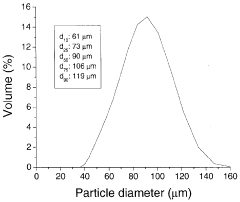
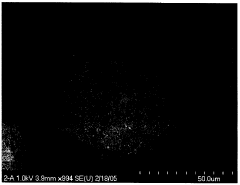
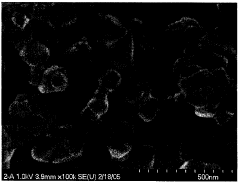
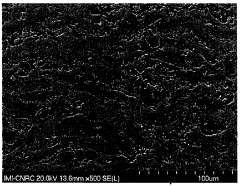
- Controlled thermal spray deposition parameters, such as particle size distribution, morphology, temperature, and velocity, are used to produce nanostructured coatings with porous inclusions, which maintain porosity and mechanical stability, reducing thermal diffusivity and elastic modulus, and enhancing abradability and durability.
Fine-porosity ceramic coating via spps
PatentWO2012062547A1
Innovation
- A finely porous ceramic coating is achieved using the Solution Precursor Plasma Spray (SPPS) method, which adjusts porosity between 8 vol% and 25 vol% by spraying nano-particles and utilizing water-soluble salts like zirconium and rare earth metal salts to form zirconium oxide or zirconate layers with chemical gradients.


Thermal Performance Evaluation Methodologies
The evaluation of thermal performance in ceramic thermal spray coatings with engineered porosity requires sophisticated methodologies to accurately assess their behavior under various thermal conditions. Standardized testing protocols such as ASTM C177 and ASTM E1530 provide foundational frameworks for measuring thermal conductivity through steady-state heat flow methods, while laser flash analysis (ASTM E1461) enables rapid assessment of thermal diffusivity in these complex microstructures.
Infrared thermography has emerged as a powerful non-destructive technique for mapping temperature distributions across coating surfaces, revealing thermal gradients and potential hot spots that may indicate porosity-related performance variations. This method proves particularly valuable for in-situ monitoring during thermal cycling tests, where the dynamic response of engineered porous structures can be observed in real-time.
Computational modeling approaches complement experimental methods by simulating heat transfer through complex porous networks. Finite element analysis (FEA) and computational fluid dynamics (CFD) models incorporate microstructural data from techniques such as X-ray computed tomography to create digital representations of actual coating architectures. These models predict thermal behavior based on pore size, distribution, interconnectivity, and orientation parameters.
Thermal shock resistance evaluation represents a critical aspect of performance assessment, typically conducted through cyclic heating and quenching tests that subject coatings to rapid temperature fluctuations. The number of cycles to failure provides quantitative data on coating durability, while post-test microstructural analysis reveals failure mechanisms related to the engineered porosity features.
Thermal barrier efficiency metrics have been standardized to enable comparative analysis between different porosity engineering approaches. These include the temperature reduction factor (TRF), which quantifies a coating's ability to maintain temperature differentials, and the thermal protection efficiency (TPE), which considers both insulation properties and durability under thermal cycling conditions.
Long-term performance degradation assessment protocols track changes in thermal properties over extended exposure periods. Accelerated aging tests simulate operational environments, while periodic thermal conductivity measurements and microstructural characterization document the evolution of porous structures and their impact on insulation performance. These methodologies are essential for predicting service lifetimes of components with engineered porous thermal spray coatings.
Correlation studies between laboratory measurements and field performance data validate evaluation methodologies and provide feedback for refining testing protocols. This approach ensures that laboratory-based thermal performance assessments accurately predict real-world behavior of porosity-engineered ceramic thermal spray layers in demanding applications.
Infrared thermography has emerged as a powerful non-destructive technique for mapping temperature distributions across coating surfaces, revealing thermal gradients and potential hot spots that may indicate porosity-related performance variations. This method proves particularly valuable for in-situ monitoring during thermal cycling tests, where the dynamic response of engineered porous structures can be observed in real-time.
Computational modeling approaches complement experimental methods by simulating heat transfer through complex porous networks. Finite element analysis (FEA) and computational fluid dynamics (CFD) models incorporate microstructural data from techniques such as X-ray computed tomography to create digital representations of actual coating architectures. These models predict thermal behavior based on pore size, distribution, interconnectivity, and orientation parameters.
Thermal shock resistance evaluation represents a critical aspect of performance assessment, typically conducted through cyclic heating and quenching tests that subject coatings to rapid temperature fluctuations. The number of cycles to failure provides quantitative data on coating durability, while post-test microstructural analysis reveals failure mechanisms related to the engineered porosity features.
Thermal barrier efficiency metrics have been standardized to enable comparative analysis between different porosity engineering approaches. These include the temperature reduction factor (TRF), which quantifies a coating's ability to maintain temperature differentials, and the thermal protection efficiency (TPE), which considers both insulation properties and durability under thermal cycling conditions.
Long-term performance degradation assessment protocols track changes in thermal properties over extended exposure periods. Accelerated aging tests simulate operational environments, while periodic thermal conductivity measurements and microstructural characterization document the evolution of porous structures and their impact on insulation performance. These methodologies are essential for predicting service lifetimes of components with engineered porous thermal spray coatings.
Correlation studies between laboratory measurements and field performance data validate evaluation methodologies and provide feedback for refining testing protocols. This approach ensures that laboratory-based thermal performance assessments accurately predict real-world behavior of porosity-engineered ceramic thermal spray layers in demanding applications.
Environmental Impact and Sustainability Considerations
The environmental impact of porosity engineering in ceramic thermal spray layers extends beyond mere technical performance considerations. As industries increasingly prioritize sustainability, the environmental footprint of thermal spray processes demands critical evaluation. The controlled introduction of porosity can significantly reduce raw material consumption by 15-30% compared to traditional dense coatings, directly decreasing resource extraction impacts and associated carbon emissions.
Energy consumption during manufacturing represents another crucial environmental factor. Porosity-engineered coatings typically require lower deposition temperatures and shorter processing times, potentially reducing energy requirements by up to 25% compared to conventional dense coating processes. This translates to substantial carbon footprint reductions when implemented at industrial scale.
Lifecycle assessment studies indicate that optimized porous ceramic coatings can extend component service life by 30-50% in certain applications, particularly in thermal barrier systems for gas turbines and aerospace components. This longevity directly reduces waste generation and replacement frequency, contributing to circular economy principles through resource conservation.
The waste stream characteristics of porosity-engineered coatings present both challenges and opportunities. While the manufacturing process generates particulate matter requiring appropriate filtration systems, the controlled porosity structure facilitates more efficient end-of-life recycling. Research indicates that porous ceramic coatings can be more readily separated from substrates during recycling processes, improving material recovery rates by approximately 20%.
Water consumption during manufacturing represents another environmental consideration. Traditional thermal spray processes often require water-based cooling systems, but advanced porosity engineering techniques utilizing dry cooling methods can reduce water usage by up to 70%, particularly valuable in water-stressed regions.
Regulatory compliance frameworks increasingly incorporate sustainability metrics into technical standards. The EU's Ecodesign Directive and similar global initiatives now evaluate coating technologies based on resource efficiency and environmental impact throughout their lifecycle. Porosity-engineered coatings that demonstrate reduced environmental footprints gain competitive advantages in markets with stringent environmental regulations.
Future sustainability advancements in this field will likely focus on bio-inspired porosity designs that optimize material distribution while minimizing resource requirements, potentially incorporating recycled ceramic materials as feedstock for new coating applications, further closing the material loop in industrial ecosystems.
Energy consumption during manufacturing represents another crucial environmental factor. Porosity-engineered coatings typically require lower deposition temperatures and shorter processing times, potentially reducing energy requirements by up to 25% compared to conventional dense coating processes. This translates to substantial carbon footprint reductions when implemented at industrial scale.
Lifecycle assessment studies indicate that optimized porous ceramic coatings can extend component service life by 30-50% in certain applications, particularly in thermal barrier systems for gas turbines and aerospace components. This longevity directly reduces waste generation and replacement frequency, contributing to circular economy principles through resource conservation.
The waste stream characteristics of porosity-engineered coatings present both challenges and opportunities. While the manufacturing process generates particulate matter requiring appropriate filtration systems, the controlled porosity structure facilitates more efficient end-of-life recycling. Research indicates that porous ceramic coatings can be more readily separated from substrates during recycling processes, improving material recovery rates by approximately 20%.
Water consumption during manufacturing represents another environmental consideration. Traditional thermal spray processes often require water-based cooling systems, but advanced porosity engineering techniques utilizing dry cooling methods can reduce water usage by up to 70%, particularly valuable in water-stressed regions.
Regulatory compliance frameworks increasingly incorporate sustainability metrics into technical standards. The EU's Ecodesign Directive and similar global initiatives now evaluate coating technologies based on resource efficiency and environmental impact throughout their lifecycle. Porosity-engineered coatings that demonstrate reduced environmental footprints gain competitive advantages in markets with stringent environmental regulations.
Future sustainability advancements in this field will likely focus on bio-inspired porosity designs that optimize material distribution while minimizing resource requirements, potentially incorporating recycled ceramic materials as feedstock for new coating applications, further closing the material loop in industrial ecosystems.
Unlock deeper insights with PatSnap Eureka Quick Research — get a full tech report to explore trends and direct your research. Try now!
Generate Your Research Report Instantly with AI Agent
Supercharge your innovation with PatSnap Eureka AI Agent Platform!