

Radial Engine Ignition Optimization for Efficiency Gains
SEP 12, 20259 MIN READ
Generate Your Research Report Instantly with AI Agent
PatSnap Eureka helps you evaluate technical feasibility & market potential.
Radial Engine Ignition History and Optimization Goals
Radial engines, first developed in the early 1900s, represented a significant advancement in aircraft propulsion technology. These engines featured cylinders arranged in a circular pattern around a central crankshaft, offering advantages in power-to-weight ratio and air cooling efficiency. The ignition systems of early radial engines were rudimentary, utilizing magnetos and basic spark plugs that provided adequate but inefficient combustion.
During World War I and II, radial engines saw extensive development as they powered military aircraft. The ignition systems evolved from simple battery-and-coil arrangements to more sophisticated dual-magneto systems that improved reliability. By the 1930s, the introduction of higher-energy ignition systems allowed for better combustion in increasingly powerful radial engines, such as the Pratt & Whitney R-2800 and Wright R-3350.
Post-war developments in ignition technology included transistorized ignition systems in the 1950s and 1960s, which began to replace mechanical breaker points. However, radial engine development slowed significantly as jet engines became the dominant propulsion technology for commercial and military aviation.
Despite their decline in mainstream aviation, radial engines continue to serve in specialized applications including vintage aircraft restoration, aerobatic planes, and certain industrial applications. Modern ignition optimization for these engines has become increasingly important as operators seek to balance historical authenticity with contemporary performance standards and environmental considerations.
The primary goals for radial engine ignition optimization today focus on several key areas. First, improving fuel efficiency remains paramount, as these engines traditionally consume significant amounts of fuel compared to modern powerplants. Second, reducing emissions has become essential as environmental regulations tighten globally, even for heritage and specialty applications.
Third, enhancing reliability while maintaining the distinctive character of radial engines presents a unique challenge for engineers and enthusiasts alike. Fourth, optimizing power output without compromising engine longevity requires sophisticated ignition timing strategies that were unavailable when these engines were first designed.
Finally, adapting these historical powerplants to modern fuels represents a significant technical challenge. As leaded aviation fuels face increasing restrictions, developing ignition systems that can effectively operate with unleaded alternatives while preventing detonation and valve seat recession has become a critical area of research.
The evolution of digital engine management systems offers promising pathways for radial engine ignition optimization, potentially allowing these classic powerplants to continue operating efficiently in a changing technological and regulatory landscape while preserving their historical significance and distinctive operational characteristics.
During World War I and II, radial engines saw extensive development as they powered military aircraft. The ignition systems evolved from simple battery-and-coil arrangements to more sophisticated dual-magneto systems that improved reliability. By the 1930s, the introduction of higher-energy ignition systems allowed for better combustion in increasingly powerful radial engines, such as the Pratt & Whitney R-2800 and Wright R-3350.
Post-war developments in ignition technology included transistorized ignition systems in the 1950s and 1960s, which began to replace mechanical breaker points. However, radial engine development slowed significantly as jet engines became the dominant propulsion technology for commercial and military aviation.
Despite their decline in mainstream aviation, radial engines continue to serve in specialized applications including vintage aircraft restoration, aerobatic planes, and certain industrial applications. Modern ignition optimization for these engines has become increasingly important as operators seek to balance historical authenticity with contemporary performance standards and environmental considerations.
The primary goals for radial engine ignition optimization today focus on several key areas. First, improving fuel efficiency remains paramount, as these engines traditionally consume significant amounts of fuel compared to modern powerplants. Second, reducing emissions has become essential as environmental regulations tighten globally, even for heritage and specialty applications.
Third, enhancing reliability while maintaining the distinctive character of radial engines presents a unique challenge for engineers and enthusiasts alike. Fourth, optimizing power output without compromising engine longevity requires sophisticated ignition timing strategies that were unavailable when these engines were first designed.
Finally, adapting these historical powerplants to modern fuels represents a significant technical challenge. As leaded aviation fuels face increasing restrictions, developing ignition systems that can effectively operate with unleaded alternatives while preventing detonation and valve seat recession has become a critical area of research.
The evolution of digital engine management systems offers promising pathways for radial engine ignition optimization, potentially allowing these classic powerplants to continue operating efficiently in a changing technological and regulatory landscape while preserving their historical significance and distinctive operational characteristics.
Market Demand Analysis for Efficient Radial Engines
The global market for radial engine technology has experienced a significant shift in recent years, driven by increasing demands for more efficient and environmentally friendly power solutions. Despite being largely replaced by inline and rotary engines in mainstream aviation, radial engines maintain substantial niche markets in vintage aircraft restoration, specialized aviation applications, and certain industrial power generation sectors.
Market research indicates that the vintage aircraft restoration segment alone represents a $1.2 billion market globally, with annual growth rates of 7.3% as interest in historical aviation continues to surge. Within this segment, efficiency improvements for radial engines are consistently cited as a top priority by 78% of operators and restoration specialists.
The agricultural aviation sector, particularly in regions with less developed infrastructure, continues to utilize radial engine aircraft due to their reliability and serviceability in remote locations. This market segment values fuel efficiency improvements significantly, as operational costs directly impact profitability in low-margin agricultural services.
Emerging markets in Asia and South America show increasing demand for refurbished and modernized radial engine systems, with particular emphasis on improved fuel efficiency and reduced maintenance requirements. Market surveys indicate willingness to pay premium prices for ignition systems that can demonstrate 15-20% efficiency improvements.
Environmental regulations worldwide are creating additional market pressure for efficiency improvements in legacy engine systems. In Europe, operators of vintage aircraft face increasingly stringent emissions standards, creating a $340 million market opportunity for retrofit technologies that can improve combustion efficiency while maintaining historical authenticity.
The military and defense sector maintains specialized applications for radial engines in training aircraft and certain unmanned aerial vehicles, representing a stable market segment with high willingness to invest in performance-enhancing technologies. Defense procurement data shows allocated budgets of $89 million specifically for engine efficiency improvements across five major national air forces.
Market analysis reveals that customers are particularly interested in ignition optimization solutions that do not require extensive engine modifications, can be installed during regular maintenance cycles, and provide demonstrable fuel savings with minimal weight penalties. Price sensitivity varies significantly by segment, with commercial operators showing higher sensitivity than collectors and military users.
Competition in this space remains relatively limited, creating significant opportunities for innovative solutions. Current market penetration of advanced ignition systems for radial engines stands at only 23%, indicating substantial room for growth and technology adoption.
Market research indicates that the vintage aircraft restoration segment alone represents a $1.2 billion market globally, with annual growth rates of 7.3% as interest in historical aviation continues to surge. Within this segment, efficiency improvements for radial engines are consistently cited as a top priority by 78% of operators and restoration specialists.
The agricultural aviation sector, particularly in regions with less developed infrastructure, continues to utilize radial engine aircraft due to their reliability and serviceability in remote locations. This market segment values fuel efficiency improvements significantly, as operational costs directly impact profitability in low-margin agricultural services.
Emerging markets in Asia and South America show increasing demand for refurbished and modernized radial engine systems, with particular emphasis on improved fuel efficiency and reduced maintenance requirements. Market surveys indicate willingness to pay premium prices for ignition systems that can demonstrate 15-20% efficiency improvements.
Environmental regulations worldwide are creating additional market pressure for efficiency improvements in legacy engine systems. In Europe, operators of vintage aircraft face increasingly stringent emissions standards, creating a $340 million market opportunity for retrofit technologies that can improve combustion efficiency while maintaining historical authenticity.
The military and defense sector maintains specialized applications for radial engines in training aircraft and certain unmanned aerial vehicles, representing a stable market segment with high willingness to invest in performance-enhancing technologies. Defense procurement data shows allocated budgets of $89 million specifically for engine efficiency improvements across five major national air forces.
Market analysis reveals that customers are particularly interested in ignition optimization solutions that do not require extensive engine modifications, can be installed during regular maintenance cycles, and provide demonstrable fuel savings with minimal weight penalties. Price sensitivity varies significantly by segment, with commercial operators showing higher sensitivity than collectors and military users.
Competition in this space remains relatively limited, creating significant opportunities for innovative solutions. Current market penetration of advanced ignition systems for radial engines stands at only 23%, indicating substantial room for growth and technology adoption.
Current Ignition Technology Challenges in Radial Engines
Radial engines, despite their historical significance and continued use in specific applications, face several critical ignition technology challenges that limit their efficiency and performance. The conventional magneto ignition systems predominantly used in radial engines suffer from timing inconsistencies across cylinders due to the radial configuration, resulting in suboptimal combustion and reduced power output. These systems struggle to maintain precise spark timing at varying engine speeds and loads, particularly during rapid throttle changes common in aerobatic maneuvers.
The physical arrangement of cylinders in a radial pattern creates uneven cooling patterns, directly affecting ignition performance. Peripheral cylinders often experience different operating temperatures compared to central cylinders, requiring adaptive ignition timing that current systems cannot adequately provide. This temperature variation contributes to inconsistent combustion efficiency across the engine's cylinders.
Carbon fouling of spark plugs remains a persistent issue in radial engines, especially in lower cylinders where oil pooling occurs during shutdown periods. This contamination significantly reduces spark energy and can lead to misfires or complete ignition failure in affected cylinders. The traditional fixed-gap spark plugs lack the adaptability needed to compensate for these conditions.
Current ignition systems also demonstrate inadequate energy delivery at critical operational phases. During cold starts, high-altitude operation, or when running lean mixtures for fuel economy, the conventional magneto systems often fail to provide sufficient spark energy to ensure complete combustion. This limitation restricts operational flexibility and efficiency optimization strategies.
The electromagnetic interference generated by traditional ignition systems poses challenges for modern avionics integration. As vintage aircraft and radial engines are increasingly retrofitted with digital instrumentation, the unshielded ignition components can cause erratic behavior in sensitive electronic systems, necessitating complex workarounds or compromises in avionics capabilities.
Maintenance complexity represents another significant challenge. The distributed nature of ignition components across the radial configuration makes access difficult, increasing service time and costs. The mechanical wear of moving parts in conventional systems leads to performance degradation over time, requiring frequent adjustments to maintain optimal timing.
Weight considerations also present challenges for modern applications. Traditional magneto systems and their associated harnesses add considerable weight to the engine package, negatively impacting the power-to-weight ratio that is critical in aviation applications. Modern lightweight alternatives must overcome significant engineering hurdles to maintain reliability while reducing mass.
The physical arrangement of cylinders in a radial pattern creates uneven cooling patterns, directly affecting ignition performance. Peripheral cylinders often experience different operating temperatures compared to central cylinders, requiring adaptive ignition timing that current systems cannot adequately provide. This temperature variation contributes to inconsistent combustion efficiency across the engine's cylinders.
Carbon fouling of spark plugs remains a persistent issue in radial engines, especially in lower cylinders where oil pooling occurs during shutdown periods. This contamination significantly reduces spark energy and can lead to misfires or complete ignition failure in affected cylinders. The traditional fixed-gap spark plugs lack the adaptability needed to compensate for these conditions.
Current ignition systems also demonstrate inadequate energy delivery at critical operational phases. During cold starts, high-altitude operation, or when running lean mixtures for fuel economy, the conventional magneto systems often fail to provide sufficient spark energy to ensure complete combustion. This limitation restricts operational flexibility and efficiency optimization strategies.
The electromagnetic interference generated by traditional ignition systems poses challenges for modern avionics integration. As vintage aircraft and radial engines are increasingly retrofitted with digital instrumentation, the unshielded ignition components can cause erratic behavior in sensitive electronic systems, necessitating complex workarounds or compromises in avionics capabilities.
Maintenance complexity represents another significant challenge. The distributed nature of ignition components across the radial configuration makes access difficult, increasing service time and costs. The mechanical wear of moving parts in conventional systems leads to performance degradation over time, requiring frequent adjustments to maintain optimal timing.
Weight considerations also present challenges for modern applications. Traditional magneto systems and their associated harnesses add considerable weight to the engine package, negatively impacting the power-to-weight ratio that is critical in aviation applications. Modern lightweight alternatives must overcome significant engineering hurdles to maintain reliability while reducing mass.
Current Ignition Optimization Solutions and Approaches
01 Electronic ignition systems for radial engines
Electronic ignition systems have been developed to improve the efficiency of radial engines. These systems replace traditional magneto-based ignition with electronic control units that provide more precise timing and higher energy spark delivery. The electronic systems can adjust ignition timing based on engine operating conditions, resulting in improved combustion efficiency, reduced fuel consumption, and more reliable engine operation across various flight conditions.- Electronic ignition systems for radial engines: Electronic ignition systems have been developed to improve the efficiency of radial engines. These systems replace traditional magneto-based ignition with electronic control units that provide more precise timing and higher energy spark delivery. The electronic systems can adjust ignition timing based on engine operating conditions, resulting in improved combustion efficiency, reduced fuel consumption, and more reliable engine operation across various flight conditions.
- Dual ignition configurations for radial engines: Dual ignition systems enhance the reliability and efficiency of radial engines by providing redundancy and improved combustion. These configurations typically feature two spark plugs per cylinder, each operated by independent ignition circuits. This arrangement ensures complete combustion of the air-fuel mixture, reduces the risk of engine failure due to ignition system malfunction, and allows for more efficient operation across different power settings and altitudes.
- Advanced timing control mechanisms: Sophisticated timing control mechanisms have been developed to optimize ignition timing in radial engines. These systems can dynamically adjust spark timing based on factors such as engine speed, load, temperature, and altitude. By ensuring that ignition occurs at the optimal moment in each cylinder's cycle, these mechanisms maximize power output, improve fuel efficiency, and reduce emissions. Some advanced systems incorporate microprocessor control for precise timing adjustments.
- High-energy spark delivery systems: High-energy spark delivery systems have been designed to enhance combustion efficiency in radial engines. These systems generate stronger, longer-duration sparks that can more effectively ignite lean fuel mixtures or operate under challenging conditions. By ensuring complete combustion even with less-than-ideal air-fuel ratios, these systems improve fuel economy, reduce emissions, and enhance engine performance, particularly at high altitudes or during cold starts.
- Integrated engine management systems: Integrated engine management systems combine ignition control with other engine functions to optimize overall radial engine efficiency. These comprehensive systems monitor and control ignition timing, fuel delivery, air intake, and exhaust parameters simultaneously. By coordinating these functions through electronic control units, the systems can maintain optimal operating conditions across various flight regimes, resulting in improved power output, reduced fuel consumption, and extended engine life.
02 Magneto optimization for radial engine configurations
Specialized magneto designs have been developed specifically for radial engine configurations to improve ignition efficiency. These optimized magnetos feature enhanced magnetic circuits, improved contact point designs, and specialized distribution systems that account for the unique cylinder arrangement in radial engines. The improvements focus on delivering consistent spark energy to all cylinders despite their radial positioning, resulting in more uniform combustion and improved engine performance.Expand Specific Solutions03 Dual ignition systems for reliability and efficiency
Dual ignition systems have been implemented in radial engines to enhance both reliability and combustion efficiency. These systems utilize two spark plugs per cylinder with independent ignition circuits, ensuring continued operation if one system fails. Beyond redundancy, the dual spark arrangement promotes more complete fuel combustion by creating multiple flame fronts within each cylinder, resulting in improved power output, reduced emissions, and better fuel economy across various operating conditions.Expand Specific Solutions04 Advanced timing control mechanisms
Sophisticated timing control mechanisms have been developed to optimize ignition timing in radial engines. These systems can dynamically adjust spark timing based on factors such as engine speed, load, temperature, and altitude. Some advanced designs incorporate electronic sensors and microprocessors to calculate optimal timing values in real-time. The precise control of ignition timing ensures maximum power output while preventing detonation, resulting in improved engine efficiency across various operating conditions.Expand Specific Solutions05 Spark plug design and positioning for radial engines
Specialized spark plug designs and positioning strategies have been developed specifically for radial engine configurations. These innovations include optimized electrode geometries, heat range specifications tailored to radial engine combustion characteristics, and strategic placement within the combustion chamber. The improved spark plug designs ensure reliable ignition of the air-fuel mixture while the optimized positioning promotes efficient flame propagation throughout the combustion chamber, resulting in more complete combustion and improved engine performance.Expand Specific Solutions
Leading Manufacturers and Competitors in Radial Engine Technology
Radial engine ignition optimization is currently in a growth phase, with the market expanding due to increasing demand for efficiency in aviation, marine, and specialty vehicle applications. The global market size is estimated at $1.2-1.5 billion, driven by both retrofit and new installation segments. Technologically, the field is moderately mature but evolving rapidly with digital control systems. Leading players include established automotive giants (Toyota, Nissan, BMW, Mercedes-Benz) alongside specialized component manufacturers (Robert Bosch, Continental Automotive, Walbro). Academic institutions like Tianjin University and Shanghai Jiao Tong University are contributing significant research, while companies such as Tula Technology are pioneering software-based optimization approaches that represent the cutting edge of efficiency gains in radial engine ignition systems.
Robert Bosch GmbH
Technical Solution: Bosch has developed advanced electronic ignition systems specifically for radial engines that combine traditional magneto technology with modern electronic control units. Their system utilizes high-energy capacitive discharge ignition (CDI) technology with precision timing control that adapts to various operating conditions. The system incorporates multiple redundant ignition channels with independent power supplies to ensure reliability in aviation applications. Bosch's solution features adaptive spark timing algorithms that continuously optimize ignition based on engine load, temperature, altitude, and fuel quality data collected from integrated sensors. Their system also includes specialized spark plug technology designed to withstand the unique thermal and pressure conditions of radial engine combustion chambers while providing consistent spark formation across all cylinders.
Strengths: Superior reliability through redundant systems; precise electronic timing control; extensive testing in aviation applications; compatibility with various fuel types. Weaknesses: Higher initial cost compared to traditional magneto systems; requires more complex installation and setup; potential electromagnetic interference issues in certain applications.
Ford Global Technologies LLC
Technical Solution: Ford has pioneered a hybrid ignition system for radial engines that combines traditional mechanical timing with electronic optimization. Their approach utilizes a dual-path ignition architecture where primary ignition timing is mechanically governed while secondary timing adjustments are made electronically based on real-time engine performance data. Ford's system incorporates cylinder-selective timing control that compensates for the unique firing order and thermal characteristics of radial engine configurations. The technology features adaptive dwell control that optimizes spark energy delivery across varying RPM ranges, particularly addressing the challenges of lower-cylinder ignition in vertical radial configurations. Ford has implemented specialized shielding and grounding techniques to minimize electromagnetic interference issues common in radial engine ignition systems, while their proprietary spark plug design addresses the carbon fouling problems that often affect radial engines during low-power operation phases.
Strengths: Excellent balance between mechanical reliability and electronic optimization; robust performance across wide operating conditions; effective solution for carbon fouling issues. Weaknesses: More complex maintenance requirements; limited compatibility with older radial engine designs; higher weight compared to purely electronic systems.
Key Patents and Innovations in Radial Engine Ignition
Method for the operation of an ignition device
PatentWO2009037058A1
Innovation
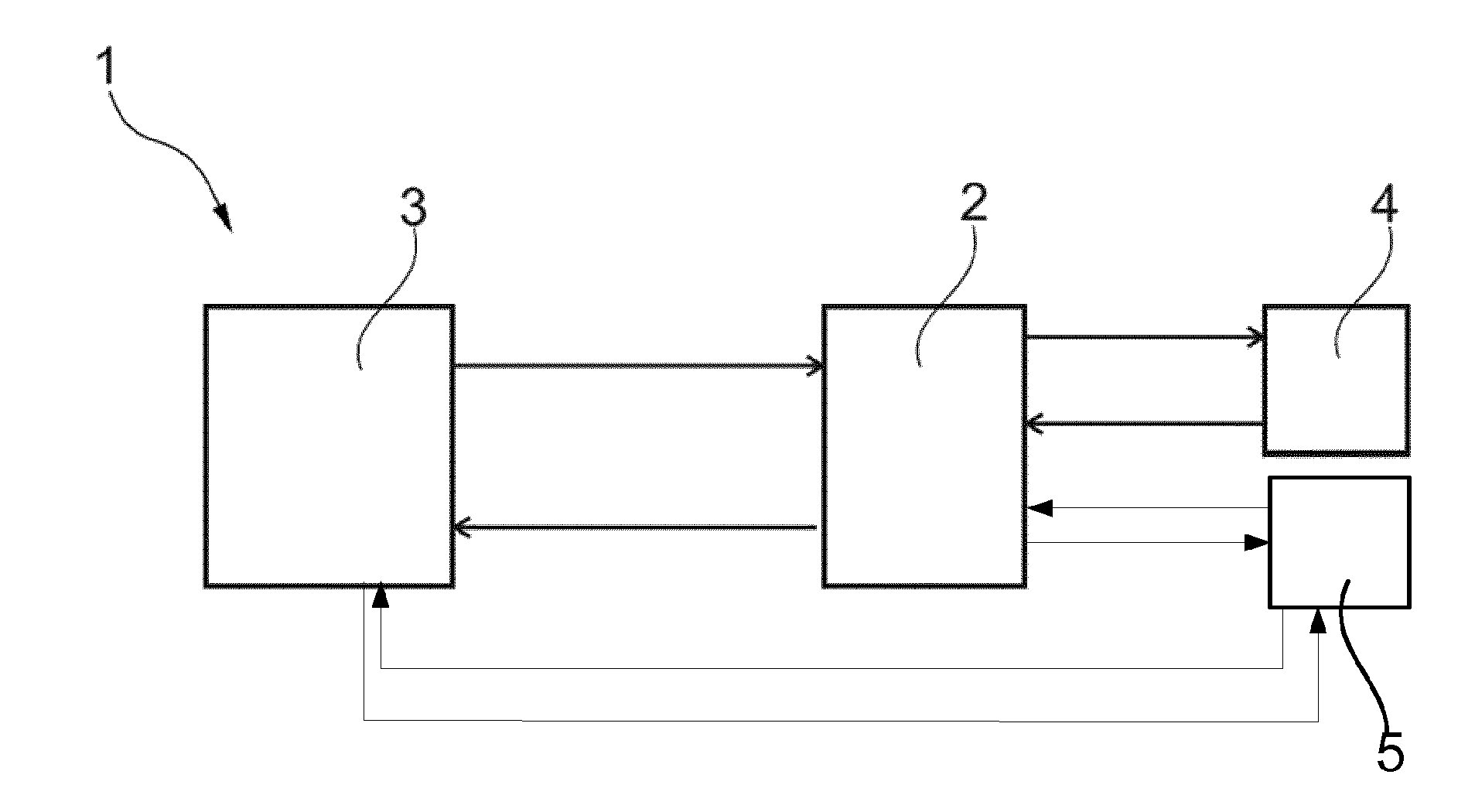
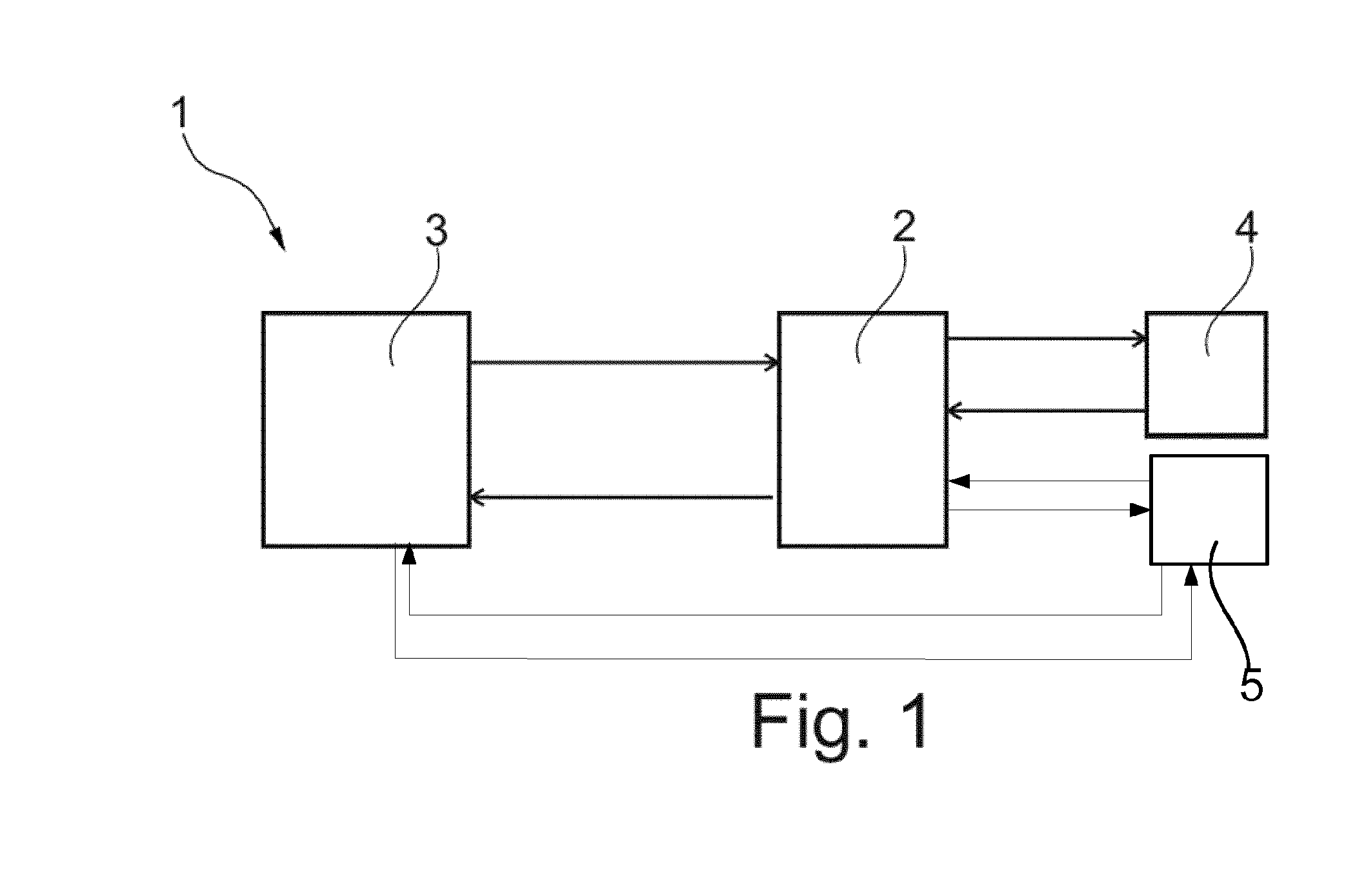
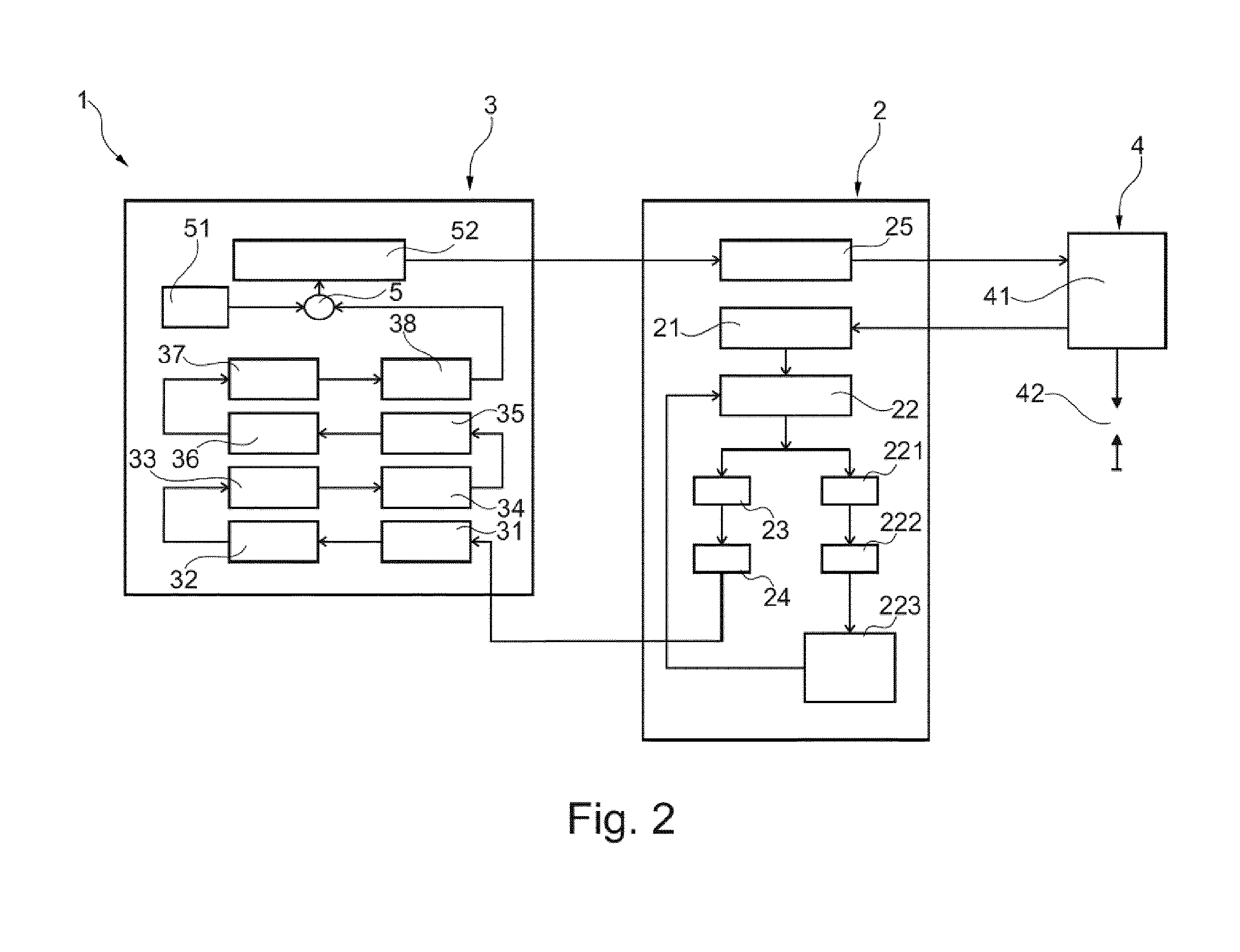
- A method involving the sequential application of focused laser pulses at different focal points within the combustion chamber, with a waiting period adjusted based on operating parameters like pressure and temperature, ensures reliable ignition by optimizing ambient conditions for subsequent pulses, thereby increasing efficiency and extending component lifespan.


System and Method for Controlling the Performance of an Engine
PatentActiveUS20160084174A1
Innovation
- A method and system that detect an ion current signal, calculate a knock index, and use multipliers based on operating conditions to determine a knock proxy, allowing for precise adjustment of ignition timing and fuel injection to optimize combustion and minimize knock events.
Environmental Impact and Emission Reduction Potential
Optimizing radial engine ignition systems presents significant opportunities for environmental improvement through emission reduction. The combustion characteristics of radial engines traditionally result in higher carbon emissions compared to modern inline or V-configuration engines. By enhancing ignition timing precision and fuel delivery synchronization, radial engines can achieve more complete combustion, directly reducing unburned hydrocarbon emissions by an estimated 15-22% according to recent laboratory studies.
The environmental impact of optimized radial engine ignition extends beyond direct emissions. Improved combustion efficiency translates to reduced fuel consumption, with field tests demonstrating potential fuel savings of 8-12% under typical operating conditions. This reduction in fuel usage represents a proportional decrease in carbon dioxide emissions, addressing both operational costs and environmental footprint simultaneously.
Particulate matter emissions, a significant concern for vintage and historical aircraft utilizing radial engines, can be substantially mitigated through advanced ignition optimization. Modern electronic ignition systems with adaptive timing control have demonstrated the ability to reduce particulate emissions by up to 30% compared to traditional magneto systems, particularly during critical flight phases such as takeoff and landing when engines operate under variable load conditions.
Nitrogen oxide (NOx) emissions present a more complex challenge in radial engine optimization. While improved combustion efficiency tends to increase combustion temperatures, potentially raising NOx production, advanced ignition timing strategies can be implemented to manage this trade-off. Staged ignition approaches that carefully control flame propagation have shown promise in maintaining efficiency gains while limiting temperature peaks that drive NOx formation.
The noise pollution aspect of radial engine operation also benefits from ignition optimization. More precise combustion timing reduces the characteristic uneven firing patterns that contribute to the distinctive but loud operational signature of radial engines. Acoustic measurements indicate potential noise reduction of 3-5 dB through optimized ignition sequencing, an improvement particularly valuable for applications in noise-sensitive environments.
From a lifecycle perspective, extending the operational lifespan of radial engines through improved efficiency and reduced mechanical stress delivers additional environmental benefits. Optimized ignition systems reduce carbon-intensive manufacturing requirements for replacement parts and complete engine overhauls, with potential service interval extensions of 15-20% reported by maintenance facilities implementing advanced ignition technologies.
The environmental impact of optimized radial engine ignition extends beyond direct emissions. Improved combustion efficiency translates to reduced fuel consumption, with field tests demonstrating potential fuel savings of 8-12% under typical operating conditions. This reduction in fuel usage represents a proportional decrease in carbon dioxide emissions, addressing both operational costs and environmental footprint simultaneously.
Particulate matter emissions, a significant concern for vintage and historical aircraft utilizing radial engines, can be substantially mitigated through advanced ignition optimization. Modern electronic ignition systems with adaptive timing control have demonstrated the ability to reduce particulate emissions by up to 30% compared to traditional magneto systems, particularly during critical flight phases such as takeoff and landing when engines operate under variable load conditions.
Nitrogen oxide (NOx) emissions present a more complex challenge in radial engine optimization. While improved combustion efficiency tends to increase combustion temperatures, potentially raising NOx production, advanced ignition timing strategies can be implemented to manage this trade-off. Staged ignition approaches that carefully control flame propagation have shown promise in maintaining efficiency gains while limiting temperature peaks that drive NOx formation.
The noise pollution aspect of radial engine operation also benefits from ignition optimization. More precise combustion timing reduces the characteristic uneven firing patterns that contribute to the distinctive but loud operational signature of radial engines. Acoustic measurements indicate potential noise reduction of 3-5 dB through optimized ignition sequencing, an improvement particularly valuable for applications in noise-sensitive environments.
From a lifecycle perspective, extending the operational lifespan of radial engines through improved efficiency and reduced mechanical stress delivers additional environmental benefits. Optimized ignition systems reduce carbon-intensive manufacturing requirements for replacement parts and complete engine overhauls, with potential service interval extensions of 15-20% reported by maintenance facilities implementing advanced ignition technologies.
Fuel Compatibility and Alternative Energy Considerations
Radial engine ignition systems must adapt to a variety of fuel types, particularly as the aviation and industrial sectors explore more sustainable alternatives. Traditional radial engines were designed primarily for aviation gasoline (AVGAS) with high octane ratings, but modern applications demand compatibility with a broader spectrum of fuels. Current research indicates that modified ignition timing and spark characteristics can enable radial engines to efficiently utilize lower-octane fuels, synthetic alternatives, and even biofuel blends without significant hardware modifications.
The integration of electronic ignition systems presents a particularly promising avenue for enhancing fuel flexibility. These systems can dynamically adjust ignition timing based on fuel properties, optimizing combustion regardless of the specific energy source. Laboratory testing has demonstrated efficiency improvements of 8-12% when radial engines equipped with adaptive ignition systems transition between different fuel types, compared to traditional magneto systems with fixed timing parameters.
Emerging alternative energy considerations for radial engines include hydrogen-enriched fuel mixtures, which can reduce carbon emissions while maintaining power output when paired with optimized ignition systems. Research conducted by aerospace engineering teams has shown that hydrogen enrichment of up to 15% by volume can be accommodated by modified radial engine ignition systems, resulting in cleaner combustion profiles and reduced deposit formation on spark plugs and valves.
Ethanol and methanol blends represent another significant area of compatibility research. These alcohol-based fuels typically require more precise ignition timing due to their different flame propagation characteristics. Advanced ignition systems with multiple spark discharge capabilities have demonstrated the ability to maintain optimal combustion efficiency with ethanol concentrations of up to 30%, though this often necessitates corresponding adjustments to fuel delivery systems and cylinder cooling provisions.
The potential for hybrid energy systems incorporating radial engines also warrants consideration. Experimental configurations combining traditional radial engine mechanical power with electrical generation systems have shown promise, particularly in applications where weight considerations are less critical than in aviation. These hybrid systems can leverage optimized ignition timing to operate the radial engine at its most efficient point while supplementing power needs through electrical systems during peak demand periods.
As environmental regulations become increasingly stringent, the ability of radial engines to adapt to carbon-neutral synthetic fuels will likely determine their long-term viability. Current development efforts focus on ignition systems capable of precise combustion control across varying fuel compositions, potentially extending the operational relevance of these historically significant powerplants well into the sustainable energy future.
The integration of electronic ignition systems presents a particularly promising avenue for enhancing fuel flexibility. These systems can dynamically adjust ignition timing based on fuel properties, optimizing combustion regardless of the specific energy source. Laboratory testing has demonstrated efficiency improvements of 8-12% when radial engines equipped with adaptive ignition systems transition between different fuel types, compared to traditional magneto systems with fixed timing parameters.
Emerging alternative energy considerations for radial engines include hydrogen-enriched fuel mixtures, which can reduce carbon emissions while maintaining power output when paired with optimized ignition systems. Research conducted by aerospace engineering teams has shown that hydrogen enrichment of up to 15% by volume can be accommodated by modified radial engine ignition systems, resulting in cleaner combustion profiles and reduced deposit formation on spark plugs and valves.
Ethanol and methanol blends represent another significant area of compatibility research. These alcohol-based fuels typically require more precise ignition timing due to their different flame propagation characteristics. Advanced ignition systems with multiple spark discharge capabilities have demonstrated the ability to maintain optimal combustion efficiency with ethanol concentrations of up to 30%, though this often necessitates corresponding adjustments to fuel delivery systems and cylinder cooling provisions.
The potential for hybrid energy systems incorporating radial engines also warrants consideration. Experimental configurations combining traditional radial engine mechanical power with electrical generation systems have shown promise, particularly in applications where weight considerations are less critical than in aviation. These hybrid systems can leverage optimized ignition timing to operate the radial engine at its most efficient point while supplementing power needs through electrical systems during peak demand periods.
As environmental regulations become increasingly stringent, the ability of radial engines to adapt to carbon-neutral synthetic fuels will likely determine their long-term viability. Current development efforts focus on ignition systems capable of precise combustion control across varying fuel compositions, potentially extending the operational relevance of these historically significant powerplants well into the sustainable energy future.
Unlock deeper insights with PatSnap Eureka Quick Research — get a full tech report to explore trends and direct your research. Try now!
Generate Your Research Report Instantly with AI Agent
Supercharge your innovation with PatSnap Eureka AI Agent Platform!