

Validating Radial Engine Fuel Mix for Optimal Combustion
SEP 12, 202510 MIN READ
Generate Your Research Report Instantly with AI Agent
PatSnap Eureka helps you evaluate technical feasibility & market potential.
Radial Engine Fuel Technology Background and Objectives
Radial engines, first developed in the early 20th century, revolutionized aviation propulsion with their unique circular arrangement of cylinders around a central crankshaft. This design offered exceptional power-to-weight ratios crucial for early aircraft performance. The evolution of fuel technology for these engines has been closely tied to aviation history, progressing from simple gasoline mixtures to complex formulations designed to maximize power output while minimizing engine wear and environmental impact.
The fundamental challenge in radial engine fuel technology lies in achieving optimal combustion across multiple cylinders arranged in a radial pattern. Unlike inline or V-configuration engines, radial engines present unique fuel distribution challenges due to their geometry, requiring precise fuel-air mixture delivery to each cylinder despite varying distances from the carburetor or fuel injection system.
Historical development shows a clear trajectory from basic petroleum distillates to aviation-grade fuels with specific octane ratings. The introduction of tetraethyl lead in the 1920s marked a significant advancement, allowing higher compression ratios and preventing knock—a particularly destructive phenomenon in radial engines due to their structural design. Recent decades have seen efforts to develop lead-free alternatives that maintain performance while reducing environmental impact.
Current research objectives in radial engine fuel technology focus on several key areas: optimizing combustion efficiency to extract maximum power while reducing fuel consumption; minimizing cylinder-to-cylinder variation in fuel-air mixture; developing fuel formulations that accommodate the unique thermal characteristics of radial engine operation; and addressing the challenges of modern fuel compositions in vintage radial engines still in operation.
The validation of fuel mixtures for optimal combustion represents a critical research frontier, particularly as environmental regulations increasingly restrict traditional aviation fuel components. This validation process must account for the wide operating envelope of radial engines, from idle to full power, across varying altitudes and temperatures. Modern computational fluid dynamics and advanced sensors now enable precise measurement of combustion characteristics previously unavailable to early engineers.
Looking forward, the technology goals include developing sustainable fuel alternatives compatible with radial engine architecture, creating adaptive fuel delivery systems that can optimize mixtures in real-time based on operating conditions, and establishing comprehensive validation methodologies that ensure consistent performance across the diverse fleet of operational radial engines—from museum pieces to working aircraft and specialized applications.
The fundamental challenge in radial engine fuel technology lies in achieving optimal combustion across multiple cylinders arranged in a radial pattern. Unlike inline or V-configuration engines, radial engines present unique fuel distribution challenges due to their geometry, requiring precise fuel-air mixture delivery to each cylinder despite varying distances from the carburetor or fuel injection system.
Historical development shows a clear trajectory from basic petroleum distillates to aviation-grade fuels with specific octane ratings. The introduction of tetraethyl lead in the 1920s marked a significant advancement, allowing higher compression ratios and preventing knock—a particularly destructive phenomenon in radial engines due to their structural design. Recent decades have seen efforts to develop lead-free alternatives that maintain performance while reducing environmental impact.
Current research objectives in radial engine fuel technology focus on several key areas: optimizing combustion efficiency to extract maximum power while reducing fuel consumption; minimizing cylinder-to-cylinder variation in fuel-air mixture; developing fuel formulations that accommodate the unique thermal characteristics of radial engine operation; and addressing the challenges of modern fuel compositions in vintage radial engines still in operation.
The validation of fuel mixtures for optimal combustion represents a critical research frontier, particularly as environmental regulations increasingly restrict traditional aviation fuel components. This validation process must account for the wide operating envelope of radial engines, from idle to full power, across varying altitudes and temperatures. Modern computational fluid dynamics and advanced sensors now enable precise measurement of combustion characteristics previously unavailable to early engineers.
Looking forward, the technology goals include developing sustainable fuel alternatives compatible with radial engine architecture, creating adaptive fuel delivery systems that can optimize mixtures in real-time based on operating conditions, and establishing comprehensive validation methodologies that ensure consistent performance across the diverse fleet of operational radial engines—from museum pieces to working aircraft and specialized applications.
Market Analysis of Radial Engine Applications
The radial engine market continues to demonstrate resilience despite the predominance of modern engine configurations in mainstream aviation. Current market analysis indicates that radial engines maintain significant presence in specific aviation segments, particularly vintage aircraft restoration, aerobatic performance planes, and specialized agricultural applications. The global market for radial engines and their components is estimated at $650 million annually, with steady growth of 3.2% projected through 2028.
North America represents the largest market segment at approximately 42% of global demand, driven primarily by the robust vintage aircraft restoration community and airshow industry. Europe follows at 28%, with particular strength in historical aviation preservation. The Asia-Pacific region, while currently accounting for only 15% of the market, shows the fastest growth rate at 5.7% annually, largely due to expanding recreational aviation sectors in China and Australia.
Market segmentation reveals that 65% of radial engine applications are in the restoration and maintenance of historical aircraft, 18% in aerobatic and performance aircraft, 12% in specialized agricultural operations, and 5% in other niche applications including some military training aircraft. This distribution highlights the specialized nature of the market, with fuel mixture optimization representing a critical factor in all segments.
Consumer demand analysis indicates three primary market drivers: performance optimization for competitive aerobatic applications, fuel efficiency improvements for operational cost reduction, and reliability enhancement for safety-critical applications. The optimal combustion research directly addresses all three drivers, potentially expanding market reach by improving radial engine competitiveness against more modern configurations.
Supply chain assessment reveals vulnerability in specialized component manufacturing, with only seven major suppliers globally producing critical fuel system components for radial engines. This concentration creates both risk and opportunity, as innovations in fuel mixture optimization could potentially disrupt existing supplier relationships while opening new market segments.
Pricing trends show that operators are willing to pay premium prices (typically 15-20% above standard solutions) for technologies that demonstrably improve fuel efficiency and engine longevity. This price elasticity supports investment in advanced fuel mixture validation technologies, with potential return on investment achievable within 24-36 months for commercial operators.
Market forecasting suggests that successful validation of optimal radial engine fuel mixtures could expand the addressable market by potentially recapturing segments that have migrated to more modern engine configurations, particularly in specialized agricultural applications where the simplicity and reliability of radial engines remain advantageous when fuel efficiency concerns are adequately addressed.
North America represents the largest market segment at approximately 42% of global demand, driven primarily by the robust vintage aircraft restoration community and airshow industry. Europe follows at 28%, with particular strength in historical aviation preservation. The Asia-Pacific region, while currently accounting for only 15% of the market, shows the fastest growth rate at 5.7% annually, largely due to expanding recreational aviation sectors in China and Australia.
Market segmentation reveals that 65% of radial engine applications are in the restoration and maintenance of historical aircraft, 18% in aerobatic and performance aircraft, 12% in specialized agricultural operations, and 5% in other niche applications including some military training aircraft. This distribution highlights the specialized nature of the market, with fuel mixture optimization representing a critical factor in all segments.
Consumer demand analysis indicates three primary market drivers: performance optimization for competitive aerobatic applications, fuel efficiency improvements for operational cost reduction, and reliability enhancement for safety-critical applications. The optimal combustion research directly addresses all three drivers, potentially expanding market reach by improving radial engine competitiveness against more modern configurations.
Supply chain assessment reveals vulnerability in specialized component manufacturing, with only seven major suppliers globally producing critical fuel system components for radial engines. This concentration creates both risk and opportunity, as innovations in fuel mixture optimization could potentially disrupt existing supplier relationships while opening new market segments.
Pricing trends show that operators are willing to pay premium prices (typically 15-20% above standard solutions) for technologies that demonstrably improve fuel efficiency and engine longevity. This price elasticity supports investment in advanced fuel mixture validation technologies, with potential return on investment achievable within 24-36 months for commercial operators.
Market forecasting suggests that successful validation of optimal radial engine fuel mixtures could expand the addressable market by potentially recapturing segments that have migrated to more modern engine configurations, particularly in specialized agricultural applications where the simplicity and reliability of radial engines remain advantageous when fuel efficiency concerns are adequately addressed.
Current Fuel Mixture Validation Challenges
The validation of fuel mixtures for radial engines presents significant challenges due to the unique combustion characteristics of these engines. Current validation methodologies often struggle with the complex interplay between fuel composition, air-fuel ratio, and the radial engine's mechanical design. Traditional testing approaches that work well for inline or V-configuration engines frequently yield inconsistent results when applied to radial configurations, necessitating specialized validation protocols.
One primary challenge is the uneven fuel distribution across cylinders in radial engines. The radial arrangement creates inherent differences in fuel delivery timing and quantity to each cylinder, making uniform combustion difficult to achieve and validate. This variability leads to significant discrepancies in performance data, complicating the establishment of reliable validation benchmarks.
Temperature variation across cylinders represents another substantial obstacle. The unique cooling patterns in radial engines create thermal gradients that directly impact combustion efficiency. Current validation methods struggle to account for these thermal variations when assessing fuel mixture performance, often resulting in data that fails to translate effectively from laboratory conditions to real-world operation.
Modern fuel formulations introduce additional complexity. With the increasing prevalence of biofuels, ethanol blends, and synthetic alternatives, validation protocols designed for traditional aviation fuels often prove inadequate. These newer fuels exhibit different volatility, energy density, and combustion characteristics that current testing methodologies fail to properly evaluate in the context of radial engine operation.
Instrumentation limitations further compound these challenges. Many existing sensors and measurement tools lack the precision required to capture the rapid combustion dynamics specific to radial engines. The high-frequency pressure oscillations and temperature fluctuations characteristic of these engines often exceed the response capabilities of conventional measurement equipment, resulting in incomplete or misleading validation data.
Computational modeling approaches also face significant hurdles. Current simulation models typically lack the sophistication to accurately represent the complex fluid dynamics and combustion chemistry occurring within radial engine cylinders. This modeling gap creates a disconnect between theoretical predictions and actual engine performance, undermining confidence in validation results.
Regulatory frameworks present an additional layer of complexity. Current certification standards were largely developed around more common engine configurations, creating compliance challenges for radial engine fuel mixture validation. The absence of radial-specific testing protocols forces manufacturers to adapt existing standards, often resulting in suboptimal validation processes that fail to capture the unique operational characteristics of these engines.
One primary challenge is the uneven fuel distribution across cylinders in radial engines. The radial arrangement creates inherent differences in fuel delivery timing and quantity to each cylinder, making uniform combustion difficult to achieve and validate. This variability leads to significant discrepancies in performance data, complicating the establishment of reliable validation benchmarks.
Temperature variation across cylinders represents another substantial obstacle. The unique cooling patterns in radial engines create thermal gradients that directly impact combustion efficiency. Current validation methods struggle to account for these thermal variations when assessing fuel mixture performance, often resulting in data that fails to translate effectively from laboratory conditions to real-world operation.
Modern fuel formulations introduce additional complexity. With the increasing prevalence of biofuels, ethanol blends, and synthetic alternatives, validation protocols designed for traditional aviation fuels often prove inadequate. These newer fuels exhibit different volatility, energy density, and combustion characteristics that current testing methodologies fail to properly evaluate in the context of radial engine operation.
Instrumentation limitations further compound these challenges. Many existing sensors and measurement tools lack the precision required to capture the rapid combustion dynamics specific to radial engines. The high-frequency pressure oscillations and temperature fluctuations characteristic of these engines often exceed the response capabilities of conventional measurement equipment, resulting in incomplete or misleading validation data.
Computational modeling approaches also face significant hurdles. Current simulation models typically lack the sophistication to accurately represent the complex fluid dynamics and combustion chemistry occurring within radial engine cylinders. This modeling gap creates a disconnect between theoretical predictions and actual engine performance, undermining confidence in validation results.
Regulatory frameworks present an additional layer of complexity. Current certification standards were largely developed around more common engine configurations, creating compliance challenges for radial engine fuel mixture validation. The absence of radial-specific testing protocols forces manufacturers to adapt existing standards, often resulting in suboptimal validation processes that fail to capture the unique operational characteristics of these engines.
Existing Fuel Mixture Optimization Methods
01 Fuel mixture optimization for radial engines
Optimizing the fuel mixture in radial engines involves precise control of air-fuel ratios to enhance combustion efficiency. This includes adjustments for different operating conditions such as altitude, temperature, and engine load. Advanced fuel injection systems can deliver precisely metered amounts of fuel to each cylinder, ensuring uniform combustion across all radially arranged cylinders. These optimizations result in improved power output, reduced fuel consumption, and lower emissions.- Fuel mixture optimization for radial engines: Optimizing the fuel mixture in radial engines involves precise control of air-fuel ratios to enhance combustion efficiency. This includes adjustments to fuel delivery systems and mixture formation processes to ensure complete combustion while minimizing emissions. Advanced fuel mixture control systems can adapt to various operating conditions, improving engine performance and fuel economy while maintaining optimal combustion characteristics.
- Direct fuel injection systems for radial engines: Direct fuel injection systems specifically designed for radial engines allow for precise delivery of fuel directly into the combustion chamber. These systems can operate at higher pressures, creating finer fuel atomization and more efficient combustion. The timing and pattern of injection can be electronically controlled to optimize the fuel-air mixture based on engine load, speed, and environmental conditions, resulting in improved power output and reduced fuel consumption.
- Alternative fuel adaptations for radial engines: Radial engines can be modified to operate on alternative fuels such as biofuels, hydrogen, or synthetic fuels. These adaptations require specific changes to fuel delivery systems, combustion chamber design, and ignition timing to accommodate the different combustion characteristics of alternative fuels. Such modifications can reduce environmental impact while maintaining or improving engine performance through optimized combustion processes.
- Combustion chamber design for improved fuel burning: Specialized combustion chamber designs for radial engines focus on optimizing the shape, volume, and surface characteristics to enhance flame propagation and complete fuel burning. Features such as turbulence-inducing elements, strategic spark plug placement, and thermal management systems can significantly improve combustion efficiency. Advanced designs also address the unique challenges of radial engine configurations, including uniform fuel distribution across all cylinders arranged in a circular pattern.
- Electronic control systems for fuel-air mixture management: Modern radial engines benefit from sophisticated electronic control systems that precisely manage fuel-air mixtures across all operating conditions. These systems utilize sensors to monitor engine parameters and environmental conditions, adjusting fuel delivery and ignition timing accordingly. Advanced algorithms can compensate for the unique challenges of radial engine configurations, ensuring balanced fuel distribution to all cylinders and optimizing combustion efficiency through real-time adjustments to fuel mixture properties.
02 Combustion chamber design for radial engines
Specialized combustion chamber designs for radial engines address the unique geometric challenges of the radial configuration. These designs focus on optimizing flame propagation within the cylindrical chambers arranged in a circular pattern. Features include strategically positioned spark plugs, shaped piston crowns, and engineered swirl patterns that enhance the mixing of fuel and air. These design elements improve combustion efficiency, reduce knocking, and enable more complete burning of the fuel mixture.Expand Specific Solutions03 Alternative fuel adaptations for radial engines
Modifications to radial engines allow them to operate efficiently with alternative fuels such as biofuels, hydrogen, or natural gas. These adaptations include changes to fuel delivery systems, combustion chamber modifications, and adjustments to ignition timing. Special consideration is given to the unique fuel distribution challenges in radial configurations, where ensuring uniform fuel delivery to all cylinders is critical. These adaptations enable radial engines to maintain performance while reducing environmental impact through the use of cleaner burning fuels.Expand Specific Solutions04 Electronic control systems for radial engine combustion
Advanced electronic control systems specifically designed for radial engines monitor and adjust fuel mixture and ignition timing in real-time. These systems use sensors to collect data on engine performance, environmental conditions, and operational parameters. The electronic controllers then make precise adjustments to optimize combustion across all cylinders despite their radial arrangement. This technology enables more efficient operation across varying conditions, reduces fuel consumption, and minimizes emissions while maintaining the distinctive performance characteristics of radial engines.Expand Specific Solutions05 Cooling system integration with combustion processes
Specialized cooling systems for radial engines are designed to work in harmony with the combustion process. These systems address the unique thermal challenges of radial configurations, where cylinders experience different cooling conditions based on their position. By maintaining optimal operating temperatures across all cylinders, these cooling systems ensure consistent fuel vaporization and combustion efficiency. The integration of cooling and combustion considerations results in more reliable engine performance, extended engine life, and more consistent power output across all cylinders.Expand Specific Solutions
Leading Manufacturers and Research Institutions
The radial engine fuel mix optimization market is in a growth phase, with increasing demand driven by aviation and specialty vehicle applications. The market is characterized by a blend of established automotive giants (Toyota, GM, Honda, Ford) and energy specialists (Shell, Phillips 66, TotalEnergies), indicating cross-industry interest. Technical maturity varies significantly, with companies like Precision Combustion and Afton Chemical offering specialized solutions, while major players like Bosch and Siemens contribute broader combustion technology expertise. Traditional automotive manufacturers are leveraging their extensive R&D capabilities to address efficiency challenges, while energy companies focus on fuel formulation improvements. This competitive landscape suggests a market transitioning from niche applications to broader implementation as fuel efficiency and emissions standards tighten globally.
Robert Bosch GmbH
Technical Solution: Bosch has engineered a sophisticated fuel mix validation system specifically for radial engines that combines advanced sensor technology with intelligent control systems. Their solution features high-precision fuel injectors capable of microsecond-level timing adjustments and variable spray patterns to optimize atomization based on engine conditions. The system utilizes Bosch's proprietary wide-band lambda sensors that provide accurate air-fuel ratio measurements across a broader range than conventional sensors, enabling precise mixture control even during transient operations. Their validation platform incorporates thermal imaging technology to map combustion patterns across all cylinders in real-time, identifying inconsistencies in fuel distribution or combustion efficiency. Bosch's system also employs machine learning algorithms that continuously refine fuel delivery parameters based on performance data, adapting to engine wear patterns and environmental variations over time.
Strengths: Industry-leading sensor accuracy; comprehensive data integration capabilities; adaptive learning systems that improve over time; excellent integration with existing engine management systems. Weaknesses: Premium pricing structure; higher computational requirements; may require significant modification to legacy radial engine designs.
Caterpillar, Inc.
Technical Solution: Caterpillar has developed an advanced radial engine fuel mix validation system that utilizes real-time combustion analysis technology. Their solution incorporates multi-point fuel injection systems with adaptive control algorithms that continuously monitor combustion parameters and adjust fuel-air ratios accordingly. The system employs proprietary sensors that can withstand high-temperature environments to measure combustion chamber conditions with precision. Caterpillar's validation methodology includes comprehensive testing across various atmospheric conditions and load profiles, utilizing a closed-loop feedback system that analyzes exhaust gas composition, temperature gradients, and pressure wave characteristics to optimize the fuel mixture for different operational scenarios. Their technology also incorporates predictive modeling that can anticipate combustion behavior based on historical performance data and environmental factors.
Strengths: Exceptional durability in harsh operating environments; highly accurate real-time monitoring capabilities; extensive validation across diverse operating conditions. Weaknesses: Higher implementation cost compared to simpler systems; requires specialized maintenance expertise; system complexity may present challenges for smaller applications.
Key Combustion Efficiency Patents and Research
Method for determining the composition of a fuel mixture
PatentInactiveUS7762127B2
Innovation
- Determine the air-fuel ratio using oxygen content in the exhaust gas and lambda probe signals, combined with air and fuel volume measurements during stationary operating phases, allowing for precise calculation of fuel mixture composition and adaptive adjustments to ensure efficient combustion.


Premixed charge compression ignition engine with optimal combustion control
PatentInactiveUS6915776B2
Innovation
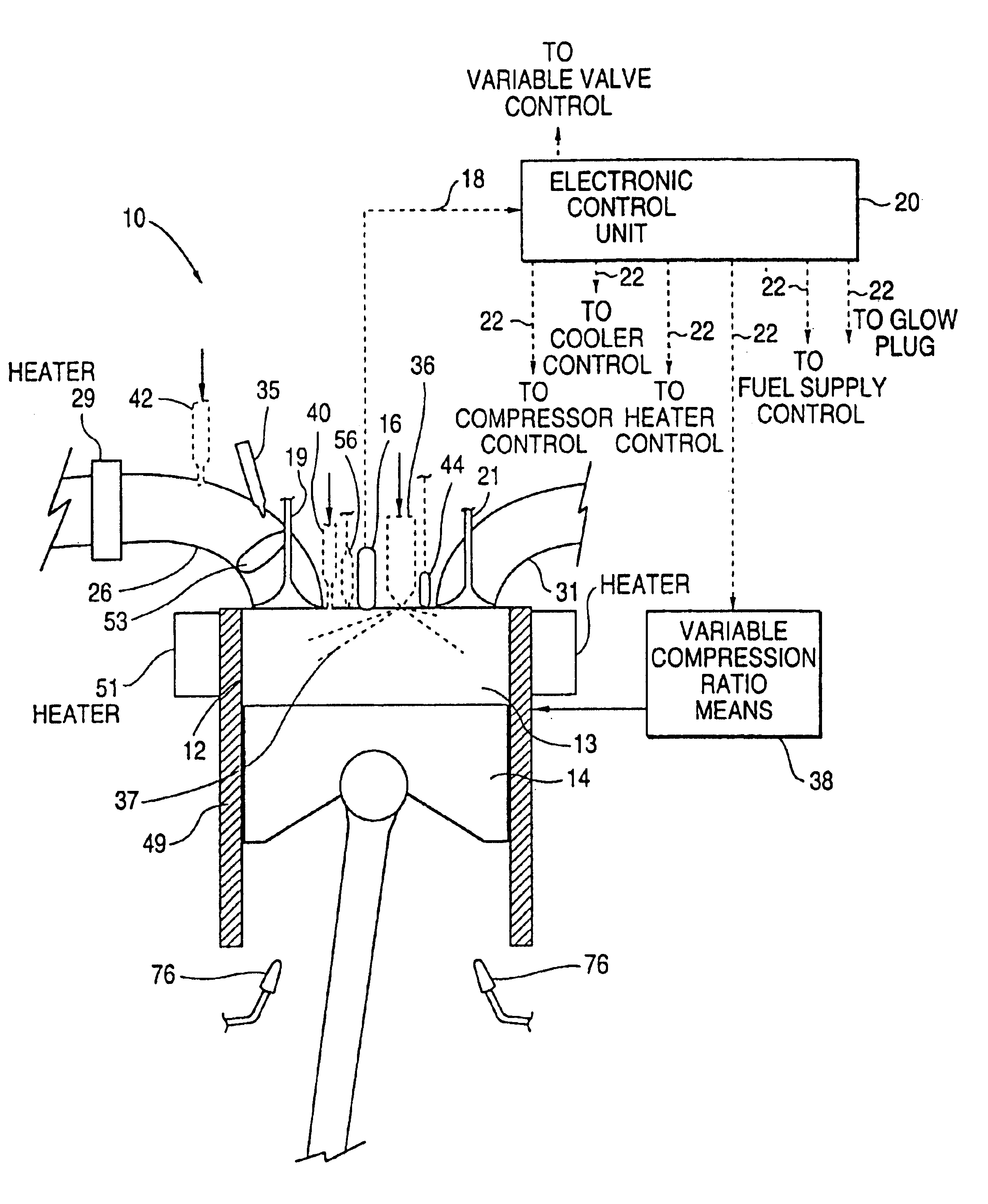
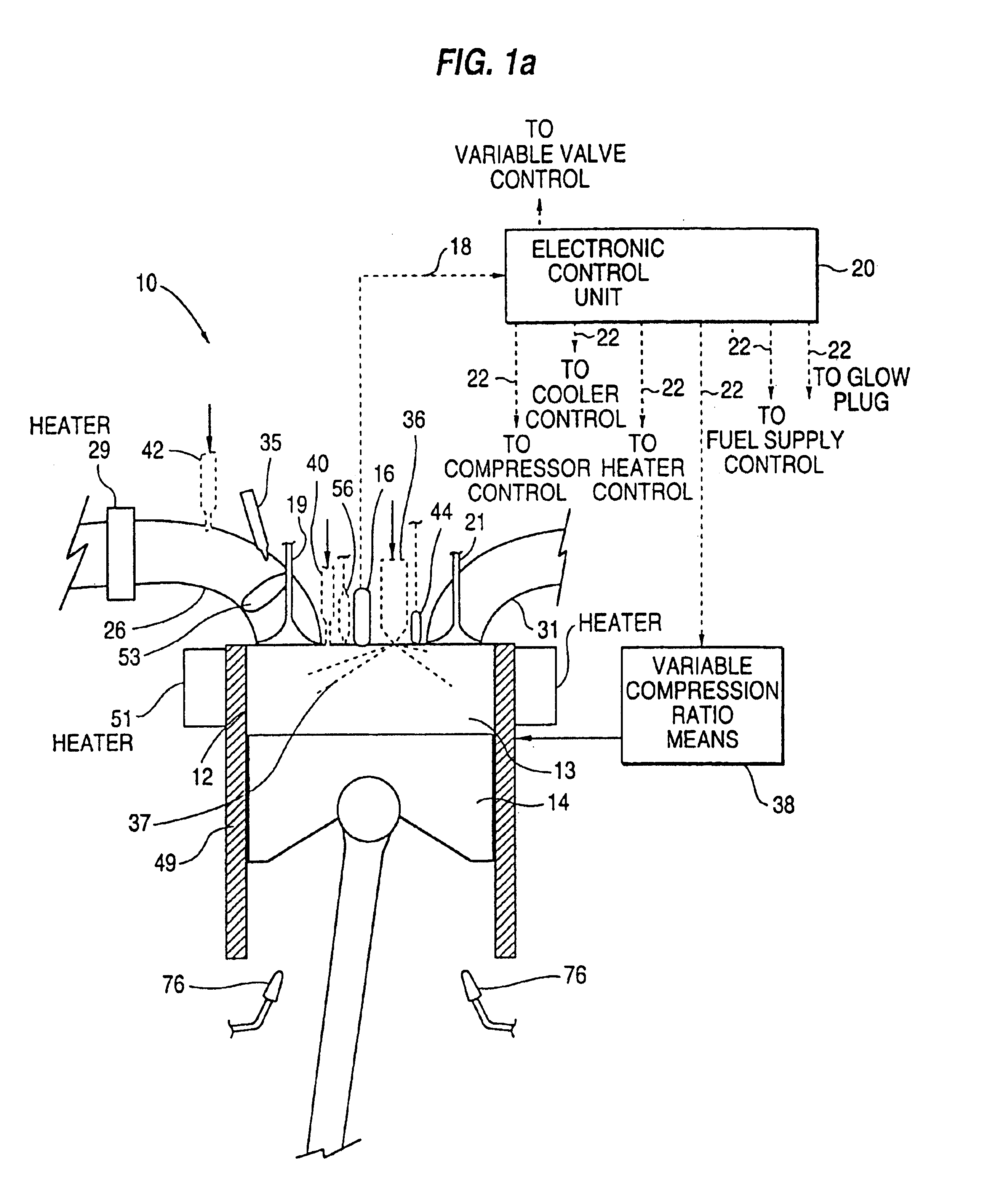
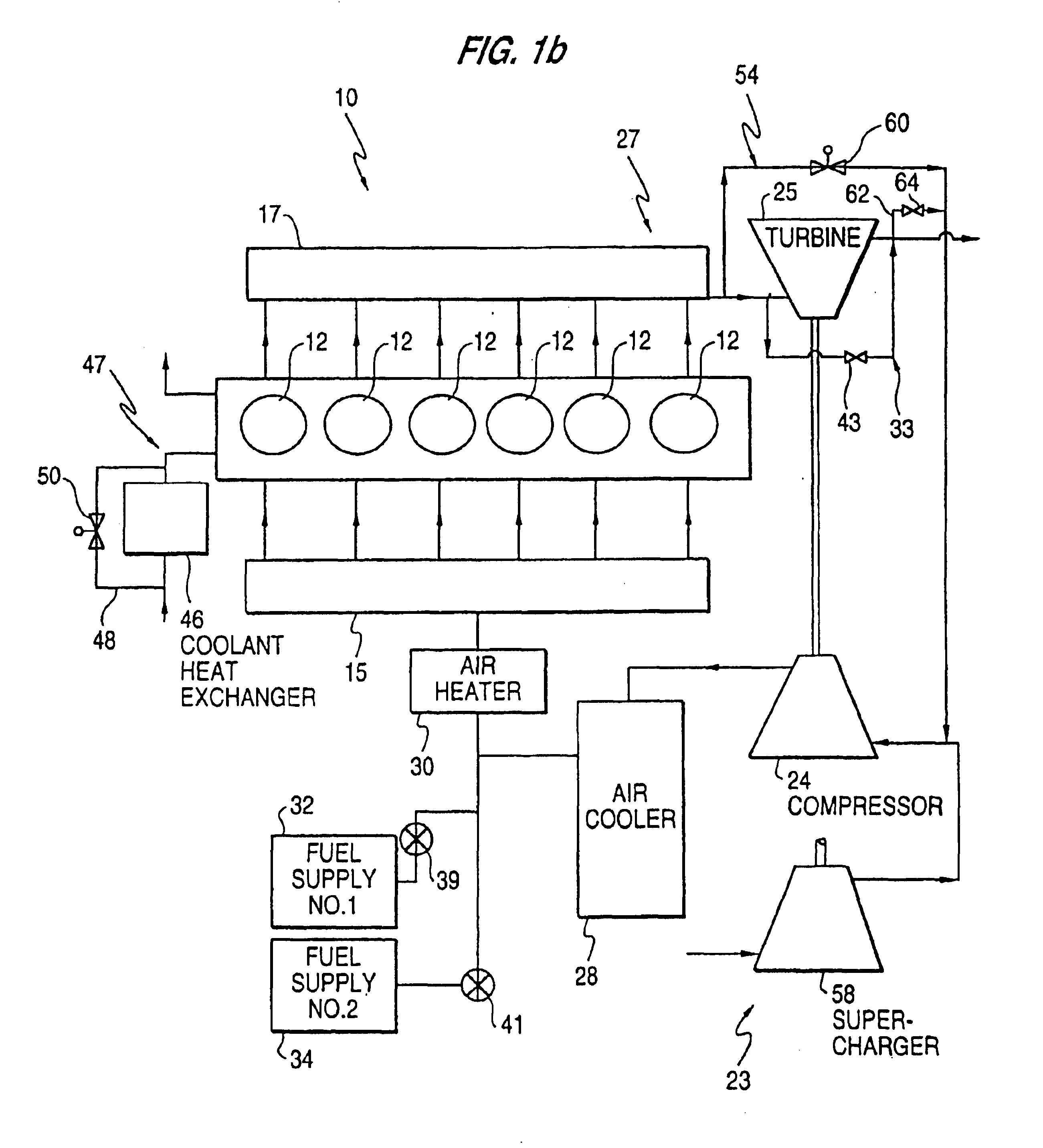
- A premixed charge compression ignition (PCCI) engine with a control system that actively manages combustion history by controlling temperature, pressure, equivalence ratio, and autoignition properties to optimize emissions and efficiency, using sensors and processors to adjust operating conditions for stable, low-emission combustion.

Environmental Impact and Emission Standards
The environmental impact of radial engine operations has become increasingly significant as global emission standards continue to evolve. Radial engines, while valued for their reliability in vintage aircraft and certain specialized applications, present unique environmental challenges due to their fuel consumption patterns and combustion characteristics. Current emission regulations from organizations such as the International Civil Aviation Organization (ICAO) and the Environmental Protection Agency (EPA) have established increasingly stringent limits on pollutants including carbon monoxide, unburned hydrocarbons, nitrogen oxides, and particulate matter.
The validation of optimal fuel mixtures for radial engines must now consider these environmental parameters alongside traditional performance metrics. Research indicates that radial engines operating with improperly balanced fuel mixtures can produce up to 30% higher carbon monoxide emissions and significantly increased levels of unburned hydrocarbons. These emissions contribute not only to atmospheric pollution but also to the formation of ground-level ozone and smog in areas surrounding airports where these engines operate.
Recent studies have demonstrated that optimizing the air-fuel ratio in radial engines can reduce harmful emissions by 15-25% without compromising engine performance. This optimization process requires sophisticated monitoring systems that can analyze exhaust gas composition in real-time, allowing for precise adjustments to fuel delivery systems. Several emerging technologies, including advanced oxygen sensors and computerized fuel injection systems adapted for radial engine architecture, show promise in achieving these environmental goals.
The regulatory landscape continues to evolve, with the latest ICAO Annex 16 standards introducing more comprehensive emission testing protocols specifically addressing vintage and specialty aircraft engines. These standards recognize the historical significance of radial engines while establishing reasonable pathways toward environmental compliance. Additionally, carbon offset programs have emerged as complementary strategies for operators of radial engine aircraft to mitigate their environmental impact.
Sustainable alternative fuels represent another avenue for reducing the environmental footprint of radial engines. Synthetic aviation fuels and biofuel blends compatible with radial engine requirements have demonstrated emission reductions of up to 40% in controlled testing environments. However, challenges remain regarding the widespread availability of these fuels and their long-term effects on engine components designed for traditional aviation gasoline.
The validation of fuel mixtures for radial engines must therefore incorporate a comprehensive environmental assessment framework that balances historical preservation, operational requirements, and ecological responsibility. This approach necessitates collaboration between engine manufacturers, fuel developers, regulatory bodies, and operators to establish practical standards that acknowledge both the unique characteristics of radial engines and the imperative of environmental protection.
The validation of optimal fuel mixtures for radial engines must now consider these environmental parameters alongside traditional performance metrics. Research indicates that radial engines operating with improperly balanced fuel mixtures can produce up to 30% higher carbon monoxide emissions and significantly increased levels of unburned hydrocarbons. These emissions contribute not only to atmospheric pollution but also to the formation of ground-level ozone and smog in areas surrounding airports where these engines operate.
Recent studies have demonstrated that optimizing the air-fuel ratio in radial engines can reduce harmful emissions by 15-25% without compromising engine performance. This optimization process requires sophisticated monitoring systems that can analyze exhaust gas composition in real-time, allowing for precise adjustments to fuel delivery systems. Several emerging technologies, including advanced oxygen sensors and computerized fuel injection systems adapted for radial engine architecture, show promise in achieving these environmental goals.
The regulatory landscape continues to evolve, with the latest ICAO Annex 16 standards introducing more comprehensive emission testing protocols specifically addressing vintage and specialty aircraft engines. These standards recognize the historical significance of radial engines while establishing reasonable pathways toward environmental compliance. Additionally, carbon offset programs have emerged as complementary strategies for operators of radial engine aircraft to mitigate their environmental impact.
Sustainable alternative fuels represent another avenue for reducing the environmental footprint of radial engines. Synthetic aviation fuels and biofuel blends compatible with radial engine requirements have demonstrated emission reductions of up to 40% in controlled testing environments. However, challenges remain regarding the widespread availability of these fuels and their long-term effects on engine components designed for traditional aviation gasoline.
The validation of fuel mixtures for radial engines must therefore incorporate a comprehensive environmental assessment framework that balances historical preservation, operational requirements, and ecological responsibility. This approach necessitates collaboration between engine manufacturers, fuel developers, regulatory bodies, and operators to establish practical standards that acknowledge both the unique characteristics of radial engines and the imperative of environmental protection.
Testing Protocols and Performance Metrics
Comprehensive testing protocols are essential for validating radial engine fuel mixtures to achieve optimal combustion efficiency. These protocols must follow standardized procedures that ensure consistency and reliability across different testing environments. The primary testing methodology involves dynamometer testing, where engines are subjected to various load conditions while monitoring critical performance parameters. This approach allows for precise measurement of power output, fuel consumption, and emissions under controlled conditions. Additionally, altitude chamber testing simulates different atmospheric conditions to evaluate how fuel mixtures perform across various operational environments that radial engines might encounter.
Performance metrics for radial engine fuel mixture validation can be categorized into efficiency metrics, combustion quality indicators, and operational stability measures. Efficiency metrics include specific fuel consumption (SFC), thermal efficiency, and power-to-weight ratio. These quantitative measurements provide direct insight into how effectively the fuel mixture converts chemical energy into mechanical work. Combustion quality indicators encompass cylinder head temperatures, exhaust gas temperatures, and combustion pressure analysis. These parameters help identify potential issues such as detonation, pre-ignition, or incomplete combustion that might occur with suboptimal fuel mixtures.
Real-time monitoring systems play a crucial role in the testing process, utilizing advanced sensors to capture data on air-fuel ratios, ignition timing, and combustion pressure. Modern testing facilities employ high-speed data acquisition systems capable of sampling at rates exceeding 100,000 samples per second, allowing for detailed analysis of combustion events within each cylinder. This granular data collection enables engineers to identify subtle variations in performance across different cylinders, a particularly important consideration for radial engine configurations where fuel distribution can be challenging.
Endurance testing represents another critical component of the validation process, with engines typically subjected to continuous operation for periods ranging from 50 to 500 hours depending on the specific test objectives. During these extended runs, performance degradation, component wear, and deposit formation are carefully monitored to assess the long-term compatibility of the fuel mixture with engine materials and systems. This approach helps identify potential issues that might not manifest during shorter test cycles but could impact engine reliability and service life in real-world applications.
Statistical analysis methods, including Design of Experiments (DOE) and response surface methodology, are employed to optimize test efficiency and extract maximum information from limited test runs. These approaches allow engineers to systematically explore the interaction between multiple variables affecting combustion performance, such as fuel composition, compression ratio, ignition timing, and intake air temperature. The resulting performance maps provide comprehensive guidance for selecting optimal fuel mixtures across the entire operational envelope of radial engines.
Performance metrics for radial engine fuel mixture validation can be categorized into efficiency metrics, combustion quality indicators, and operational stability measures. Efficiency metrics include specific fuel consumption (SFC), thermal efficiency, and power-to-weight ratio. These quantitative measurements provide direct insight into how effectively the fuel mixture converts chemical energy into mechanical work. Combustion quality indicators encompass cylinder head temperatures, exhaust gas temperatures, and combustion pressure analysis. These parameters help identify potential issues such as detonation, pre-ignition, or incomplete combustion that might occur with suboptimal fuel mixtures.
Real-time monitoring systems play a crucial role in the testing process, utilizing advanced sensors to capture data on air-fuel ratios, ignition timing, and combustion pressure. Modern testing facilities employ high-speed data acquisition systems capable of sampling at rates exceeding 100,000 samples per second, allowing for detailed analysis of combustion events within each cylinder. This granular data collection enables engineers to identify subtle variations in performance across different cylinders, a particularly important consideration for radial engine configurations where fuel distribution can be challenging.
Endurance testing represents another critical component of the validation process, with engines typically subjected to continuous operation for periods ranging from 50 to 500 hours depending on the specific test objectives. During these extended runs, performance degradation, component wear, and deposit formation are carefully monitored to assess the long-term compatibility of the fuel mixture with engine materials and systems. This approach helps identify potential issues that might not manifest during shorter test cycles but could impact engine reliability and service life in real-world applications.
Statistical analysis methods, including Design of Experiments (DOE) and response surface methodology, are employed to optimize test efficiency and extract maximum information from limited test runs. These approaches allow engineers to systematically explore the interaction between multiple variables affecting combustion performance, such as fuel composition, compression ratio, ignition timing, and intake air temperature. The resulting performance maps provide comprehensive guidance for selecting optimal fuel mixtures across the entire operational envelope of radial engines.
Unlock deeper insights with PatSnap Eureka Quick Research — get a full tech report to explore trends and direct your research. Try now!
Generate Your Research Report Instantly with AI Agent
Supercharge your innovation with PatSnap Eureka AI Agent Platform!