Carbonyl Compounds as Pioneers in Green Chemistry Solutions
JUL 24, 202510 MIN READ
Generate Your Research Report Instantly with AI Agent
Patsnap Eureka helps you evaluate technical feasibility & market potential.
Carbonyl Compounds in Green Chemistry: Background and Objectives
Carbonyl compounds have emerged as key players in the field of green chemistry, marking a significant shift towards more sustainable and environmentally friendly chemical processes. The evolution of this technology can be traced back to the early 1990s when the concept of green chemistry was first introduced. Since then, the focus on utilizing carbonyl compounds as green chemistry solutions has intensified, driven by the growing need for sustainable alternatives in various industries.
The primary objective of researching carbonyl compounds in green chemistry is to develop innovative and eco-friendly methodologies for chemical synthesis and transformations. These compounds, characterized by their carbon-oxygen double bond, offer versatile reactivity and serve as building blocks for numerous organic molecules. Their potential in green chemistry lies in their ability to facilitate reactions under mild conditions, reduce waste generation, and improve overall process efficiency.
One of the key trends in this field is the exploration of biomass-derived carbonyl compounds as renewable feedstocks. This approach aligns with the principles of green chemistry by utilizing sustainable resources and reducing dependence on fossil fuels. Researchers are actively investigating the conversion of biomass-derived platform molecules, such as 5-hydroxymethylfurfural (HMF) and levulinic acid, into value-added chemicals and materials.
Another significant trend is the development of catalytic systems that enable selective transformations of carbonyl compounds under environmentally benign conditions. This includes the use of water as a reaction medium, room temperature processes, and the application of recyclable catalysts. Such advancements contribute to reducing energy consumption and minimizing the environmental impact of chemical processes.
The integration of carbonyl chemistry with other green technologies, such as photocatalysis and electrochemistry, represents an emerging area of research. These hybrid approaches offer new possibilities for sustainable synthesis and functionalization of carbonyl compounds, often achieving high selectivity and efficiency while operating under mild conditions.
As the field progresses, researchers aim to address several key objectives. These include expanding the scope of carbonyl-based green chemistry to industrial-scale applications, developing more efficient and selective catalytic systems, and exploring novel reaction pathways that minimize waste and maximize atom economy. Additionally, there is a growing emphasis on understanding the fundamental mechanisms of carbonyl reactions in green chemistry contexts, which will facilitate the design of more effective and sustainable processes.
The ultimate goal of this research is to establish carbonyl compounds as versatile and indispensable tools in the green chemistry toolbox, enabling the chemical industry to transition towards more sustainable practices. This aligns with global efforts to reduce environmental impact, conserve resources, and create a more sustainable future for chemical manufacturing and related industries.
The primary objective of researching carbonyl compounds in green chemistry is to develop innovative and eco-friendly methodologies for chemical synthesis and transformations. These compounds, characterized by their carbon-oxygen double bond, offer versatile reactivity and serve as building blocks for numerous organic molecules. Their potential in green chemistry lies in their ability to facilitate reactions under mild conditions, reduce waste generation, and improve overall process efficiency.
One of the key trends in this field is the exploration of biomass-derived carbonyl compounds as renewable feedstocks. This approach aligns with the principles of green chemistry by utilizing sustainable resources and reducing dependence on fossil fuels. Researchers are actively investigating the conversion of biomass-derived platform molecules, such as 5-hydroxymethylfurfural (HMF) and levulinic acid, into value-added chemicals and materials.
Another significant trend is the development of catalytic systems that enable selective transformations of carbonyl compounds under environmentally benign conditions. This includes the use of water as a reaction medium, room temperature processes, and the application of recyclable catalysts. Such advancements contribute to reducing energy consumption and minimizing the environmental impact of chemical processes.
The integration of carbonyl chemistry with other green technologies, such as photocatalysis and electrochemistry, represents an emerging area of research. These hybrid approaches offer new possibilities for sustainable synthesis and functionalization of carbonyl compounds, often achieving high selectivity and efficiency while operating under mild conditions.
As the field progresses, researchers aim to address several key objectives. These include expanding the scope of carbonyl-based green chemistry to industrial-scale applications, developing more efficient and selective catalytic systems, and exploring novel reaction pathways that minimize waste and maximize atom economy. Additionally, there is a growing emphasis on understanding the fundamental mechanisms of carbonyl reactions in green chemistry contexts, which will facilitate the design of more effective and sustainable processes.
The ultimate goal of this research is to establish carbonyl compounds as versatile and indispensable tools in the green chemistry toolbox, enabling the chemical industry to transition towards more sustainable practices. This aligns with global efforts to reduce environmental impact, conserve resources, and create a more sustainable future for chemical manufacturing and related industries.
Market Demand for Sustainable Chemical Processes
The global chemical industry is experiencing a significant shift towards sustainable practices, driven by increasing environmental concerns and regulatory pressures. This has created a robust market demand for green chemistry solutions, particularly those involving carbonyl compounds. These versatile organic molecules play a crucial role in numerous industrial processes and are now at the forefront of sustainable chemical innovations.
The market for sustainable chemical processes is expanding rapidly, with a projected compound annual growth rate (CAGR) of 6.8% from 2021 to 2026. This growth is fueled by stringent environmental regulations, consumer preferences for eco-friendly products, and corporate sustainability initiatives. Industries such as pharmaceuticals, agrochemicals, and materials science are actively seeking greener alternatives to traditional carbonyl compound-based processes.
One of the key drivers of market demand is the need for reduced environmental impact. Conventional methods of carbonyl compound synthesis and utilization often involve toxic reagents, generate hazardous waste, and consume significant energy. Green chemistry approaches, such as biocatalysis, flow chemistry, and renewable feedstocks, offer solutions to these challenges, leading to increased interest from both industry and academia.
The pharmaceutical sector, in particular, has shown a strong appetite for sustainable carbonyl chemistry. With the implementation of green metrics in drug development processes, there is a growing emphasis on atom economy, reduced solvent use, and safer reaction conditions. This has led to increased research and development efforts in areas such as organocatalysis and electrochemical transformations of carbonyl compounds.
In the agrochemical industry, the demand for environmentally benign pesticides and herbicides has spurred interest in green carbonyl chemistry. Researchers are exploring bio-based carbonyl compounds and developing more selective and less persistent agrochemical formulations. This aligns with the global trend towards sustainable agriculture and food security.
The materials science sector is another significant driver of market demand for sustainable carbonyl processes. The development of biodegradable polymers, green solvents, and renewable plastics often relies on innovative carbonyl chemistry. As consumers and regulators push for more sustainable packaging and materials, the demand for these green alternatives continues to rise.
Furthermore, the circular economy concept is gaining traction, creating opportunities for carbonyl compounds in recycling and upcycling processes. Technologies that enable the efficient conversion of waste carbonyl compounds into valuable products are attracting substantial investment and research focus.
As industries strive to meet sustainability goals and reduce their carbon footprint, the market for green carbonyl chemistry solutions is expected to continue its upward trajectory. This presents significant opportunities for innovation, collaboration, and growth in the chemical sector, positioning carbonyl compounds as key players in the transition towards a more sustainable and environmentally responsible industry.
The market for sustainable chemical processes is expanding rapidly, with a projected compound annual growth rate (CAGR) of 6.8% from 2021 to 2026. This growth is fueled by stringent environmental regulations, consumer preferences for eco-friendly products, and corporate sustainability initiatives. Industries such as pharmaceuticals, agrochemicals, and materials science are actively seeking greener alternatives to traditional carbonyl compound-based processes.
One of the key drivers of market demand is the need for reduced environmental impact. Conventional methods of carbonyl compound synthesis and utilization often involve toxic reagents, generate hazardous waste, and consume significant energy. Green chemistry approaches, such as biocatalysis, flow chemistry, and renewable feedstocks, offer solutions to these challenges, leading to increased interest from both industry and academia.
The pharmaceutical sector, in particular, has shown a strong appetite for sustainable carbonyl chemistry. With the implementation of green metrics in drug development processes, there is a growing emphasis on atom economy, reduced solvent use, and safer reaction conditions. This has led to increased research and development efforts in areas such as organocatalysis and electrochemical transformations of carbonyl compounds.
In the agrochemical industry, the demand for environmentally benign pesticides and herbicides has spurred interest in green carbonyl chemistry. Researchers are exploring bio-based carbonyl compounds and developing more selective and less persistent agrochemical formulations. This aligns with the global trend towards sustainable agriculture and food security.
The materials science sector is another significant driver of market demand for sustainable carbonyl processes. The development of biodegradable polymers, green solvents, and renewable plastics often relies on innovative carbonyl chemistry. As consumers and regulators push for more sustainable packaging and materials, the demand for these green alternatives continues to rise.
Furthermore, the circular economy concept is gaining traction, creating opportunities for carbonyl compounds in recycling and upcycling processes. Technologies that enable the efficient conversion of waste carbonyl compounds into valuable products are attracting substantial investment and research focus.
As industries strive to meet sustainability goals and reduce their carbon footprint, the market for green carbonyl chemistry solutions is expected to continue its upward trajectory. This presents significant opportunities for innovation, collaboration, and growth in the chemical sector, positioning carbonyl compounds as key players in the transition towards a more sustainable and environmentally responsible industry.
Current State and Challenges in Carbonyl Compound Utilization
The current state of carbonyl compound utilization in green chemistry is marked by significant progress and persistent challenges. Carbonyl compounds, including aldehydes and ketones, have emerged as versatile building blocks in various sustainable chemical processes. Their reactivity and functional group transformations make them invaluable in synthesizing complex molecules with reduced environmental impact.
Recent advancements have seen carbonyl compounds playing crucial roles in bio-based polymer production, serving as key intermediates in the conversion of biomass to valuable chemicals. The development of efficient catalytic systems has enabled the selective oxidation of alcohols to carbonyls under mild conditions, reducing the need for harsh oxidants and minimizing waste generation.
In the pharmaceutical industry, carbonyl chemistry has been instrumental in developing greener synthetic routes for active pharmaceutical ingredients (APIs). Reductive amination of carbonyls, for instance, has become a preferred method for producing various amine-containing drugs, offering improved atom economy and reduced solvent usage compared to traditional methods.
However, several challenges persist in the widespread adoption of carbonyl compounds in green chemistry solutions. One major hurdle is the energy-intensive nature of some carbonyl transformations, particularly in large-scale industrial processes. Developing more energy-efficient catalytic systems and reaction conditions remains a priority to enhance the overall sustainability of these processes.
Another significant challenge lies in the sourcing of carbonyl compounds from renewable feedstocks. While progress has been made in deriving carbonyls from biomass, scaling up these processes to meet industrial demands while maintaining economic viability is still a work in progress. The variability in biomass composition and the need for efficient separation techniques pose additional complexities.
The stability and reactivity of carbonyl compounds also present challenges in certain applications. Their propensity for unwanted side reactions, such as aldol condensations, can lead to reduced yields and product purity. Developing selective and robust protection strategies or finding alternative reaction pathways is crucial for expanding their utility in green chemistry.
Furthermore, the toxicity of some carbonyl compounds, particularly lower molecular weight aldehydes, raises concerns about worker safety and environmental impact. Addressing these issues through improved handling protocols, in-situ generation techniques, or the development of less toxic alternatives is essential for their continued use in green chemistry applications.
Recent advancements have seen carbonyl compounds playing crucial roles in bio-based polymer production, serving as key intermediates in the conversion of biomass to valuable chemicals. The development of efficient catalytic systems has enabled the selective oxidation of alcohols to carbonyls under mild conditions, reducing the need for harsh oxidants and minimizing waste generation.
In the pharmaceutical industry, carbonyl chemistry has been instrumental in developing greener synthetic routes for active pharmaceutical ingredients (APIs). Reductive amination of carbonyls, for instance, has become a preferred method for producing various amine-containing drugs, offering improved atom economy and reduced solvent usage compared to traditional methods.
However, several challenges persist in the widespread adoption of carbonyl compounds in green chemistry solutions. One major hurdle is the energy-intensive nature of some carbonyl transformations, particularly in large-scale industrial processes. Developing more energy-efficient catalytic systems and reaction conditions remains a priority to enhance the overall sustainability of these processes.
Another significant challenge lies in the sourcing of carbonyl compounds from renewable feedstocks. While progress has been made in deriving carbonyls from biomass, scaling up these processes to meet industrial demands while maintaining economic viability is still a work in progress. The variability in biomass composition and the need for efficient separation techniques pose additional complexities.
The stability and reactivity of carbonyl compounds also present challenges in certain applications. Their propensity for unwanted side reactions, such as aldol condensations, can lead to reduced yields and product purity. Developing selective and robust protection strategies or finding alternative reaction pathways is crucial for expanding their utility in green chemistry.
Furthermore, the toxicity of some carbonyl compounds, particularly lower molecular weight aldehydes, raises concerns about worker safety and environmental impact. Addressing these issues through improved handling protocols, in-situ generation techniques, or the development of less toxic alternatives is essential for their continued use in green chemistry applications.
Existing Green Chemistry Solutions Using Carbonyl Compounds
01 Synthesis of carbonyl compounds
Various methods for synthesizing carbonyl compounds are described, including oxidation reactions, rearrangements, and catalytic processes. These techniques allow for the production of a wide range of aldehydes and ketones with different functional groups and structural features.- Synthesis of carbonyl compounds: Various methods for synthesizing carbonyl compounds are described, including oxidation reactions, rearrangements, and catalytic processes. These techniques allow for the production of a wide range of aldehydes and ketones with different functional groups and structural features.
- Reactions and transformations of carbonyl compounds: Carbonyl compounds undergo numerous reactions and transformations, such as condensation, reduction, and addition reactions. These processes are essential in organic synthesis and can be used to create more complex molecules or modify existing structures.
- Analysis and detection of carbonyl compounds: Various analytical techniques and methods are employed for the detection, identification, and quantification of carbonyl compounds in different matrices. These include spectroscopic methods, chromatography, and chemical derivatization approaches.
- Applications of carbonyl compounds in industry: Carbonyl compounds find widespread use in various industrial applications, including the production of polymers, pharmaceuticals, fragrances, and fine chemicals. Their versatile reactivity makes them valuable building blocks in many manufacturing processes.
- Environmental and health considerations of carbonyl compounds: The environmental impact and health effects of carbonyl compounds are addressed, including their role in atmospheric chemistry, potential toxicity, and methods for their removal or mitigation in various settings. This includes strategies for reducing emissions and exposure to these compounds.
02 Detection and analysis of carbonyl compounds
Techniques for detecting and analyzing carbonyl compounds in various samples are presented. These methods may involve spectroscopic analysis, chemical derivatization, or specialized reagents to identify and quantify carbonyl-containing molecules in complex mixtures.Expand Specific Solutions03 Applications of carbonyl compounds in industrial processes
Carbonyl compounds find extensive use in industrial processes, including the production of polymers, pharmaceuticals, and fine chemicals. Their reactivity and versatility make them valuable intermediates in various synthetic pathways and manufacturing processes.Expand Specific Solutions04 Modification and functionalization of carbonyl compounds
Methods for modifying and functionalizing carbonyl compounds are described, including reduction, oxidation, and addition reactions. These processes allow for the transformation of carbonyl groups into other functional groups or the introduction of new substituents, expanding the utility of these compounds in organic synthesis.Expand Specific Solutions05 Environmental and health considerations of carbonyl compounds
Research on the environmental impact and health effects of carbonyl compounds is presented. This includes studies on their toxicity, atmospheric chemistry, and potential role in air pollution. Methods for mitigating the negative effects of these compounds and developing safer alternatives are also discussed.Expand Specific Solutions
Key Players in Green Chemistry and Carbonyl Research
The research on carbonyl compounds as pioneers in green chemistry solutions is in a nascent stage, with the market showing significant growth potential. The industry is transitioning from traditional chemical processes to more sustainable alternatives, driven by increasing environmental concerns. While the market size is expanding, it remains relatively small compared to conventional chemical sectors. Technologically, the field is evolving rapidly, with companies like Henkel AG & Co. KGaA, BASF, and Sumitomo Chemical leading innovation. Academic institutions such as South China University of Technology and the Chinese Academy of Sciences are contributing significantly to research advancements. The collaboration between industry and academia is accelerating the development of practical green chemistry applications, indicating a promising future for carbonyl compounds in sustainable chemical processes.
Henkel AG & Co. KGaA
Technical Solution: Henkel AG & Co. KGaA has been at the forefront of developing green chemistry solutions involving carbonyl compounds, particularly in the areas of adhesives, sealants, and functional coatings. They have developed a range of bio-based adhesives using renewable raw materials, including those derived from plant-based oils and starches[1]. These adhesives offer comparable performance to traditional petroleum-based products while reducing environmental impact. Henkel has also pioneered the use of UV-curable coatings that contain high levels of bio-based content, reducing energy consumption and VOC emissions in the curing process[2]. In the realm of personal care products, Henkel has developed surfactants derived from renewable resources, utilizing carbonyl chemistry to create more sustainable alternatives to conventional petrochemical-based surfactants[3]. Their commitment to green chemistry is further exemplified by their development of enzymes for use in detergents, which enable lower washing temperatures and reduced chemical usage.
Strengths: Strong focus on consumer products, extensive R&D capabilities, and global market presence. Weaknesses: Balancing performance with sustainability and potential higher costs of bio-based raw materials.
Sumitomo Chemical Co., Ltd.
Technical Solution: Sumitomo Chemical Co., Ltd. has made significant contributions to green chemistry solutions involving carbonyl compounds. They have developed a bio-based polycarbonate diol using plant-derived isosorbide, which serves as a key raw material for high-performance polyurethanes[1]. This innovation reduces reliance on fossil resources and decreases CO2 emissions. Sumitomo has also pioneered the production of bio-based succinic acid through fermentation of biomass resources, which can be used as a raw material for various chemicals and polymers[2]. In the field of agrochemicals, they have developed more environmentally friendly pesticides using green chemistry principles, focusing on reducing the environmental impact while maintaining efficacy[3]. Additionally, Sumitomo has invested in the development of bio-based epoxy resins, utilizing epoxidized vegetable oils to create more sustainable alternatives for coatings and composite materials.
Strengths: Diverse portfolio spanning multiple industries, strong focus on bio-based materials, and established presence in Asian markets. Weaknesses: Potential challenges in scaling up bio-based processes and competition from established petrochemical products.
Innovative Approaches in Carbonyl-based Green Chemistry
Carbonylphenacene compound, organic luminescent material, organic semiconductor material and method of producing carbonylphenacene compound
PatentInactiveJP2015178474A
Innovation
- Introduction of a carbonyl group (acyl group) into the phenacene structure to create carbonylphenacene compounds, which exhibit resistance to high voltage and oxygen, and possess excellent light-emitting properties.
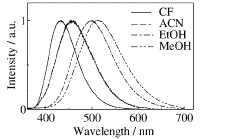
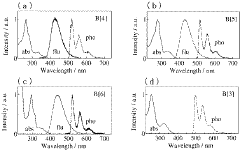


MANUFACTURE OF .beta.-HYDROXY CARBONYL COMPOUNDS AND/OR .alpha.-UNSATURATED CARBONYL COMPOUNDS
PatentInactiveUS3759929A
Innovation
- Reacting ketones with aldehydes in the absence of catalysts at temperatures below 140°C, specifically using ketones with a keto group separated by 0, 2, or more carbon atoms and containing a hydrogen atom in the .alpha.-position, along with aldehydes having an acyl, carboxyl, or carboxylate group, to produce .beta.-hydroxy carbonyl or .alpha.-unsaturated carbonyl compounds.
Environmental Impact Assessment of Carbonyl-based Processes
The environmental impact assessment of carbonyl-based processes is a critical aspect of evaluating the sustainability and eco-friendliness of green chemistry solutions. Carbonyl compounds, being central to many organic reactions, play a significant role in various industrial processes. However, their production and utilization can have both positive and negative environmental implications.
One of the primary environmental benefits of carbonyl-based processes is their potential to reduce the use of harmful solvents and reagents. Many carbonyl reactions can be carried out in aqueous media or using less toxic organic solvents, aligning with green chemistry principles. This shift towards more benign reaction conditions can significantly reduce the environmental footprint of chemical processes, minimizing air and water pollution associated with traditional organic synthesis.
Carbonyl compounds also offer opportunities for atom economy and waste reduction. Aldol condensations and related reactions, for instance, can achieve high yields with minimal by-product formation. This efficiency translates to less waste generation and reduced energy consumption in purification steps, contributing to overall process sustainability.
However, the environmental impact of carbonyl-based processes is not uniformly positive. The production of many carbonyl compounds still relies on petrochemical feedstocks, contributing to carbon emissions and resource depletion. Additionally, some carbonyl compounds, particularly low molecular weight aldehydes like formaldehyde, can be toxic and pose risks to human health and ecosystems if released into the environment.
Life cycle assessments (LCAs) of carbonyl-based processes reveal complex environmental trade-offs. While these processes may reduce immediate environmental impacts, the upstream production of carbonyl compounds and downstream effects of their products must be considered. For example, the use of biomass-derived carbonyl compounds may reduce reliance on fossil resources but could potentially compete with food production or lead to land-use changes.
Water usage and quality are also important considerations in the environmental assessment of carbonyl processes. While many reactions can be performed in aqueous media, the purification and separation of products from water can be energy-intensive. Advanced wastewater treatment technologies are often necessary to remove trace organic compounds and prevent water pollution.
In terms of air quality, volatile organic compounds (VOCs) emissions from carbonyl-based processes can contribute to smog formation and air pollution. Implementing effective emission control technologies and optimizing process conditions are crucial for mitigating these impacts. Furthermore, the potential for accidental releases and occupational exposure to carbonyl compounds necessitates robust safety measures and environmental management systems.
As green chemistry continues to evolve, ongoing research focuses on developing more sustainable routes to carbonyl compounds and optimizing their use in environmentally benign processes. Innovations in biocatalysis, flow chemistry, and renewable feedstocks are promising avenues for further reducing the environmental footprint of carbonyl-based chemistry.
One of the primary environmental benefits of carbonyl-based processes is their potential to reduce the use of harmful solvents and reagents. Many carbonyl reactions can be carried out in aqueous media or using less toxic organic solvents, aligning with green chemistry principles. This shift towards more benign reaction conditions can significantly reduce the environmental footprint of chemical processes, minimizing air and water pollution associated with traditional organic synthesis.
Carbonyl compounds also offer opportunities for atom economy and waste reduction. Aldol condensations and related reactions, for instance, can achieve high yields with minimal by-product formation. This efficiency translates to less waste generation and reduced energy consumption in purification steps, contributing to overall process sustainability.
However, the environmental impact of carbonyl-based processes is not uniformly positive. The production of many carbonyl compounds still relies on petrochemical feedstocks, contributing to carbon emissions and resource depletion. Additionally, some carbonyl compounds, particularly low molecular weight aldehydes like formaldehyde, can be toxic and pose risks to human health and ecosystems if released into the environment.
Life cycle assessments (LCAs) of carbonyl-based processes reveal complex environmental trade-offs. While these processes may reduce immediate environmental impacts, the upstream production of carbonyl compounds and downstream effects of their products must be considered. For example, the use of biomass-derived carbonyl compounds may reduce reliance on fossil resources but could potentially compete with food production or lead to land-use changes.
Water usage and quality are also important considerations in the environmental assessment of carbonyl processes. While many reactions can be performed in aqueous media, the purification and separation of products from water can be energy-intensive. Advanced wastewater treatment technologies are often necessary to remove trace organic compounds and prevent water pollution.
In terms of air quality, volatile organic compounds (VOCs) emissions from carbonyl-based processes can contribute to smog formation and air pollution. Implementing effective emission control technologies and optimizing process conditions are crucial for mitigating these impacts. Furthermore, the potential for accidental releases and occupational exposure to carbonyl compounds necessitates robust safety measures and environmental management systems.
As green chemistry continues to evolve, ongoing research focuses on developing more sustainable routes to carbonyl compounds and optimizing their use in environmentally benign processes. Innovations in biocatalysis, flow chemistry, and renewable feedstocks are promising avenues for further reducing the environmental footprint of carbonyl-based chemistry.
Regulatory Framework for Green Chemical Technologies
The regulatory framework for green chemical technologies plays a crucial role in shaping the development and implementation of carbonyl compounds as pioneers in green chemistry solutions. Governments and international organizations have established various policies and regulations to promote sustainable practices and reduce environmental impact in the chemical industry.
At the global level, the United Nations Environment Programme (UNEP) has been instrumental in setting guidelines for green chemistry through initiatives such as the Strategic Approach to International Chemicals Management (SAICM). These frameworks provide a foundation for national and regional regulatory bodies to develop their own policies and standards.
In the United States, the Environmental Protection Agency (EPA) has implemented the Green Chemistry Program, which encourages the design of chemical products and processes that reduce or eliminate the generation of hazardous substances. This program includes the Presidential Green Chemistry Challenge Awards, recognizing innovative developments in green chemistry, including those related to carbonyl compounds.
The European Union has taken significant steps with the Registration, Evaluation, Authorization, and Restriction of Chemicals (REACH) regulation. REACH requires companies to identify and manage the risks associated with substances they manufacture and market in the EU, promoting the use of safer alternatives and encouraging innovation in green chemistry.
Many countries have adopted similar regulatory frameworks, such as Japan's Chemical Substances Control Law and Canada's Chemicals Management Plan. These regulations often include specific provisions for the assessment and management of carbonyl compounds, given their widespread use and potential environmental impact.
Regulatory bodies also focus on promoting research and development in green chemistry. Funding programs and tax incentives are often available for companies and research institutions working on innovative green chemistry solutions, including those involving carbonyl compounds. These initiatives aim to accelerate the transition towards more sustainable chemical processes and products.
Standards and certification systems have emerged to support the regulatory framework. For example, the International Organization for Standardization (ISO) has developed standards for environmental management (ISO 14000 series) that are relevant to green chemistry practices. Additionally, industry-specific certifications, such as the Green Chemistry Institute's Pharmaceutical Roundtable, provide guidelines for sustainable practices in particular sectors.
As the field of green chemistry continues to evolve, regulatory frameworks are adapting to address new challenges and opportunities. This includes the development of more comprehensive life cycle assessment requirements, stricter controls on hazardous substances, and increased emphasis on circular economy principles in chemical production and use.
At the global level, the United Nations Environment Programme (UNEP) has been instrumental in setting guidelines for green chemistry through initiatives such as the Strategic Approach to International Chemicals Management (SAICM). These frameworks provide a foundation for national and regional regulatory bodies to develop their own policies and standards.
In the United States, the Environmental Protection Agency (EPA) has implemented the Green Chemistry Program, which encourages the design of chemical products and processes that reduce or eliminate the generation of hazardous substances. This program includes the Presidential Green Chemistry Challenge Awards, recognizing innovative developments in green chemistry, including those related to carbonyl compounds.
The European Union has taken significant steps with the Registration, Evaluation, Authorization, and Restriction of Chemicals (REACH) regulation. REACH requires companies to identify and manage the risks associated with substances they manufacture and market in the EU, promoting the use of safer alternatives and encouraging innovation in green chemistry.
Many countries have adopted similar regulatory frameworks, such as Japan's Chemical Substances Control Law and Canada's Chemicals Management Plan. These regulations often include specific provisions for the assessment and management of carbonyl compounds, given their widespread use and potential environmental impact.
Regulatory bodies also focus on promoting research and development in green chemistry. Funding programs and tax incentives are often available for companies and research institutions working on innovative green chemistry solutions, including those involving carbonyl compounds. These initiatives aim to accelerate the transition towards more sustainable chemical processes and products.
Standards and certification systems have emerged to support the regulatory framework. For example, the International Organization for Standardization (ISO) has developed standards for environmental management (ISO 14000 series) that are relevant to green chemistry practices. Additionally, industry-specific certifications, such as the Green Chemistry Institute's Pharmaceutical Roundtable, provide guidelines for sustainable practices in particular sectors.
As the field of green chemistry continues to evolve, regulatory frameworks are adapting to address new challenges and opportunities. This includes the development of more comprehensive life cycle assessment requirements, stricter controls on hazardous substances, and increased emphasis on circular economy principles in chemical production and use.
Unlock deeper insights with Patsnap Eureka Quick Research — get a full tech report to explore trends and direct your research. Try now!
Generate Your Research Report Instantly with AI Agent
Supercharge your innovation with Patsnap Eureka AI Agent Platform!