Carbonyl Compounds: Mastery in Modern Application Integration
JUL 24, 20259 MIN READ
Generate Your Research Report Instantly with AI Agent
Patsnap Eureka helps you evaluate technical feasibility & market potential.
Carbonyl Compounds Evolution and Objectives
Carbonyl compounds have played a pivotal role in organic chemistry and industrial applications for over a century. Their evolution can be traced back to the late 19th century when the carbonyl group was first identified and characterized. Since then, these versatile compounds have undergone significant developments, leading to their widespread use in various sectors, including pharmaceuticals, materials science, and chemical synthesis.
The journey of carbonyl compounds began with simple aldehydes and ketones, gradually expanding to include more complex structures such as carboxylic acids, esters, and amides. Each step in this evolution has been marked by breakthroughs in synthetic methodologies, analytical techniques, and understanding of reaction mechanisms. The discovery of the Grignard reaction in 1900 revolutionized carbonyl chemistry, providing a powerful tool for carbon-carbon bond formation.
As research progressed, the focus shifted towards developing more selective and efficient methods for carbonyl transformations. The advent of asymmetric synthesis in the mid-20th century opened new avenues for producing chiral carbonyl compounds, crucial for pharmaceutical applications. Concurrently, advances in spectroscopic techniques, particularly NMR and mass spectrometry, greatly enhanced our ability to characterize and study these compounds.
In recent decades, the integration of carbonyl chemistry with other disciplines has led to remarkable innovations. The emergence of organocatalysis in the early 2000s revolutionized carbonyl transformations, offering environmentally friendly alternatives to traditional metal-based catalysts. Similarly, the application of carbonyl chemistry in materials science has resulted in the development of novel polymers, adhesives, and functional materials.
The objectives of current research on carbonyl compounds are multifaceted. One primary goal is to develop more sustainable and green methodologies for carbonyl transformations, aligning with global efforts towards environmental conservation. This includes exploring bio-based sources for carbonyl compounds and designing catalytic systems that operate under mild conditions with minimal waste generation.
Another crucial objective is to harness the potential of carbonyl compounds in addressing contemporary challenges. This encompasses their application in energy storage materials, such as advanced battery technologies, and their role in developing new pharmaceuticals to combat emerging diseases. Additionally, there is a growing interest in utilizing carbonyl chemistry for the valorization of waste materials, particularly in the context of a circular economy.
The integration of carbonyl chemistry with cutting-edge technologies like artificial intelligence and high-throughput experimentation represents another frontier. These tools promise to accelerate the discovery of novel reactions and compounds, potentially leading to breakthroughs in drug discovery and materials design. As we look to the future, the mastery of carbonyl compounds in modern applications continues to evolve, driven by the need for innovation in a rapidly changing world.
The journey of carbonyl compounds began with simple aldehydes and ketones, gradually expanding to include more complex structures such as carboxylic acids, esters, and amides. Each step in this evolution has been marked by breakthroughs in synthetic methodologies, analytical techniques, and understanding of reaction mechanisms. The discovery of the Grignard reaction in 1900 revolutionized carbonyl chemistry, providing a powerful tool for carbon-carbon bond formation.
As research progressed, the focus shifted towards developing more selective and efficient methods for carbonyl transformations. The advent of asymmetric synthesis in the mid-20th century opened new avenues for producing chiral carbonyl compounds, crucial for pharmaceutical applications. Concurrently, advances in spectroscopic techniques, particularly NMR and mass spectrometry, greatly enhanced our ability to characterize and study these compounds.
In recent decades, the integration of carbonyl chemistry with other disciplines has led to remarkable innovations. The emergence of organocatalysis in the early 2000s revolutionized carbonyl transformations, offering environmentally friendly alternatives to traditional metal-based catalysts. Similarly, the application of carbonyl chemistry in materials science has resulted in the development of novel polymers, adhesives, and functional materials.
The objectives of current research on carbonyl compounds are multifaceted. One primary goal is to develop more sustainable and green methodologies for carbonyl transformations, aligning with global efforts towards environmental conservation. This includes exploring bio-based sources for carbonyl compounds and designing catalytic systems that operate under mild conditions with minimal waste generation.
Another crucial objective is to harness the potential of carbonyl compounds in addressing contemporary challenges. This encompasses their application in energy storage materials, such as advanced battery technologies, and their role in developing new pharmaceuticals to combat emerging diseases. Additionally, there is a growing interest in utilizing carbonyl chemistry for the valorization of waste materials, particularly in the context of a circular economy.
The integration of carbonyl chemistry with cutting-edge technologies like artificial intelligence and high-throughput experimentation represents another frontier. These tools promise to accelerate the discovery of novel reactions and compounds, potentially leading to breakthroughs in drug discovery and materials design. As we look to the future, the mastery of carbonyl compounds in modern applications continues to evolve, driven by the need for innovation in a rapidly changing world.
Market Demand Analysis for Carbonyl Applications
The market demand for carbonyl compounds has been experiencing significant growth across various industries, driven by their versatile applications and unique chemical properties. In the pharmaceutical sector, carbonyl compounds play a crucial role in drug synthesis and development, with an increasing focus on their use in creating novel therapeutic agents. The global pharmaceutical market, valued at over $1.4 trillion in 2021, is expected to continue its upward trajectory, thereby fueling the demand for carbonyl compounds in drug manufacturing processes.
The cosmetics and personal care industry also represents a substantial market for carbonyl compounds, particularly in the production of fragrances and flavors. With the global cosmetics market projected to reach $463 billion by 2027, the demand for carbonyl-based ingredients is set to rise. Consumers' growing preference for natural and organic products has led to increased research and development efforts in bio-based carbonyl compounds, opening new avenues for market expansion.
In the agrochemical sector, carbonyl compounds are essential components in the formulation of pesticides, herbicides, and plant growth regulators. As global food demand continues to increase, the agrochemical market is expected to grow, driving the need for innovative carbonyl-based solutions that enhance crop protection and yield.
The polymer and materials industry represents another significant market for carbonyl compounds, particularly in the production of resins, coatings, and adhesives. With the construction and automotive sectors experiencing steady growth, the demand for high-performance materials incorporating carbonyl compounds is on the rise. Additionally, the shift towards sustainable and eco-friendly materials has spurred research into bio-based carbonyl compounds for use in biodegradable polymers and green chemistry applications.
Emerging technologies and applications are also contributing to the expanding market for carbonyl compounds. In the field of energy storage, carbonyl-based organic compounds are being explored as potential alternatives to traditional lithium-ion batteries, offering promising opportunities for market growth in the renewable energy sector.
The geographical distribution of market demand for carbonyl compounds is evolving, with Asia-Pacific emerging as a key growth region. Rapid industrialization, increasing population, and rising disposable incomes in countries like China and India are driving demand across multiple end-use industries. North America and Europe continue to be significant markets, particularly in high-value applications such as pharmaceuticals and specialty chemicals.
The cosmetics and personal care industry also represents a substantial market for carbonyl compounds, particularly in the production of fragrances and flavors. With the global cosmetics market projected to reach $463 billion by 2027, the demand for carbonyl-based ingredients is set to rise. Consumers' growing preference for natural and organic products has led to increased research and development efforts in bio-based carbonyl compounds, opening new avenues for market expansion.
In the agrochemical sector, carbonyl compounds are essential components in the formulation of pesticides, herbicides, and plant growth regulators. As global food demand continues to increase, the agrochemical market is expected to grow, driving the need for innovative carbonyl-based solutions that enhance crop protection and yield.
The polymer and materials industry represents another significant market for carbonyl compounds, particularly in the production of resins, coatings, and adhesives. With the construction and automotive sectors experiencing steady growth, the demand for high-performance materials incorporating carbonyl compounds is on the rise. Additionally, the shift towards sustainable and eco-friendly materials has spurred research into bio-based carbonyl compounds for use in biodegradable polymers and green chemistry applications.
Emerging technologies and applications are also contributing to the expanding market for carbonyl compounds. In the field of energy storage, carbonyl-based organic compounds are being explored as potential alternatives to traditional lithium-ion batteries, offering promising opportunities for market growth in the renewable energy sector.
The geographical distribution of market demand for carbonyl compounds is evolving, with Asia-Pacific emerging as a key growth region. Rapid industrialization, increasing population, and rising disposable incomes in countries like China and India are driving demand across multiple end-use industries. North America and Europe continue to be significant markets, particularly in high-value applications such as pharmaceuticals and specialty chemicals.
Current Challenges in Carbonyl Compound Research
Carbonyl compound research faces several significant challenges in the current scientific landscape. One of the primary obstacles is the development of more efficient and selective synthetic methods. While traditional approaches have been successful, there is a growing demand for greener, more sustainable processes that minimize waste and energy consumption. Researchers are grappling with the need to design catalysts that can facilitate carbonyl transformations under milder conditions and with greater atom economy.
Another pressing challenge lies in the realm of asymmetric synthesis. The creation of chiral carbonyl compounds with high enantioselectivity remains a complex task, particularly when dealing with large-scale industrial applications. Scientists are striving to develop novel chiral catalysts and methodologies that can consistently produce optically pure carbonyl compounds with high yields and minimal side products.
The stability and reactivity of carbonyl compounds present additional hurdles. Many of these compounds are sensitive to environmental conditions, prone to unwanted side reactions, or difficult to handle in certain applications. Researchers are working on strategies to enhance the stability of carbonyl compounds without compromising their desired reactivity, a balance that is crucial for their integration into modern applications.
In the field of bioorganic chemistry, the controlled manipulation of carbonyl groups in complex biological systems poses significant challenges. The need for site-specific modifications of carbonyl-containing biomolecules, such as proteins and carbohydrates, requires the development of highly selective and biocompatible reagents and methodologies. This is particularly important in drug discovery and development, where precise control over carbonyl chemistry can lead to improved therapeutic agents.
The integration of carbonyl chemistry with emerging technologies presents another set of challenges. For instance, the application of carbonyl compounds in materials science, such as in the development of smart materials or advanced polymers, requires a deep understanding of structure-property relationships and the ability to fine-tune carbonyl reactivity at the molecular level. Similarly, the use of carbonyl compounds in nanotechnology and surface modification techniques demands innovative approaches to control their behavior at interfaces and on nanoscale structures.
Lastly, the analytical challenges associated with carbonyl compounds cannot be overlooked. The development of more sensitive and specific detection methods for carbonyl groups, especially in complex matrices or at trace levels, is crucial for various fields, including environmental monitoring, food safety, and medical diagnostics. Researchers are exploring advanced spectroscopic techniques and sensor technologies to address these analytical needs and provide more accurate and rapid detection of carbonyl compounds in diverse applications.
Another pressing challenge lies in the realm of asymmetric synthesis. The creation of chiral carbonyl compounds with high enantioselectivity remains a complex task, particularly when dealing with large-scale industrial applications. Scientists are striving to develop novel chiral catalysts and methodologies that can consistently produce optically pure carbonyl compounds with high yields and minimal side products.
The stability and reactivity of carbonyl compounds present additional hurdles. Many of these compounds are sensitive to environmental conditions, prone to unwanted side reactions, or difficult to handle in certain applications. Researchers are working on strategies to enhance the stability of carbonyl compounds without compromising their desired reactivity, a balance that is crucial for their integration into modern applications.
In the field of bioorganic chemistry, the controlled manipulation of carbonyl groups in complex biological systems poses significant challenges. The need for site-specific modifications of carbonyl-containing biomolecules, such as proteins and carbohydrates, requires the development of highly selective and biocompatible reagents and methodologies. This is particularly important in drug discovery and development, where precise control over carbonyl chemistry can lead to improved therapeutic agents.
The integration of carbonyl chemistry with emerging technologies presents another set of challenges. For instance, the application of carbonyl compounds in materials science, such as in the development of smart materials or advanced polymers, requires a deep understanding of structure-property relationships and the ability to fine-tune carbonyl reactivity at the molecular level. Similarly, the use of carbonyl compounds in nanotechnology and surface modification techniques demands innovative approaches to control their behavior at interfaces and on nanoscale structures.
Lastly, the analytical challenges associated with carbonyl compounds cannot be overlooked. The development of more sensitive and specific detection methods for carbonyl groups, especially in complex matrices or at trace levels, is crucial for various fields, including environmental monitoring, food safety, and medical diagnostics. Researchers are exploring advanced spectroscopic techniques and sensor technologies to address these analytical needs and provide more accurate and rapid detection of carbonyl compounds in diverse applications.
Modern Carbonyl Synthesis Methodologies
01 Synthesis of carbonyl compounds
Various methods for synthesizing carbonyl compounds are described, including oxidation reactions, rearrangements, and catalytic processes. These techniques allow for the production of a wide range of aldehydes and ketones with different functional groups and structural features.- Synthesis of carbonyl compounds: Various methods for synthesizing carbonyl compounds are described, including oxidation reactions, rearrangements, and catalytic processes. These techniques allow for the production of a wide range of aldehydes and ketones with different functional groups and structural features.
- Carbonyl compound derivatives and modifications: Processes for modifying carbonyl compounds to create new derivatives are outlined. These include reactions such as condensation, reduction, and addition of functional groups to produce a variety of useful chemical intermediates and end products.
- Analysis and detection of carbonyl compounds: Techniques for analyzing and detecting carbonyl compounds in various matrices are presented. These methods involve spectroscopic, chromatographic, and chemical approaches to identify and quantify carbonyl-containing substances in complex mixtures or environmental samples.
- Applications of carbonyl compounds in industry: The use of carbonyl compounds in various industrial applications is described. These include their role as intermediates in the production of polymers, pharmaceuticals, fragrances, and other specialty chemicals. The versatility of carbonyl compounds in organic synthesis is highlighted.
- Environmental and health considerations of carbonyl compounds: Studies and methods addressing the environmental impact and health effects of carbonyl compounds are discussed. This includes strategies for reducing emissions, assessing toxicity, and developing safer alternatives to certain carbonyl-containing substances in consumer and industrial products.
02 Carbonyl compound derivatives and applications
Carbonyl compounds serve as versatile intermediates in the synthesis of various derivatives, such as imines, enamines, and hydrazones. These derivatives find applications in pharmaceuticals, agrochemicals, and materials science, offering unique properties and reactivity.Expand Specific Solutions03 Catalytic reactions involving carbonyl compounds
Catalytic processes play a crucial role in carbonyl chemistry, enabling selective transformations and improving reaction efficiency. Various catalysts, including transition metals and organocatalysts, are employed to facilitate carbonyl compound reactions such as reductions, oxidations, and C-C bond formations.Expand Specific Solutions04 Carbonyl compounds in polymer chemistry
Carbonyl compounds are essential building blocks in polymer synthesis and modification. They participate in polymerization reactions, crosslinking processes, and post-polymerization modifications, contributing to the development of advanced materials with tailored properties.Expand Specific Solutions05 Analysis and characterization of carbonyl compounds
Various analytical techniques and methods are employed for the detection, quantification, and structural characterization of carbonyl compounds. These include spectroscopic methods, chromatographic techniques, and derivatization approaches, enabling accurate analysis in diverse sample matrices.Expand Specific Solutions
Key Players in Carbonyl Compound Industry
The research on carbonyl compounds is in a mature stage, with significant market potential across various industries. The global market for carbonyl compounds is substantial, driven by their widespread applications in pharmaceuticals, agrochemicals, and materials science. Key players like BASF, Novartis, and Merck are at the forefront of innovation, leveraging their extensive R&D capabilities to develop advanced applications. Academic institutions such as the University of Zurich and Chinese Academy of Sciences are contributing to fundamental research, while companies like Directa Plus and Ciba Holding are exploring niche applications in nanomaterials and specialty chemicals. The competitive landscape is characterized by a mix of established chemical giants and specialized firms, indicating a diverse and dynamic market.
BASF Corp.
Technical Solution: BASF Corp. has developed innovative approaches in carbonyl compound research, focusing on sustainable chemistry. They have pioneered the use of metal-organic frameworks (MOFs) for selective capture and conversion of carbonyl compounds[1]. Their technology enables efficient CO2 capture and conversion to value-added products like methanol[2]. BASF has also made significant progress in developing novel catalysts for carbonyl compound transformations, including asymmetric hydrogenation and C-C bond formation reactions[3]. Their research extends to the development of bio-based carbonyl compounds as sustainable alternatives to petrochemical-derived materials[4].
Strengths: Strong R&D capabilities, wide range of applications across industries. Weaknesses: High development costs, potential regulatory challenges for new chemical processes.
Merck Patent GmbH
Technical Solution: Merck Patent GmbH has focused on developing advanced synthetic methodologies for complex carbonyl compounds, particularly in pharmaceutical applications. They have made significant strides in asymmetric synthesis of chiral carbonyl compounds using novel organocatalysts[5]. Merck's research also includes the development of flow chemistry techniques for continuous production of carbonyl-containing drug intermediates[6]. Their innovative approach combines high-throughput experimentation with computational modeling to optimize reaction conditions and predict product properties[7]. Additionally, Merck has invested in green chemistry initiatives, exploring bio-catalytic routes for carbonyl compound synthesis[8].
Strengths: Strong focus on pharmaceutical applications, advanced synthetic methodologies. Weaknesses: Limited focus on non-pharmaceutical sectors, potential scalability issues for some novel processes.
Innovative Carbonyl Reaction Mechanisms
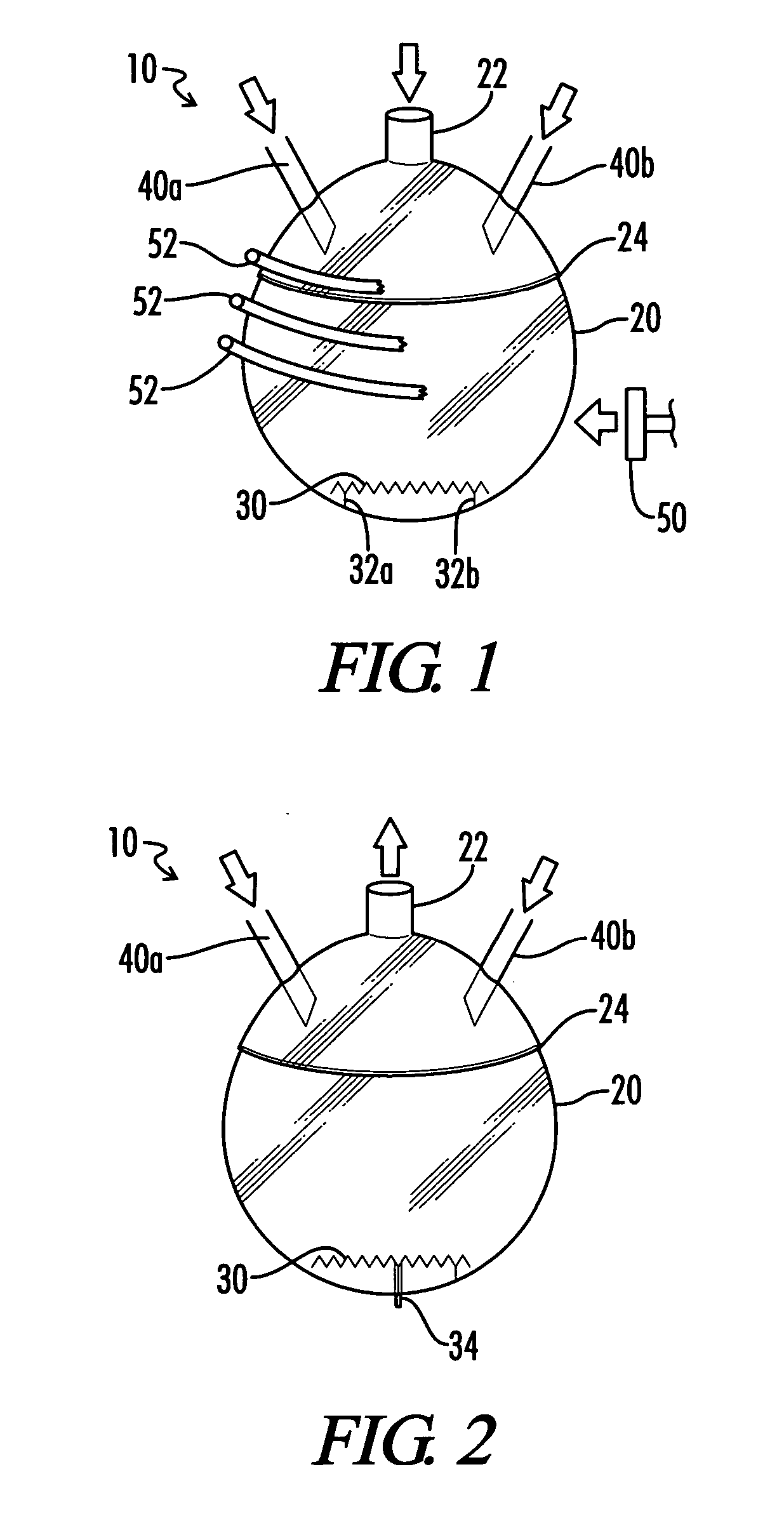
Continuous process for the use of metal carbonyls for the production of nano-scale metal particles
PatentInactiveUS20070034049A1
Innovation
- A continuous process using metal carbonyls, where the carbonyls are decomposed in a reactor vessel with controlled energy to produce nano-scale metal particles that can be deposited on a support or collected, operating at relatively low temperatures and atmospheric pressure.
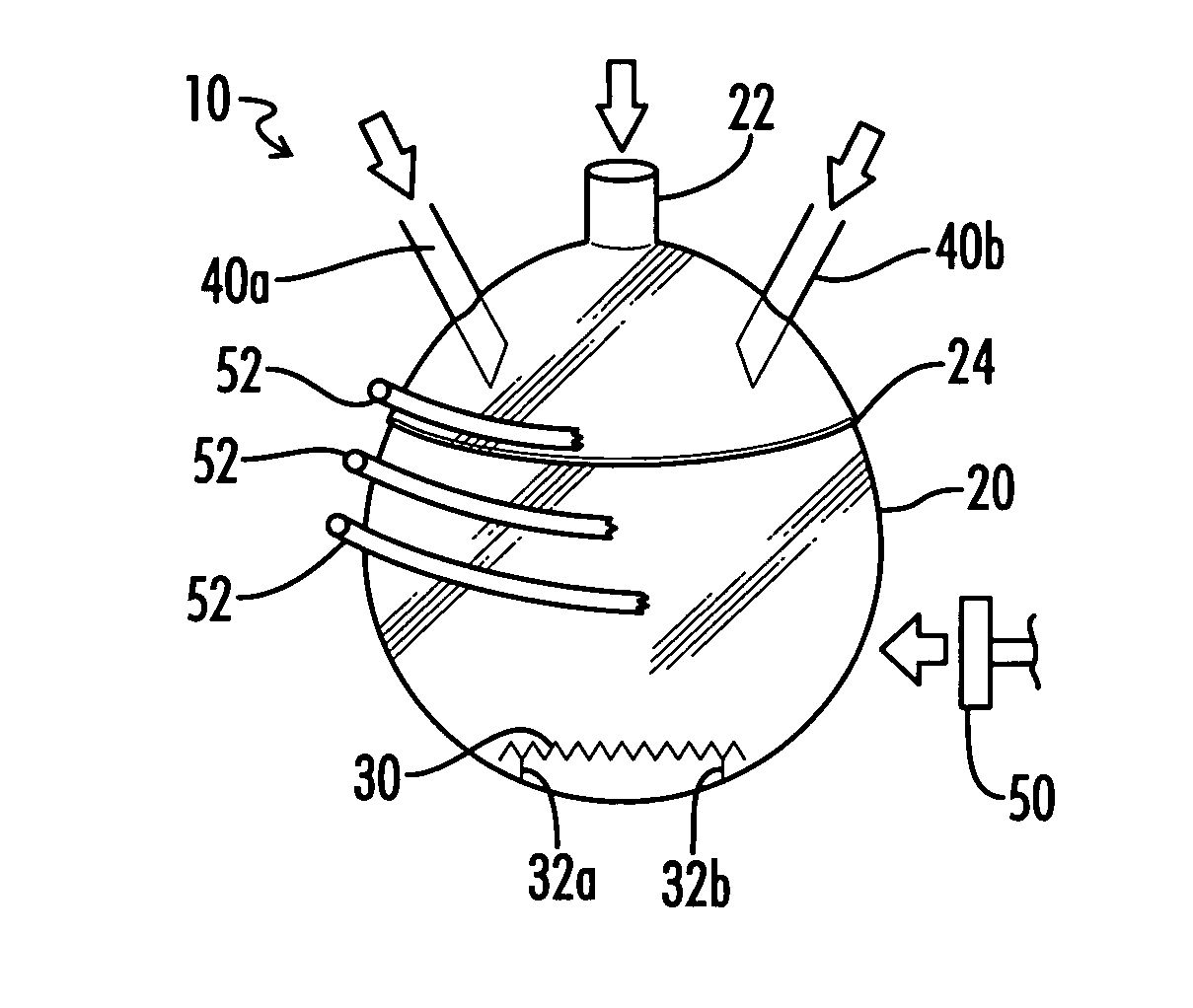
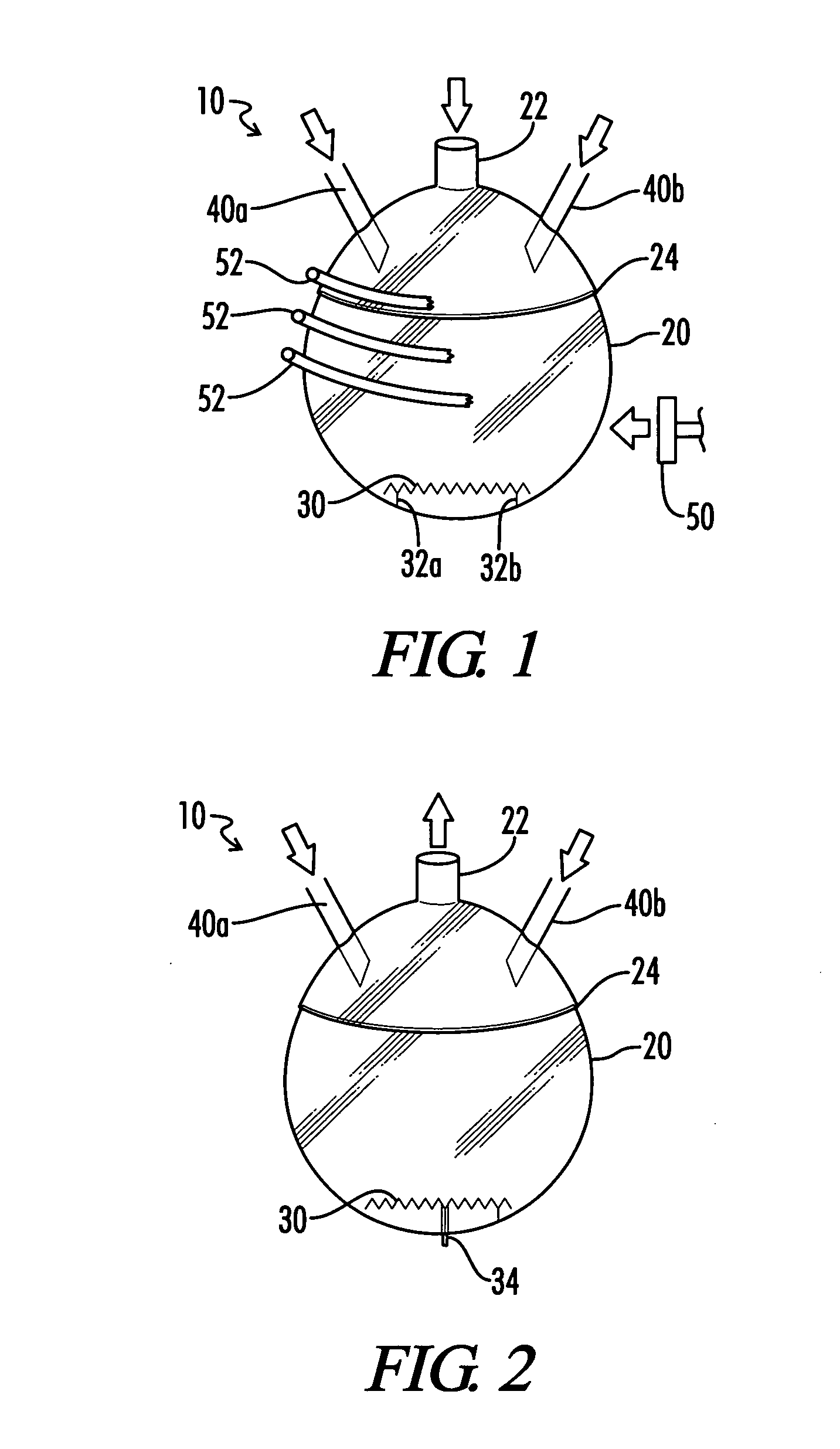
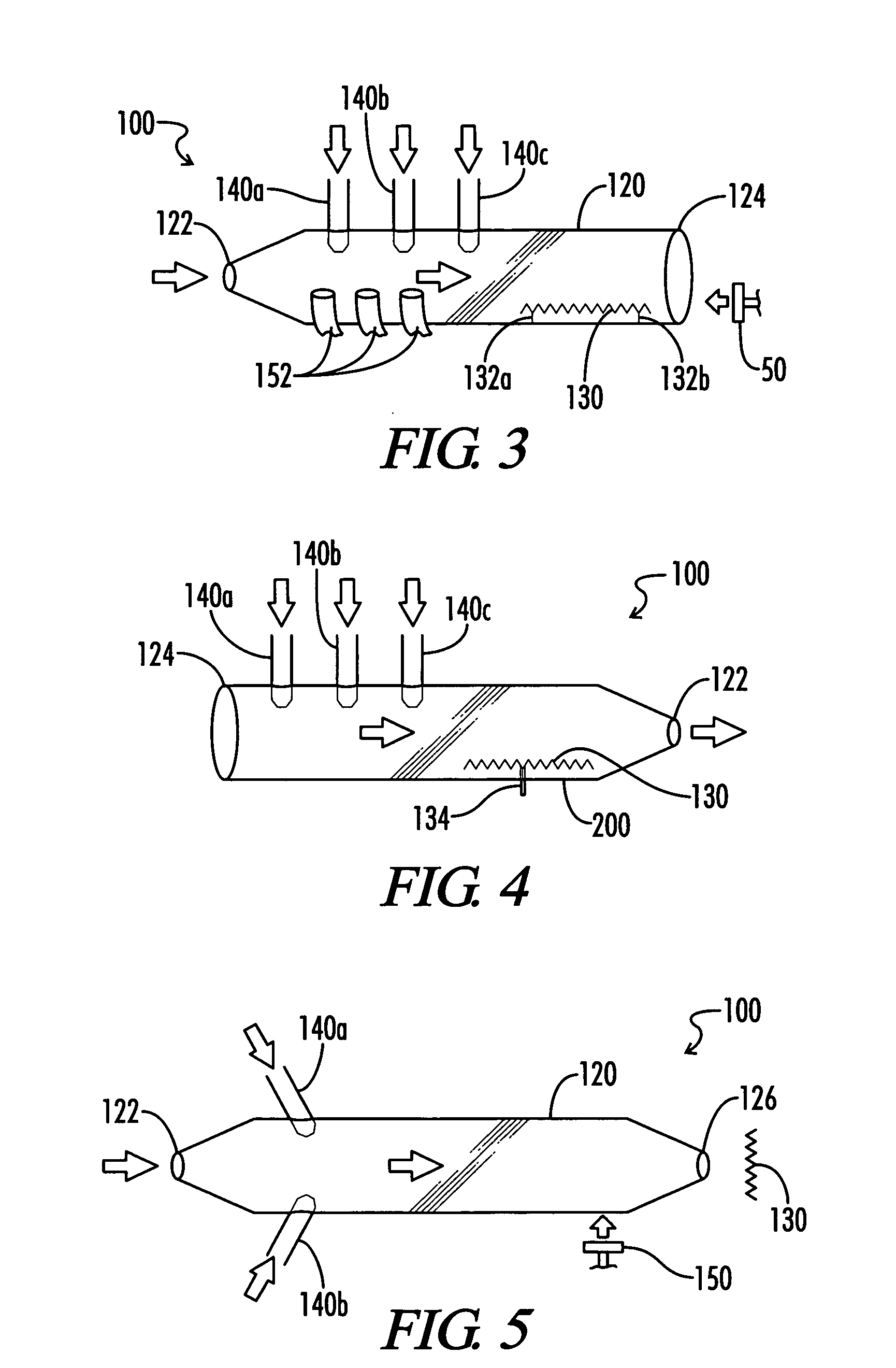
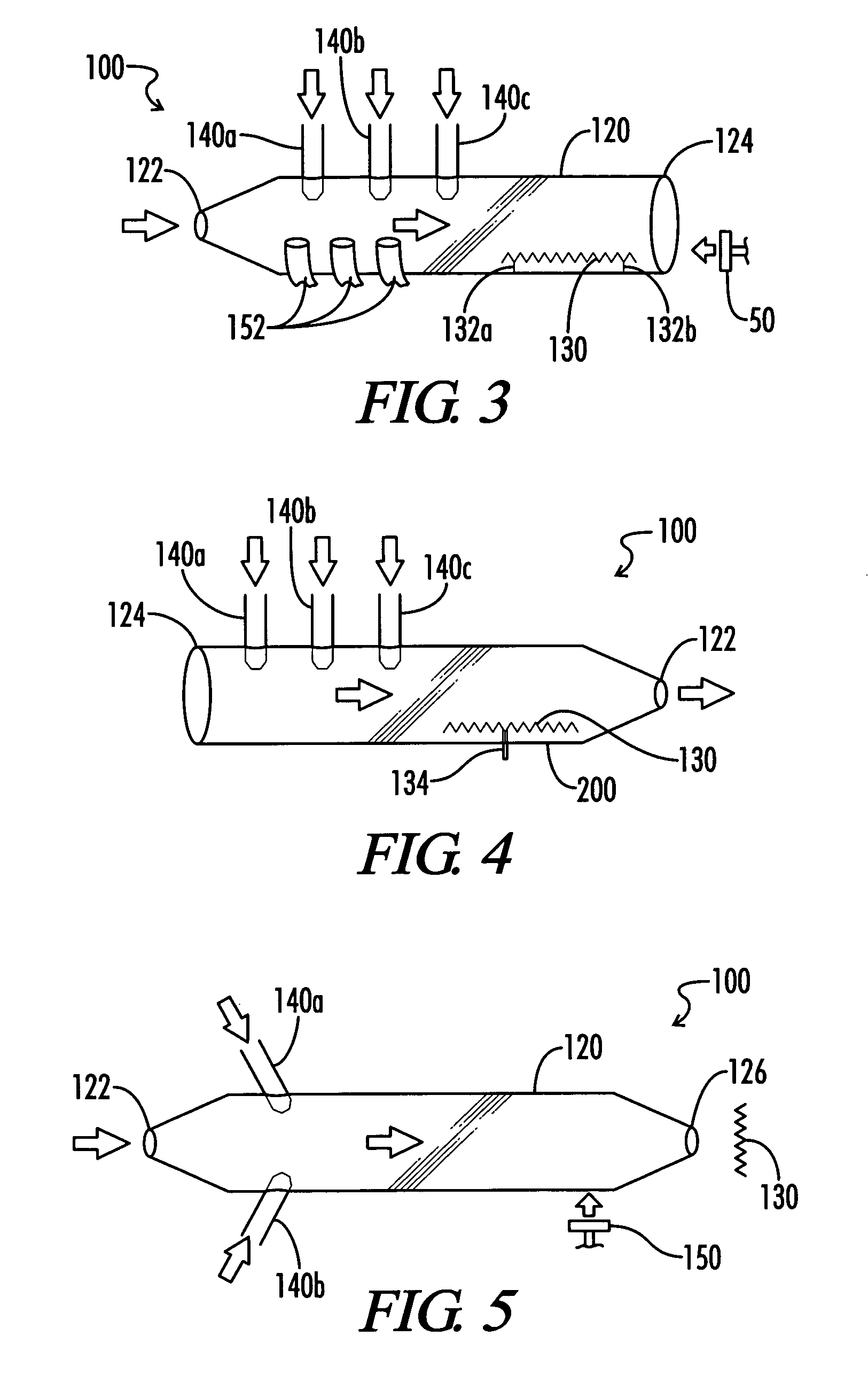
Process for the use of metal carbonyls for the production of nano-scale metal particles formed of non-noble metals
PatentInactiveUS20070034050A1
Innovation
- A process using metal carbonyls, such as nickel and iron carbonyls, is employed to produce nano-scale particles by decomposing them in a reactor vessel under controlled conditions of temperature and pressure, allowing for direct deposition on a support or collection, with energy sources like heat, microwave, or ultraviolet light, enabling production at temperatures below 250°C and atmospheric pressure.
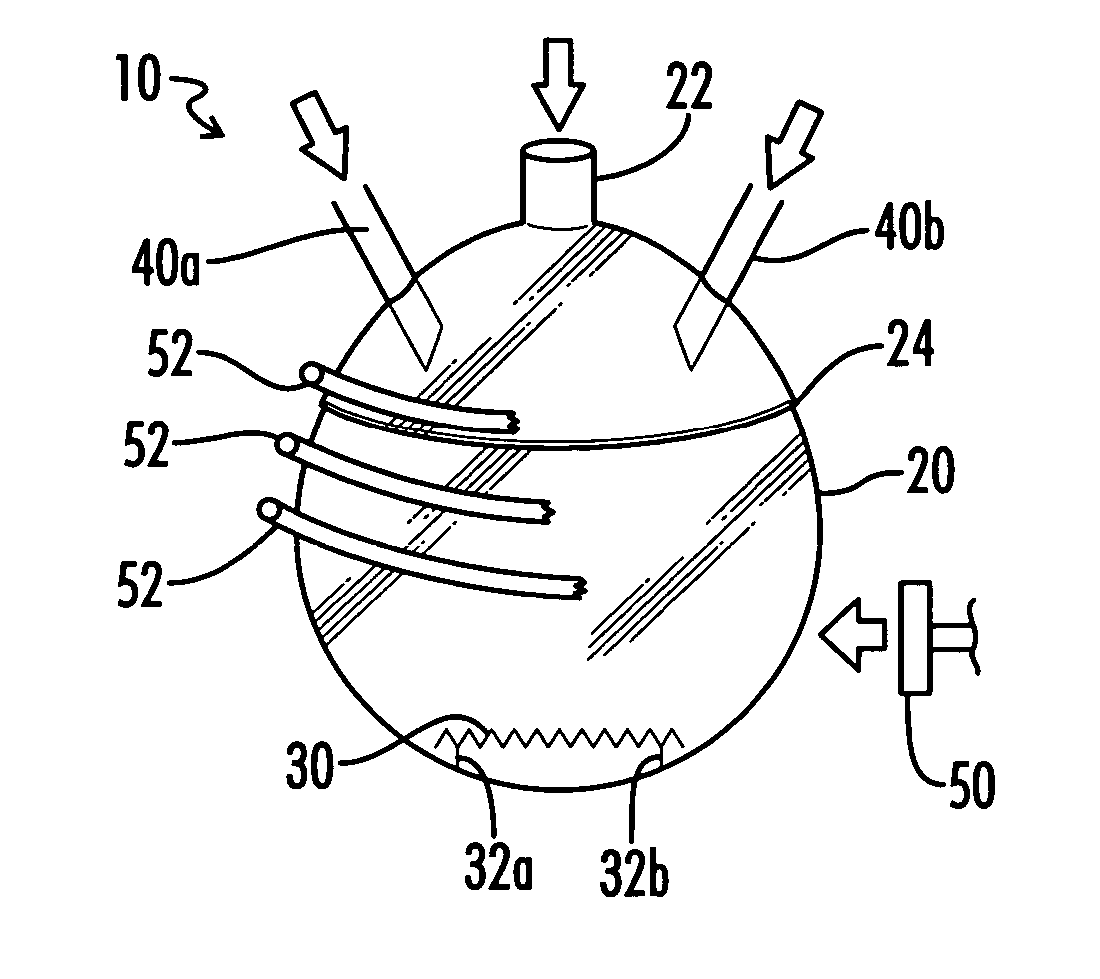
Green Chemistry Approaches in Carbonyl Synthesis
Green chemistry approaches in carbonyl synthesis have gained significant traction in recent years, driven by the need for more sustainable and environmentally friendly processes in chemical manufacturing. These approaches focus on developing methods that reduce or eliminate the use and generation of hazardous substances, while maintaining or improving the efficiency and effectiveness of carbonyl compound production.
One of the key strategies in green carbonyl synthesis is the use of alternative solvents. Traditional organic solvents are often toxic, flammable, and contribute to air pollution. Water, supercritical carbon dioxide, and ionic liquids have emerged as promising green alternatives. Water, in particular, has been successfully employed in various carbonyl-forming reactions, such as aldol condensations and oxidations, offering benefits like improved safety, reduced costs, and simplified product isolation.
Catalysis plays a crucial role in green carbonyl synthesis. Biocatalysts, such as enzymes and whole-cell systems, have shown remarkable potential in facilitating carbonyl-forming reactions under mild conditions with high selectivity. For instance, alcohol dehydrogenases and oxidases have been utilized for the selective oxidation of alcohols to aldehydes and ketones. Additionally, heterogeneous catalysts, which can be easily separated and recycled, have been developed to replace homogeneous counterparts, reducing waste generation and improving process sustainability.
The application of renewable feedstocks represents another important aspect of green carbonyl synthesis. Biomass-derived platform chemicals, such as 5-hydroxymethylfurfural (HMF) and levulinic acid, serve as sustainable starting materials for the production of various carbonyl compounds. These bio-based precursors not only reduce reliance on fossil resources but also often lead to novel synthetic pathways and unique product structures.
Innovative reaction technologies have also contributed to greener carbonyl synthesis. Continuous-flow chemistry, for example, allows for better control of reaction parameters, improved heat and mass transfer, and reduced solvent consumption. Microreactor technology has enabled the development of more efficient and safer carbonyl-forming processes, particularly for reactions involving hazardous intermediates or requiring precise temperature control.
Photochemical and electrochemical methods have gained attention as clean alternatives for carbonyl synthesis. These approaches often operate under mild conditions and can utilize renewable energy sources, aligning well with green chemistry principles. Visible light-mediated photoredox catalysis, in particular, has emerged as a powerful tool for generating carbonyl compounds through oxidation reactions and C-C bond-forming processes.
In conclusion, green chemistry approaches in carbonyl synthesis encompass a wide range of strategies aimed at developing more sustainable processes. By integrating these methods, researchers and industry professionals can significantly reduce the environmental impact of carbonyl compound production while potentially uncovering new synthetic opportunities and improving overall process efficiency.
One of the key strategies in green carbonyl synthesis is the use of alternative solvents. Traditional organic solvents are often toxic, flammable, and contribute to air pollution. Water, supercritical carbon dioxide, and ionic liquids have emerged as promising green alternatives. Water, in particular, has been successfully employed in various carbonyl-forming reactions, such as aldol condensations and oxidations, offering benefits like improved safety, reduced costs, and simplified product isolation.
Catalysis plays a crucial role in green carbonyl synthesis. Biocatalysts, such as enzymes and whole-cell systems, have shown remarkable potential in facilitating carbonyl-forming reactions under mild conditions with high selectivity. For instance, alcohol dehydrogenases and oxidases have been utilized for the selective oxidation of alcohols to aldehydes and ketones. Additionally, heterogeneous catalysts, which can be easily separated and recycled, have been developed to replace homogeneous counterparts, reducing waste generation and improving process sustainability.
The application of renewable feedstocks represents another important aspect of green carbonyl synthesis. Biomass-derived platform chemicals, such as 5-hydroxymethylfurfural (HMF) and levulinic acid, serve as sustainable starting materials for the production of various carbonyl compounds. These bio-based precursors not only reduce reliance on fossil resources but also often lead to novel synthetic pathways and unique product structures.
Innovative reaction technologies have also contributed to greener carbonyl synthesis. Continuous-flow chemistry, for example, allows for better control of reaction parameters, improved heat and mass transfer, and reduced solvent consumption. Microreactor technology has enabled the development of more efficient and safer carbonyl-forming processes, particularly for reactions involving hazardous intermediates or requiring precise temperature control.
Photochemical and electrochemical methods have gained attention as clean alternatives for carbonyl synthesis. These approaches often operate under mild conditions and can utilize renewable energy sources, aligning well with green chemistry principles. Visible light-mediated photoredox catalysis, in particular, has emerged as a powerful tool for generating carbonyl compounds through oxidation reactions and C-C bond-forming processes.
In conclusion, green chemistry approaches in carbonyl synthesis encompass a wide range of strategies aimed at developing more sustainable processes. By integrating these methods, researchers and industry professionals can significantly reduce the environmental impact of carbonyl compound production while potentially uncovering new synthetic opportunities and improving overall process efficiency.
Carbonyl Compounds in Pharmaceutical Industry
Carbonyl compounds play a pivotal role in the pharmaceutical industry, serving as essential building blocks for numerous drug molecules and intermediates. Their versatile reactivity and structural diversity make them indispensable in drug discovery and synthesis processes. The carbonyl group's unique electronic properties allow for a wide range of chemical transformations, enabling the creation of complex pharmaceutical compounds.
In drug design, carbonyl-containing molecules often serve as pharmacophores, the functional groups responsible for a drug's biological activity. Aldehydes and ketones, two primary classes of carbonyl compounds, are frequently utilized in the synthesis of heterocyclic compounds, which form the core of many pharmaceutical agents. These heterocycles include pyridines, pyrimidines, and quinolines, which are prevalent in antibiotics, antiviral drugs, and anticancer agents.
The pharmaceutical industry heavily relies on carbonyl chemistry for the production of active pharmaceutical ingredients (APIs). For instance, the aldol reaction, a fundamental carbonyl transformation, is employed in the synthesis of various beta-hydroxy carbonyl compounds, which are precursors to many drugs. Similarly, the Mannich reaction, involving carbonyl compounds and amines, is crucial in producing beta-amino carbonyl compounds, often found in analgesics and anticonvulsants.
Carbonyl compounds also play a significant role in prodrug design. Ester and amide linkages, formed through reactions involving carbonyl groups, are commonly used to improve drug bioavailability and targeting. These functional groups can be strategically incorporated to enhance a drug's pharmacokinetic properties, such as solubility, stability, and membrane permeability.
In recent years, the pharmaceutical industry has witnessed a surge in the development of covalent inhibitors, many of which rely on the reactivity of carbonyl groups. These inhibitors form covalent bonds with their target proteins, often through reactions with nucleophilic amino acid residues. This approach has led to the creation of highly potent and selective drugs, particularly in the field of oncology.
The importance of carbonyl compounds extends to the realm of natural product synthesis, a significant area of pharmaceutical research. Many bioactive natural products contain carbonyl functionalities, and their total synthesis often involves multiple carbonyl chemistry steps. This not only allows for the production of these complex molecules but also enables the creation of structural analogs with potentially improved therapeutic properties.
In drug design, carbonyl-containing molecules often serve as pharmacophores, the functional groups responsible for a drug's biological activity. Aldehydes and ketones, two primary classes of carbonyl compounds, are frequently utilized in the synthesis of heterocyclic compounds, which form the core of many pharmaceutical agents. These heterocycles include pyridines, pyrimidines, and quinolines, which are prevalent in antibiotics, antiviral drugs, and anticancer agents.
The pharmaceutical industry heavily relies on carbonyl chemistry for the production of active pharmaceutical ingredients (APIs). For instance, the aldol reaction, a fundamental carbonyl transformation, is employed in the synthesis of various beta-hydroxy carbonyl compounds, which are precursors to many drugs. Similarly, the Mannich reaction, involving carbonyl compounds and amines, is crucial in producing beta-amino carbonyl compounds, often found in analgesics and anticonvulsants.
Carbonyl compounds also play a significant role in prodrug design. Ester and amide linkages, formed through reactions involving carbonyl groups, are commonly used to improve drug bioavailability and targeting. These functional groups can be strategically incorporated to enhance a drug's pharmacokinetic properties, such as solubility, stability, and membrane permeability.
In recent years, the pharmaceutical industry has witnessed a surge in the development of covalent inhibitors, many of which rely on the reactivity of carbonyl groups. These inhibitors form covalent bonds with their target proteins, often through reactions with nucleophilic amino acid residues. This approach has led to the creation of highly potent and selective drugs, particularly in the field of oncology.
The importance of carbonyl compounds extends to the realm of natural product synthesis, a significant area of pharmaceutical research. Many bioactive natural products contain carbonyl functionalities, and their total synthesis often involves multiple carbonyl chemistry steps. This not only allows for the production of these complex molecules but also enables the creation of structural analogs with potentially improved therapeutic properties.
Unlock deeper insights with Patsnap Eureka Quick Research — get a full tech report to explore trends and direct your research. Try now!
Generate Your Research Report Instantly with AI Agent
Supercharge your innovation with Patsnap Eureka AI Agent Platform!