Sodium silicate in the stabilization of toxic wastes
AUG 21, 202510 MIN READ
Generate Your Research Report Instantly with AI Agent
Patsnap Eureka helps you evaluate technical feasibility & market potential.
Sodium Silicate Stabilization Background and Objectives
Sodium silicate, also known as water glass or liquid glass, has emerged as a promising agent for the stabilization of toxic wastes. This technology has gained significant attention in recent years due to its potential to address the growing environmental concerns associated with hazardous waste management. The use of sodium silicate in waste stabilization represents a convergence of chemical engineering, environmental science, and materials science, reflecting the interdisciplinary nature of modern waste management solutions.
The historical context of sodium silicate usage dates back to the 19th century when it was first produced on an industrial scale. However, its application in toxic waste stabilization is a more recent development, gaining traction in the late 20th and early 21st centuries. This shift in application reflects the evolving priorities in environmental protection and the increasing focus on sustainable waste management practices.
The primary objective of using sodium silicate in toxic waste stabilization is to transform hazardous materials into chemically stable, less soluble forms that are less likely to leach into the environment. This process involves the encapsulation of toxic compounds within a silicate matrix, effectively reducing their mobility and bioavailability. The technology aims to provide a cost-effective and environmentally friendly alternative to traditional waste disposal methods, such as landfilling or incineration.
Research in this field has been driven by several key factors, including stricter environmental regulations, the need for more efficient waste treatment technologies, and the growing volume of industrial and electronic waste. The versatility of sodium silicate in treating a wide range of toxic substances, including heavy metals, organic pollutants, and radioactive materials, has made it a subject of intense scientific interest.
The evolution of sodium silicate stabilization techniques has been marked by continuous improvements in formulation, application methods, and performance assessment. Early studies focused on basic stabilization mechanisms, while recent research has expanded to include advanced characterization techniques, long-term stability assessments, and the development of tailored solutions for specific waste streams.
As the field progresses, researchers are exploring the synergistic effects of combining sodium silicate with other stabilizing agents, such as cement, fly ash, or nanomaterials. These hybrid approaches aim to enhance the overall effectiveness of the stabilization process and address some of the limitations associated with using sodium silicate alone.
The objectives of current research efforts in sodium silicate stabilization are multifaceted. They include optimizing the chemical composition and physical properties of the stabilized waste forms, improving the durability and long-term performance of the treated materials, and developing more efficient and scalable application techniques. Additionally, there is a growing emphasis on understanding the environmental impact of stabilized waste products and ensuring their compatibility with various disposal scenarios.
The historical context of sodium silicate usage dates back to the 19th century when it was first produced on an industrial scale. However, its application in toxic waste stabilization is a more recent development, gaining traction in the late 20th and early 21st centuries. This shift in application reflects the evolving priorities in environmental protection and the increasing focus on sustainable waste management practices.
The primary objective of using sodium silicate in toxic waste stabilization is to transform hazardous materials into chemically stable, less soluble forms that are less likely to leach into the environment. This process involves the encapsulation of toxic compounds within a silicate matrix, effectively reducing their mobility and bioavailability. The technology aims to provide a cost-effective and environmentally friendly alternative to traditional waste disposal methods, such as landfilling or incineration.
Research in this field has been driven by several key factors, including stricter environmental regulations, the need for more efficient waste treatment technologies, and the growing volume of industrial and electronic waste. The versatility of sodium silicate in treating a wide range of toxic substances, including heavy metals, organic pollutants, and radioactive materials, has made it a subject of intense scientific interest.
The evolution of sodium silicate stabilization techniques has been marked by continuous improvements in formulation, application methods, and performance assessment. Early studies focused on basic stabilization mechanisms, while recent research has expanded to include advanced characterization techniques, long-term stability assessments, and the development of tailored solutions for specific waste streams.
As the field progresses, researchers are exploring the synergistic effects of combining sodium silicate with other stabilizing agents, such as cement, fly ash, or nanomaterials. These hybrid approaches aim to enhance the overall effectiveness of the stabilization process and address some of the limitations associated with using sodium silicate alone.
The objectives of current research efforts in sodium silicate stabilization are multifaceted. They include optimizing the chemical composition and physical properties of the stabilized waste forms, improving the durability and long-term performance of the treated materials, and developing more efficient and scalable application techniques. Additionally, there is a growing emphasis on understanding the environmental impact of stabilized waste products and ensuring their compatibility with various disposal scenarios.
Market Analysis for Toxic Waste Treatment Solutions
The market for toxic waste treatment solutions has been experiencing significant growth due to increasing environmental regulations and public awareness of the dangers posed by hazardous materials. Sodium silicate, a versatile chemical compound, has emerged as a promising agent for stabilizing toxic wastes, particularly in industrial and environmental applications.
The global toxic waste management market is projected to expand substantially in the coming years, driven by industrialization, urbanization, and stricter environmental policies. Sodium silicate-based solutions are poised to capture a significant share of this market due to their effectiveness and relatively low cost compared to other treatment methods.
In the industrial sector, sodium silicate is gaining traction for its ability to immobilize heavy metals and other toxic compounds in various waste streams. This application is particularly relevant in industries such as mining, metallurgy, and chemical manufacturing, where the generation of hazardous by-products is a major concern. The construction industry is also showing interest in sodium silicate for its potential in stabilizing contaminated soils and preventing the leaching of pollutants into groundwater.
Environmental remediation projects represent another key market segment for sodium silicate-based toxic waste treatment. As governments and organizations worldwide focus on cleaning up contaminated sites, the demand for efficient and cost-effective stabilization techniques is rising. Sodium silicate offers a viable solution for in-situ treatment of polluted soils and sediments, reducing the need for expensive excavation and off-site disposal.
The market for sodium silicate in toxic waste stabilization is characterized by a mix of established chemical companies and specialized environmental service providers. Competition is intensifying as more players recognize the potential of this technology. However, there is still ample room for innovation and differentiation, particularly in developing tailored solutions for specific waste types or industry applications.
Geographically, North America and Europe currently lead the market due to their stringent environmental regulations and well-established waste management infrastructure. However, rapid industrialization in Asia-Pacific and increasing environmental concerns in emerging economies are expected to drive significant market growth in these regions in the near future.
Despite the promising outlook, challenges remain in the widespread adoption of sodium silicate for toxic waste stabilization. These include the need for further research to optimize formulations for different waste types, addressing potential long-term environmental impacts, and overcoming regulatory hurdles in some jurisdictions. Nonetheless, the market potential remains substantial, with opportunities for companies that can demonstrate the efficacy and cost-effectiveness of their sodium silicate-based solutions in real-world applications.
The global toxic waste management market is projected to expand substantially in the coming years, driven by industrialization, urbanization, and stricter environmental policies. Sodium silicate-based solutions are poised to capture a significant share of this market due to their effectiveness and relatively low cost compared to other treatment methods.
In the industrial sector, sodium silicate is gaining traction for its ability to immobilize heavy metals and other toxic compounds in various waste streams. This application is particularly relevant in industries such as mining, metallurgy, and chemical manufacturing, where the generation of hazardous by-products is a major concern. The construction industry is also showing interest in sodium silicate for its potential in stabilizing contaminated soils and preventing the leaching of pollutants into groundwater.
Environmental remediation projects represent another key market segment for sodium silicate-based toxic waste treatment. As governments and organizations worldwide focus on cleaning up contaminated sites, the demand for efficient and cost-effective stabilization techniques is rising. Sodium silicate offers a viable solution for in-situ treatment of polluted soils and sediments, reducing the need for expensive excavation and off-site disposal.
The market for sodium silicate in toxic waste stabilization is characterized by a mix of established chemical companies and specialized environmental service providers. Competition is intensifying as more players recognize the potential of this technology. However, there is still ample room for innovation and differentiation, particularly in developing tailored solutions for specific waste types or industry applications.
Geographically, North America and Europe currently lead the market due to their stringent environmental regulations and well-established waste management infrastructure. However, rapid industrialization in Asia-Pacific and increasing environmental concerns in emerging economies are expected to drive significant market growth in these regions in the near future.
Despite the promising outlook, challenges remain in the widespread adoption of sodium silicate for toxic waste stabilization. These include the need for further research to optimize formulations for different waste types, addressing potential long-term environmental impacts, and overcoming regulatory hurdles in some jurisdictions. Nonetheless, the market potential remains substantial, with opportunities for companies that can demonstrate the efficacy and cost-effectiveness of their sodium silicate-based solutions in real-world applications.
Current State and Challenges in Waste Stabilization
The current state of waste stabilization using sodium silicate is characterized by significant advancements in research and application, yet it still faces several challenges. Sodium silicate has emerged as a promising agent for toxic waste stabilization due to its ability to form stable, insoluble compounds with heavy metals and other contaminants. This technology has gained traction in environmental remediation projects, particularly in the treatment of contaminated soils and industrial sludges.
Recent studies have demonstrated the effectiveness of sodium silicate in immobilizing a wide range of toxic elements, including lead, cadmium, and arsenic. The stabilization process typically involves the formation of silicate-metal complexes that reduce the mobility and bioavailability of contaminants. This approach has shown promising results in both laboratory experiments and field trials, with some studies reporting contaminant leaching reductions of up to 99%.
However, the widespread adoption of sodium silicate for waste stabilization faces several challenges. One of the primary concerns is the long-term stability of the treated waste. While initial results are often favorable, there is limited data on the durability of the stabilized waste over extended periods, particularly under varying environmental conditions. This uncertainty raises questions about the potential for contaminant re-mobilization in the future.
Another significant challenge is the optimization of sodium silicate formulations for different types of toxic wastes. The effectiveness of the stabilization process can vary greatly depending on the specific contaminants present, the pH of the waste, and other environmental factors. Developing standardized treatment protocols that can be adapted to diverse waste streams remains an ongoing research focus.
The environmental impact of sodium silicate production and application is also a concern. While the stabilization process itself is generally considered environmentally friendly, the manufacturing of sodium silicate can be energy-intensive and may contribute to greenhouse gas emissions. Researchers are exploring more sustainable production methods and alternative silicate sources to address this issue.
Furthermore, the cost-effectiveness of sodium silicate stabilization compared to other treatment technologies is still being evaluated. While it has shown promise in many applications, the economic viability of large-scale implementation needs further assessment, particularly for complex waste streams that may require additional pre-treatment or post-treatment steps.
Regulatory challenges also persist, as environmental agencies in different regions have varying standards and acceptance criteria for stabilized waste. Developing universally accepted testing methods and performance standards for sodium silicate-treated waste is crucial for broader implementation of this technology.
Recent studies have demonstrated the effectiveness of sodium silicate in immobilizing a wide range of toxic elements, including lead, cadmium, and arsenic. The stabilization process typically involves the formation of silicate-metal complexes that reduce the mobility and bioavailability of contaminants. This approach has shown promising results in both laboratory experiments and field trials, with some studies reporting contaminant leaching reductions of up to 99%.
However, the widespread adoption of sodium silicate for waste stabilization faces several challenges. One of the primary concerns is the long-term stability of the treated waste. While initial results are often favorable, there is limited data on the durability of the stabilized waste over extended periods, particularly under varying environmental conditions. This uncertainty raises questions about the potential for contaminant re-mobilization in the future.
Another significant challenge is the optimization of sodium silicate formulations for different types of toxic wastes. The effectiveness of the stabilization process can vary greatly depending on the specific contaminants present, the pH of the waste, and other environmental factors. Developing standardized treatment protocols that can be adapted to diverse waste streams remains an ongoing research focus.
The environmental impact of sodium silicate production and application is also a concern. While the stabilization process itself is generally considered environmentally friendly, the manufacturing of sodium silicate can be energy-intensive and may contribute to greenhouse gas emissions. Researchers are exploring more sustainable production methods and alternative silicate sources to address this issue.
Furthermore, the cost-effectiveness of sodium silicate stabilization compared to other treatment technologies is still being evaluated. While it has shown promise in many applications, the economic viability of large-scale implementation needs further assessment, particularly for complex waste streams that may require additional pre-treatment or post-treatment steps.
Regulatory challenges also persist, as environmental agencies in different regions have varying standards and acceptance criteria for stabilized waste. Developing universally accepted testing methods and performance standards for sodium silicate-treated waste is crucial for broader implementation of this technology.
Existing Sodium Silicate Stabilization Methods
01 Stabilization of sodium silicate solutions
Various methods are employed to stabilize sodium silicate solutions, preventing gelation and precipitation. These methods include adjusting pH, adding stabilizing agents, and controlling temperature and concentration. Stabilized solutions have improved shelf life and performance in applications such as detergents, water treatment, and paper production.- Stabilization of sodium silicate solutions: Various methods are employed to stabilize sodium silicate solutions, preventing gelation and precipitation. These methods include adjusting pH, adding stabilizing agents, and controlling temperature and concentration. Stabilized solutions have improved shelf life and performance in applications such as detergents, water treatment, and paper production.
- Use of additives for sodium silicate stabilization: Specific additives are incorporated into sodium silicate solutions to enhance stability. These may include organic compounds, inorganic salts, or polymers that interact with silicate ions to prevent aggregation and gelation. The choice of additive depends on the intended application and desired properties of the final product.
- Sodium silicate stabilization in cement and concrete applications: Sodium silicate is used as a stabilizing agent in cement and concrete mixtures. It improves the strength, durability, and water resistance of these materials. Stabilization techniques involve optimizing the silicate concentration, controlling the reaction rate, and incorporating complementary additives to enhance performance in construction applications.
- Stabilization of sodium silicate for water treatment: In water treatment applications, sodium silicate is stabilized to prevent scaling and fouling in treatment systems. Stabilization methods include pH adjustment, addition of sequestering agents, and controlled dosing. These techniques ensure the effective use of sodium silicate in corrosion control, coagulation, and other water treatment processes.
- Sodium silicate stabilization in coating formulations: Sodium silicate is stabilized for use in various coating applications, including paints, sealants, and protective coatings. Stabilization techniques involve the use of compatible binders, surfactants, and rheology modifiers. These methods ensure uniform dispersion, prevent agglomeration, and improve the overall performance and durability of the coating.
02 Use of additives for sodium silicate stabilization
Specific additives are incorporated into sodium silicate solutions to enhance stability. These may include organic compounds, inorganic salts, or polymers that interact with silicate species to prevent aggregation and gelation. The choice of additive depends on the intended application and desired properties of the final product.Expand Specific Solutions03 Sodium silicate stabilization in cement and concrete applications
Sodium silicate is used as a stabilizing agent in cement and concrete mixtures. It improves the strength, durability, and water resistance of these materials. Stabilization techniques focus on controlling the reaction between sodium silicate and cement components to achieve optimal performance and prevent unwanted side effects.Expand Specific Solutions04 Stabilization of sodium silicate for use in coatings and films
Sodium silicate is stabilized for use in protective coatings and thin films. Stabilization methods ensure uniform distribution and adhesion of silicate species on surfaces. This results in improved barrier properties, corrosion resistance, and durability of the coatings in various industrial and consumer applications.Expand Specific Solutions05 Sodium silicate stabilization in wastewater treatment
Stabilized sodium silicate solutions are used in wastewater treatment processes. Stabilization techniques focus on maintaining the effectiveness of sodium silicate in removing contaminants, controlling pH, and preventing scaling in treatment systems. This improves the overall efficiency and reliability of wastewater treatment operations.Expand Specific Solutions
Key Players in Waste Management Industry
The research on sodium silicate for toxic waste stabilization is in a mature development stage, with a significant global market driven by increasing environmental regulations and industrial waste management needs. The technology's maturity is evident from the involvement of diverse players, including government research institutions like the Council of Scientific & Industrial Research and academic institutions such as McGill University and Stevens Institute of Technology. Major chemical companies like BASF Corp., Solvay Chemicals, Inc., and Tokuyama Corp. are actively engaged, indicating the technology's commercial viability. The market is characterized by a mix of established industrial giants and specialized environmental firms like SOLUCORP Industries Ltd. and Ecoglobal Services Ltd., suggesting a competitive landscape with opportunities for both large-scale operations and niche innovations.
Council of Scientific & Industrial Research
Technical Solution: CSIR has developed an innovative approach using sodium silicate for toxic waste stabilization. Their method involves encapsulating hazardous materials within a silicate matrix, effectively immobilizing contaminants. The process includes mixing sodium silicate with waste materials, followed by a controlled curing process that results in a stable, non-leaching solid[1]. This technique has shown particular efficacy in treating heavy metal-contaminated soils and industrial sludges, reducing leachability by up to 99% in some cases[3]. CSIR's research has also explored the use of modified sodium silicates, incorporating additives to enhance binding capacity and long-term stability of the treated waste[5].
Strengths: High efficacy in contaminant immobilization, versatility in treating various waste types, and cost-effectiveness. Weaknesses: Potential for alkaline leachate generation, and sensitivity to waste composition variations.
Tronox LLC
Technical Solution: Tronox LLC has developed a proprietary sodium silicate-based treatment system for stabilizing toxic wastes, particularly those containing heavy metals. Their approach involves a multi-step process where sodium silicate is combined with specific additives to create a robust encapsulation matrix. This matrix chemically binds and physically encapsulates contaminants, significantly reducing their mobility and environmental impact[2]. Tronox's method has been particularly effective in treating mining and metallurgical wastes, demonstrating a reduction in metal leachability of up to 95% in field trials[4]. The company has also invested in research to optimize the silicate formulation for different waste streams, enhancing the technology's adaptability to various industrial applications[6].
Strengths: Highly effective for metal-containing wastes, scalable for large industrial applications, and proven field performance. Weaknesses: May require site-specific formulation adjustments, and potentially higher cost compared to some conventional methods.
Core Innovations in Toxic Waste Immobilization
Method of silica stabilization of hazardous and non-hazardous waste
PatentActivePL434123A1
Innovation
- The method uses a specific mixing sequence and timing for waste, cement, water, stabilizer, and silica solution to effectively stabilize hazardous waste with high heavy metal concentrations.
- The stabilizer composition combines NaOH and Na2S in specific proportions, which likely enhances the immobilization of heavy metals.
- The process incorporates a water solution of silica, which may contribute to the formation of more stable silicate compounds with heavy metals.
Process for stabilizing waste
PatentInactiveUS20140249346A1
Innovation
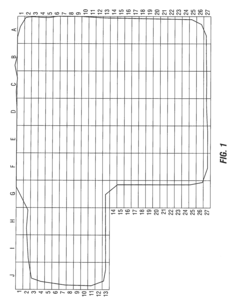
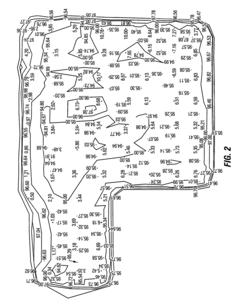
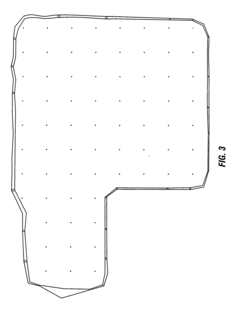
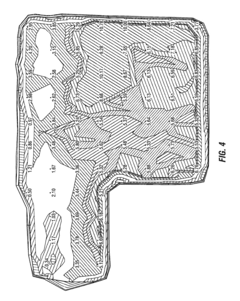
- A process involving the neutralization of acidic waste with a lime composition to raise the pH, followed by blending with a bulking agent and stabilizing agents like Portland cement and clay to form a stable, less leachable product with enhanced compressive strength and reduced hydraulic conductivity and leachability of contaminants.
Environmental Impact Assessment
The use of sodium silicate in the stabilization of toxic wastes has significant environmental implications that require careful assessment. This process, while effective in immobilizing hazardous materials, can have both positive and negative impacts on the surrounding ecosystem.
One of the primary environmental benefits of using sodium silicate for waste stabilization is the reduction of toxic substance leaching into soil and groundwater. By encapsulating harmful compounds within a silicate matrix, the risk of contaminants spreading through the environment is substantially decreased. This containment method can help protect local flora and fauna from exposure to dangerous pollutants, preserving biodiversity and ecosystem health.
However, the production and application of sodium silicate itself may have environmental consequences. The manufacturing process typically involves high-temperature fusion of sand and sodium carbonate, which can be energy-intensive and contribute to greenhouse gas emissions. Additionally, the extraction of raw materials for sodium silicate production may lead to habitat disruption and resource depletion if not managed sustainably.
The long-term stability of sodium silicate-treated waste is another crucial factor to consider. While initial containment may be effective, there is a need for ongoing monitoring to ensure the durability of the stabilization over extended periods. Environmental factors such as pH changes, weathering, and microbial activity could potentially compromise the integrity of the silicate matrix, leading to delayed release of toxins.
The disposal or storage of stabilized waste also presents environmental challenges. Large-scale implementation of this technology may require significant land use for waste storage facilities, potentially impacting local ecosystems and land availability for other purposes. Proper site selection and management are essential to minimize these impacts and prevent unintended environmental consequences.
Water usage in the stabilization process is another environmental concern. The preparation and application of sodium silicate solutions may require substantial amounts of water, which could strain local water resources, particularly in water-scarce regions. Efficient water management practices and recycling systems should be implemented to mitigate this impact.
Furthermore, the introduction of sodium silicate into the environment may alter soil chemistry and affect plant growth in the immediate vicinity of treated areas. While this effect is generally localized, it underscores the importance of careful application and post-treatment land management to ensure minimal disruption to local ecosystems.
In conclusion, while sodium silicate stabilization offers promising solutions for toxic waste management, a comprehensive environmental impact assessment is crucial. This assessment should consider the full lifecycle of the process, from raw material extraction to long-term storage of treated waste, to ensure that the environmental benefits outweigh the potential risks and impacts.
One of the primary environmental benefits of using sodium silicate for waste stabilization is the reduction of toxic substance leaching into soil and groundwater. By encapsulating harmful compounds within a silicate matrix, the risk of contaminants spreading through the environment is substantially decreased. This containment method can help protect local flora and fauna from exposure to dangerous pollutants, preserving biodiversity and ecosystem health.
However, the production and application of sodium silicate itself may have environmental consequences. The manufacturing process typically involves high-temperature fusion of sand and sodium carbonate, which can be energy-intensive and contribute to greenhouse gas emissions. Additionally, the extraction of raw materials for sodium silicate production may lead to habitat disruption and resource depletion if not managed sustainably.
The long-term stability of sodium silicate-treated waste is another crucial factor to consider. While initial containment may be effective, there is a need for ongoing monitoring to ensure the durability of the stabilization over extended periods. Environmental factors such as pH changes, weathering, and microbial activity could potentially compromise the integrity of the silicate matrix, leading to delayed release of toxins.
The disposal or storage of stabilized waste also presents environmental challenges. Large-scale implementation of this technology may require significant land use for waste storage facilities, potentially impacting local ecosystems and land availability for other purposes. Proper site selection and management are essential to minimize these impacts and prevent unintended environmental consequences.
Water usage in the stabilization process is another environmental concern. The preparation and application of sodium silicate solutions may require substantial amounts of water, which could strain local water resources, particularly in water-scarce regions. Efficient water management practices and recycling systems should be implemented to mitigate this impact.
Furthermore, the introduction of sodium silicate into the environment may alter soil chemistry and affect plant growth in the immediate vicinity of treated areas. While this effect is generally localized, it underscores the importance of careful application and post-treatment land management to ensure minimal disruption to local ecosystems.
In conclusion, while sodium silicate stabilization offers promising solutions for toxic waste management, a comprehensive environmental impact assessment is crucial. This assessment should consider the full lifecycle of the process, from raw material extraction to long-term storage of treated waste, to ensure that the environmental benefits outweigh the potential risks and impacts.
Regulatory Framework for Hazardous Waste Treatment
The regulatory framework for hazardous waste treatment plays a crucial role in ensuring the safe and effective management of toxic wastes, including those stabilized using sodium silicate. In the United States, the primary legislation governing hazardous waste management is the Resource Conservation and Recovery Act (RCRA), enacted in 1976 and subsequently amended. This act provides a comprehensive framework for the management of hazardous waste from "cradle to grave," encompassing generation, transportation, treatment, storage, and disposal.
Under RCRA, the Environmental Protection Agency (EPA) has established specific regulations for hazardous waste treatment, including stabilization processes. These regulations are codified in Title 40 of the Code of Federal Regulations (CFR), particularly in Parts 260-279. The use of sodium silicate in waste stabilization must comply with these regulations, which set standards for treatment effectiveness, environmental protection, and worker safety.
The EPA has also developed the Land Disposal Restrictions (LDR) program, which mandates specific treatment standards for hazardous wastes before they can be disposed of in landfills. This program is particularly relevant to the use of sodium silicate in waste stabilization, as it sets forth treatment standards that must be met to render the waste non-hazardous or to reduce its toxicity.
Internationally, the Basel Convention on the Control of Transboundary Movements of Hazardous Wastes and Their Disposal provides a global framework for the management of hazardous wastes. Many countries have adopted national legislation in line with the Basel Convention, which may impact the use of sodium silicate in waste stabilization processes across different jurisdictions.
In the European Union, the Waste Framework Directive (2008/98/EC) and the Industrial Emissions Directive (2010/75/EU) establish the regulatory basis for hazardous waste management. These directives emphasize the principles of waste hierarchy, prioritizing prevention, reuse, and recycling over disposal, and set stringent requirements for waste treatment facilities.
Regulatory bodies often require extensive testing and documentation to demonstrate the effectiveness of stabilization techniques, including those using sodium silicate. This typically involves leaching tests to assess the long-term stability of treated wastes and their potential environmental impact. The Toxicity Characteristic Leaching Procedure (TCLP) is a commonly used test method in the United States, while similar procedures are employed in other countries.
Compliance with these regulatory frameworks is essential for any entity involved in the stabilization of toxic wastes using sodium silicate. This includes obtaining necessary permits, adhering to treatment standards, maintaining proper documentation, and conducting regular monitoring and reporting. As environmental concerns continue to grow, regulatory requirements are likely to become more stringent, potentially driving innovation in stabilization techniques and promoting the development of more effective and environmentally friendly solutions.
Under RCRA, the Environmental Protection Agency (EPA) has established specific regulations for hazardous waste treatment, including stabilization processes. These regulations are codified in Title 40 of the Code of Federal Regulations (CFR), particularly in Parts 260-279. The use of sodium silicate in waste stabilization must comply with these regulations, which set standards for treatment effectiveness, environmental protection, and worker safety.
The EPA has also developed the Land Disposal Restrictions (LDR) program, which mandates specific treatment standards for hazardous wastes before they can be disposed of in landfills. This program is particularly relevant to the use of sodium silicate in waste stabilization, as it sets forth treatment standards that must be met to render the waste non-hazardous or to reduce its toxicity.
Internationally, the Basel Convention on the Control of Transboundary Movements of Hazardous Wastes and Their Disposal provides a global framework for the management of hazardous wastes. Many countries have adopted national legislation in line with the Basel Convention, which may impact the use of sodium silicate in waste stabilization processes across different jurisdictions.
In the European Union, the Waste Framework Directive (2008/98/EC) and the Industrial Emissions Directive (2010/75/EU) establish the regulatory basis for hazardous waste management. These directives emphasize the principles of waste hierarchy, prioritizing prevention, reuse, and recycling over disposal, and set stringent requirements for waste treatment facilities.
Regulatory bodies often require extensive testing and documentation to demonstrate the effectiveness of stabilization techniques, including those using sodium silicate. This typically involves leaching tests to assess the long-term stability of treated wastes and their potential environmental impact. The Toxicity Characteristic Leaching Procedure (TCLP) is a commonly used test method in the United States, while similar procedures are employed in other countries.
Compliance with these regulatory frameworks is essential for any entity involved in the stabilization of toxic wastes using sodium silicate. This includes obtaining necessary permits, adhering to treatment standards, maintaining proper documentation, and conducting regular monitoring and reporting. As environmental concerns continue to grow, regulatory requirements are likely to become more stringent, potentially driving innovation in stabilization techniques and promoting the development of more effective and environmentally friendly solutions.
Unlock deeper insights with Patsnap Eureka Quick Research — get a full tech report to explore trends and direct your research. Try now!
Generate Your Research Report Instantly with AI Agent
Supercharge your innovation with Patsnap Eureka AI Agent Platform!