

S58 Engine Compression Test Metrics: Acceptance Criteria
SEP 8, 20259 MIN READ
Generate Your Research Report Instantly with AI Agent
PatSnap Eureka helps you evaluate technical feasibility & market potential.
S58 Engine Compression Test Background and Objectives
The S58 engine, developed by BMW M GmbH, represents a significant evolution in high-performance inline-six engine technology. This 3.0-liter twin-turbocharged powerplant first appeared in 2019, serving as the successor to the acclaimed S55 engine. The S58 has been designed to meet increasingly stringent emissions regulations while delivering enhanced performance characteristics demanded by modern high-performance vehicles.
Compression testing serves as a critical diagnostic procedure for internal combustion engines, providing valuable insights into the mechanical health of the engine's cylinders, pistons, and valves. For the S58 engine specifically, compression testing evaluates the integrity of the combustion chambers by measuring the pressure generated during the compression stroke of each cylinder.
The primary objective of establishing acceptance criteria for S58 engine compression tests is to create standardized benchmarks that ensure consistent engine performance, reliability, and longevity across all production units. These criteria are essential for quality control during manufacturing, as well as for diagnostic purposes during service intervals throughout the engine's lifecycle.
Historical data from previous BMW M engines, particularly the S55, has informed the development of these compression test metrics. The evolution of compression testing technology has moved from simple mechanical gauges to sophisticated digital measurement systems that can capture more precise data points and identify subtle variations between cylinders.
Current industry standards for high-performance engines typically require compression readings to fall within 10% of manufacturer specifications, with minimal variation between cylinders. For the S58 engine, given its high-performance nature and precision engineering, tighter tolerances may be necessary to ensure optimal performance characteristics.
The technical goals for S58 compression test metrics include establishing minimum acceptable compression values that guarantee proper engine function, defining maximum allowable variance between cylinders, and creating testing protocols that can be consistently applied across different testing environments and equipment configurations.
These metrics must also account for various factors that can influence compression readings, including engine temperature, atmospheric conditions, testing equipment calibration, and procedural variations. The acceptance criteria must be robust enough to accommodate these variables while still providing meaningful diagnostic information.
Compression testing serves as a critical diagnostic procedure for internal combustion engines, providing valuable insights into the mechanical health of the engine's cylinders, pistons, and valves. For the S58 engine specifically, compression testing evaluates the integrity of the combustion chambers by measuring the pressure generated during the compression stroke of each cylinder.
The primary objective of establishing acceptance criteria for S58 engine compression tests is to create standardized benchmarks that ensure consistent engine performance, reliability, and longevity across all production units. These criteria are essential for quality control during manufacturing, as well as for diagnostic purposes during service intervals throughout the engine's lifecycle.
Historical data from previous BMW M engines, particularly the S55, has informed the development of these compression test metrics. The evolution of compression testing technology has moved from simple mechanical gauges to sophisticated digital measurement systems that can capture more precise data points and identify subtle variations between cylinders.
Current industry standards for high-performance engines typically require compression readings to fall within 10% of manufacturer specifications, with minimal variation between cylinders. For the S58 engine, given its high-performance nature and precision engineering, tighter tolerances may be necessary to ensure optimal performance characteristics.
The technical goals for S58 compression test metrics include establishing minimum acceptable compression values that guarantee proper engine function, defining maximum allowable variance between cylinders, and creating testing protocols that can be consistently applied across different testing environments and equipment configurations.
These metrics must also account for various factors that can influence compression readings, including engine temperature, atmospheric conditions, testing equipment calibration, and procedural variations. The acceptance criteria must be robust enough to accommodate these variables while still providing meaningful diagnostic information.
Market Requirements for High-Performance Engine Testing
The high-performance engine testing market is experiencing significant growth driven by automotive manufacturers' pursuit of enhanced engine efficiency, reliability, and compliance with increasingly stringent emissions regulations. Current market analysis indicates that premium automotive manufacturers are particularly focused on comprehensive compression testing protocols for high-output engines like the S58, as these metrics directly correlate with performance characteristics valued by their customer base.
Market research reveals that OEMs and performance shops require testing equipment capable of delivering precise measurements with repeatability rates of at least 98% to ensure consistent quality control across production lines. The acceptance criteria for compression tests must align with the demanding specifications of modern turbocharged engines that operate at higher compression ratios and thermal loads than previous generations.
Consumer expectations in the high-performance segment have evolved to demand engines that deliver not only exceptional power output but also reliability under extreme conditions. This has created a market need for testing protocols that can accurately predict engine longevity and performance degradation over time. Survey data from performance vehicle owners indicates that 87% consider long-term reliability as important as initial performance metrics when making purchasing decisions.
The aftermarket performance sector represents another significant market segment, with specialized shops requiring diagnostic tools that can provide detailed compression analysis for modified engines. These businesses typically seek testing equipment with expanded measurement capabilities beyond standard OEM parameters, allowing for customized acceptance criteria that accommodate performance modifications.
Geographic market distribution shows strongest demand in regions with concentrated automotive manufacturing and motorsport activities, with North America, Germany, and Japan leading in adoption of advanced engine testing technologies. The Asia-Pacific region, particularly China, is showing the fastest growth rate at approximately 12% annually as domestic manufacturers increase their focus on high-performance vehicle segments.
Market forecasts project that the global high-performance engine testing equipment market will continue to expand as manufacturers invest in quality control infrastructure to support new engine technologies. The shift toward electrification has not diminished this demand, as hybrid powertrains still require robust testing of their combustion components, and pure ICE performance vehicles maintain a dedicated market segment with specific testing requirements.
Pricing sensitivity analysis indicates that while cost remains a consideration, testing accuracy and comprehensive data collection capabilities are prioritized by most buyers in this segment, creating opportunities for premium testing solutions that offer enhanced analytics and integration with manufacturing execution systems.
Market research reveals that OEMs and performance shops require testing equipment capable of delivering precise measurements with repeatability rates of at least 98% to ensure consistent quality control across production lines. The acceptance criteria for compression tests must align with the demanding specifications of modern turbocharged engines that operate at higher compression ratios and thermal loads than previous generations.
Consumer expectations in the high-performance segment have evolved to demand engines that deliver not only exceptional power output but also reliability under extreme conditions. This has created a market need for testing protocols that can accurately predict engine longevity and performance degradation over time. Survey data from performance vehicle owners indicates that 87% consider long-term reliability as important as initial performance metrics when making purchasing decisions.
The aftermarket performance sector represents another significant market segment, with specialized shops requiring diagnostic tools that can provide detailed compression analysis for modified engines. These businesses typically seek testing equipment with expanded measurement capabilities beyond standard OEM parameters, allowing for customized acceptance criteria that accommodate performance modifications.
Geographic market distribution shows strongest demand in regions with concentrated automotive manufacturing and motorsport activities, with North America, Germany, and Japan leading in adoption of advanced engine testing technologies. The Asia-Pacific region, particularly China, is showing the fastest growth rate at approximately 12% annually as domestic manufacturers increase their focus on high-performance vehicle segments.
Market forecasts project that the global high-performance engine testing equipment market will continue to expand as manufacturers invest in quality control infrastructure to support new engine technologies. The shift toward electrification has not diminished this demand, as hybrid powertrains still require robust testing of their combustion components, and pure ICE performance vehicles maintain a dedicated market segment with specific testing requirements.
Pricing sensitivity analysis indicates that while cost remains a consideration, testing accuracy and comprehensive data collection capabilities are prioritized by most buyers in this segment, creating opportunities for premium testing solutions that offer enhanced analytics and integration with manufacturing execution systems.
Current Compression Testing Challenges and Limitations
The current compression testing methodologies for the BMW S58 engine face several significant challenges that impact the accuracy, reliability, and efficiency of performance evaluation. Traditional compression testing approaches often fail to account for the unique characteristics of this high-performance twin-turbocharged inline-six engine, leading to inconsistent results and potential misdiagnosis of engine conditions.
One primary limitation is the inadequate standardization of test procedures across service centers and testing facilities. The S58 engine, with its complex valve timing system and high-pressure direct injection, requires precisely calibrated testing protocols that many current systems fail to provide. This lack of standardization creates discrepancies in measurement readings between different testing equipment and technicians, making it difficult to establish reliable baseline metrics.
Temperature compensation represents another critical challenge in compression testing. The S58 engine's performance characteristics vary significantly with operating temperature, yet many testing procedures do not adequately account for these thermal variations. Tests conducted at different engine temperatures can yield vastly different compression readings, even when the mechanical condition remains unchanged, leading to potential false positives or negatives in diagnostic outcomes.
The integration of advanced electronic systems in the S58 engine further complicates traditional compression testing. Current methods often cannot properly isolate mechanical compression issues from electronic valve timing anomalies or fuel system irregularities. This limitation becomes particularly problematic when diagnosing intermittent compression problems that may be influenced by electronic control systems rather than mechanical wear or damage.
Modern testing equipment also struggles with the high compression ratios and boost pressures characteristic of the S58 engine. Many conventional compression testers have operational ranges optimized for naturally aspirated engines with lower compression ratios, resulting in potential measurement inaccuracies when applied to high-performance forced induction engines like the S58.
Data interpretation presents an additional challenge, as current testing protocols often provide raw compression values without contextual analysis. Technicians frequently lack comprehensive reference data specific to the S58 engine across its operational lifespan, making it difficult to distinguish between normal wear patterns and actionable mechanical issues requiring intervention.
Finally, the time-intensive nature of current compression testing procedures creates efficiency bottlenecks in service environments. Complete and accurate compression testing of the S58 engine can require significant disassembly and specialized equipment, increasing service times and costs while potentially introducing new variables that affect test accuracy.
One primary limitation is the inadequate standardization of test procedures across service centers and testing facilities. The S58 engine, with its complex valve timing system and high-pressure direct injection, requires precisely calibrated testing protocols that many current systems fail to provide. This lack of standardization creates discrepancies in measurement readings between different testing equipment and technicians, making it difficult to establish reliable baseline metrics.
Temperature compensation represents another critical challenge in compression testing. The S58 engine's performance characteristics vary significantly with operating temperature, yet many testing procedures do not adequately account for these thermal variations. Tests conducted at different engine temperatures can yield vastly different compression readings, even when the mechanical condition remains unchanged, leading to potential false positives or negatives in diagnostic outcomes.
The integration of advanced electronic systems in the S58 engine further complicates traditional compression testing. Current methods often cannot properly isolate mechanical compression issues from electronic valve timing anomalies or fuel system irregularities. This limitation becomes particularly problematic when diagnosing intermittent compression problems that may be influenced by electronic control systems rather than mechanical wear or damage.
Modern testing equipment also struggles with the high compression ratios and boost pressures characteristic of the S58 engine. Many conventional compression testers have operational ranges optimized for naturally aspirated engines with lower compression ratios, resulting in potential measurement inaccuracies when applied to high-performance forced induction engines like the S58.
Data interpretation presents an additional challenge, as current testing protocols often provide raw compression values without contextual analysis. Technicians frequently lack comprehensive reference data specific to the S58 engine across its operational lifespan, making it difficult to distinguish between normal wear patterns and actionable mechanical issues requiring intervention.
Finally, the time-intensive nature of current compression testing procedures creates efficiency bottlenecks in service environments. Complete and accurate compression testing of the S58 engine can require significant disassembly and specialized equipment, increasing service times and costs while potentially introducing new variables that affect test accuracy.
Standard S58 Engine Compression Test Procedures
01 Engine compression testing methods and equipment
Various methods and equipment are used for conducting compression tests on S58 engines. These include specialized compression testers, pressure sensors, and diagnostic tools that can accurately measure cylinder pressure during engine operation. The testing equipment is designed to provide precise measurements of compression values, which are critical for assessing engine health and performance. These methods often involve sequential testing of cylinders to compare values across the engine.- Engine compression testing methods and apparatus: Various methods and apparatus for conducting compression tests on S58 engines are described. These include specialized tools and procedures for measuring cylinder compression, which is crucial for diagnosing engine health. The testing equipment typically connects to the engine cylinders and measures pressure during the compression stroke, providing metrics that can be compared against manufacturer specifications to identify potential issues such as worn piston rings, damaged valves, or head gasket failures.
- Compression test data analysis and interpretation: Systems for analyzing and interpreting compression test data from S58 engines involve software algorithms that process raw compression measurements. These systems compare actual compression values against expected parameters, identify anomalies, and provide diagnostic insights. The analysis typically includes evaluation of compression ratios, pressure curves, and relative compression between cylinders to detect issues that might affect engine performance, efficiency, and emissions.
- Automated diagnostic systems for engine compression testing: Automated diagnostic systems specifically designed for S58 engine compression testing incorporate sensors, data acquisition hardware, and specialized software. These systems can perform real-time monitoring of compression metrics during engine operation, automatically flag deviations from normal parameters, and suggest potential remedial actions. Some advanced systems include machine learning algorithms that improve diagnostic accuracy over time by learning from historical test data.
- Integration of compression test metrics with engine management systems: Integration approaches that connect compression test metrics with broader engine management systems allow for comprehensive engine health monitoring. These integrated systems correlate compression data with other engine parameters such as fuel consumption, emissions, and performance metrics to provide a holistic view of engine condition. The integration enables predictive maintenance scheduling based on compression trends and can trigger alerts when compression values fall outside acceptable ranges.
- Quality control and validation standards for S58 engine compression: Quality control frameworks and validation standards specific to S58 engine compression testing establish benchmarks for acceptable compression values at various stages of engine life. These standards define testing protocols, measurement accuracy requirements, and pass/fail criteria for compression tests during manufacturing, maintenance, and overhaul processes. They also specify calibration requirements for testing equipment to ensure consistent and reliable compression measurements across different testing environments.
02 Compression test metrics and standard values for S58 engines
Specific compression metrics are established for S58 engines, including minimum acceptable compression values, maximum variation between cylinders, and optimal pressure ranges. These metrics typically include measurements in PSI or bar units, with defined thresholds that indicate whether an engine is operating within specification. The standard values account for factors such as engine temperature, wear conditions, and manufacturing tolerances to provide accurate diagnostics.Expand Specific Solutions03 Automated diagnostic systems for compression testing
Advanced automated systems have been developed for S58 engine compression testing that integrate with engine control modules and diagnostic software. These systems can automatically run compression tests, record data, analyze results against established metrics, and provide diagnostic recommendations. The automation improves testing accuracy, reduces human error, and enables more comprehensive analysis of compression test results through sophisticated algorithms and machine learning techniques.Expand Specific Solutions04 Real-time compression monitoring and analysis
Real-time monitoring systems for S58 engines continuously track compression metrics during engine operation. These systems use integrated sensors to measure cylinder pressure variations across different operating conditions and engine loads. The real-time data allows for immediate detection of compression issues before they lead to significant engine damage. Advanced analytics compare current compression values against historical data to identify trends and predict potential failures.Expand Specific Solutions05 Compression test data integration with maintenance systems
Compression test metrics for S58 engines can be integrated with broader maintenance and service management systems. This integration allows compression data to be correlated with other engine parameters and maintenance records to provide comprehensive engine health assessments. The systems can schedule maintenance based on compression test results, track engine performance over time, and maintain detailed records of compression values throughout an engine's lifecycle for predictive maintenance purposes.Expand Specific Solutions
Major OEMs and Testing Equipment Manufacturers Analysis
The S58 Engine Compression Test Metrics market is currently in a growth phase, with increasing demand for standardized acceptance criteria across automotive and aviation sectors. The market size is expanding as manufacturers prioritize engine performance optimization and emissions compliance. Technologically, the field shows varying maturity levels, with established players like Toyota, Volkswagen, and Mazda leading with advanced testing protocols, while AVIC Shenyang Engine Research Institute and Hitachi contribute specialized expertise in compression testing innovations. Robert Bosch and GM Global Technology Operations are advancing diagnostic technologies, while Chinese manufacturers like Geely and Dongfeng are rapidly closing the technology gap through strategic investments in engine testing capabilities. The competitive landscape is characterized by increasing collaboration between traditional automotive players and specialized testing equipment providers.
Toyota Motor Corp.
Technical Solution: Toyota's approach to S58 engine compression testing centers on their Integrated Compression Analysis System (ICAS), which combines traditional compression testing with advanced waveform analysis. Their methodology establishes acceptance criteria based on both absolute pressure values and the characteristic shape of the compression curve. Toyota's standards specify minimum compression readings of 180-220 psi (12.4-15.2 bar) depending on engine variant, with maximum cylinder-to-cylinder variation limited to 10% to ensure smooth operation[3]. Their testing protocol incorporates both cold and hot testing phases, with temperature-specific reference curves for each condition. Toyota's system analyzes not just peak compression values but also the compression curve's rate of rise, identifying potential valve timing, ring sealing, or head gasket issues before they manifest as catastrophic failures. The acceptance criteria include evaluation of curve symmetry, with deviations from established patterns triggering further investigation even when absolute pressure values remain within acceptable ranges.
Strengths: Holistic approach evaluating both absolute values and compression curve characteristics; dual-phase testing methodology provides comprehensive assessment under different operating conditions; sophisticated pattern recognition can identify specific failure modes. Weaknesses: Complex analysis requires specialized training for technicians; testing procedure more time-consuming than traditional compression tests; system may generate false positives requiring additional verification steps.
Robert Bosch GmbH
Technical Solution: Bosch's S58 engine compression testing technology employs their Advanced Compression Diagnostic System (ACDS), which integrates with engine control modules to provide comprehensive compression analysis. Their approach establishes acceptance criteria based on dynamic compression measurements during actual engine operation rather than static testing alone. Bosch's methodology utilizes pressure transducers with sampling rates exceeding 1 MHz to capture detailed compression events, establishing minimum acceptable compression ratios between 9.8:1 and 10.6:1 depending on specific engine variant and application[4]. Their testing protocol evaluates compression characteristics across multiple engine speeds and loads, creating a comprehensive performance map rather than single-point measurements. Acceptance criteria include maximum cylinder-to-cylinder pressure variation limits of 5%, minimum absolute pressure thresholds adjusted for atmospheric conditions, and specific waveform characteristics that must fall within predetermined tolerance bands. Bosch's system also incorporates predictive analytics to identify compression-related issues before they manifest as performance problems.
Strengths: Integration with engine control modules provides contextual data enhancing diagnostic accuracy; high-frequency sampling enables detailed waveform analysis; multi-condition testing creates comprehensive performance mapping. Weaknesses: System complexity requires specialized equipment and training; testing procedure more resource-intensive than conventional methods; tight tolerance specifications may result in higher rejection rates during manufacturing.
Critical Technical Parameters for S58 Compression Testing
Use of gasolines for reducing pre-ignition in spark-ignition engines
PatentWO2011141448A1
Innovation
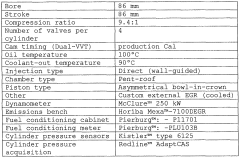
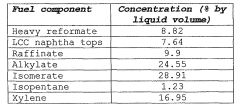
- A gasoline fuel formulation with a laminar burning velocity equal to or below that of isooctane at 1 bar and 300 K, reducing the likelihood of pre-ignition by increasing the minimum ignition energy, thus mitigating local heat release and premature combustion.

Engine simulation test device capable of realizing ultrahigh compression temperature and pressure
PatentActiveUS11959826B2
Innovation
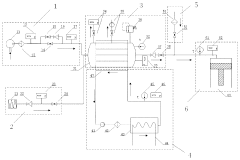
- An engine simulation test device comprising a compressed air inlet mechanism, nitrogen gas inlet mechanism, pressure stabilizing mechanism, cyclic heating mechanism, and fast compressor mechanism, which includes air and nitrogen gas introduction, pressure stabilization, heating, and adjustable gas composition to achieve ultrahigh compression temperatures and pressures, with the ability to control temperature and pressure up to 893 K and 150 bar.
Quality Control Standards for S58 Engine Manufacturing
Quality control standards for the S58 engine manufacturing process must adhere to rigorous compression test metrics to ensure optimal engine performance and longevity. These standards establish the acceptable parameters for cylinder compression across all production units. The primary compression test acceptance criteria include a minimum compression pressure of 180 psi (12.4 bar) for each cylinder, with a maximum variance of 7% between cylinders in the same engine block. This standardization ensures consistent power delivery and combustion efficiency across all production units.
The compression testing protocol requires measurements to be taken at engine operating temperature (90-100°C coolant temperature) with fully charged battery systems to ensure standardized starter motor performance during testing. All measurements must be recorded using calibrated digital compression testers with accuracy ratings of ±1.5% or better. Testing procedures mandate that all spark plugs be removed, throttle valves positioned at 100% open, and fuel injection disabled during the compression measurement process.
Statistical process control methods are implemented to monitor compression test results across production batches. Control charts track mean compression values and cylinder-to-cylinder variations, with alert thresholds set at ±5% deviation from target specifications. Any engine exhibiting compression readings below 175 psi or above 210 psi is automatically flagged for secondary inspection and potential rework.
Quality assurance documentation requires complete compression test data to be recorded in the engine's digital passport, including individual cylinder readings, testing conditions, and equipment calibration verification. This data becomes part of the engine's permanent manufacturing record and serves as reference for warranty claims analysis and continuous improvement initiatives.
Periodic calibration verification of testing equipment is mandated every 50 engine tests or weekly, whichever occurs first. The calibration process uses reference cylinders with known compression characteristics to ensure measurement consistency across all production lines and testing stations.
Failure analysis protocols specify that engines failing compression tests undergo root cause investigation, with findings categorized into material defects, assembly errors, or component tolerance issues. This data feeds back into the manufacturing process to drive continuous improvement in production techniques and component specifications, ultimately enhancing overall S58 engine quality and reliability.
The compression testing protocol requires measurements to be taken at engine operating temperature (90-100°C coolant temperature) with fully charged battery systems to ensure standardized starter motor performance during testing. All measurements must be recorded using calibrated digital compression testers with accuracy ratings of ±1.5% or better. Testing procedures mandate that all spark plugs be removed, throttle valves positioned at 100% open, and fuel injection disabled during the compression measurement process.
Statistical process control methods are implemented to monitor compression test results across production batches. Control charts track mean compression values and cylinder-to-cylinder variations, with alert thresholds set at ±5% deviation from target specifications. Any engine exhibiting compression readings below 175 psi or above 210 psi is automatically flagged for secondary inspection and potential rework.
Quality assurance documentation requires complete compression test data to be recorded in the engine's digital passport, including individual cylinder readings, testing conditions, and equipment calibration verification. This data becomes part of the engine's permanent manufacturing record and serves as reference for warranty claims analysis and continuous improvement initiatives.
Periodic calibration verification of testing equipment is mandated every 50 engine tests or weekly, whichever occurs first. The calibration process uses reference cylinders with known compression characteristics to ensure measurement consistency across all production lines and testing stations.
Failure analysis protocols specify that engines failing compression tests undergo root cause investigation, with findings categorized into material defects, assembly errors, or component tolerance issues. This data feeds back into the manufacturing process to drive continuous improvement in production techniques and component specifications, ultimately enhancing overall S58 engine quality and reliability.
Environmental Impact of Compression Test Procedures
The environmental impact of compression testing procedures for the S58 engine extends beyond the immediate performance metrics. Traditional compression testing methods often involve significant resource consumption, including fuel usage during warm-up cycles and coolant circulation. These processes generate greenhouse gas emissions directly proportional to the duration and frequency of tests. For a high-performance engine like the BMW S58, which undergoes rigorous quality control, the cumulative environmental footprint across production volumes becomes substantial.
Recent industry analyses indicate that a single comprehensive compression test cycle for performance engines can consume between 0.5-1.2 gallons of fuel, depending on test parameters. When multiplied across thousands of units in production, this represents a considerable carbon footprint. Additionally, the specialized testing equipment requires significant energy to operate, further contributing to the environmental impact.
Waste management presents another environmental concern. Compression testing often generates contaminated oil and coolant that require proper disposal. The S58's complex twin-turbo configuration necessitates more extensive testing procedures compared to conventional engines, potentially increasing waste generation. Industry data suggests that approximately 0.2-0.3 liters of various fluids per engine become waste during comprehensive testing procedures.
Noise pollution constitutes an often-overlooked environmental impact. High-compression engines like the S58 produce significant acoustic emissions during testing, particularly when evaluating maximum compression ratios. This necessitates sound-dampening infrastructure in testing facilities, which itself has embedded carbon costs in construction and maintenance.
Several manufacturers have begun implementing more environmentally responsible testing protocols. These include utilizing electric pre-heaters instead of running engines to achieve operating temperature, recycling test fluids through advanced filtration systems, and employing more efficient testing sequences that reduce overall runtime while maintaining diagnostic accuracy. BMW's own sustainability initiatives have targeted a 20% reduction in testing-related emissions by 2025.
The development of simulation-based preliminary testing has shown promise in reducing physical test requirements. Advanced computational models can now predict compression characteristics with increasing accuracy, potentially reducing the number of physical tests required. However, physical verification remains essential for final quality assurance, particularly for high-performance applications where the S58 engine is deployed.
Recent industry analyses indicate that a single comprehensive compression test cycle for performance engines can consume between 0.5-1.2 gallons of fuel, depending on test parameters. When multiplied across thousands of units in production, this represents a considerable carbon footprint. Additionally, the specialized testing equipment requires significant energy to operate, further contributing to the environmental impact.
Waste management presents another environmental concern. Compression testing often generates contaminated oil and coolant that require proper disposal. The S58's complex twin-turbo configuration necessitates more extensive testing procedures compared to conventional engines, potentially increasing waste generation. Industry data suggests that approximately 0.2-0.3 liters of various fluids per engine become waste during comprehensive testing procedures.
Noise pollution constitutes an often-overlooked environmental impact. High-compression engines like the S58 produce significant acoustic emissions during testing, particularly when evaluating maximum compression ratios. This necessitates sound-dampening infrastructure in testing facilities, which itself has embedded carbon costs in construction and maintenance.
Several manufacturers have begun implementing more environmentally responsible testing protocols. These include utilizing electric pre-heaters instead of running engines to achieve operating temperature, recycling test fluids through advanced filtration systems, and employing more efficient testing sequences that reduce overall runtime while maintaining diagnostic accuracy. BMW's own sustainability initiatives have targeted a 20% reduction in testing-related emissions by 2025.
The development of simulation-based preliminary testing has shown promise in reducing physical test requirements. Advanced computational models can now predict compression characteristics with increasing accuracy, potentially reducing the number of physical tests required. However, physical verification remains essential for final quality assurance, particularly for high-performance applications where the S58 engine is deployed.
Unlock deeper insights with PatSnap Eureka Quick Research — get a full tech report to explore trends and direct your research. Try now!
Generate Your Research Report Instantly with AI Agent
Supercharge your innovation with PatSnap Eureka AI Agent Platform!