

The Shift Towards PLA in Consumer Electronics
JUN 25, 20259 MIN READ
Generate Your Research Report Instantly with AI Agent
PatSnap Eureka helps you evaluate technical feasibility & market potential.
PLA in Electronics: Background and Objectives
Polylactic acid (PLA), a biodegradable and bioactive thermoplastic aliphatic polyester derived from renewable resources, has emerged as a promising material in the consumer electronics industry. The shift towards PLA in this sector represents a significant technological evolution, driven by increasing environmental concerns and the need for sustainable manufacturing practices.
The journey of PLA in electronics began in the early 2000s when researchers started exploring its potential as an eco-friendly alternative to traditional petroleum-based plastics. Initially, PLA was primarily used in packaging and disposable items. However, as technology advanced and material properties improved, its application expanded into more durable goods, including consumer electronics.
The primary objective of incorporating PLA into consumer electronics is to reduce the environmental impact of these devices throughout their lifecycle. This aligns with the growing global emphasis on circular economy principles and extended producer responsibility. By utilizing PLA, manufacturers aim to create products that are not only functional and aesthetically pleasing but also biodegradable or easily recyclable at the end of their useful life.
Another crucial goal is to meet the increasing consumer demand for environmentally friendly products. As awareness of environmental issues grows, consumers are becoming more conscious of the ecological footprint of their purchases. This shift in consumer preferences has prompted electronics manufacturers to explore and adopt more sustainable materials like PLA.
The technical objectives of PLA integration in electronics focus on enhancing its properties to meet the rigorous requirements of electronic devices. These include improving heat resistance, durability, and flame retardancy while maintaining PLA's inherent biodegradability. Researchers and engineers are working on developing PLA composites and blends that can match or exceed the performance of conventional plastics used in electronics.
Furthermore, the industry aims to optimize PLA production processes to make it more cost-effective and scalable for mass production of electronic components. This involves refining manufacturing techniques, exploring new sources of raw materials for PLA production, and developing efficient recycling methods for PLA-based electronic waste.
The evolution of PLA in consumer electronics also intersects with other technological trends, such as the Internet of Things (IoT) and wearable devices. As these technologies continue to proliferate, the demand for lightweight, flexible, and biocompatible materials increases, positioning PLA as a potential key player in future electronic innovations.
In conclusion, the shift towards PLA in consumer electronics represents a convergence of technological innovation, environmental responsibility, and changing consumer preferences. The background and objectives of this shift encompass a wide range of goals, from reducing environmental impact to meeting technical challenges, all while striving to create a more sustainable future for the electronics industry.
The journey of PLA in electronics began in the early 2000s when researchers started exploring its potential as an eco-friendly alternative to traditional petroleum-based plastics. Initially, PLA was primarily used in packaging and disposable items. However, as technology advanced and material properties improved, its application expanded into more durable goods, including consumer electronics.
The primary objective of incorporating PLA into consumer electronics is to reduce the environmental impact of these devices throughout their lifecycle. This aligns with the growing global emphasis on circular economy principles and extended producer responsibility. By utilizing PLA, manufacturers aim to create products that are not only functional and aesthetically pleasing but also biodegradable or easily recyclable at the end of their useful life.
Another crucial goal is to meet the increasing consumer demand for environmentally friendly products. As awareness of environmental issues grows, consumers are becoming more conscious of the ecological footprint of their purchases. This shift in consumer preferences has prompted electronics manufacturers to explore and adopt more sustainable materials like PLA.
The technical objectives of PLA integration in electronics focus on enhancing its properties to meet the rigorous requirements of electronic devices. These include improving heat resistance, durability, and flame retardancy while maintaining PLA's inherent biodegradability. Researchers and engineers are working on developing PLA composites and blends that can match or exceed the performance of conventional plastics used in electronics.
Furthermore, the industry aims to optimize PLA production processes to make it more cost-effective and scalable for mass production of electronic components. This involves refining manufacturing techniques, exploring new sources of raw materials for PLA production, and developing efficient recycling methods for PLA-based electronic waste.
The evolution of PLA in consumer electronics also intersects with other technological trends, such as the Internet of Things (IoT) and wearable devices. As these technologies continue to proliferate, the demand for lightweight, flexible, and biocompatible materials increases, positioning PLA as a potential key player in future electronic innovations.
In conclusion, the shift towards PLA in consumer electronics represents a convergence of technological innovation, environmental responsibility, and changing consumer preferences. The background and objectives of this shift encompass a wide range of goals, from reducing environmental impact to meeting technical challenges, all while striving to create a more sustainable future for the electronics industry.
Market Demand Analysis for PLA-based Electronics
The market demand for PLA-based electronics has been steadily growing in recent years, driven by increasing environmental awareness and regulatory pressures. Consumer electronics manufacturers are increasingly seeking sustainable alternatives to traditional petroleum-based plastics, with PLA emerging as a promising option.
The global market for bioplastics in electronics is projected to expand significantly over the next decade. This growth is fueled by consumer preferences for eco-friendly products and corporate sustainability initiatives. Major electronics companies have already begun incorporating PLA into their product lines, particularly in smartphone cases, laptop housings, and other peripheral devices.
One of the key drivers of market demand is the growing emphasis on circular economy principles. PLA's biodegradability and compostability align well with these principles, offering a potential solution to the electronic waste problem. This has led to increased interest from both consumers and manufacturers in PLA-based electronics.
The automotive industry's adoption of PLA for interior components has also spurred interest in the consumer electronics sector. As PLA technology improves and becomes more cost-effective, its application in electronics is expected to expand beyond simple casings to more complex components.
However, challenges remain in meeting the performance requirements of certain electronic applications. Heat resistance and durability are areas where PLA still lags behind traditional plastics. This has limited its use in some high-performance electronic components. Ongoing research and development efforts are focused on addressing these limitations, which could further boost market demand as improvements are made.
Regionally, the demand for PLA-based electronics is strongest in Europe and North America, where environmental regulations are stricter and consumer awareness of sustainability issues is higher. However, Asia-Pacific is expected to be the fastest-growing market, driven by the region's dominant position in electronics manufacturing and increasing environmental concerns.
The COVID-19 pandemic has had a mixed impact on the market for PLA-based electronics. While it initially disrupted supply chains and manufacturing, it has also heightened awareness of environmental issues and health concerns, potentially accelerating the shift towards more sustainable materials in consumer products.
Looking ahead, the market demand for PLA in consumer electronics is expected to continue its upward trajectory. As technology improves and economies of scale are achieved, PLA-based electronics are likely to become more competitive with traditional plastics, further driving adoption across a wider range of products and applications.
The global market for bioplastics in electronics is projected to expand significantly over the next decade. This growth is fueled by consumer preferences for eco-friendly products and corporate sustainability initiatives. Major electronics companies have already begun incorporating PLA into their product lines, particularly in smartphone cases, laptop housings, and other peripheral devices.
One of the key drivers of market demand is the growing emphasis on circular economy principles. PLA's biodegradability and compostability align well with these principles, offering a potential solution to the electronic waste problem. This has led to increased interest from both consumers and manufacturers in PLA-based electronics.
The automotive industry's adoption of PLA for interior components has also spurred interest in the consumer electronics sector. As PLA technology improves and becomes more cost-effective, its application in electronics is expected to expand beyond simple casings to more complex components.
However, challenges remain in meeting the performance requirements of certain electronic applications. Heat resistance and durability are areas where PLA still lags behind traditional plastics. This has limited its use in some high-performance electronic components. Ongoing research and development efforts are focused on addressing these limitations, which could further boost market demand as improvements are made.
Regionally, the demand for PLA-based electronics is strongest in Europe and North America, where environmental regulations are stricter and consumer awareness of sustainability issues is higher. However, Asia-Pacific is expected to be the fastest-growing market, driven by the region's dominant position in electronics manufacturing and increasing environmental concerns.
The COVID-19 pandemic has had a mixed impact on the market for PLA-based electronics. While it initially disrupted supply chains and manufacturing, it has also heightened awareness of environmental issues and health concerns, potentially accelerating the shift towards more sustainable materials in consumer products.
Looking ahead, the market demand for PLA in consumer electronics is expected to continue its upward trajectory. As technology improves and economies of scale are achieved, PLA-based electronics are likely to become more competitive with traditional plastics, further driving adoption across a wider range of products and applications.
Current State and Challenges of PLA in Electronics
The adoption of Polylactic Acid (PLA) in consumer electronics has gained significant momentum in recent years, driven by the increasing demand for sustainable materials. Currently, PLA is being utilized in various electronic components, including casings, packaging, and internal structures. Major electronics manufacturers have begun incorporating PLA into their product lines, particularly in smaller devices such as smartphones, tablets, and wearables.
Despite its growing popularity, PLA faces several challenges in the electronics industry. One of the primary concerns is its thermal stability, as PLA has a relatively low glass transition temperature compared to traditional plastics used in electronics. This limitation can affect the material's performance in high-temperature environments, potentially leading to deformation or reduced durability of electronic devices.
Another significant challenge is the need for improved flame retardancy. Electronics often require materials that meet strict fire safety standards, and while progress has been made in developing flame-retardant PLA composites, further advancements are necessary to meet industry regulations consistently.
The mechanical properties of PLA, particularly its brittleness and impact resistance, also present challenges for its widespread adoption in electronics. Manufacturers are actively researching ways to enhance these properties through blending with other polymers or incorporating reinforcing agents.
From a processing standpoint, PLA requires careful control during manufacturing to ensure consistent quality and performance. The material's sensitivity to moisture and potential for hydrolysis during processing can lead to variations in the final product's properties, necessitating specialized equipment and expertise.
Recycling and end-of-life management of PLA-based electronic components pose additional challenges. While PLA is biodegradable under specific conditions, the complex nature of electronic waste makes it difficult to separate and process PLA components effectively. The electronics industry is still developing infrastructure and processes to handle PLA recycling at scale.
Despite these challenges, ongoing research and development efforts are addressing many of these issues. Innovations in PLA formulations, such as the development of heat-resistant grades and improved additives, are expanding the material's potential applications in electronics. Additionally, advancements in processing technologies and the growing expertise in working with bioplastics are gradually overcoming many of the current limitations.
The electronics industry's shift towards PLA is part of a broader trend towards sustainable materials and circular economy principles. As environmental regulations become more stringent and consumer demand for eco-friendly products increases, the pressure to overcome these challenges and fully integrate PLA into electronic devices continues to grow.
Despite its growing popularity, PLA faces several challenges in the electronics industry. One of the primary concerns is its thermal stability, as PLA has a relatively low glass transition temperature compared to traditional plastics used in electronics. This limitation can affect the material's performance in high-temperature environments, potentially leading to deformation or reduced durability of electronic devices.
Another significant challenge is the need for improved flame retardancy. Electronics often require materials that meet strict fire safety standards, and while progress has been made in developing flame-retardant PLA composites, further advancements are necessary to meet industry regulations consistently.
The mechanical properties of PLA, particularly its brittleness and impact resistance, also present challenges for its widespread adoption in electronics. Manufacturers are actively researching ways to enhance these properties through blending with other polymers or incorporating reinforcing agents.
From a processing standpoint, PLA requires careful control during manufacturing to ensure consistent quality and performance. The material's sensitivity to moisture and potential for hydrolysis during processing can lead to variations in the final product's properties, necessitating specialized equipment and expertise.
Recycling and end-of-life management of PLA-based electronic components pose additional challenges. While PLA is biodegradable under specific conditions, the complex nature of electronic waste makes it difficult to separate and process PLA components effectively. The electronics industry is still developing infrastructure and processes to handle PLA recycling at scale.
Despite these challenges, ongoing research and development efforts are addressing many of these issues. Innovations in PLA formulations, such as the development of heat-resistant grades and improved additives, are expanding the material's potential applications in electronics. Additionally, advancements in processing technologies and the growing expertise in working with bioplastics are gradually overcoming many of the current limitations.
The electronics industry's shift towards PLA is part of a broader trend towards sustainable materials and circular economy principles. As environmental regulations become more stringent and consumer demand for eco-friendly products increases, the pressure to overcome these challenges and fully integrate PLA into electronic devices continues to grow.
Existing PLA Solutions in Consumer Electronics
01 PLA-based composite materials
Development of composite materials using PLA as a base polymer, incorporating various additives or reinforcing agents to enhance properties such as strength, durability, and biodegradability. These composites can be used in a wide range of applications, from packaging to medical devices.- PLA Composition and Synthesis: Polylactic Acid (PLA) is a biodegradable polymer derived from renewable resources. It is synthesized through the polymerization of lactic acid monomers. The composition and synthesis methods of PLA can be modified to enhance its properties for various applications.
- PLA Blends and Composites: PLA can be blended with other materials or used to create composites to improve its mechanical properties, thermal stability, and biodegradability. These blends and composites expand the range of applications for PLA in various industries.
- PLA Processing Techniques: Various processing techniques can be applied to PLA, including extrusion, injection molding, and 3D printing. These methods allow for the production of diverse PLA-based products with specific shapes and properties tailored to different applications.
- PLA Surface Modification: Surface modification techniques can be applied to PLA to enhance its properties such as hydrophilicity, adhesion, or biocompatibility. These modifications expand the potential applications of PLA in fields like biomedicine and packaging.
- PLA Degradation and Recycling: The biodegradability and recyclability of PLA are key advantages. Research focuses on optimizing degradation rates and developing efficient recycling processes to enhance the environmental sustainability of PLA-based products.
02 PLA processing techniques
Innovative methods for processing PLA, including extrusion, injection molding, and 3D printing. These techniques aim to improve the material's performance, reduce production costs, and expand its potential applications in various industries.Expand Specific Solutions03 PLA blends and copolymers
Creation of PLA blends and copolymers with other biodegradable or non-biodegradable polymers to achieve specific properties. These blends can enhance the material's flexibility, impact resistance, or thermal stability, making it suitable for a broader range of applications.Expand Specific Solutions04 PLA surface modifications
Development of surface modification techniques for PLA to improve its compatibility with other materials, enhance its barrier properties, or introduce specific functionalities. These modifications can include plasma treatment, chemical grafting, or coating applications.Expand Specific Solutions05 PLA degradation and recycling
Research into the degradation mechanisms of PLA and development of efficient recycling processes. This includes studies on enzymatic degradation, composting conditions, and chemical recycling methods to address end-of-life issues and promote circular economy principles.Expand Specific Solutions
Key Players in PLA and Electronics Manufacturing
The shift towards PLA in consumer electronics is in its growth phase, with increasing market size driven by sustainability demands. The technology is maturing rapidly, as evidenced by the involvement of major players like IBM, DuPont, and 3M Innovative Properties Co. Universities such as Sichuan University and Colorado State University are contributing to research advancements. The market is diversifying with specialized companies like Diversified Biotech, Inc. and Arctic Biomaterials Oy focusing on PLA applications. Established corporations like International Paper Co. and Stora Enso Oyj are also entering this space, indicating a broadening industrial interest. The competitive landscape is dynamic, with a mix of tech giants, material science companies, and innovative startups vying for market share in this emerging field.
DuPont de Nemours, Inc.
Technical Solution: DuPont has developed a range of bio-based and biodegradable polymers, including Sorona, a partially bio-based polyester made from corn-derived propanediol. They have also introduced Nucrel, a bio-based packaging resin. DuPont's approach focuses on creating sustainable alternatives to traditional plastics while maintaining or improving performance characteristics. Their research extends to developing PLA (polylactic acid) blends and composites to enhance properties such as heat resistance and durability.
Strengths: Strong R&D capabilities, established market presence, and a diverse product portfolio. Weaknesses: Higher production costs compared to traditional plastics, and potential limitations in certain high-performance applications.
International Paper Co.
Technical Solution: International Paper has been investing in research and development of PLA-based packaging solutions. They have developed a range of biodegradable and compostable packaging materials using PLA blends. Their approach includes creating multi-layer structures that combine PLA with other bio-based materials to enhance barrier properties and durability. The company has also been working on improving the heat resistance and flexibility of PLA-based packaging to expand its applications in various consumer electronics packaging scenarios.
Strengths: Extensive experience in packaging, global distribution network, and strong customer relationships. Weaknesses: Relatively new to PLA technology, potential challenges in scaling up production.
Core Innovations in PLA for Electronics Applications
Portable electronic device cover comprising renewable polyamide resin composition
PatentActiveUS20090281229A1
Innovation
- A portable electronic device cover comprising a renewable thermoplastic composition of polyamides with at least 50% modern carbon content, combined with fibrous, non-circular, and mineral reinforcing agents, and impact modifiers, which are derived from bio-sourced materials and processed to maintain transparency and mechanical properties.


Polymer alcoholysis
PatentInactiveUS20180051156A1
Innovation
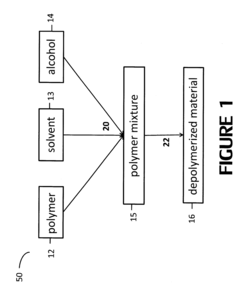
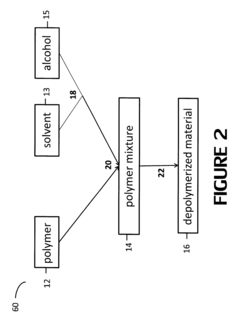
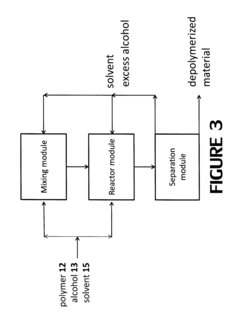
- A method involving contacting PLA with a solvent and an alcohol at a temperature below the boiling point of the polymeric mixture to achieve partial or complete degradation, reducing molecular weight and facilitating the production of oligomers and monomers, which can be reused as plasticizers or feedstock.
Environmental Impact and Sustainability Assessment
The shift towards PLA (Polylactic Acid) in consumer electronics represents a significant step towards more sustainable manufacturing practices. PLA, derived from renewable resources such as corn starch or sugarcane, offers a biodegradable alternative to traditional petroleum-based plastics. This transition aligns with growing environmental concerns and regulatory pressures to reduce plastic waste and carbon footprints in the electronics industry.
From a lifecycle perspective, PLA demonstrates several environmental advantages. Its production process typically requires less energy and generates fewer greenhouse gas emissions compared to conventional plastics. The renewable nature of its raw materials also contributes to a reduced dependency on fossil fuels. Furthermore, PLA's biodegradability under specific conditions can potentially mitigate the long-term environmental impact of electronic waste.
However, the environmental benefits of PLA in consumer electronics are not without caveats. The agricultural production of PLA feedstocks raises concerns about land use, water consumption, and potential competition with food crops. Additionally, while PLA is biodegradable, it requires industrial composting facilities to break down effectively, which are not universally available.
In terms of sustainability, the adoption of PLA in consumer electronics presents both opportunities and challenges. On one hand, it supports circular economy principles by offering a more sustainable end-of-life scenario for electronic components. On the other hand, the current limitations in recycling infrastructure for bioplastics may hinder the realization of its full environmental potential.
The durability and performance characteristics of PLA in electronic applications also factor into its overall sustainability assessment. While advancements have been made, concerns persist about PLA's heat resistance and mechanical properties compared to traditional plastics. These factors can impact the longevity of electronic devices, potentially offsetting some of the material's environmental benefits if it leads to shorter product lifespans.
As the industry continues to explore and refine the use of PLA in consumer electronics, ongoing research and development efforts are crucial. These include improving PLA's material properties, optimizing production processes, and developing more efficient recycling and composting systems. Such advancements will be key to maximizing the environmental benefits and overall sustainability of PLA in electronic applications.
From a lifecycle perspective, PLA demonstrates several environmental advantages. Its production process typically requires less energy and generates fewer greenhouse gas emissions compared to conventional plastics. The renewable nature of its raw materials also contributes to a reduced dependency on fossil fuels. Furthermore, PLA's biodegradability under specific conditions can potentially mitigate the long-term environmental impact of electronic waste.
However, the environmental benefits of PLA in consumer electronics are not without caveats. The agricultural production of PLA feedstocks raises concerns about land use, water consumption, and potential competition with food crops. Additionally, while PLA is biodegradable, it requires industrial composting facilities to break down effectively, which are not universally available.
In terms of sustainability, the adoption of PLA in consumer electronics presents both opportunities and challenges. On one hand, it supports circular economy principles by offering a more sustainable end-of-life scenario for electronic components. On the other hand, the current limitations in recycling infrastructure for bioplastics may hinder the realization of its full environmental potential.
The durability and performance characteristics of PLA in electronic applications also factor into its overall sustainability assessment. While advancements have been made, concerns persist about PLA's heat resistance and mechanical properties compared to traditional plastics. These factors can impact the longevity of electronic devices, potentially offsetting some of the material's environmental benefits if it leads to shorter product lifespans.
As the industry continues to explore and refine the use of PLA in consumer electronics, ongoing research and development efforts are crucial. These include improving PLA's material properties, optimizing production processes, and developing more efficient recycling and composting systems. Such advancements will be key to maximizing the environmental benefits and overall sustainability of PLA in electronic applications.
Regulatory Framework for Bioplastics in Electronics
The regulatory landscape for bioplastics in electronics is rapidly evolving as governments and international bodies recognize the need to address the environmental impact of electronic waste. In the European Union, the Waste Electrical and Electronic Equipment (WEEE) Directive has been amended to include specific provisions for bioplastics, encouraging their use in electronic products. The directive now requires manufacturers to consider the end-of-life recyclability of bioplastic components and provides incentives for designs that facilitate easier separation and recycling of these materials.
In the United States, the Environmental Protection Agency (EPA) has introduced guidelines for the use of bioplastics in electronics, focusing on their biodegradability and potential for composting. These guidelines aim to prevent greenwashing and ensure that bioplastic components truly offer environmental benefits. The EPA has also established a certification program for bioplastic materials used in electronic devices, which considers factors such as toxicity, carbon footprint, and end-of-life management.
Asian countries, particularly Japan and South Korea, have taken proactive steps in regulating bioplastics in electronics. Japan's Home Appliance Recycling Law now includes specific provisions for bioplastic components, mandating their proper disposal and recycling. South Korea has implemented a Green Certification system that offers tax incentives to manufacturers using certified bioplastic materials in their electronic products.
International standards organizations, such as the International Electrotechnical Commission (IEC) and the International Organization for Standardization (ISO), have developed new standards for bioplastics in electronics. These standards address issues such as material composition, performance requirements, and testing methodologies to ensure the safety and reliability of bioplastic components in electronic devices.
The regulatory framework also extends to labeling requirements. Many jurisdictions now mandate clear labeling of bioplastic components in electronic products, including information on their composition, recyclability, and proper disposal methods. This transparency aims to educate consumers and facilitate responsible end-of-life management of electronic devices.
As the shift towards PLA and other bioplastics in consumer electronics gains momentum, regulatory bodies are also focusing on the development of recycling infrastructure. Governments are investing in research and development of new recycling technologies specifically designed for bioplastic electronic components. Additionally, extended producer responsibility (EPR) programs are being expanded to include bioplastics, placing greater onus on manufacturers to ensure the proper collection and recycling of their products at the end of their lifecycle.
In the United States, the Environmental Protection Agency (EPA) has introduced guidelines for the use of bioplastics in electronics, focusing on their biodegradability and potential for composting. These guidelines aim to prevent greenwashing and ensure that bioplastic components truly offer environmental benefits. The EPA has also established a certification program for bioplastic materials used in electronic devices, which considers factors such as toxicity, carbon footprint, and end-of-life management.
Asian countries, particularly Japan and South Korea, have taken proactive steps in regulating bioplastics in electronics. Japan's Home Appliance Recycling Law now includes specific provisions for bioplastic components, mandating their proper disposal and recycling. South Korea has implemented a Green Certification system that offers tax incentives to manufacturers using certified bioplastic materials in their electronic products.
International standards organizations, such as the International Electrotechnical Commission (IEC) and the International Organization for Standardization (ISO), have developed new standards for bioplastics in electronics. These standards address issues such as material composition, performance requirements, and testing methodologies to ensure the safety and reliability of bioplastic components in electronic devices.
The regulatory framework also extends to labeling requirements. Many jurisdictions now mandate clear labeling of bioplastic components in electronic products, including information on their composition, recyclability, and proper disposal methods. This transparency aims to educate consumers and facilitate responsible end-of-life management of electronic devices.
As the shift towards PLA and other bioplastics in consumer electronics gains momentum, regulatory bodies are also focusing on the development of recycling infrastructure. Governments are investing in research and development of new recycling technologies specifically designed for bioplastic electronic components. Additionally, extended producer responsibility (EPR) programs are being expanded to include bioplastics, placing greater onus on manufacturers to ensure the proper collection and recycling of their products at the end of their lifecycle.
Unlock deeper insights with PatSnap Eureka Quick Research — get a full tech report to explore trends and direct your research. Try now!
Generate Your Research Report Instantly with AI Agent
Supercharge your innovation with PatSnap Eureka AI Agent Platform!