
Assay
A phosphatase and diabetes technology, applied in the field of phosphatase action and inhibition, can solve the problems of reducing liver glucose, increasing glucose utilization, and unclear mechanism
Patent Information
- Authority / Receiving Office
- CN · China
- Current Assignee / Owner
- Publication Date
- 2009-11-25
- Estimated Expiration
- Not applicable · inactive patent
Smart Images
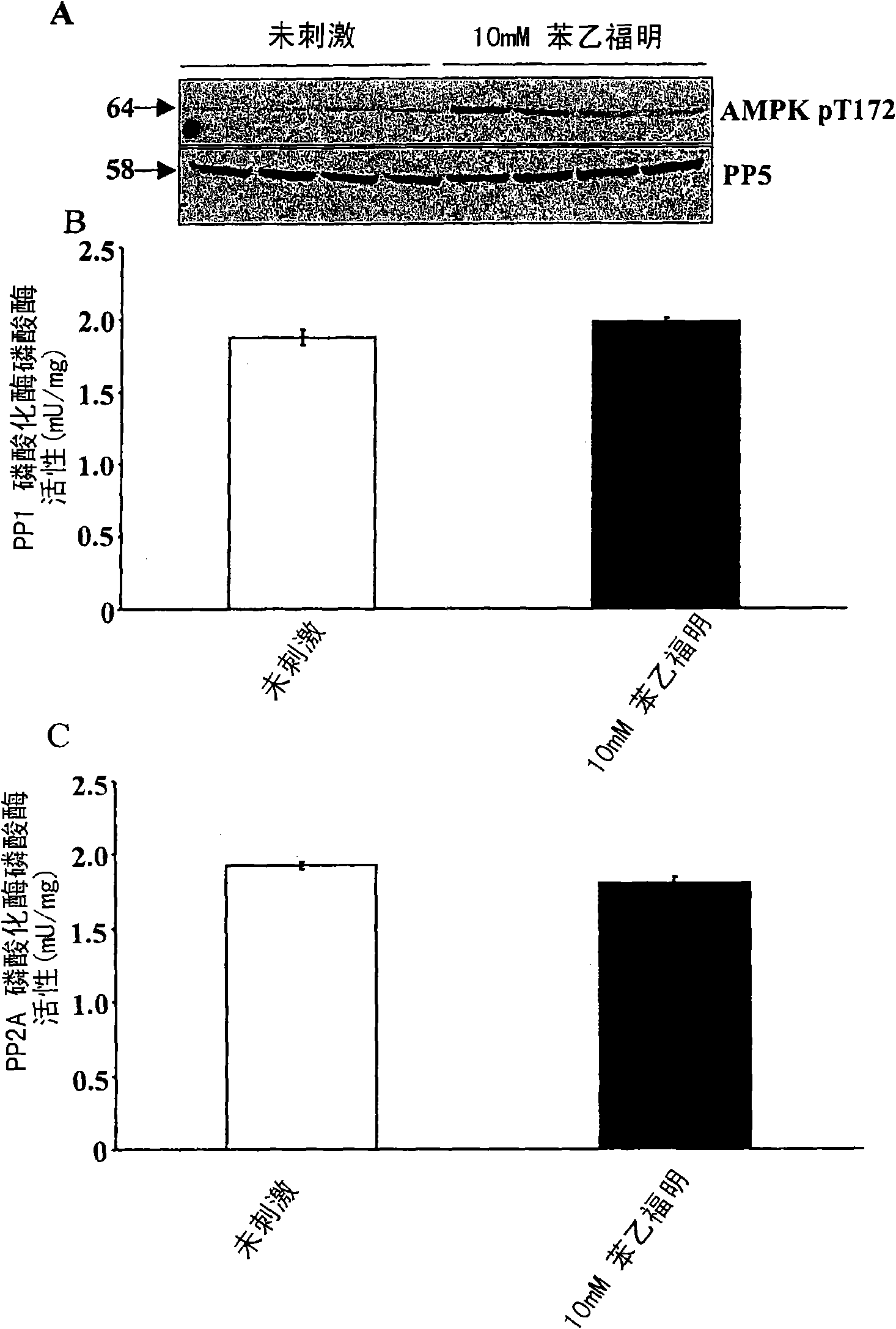
Figure 1 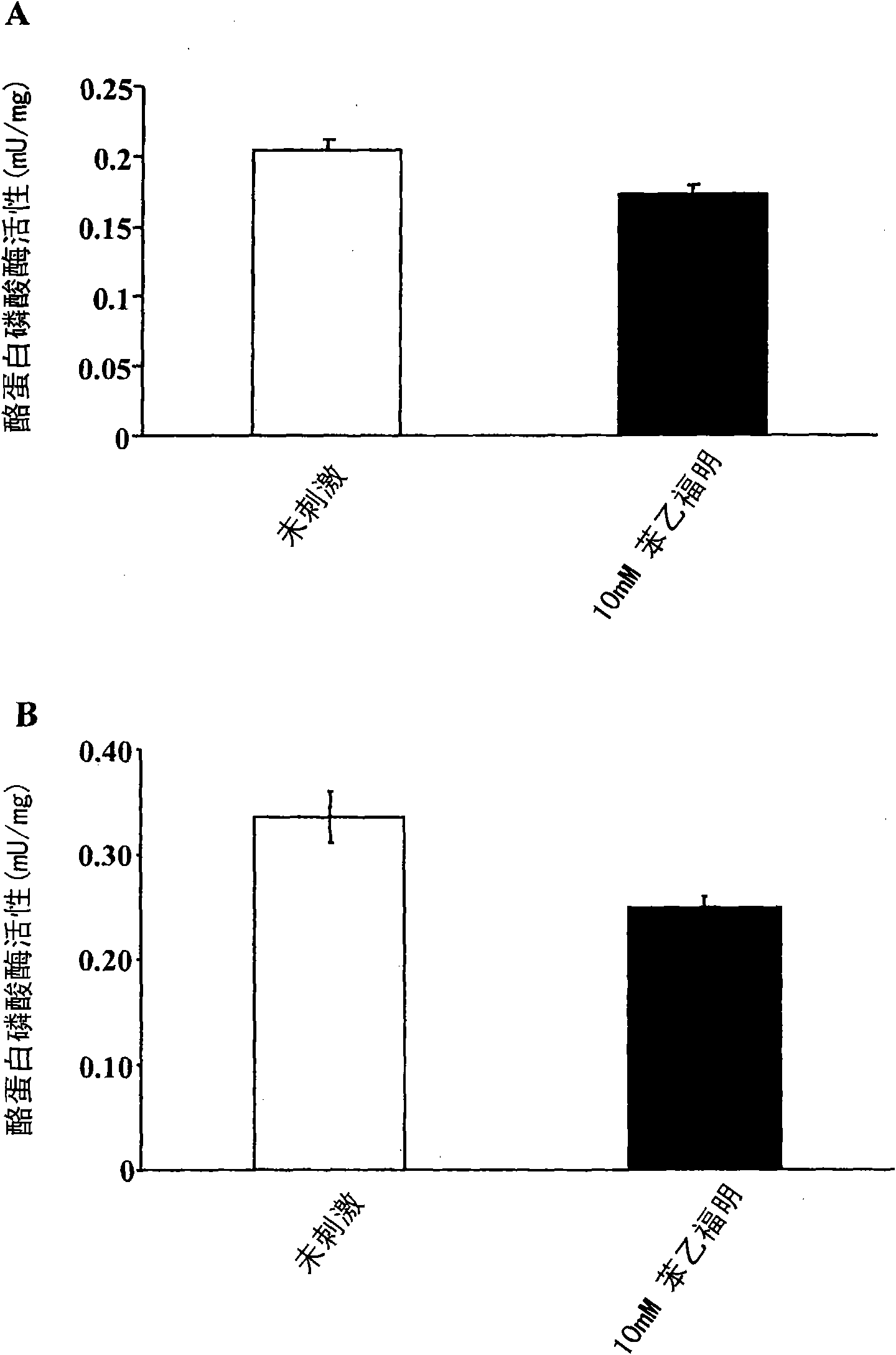
Figure 2 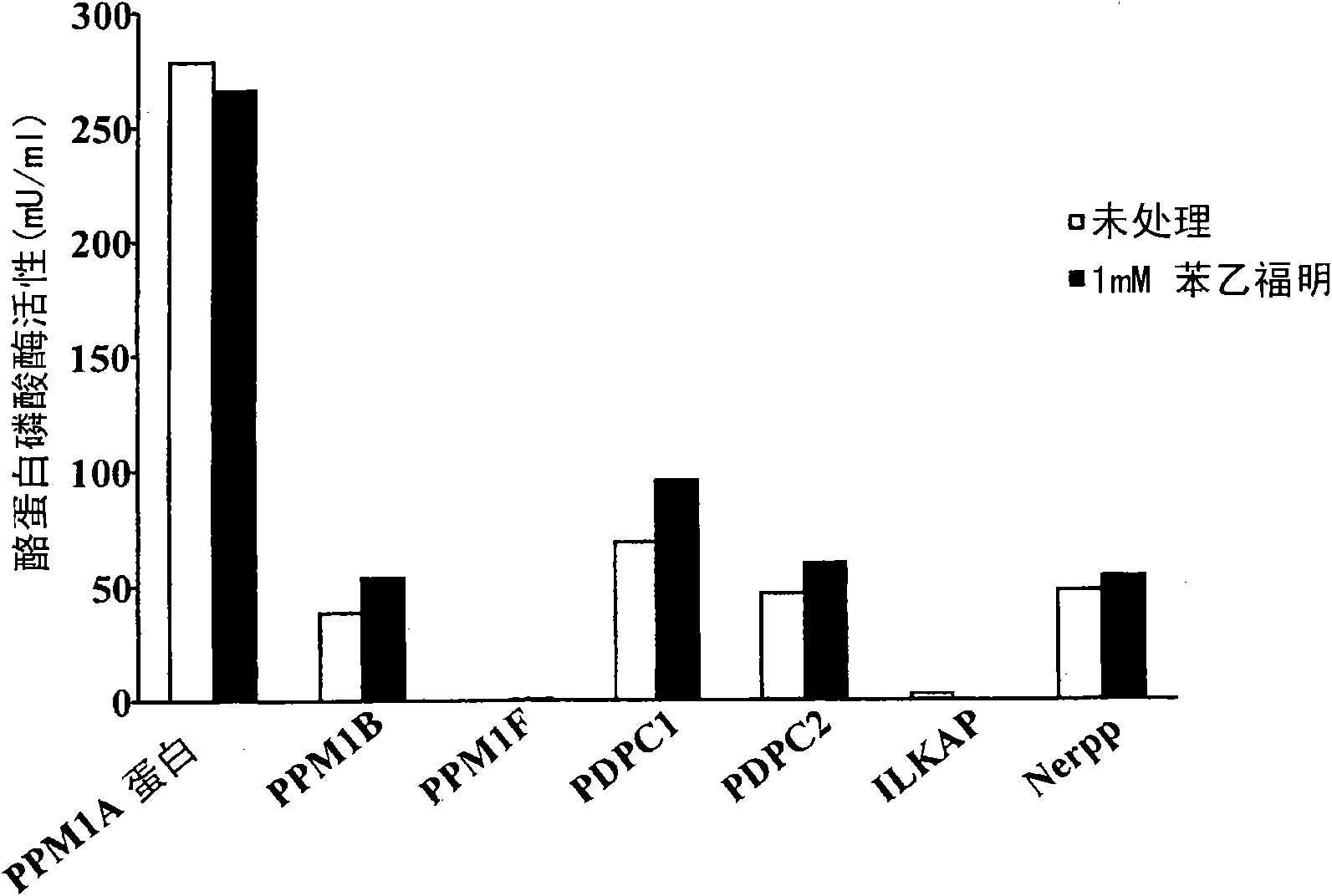
Figure 3
Abstract
Description
technical field
[0001] The present invention relates to the field of phosphatase action and inhibition, and also to diseases related to glucose metabolism / regulation, such as diabetes and obesity. Background technique
[0002] Metformin is a biguanide compound known to be used in the treatment of diabetes. The target of methformin is unknown. Meformin acts as a mitochondrial toxin.
[0003] Phenformin is an analog of meformin and is also a biguanide compound. Phenylformin has been used in the treatment of diabetes. The target of phenformin is unknown. Phenylformin is a potent mitochondrial toxin. Phenylform showed side effects including severe lactic acidosis. This can be fatal and has been shown to be fatal. The presence of these side effects, such as lactic acidosis, has led to the withdrawal of phenformin as a diabetes treatment in most countries of the world.
[0004] AMP-activated protein kinase (AMP-activated protein kinase) has been considered as a key regulat...
Examples
Embodiment Construction
[0040] Meformin is one of the main drugs in the treatment of type II diabetes. Although the mechanism of action is not clear, it can enhance the activity of AMPK. Normally AMPK is activated in response to increased levels of AMP by phosphorylation of threonine residues within the catalytic site of the alpha subunit. After incubation of HEK293 and HeLa cells with the meformin analogue phenformin, magnesium-dependent phenotypes with okadaic acid resistance were shown by protein phosphatase activity assays in response to phenformin or meformin The activity of casein phosphatase was reduced by about 20%. Further studies showed that the activities of two closely related PPM family protein phosphatases, PPM1E and PPM1F, were also inhibited after HEK293 was incubated with phenformol, revealing that they may be directly and / or indirectly regulated by phenformin. targeting, and leads to an increase in AMPK activity. The present invention is based on these surprising discoveries.
[...