
Method for determining content of monomer aromatic hydrocarbons in gasoline through gas chromatography
A technology of aromatics content and gas chromatography, which is applied in the field of determination of aromatics content in gasoline by gas chromatography, can solve the problems of difficult establishment and large dead volume of valve switching system, and achieves easy establishment and operation, good repeatability and good technical effect Effect
Patent Information
- Authority / Receiving Office
- CN · China
- Patent Type
- Patents(China)
- Current Assignee / Owner
- Publication Date
- 2014-07-23
Smart Images
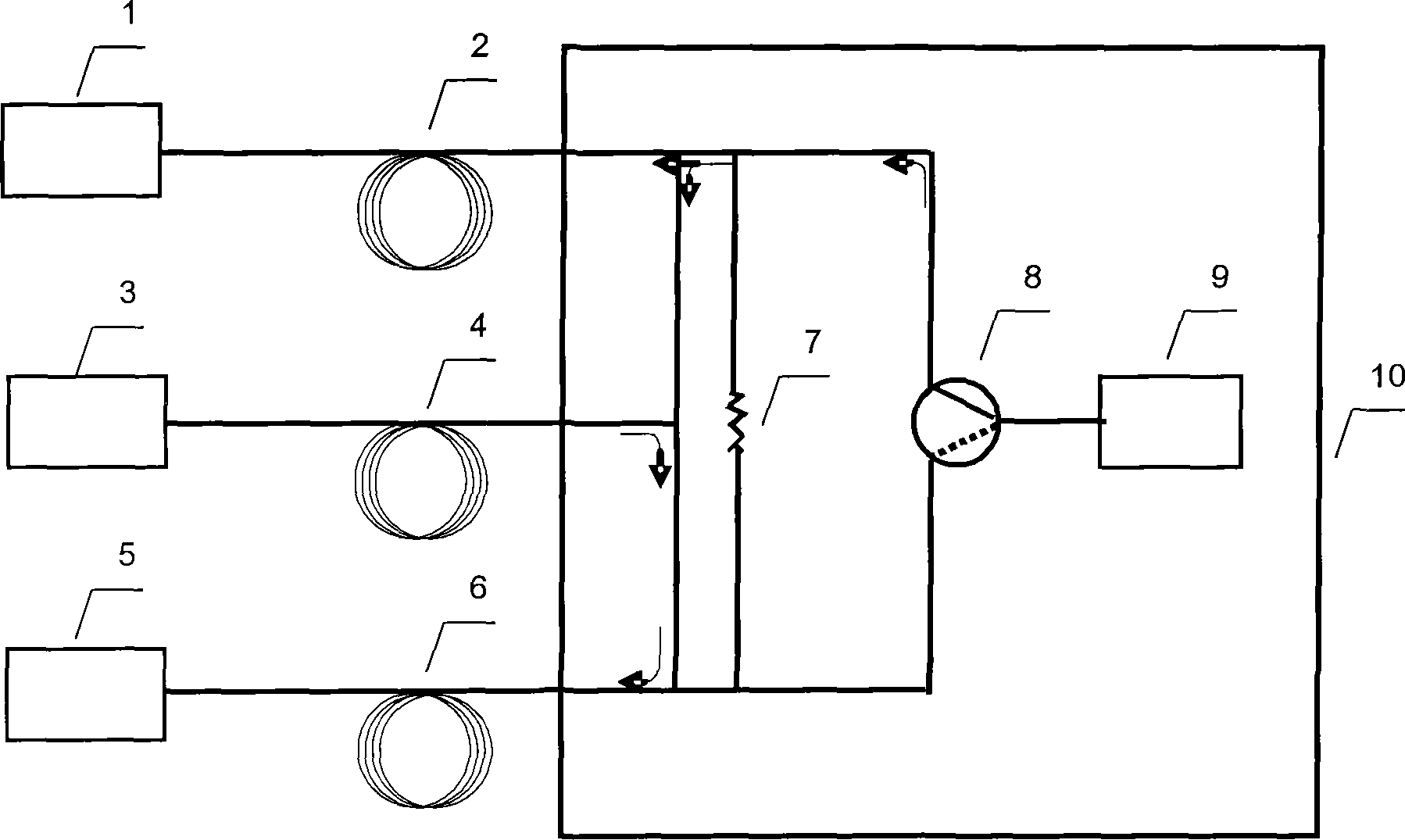
Figure 1 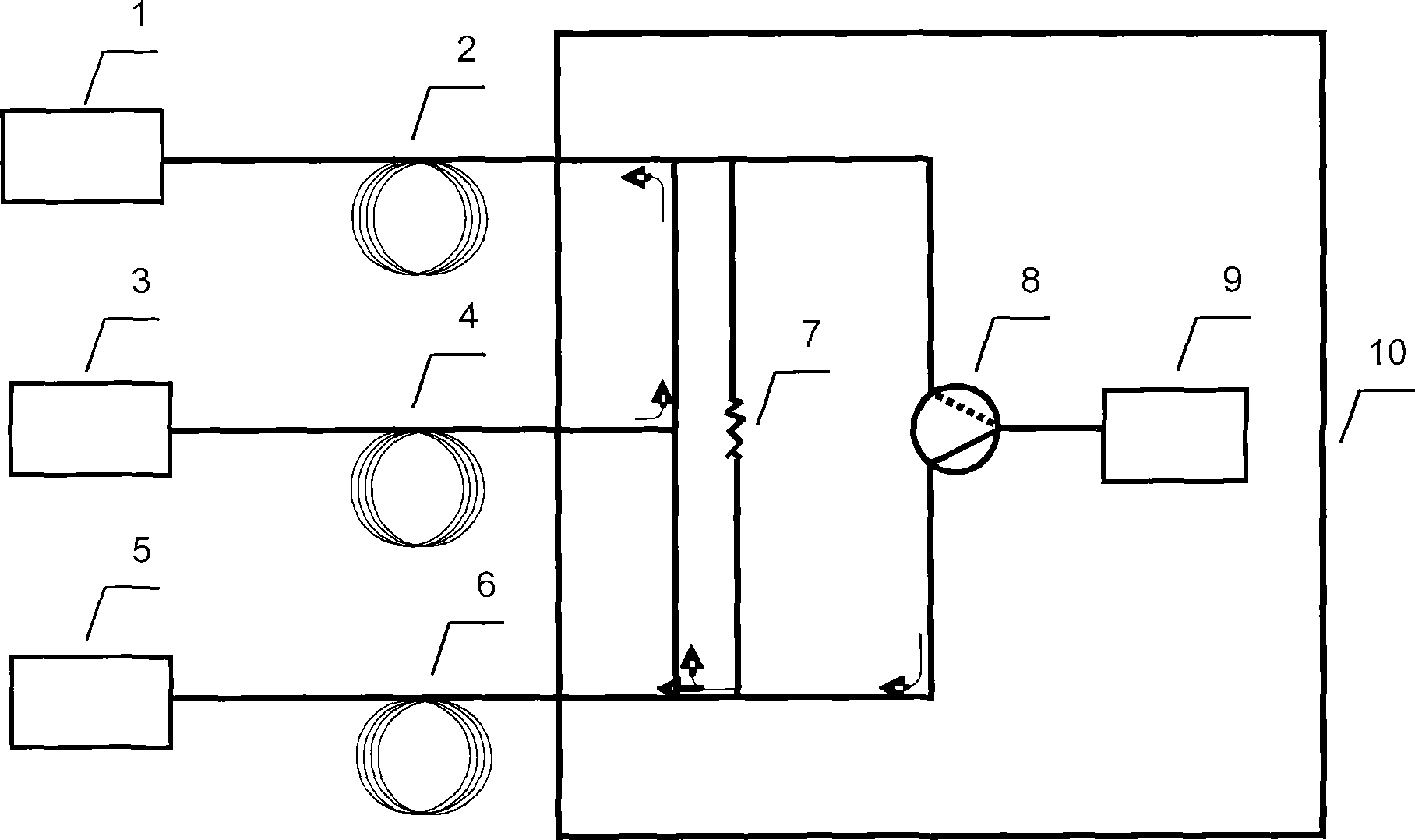
Figure 2 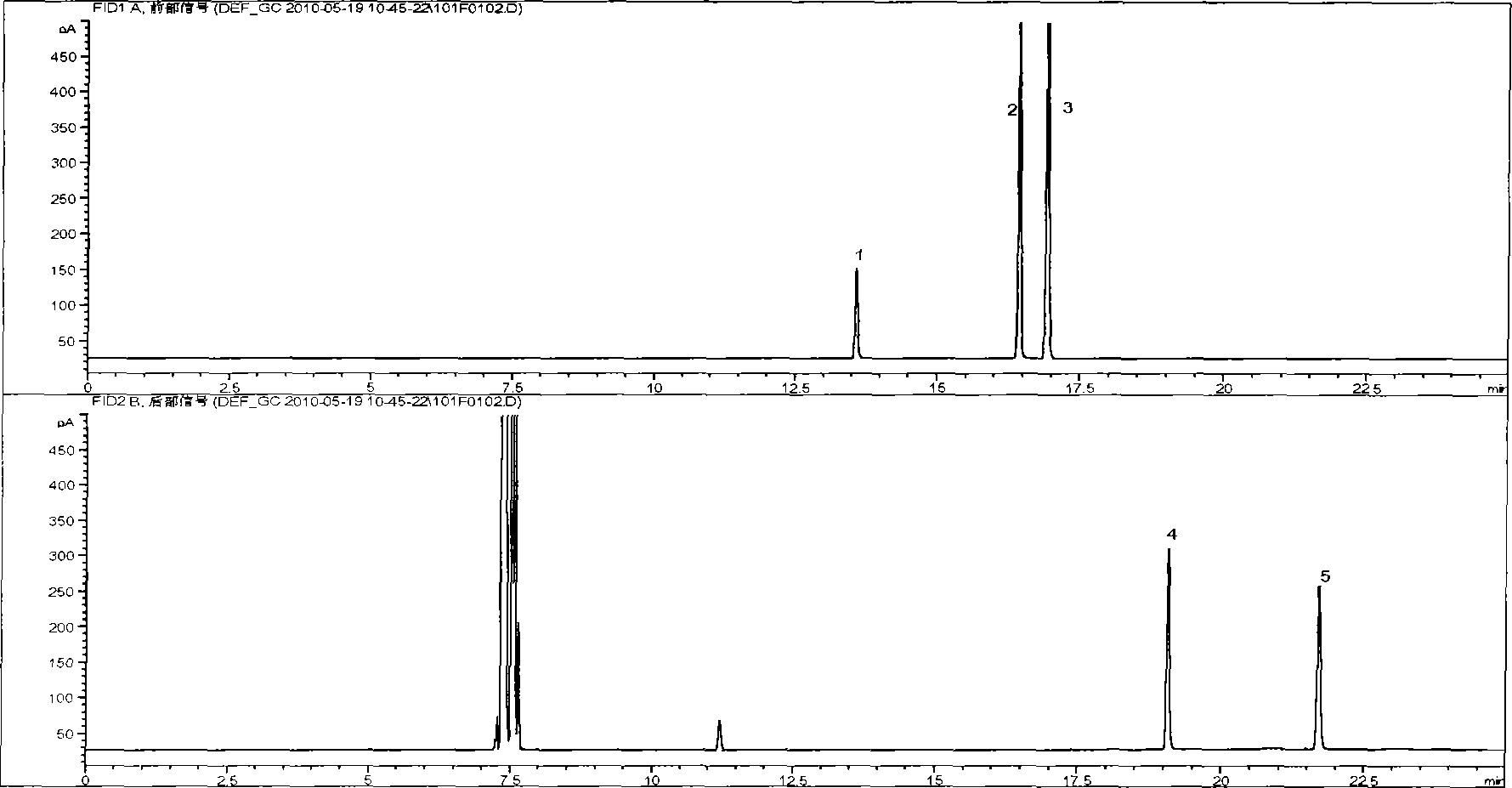
Figure 3
Abstract
Description
technical field
[0001] The invention relates to a method for determining the content of aromatics in gasoline by gas chromatography. Background technique
[0002] Benzene content and total aromatics in motor gasoline are important quality control indicators, and the content of other aromatic components is also an important parameter affecting the quality and performance of gasoline. Because benzene and aromatics are potentially harmful to the human body and the environment, the national standard stipulates that the benzene content in motor gasoline must not be higher than 2.5% (volume fraction); the total amount of aromatics must not be higher than 40% (volume fraction). The current standard methods for determining the content of aromatics in gasoline include industry standards SH / T 0713-2002 "Determination of Benzene and Toluene in Motor Gasoline and Aviation Gasoline by Gas Chromatography", SH / T 0693-2000 "Determination of Aromatics in Gasoline" Gas Chromatography", SH / T0...
Examples
Embodiment 1
[0021] According to the flow chart of Figure 1, the standard samples I~V containing benzene, toluene, internal standard 2-pentanone, o-xylene and 1,2,4-trimethylbenzene were analyzed. The typical chromatographic analysis conditions are shown in Table 1. The composition of the samples is shown in Table 2. Calibration curves were drawn with standard samples I to V, and the calibration curves were used for quantitative calculation of actual samples. Then, the standard sample II was used as the sample to be tested, and the measurement was repeated 5 times. Quantitative calculations were carried out for benzene, toluene, o-xylene and 1,2,4-trimethylbenzene from the calibration curve, and the precision and accuracy of the method were investigated. Standard sample analysis results are shown in Table 3, and the chromatogram of standard sample I is shown in Table 3. figure 2 .
[0022] Table 1 Typical chromatographic analysis conditions
[0023]
[0024] Table 2 The composition ...