
Sea purslane phytoene dehydrogenase gene and construction of VIGS silencing system
A technology of phytoene and hippocampus, applied in the field of genetic engineering, can solve the problems of few reports, immature genetic transformation system of hippocampus, scarcity of genetic transformation result detection means, etc. The effect of good stability
Patent Information
- Authority / Receiving Office
- CN · China
- Patent Type
- Applications(China)
- Current Assignee / Owner
- Publication Date
- 2022-08-02
Smart Images
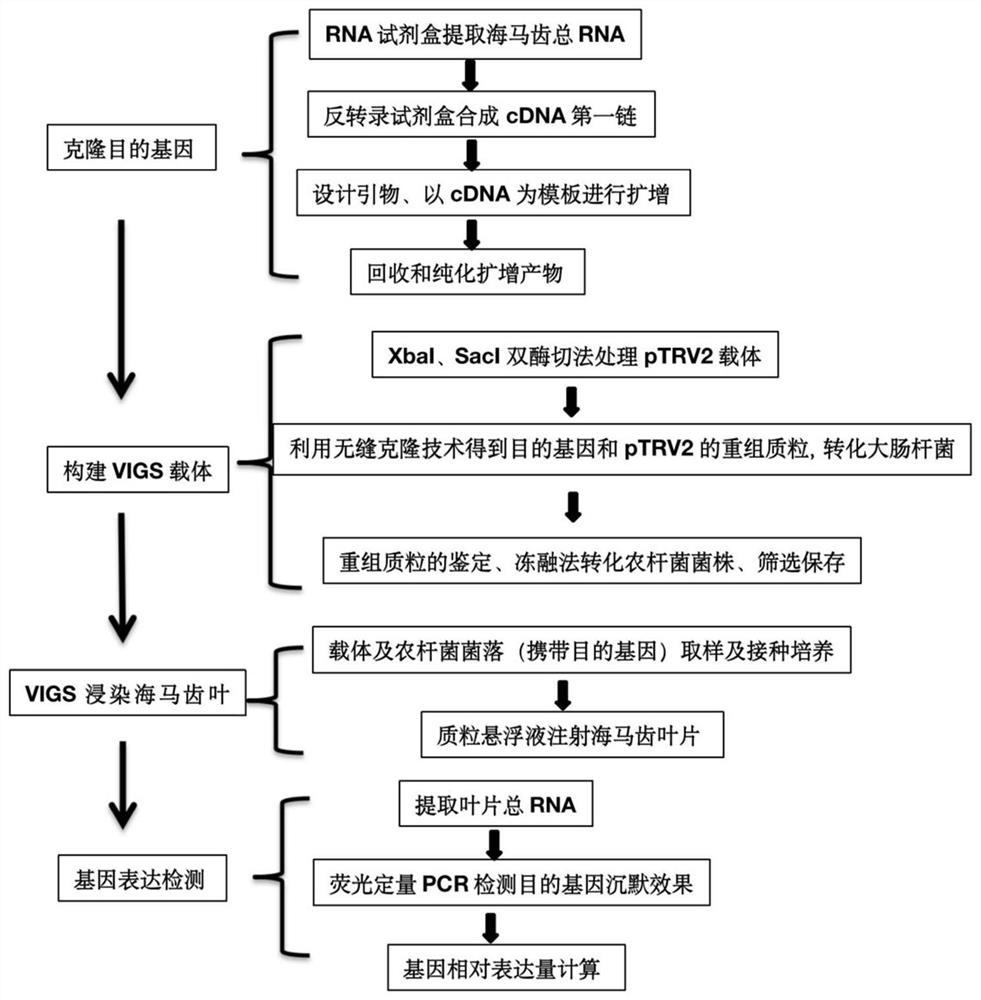
Figure 1 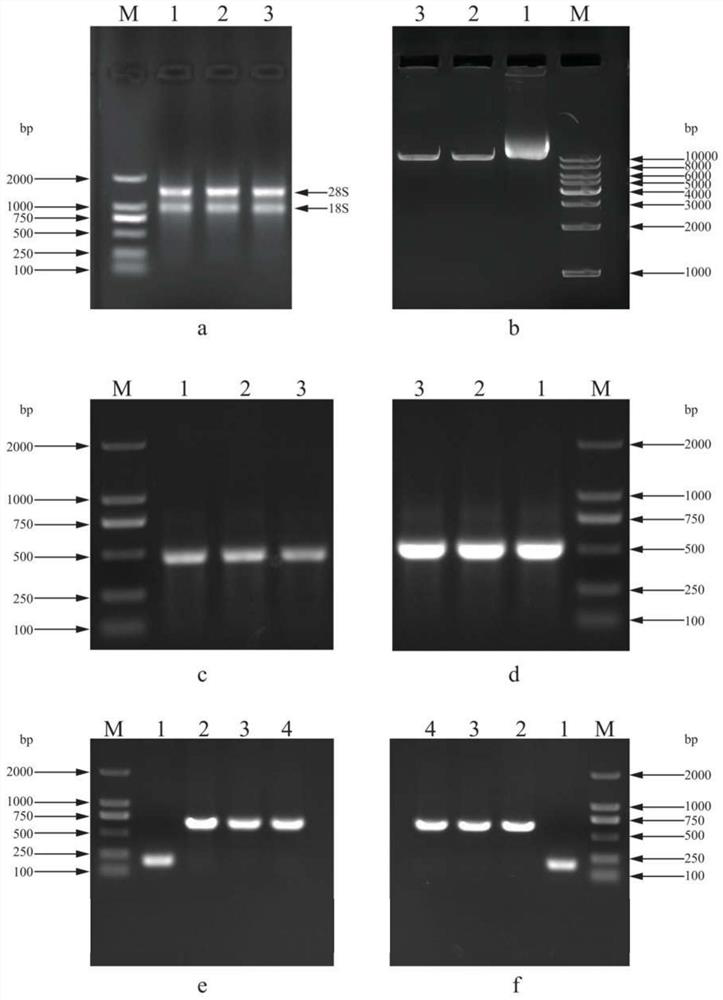
Figure 2 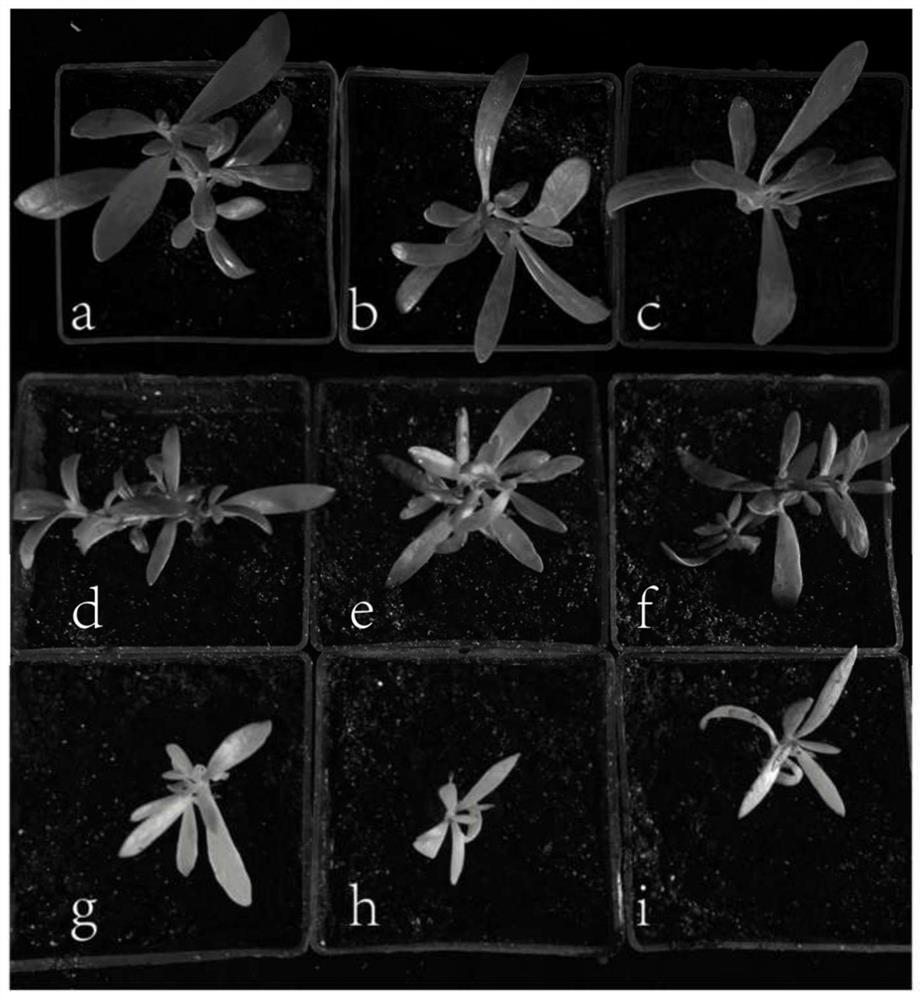
Figure 3
Abstract
Description
technical field
[0001] The invention belongs to the field of genetic engineering, in particular to the construction of a hippocampal phytoene dehydrogenase gene and a VIGS silencing system. Background technique
[0002] Sesuvium portulacastrum, also known as seaside vegetable, belongs to the dicotyledonous plant class Caryophyllaceae, and is a succulent herbaceous halophyte that grows close to the tropical and subtropical coastal sandy land. Found on sandy beaches on tropical and subtropical coasts. In China, hippocampal teeth are mainly distributed in the coastal areas of Hainan, Guangdong, Fujian, Penghu Islands and central and southern Taiwan. As a member of the mangrove wetland ecosystem, hippocampus is an associated plant of mangroves. It reproduces rapidly and exhibits the natural characteristics of salt and alkali resistance, drought resistance, strong light and heavy metal resistance in various adversity environments. Therefore, it can be used as a Potential plants...
Examples
Embodiment 1
[0023] Embodiment 1: the cloning of hippocampus SpPDS gene-specific target fragment and the construction of expression vector
[0024] 1. Obtaining the full-length gene sequence of SpPDS
[0025] The Hippocampus plant material was collected from the vicinity of Hongsha Wharf, Jiyang District, Sanya City, Hainan Province. The experimental material was planted in the State Key Laboratory of Life Sciences, Hainan Normal University, and cultivated under normal outdoor conditions. Whole plants including roots, stems, leaves, flowers and other vegetative organs were selected as materials and used PacBio third-generation sequencing technology for transcriptome sequencing. The transcriptome sequencing results were searched and confirmed by bioinformatics tools such as local blast. The full-length gene sequence of the hippocampal phytoene dehydrogenase SpPDS gene cDNA was obtained, and the full-length nucleotide sequence thereof is shown in SEQ ID NO.1.
[0026] 2. SpPDS gene-specific...