
Thermal self-repairing polymer material, and preparation and repairing methods thereof
A polymer material and polymer technology, applied in the field of thermal self-healing polymer materials and their preparation and repair, can solve the problems of high repair process conditions, high repair cost, poor repair effect of multiple damages, etc., to achieve repair The effect of short time, high repair ability and simple material structure
Patent Information
- Authority / Receiving Office
- CN · China
- Patent Type
- Patents(China)
- Current Assignee / Owner
- Publication Date
- 2013-01-23
- Estimated Expiration
- Not applicable · inactive patent
Smart Images
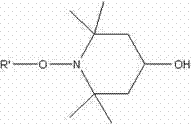
Figure 1 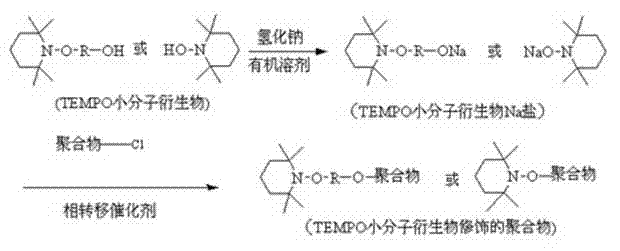
Figure 2 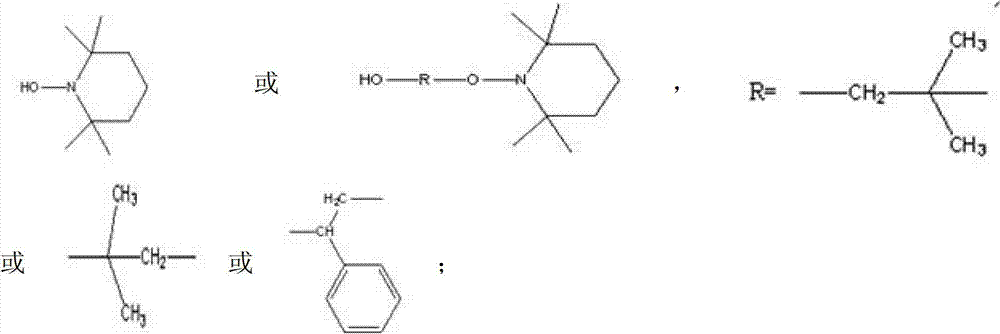
Figure 3
Abstract
Description
technical field
[0001] The invention relates to a thermal self-healing polymer material and a preparation and repairing method thereof. Background technique
[0002] Polymer materials have many advantages such as light weight, excellent mechanical properties, superior structural design adjustability, and easy processing, and have become an indispensable part of human production and life. However, during long-term use, due to the influence of natural environmental factors such as wind, sun, and actual working conditions such as impact, extrusion, and stretching, polymer materials will be damaged, such as internal micro-cracks or scratches on the surface. , resulting in a decline in the performance of the material, which greatly shortens the service life of the material. Therefore, if a simple method can be adopted to repair these damages by itself, it will not only greatly extend the service life of the material, but also be of great significance for energy saving and emissi...
Examples
Embodiment 1
[0036] Synthesis of 1-hydroxy-2,2,6,6-tetramethylpiperidine (TEMPO-H) modified poly-p-chloromethylstyrene (PCMS-TEMPO).
[0037]Add a magnetic stirrer in a 250ml three-neck flask, pre-flow argon for 10min, then weigh 2.0 g of sodium hydride (50.0mmol, 60% dispersed in mineral oil) and add it to the flask, then add 20ml of anhydrous tetrahydrofuran to it, and start the electromagnetic Stir to obtain a suspension. Weigh TEMPO-H (6.0g, 38.2mmol) and dissolve it in 30ml of anhydrous tetrahydrofuran, add the solution dropwise to the above suspension at room temperature, and finish dropping within 20min. Afterwards, the reaction mixture was allowed to react at room temperature for about 1.5 h until no bubbles were generated. Then the weighed poly-p-chloromethylstyrene (3.3g) and the phase transfer catalyst 18-crown-6 (0.28g, 1.05mmol) were quickly added to the flask, and the argon gas was continued for 10min, and then the reaction flask was Seal and allow the reaction to continue ...
Embodiment 2
[0038] Example 2 Synthesis of 4-hydroxy-1-(1-phenyl-ethoxy)-2,2,6,6-tetramethylpiperidine-modified poly-p-chloromethylstyrene (PCMS-TEMPO-EOPh).
[0039] Add a magnetic stirrer in a 250ml three-necked flask, pre-pass argon for 10min, then weigh 1.20g of sodium hydride (30.0mmol, 60% dispersed in mineral oil) and add it to the flask, then add 20ml of anhydrous tetrahydrofuran to it, and start the electromagnetic Stir to obtain a suspension. Weigh 4-hydroxy-1-(1-phenyl-ethoxy)-2,2,6,6-tetramethylpiperidine (HO-TEMPO-EOPh) (5.0g, 18.0mmol) and dissolve it in 30ml In water tetrahydrofuran, the solution was added dropwise to the above suspension at room temperature, and the drop was completed within 20 minutes. Afterwards, the reaction mixture was allowed to react at room temperature for about 1.5 h until no bubbles were generated. Then the weighed poly-p-chloromethylstyrene (3.3g) and the phase transfer catalyst 18-crown-6 (0.20g, 0.75mmol) were quickly added to the flask, and...
Embodiment 3
[0040] Example 3 Preparation of thermal self-healing polymer materials.
[0041] Weigh 0.10g PCMS-TEMPO and 0.10g PCMS-TEMPO-EOPh, then add 10ml of toluene solvent, after the polymer is completely dissolved into a transparent solution, cast the solution directly into a glass mold, and place it at room temperature to make the solvent Naturally volatilize to form a film, and then place it in a vacuum oven at 40°C to completely remove the solvent to obtain a thermal self-healing polymer material.