
Method for promoting petal coloring of gerbera jamesonii
A technology of chrysanthemum petals and chrysanthemums, applied in gardening methods, botanical equipment and methods, gardening, etc., can solve the problems of heavy workload, unfavorable plant vegetative growth, etc., and achieve the effects of low cost, short supplementary light time, and low heat generation
Patent Information
- Authority / Receiving Office
- CN · China
- Current Assignee / Owner
- Publication Date
- 2012-07-04
- Estimated Expiration
- Not applicable · inactive patent
Smart Images
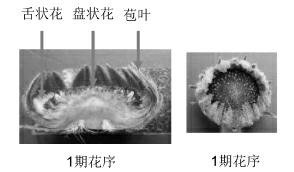
Figure 1 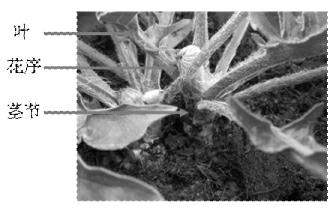
Figure 2 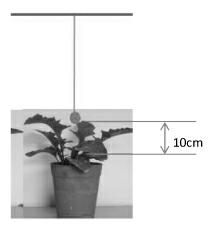
Figure 3
Abstract
Description
technical field
[0001] The invention relates to a flower plant cultivation technology, in particular to a method for promoting coloring of gerbera chrysanthemum petals. Background technique
[0002] Gerbera is a light-loving plant, and a certain intensity of light is an important condition for the formation of the quality of gerbera inflorescences. In production, due to insufficient light, the growth of gerbera ray flowers will be hindered, the color of petals will become lighter, and the ornamental value will be lost. However, in China, there is no application and report of artificial supplementary light in the production process of gerbera. In foreign countries, some gerbera growers in the Netherlands implement artificial supplementary light on gerbera in winter. In this supplementary light technology, artificial light is used as an energy source to improve the photosynthesis of plant leaves and improve the growth of plants. , so as to increase the yield of flowers, this...
Examples
Embodiment 1
[0027] The LED light is hung above the gerbera plant, 10cm away from the stem node. The light intensity at the first inflorescence is 60μmol.m -2 .s -1 , the light intensity at the first inflorescence of the control group was 25 μmol.m -2 .s -1 , the fill-in light time is from 8:00 am to 16:00 pm, and the fill-in light is continued for 6 days, and then the fill-in light is stopped. The coloring of petals was measured on the 9th day after stopping the supplementary light (see Figure 4 ).
Embodiment 2
[0029] The LED light is hung above the gerbera plant, 10cm away from the stem node. The light intensity at the inflorescence at the first stage reaches 70μmol.m -2 .s -1 , the light intensity at the first inflorescence of the control group was 25 μmol.m -2 .s -1 , the fill-in light time is from 8:00 am to 16:00 pm, and the fill-in light is continued for 6 days, and then the fill-in light is stopped. The coloring of petals was measured on the 9th day after stopping the supplementary light (see Figure 5 ).
Embodiment 3
[0031] The LED light is hung above the gerbera plant, 10cm away from the stem node. The light intensity at the first inflorescence is 80μmol.m -2 .s -1 , the light intensity at the first inflorescence of the control group was 25 μmol.m -2 .s -1 , the fill-in light time is from 8:00 am to 17:00 pm, and the fill-in light is continued for 6 days, and then the fill-in light is stopped. The coloring of petals was measured on the 9th day after stopping the supplementary light (see Image 6 ).