
rgbpsp color 3D reconstruction method applied to online detection of fabric defects
A 3D reconstruction and defect technology, applied in measurement devices, optical devices, optical testing of defects/defects, etc., can solve the problems of uneven light, fluctuations in tension, and difficulty in applying 3D reconstruction methods.
Patent Information
- Authority / Receiving Office
- CN · China
- Patent Type
- Patents(China)
- Current Assignee / Owner
- Publication Date
- 2014-10-22
- Estimated Expiration
- Not applicable · inactive patent
Smart Images
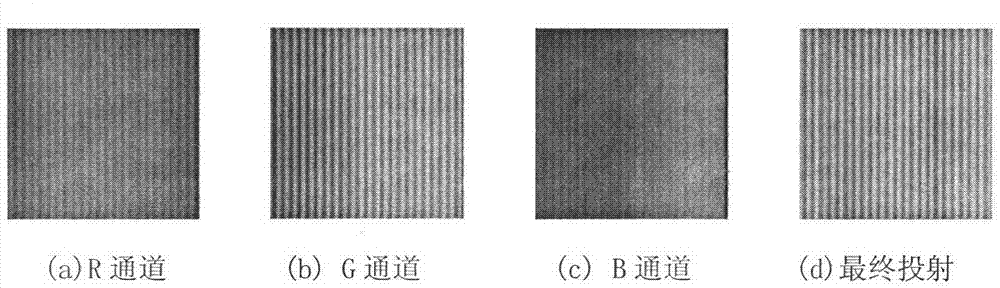
Figure 1 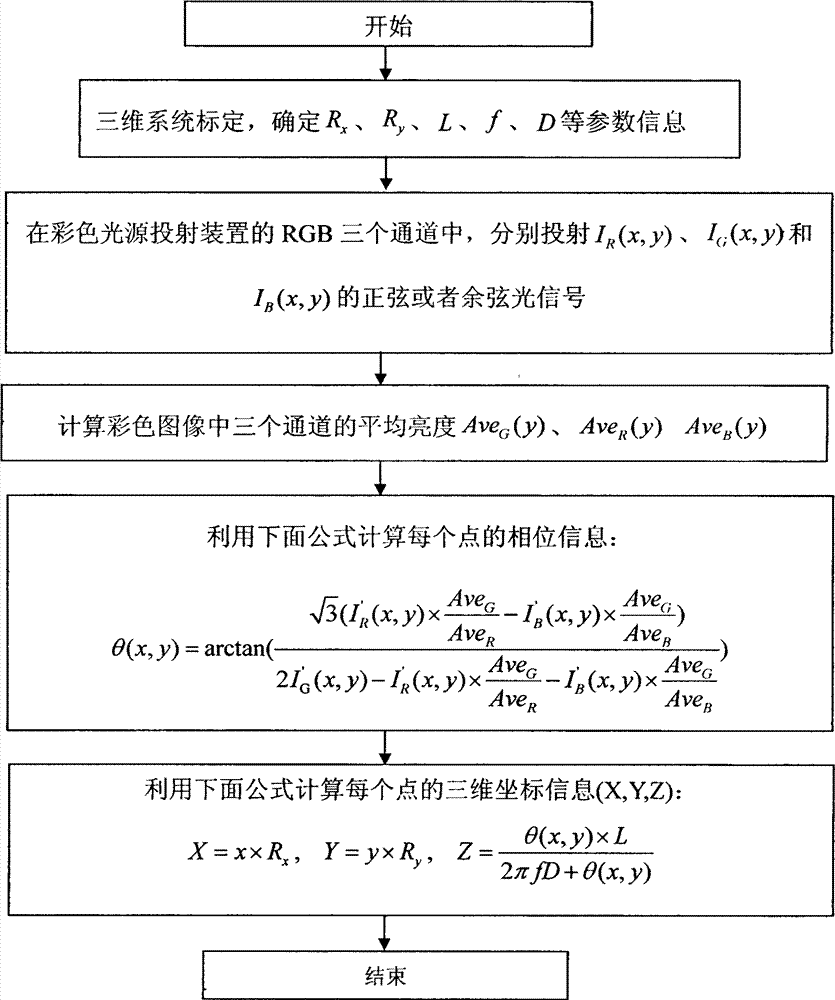
Figure 2 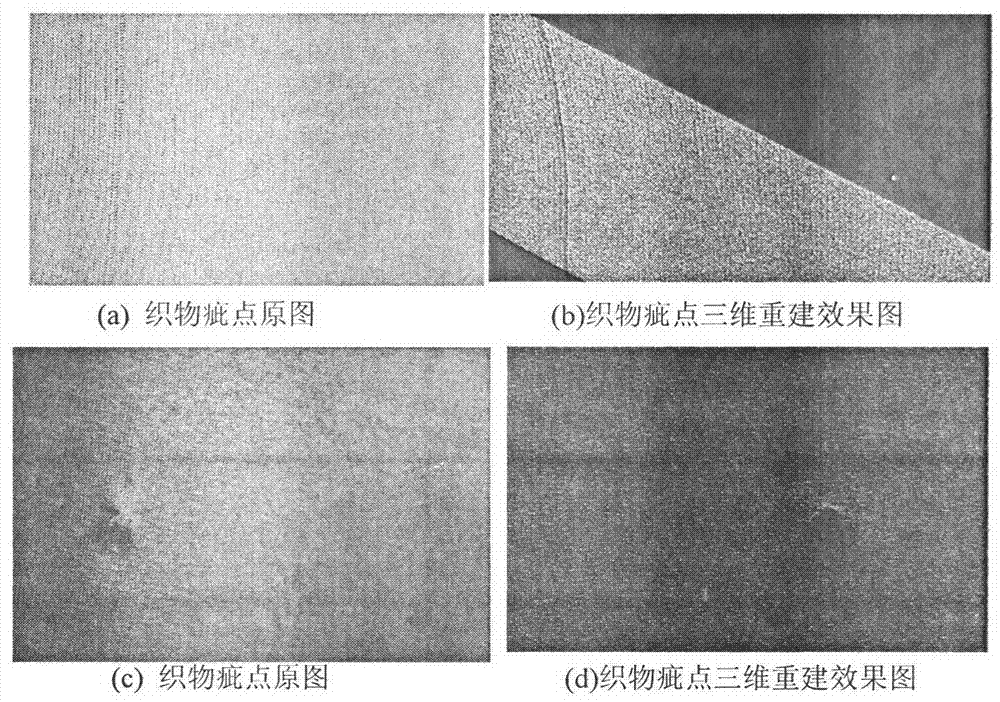
Figure 3
Abstract
Description
technical field
[0001] The invention relates to a color three-dimensional reconstruction method for online detection of fabric defects, more specifically, the invention relates to a fast three-dimensional reconstruction method that can be used for color three-dimensional defect detection in a fabric production line. Background technique
[0002] The textile industry is a traditional pillar industry of my country's national economy and an important livelihood industry. It is also an industry with obvious international competitive advantages. It plays an important role in prospering the market, expanding exports, creating jobs, increasing farmers' income, and promoting urbanization. To speed up the revitalization of the textile industry, we must focus on independent innovation, technological transformation, elimination of backwardness, and optimization of layout, promote structural adjustment and industrial upgrading, and promote the transformation of my country's textile indus...
Examples
Embodiment Construction
[0042] The color three-dimensional online detection method of RGBPSP fabric defects provided by the present invention is based on the principle of phase-shift grating three-dimensional measurement, but it is very different from the existing phase-shift grating three-dimensional measurement. The principle of the existing phase-shift grating three-dimensional measurement is to project periodically changing sine or cosine function waves to the measured object, and after more than 3 steps of phase shift, use the camera to collect the deformed phase-shift grating information projected on the object. Calculate the phase information corresponding to the point, and finally use the calibrated triangular relationship between the camera and the projection light source and the obtained phase information to calculate the three-dimensional coordinate information of the object. Since the projection and acquisition of the phase-shift grating takes a certain amount of time (generally, it takes ...