
A preparation method of copper-based/nickel-based composite long base tape for coated conductors
A coated conductor, copper-based technology, applied in the direction of cable/conductor manufacturing, electrical components, circuits, etc., can solve the problems of not being suitable for use in the field of 100-meter-long tape preparation, billet size limitation, high cost, etc., to achieve good mechanical Performance, low cost, no effect on ferromagnetic mechanical properties
Patent Information
- Authority / Receiving Office
- CN · China
- Patent Type
- Patents(China)
- Current Assignee / Owner
- Publication Date
- 2016-02-17
Smart Images
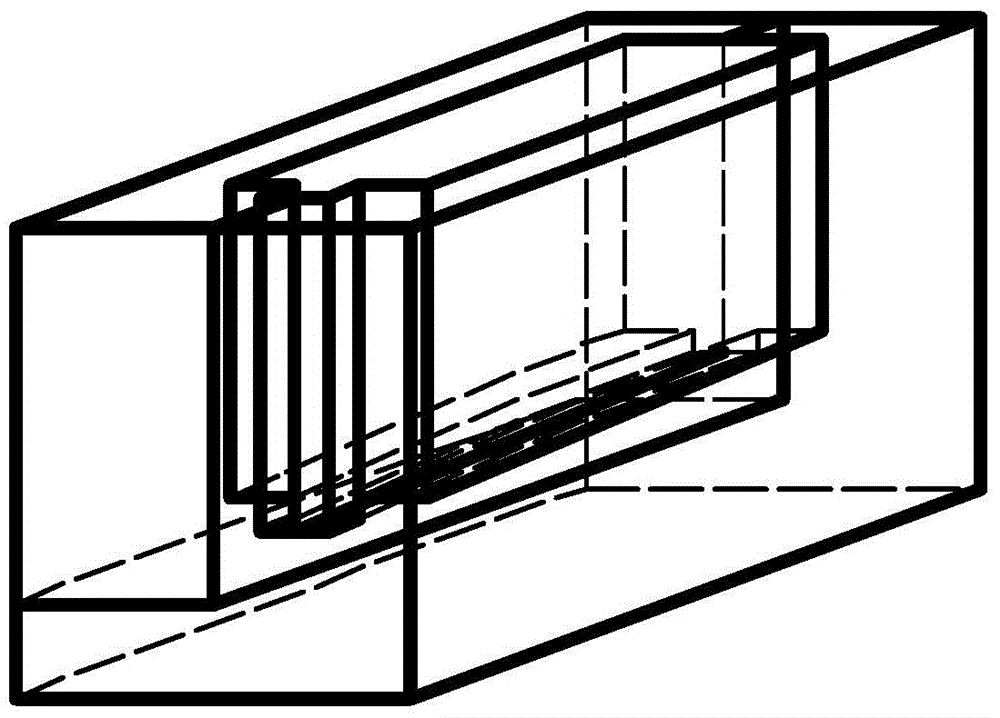
Figure 1 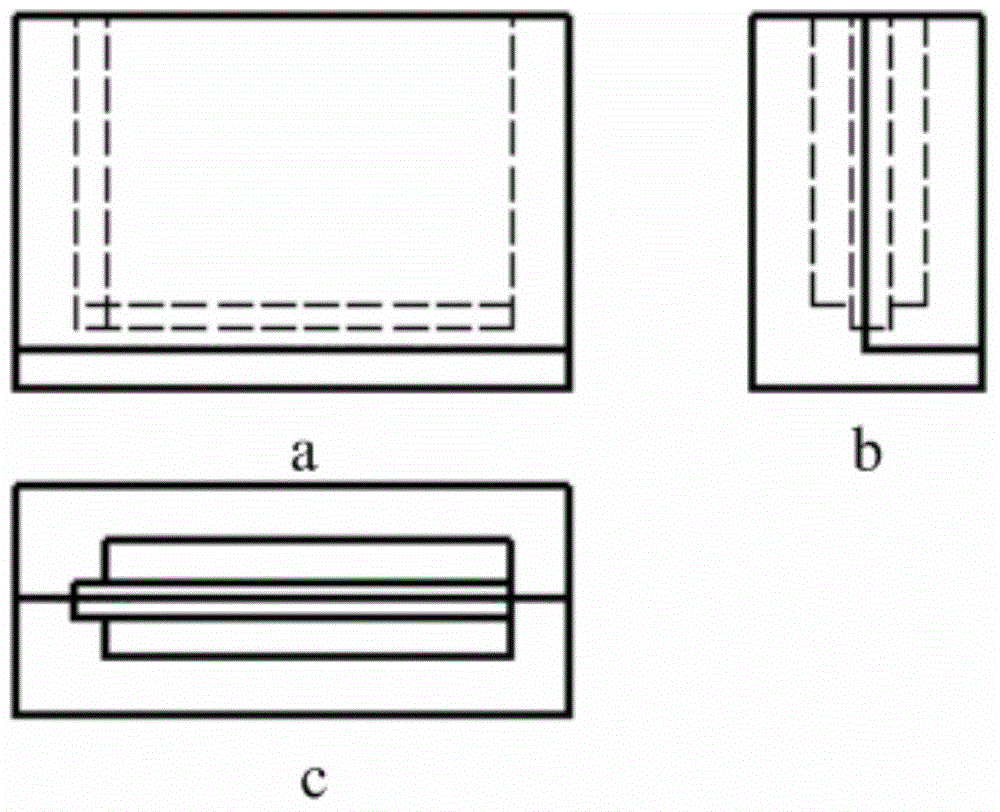
Figure 2 
Figure 3
Abstract
Description
technical field
[0001] The invention relates to a method for preparing a copper-based / nickel-based composite long baseband for coated conductors, and belongs to the field of high-temperature superconducting coated conductor textured metal basebands. Background technique
[0002] YBCO-coated high-temperature superconducting tapes are usually grown on biaxially textured metal substrates with an isolation layer. Nickel-tungsten alloys and copper-nickel alloys can obtain strong cubic textures after large-scale variable cold rolling and high-temperature recrystallization annealing, and are widely used baseband materials. Studies have shown that by increasing the W content in the alloy, the Ni9.3at.%W (Ni9W for short) alloy is non-ferromagnetic in the liquid nitrogen temperature range, but the volume fraction of the cubic texture in its recrystallized texture decreases sharply. The copper-nickel alloy is also non-ferromagnetic in the application temperature range (77K) when the C...
Examples
example 1
[0018] The NiW alloy billet was obtained by smelting, and then after high-temperature hot forging and descaling, it was cut to obtain an alloy block with a thickness of 3 cm, a width of 8 cm, and a length of 15 cm. After the NiW alloy block is inserted into the mold, the CuNi alloy layer is cast in the mold under vacuum protection, and the original elongated composite ingot with a thickness of 9 cm, a width of 5 cm and a length of 20 cm is obtained after surface treatment. After the 900°homogenization heat treatment, the long composite ingot is hot-rolled with a large deformation of 15% in each pass, the total deformation is 50%, and the hot-rolling temperature is 800°C. Finally, cold rolling, edge trimming and high-temperature annealing treatment are performed to obtain a 100-meter composite long base belt with a thickness of 0.08 mm and a texture content of more than 98%.
example 2
[0020] The NiW alloy ingot was obtained by smelting, and then after high-temperature hot forging and descaling, it was cut to obtain an alloy block with a thickness of 5 cm, a width of 10 cm, and a length of 30 cm. After the NiW alloy block was inserted into the mold, the CuNi alloy layer was cast in the mold under vacuum protection, and the original elongated composite ingot with a thickness of 15 cm, a width of 7 cm and a length of 27 cm was obtained after surface treatment. After the 900°homogenization heat treatment, the long composite ingot is hot-rolled with a large deformation of 30% in each pass, the total deformation is 80%, and the hot-rolling temperature is 1000°C. Finally, cold rolling, trimming and high-temperature annealing are performed to obtain a 200-meter-level composite long base belt with a thickness of 0.08 mm and a texture content of more than 98%.
example 3
[0022] The NiW alloy ingot was obtained by smelting, and then after high-temperature hot forging and descaling, it was cut to obtain an alloy block with a thickness of 3 cm, a width of 8 cm, and a length of 28 cm. After the NiW alloy block is inserted into the mold, the CuNi alloy layer is cast in the mold under vacuum protection, and the original elongated composite ingot with a thickness of 9 cm, a width of 5 cm and a length of 25 cm is obtained after surface treatment. After the 900°homogenization heat treatment, the long composite ingot is hot-rolled with a large deformation of 30% in each pass, the total deformation is 80%, and the hot-rolling temperature is 1000°C. Finally, cold rolling, edge trimming and high-temperature annealing treatment are performed to obtain a 100-meter composite long base belt with a thickness of 0.08 mm and a texture content of more than 98%.