
Ni-ti porous material miniature parts and its sintering method
A technology of porous materials and micro parts, which is applied in the field of rapid sintering to prepare porous material parts, can solve the problems of low product qualification rate, low product purity and high molding temperature, and achieve the effect of simplifying the process flow, uniform pores and excellent performance
Patent Information
- Authority / Receiving Office
- CN · China
- Patent Type
- Patents(China)
- Current Assignee / Owner
- Publication Date
- 2016-03-23
Smart Images
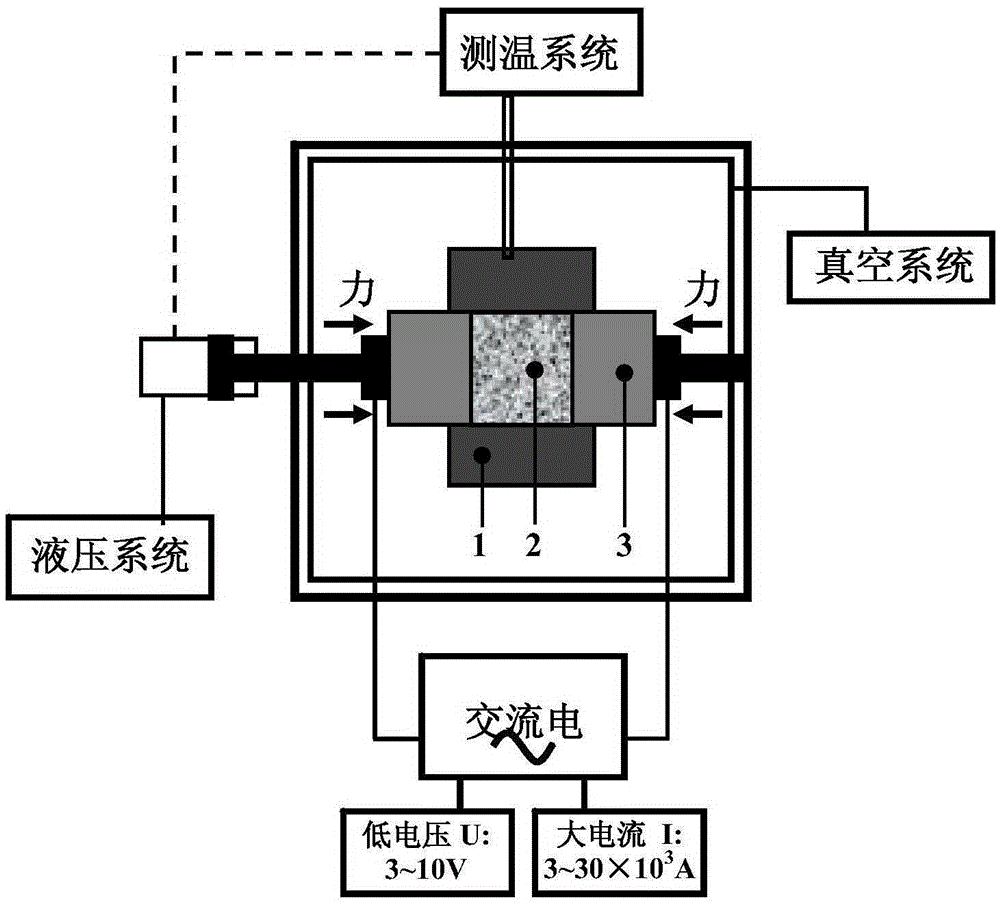
Figure 1 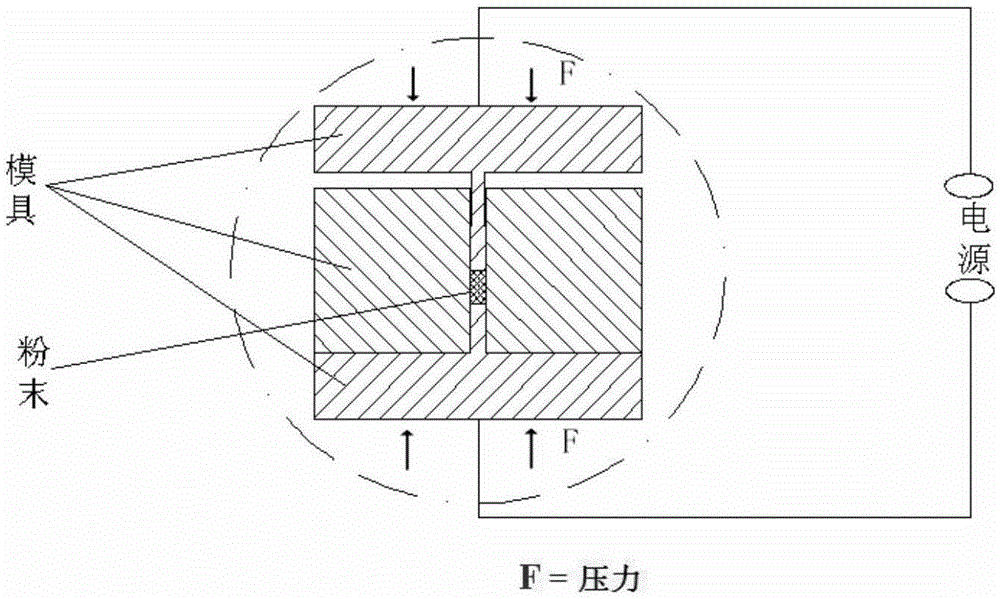
Figure 2
Abstract
Description
technical field
[0001] The invention relates to a Ni-Ti porous material micro-part prepared based on multi-physics field activation sintering and a sintering method thereof, and belongs to the technical field of rapid sintering preparation of porous material parts. Background technique
[0002] Due to its excellent biocompatibility, unique shape memory properties, superelasticity and corrosion resistance, Ni-Ti porous material micro parts have attracted much attention in the field of biomedicine in recent years. Studies have shown that porous structures can promote bone tissue regeneration, nutrient exchange, and drug delivery in organisms. At the same time, through the control of pore-related parameters, the porous shape memory alloy can better adapt to the surrounding bone environment by adjusting the hardness and strength when used as an implant material. It is expected to be applied to hard tissue replacement materials and surgical implant materials. A large number of ...
Examples
Embodiment 1
[0038] Weigh the Ni and Ti powders shown in the above table according to the prefabrication process parameters, put them into the mold and fix them with chucks. Under the condition of vacuum ≤ 0.01Pa and a pressure of 50MPa on both ends at the same time, at a speed of 10℃ / s Raise the temperature to 200°C, keep it warm for 30s, then raise the temperature to 800°C at a rate of 50°C / s, and sinter 3 times in the range of 800°C-400°C; the powder is formed in the mold and sintered, and finally the power is turned off and air-cooled to take out the parts That's it.
Embodiment 2
[0040] Weigh the Ni and Ti powders shown in the above table according to the prefabrication process parameters, put them into the mold and fix them with chucks. Under the condition of vacuum ≤ 0.01Pa and a pressure of 150MPa on both ends at the same time, at a speed of 20℃ / s Raise the temperature to 300°C, hold it for 120s, then raise the temperature to 1200°C at a speed of 100°C / s, and sinter 15 times in the range of 1200°C-800°C; the powder is formed in the mold and sintered, and finally the power is turned off and air-cooled to take out the part That's it.
Embodiment 3
[0042] Weigh the Ni and Ti powders shown in the above table according to the prefabrication process parameters, put them into the mold and fix them with chucks. Under the condition of vacuum ≤ 0.01Pa and a pressure of 150MPa on both ends at the same time, at a speed of 20℃ / s Raise the temperature to 200°C, keep it warm for 60s, then raise the temperature to 1000°C at a rate of 50°C / s, and sinter 5 times in the range of 1000°C-600°C; the powder is formed in the mold and sintered, and finally the power is turned off and air-cooled to take out the parts That's it.