
Manufacturing method for high-voltage self-recovery fuse wire
A self-restoring fuse and manufacturing method technology, applied in the direction of fuse manufacturing, etc., can solve the problems of low gel content, long time required, inevitable oxidation reaction, etc., and achieve the effect of high utilization rate of radiation energy and stable performance
Patent Information
- Authority / Receiving Office
- CN · China
- Patent Type
- Applications(China)
- Current Assignee / Owner
- Publication Date
- 2014-07-23
- Estimated Expiration
- Not applicable · inactive patent
Smart Images
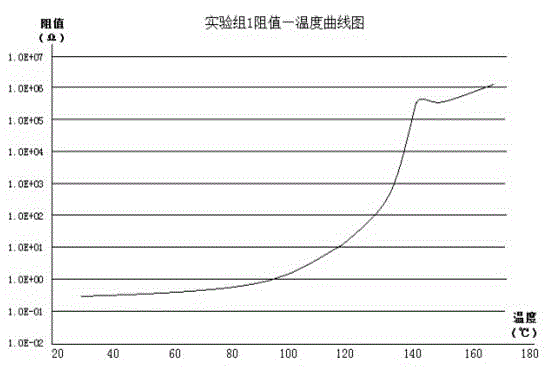
Figure 1 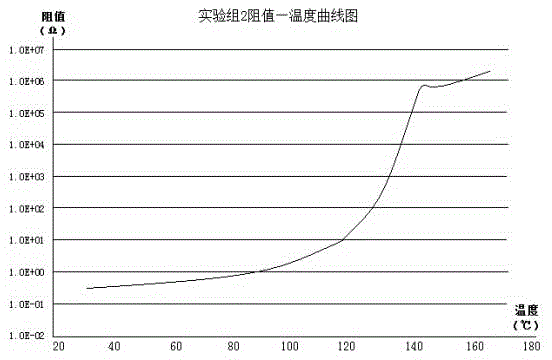
Figure 2 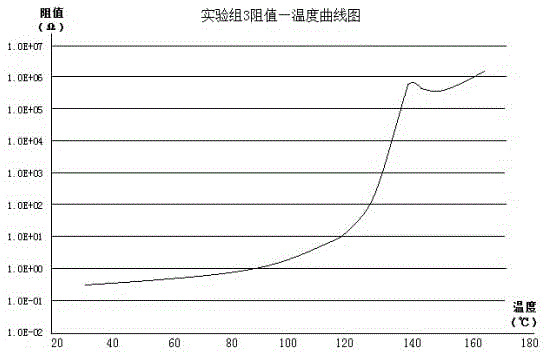
Figure 3
Abstract
Description
technical field
[0001] The invention relates to electronic components, in particular to a manufacturing method of a high-voltage resettable fuse. technical background
[0002] PTC (Positive Temperature Coefficient), positive temperature coefficient polymer composite material, referred to as polymer, is a resettable fuse, made of specially treated polymer resin (Polymer) and conductive particles (Carbon Black) distributed inside composition. It has a unique positive temperature coefficient resistance characteristic, that is, within a certain temperature range, its own resistance will increase as the temperature rises. When the overcurrent occurs, the temperature of the polymer PTC rises, and the resistance rises sharply, which plays the role of overcurrent protection. When the overcurrent state is eliminated, the resistance of the polymer PTC returns to the normal state.
[0003] Most of the resettable fuse products currently produced use cobalt-60 gamma rays for radiation...
Examples
Embodiment Construction
[0015] A method for manufacturing a high-voltage resettable fuse. The positive temperature coefficient polymer composite material formed by polyethylene and carbon black pellets is placed on a conveyor belt and passes through an electron accelerator. The total radiation dose generated by the electron accelerator is 900-1100KGY, and the radiation energy is 2.7-3.2 Mev, beam current 8.9-10.1mA electron beam for radiation, the positive temperature coefficient polymer composite material passes through the electron beam at a speed of 14.5-15.5 meters per minute, and the total number of laps passed is 95-105 laps.
[0016] PTC, positive temperature coefficient polymer composite material, referred to as polymer, is a resettable fuse, which is composed of specially treated polymer resin and conductive particles distributed inside. It has a unique positive temperature coefficient resistance characteristic, that is, within a certain temperature range, its own resistance will increase as ...