
Method for direct extraction of pathogen DNA from pathogenic tissue of Graminaceous crop
A technology of gramineous crops and pathogenic bacteria, which is applied in the field of microbial molecular detection, can solve the problems of unfavorable sample analysis and detection, long experiment cycle, high cost, etc., and achieve the effect of reducing tediousness, rapid detection and monitoring, and shortened time
Patent Information
- Authority / Receiving Office
- CN · China
- Patent Type
- Applications(China)
- Current Assignee / Owner
- Publication Date
- 2015-04-08
- Estimated Expiration
- Not applicable · inactive patent
Smart Images
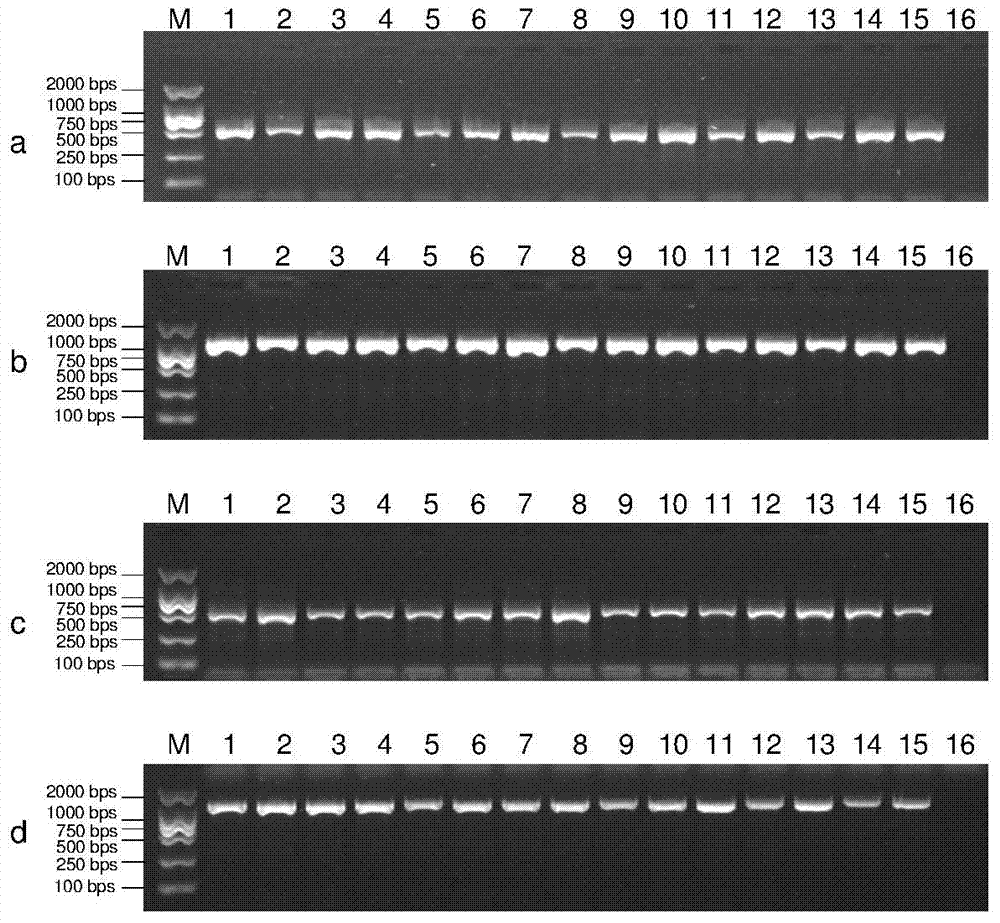
Figure 1 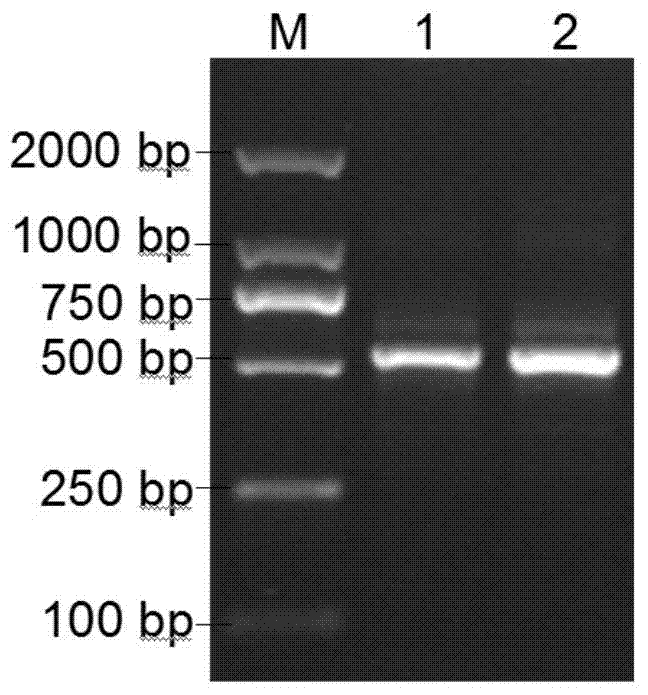
Figure 2 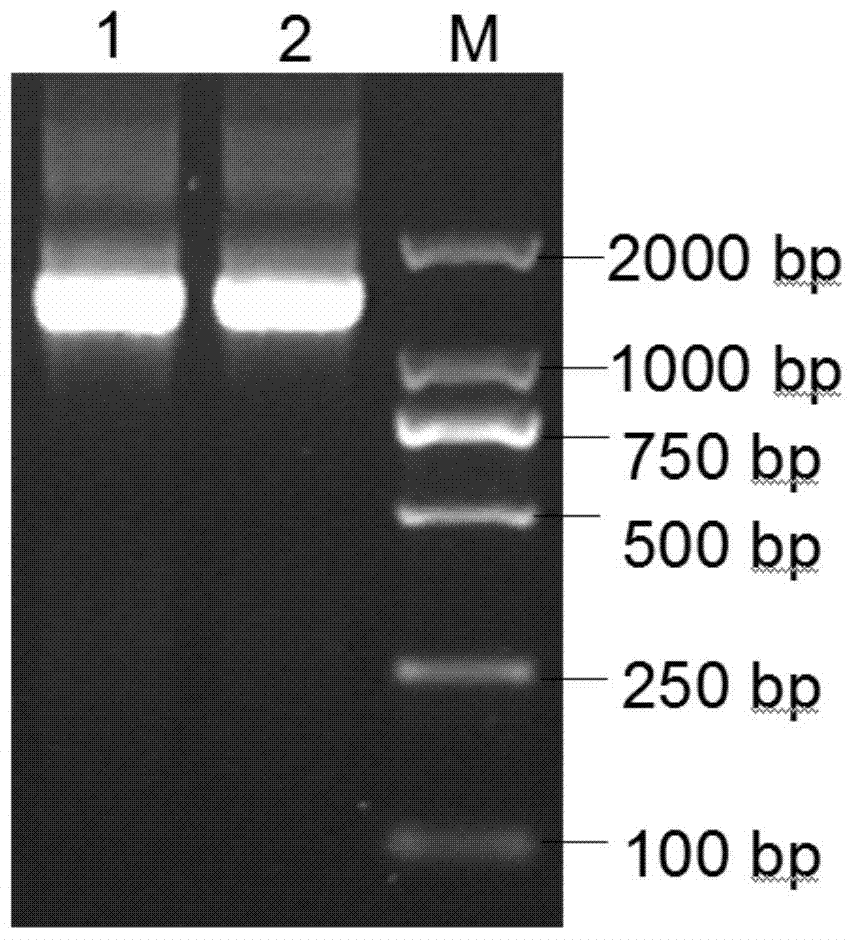
Figure 3
Abstract
Description
technical field
[0001] The invention belongs to the field of microbial molecular detection, in particular to a method for directly extracting DNA of pathogenic bacteria from susceptible tissues of gramineous crops. Background technique
[0002] The extraction of DNA from crop pathogenic microorganisms is the basis for the detection and analysis of related pathogenic molecules. The methods commonly used to extract the DNA of traditional pathogenic fungi are CTAB extraction and cell wall lysis. The CTAB method requires the grinding of liquid nitrogen in the early stage, or the use of enzymes to break the cell wall, and then uses toxic reagents such as chloroform to extract to remove proteins, DNA precipitation and elution and other steps. Although high-quality DNA can be obtained, but The whole process is time-consuming and inefficient. Moreover, the isolation and cultivation of pathogenic microorganisms need to be completed in the early stage of DNA isolation, and the exper...
Examples
Embodiment Construction
[0024] It is to illustrate how the present invention is carried out by means of examples. These examples are only to illustrate how the present invention is realized, or the best implementation mode. These examples can not limit the present invention in any way. The scope of the present invention is the claims limited.
[0025] Implementation Example 1: Extraction and verification of DNA from rice leaves and Magnaporthe grisea.
[0026] The specific implementation method:
[0027] 1) Reagents: Prepare the following reagents in advance and use them after sterilization: (1), 100mM TrisHCl (pH8.7), (2), 10mM EDTA (pH 8.0), (3, )1M KCl, (4), 10% Tween 20.
[0028]2) Sample preparation: randomly select 15 typical diseased leaves and panicles that were collected from the field and stored in the laboratory at room temperature, cut diseased leaves with a size of about 2 mm × 2 mm from diseased rice leaf lesions, and cut diseased leaves from diseased rice leaves. Take 1-2mm long pan...