
Online recursive calculation method for fume occurrence rate of metallurgical furnace
A calculation method and technology of occurrence rate, which can be used in computing, manufacturing computing systems, data processing applications, etc., and can solve the problems of untimely calculation and low precision.
Patent Information
- Authority / Receiving Office
- CN · China
- Current Assignee / Owner
- Publication Date
- 2015-11-04
Smart Images
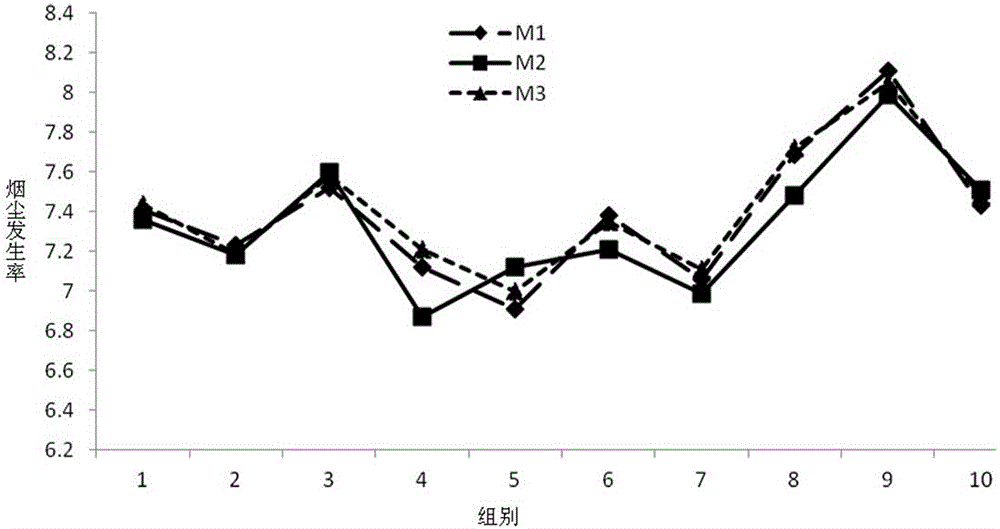
Figure 1 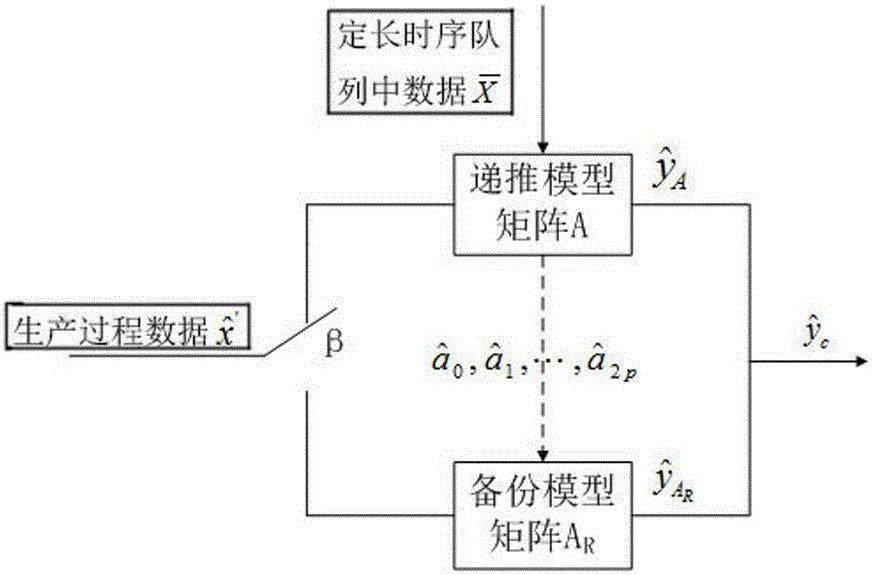
Figure 2 
Figure 3
Abstract
Description
Technical field
[0001] The invention relates to a recursive calculation method of the smoke and dust occurrence rate of a metallurgical furnace and belongs to the field of online control of a metallurgical furnace. Background technique
[0002] What is going on in the metallurgical furnace is a complex physical and chemical reaction among materials such as concentrate, fuel and air in the high-temperature molten state. In order to control the output quality of metallurgical furnaces and kilns, most large-scale smelters at home and abroad have established online control models for metallurgical furnaces and kilns to perform real-time calculations of metal balance and heat load balance of metallurgical furnaces, and use the calculation results as the precedent of the online control model. The basis of feedback setting and feedback correction provides optimized decision data for basic loops such as wind, oxygen, and oil. The smoke and dust occurrence rate is a necessary parameter ...
Examples
Embodiment Construction
[0092] In the following, the present invention will be further described in detail with reference to implementation examples:
[0093] Taking the flash smelting furnace used for copper enrichment as an example, the smoke and dust generated during the smelting process are mainly mixed with the amount of copper concentrate, the amount of slag concentrate, the amount of slagging flux quartz sand, the unit consumption of oxygen, the amount of slag produced, and the production It is related to the amount of copper matte. Therefore, the soot incidence regression fitting model has a total of 12 independent variables, of which the main independent variable is selected to enter the furnace to mix copper concentrate, slag concentrate, slagging flux, quartz sand, oxygen consumption, slag produced, and copper matte produced There are 6 in total. In order to improve the accuracy of model prediction, the corresponding 6 augmented independent variables are obtained by nonlinear transformation o...