
Distributed non-combustion type constant-temperature pressurized power generation system
A non-combustion type, power generation system technology, applied in the direction of fuel cell additives, fuel cell components, etc., can solve the problems of commercialization, fossil power pollution, and difficulty in stable control, and achieve system-wide stability Ease of operation, improved thermal efficiency, and stable operation of the entire system achieve the effect
Patent Information
- Authority / Receiving Office
- CN · China
- Current Assignee / Owner
- Publication Date
- 2016-08-24
- Estimated Expiration
- Not applicable · inactive patent
Smart Images
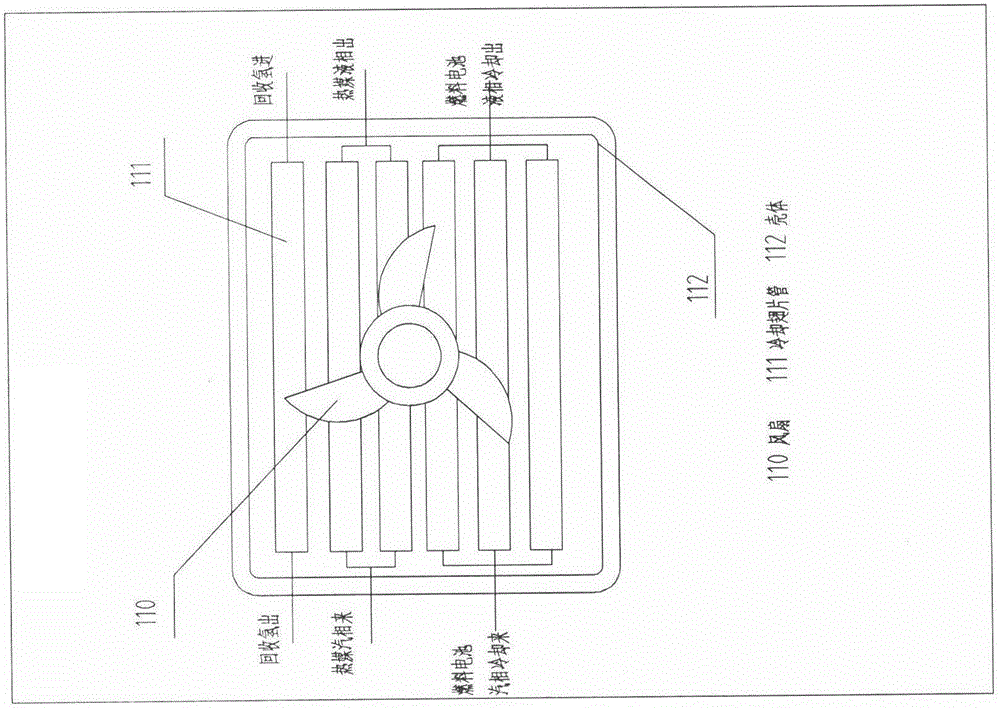
Figure 1 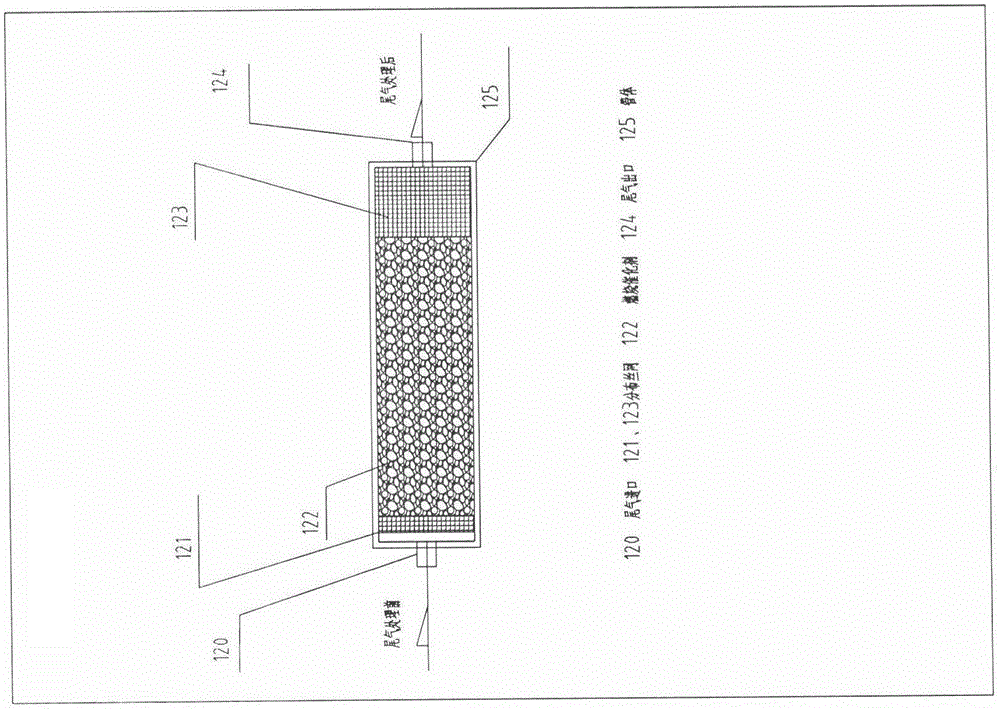
Figure 2 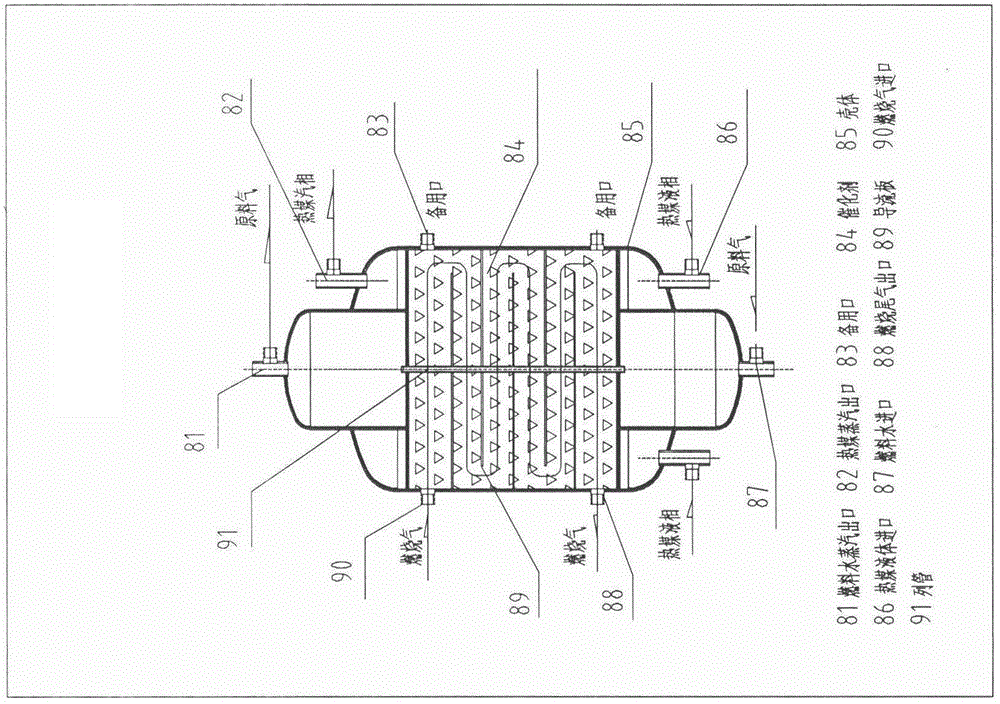
Figure 3
Abstract
Description
technical field
[0001] The invention relates to the fields of new energy power generation, renewable energy power generation, clean energy power generation, hydrogen fuel cell power generation and the like. In particular, hydrogen fuel cell vehicles have been developed for many years and have not been widely used. There are two bottlenecks: one is that the storage and transportation of hydrogen sources has always made hydrogen uneconomical; the other is the price of hydrogen fuel cells. The high cost and short lifespan make it difficult to commercialize hydrogen fuel cells. Although many researchers have used reforming technology to reform liquid fuel and water to produce hydrogen to achieve distributed or mobile hydrogen production, the stability of the reforming hydrogen production system has not been well resolved. Reforming hydrogen generation technology has not been commercialized. According to the theory of energy states, the use of liquid fuel and water reforming to p...
Examples
example 1
[0032] Example 1, such as figure 1 As shown, at system cold start:
[0033] When the system is cold booted:
[0034] All valves are controlled to be closed by a system controller (31). Open the valves (42, 43), start the expansion compressor (9), start the fuel atomizer (5) and control the fuel atomization into the mixer B (8) and the hot compressed air mixed into the catalytic combustion reactor (6) pre- Heat the whole system; the catalytic combustion tail gas is discharged from the catalytic combustion reactor (6) through the expansion compressor (9) to recover the heat work and reduce the power consumption of the compressed air before being emptied.
[0035] When the circulating heat medium in the catalytic combustion reactor (6) reaches the control pressure, the system controller (31) opens the valves (46, 49, 53), starts the fuel cell cooling circulation pump (15) and the fuel-water ratio pump (3 ), the fuel-water ratio pump (3) draws water and fuel in a certain ratio ...