
Post-procedure skin care systems, compositions, and methods of use thereof
A composition, skin technology, applied in the directions of drug combinations, skin diseases, preparations for skin care, etc., can solve problems such as deep skin damage
Patent Information
- Authority / Receiving Office
- CN · China
- Current Assignee / Owner
- Publication Date
- 2017-02-15
Smart Images
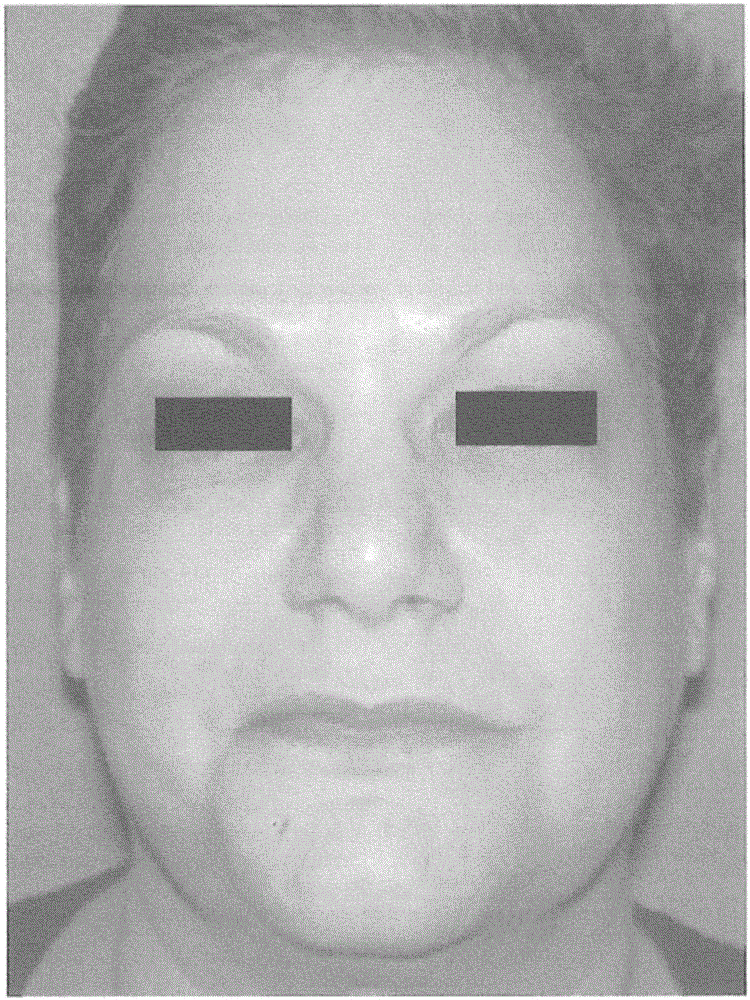
Figure 1 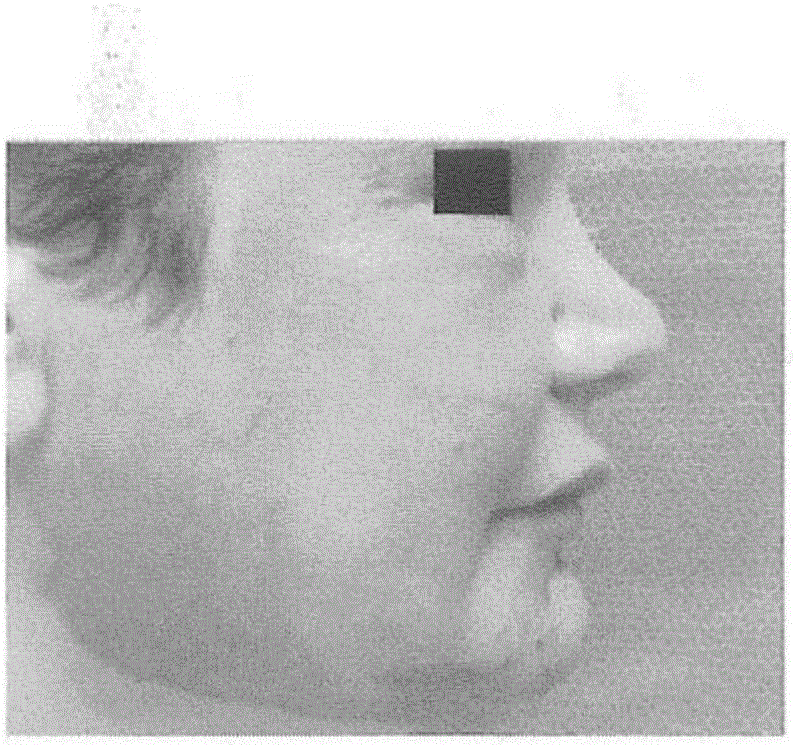
Figure 2 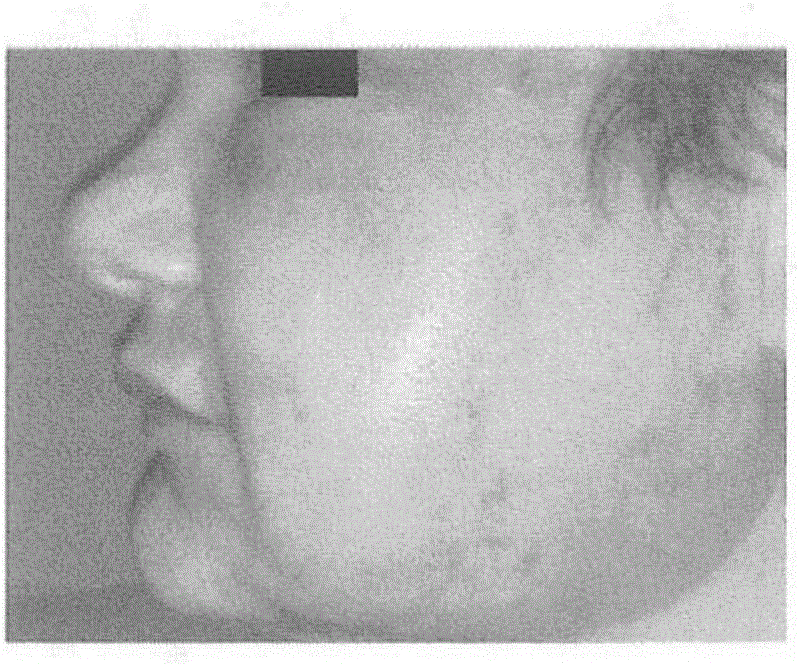
Figure 3
Abstract
Description
[0001] field of invention
[0002] The subject matter herein relates to post-procedure skin care systems and kits comprising the same, topical compositions for treating vulnerable skin, and methods of use thereof.
[0003] Background of the invention
[0004] Skin resurfacing is used to remove layers in the epidermis and / or dermis to promote healthier skin by, for example, regenerating collagen, elastin, and the epidermis. In addition, skin resurfacing rejuvenates facial skin and improves the appearance of fine lines and wrinkles. Skin resurfacing also removes superficial blemishes such as aged brown spots, telangiectasia, and microkeratin.
[0005] One procedure currently widely used for skin resurfacing involves exposure to laser light, including, for example, ablative laser techniques and / or non-ablative laser techniques. Because any given laser emits light of only one wavelength (or color), they are used for cosmetic applications through a process known as selective photo...
Examples
Embodiment 1
[0168] Example 1: Astringent Powder
[0169] A. Preparations
[0170] In accordance with the subject matter herein, the topical healing compositions were formulated as described in Table 1 below:
[0171] Table 1
[0172]
[0173] B. Manufacturing method
[0174] To prepare the astringent described above, a 1000 lb bulk mixture was prepared by combining the ingredients (in dry powder form) in the amounts stated in Table 2 below and mixing the ingredients until a homogeneous mixture was achieved. Once a homogeneous mixture is achieved, the bulk of the homogeneous mixture can be sieved through a screen to disperse any clumps.
[0175] Table 2
[0176]
[0177] The astringent powder of Example 1 has the following properties:
[0178] table 3
[0179]
Embodiment 2
[0180] Example 2: Topical Soothing Composition
[0181] A. Preparations
[0182] In accordance with the subject matter herein, the topical soothing composition was formulated as described in Table 4 below:
[0183] Table 4
[0184]
[0185]
[0186] B. Manufacturing method
[0187] To prepare the topical soothing composition described above, a 1000 lb bulk mixture was prepared by combining the ingredients described in Part A of Table 5 (shown below) into a main mixing vessel and heating the contents to about 70°C. The heated product is stirred until the resulting mixed product is homogeneous. In a separate cell, the ingredients listed in Part B of Table 5 were combined and heated to about 70°C. Once heated, the contents of the separation tank including the ingredients in Part B were added to the main mixing vessel and homogenized for 15 minutes until smooth and uniform. The mixture was cooled to 45°C. Add the ingredients listed in Part C to the main mixing vessel c...
Embodiment 3
[0193] Example 3: Epidermal Restoration Composition
[0194] A. Preparations
[0195] According to the subject matter of this article, the epidermal / dermal repair cream was formulated to have the following table 7 description:
[0196] Table 7
[0197]
[0198] B. Manufacturing method
[0199]To prepare the epidermal / dermal repair ointment described above, Carbopol was hydrated in the first container. Add the remaining ingredients listed in Part A to the main container and heat to about 75°C and mix until homogeneous. In a second vessel, combine the ingredients listed in Part B and heat to about 75°C, and mix until completely melted and homogeneous. The mixture from the second vessel was added to the first vessel and the resulting mixture was mixed until homogeneous. Add the ingredients listed in Part C to the mixture in the first container and mix for about 20 minutes until uniform. The resulting mixture was cooled to 45°C. Once 45°C was reached, the ingredients lis...