
Method for recycling dust generated by casting waste sand regeneration
A technology of foundry waste sand and dust, which is applied in the field of recycling dust generated in the recycling industry of foundry waste sand, and in the field of dust regeneration and utilization in the regeneration of foundry waste sand. problems, to achieve the effect of good chemical stability, light bulk density and high strength
Patent Information
- Authority / Receiving Office
- CN · China
- Patent Type
- Applications(China)
- Current Assignee / Owner
- Publication Date
- 2019-04-19
- Estimated Expiration
- Not applicable · inactive patent
Smart Images
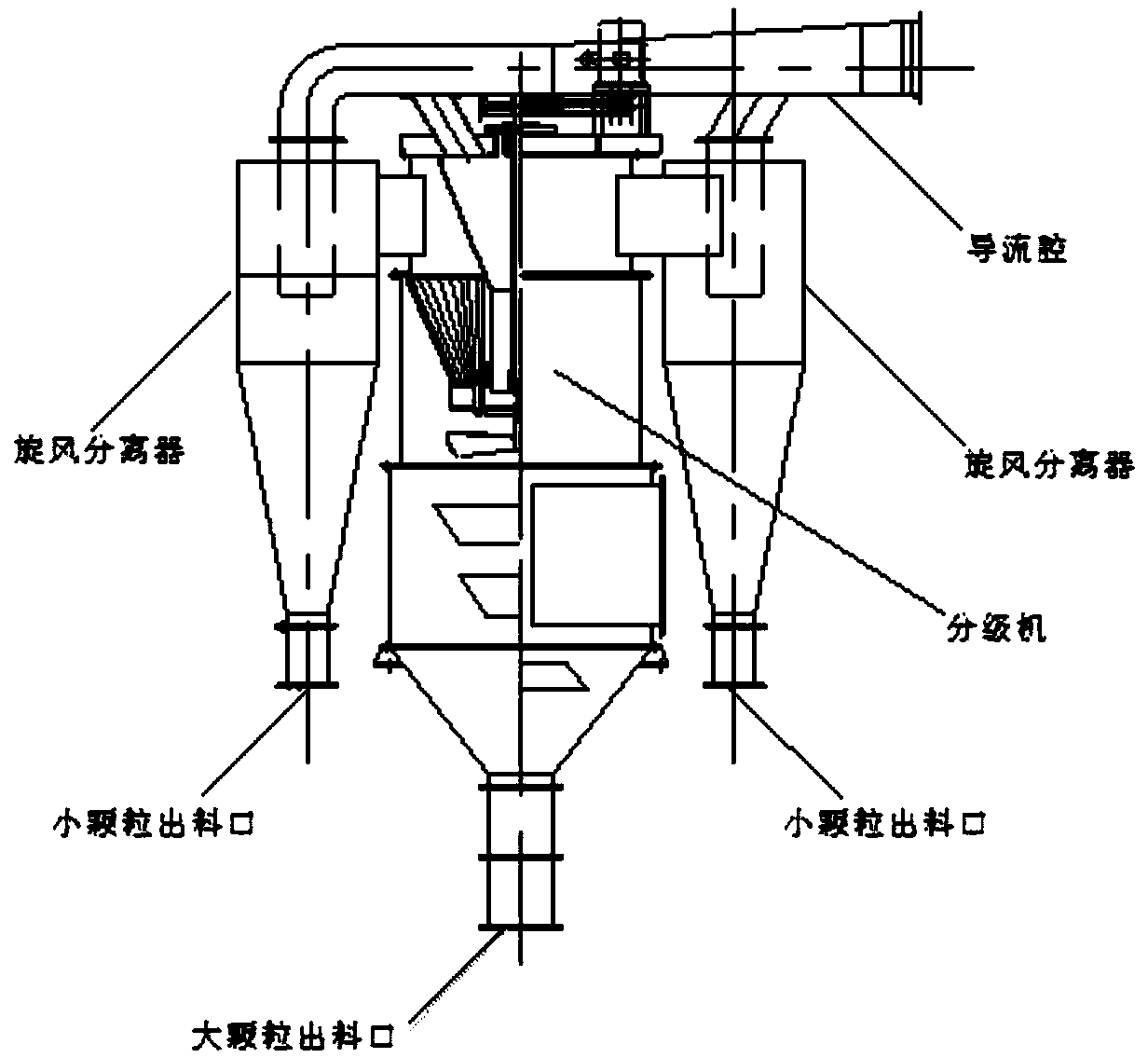
Figure 1 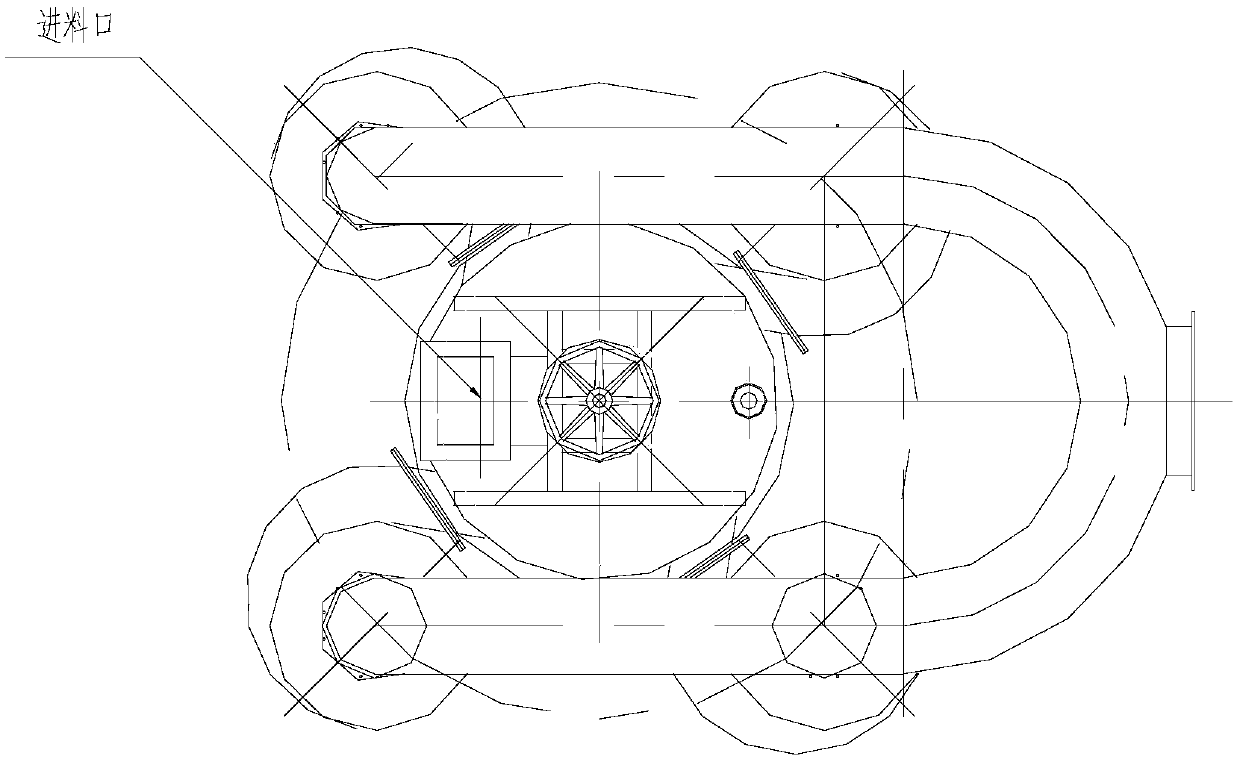
Figure 2
Abstract
Description
technical field
[0001] The invention belongs to the technical field of material roasting recovery and reuse, and in particular relates to a method for recycling dust generated from the regeneration of foundry waste sand, which is a method for recycling the dust generated in the recycling industry of foundry waste sand. Background technique
[0002] Casting is the foundation of the manufacturing industry and the main means of providing blanks for the machinery industry. The weight of castings accounts for 48% to 80% of the total weight of the machine. Many castings are also the core components of the machine, such as engines and machine tools. The level of castings directly determines the level of mechanical equipment and its core components, and it is well known that the development of various industries is inseparable from castings, so casting plays a pivotal role in the national economy. However, casting is a resource-intensive industry, which consumes a lot of energy and ...
Examples
Embodiment 1
[0025] A method for recycling the dust produced by the regeneration of foundry waste sand. First, the dust removal system is used to collect high-value dust and low-value dust in groups according to the effective value of the dust; Activation, drying, crushing to produce composite powder for modeling, low-value dust and blast furnace slag and sludge produced by wet regeneration of foundry waste sand, after raw material pretreatment, batching, molding, pre-calcination, roasting, cooling, screening to produce light Ceramsite; the high-value dust is the dust generated during the regeneration process of uncalcined foundry waste sand, and the low-value dust is the dust generated during the regeneration process of the roasted foundry waste sand;
[0026] The structure of the powder classifier includes a classifier, a cyclone separator, and a diversion chamber; the upper part of the classifier is provided with a feed port, the lower part is provided with a large particle discharge por...