
Calcium-zinc compound stabilizer as well as preparation method and application thereof
A calcium-zinc composite and stabilizer technology, applied in the field of chemical stabilizers, to achieve the effects of no three wastes, reduced production costs, and good thermal stability
Patent Information
- Authority / Receiving Office
- CN · China
- Patent Type
- Applications(China)
- Current Assignee / Owner
- Publication Date
- 2019-05-21
- Estimated Expiration
- Not applicable · inactive patent
Smart Images
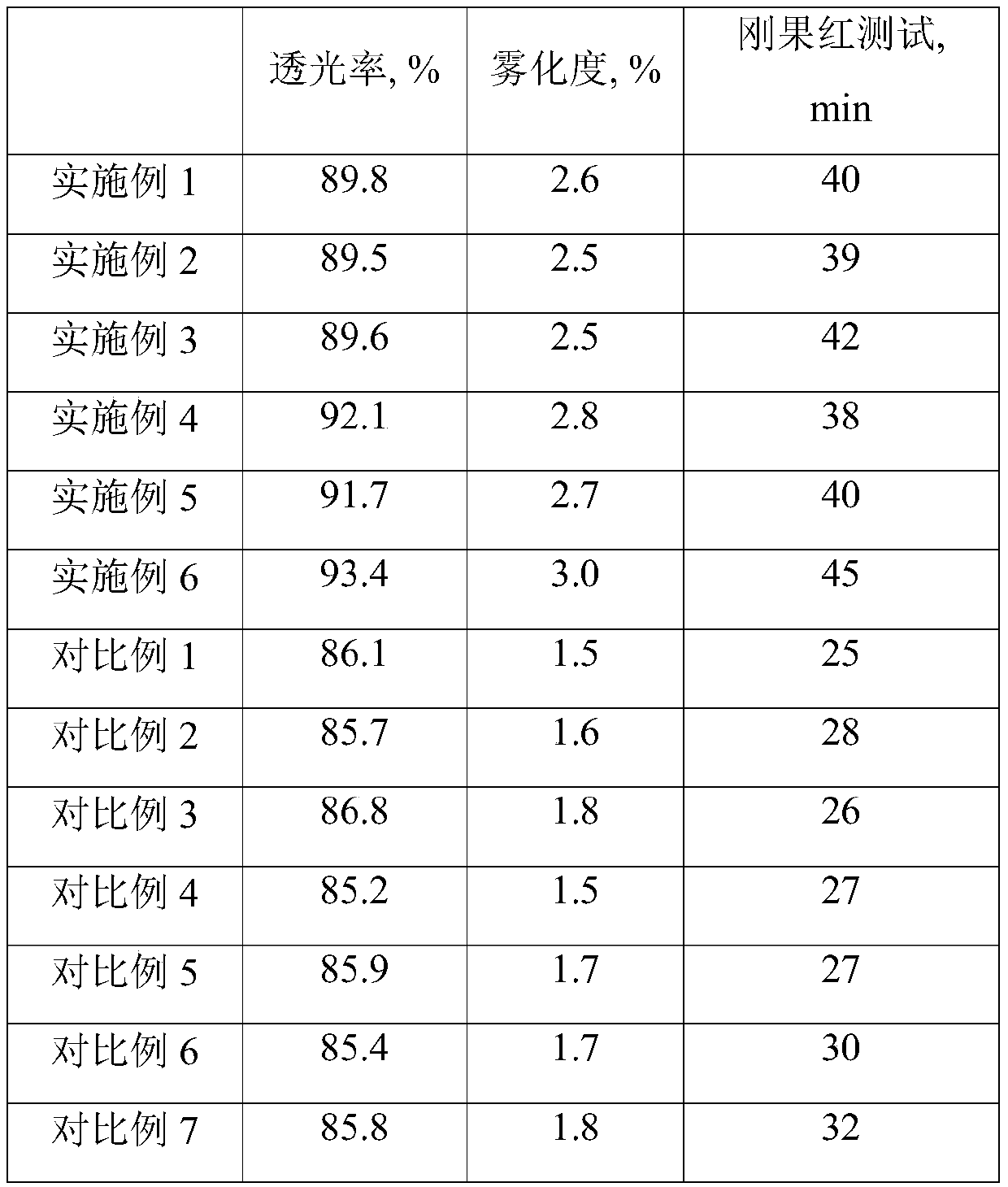
Figure 1 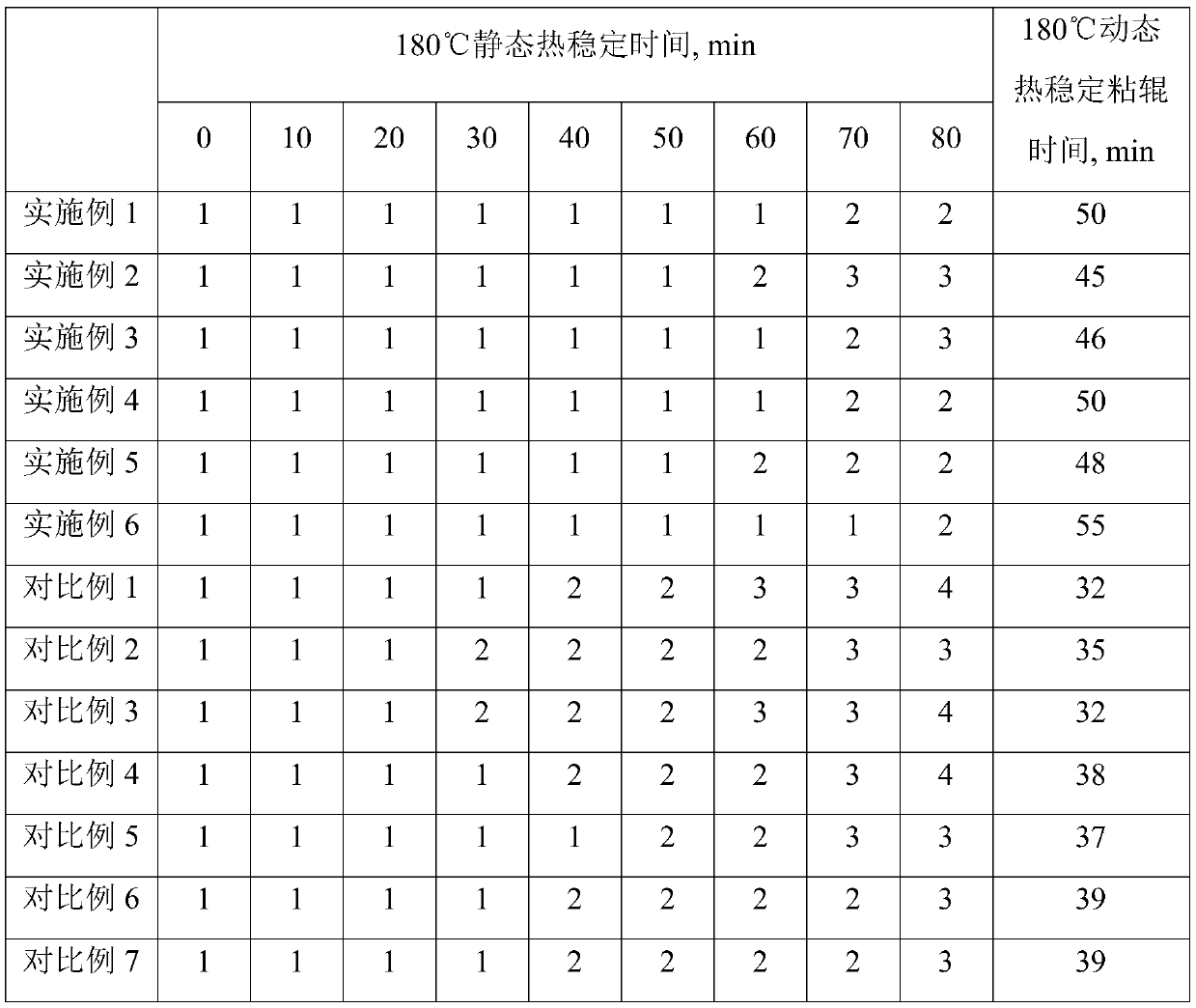
Figure 2
Abstract
Description
technical field
[0001] The invention belongs to the technical field of chemical stabilizers, and more specifically relates to a calcium-zinc composite stabilizer and its preparation method and application. Background technique
[0002] Known heat stabilizers in the PVC industry mainly include lead salts, metal soaps, organotin, rare earth and Ca / Zn stabilizers, but the most widely used heat stabilizers are lead salts and metal soaps. Lead salt stabilizers are cheap and have good thermal stability effects, but they are highly toxic, seriously endangering human health and polluting the environment, and lead salt stabilizers have the disadvantage of being opaque. Organotin stabilizers not only have good transparency and thermal stability, but also have low toxicity. They are widely used in high-transparency polyvinyl chloride sheets, sheets, food, and pharmaceutical packaging, but they are expensive, and some products are more toxic in terms of toxicity. The control is complet...
Examples
Embodiment 1
[0061] This embodiment provides a calcium-zinc composite stabilizer, which is composed of the following raw materials in mass percentage: isooctanoic acid: 10%, benzoic acid: 10%, ultrafine zinc oxide: 4.2%, ultrafine calcium oxide: 6.5%, non-toxic Phosphite: 8%, DINCH: 35%, ATBC: 1%, TXIB: 0.3%, methyl chloride: 25%; the average particle size of ultrafine zinc oxide is 30nm; the average particle size of ultrafine calcium oxide is 40nm, non-toxic phosphite is 4,4-diisoylidene bisphenol (12-14) carbon alkyl ester of phosphite;
[0062] The preparation method of above-mentioned calcium-zinc composite stabilizer specifically comprises the following steps:
[0063] S1. Carry out dehydration and salification treatment of isooctanoic acid, benzoic acid, zinc oxide and calcium oxide in the above ratio, and obtain calcium salt and zinc salt respectively; wherein, the process parameters of dehydration and salification treatment are: the reaction temperature is 100°C, The reaction time...
Embodiment 2
[0066] This embodiment provides a calcium-zinc composite stabilizer, the main difference from Example 1 is that it consists of the following raw materials in mass percentage: isooctanoic acid: 30%, benzoic acid: 2%, ultrafine zinc oxide: 0.5%, ultrafine Fine calcium oxide: 1.2%, non-toxic phosphite: 15%, DINCH: 20%, ATBC: 5%, TXIB: 3%, chloromethyl ester: 23.3%; the average particle size of ultrafine zinc oxide is 80nm; The average particle size of superfine calcium oxide is 80nm;
[0067] The preparation method of the above-mentioned calcium-zinc composite stabilizer refers to the operation steps of Example 1, the main difference is that in step S1, the process parameters of the dehydration and salt-forming treatment are as follows: the reaction temperature is 120° C., and the reaction time is 15 minutes.
Embodiment 3
[0069] This embodiment provides a calcium-zinc composite stabilizer, the main difference from Example 1 is that it consists of the following raw materials in mass percentage: isooctanoic acid: 22%, benzoic acid: 4%, ultrafine zinc oxide: 3%, ultrafine Fine calcium oxide: 1.9%, non-toxic phosphite: 10%, DINCH: 25%, ATBC: 2%, TXIB: 0.1%, chloromethyl ester: 32%; the average particle size of ultrafine zinc oxide is 50nm; The average particle size of superfine calcium oxide is 50nm;
[0070] The preparation method of the above-mentioned calcium-zinc composite stabilizer refers to the operation steps of Example 1, the main difference is that in step S1, the process parameters of the dehydration and salt-forming treatment are as follows: the reaction temperature is 110° C., and the reaction time is 20 minutes.