
Low-thermal-conductivity brick for rotary cement kiln and production and manufacturing method of low-thermal-conductivity brick
A cement rotary kiln, low thermal conductivity technology, applied in the direction of rotary drum furnace, lighting and heating equipment, furnace, etc., can solve the problem of pollution pollution of heat-conducting bricks, etc., to reduce tire wear and cylinder deformation rate, heat insulation effect Good effect of reducing masonry weight
Patent Information
- Authority / Receiving Office
- CN · China
- Patent Type
- Applications(China)
- Current Assignee / Owner
- Publication Date
- 2020-11-20
Smart Images
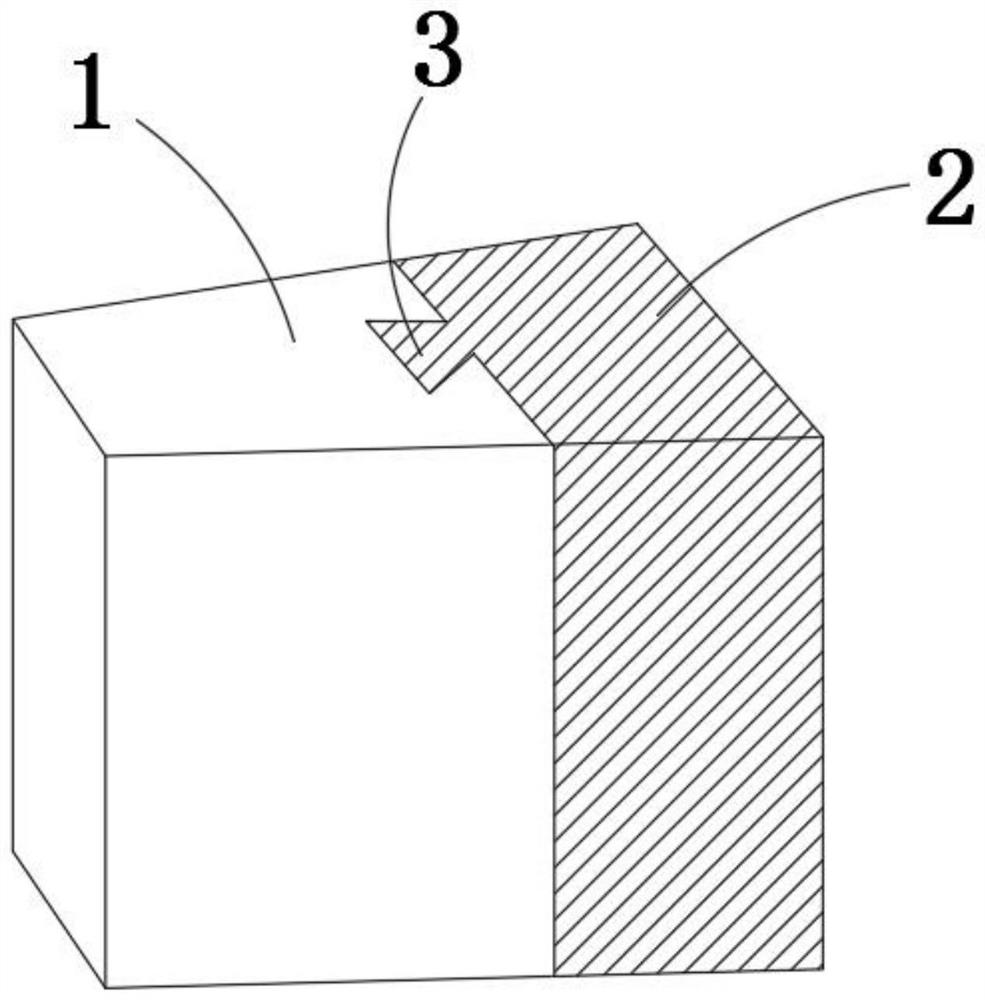
Figure 1 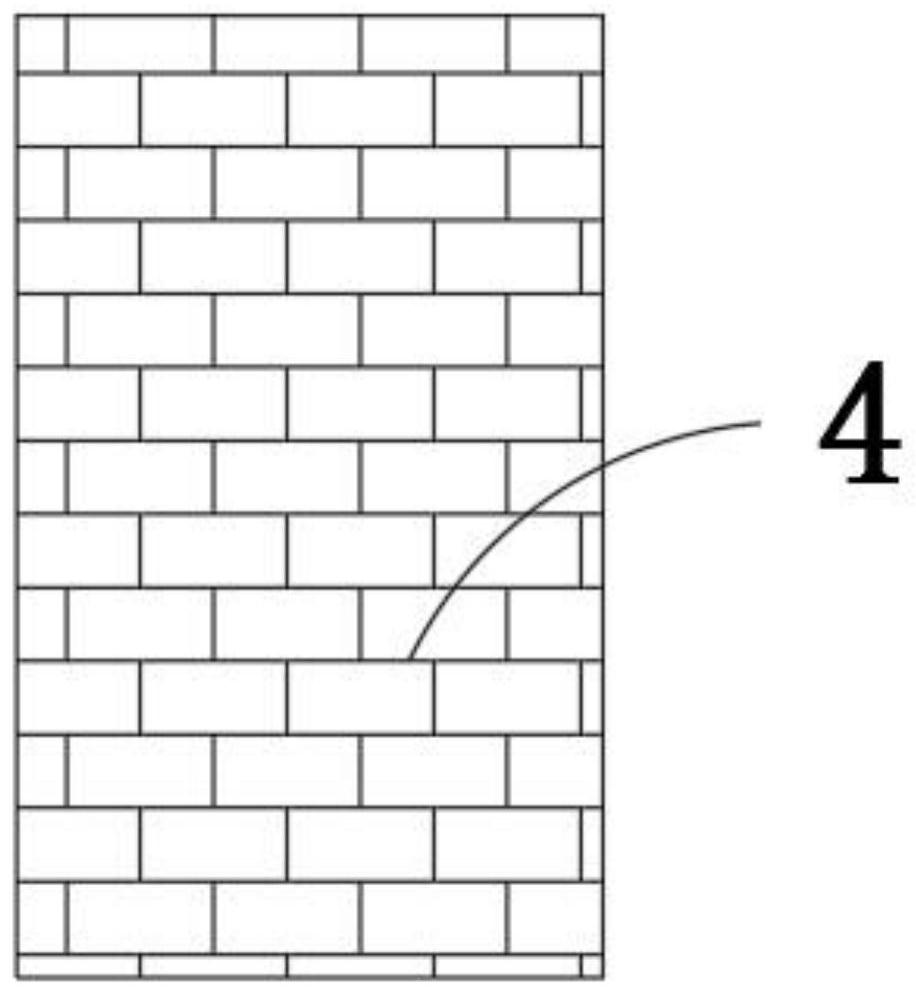
Figure 2 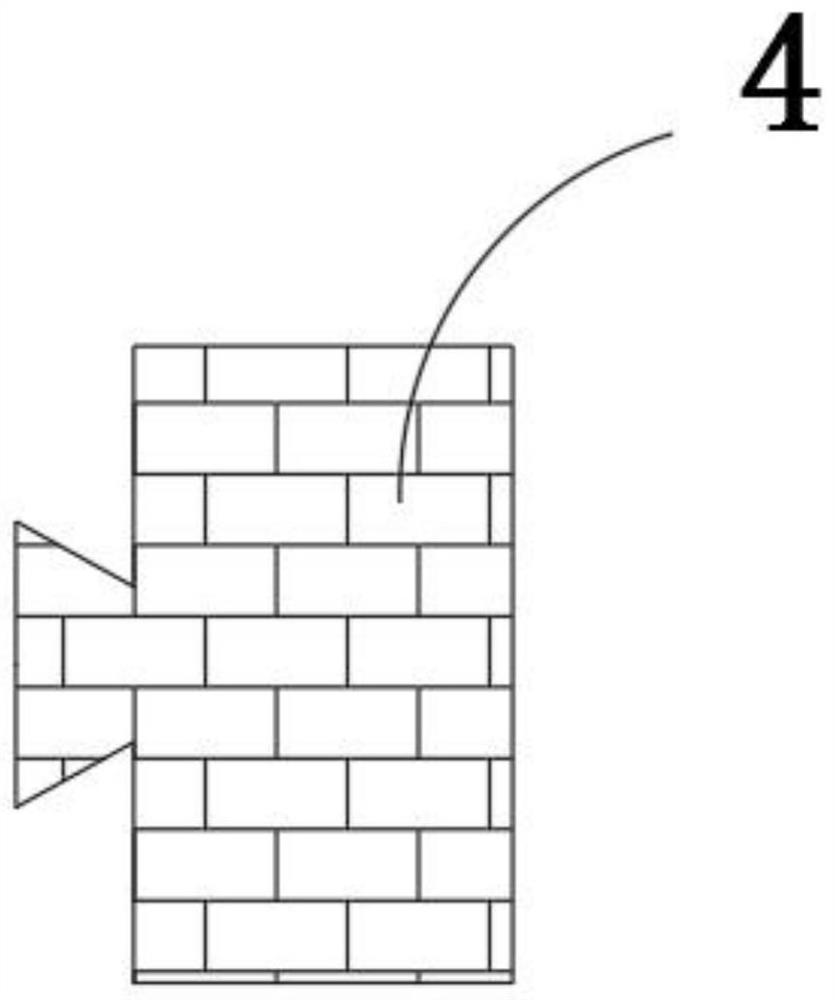
Figure 3
Abstract
Description
technical field
[0001] The invention belongs to a refractory material and a production method thereof, in particular to a low thermal conductivity brick for a cement rotary kiln and a production and production method thereof. Background technique
[0002] Due to the use of magnesia-chrome bricks in cement dry normal line rotary kilns, part of the chromium in magnesia-chrome bricks will change from "Cr 3+ " into the highly toxic and carcinogenic "Cr 6+ ", damage the environment and affect people's life and health. Therefore, chrome-free refractory products are the trend and development direction of alkaline materials for cement kilns. At the same time, the cement industry, as an important building materials industry, bears the brunt of the pressure of energy conservation and emission reduction. On the one hand, it faces On the other hand, the national and local standards for reducing energy consumption are constantly increasing, and on the other hand, it is the inherent requ...
Examples
Embodiment 1
[0027] Such as Figure 1-4 As shown, a low thermal conductivity brick for a cement rotary kiln includes a main refractory brick part 1 and an insulator part 2. The main refractory brick part 1 adopts magnesia with a limit particle size of 5 mm, which is relatively convenient to implement in the field of refractory materials in my country, and magnesia Fused magnesia and sintered magnesia can be selected, with a particle size of 5mm; the particle size of the matrix part is 0.075mm fine powder; at the same time, magnesia-alumina spinel particles can be added, and magnesia-alumina spinel can be sintered magnesia-alumina spinel and fused magnesia Aluminum spinel, the particle size is 3mm, the particle size of the matrix part is 0.075mm fine powder; the fineness of the additive powder is 0.045mm, and the steel mesh 4 of the insulation body part 2 is welded by 304 stainless steel wire with a diameter of 2mm.
[0028] A layer of refractory cotton is placed between the main refractory b...
Embodiment 2
[0038] Such as Figure 1-4 As shown, a low thermal conductivity brick for a cement rotary kiln includes a main refractory brick part 1 and an insulator part 2. The main refractory brick part 1 adopts magnesia with a limit particle size of 5 mm, which is relatively convenient to implement in the field of refractory materials in my country, and magnesia Fused magnesia and sintered magnesia can be selected, with a particle size of 0.088mm; the particle size of the matrix part is 0.045mm fine powder; at the same time, magnesia-alumina spinel particles can be added, and magnesia-alumina spinel can be sintered magnesia-alumina spinel, fused magnesia Magnesium-aluminum spinel with a particle size of 0.088mm, the matrix part with a particle size of 0.045mm fine powder; the additive fine powder with a fineness of 0.025mm, the steel mesh 4 of the insulation part 2 is welded by 304 stainless steel wire with a diameter of 3mm.
[0039] A layer of refractory cotton is placed between the main...
Embodiment 3
[0049] Such as Figure 1-4 As shown, a low thermal conductivity brick for a cement rotary kiln includes a main refractory brick part 1 and an insulator part 2. The main refractory brick part 1 adopts magnesia with a limit particle size of 5 mm, which is relatively convenient to implement in the field of refractory materials in my country, and magnesia Fused magnesia and sintered magnesia can be selected, with a particle size of 3.088mm; the particle size of the matrix part is 0.065mm fine powder; at the same time, magnesia-alumina spinel particles can be added, and magnesia-alumina spinel can be sintered magnesia-alumina spinel, fused magnesia Magnesia-aluminum spinel with a particle size of 2.088mm, the particle size of the matrix part is 0.065mm fine powder; the fineness of the additive powder is 0.035mm, and the steel mesh 4 of the insulation body part 2 is welded by 304 stainless steel wire with a diameter of 2.7mm.
[0050] A layer of refractory cotton is placed between the...