
Dental enamel compositions with anti-inflammatory agents for animals
a technology of anti-inflammatory agents and dental enamel, which is applied in the field of dental compositions, can solve the problems of tooth decay, tooth yellowing, and extremely likely damage to the enamel, and achieve the effects of preventing rejection, accelerating integration, and negative repercussions for the patient/animal
Patent Information
- Authority / Receiving Office
- US · United States
- Patent Type
- Patents(United States)
- Current Assignee / Owner
- Publication Date
- 2022-06-07
Smart Images
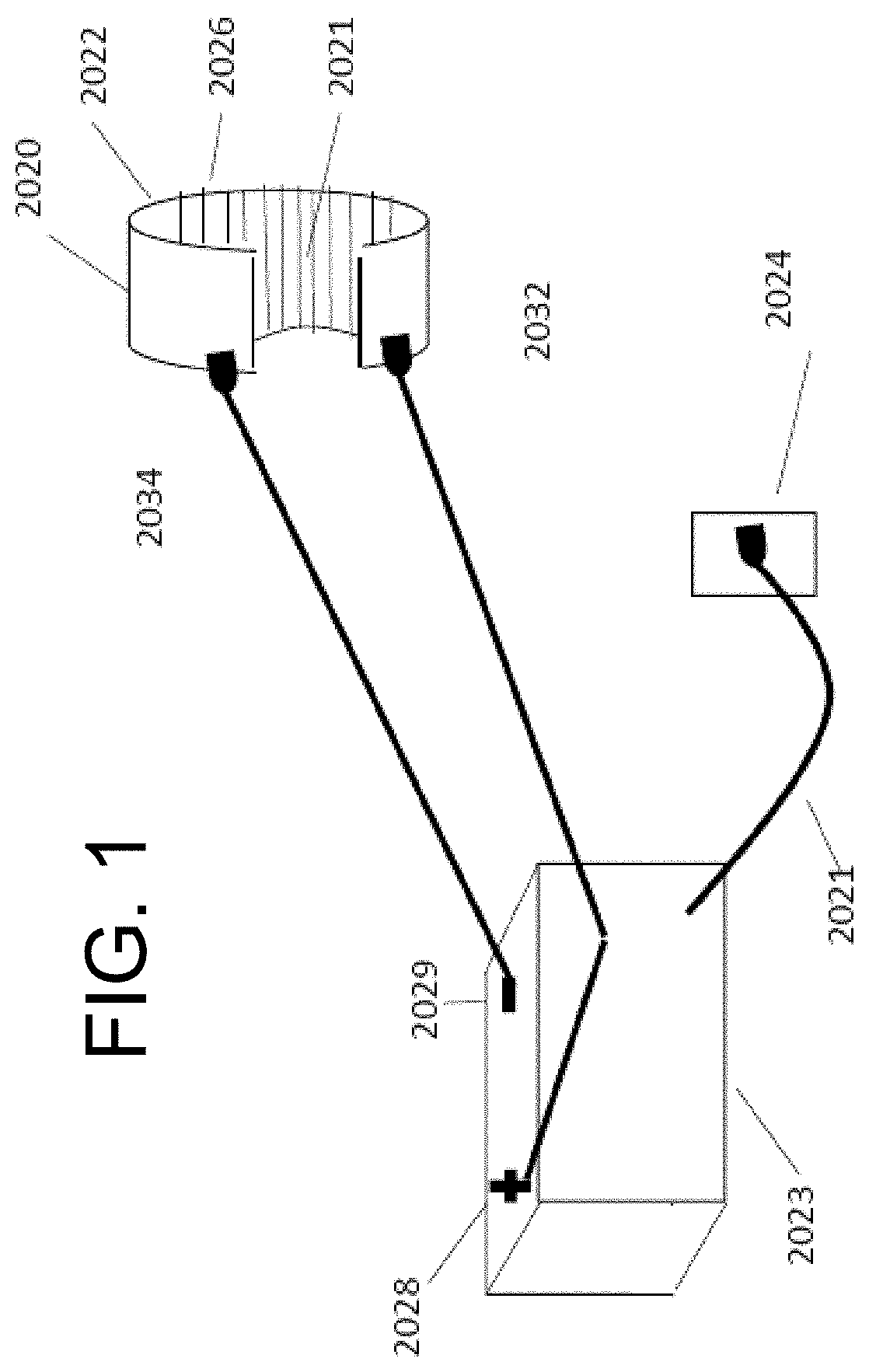
Figure 1 
Figure 2 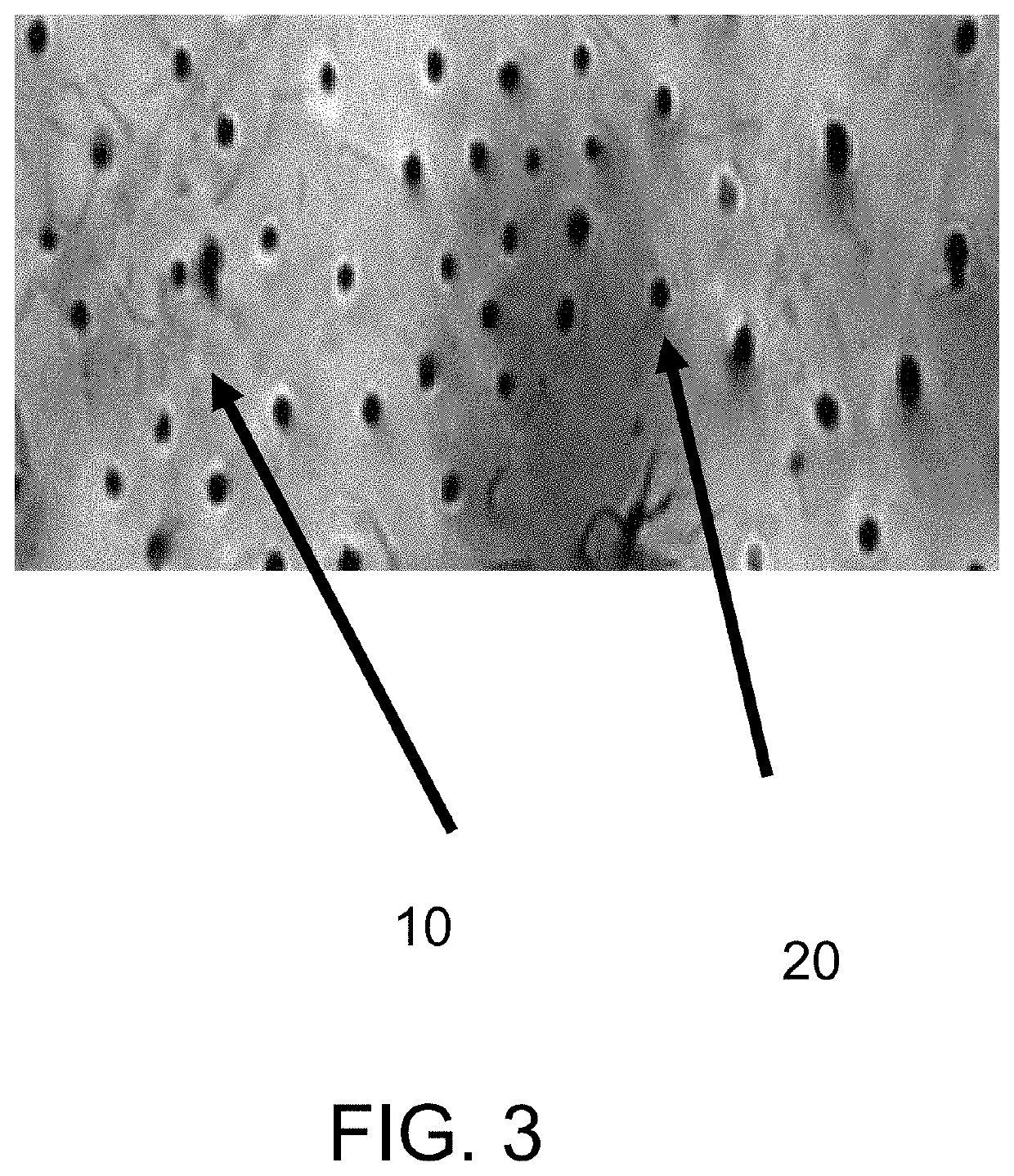
Figure 3
Abstract
Description
COPYRIGHT STATEMENT
[0001] A portion of the disclosure of this patent document contains material that is subject to copyright protection. The copyright owner has no objection to the facsimile reproduction by anyone of the patent document or the patent disclosure as it appears in the Patent and Trademark Office patent file or records, but otherwise reserves all copyright rights whatsoever.
[0002] Trademarks used in the disclosure of the invention, and the applicants, make no claim to any trademarks referenced.CROSS-REFERENCE TO RELATED APPLICATION
[0003] This application claims priority from U.S. patent application Ser. No. 16 / 529,202, filed Aug. 1, 2019 entitled DENTAL ENAMEL COMPOSITIONS WITH ANTI-INFLAMMATORY AGENTS which is hereby incorporated by reference herein for all purposes.BACKGROUND OF THE INVENTIONField of the Invention
[0004] The invention relates to methods and compositions relating to a dental composition more specifically to prepare the damaged dentin of the tooth prior to r...
Examples
example 1
[0174]Studies to, test the dental bonding of dentin in the presence of bioglass 45S5 were performed.
[0175]Preparation of Tooth Samples
[0176]The occlusal enamel of six human third molars were removed using a belt sander with 240-grit silicon carbide paper, following which the roots were removed using a slow-speed saw (IsoMet®, Buehler Ltd., Lake Bluff, Ill.) with water coolant to produce tooth discs approximately 5 mm thick. The exposed dentin was polished with 320-grit silicon carbide paper. The discs were mounted on open-ended tubes with hot glue and attached to a vacuum trap. Scanning, electron micrographs were taken of the Sample 1 (shown in FIG. 3) presenting the dentin 10 and the dentinal tubule 20.
[0177]The occlusal dentin was cleaned with a nylon bristle brush by scrubbing the area for 15 seconds and rinsed for a further 15 seconds with deionized water. A slurry of 20% or 40% (w / v) bioactive glass of the formulation 45S5 (Bioglass 45S5, SEM-COM, Toledo, Ohio) which has the no...
example 2
[0183]Studies to Test the Dental Bonding of Dentin in the Presence of F Glass were Performed.
Preparation of Tooth Samples
[0184]The occlusal enamel of six human third molars were removed using a belt sander with 240-grit silicon carbide paper, following which the roots were removed using a slow-speed saw (IsoMet, Buehler Ltd., Lake Bluff, Ill.) with water coolant to produce tooth discs approximately 5 mm thick. The exposed dentin was polished with 320-grit silicon carbide paper. The discs were mounted on open-ended tubes with hot glue, and then attached to a vacuum trap. Scanning electron micrographs were taken of the Sample 2 (shown in FIG. 5) presenting the dentin 10 and the dentinal tubule 20.
[0185]The occlusal dentin of sample 2 was cleaned with a nylon bristle brush by scrubbing the area for 15 seconds and rinsed for a further 15 seconds with deionized water. A slurry of 40% weight of bioactive glass of the formulation Bioglass F or F Glass and has the following approximate comp...