
Method for detecting and eliminating errors in application data of an electronic device
Patent Information
- Authority / Receiving Office
- US · United States
- Current Assignee / Owner
- Publication Date
- 2005-09-15
- Estimated Expiration
- Not applicable · inactive patent
Smart Images
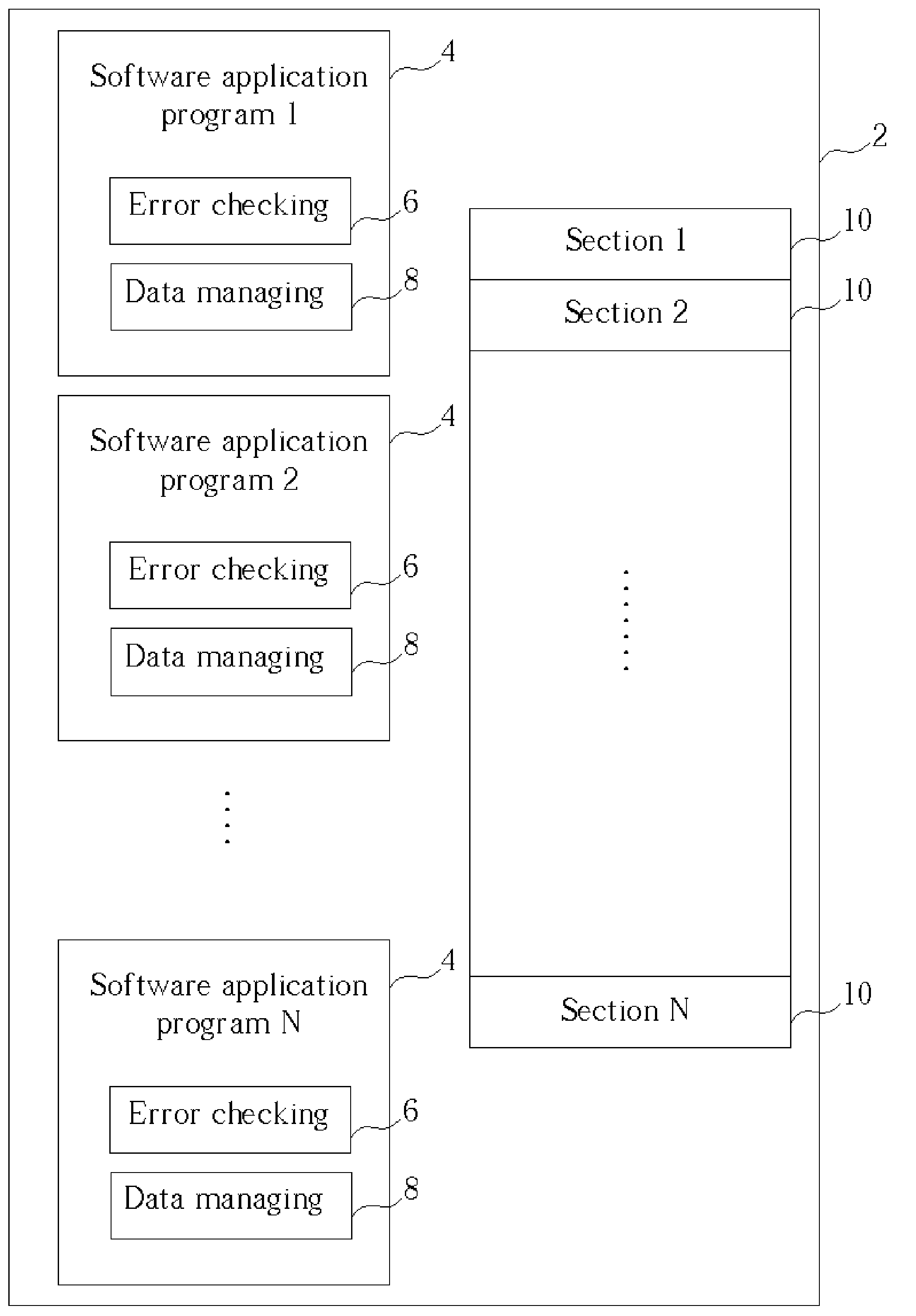
Figure 1 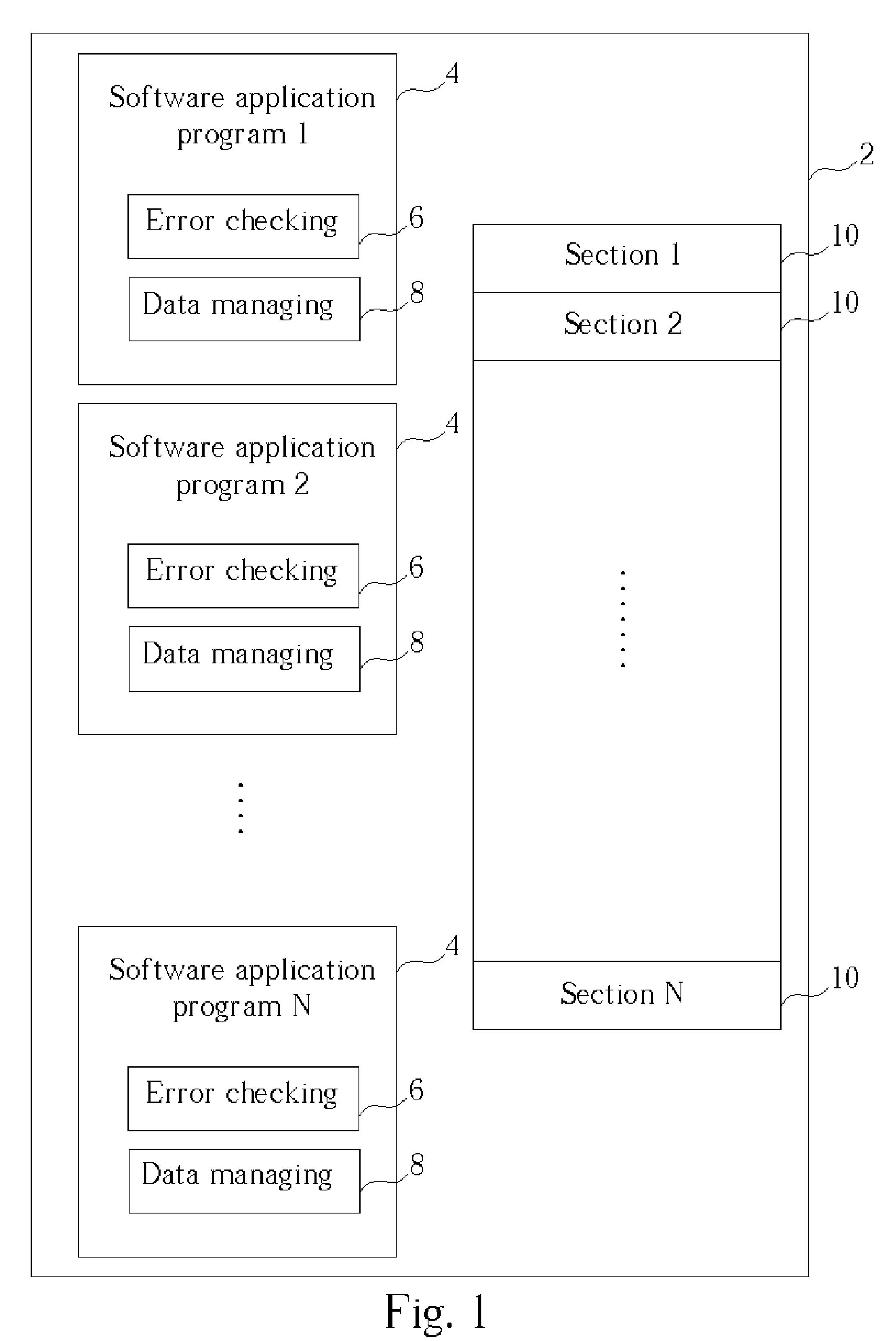
Figure 2 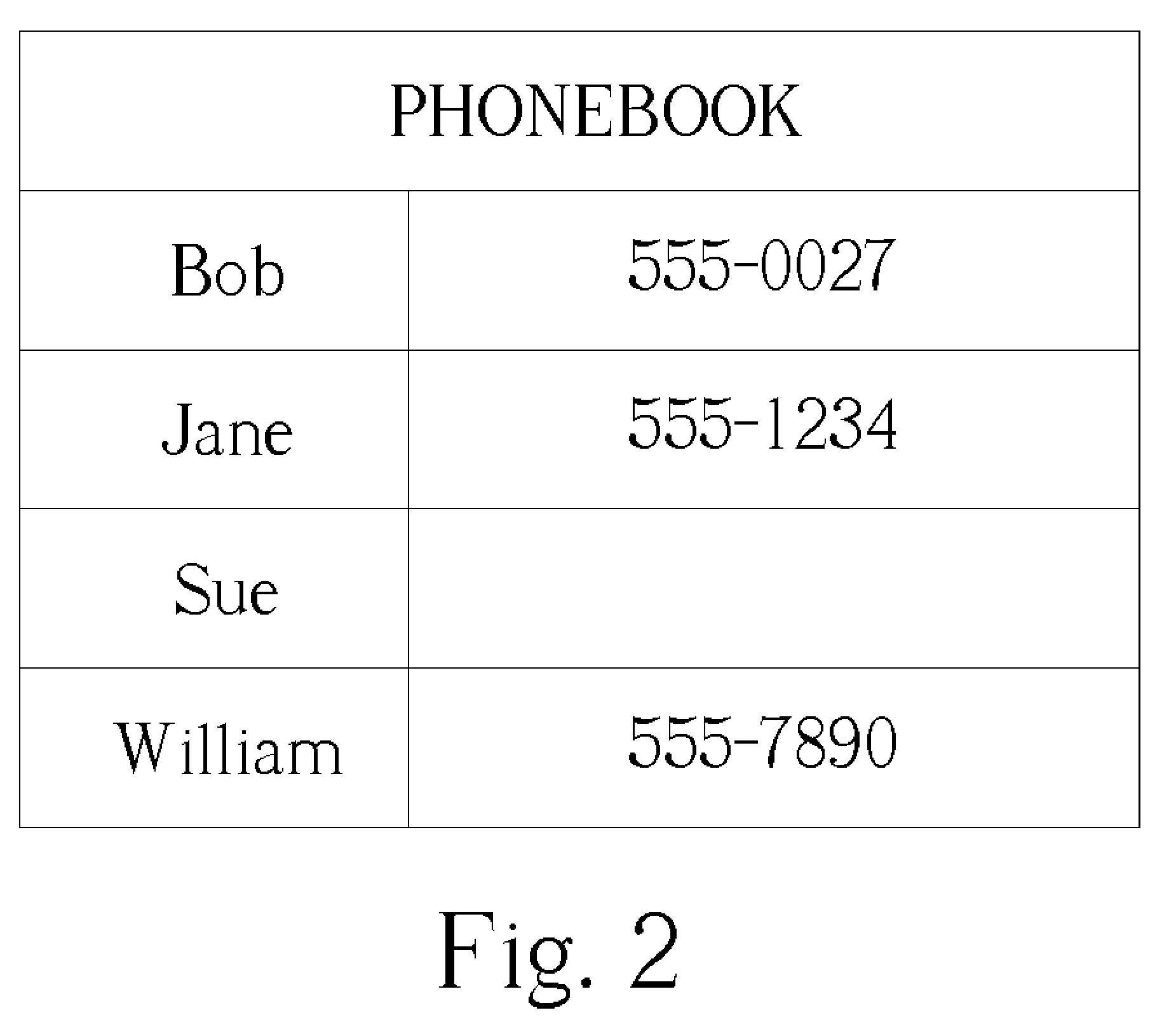
Figure 3
Abstract
Description
BACKGROUND OF INVENTION
[0001] 1. Field of the Invention
[0002] The present invention relates to a method for detecting application data errors, and more specifically, to a method for detecting errors in application data of an electronic device and restoring the section of memory in which the application data is located to an initial status.
[0003] 2. Description of the Prior Art
[0004] Whenever software is used to run electronic devices, it is highly likely that application data accessed by the software will become corrupted at some point. The user of the electronic device may inadvertently corrupt the application data while using the software. In addition, other hardware problems such as a memory access error may also corrupt application data.
[0005] Unfortunately, the traditional remedy for fixing the corrupted application data is to return the electronic device to the manufacturer. The manufacturer will then use a tool to reset all application data on the electronic device. Howe...
Examples
Embodiment Construction
[0013] The present invention embeds an error checking algorithm in multiple software application programs run by an electronic device. The present invention can be used in any electronic device in which a memory is used to store application data that is used by software application programs. These electronic devices include (but are not limited to) mobile phones, personal digital assistants (PDAs), computers, and other such devices. For convenience, the following description will use a mobile phone as an example.
[0014] Please refer to FIG. 1. FIG. 1 is a block diagram of contents of a memory 2 of an electronic device according to the present invention. The memory 2 stores a plurality of software application programs 4 and application data used in the software application programs 4 is stored in a plurality of sections 10 of the memory 2. For example, the section 10 of the memory 2 labeled “section 1” corresponds to the software application program 4 labeled “software application da...