
Automatic post-pacing interval measurement
a post-pacing interval and automatic technology, applied in the field of tissue characterization for identification of ablation sites, can solve the problems of affecting the normal path of electrical impulses, disrupting the normal activation of heart tissue and chambers, and existing devices that do not allow ppi measurements to be obtained efficiently and conveniently
Patent Information
- Authority / Receiving Office
- US · United States
- Patent Type
- Applications(United States)
- Current Assignee / Owner
- Publication Date
- 2006-02-16
- Estimated Expiration
- Not applicable · inactive patent
Smart Images
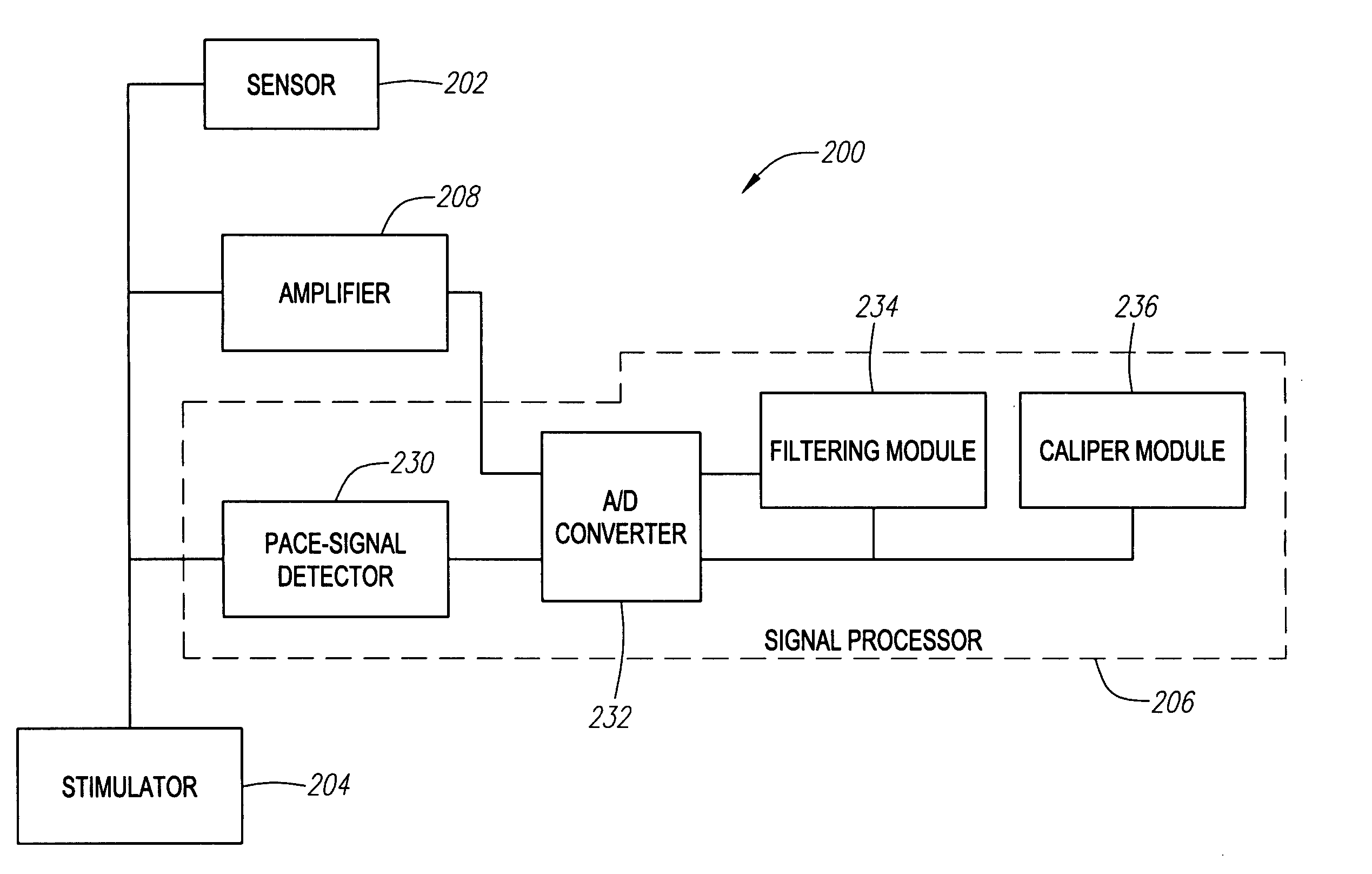
Figure 1 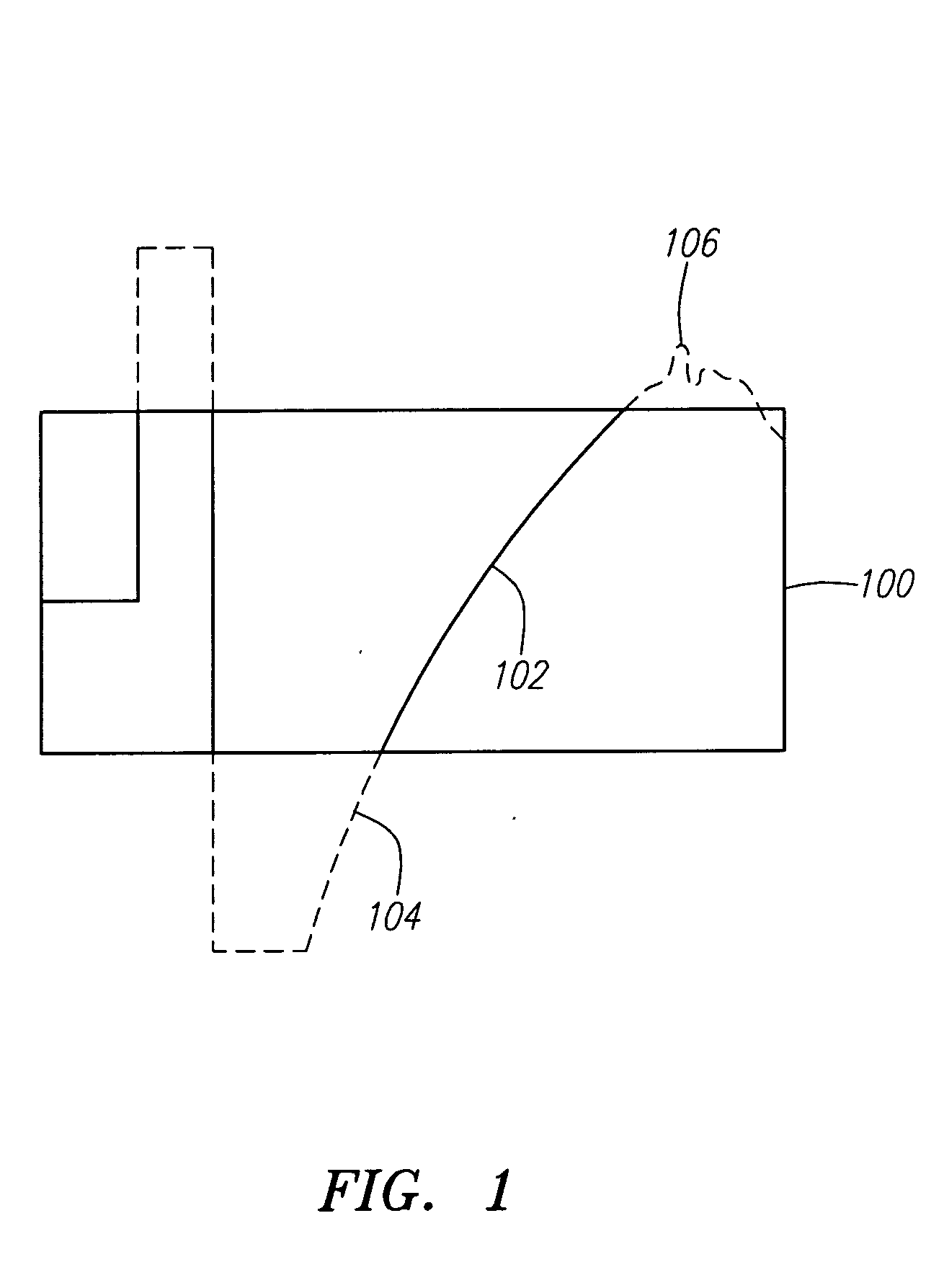
Figure 2 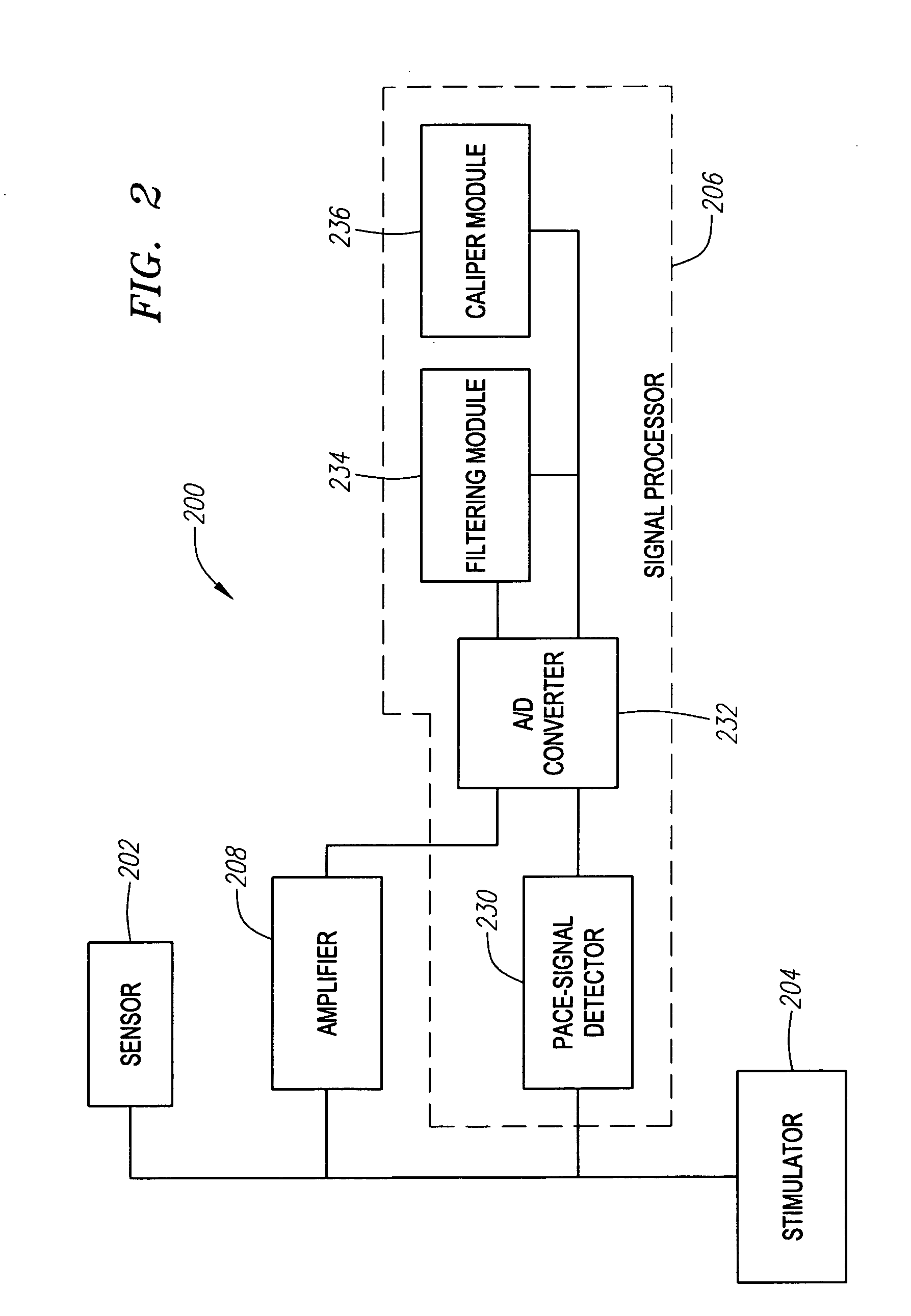
Figure 3
Abstract
Description
FIELD OF THE INVENTION
[0001] The present invention relates generally to tissue characterization for identification of an ablation site, and more particularly, to apparatuses and methods for obtaining post-pacing interval measurement. BACKGROUND OF THE INVENTION
[0002] A normal heartbeat involves generation of an electrical impulse and propagation of the electrical impulse across the heart, which causes each chamber of the heart to appropriately contract. Sometimes aberrant conductive pathways develop in heart tissues, and disrupt the normal path of the electrical impulse. For example, anatomical obstacles or conduction blocks in heart tissue can disrupt the normal propagation of an impulse by causing the impulse to degenerate into several circular wavelets that circulate about the obstacles, thus disrupting normal activation within the heart tissue and chambers. Also, slow conduction zones in animal and human hearts constrained by anatomical or conduction blocks are believed to exi...
Examples
Embodiment Construction
[0007] In accordance with some embodiments of the invention, a system for processing a biopotential signal includes a detector for detecting a pacing signal, and a filtering module for applying a dynamic filter based on the detected pacing signal.
[0008] In accordance with other embodiments of the invention, a method for processing a biopotential signal includes detecting a pacing signal, and applying a dynamic filter on a pacing channel based on the detected pacing signal.
[0009] In accordance with other embodiments of the invention, a computer software product having a set of stored instructions, an execution of which causes a process to be performed, the process comprising detecting a pacing signal, and applying a dynamic filter on a pacing channel based on a detected pacing signal.
[0010] In accordance with other embodiments of the invention, a system for processing a biopotential signal includes a detector for detecting a pacing signal, and means for automatically obtaining a p...