
Arthroplasty revision system and method
a technology of arthroplasty and revision system, applied in the field of arthroplasty revision system and method, can solve the problems of severe limitations on the functional ability and quality of life of people, loss of proper alignment or loss of proper articulation of the vertebrae, and interference with work, routine daily activities, and recreation
Patent Information
- Authority / Receiving Office
- US · United States
- Patent Type
- Applications(United States)
- Current Assignee / Owner
- Publication Date
- 2007-11-29
Smart Images
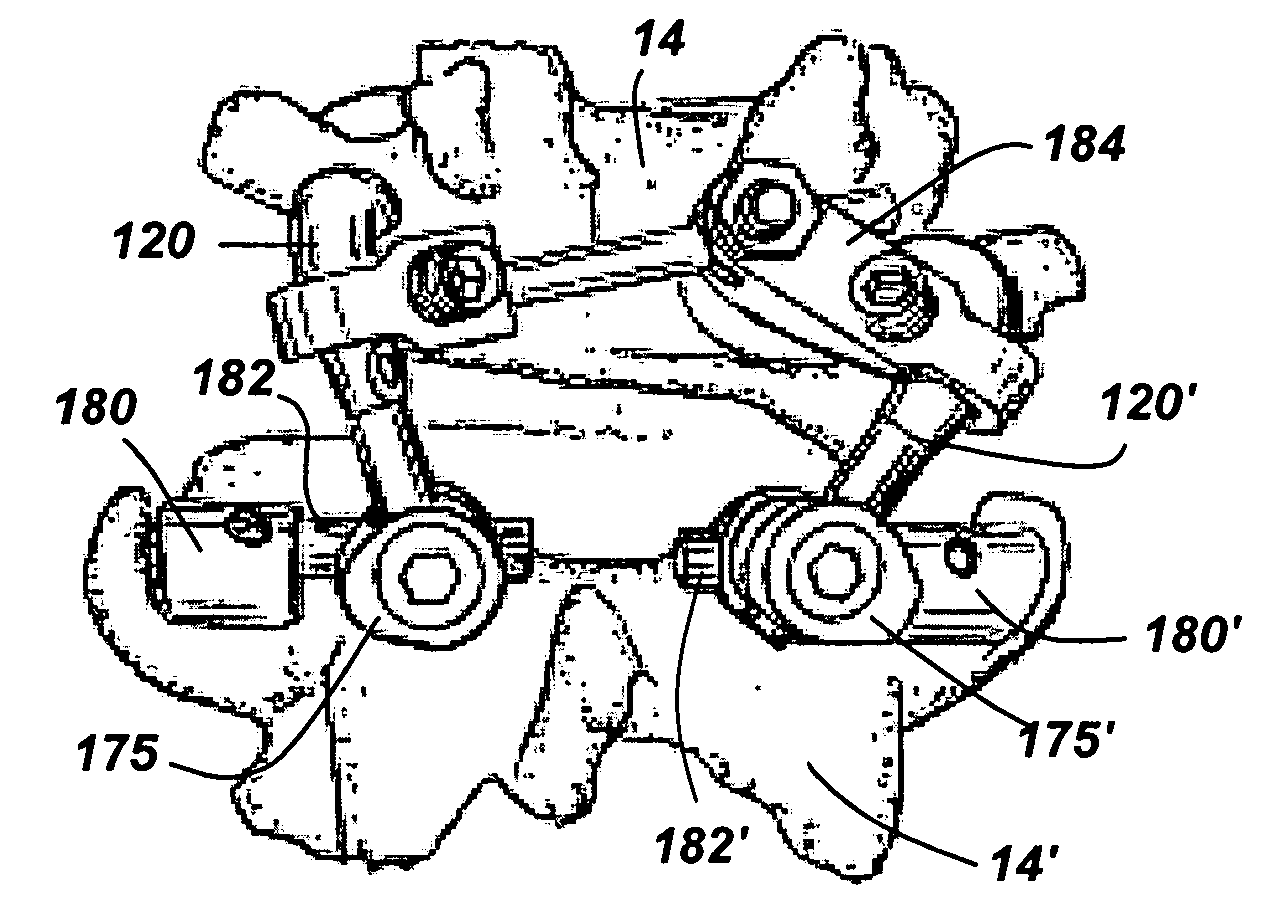
Figure 1 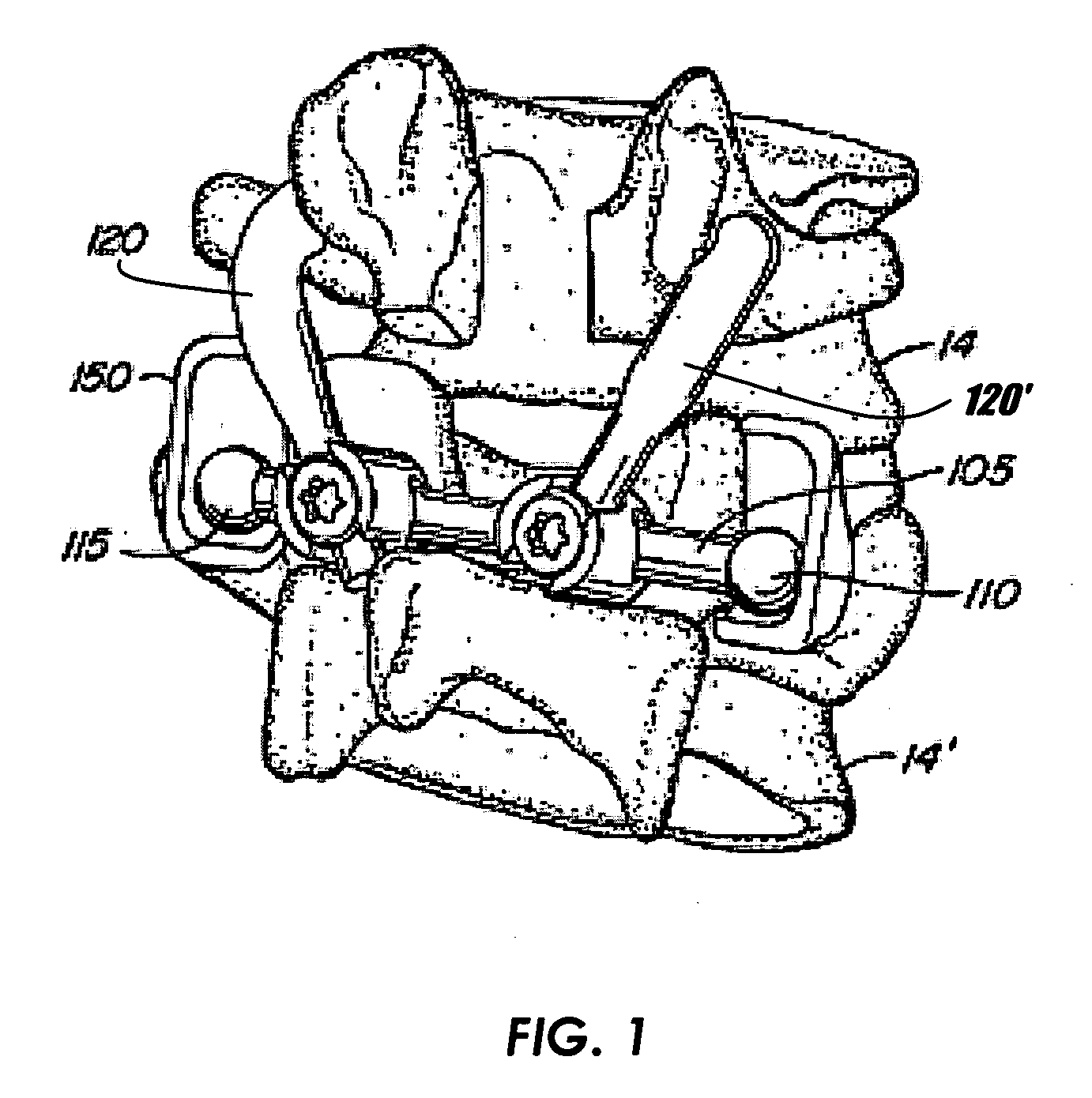
Figure 2 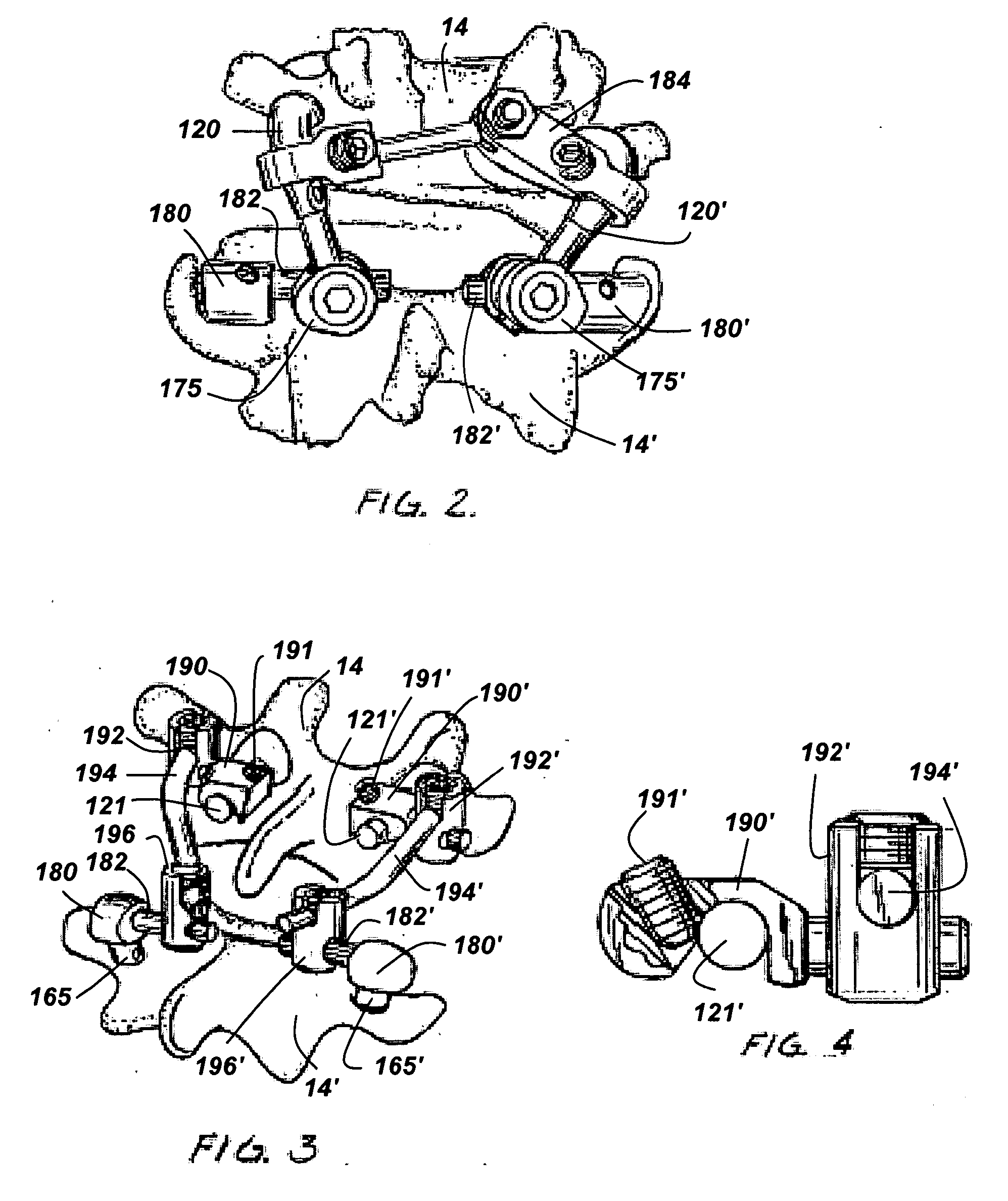
Figure 3
Abstract
Description
CROSS-REFERENCE TO RELATED APPLICATIONS
[0001] This application is a continuation-in-part of commonly assigned U.S. patent application Ser. No. 11 / 206,676, filed Aug. 17, 2005, which is a continuation-in-part of commonly assigned U.S. patent application Ser. No. 11 / 071,541, filed Mar. 2, 2005, the disclosures of which are incorporated herein. This application also claims the benefit of U.S. Provisional Patent Application Ser. Nos. 60 / 752,277, filed Dec. 20, 2005, and 60 / 847,013, filed Sep. 25, 2005, the disclosures of which are incorporated herein.INCORPORATION BY REFERENCE
[0002] All publications and patent applications mentioned in this specification are herein incorporated by reference to the same extent as if each individual publication or patent application was specifically and individually indicated to be incorporated by reference. FIELD OF THE INVENTION
[0003] The present invention generally relates to devices and surgical methods for treatment of various spinal pathologies. ...
Examples
Embodiment Construction
[0051] The revision devices and methods of this invention may be used with a variety of spinal implants, such as arthroplasty implants. FIG. 1 shows an exemplary spinal arthroplasty device attached to adjacent vertebrae 14 and 14′. The spinal arthroplasty device includes a crossbar 105, a pair of cephalad arms 120, 120′ and a pair of caudal cups 150, 150′. Heads 110 and 115 at opposing ends of crossbar 105 interact with bearing surfaces inside caudal cups 150 and 150′ to replace the articulating action of the patient's natural facet joints, which have been removed, when the patient flexes and extends his or her back. In this example, each cephalad arm 120, 120′ attaches to the pedicle of the superior vertebra 14 as shown, via, e.g., a stem (not shown) inserted into the pedicle. The other ends of the cephalad arms attach to crossbar 105 via crossbar mounts 175 and 175′. The caudal cups 150 and 150′ attach to the inferior vertebra 14′ via, e.g., stems (not shown) inserted into the ped...