
Sputter ion pump
a sputter ion pump and ion technology, applied in the field of vacuum pumps, can solve the problems of large volume, high fabrication cost, and large volume of the conventional sputter ion pump
Patent Information
- Authority / Receiving Office
- US · United States
- Patent Type
- Applications(United States)
- Current Assignee / Owner
- Publication Date
- 2010-09-30
Smart Images
Figure 1 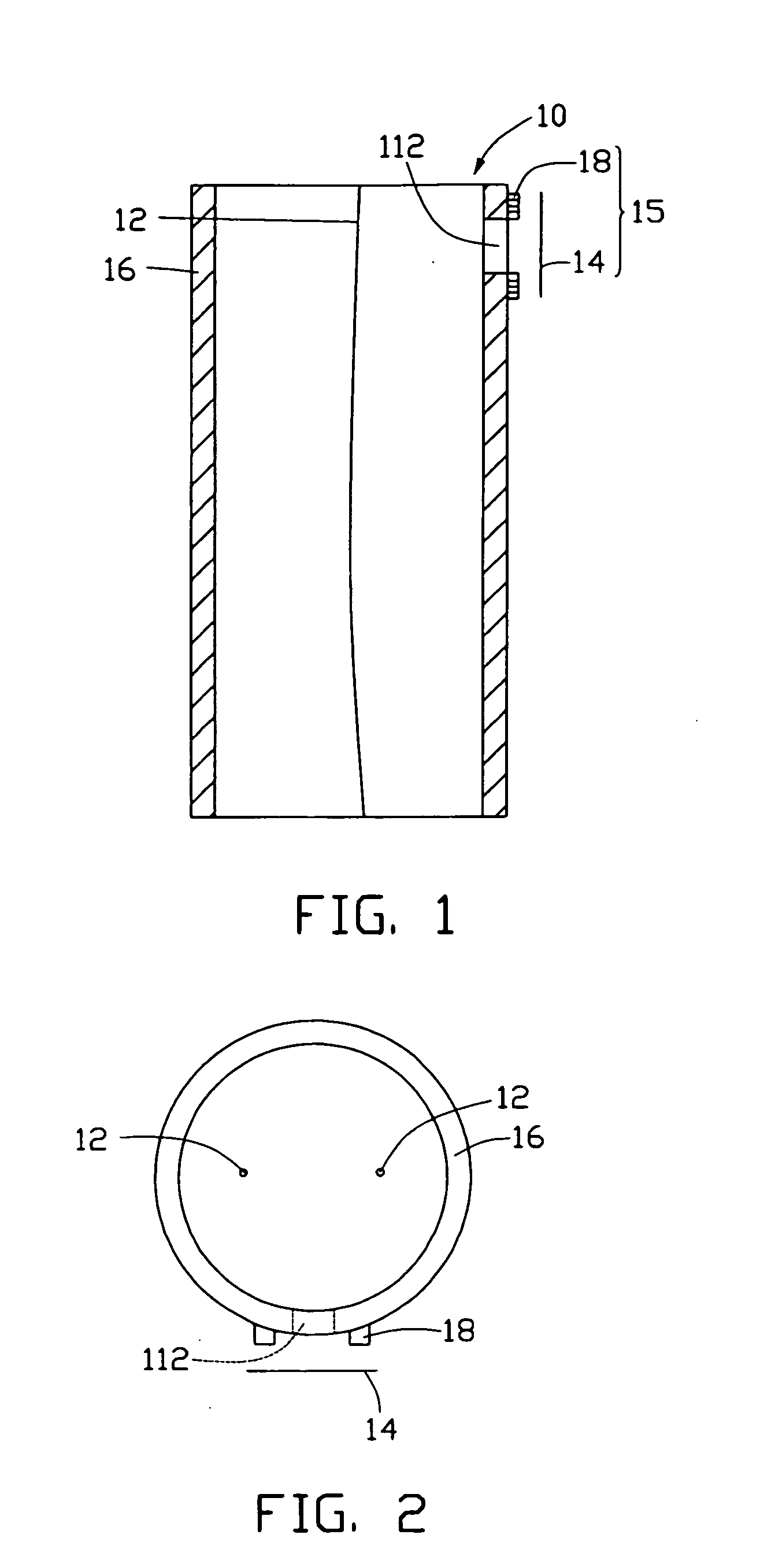
Figure 2 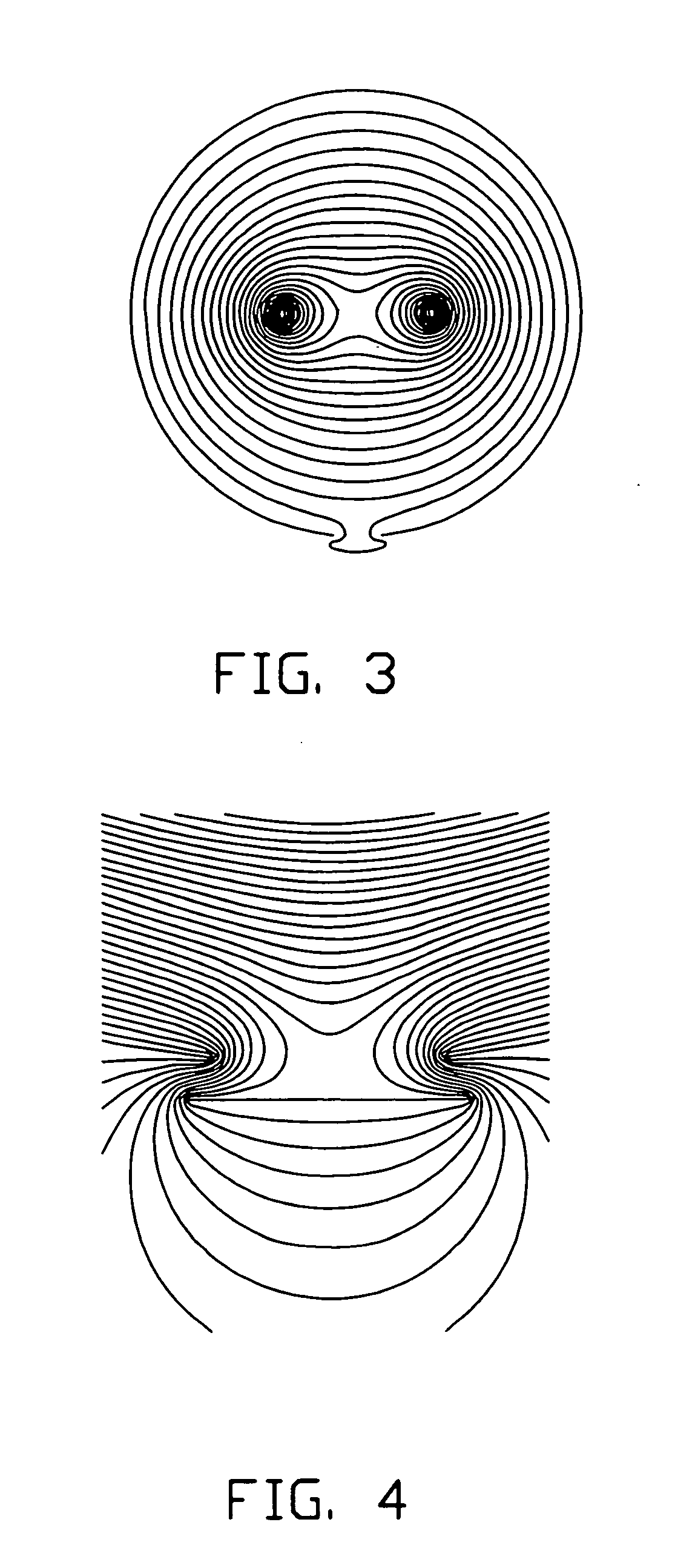
Figure 3
Abstract
Description
BACKGROUND
[0001] 1. Field of the Invention
[0002] The present invention relates to a vacuum pump known as a sputter ion pump and, more particularly, relates to a sputter ion pump that has a saddle-shaped electrostatic field and that is free of magnetic field.
[0003] 2. Discussion of Related Art
[0004] A sputter ion pump is a kind of vacuum pump. A conventional sputter ion pump generally includes a cathode and anode electrode, with a high voltage applied therebetween. Electrons spirally move in a high magnetic field and collide with gas molecules. This collision ionizes the gas molecules. The cathode electrode is subjected to a sputtering process by means of the ionized gas molecules activating the surfaces thereof. The ionized gas molecules are absorbed on and / or embedded in the active surfaces of the cathode electrode; and / or are caught by the surfaces of the anode electrode, thereby performing an evacuation of gases. However, the conventional sputter ion pump has a plurality of disadvant...
Examples
Embodiment Construction
[0020]Reference will now be made to the drawings to describe embodiments of the present sputter ion pump, in detail.
[0021]FIGS. 1 and 2 are schematic axial and radial cross-sectional views, respectively, showing a first embodiment of the present sputter ion pump 10. Referring to FIGS. 1 and 2, the sputter ion pump 10 includes a vacuum chamber 16, two parallel anode poles 12, and a cold cathode electron device 15. The vacuum chamber 16 itself acts as a cathode electrode and includes at least one aperture 112, located on an outer wall (not labeled) thereof, through which electrons can be injected. Furthermore, an electrostatic shield is applied to opposite ends (not labeled) of the vacuum chamber 16 to avoid electrons escaping therefrom.
[0022]The vacuum chamber 16 typically has a cylindraceous (i.e., cylindrical or nearly so) shape or a spherical shape. The vacuum chamber 16 is advantageously made of an oxidation-resistant metal or alloy such as a material selected from a group consis...