
Hydrogen absorbing alloy and secondary battery
a secondary battery and hydrogen absorbing technology, applied in the field of hydrogen absorbing alloys, can solve the problems of small hydrogen storage capacity, difficult to further increase the discharge capacity of secondary batteries, and difficult to desorb hydrogen, and achieve high capacity, high hydrogen absorption-desorption amount, and high stability with hydrogen.
Patent Information
- Authority / Receiving Office
- US · United States
- Patent Type
- Patents(United States)
- Current Assignee / Owner
- Publication Date
- 2006-02-28
- Estimated Expiration
- Not applicable · inactive patent
Smart Images
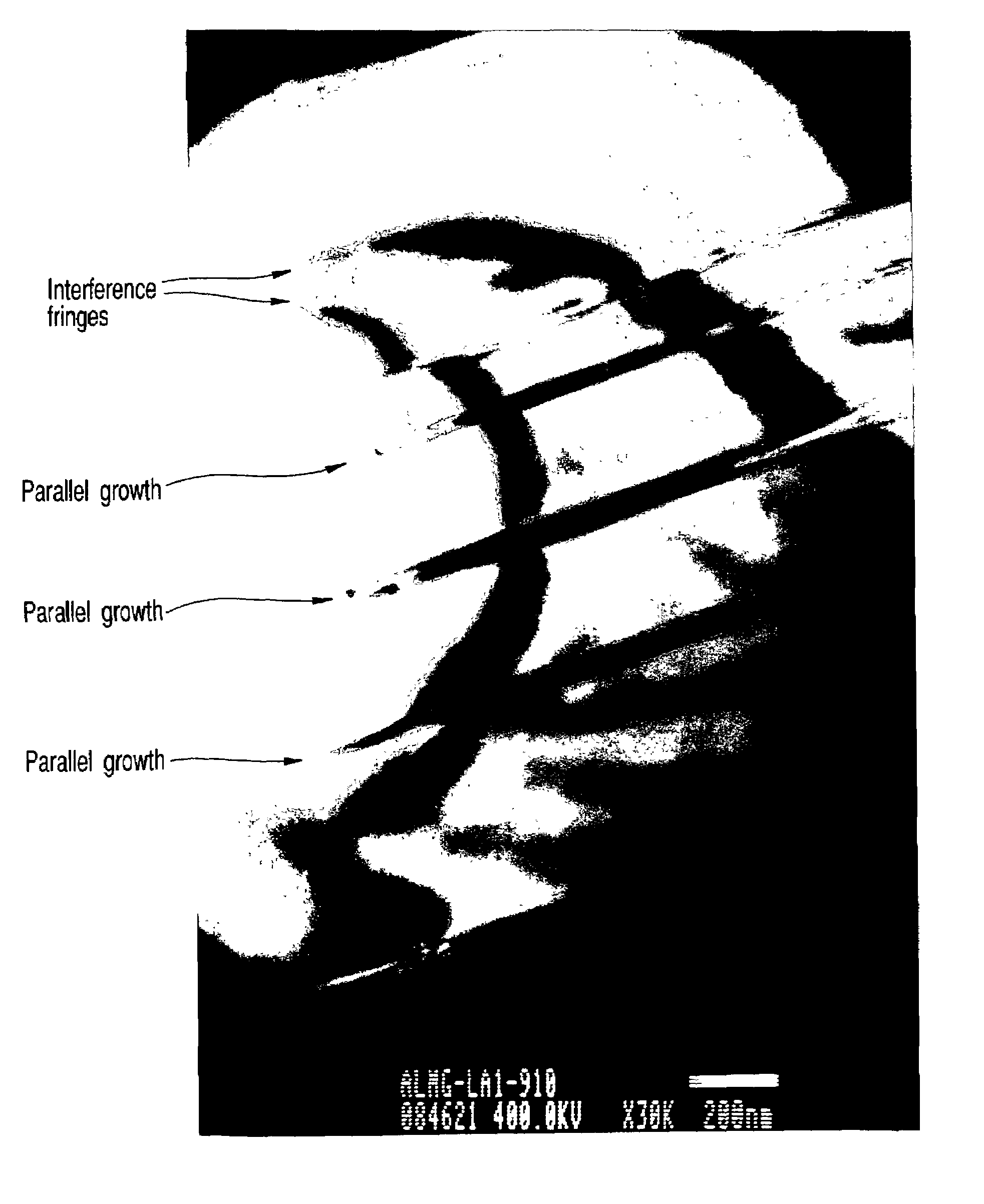
Figure 1 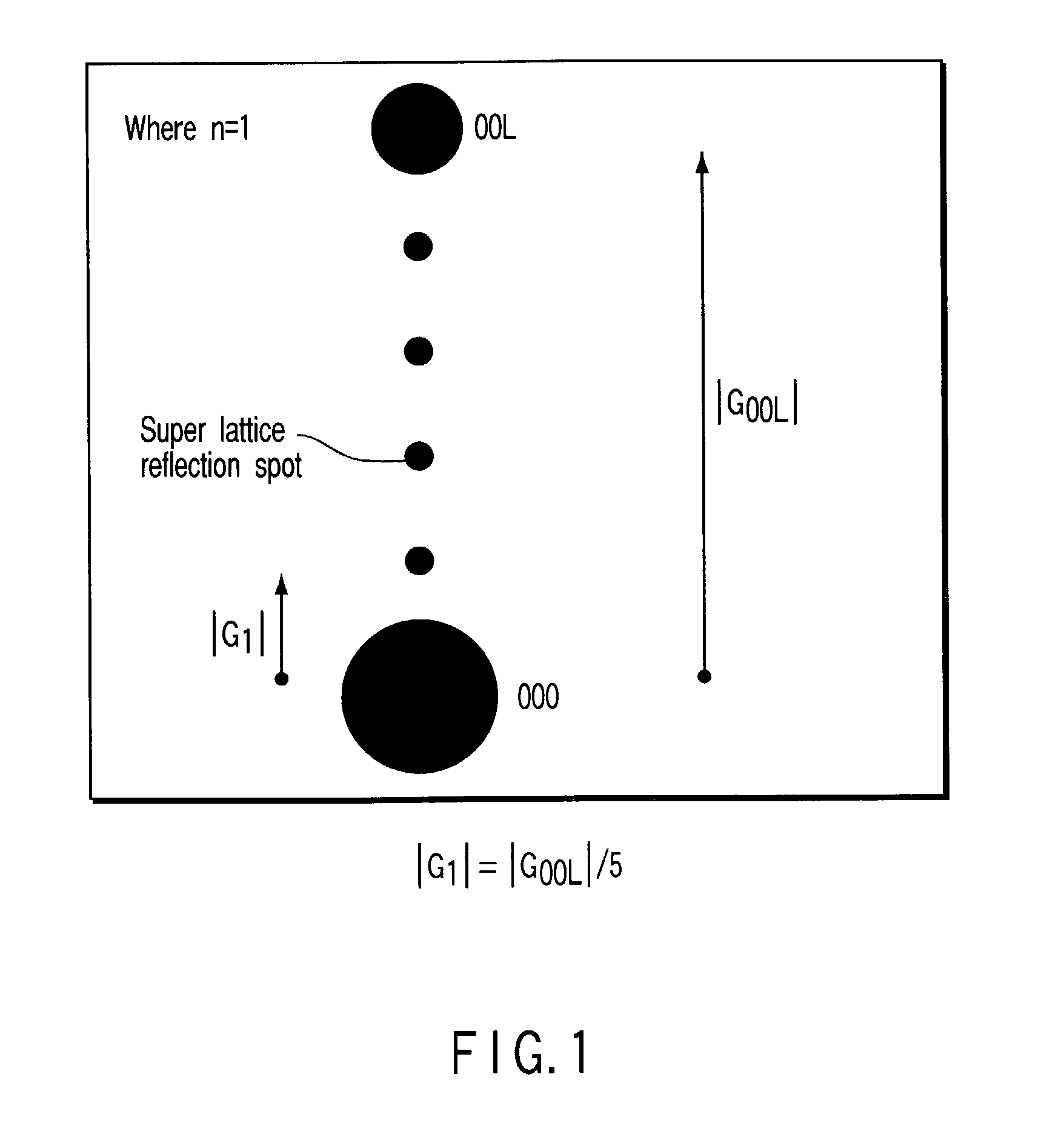
Figure 2 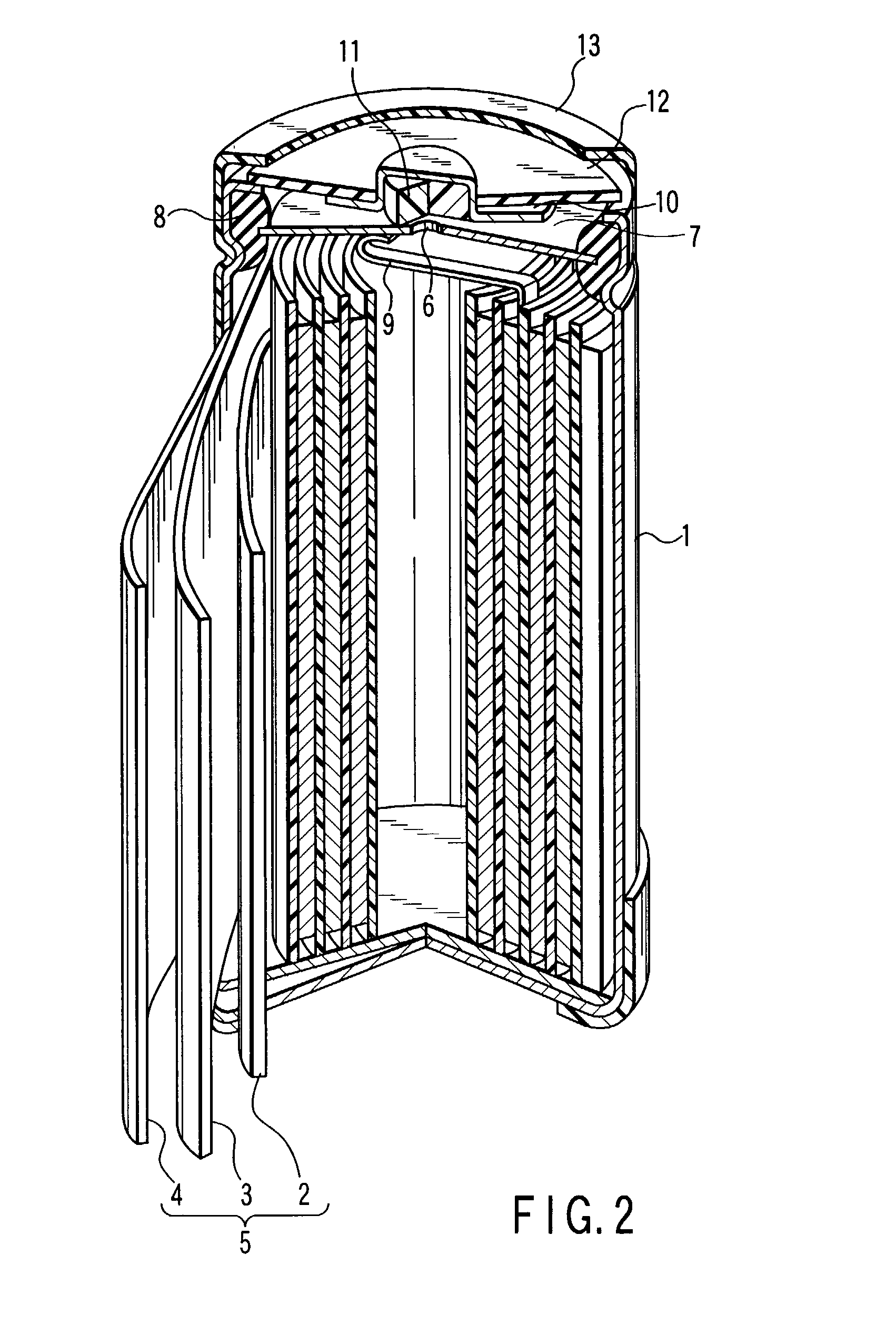
Figure 3
Abstract
Description
CROSS-REFERENCE TO RELATED APPLICATIONS
[0001] This is a Continuation Application of PCT Application No. PCT / JP99 / 07318, filed Dec. 27, 1999, which was not published under PCT Article 21(2) in English.BACKGROUND OF THE INVENTION
[0002] 1. Field of the Invention
[0003] The present invention relates to a hydrogen absorbing alloy, a secondary battery comprising a negative electrode containing a hydrogen absorbing alloy, a hybrid car and an electric automobile, each of said hybrid car and electric automobile comprising a secondary battery comprising a negative electrode containing a hydrogen absorbing alloy.
[0004] 2. Description of the Related Art
[0005] A hydrogen absorbing alloy, which is an alloy capable of storing hydrogen as an energy source easily and safely, attracts increasing attention as a new energy conversion material and as a new energy storage material. The use of a hydrogen absorbing alloy as a functional material is proposed in various fields. For example, it is proposed to use a...
Examples
examples 33 to 40
[0322]Hydrogen absorbing alloys were prepared by the high frequency induction melting method as described in the following.
[0323](High Frequency Induction Melting Method)
[0324]Each of the elements constituting the composition shown in Table 6 was weighed, followed by melting the composition in a high frequency induction furnace under an argon gas atmosphere so as to obtain an alloy ingot. Then, a heat treatment was applied to the alloy ingot thus obtained under an argon gas atmosphere and under the conditions shown in Table 6 so as to obtain hydrogen absorbing alloys for Examples 33 to 40.
[0325]A cylindrical nickel hydrogen secondary battery was assembled as in Example 1 by using each of the hydrogen absorbing alloys thus prepared.
[0326]The secondary battery prepared in each of Examples 33 to 40 was left to stand under room temperature for 36 hours. Then, each of the discharge capacity and the charge-discharge cycle life of the secondary battery were measured as in Example 1 so as t...
examples 73 to 80
[0385]Hydrogen absorbing alloys were prepared by the high frequency induction melting method as described in the following.
[0386](High Frequency Induction Melting Method)
[0387]Each of the elements constituting the composition shown in Table 13 was weighed, followed by melting the composition in a high frequency induction furnace under an argon gas atmosphere so as to obtain an alloy ingot. Then, a heat treatment was applied to the alloy ingot thus obtained under an argon gas atmosphere and under the conditions shown in Table 13 so as to obtain hydrogen absorbing alloys for Examples 73 to 80.
[0388]A cylindrical nickel hydrogen secondary battery was assembled as in Example 41 by using each of the hydrogen absorbing alloys thus prepared.
[0389]The secondary battery prepared in each of Examples 73 to 80 was left to stand under room temperature for 24 hours. Then, each of the discharge capacity and the charge-discharge cycle life of the secondary battery were measured as in Example 41 so ...
examples 113 to 120
[0449]Hydrogen absorbing alloys were prepared by the high frequency induction melting method as described in the following.
[0450](High Frequency Induction Melting Method)
[0451]Each of the elements constituting the composition shown in Table 20 was weighed, followed by melting the composition in a high frequency induction furnace under an argon gas atmosphere so as to obtain an alloy ingot. Then, a heat treatment was applied to the alloy ingot thus obtained under an argon gas atmosphere and under the conditions shown in Table 20 so as to obtain hydrogen absorbing alloys for Examples 113 to 120.
[0452]A nickel rectangular hydrogen secondary battery was assembled as in Example 81 by using each of the hydrogen absorbing alloys thus prepared.
[0453]The secondary battery prepared in each of Examples 113 to 120 was left to stand under room temperature for 72 hours. Then, each of the discharge capacity and the charge-discharge cycle life of the secondary battery were measured as in Example 81...