
Corrosion reducing minimum contact clamp for supporting and securing tubing
a technology of corrosion reduction and clamping, which is applied in the direction of pipe supports, mechanical devices, pipe/joints/fittings, etc., can solve the problems of insulating materials that hold moisture, and the economical and efficient implementation of such clamps, and achieve the effect of reducing electrolysis and corrosion of tubing
Patent Information
- Authority / Receiving Office
- US · United States
- Patent Type
- Patents(United States)
- Current Assignee / Owner
- Publication Date
- 2016-09-06
Smart Images
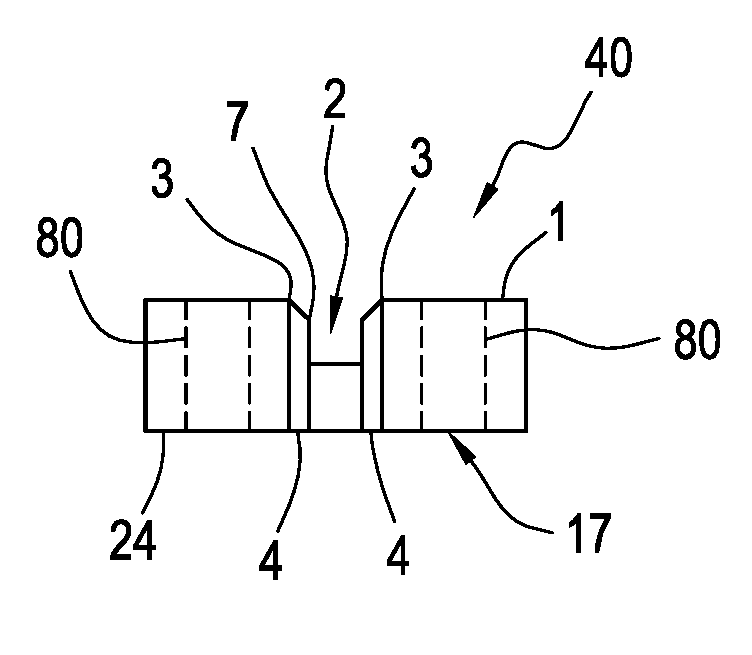
Figure 1 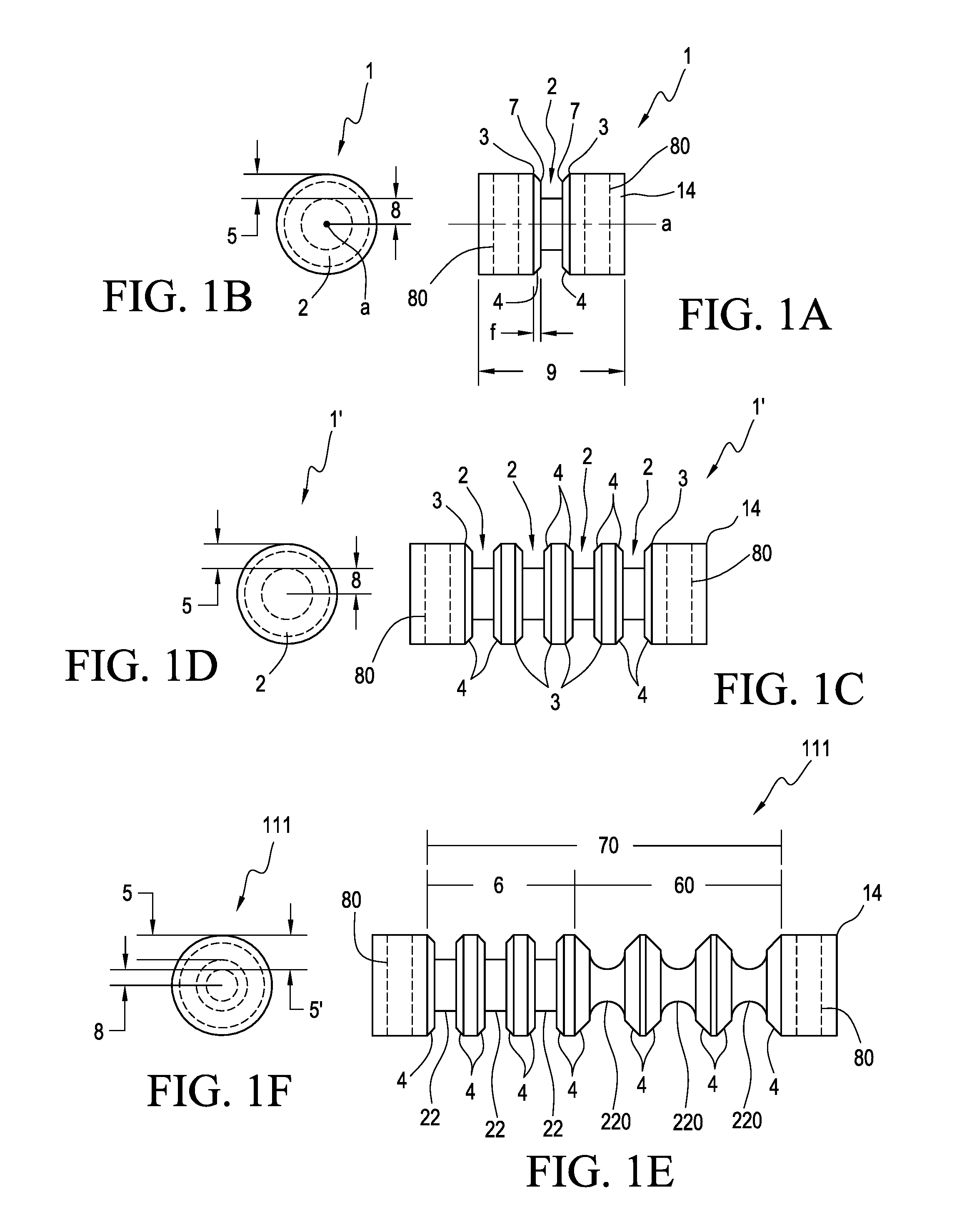
Figure 2 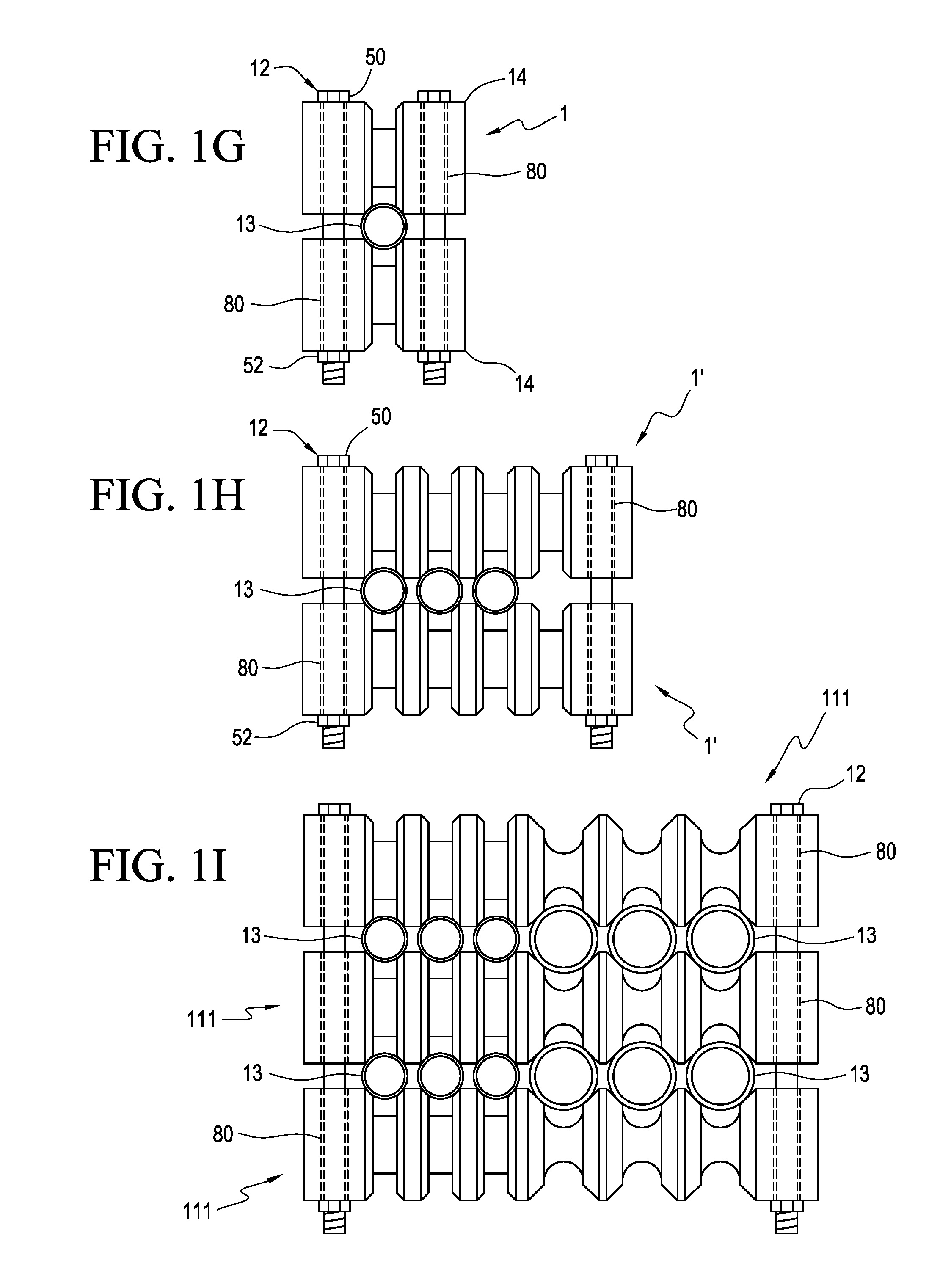
Figure 3
Abstract
Description
FIELD OF THE INVENTION
[0001] The invention relates to the clamping and supporting of tubing used to transport fluids, chemicals, oils and gases in industries, such as oil and gas drilling; and production and refining, where tubing is commonly used. Other industries using tubing include shipping, military installations and equipment, food production installations, manufacturing sites, etc. In addition, the invention is applicable in corrosive environments, such as marine environments, where minimum contact between tubing and the clamps that support the tubing is preferable in order to reduce the accumulation of moisture contacting the tubing at the support area, which contact creates a risk of pitting and corrosion of the tubing.DESCRIPTION OF RELATED ART
[0002] Clamping systems of the prior art include solutions for solving or reducing the problems associated with electrolysis and corrosion of tubing. However, the greater the contact area between the clamping supports and the tubing, t...
Examples
Embodiment Construction
[0023]In FIG. 1, FIG. 1A shows a clamp support body of right circular cylindrical shape 1 having a single circular groove 2 with features of a wedge and having groove outer edges 3 and groove inner edges 7 which are spaced apart from each other at a radial outer portion of the groove. Each pair of spaced outer and inner groove edges 3; 7 cooperate to form one of two mirrored right conical frustums 4 each such conical frustum 4 having a frustum width “f”. The right conical frustums 4 each formed by the groove edges 3; 7 on one of the two sides of the groove 2 each form a wedge and are the contact surfaces for tubing, when clamped. The wedge shape prevents the tubing from shifting to either side. The conical frustums 4, each formed by one pair of the groove edges 3; 7 are each a truncated conical surface that comes in contact with the tubing which is typically of circular shape, resulting in a minimal contact area of the clamp and tubing. A groove depth 5 of groove 2 provides a space ...