
Driving Technological Convergence with Laminar Flow Engineering
JUL 10, 20259 MIN READ
Generate Your Research Report Instantly with AI Agent
Patsnap Eureka helps you evaluate technical feasibility & market potential.
Laminar Flow Tech Evolution and Objectives
Laminar flow engineering has emerged as a pivotal field in the realm of fluid dynamics, with its roots tracing back to the early 20th century. The evolution of this technology has been marked by significant advancements in understanding and controlling fluid behavior at low Reynolds numbers. Initially, laminar flow concepts were primarily applied in aerodynamics and hydrodynamics, but their potential for broader applications has become increasingly apparent in recent decades.
The technological progression in laminar flow engineering has been driven by the need for more efficient and precise fluid control in various industries. From microfluidics to large-scale industrial processes, the ability to maintain and manipulate laminar flow conditions has become crucial. This evolution has been supported by advancements in computational fluid dynamics (CFD) and experimental techniques, allowing for more accurate modeling and visualization of laminar flow phenomena.
One of the key objectives in the field of laminar flow engineering is to achieve seamless technological convergence across multiple disciplines. This involves integrating laminar flow principles into diverse areas such as biomedical engineering, chemical processing, and environmental science. The goal is to leverage the predictable and controllable nature of laminar flow to enhance efficiency, precision, and sustainability in various technological applications.
Another critical objective is the development of novel materials and surface treatments that can promote and maintain laminar flow conditions. This includes research into superhydrophobic surfaces, micro-structured channels, and smart materials that can dynamically alter their properties to optimize flow characteristics. These advancements aim to push the boundaries of what is possible in fluid control and manipulation.
The convergence of laminar flow engineering with other cutting-edge technologies, such as nanotechnology and artificial intelligence, represents a frontier of innovation. Machine learning algorithms are being employed to optimize laminar flow systems in real-time, while nanoscale engineering is enabling unprecedented control over fluid behavior at the molecular level. These intersections are opening up new possibilities for applications in drug delivery, energy harvesting, and advanced manufacturing processes.
As we look to the future, the objectives of laminar flow engineering are expanding to address global challenges. This includes developing more energy-efficient transportation systems, creating advanced water purification technologies, and designing novel heat transfer solutions for sustainable energy production. The ultimate aim is to harness the power of laminar flow to drive technological innovations that can significantly impact various aspects of society and industry.
The technological progression in laminar flow engineering has been driven by the need for more efficient and precise fluid control in various industries. From microfluidics to large-scale industrial processes, the ability to maintain and manipulate laminar flow conditions has become crucial. This evolution has been supported by advancements in computational fluid dynamics (CFD) and experimental techniques, allowing for more accurate modeling and visualization of laminar flow phenomena.
One of the key objectives in the field of laminar flow engineering is to achieve seamless technological convergence across multiple disciplines. This involves integrating laminar flow principles into diverse areas such as biomedical engineering, chemical processing, and environmental science. The goal is to leverage the predictable and controllable nature of laminar flow to enhance efficiency, precision, and sustainability in various technological applications.
Another critical objective is the development of novel materials and surface treatments that can promote and maintain laminar flow conditions. This includes research into superhydrophobic surfaces, micro-structured channels, and smart materials that can dynamically alter their properties to optimize flow characteristics. These advancements aim to push the boundaries of what is possible in fluid control and manipulation.
The convergence of laminar flow engineering with other cutting-edge technologies, such as nanotechnology and artificial intelligence, represents a frontier of innovation. Machine learning algorithms are being employed to optimize laminar flow systems in real-time, while nanoscale engineering is enabling unprecedented control over fluid behavior at the molecular level. These intersections are opening up new possibilities for applications in drug delivery, energy harvesting, and advanced manufacturing processes.
As we look to the future, the objectives of laminar flow engineering are expanding to address global challenges. This includes developing more energy-efficient transportation systems, creating advanced water purification technologies, and designing novel heat transfer solutions for sustainable energy production. The ultimate aim is to harness the power of laminar flow to drive technological innovations that can significantly impact various aspects of society and industry.
Market Demand Analysis for Laminar Flow Applications
The market demand for laminar flow applications has been steadily growing across various industries, driven by the increasing need for precision control in fluid dynamics and energy efficiency. In the aerospace sector, laminar flow technology has become crucial for improving aircraft performance and fuel efficiency. Major aircraft manufacturers are investing heavily in laminar flow control systems, with projections indicating a potential 15% reduction in fuel consumption for commercial aircraft utilizing this technology.
The automotive industry has also recognized the benefits of laminar flow engineering, particularly in the development of electric vehicles. As aerodynamics play a significant role in extending the range of electric cars, the demand for laminar flow solutions in vehicle design has surged. Industry analysts predict that by 2025, over 60% of new electric vehicle models will incorporate some form of laminar flow technology to enhance their efficiency and performance.
In the renewable energy sector, wind turbine manufacturers are exploring laminar flow applications to increase energy output and reduce operational costs. The global wind energy market, valued at $62.1 billion in 2019, is expected to reach $127.2 billion by 2027, with laminar flow engineering playing a pivotal role in this growth. Wind farms utilizing advanced laminar flow designs could potentially increase their energy production by up to 20%, making this technology highly attractive for both onshore and offshore installations.
The healthcare industry has also shown a growing interest in laminar flow applications, particularly in the design of medical devices and clean room environments. The global cleanroom technology market, which heavily relies on laminar flow systems, was valued at $4.3 billion in 2020 and is projected to reach $6.7 billion by 2026. This growth is largely attributed to the increasing demand for contamination-free manufacturing processes in pharmaceuticals and biotechnology.
In the HVAC industry, laminar flow technology is gaining traction for its ability to improve indoor air quality and energy efficiency. The global HVAC market, expected to reach $367.5 billion by 2030, is seeing a shift towards more sophisticated air distribution systems that incorporate laminar flow principles. This trend is particularly pronounced in high-performance buildings and data centers, where precise control of airflow is critical for maintaining optimal operating conditions.
The water treatment sector is another area where laminar flow applications are in high demand. As water scarcity becomes a global concern, efficient filtration and purification systems that utilize laminar flow principles are becoming increasingly important. The global water treatment market, valued at $265.3 billion in 2019, is expected to grow at a CAGR of 7.1% from 2020 to 2027, with laminar flow technologies playing a significant role in this expansion.
The automotive industry has also recognized the benefits of laminar flow engineering, particularly in the development of electric vehicles. As aerodynamics play a significant role in extending the range of electric cars, the demand for laminar flow solutions in vehicle design has surged. Industry analysts predict that by 2025, over 60% of new electric vehicle models will incorporate some form of laminar flow technology to enhance their efficiency and performance.
In the renewable energy sector, wind turbine manufacturers are exploring laminar flow applications to increase energy output and reduce operational costs. The global wind energy market, valued at $62.1 billion in 2019, is expected to reach $127.2 billion by 2027, with laminar flow engineering playing a pivotal role in this growth. Wind farms utilizing advanced laminar flow designs could potentially increase their energy production by up to 20%, making this technology highly attractive for both onshore and offshore installations.
The healthcare industry has also shown a growing interest in laminar flow applications, particularly in the design of medical devices and clean room environments. The global cleanroom technology market, which heavily relies on laminar flow systems, was valued at $4.3 billion in 2020 and is projected to reach $6.7 billion by 2026. This growth is largely attributed to the increasing demand for contamination-free manufacturing processes in pharmaceuticals and biotechnology.
In the HVAC industry, laminar flow technology is gaining traction for its ability to improve indoor air quality and energy efficiency. The global HVAC market, expected to reach $367.5 billion by 2030, is seeing a shift towards more sophisticated air distribution systems that incorporate laminar flow principles. This trend is particularly pronounced in high-performance buildings and data centers, where precise control of airflow is critical for maintaining optimal operating conditions.
The water treatment sector is another area where laminar flow applications are in high demand. As water scarcity becomes a global concern, efficient filtration and purification systems that utilize laminar flow principles are becoming increasingly important. The global water treatment market, valued at $265.3 billion in 2019, is expected to grow at a CAGR of 7.1% from 2020 to 2027, with laminar flow technologies playing a significant role in this expansion.
Current Challenges in Laminar Flow Engineering
Laminar flow engineering faces several significant challenges in its current state of development and application. One of the primary obstacles is maintaining laminar flow conditions in complex geometries and at higher Reynolds numbers. As systems become more intricate and flow velocities increase, the transition from laminar to turbulent flow becomes increasingly difficult to prevent, limiting the effectiveness of laminar flow designs in many practical applications.
Another major challenge lies in the precise control and manipulation of laminar flow patterns. While laminar flow offers predictable and stable fluid behavior, achieving specific flow characteristics for optimized performance in various technological applications remains a complex task. This is particularly evident in microfluidic devices and biomedical applications, where precise control of fluid dynamics is crucial for effective operation.
The integration of laminar flow principles with other emerging technologies presents an additional hurdle. As industries seek to leverage the benefits of laminar flow in conjunction with advanced materials, nanotechnology, and smart systems, engineers must overcome compatibility issues and develop new methodologies for seamless integration. This convergence often requires interdisciplinary approaches and novel design paradigms, which can be challenging to implement effectively.
Energy efficiency and heat transfer optimization in laminar flow systems continue to be areas of concern. While laminar flow can offer advantages in terms of reduced friction and energy loss, it may also limit heat transfer capabilities in certain applications. Balancing these competing factors to achieve optimal performance across various technological domains remains a significant engineering challenge.
Furthermore, the scaling of laminar flow technologies from laboratory prototypes to industrial-scale applications presents numerous difficulties. Maintaining laminar flow characteristics in larger systems often requires innovative design solutions and advanced manufacturing techniques, which can be both technically challenging and economically demanding.
Lastly, the development of accurate simulation models and predictive tools for laminar flow behavior in complex, real-world scenarios remains an ongoing challenge. While computational fluid dynamics (CFD) has made significant strides, the ability to precisely model and predict laminar flow phenomena in diverse applications still requires further advancement to support efficient design and optimization processes.
Another major challenge lies in the precise control and manipulation of laminar flow patterns. While laminar flow offers predictable and stable fluid behavior, achieving specific flow characteristics for optimized performance in various technological applications remains a complex task. This is particularly evident in microfluidic devices and biomedical applications, where precise control of fluid dynamics is crucial for effective operation.
The integration of laminar flow principles with other emerging technologies presents an additional hurdle. As industries seek to leverage the benefits of laminar flow in conjunction with advanced materials, nanotechnology, and smart systems, engineers must overcome compatibility issues and develop new methodologies for seamless integration. This convergence often requires interdisciplinary approaches and novel design paradigms, which can be challenging to implement effectively.
Energy efficiency and heat transfer optimization in laminar flow systems continue to be areas of concern. While laminar flow can offer advantages in terms of reduced friction and energy loss, it may also limit heat transfer capabilities in certain applications. Balancing these competing factors to achieve optimal performance across various technological domains remains a significant engineering challenge.
Furthermore, the scaling of laminar flow technologies from laboratory prototypes to industrial-scale applications presents numerous difficulties. Maintaining laminar flow characteristics in larger systems often requires innovative design solutions and advanced manufacturing techniques, which can be both technically challenging and economically demanding.
Lastly, the development of accurate simulation models and predictive tools for laminar flow behavior in complex, real-world scenarios remains an ongoing challenge. While computational fluid dynamics (CFD) has made significant strides, the ability to precisely model and predict laminar flow phenomena in diverse applications still requires further advancement to support efficient design and optimization processes.
Existing Laminar Flow Control Solutions
01 Laminar flow control in fluid systems
Engineering solutions for controlling and maintaining laminar flow in various fluid systems. This includes designs for flow channels, nozzles, and other components that promote smooth, predictable fluid movement. These technologies are crucial in applications requiring precise fluid control, such as in aerospace, automotive, and industrial processes.- Laminar flow control in fluid systems: Engineering techniques for controlling and maintaining laminar flow in various fluid systems. This includes methods for reducing turbulence, optimizing flow patterns, and enhancing the efficiency of fluid transport. Applications range from microfluidic devices to large-scale industrial processes.
- Convergence of laminar flow with sensor technologies: Integration of advanced sensing technologies with laminar flow systems for improved monitoring and control. This convergence allows for real-time measurement of flow parameters, enabling more precise adjustments and optimizations in various applications such as medical devices and environmental monitoring systems.
- Laminar flow in aerodynamics and propulsion: Application of laminar flow principles in aerodynamic design and propulsion systems. This includes techniques for reducing drag, improving fuel efficiency, and enhancing overall performance in aircraft, spacecraft, and other vehicles. The convergence of laminar flow engineering with advanced materials and computational fluid dynamics plays a crucial role in these developments.
- Microfluidic devices and lab-on-a-chip technologies: Utilization of laminar flow principles in the design and operation of microfluidic devices and lab-on-a-chip technologies. This convergence enables precise control of small fluid volumes, facilitating applications in biomedical research, drug discovery, and point-of-care diagnostics.
- Environmental and energy applications of laminar flow: Innovative applications of laminar flow engineering in environmental protection and energy production. This includes technologies for air and water purification, efficient heat exchangers, and renewable energy systems such as improved solar collectors and wind turbines.
02 Measurement and analysis of laminar flow
Advanced techniques and instruments for measuring and analyzing laminar flow characteristics. This encompasses the development of sensors, imaging systems, and computational methods to accurately assess flow patterns, velocities, and other critical parameters. These technologies enable better understanding and optimization of laminar flow systems across various industries.Expand Specific Solutions03 Laminar flow applications in environmental control
Utilization of laminar flow principles in environmental control systems, particularly in clean room technologies and HVAC applications. This includes the design of air handling units, filtration systems, and room layouts that maintain controlled, laminar airflow to minimize contamination and ensure optimal environmental conditions.Expand Specific Solutions04 Convergence of laminar flow with other technologies
Integration of laminar flow engineering with other cutting-edge technologies such as nanotechnology, microfluidics, and advanced materials science. This convergence leads to innovative applications in fields like biomedical engineering, energy systems, and advanced manufacturing processes, enhancing efficiency and enabling new functionalities.Expand Specific Solutions05 Laminar flow in energy and propulsion systems
Application of laminar flow principles in energy generation and propulsion technologies. This includes the design of more efficient wind turbines, hydroelectric systems, and aerospace propulsion systems. The focus is on reducing drag, improving energy conversion efficiency, and enhancing overall system performance through optimized fluid dynamics.Expand Specific Solutions
Key Players in Laminar Flow Industry
The technological convergence driven by laminar flow engineering is in a nascent stage of development, with significant potential for growth across various industries. The market size is expanding as more companies recognize the benefits of this technology in improving efficiency and performance. While the technology is still evolving, several key players are making notable advancements. Companies like The Charles Stark Draper Laboratory, Aerosol Dynamics Inc, and Pentair Water Pool & Spa are at the forefront of research and development in this field. The technology's maturity varies across applications, with some sectors seeing more rapid adoption than others. As the technology continues to develop, we can expect increased competition and innovation from both established firms and emerging startups.
The Charles Stark Draper Laboratory, Inc.
Technical Solution: Draper Laboratory has developed advanced laminar flow engineering solutions for aerospace and defense applications. Their approach integrates computational fluid dynamics (CFD) modeling with precision manufacturing techniques to create highly efficient laminar flow control systems. These systems utilize micro-perforated surfaces and active suction to maintain laminar flow over aircraft wings and other critical surfaces, potentially reducing drag by up to 15% [1]. Draper's technology also incorporates smart sensors and adaptive control algorithms to optimize laminar flow in real-time, responding to changing flight conditions and environmental factors [3].
Strengths: Cutting-edge CFD modeling capabilities, expertise in aerospace applications, and integration of smart sensing technologies. Weaknesses: Primarily focused on high-end aerospace and defense applications, which may limit broader commercial adoption.
AERION INTELLECTUAL PROPERTY MANAGEMENT CORPORATION
Technical Solution: Aerion has pioneered laminar flow technology for supersonic business jets, focusing on natural laminar flow (NLF) wing designs. Their approach involves carefully shaping the wing's surface to maintain laminar flow over a significant portion of the wing, reducing drag by up to 80% compared to conventional supersonic designs [2]. Aerion's technology combines advanced computational modeling with innovative manufacturing processes to achieve the required surface smoothness and shape precision. They have also developed patented laminar flow control systems that use suction or cooling to extend the laminar flow region in challenging flight conditions [4].
Strengths: Specialized expertise in supersonic laminar flow, proven drag reduction capabilities, and innovative manufacturing techniques. Weaknesses: Focused primarily on high-end business jet market, which may limit broader application of their technology.
Core Innovations in Laminar Flow Dynamics
Method and device for transformation of continuous medium flow
PatentWO1993009353A1
Innovation
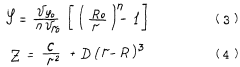
- A device and method that alter the trajectory and cross-sectional shape of fluid flow to create a hybrid flow state that combines elements of both laminar and turbulent flows, using a helical path with decreasing radius and specific geometric dependencies to minimize hydraulic losses and enhance stability.



Microfluidic channel network device
PatentInactiveUS7223371B2
Innovation
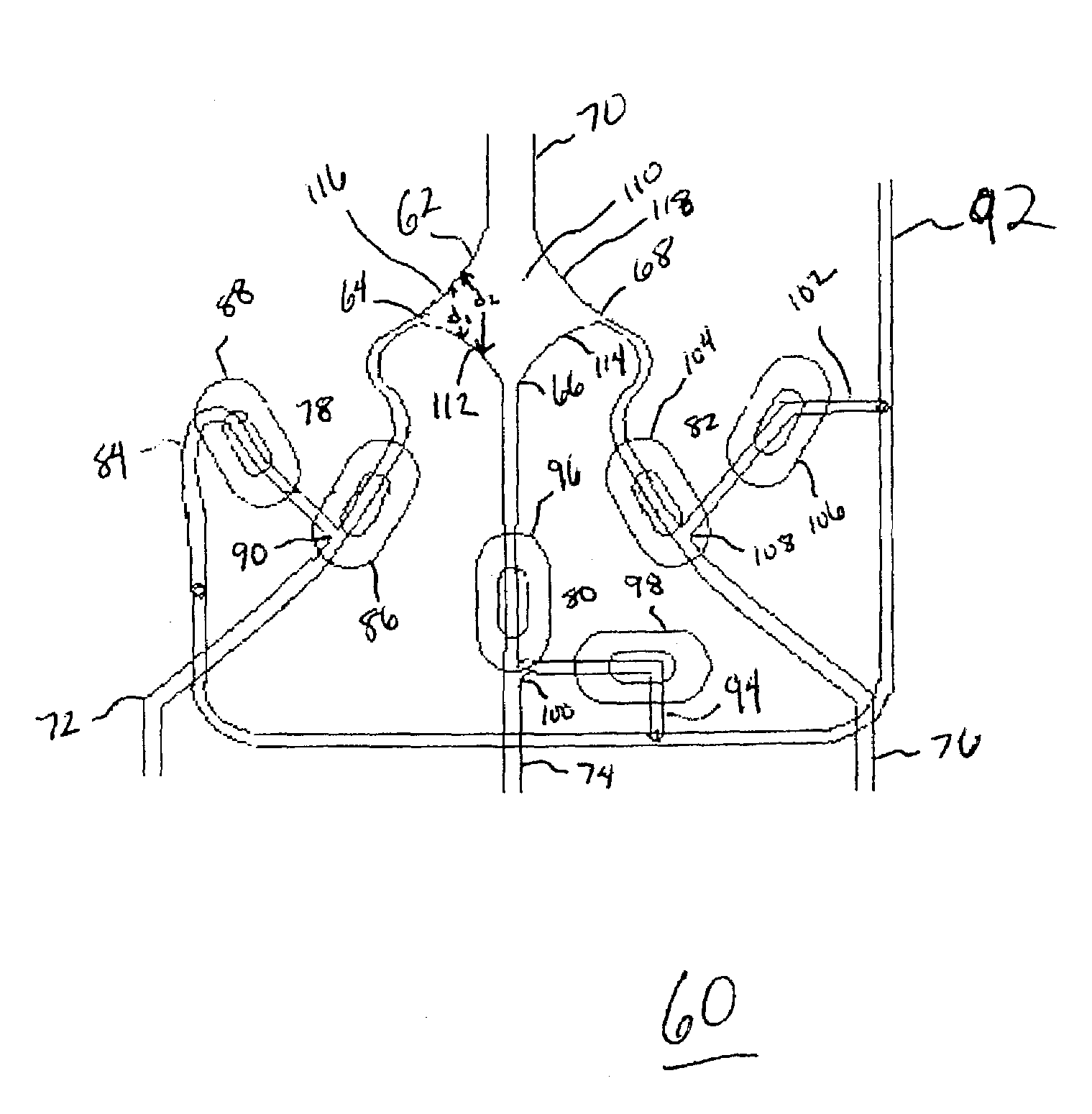
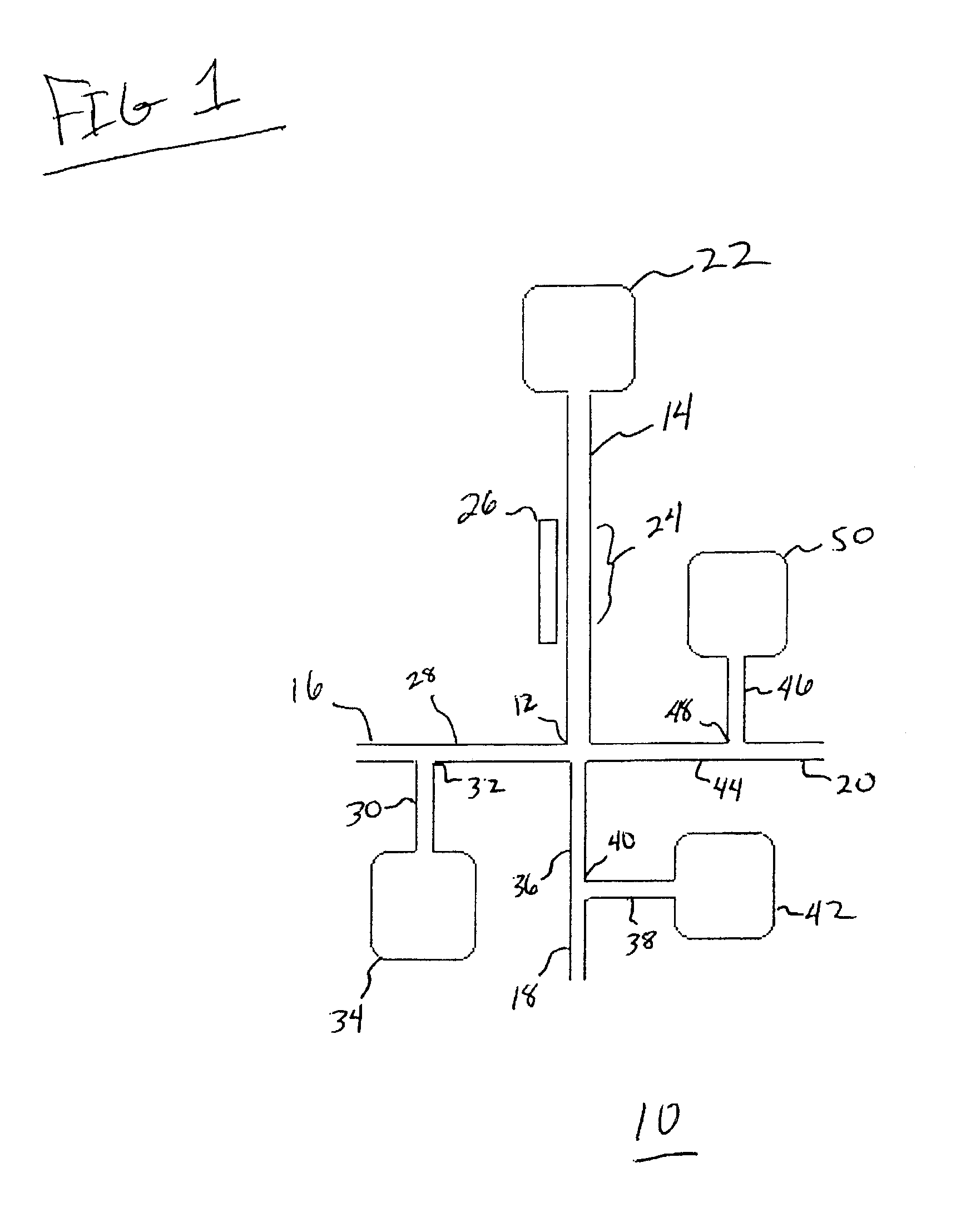
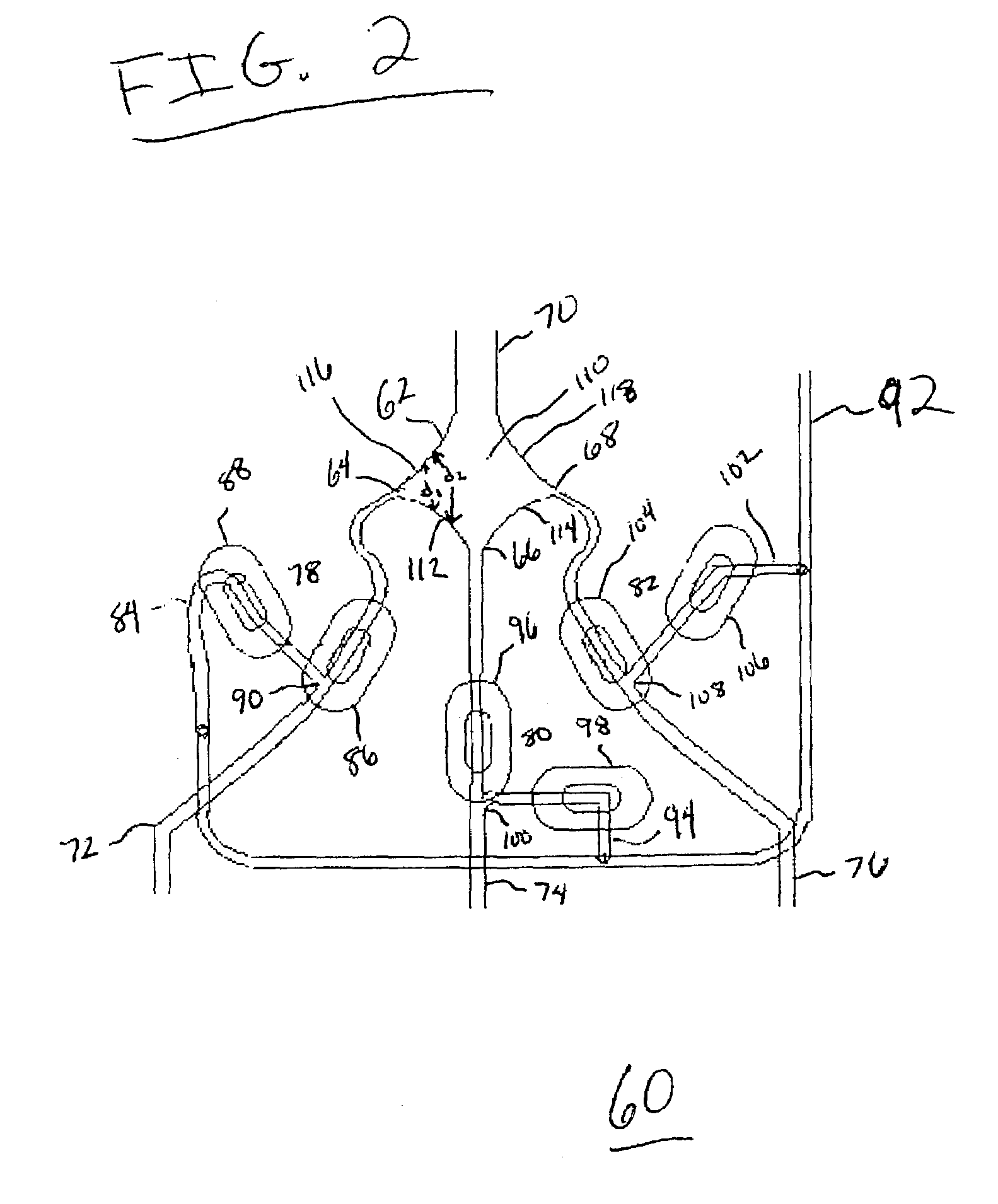
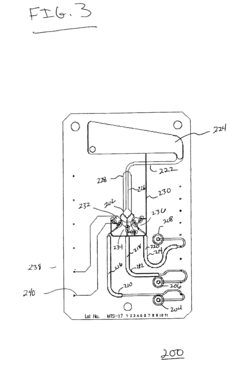
- A microfluidic device with a microfluidic junction and outlet channel, featuring a plurality of circuit units with source and branch channels, and a flow diversion system, including pneumatic valves and valveless liquid microswitches, allows differential fluid direction and minimizes obstruction by optimizing fluid convergence and flow control.
Regulatory Framework for Laminar Flow Technologies
The regulatory framework for laminar flow technologies is a critical aspect of their development and implementation. As these technologies continue to advance and find applications across various industries, governments and regulatory bodies are working to establish comprehensive guidelines to ensure safety, efficiency, and environmental protection.
At the international level, organizations such as the International Organization for Standardization (ISO) and the International Electrotechnical Commission (IEC) are developing standards for laminar flow technologies. These standards aim to provide a common language and set of requirements for manufacturers, researchers, and end-users across different countries.
In the United States, the Environmental Protection Agency (EPA) and the Occupational Safety and Health Administration (OSHA) play key roles in regulating laminar flow technologies. The EPA focuses on environmental impact assessments and emissions standards, while OSHA establishes workplace safety guidelines for industries utilizing these technologies.
The European Union has implemented the Registration, Evaluation, Authorization, and Restriction of Chemicals (REACH) regulation, which impacts the use of certain materials in laminar flow engineering. Additionally, the EU's Machinery Directive sets safety standards for equipment incorporating laminar flow principles.
In the aerospace industry, regulatory bodies such as the Federal Aviation Administration (FAA) and the European Union Aviation Safety Agency (EASA) have established specific guidelines for the use of laminar flow technologies in aircraft design and operation. These regulations address issues such as aerodynamic performance, fuel efficiency, and safety considerations.
The medical and pharmaceutical sectors are subject to stringent regulations regarding the use of laminar flow technologies in clean room environments. The Food and Drug Administration (FDA) in the United States and the European Medicines Agency (EMA) have established Good Manufacturing Practice (GMP) guidelines that include specific requirements for laminar flow systems used in drug production and medical device manufacturing.
As laminar flow technologies continue to evolve, regulatory frameworks are expected to adapt and expand. Emerging areas of focus include the integration of artificial intelligence and machine learning in laminar flow control systems, as well as the development of regulations for novel applications in fields such as renewable energy and advanced materials manufacturing.
Compliance with these regulatory frameworks is essential for companies developing and implementing laminar flow technologies. It not only ensures legal and ethical operation but also promotes innovation by establishing clear guidelines and standards for technological advancement.
At the international level, organizations such as the International Organization for Standardization (ISO) and the International Electrotechnical Commission (IEC) are developing standards for laminar flow technologies. These standards aim to provide a common language and set of requirements for manufacturers, researchers, and end-users across different countries.
In the United States, the Environmental Protection Agency (EPA) and the Occupational Safety and Health Administration (OSHA) play key roles in regulating laminar flow technologies. The EPA focuses on environmental impact assessments and emissions standards, while OSHA establishes workplace safety guidelines for industries utilizing these technologies.
The European Union has implemented the Registration, Evaluation, Authorization, and Restriction of Chemicals (REACH) regulation, which impacts the use of certain materials in laminar flow engineering. Additionally, the EU's Machinery Directive sets safety standards for equipment incorporating laminar flow principles.
In the aerospace industry, regulatory bodies such as the Federal Aviation Administration (FAA) and the European Union Aviation Safety Agency (EASA) have established specific guidelines for the use of laminar flow technologies in aircraft design and operation. These regulations address issues such as aerodynamic performance, fuel efficiency, and safety considerations.
The medical and pharmaceutical sectors are subject to stringent regulations regarding the use of laminar flow technologies in clean room environments. The Food and Drug Administration (FDA) in the United States and the European Medicines Agency (EMA) have established Good Manufacturing Practice (GMP) guidelines that include specific requirements for laminar flow systems used in drug production and medical device manufacturing.
As laminar flow technologies continue to evolve, regulatory frameworks are expected to adapt and expand. Emerging areas of focus include the integration of artificial intelligence and machine learning in laminar flow control systems, as well as the development of regulations for novel applications in fields such as renewable energy and advanced materials manufacturing.
Compliance with these regulatory frameworks is essential for companies developing and implementing laminar flow technologies. It not only ensures legal and ethical operation but also promotes innovation by establishing clear guidelines and standards for technological advancement.
Environmental Impact of Laminar Flow Systems
Laminar flow engineering, while offering significant benefits in various applications, also has notable environmental impacts that warrant careful consideration. The implementation of laminar flow systems can lead to both positive and negative effects on the environment, depending on the specific application and design.
One of the primary environmental benefits of laminar flow systems is their potential for energy efficiency. By reducing turbulence and minimizing friction losses, these systems can significantly decrease energy consumption in fluid transport processes. This reduction in energy usage translates to lower greenhouse gas emissions and a smaller carbon footprint for industrial operations that utilize laminar flow technology.
In the context of air handling and ventilation systems, laminar flow can contribute to improved indoor air quality. By creating a controlled, unidirectional airflow, these systems can effectively remove airborne contaminants and particulates, leading to cleaner and healthier indoor environments. This is particularly crucial in sensitive settings such as hospitals, cleanrooms, and manufacturing facilities where air quality is paramount.
However, the environmental impact of laminar flow systems extends beyond energy efficiency and air quality. The materials used in the construction and maintenance of these systems can have significant ecological implications. Many laminar flow devices require specialized materials and coatings to maintain smooth surfaces and prevent turbulence. The production and disposal of these materials may involve processes that generate pollutants or consume non-renewable resources.
Furthermore, the implementation of laminar flow systems in natural water bodies, such as rivers or coastal areas, can have complex ecological consequences. While these systems may be designed to reduce erosion or control sediment transport, they can also alter natural flow patterns and impact aquatic ecosystems. The modification of natural turbulence regimes may affect nutrient distribution, oxygen levels, and habitat conditions for various aquatic species.
In industrial applications, the use of laminar flow in chemical processing or waste treatment can lead to more efficient and controlled reactions. This can result in reduced chemical waste and improved effluent quality, potentially mitigating environmental pollution. However, the increased precision and control afforded by laminar flow systems may also enable more intensive industrial processes, potentially offsetting some of the environmental gains through increased production volumes.
The lifecycle environmental impact of laminar flow systems must also be considered. While operational efficiency may be improved, the manufacturing, installation, and eventual decommissioning of these systems can have significant environmental costs. A comprehensive assessment of their environmental impact should include considerations of raw material extraction, manufacturing processes, transportation, operational lifespan, and end-of-life disposal or recycling options.
One of the primary environmental benefits of laminar flow systems is their potential for energy efficiency. By reducing turbulence and minimizing friction losses, these systems can significantly decrease energy consumption in fluid transport processes. This reduction in energy usage translates to lower greenhouse gas emissions and a smaller carbon footprint for industrial operations that utilize laminar flow technology.
In the context of air handling and ventilation systems, laminar flow can contribute to improved indoor air quality. By creating a controlled, unidirectional airflow, these systems can effectively remove airborne contaminants and particulates, leading to cleaner and healthier indoor environments. This is particularly crucial in sensitive settings such as hospitals, cleanrooms, and manufacturing facilities where air quality is paramount.
However, the environmental impact of laminar flow systems extends beyond energy efficiency and air quality. The materials used in the construction and maintenance of these systems can have significant ecological implications. Many laminar flow devices require specialized materials and coatings to maintain smooth surfaces and prevent turbulence. The production and disposal of these materials may involve processes that generate pollutants or consume non-renewable resources.
Furthermore, the implementation of laminar flow systems in natural water bodies, such as rivers or coastal areas, can have complex ecological consequences. While these systems may be designed to reduce erosion or control sediment transport, they can also alter natural flow patterns and impact aquatic ecosystems. The modification of natural turbulence regimes may affect nutrient distribution, oxygen levels, and habitat conditions for various aquatic species.
In industrial applications, the use of laminar flow in chemical processing or waste treatment can lead to more efficient and controlled reactions. This can result in reduced chemical waste and improved effluent quality, potentially mitigating environmental pollution. However, the increased precision and control afforded by laminar flow systems may also enable more intensive industrial processes, potentially offsetting some of the environmental gains through increased production volumes.
The lifecycle environmental impact of laminar flow systems must also be considered. While operational efficiency may be improved, the manufacturing, installation, and eventual decommissioning of these systems can have significant environmental costs. A comprehensive assessment of their environmental impact should include considerations of raw material extraction, manufacturing processes, transportation, operational lifespan, and end-of-life disposal or recycling options.
Unlock deeper insights with Patsnap Eureka Quick Research — get a full tech report to explore trends and direct your research. Try now!
Generate Your Research Report Instantly with AI Agent
Supercharge your innovation with Patsnap Eureka AI Agent Platform!