Emerging Isocyanate Technologies: A Competitive Analysis
JUL 10, 20259 MIN READ
Generate Your Research Report Instantly with AI Agent
Patsnap Eureka helps you evaluate technical feasibility & market potential.
Isocyanate Tech Evolution
Isocyanates have undergone significant technological evolution since their initial discovery in the late 19th century. The development of isocyanate technologies can be traced through several key phases, each marked by important breakthroughs and innovations.
The first major milestone in isocyanate technology came in the 1930s with the synthesis of polyurethanes by Otto Bayer. This discovery laid the foundation for the widespread use of isocyanates in various industries. The 1940s and 1950s saw rapid advancements in isocyanate chemistry, leading to the development of flexible and rigid foams, elastomers, and coatings.
In the 1960s and 1970s, the focus shifted towards improving the safety and handling of isocyanates. This period saw the introduction of blocked isocyanates and the development of safer production processes. The 1980s and 1990s were characterized by the refinement of existing technologies and the exploration of new applications, particularly in the automotive and construction industries.
The turn of the millennium brought about a new era in isocyanate technology, with increased emphasis on sustainability and environmental concerns. This led to the development of bio-based isocyanates and low-VOC formulations. The past decade has seen significant advancements in nanotechnology applications for isocyanates, improving their performance and expanding their potential uses.
Currently, the isocyanate industry is focusing on several key areas of innovation. These include the development of non-toxic alternatives to traditional isocyanates, such as non-isocyanate polyurethanes (NIPUs), and the exploration of novel catalysts to enhance reaction efficiency and selectivity. Additionally, there is growing interest in smart and responsive isocyanate-based materials for advanced applications in fields like biomedicine and electronics.
The future of isocyanate technology is likely to be shaped by ongoing efforts to improve sustainability, reduce environmental impact, and enhance performance. Emerging trends include the development of self-healing isocyanate-based materials, the integration of isocyanates with other advanced materials like graphene, and the application of artificial intelligence in formulation design and process optimization.
As the industry continues to evolve, we can expect to see further innovations in areas such as isocyanate-free technologies, bio-based raw materials, and advanced manufacturing processes like 3D printing with isocyanate-based resins. These developments will likely open up new markets and applications for isocyanate technologies in the coming years.
The first major milestone in isocyanate technology came in the 1930s with the synthesis of polyurethanes by Otto Bayer. This discovery laid the foundation for the widespread use of isocyanates in various industries. The 1940s and 1950s saw rapid advancements in isocyanate chemistry, leading to the development of flexible and rigid foams, elastomers, and coatings.
In the 1960s and 1970s, the focus shifted towards improving the safety and handling of isocyanates. This period saw the introduction of blocked isocyanates and the development of safer production processes. The 1980s and 1990s were characterized by the refinement of existing technologies and the exploration of new applications, particularly in the automotive and construction industries.
The turn of the millennium brought about a new era in isocyanate technology, with increased emphasis on sustainability and environmental concerns. This led to the development of bio-based isocyanates and low-VOC formulations. The past decade has seen significant advancements in nanotechnology applications for isocyanates, improving their performance and expanding their potential uses.
Currently, the isocyanate industry is focusing on several key areas of innovation. These include the development of non-toxic alternatives to traditional isocyanates, such as non-isocyanate polyurethanes (NIPUs), and the exploration of novel catalysts to enhance reaction efficiency and selectivity. Additionally, there is growing interest in smart and responsive isocyanate-based materials for advanced applications in fields like biomedicine and electronics.
The future of isocyanate technology is likely to be shaped by ongoing efforts to improve sustainability, reduce environmental impact, and enhance performance. Emerging trends include the development of self-healing isocyanate-based materials, the integration of isocyanates with other advanced materials like graphene, and the application of artificial intelligence in formulation design and process optimization.
As the industry continues to evolve, we can expect to see further innovations in areas such as isocyanate-free technologies, bio-based raw materials, and advanced manufacturing processes like 3D printing with isocyanate-based resins. These developments will likely open up new markets and applications for isocyanate technologies in the coming years.
Market Demand Analysis
The market demand for isocyanate technologies continues to grow, driven by the expanding applications across various industries. The global isocyanate market is experiencing steady growth, with a projected compound annual growth rate (CAGR) of 6.2% from 2021 to 2026. This growth is primarily fueled by the increasing demand in construction, automotive, and furniture industries.
In the construction sector, isocyanates are widely used in the production of polyurethane foams for insulation purposes. The rising focus on energy-efficient buildings and stringent regulations regarding energy conservation are boosting the demand for high-performance insulation materials. This trend is particularly evident in developed regions such as North America and Europe, where retrofitting of existing buildings is gaining traction.
The automotive industry represents another significant market for isocyanates, particularly in the manufacturing of lightweight components and interior parts. As automakers strive to meet stringent fuel efficiency standards and reduce vehicle weight, the demand for polyurethane-based materials is increasing. This trend is expected to continue, especially with the growing adoption of electric vehicles, which require lightweight materials to extend battery range.
In the furniture industry, isocyanates are essential in the production of flexible and rigid foams used in upholstery, mattresses, and other comfort products. The growing middle-class population in emerging economies, coupled with increasing urbanization, is driving the demand for furniture and, consequently, isocyanate-based materials.
However, the market is not without challenges. Environmental concerns and health risks associated with isocyanate exposure have led to increased regulatory scrutiny. This has created a demand for safer, more sustainable alternatives, pushing manufacturers to invest in research and development of bio-based isocyanates and low-emission formulations.
The Asia-Pacific region is expected to dominate the isocyanate market, accounting for the largest share of global demand. This is attributed to rapid industrialization, urbanization, and infrastructure development in countries like China and India. North America and Europe follow, with mature markets focusing on high-performance and specialty applications.
Emerging applications in the medical and electronics industries are opening new avenues for isocyanate technologies. In the medical field, polyurethane-based materials are being increasingly used in wound dressings, implants, and drug delivery systems. The electronics industry is exploring isocyanate-based materials for flexible displays and wearable devices, presenting opportunities for market expansion.
In the construction sector, isocyanates are widely used in the production of polyurethane foams for insulation purposes. The rising focus on energy-efficient buildings and stringent regulations regarding energy conservation are boosting the demand for high-performance insulation materials. This trend is particularly evident in developed regions such as North America and Europe, where retrofitting of existing buildings is gaining traction.
The automotive industry represents another significant market for isocyanates, particularly in the manufacturing of lightweight components and interior parts. As automakers strive to meet stringent fuel efficiency standards and reduce vehicle weight, the demand for polyurethane-based materials is increasing. This trend is expected to continue, especially with the growing adoption of electric vehicles, which require lightweight materials to extend battery range.
In the furniture industry, isocyanates are essential in the production of flexible and rigid foams used in upholstery, mattresses, and other comfort products. The growing middle-class population in emerging economies, coupled with increasing urbanization, is driving the demand for furniture and, consequently, isocyanate-based materials.
However, the market is not without challenges. Environmental concerns and health risks associated with isocyanate exposure have led to increased regulatory scrutiny. This has created a demand for safer, more sustainable alternatives, pushing manufacturers to invest in research and development of bio-based isocyanates and low-emission formulations.
The Asia-Pacific region is expected to dominate the isocyanate market, accounting for the largest share of global demand. This is attributed to rapid industrialization, urbanization, and infrastructure development in countries like China and India. North America and Europe follow, with mature markets focusing on high-performance and specialty applications.
Emerging applications in the medical and electronics industries are opening new avenues for isocyanate technologies. In the medical field, polyurethane-based materials are being increasingly used in wound dressings, implants, and drug delivery systems. The electronics industry is exploring isocyanate-based materials for flexible displays and wearable devices, presenting opportunities for market expansion.
Current Tech Challenges
The isocyanate industry is currently facing several significant technological challenges that are shaping its competitive landscape. One of the primary issues is the ongoing concern over the toxicity and environmental impact of traditional isocyanates. This has led to increased regulatory pressure and a growing demand for safer alternatives, pushing companies to invest heavily in research and development of less harmful formulations.
Another major challenge lies in the volatility of raw material prices, particularly for key feedstocks like toluene and propylene. This price instability affects production costs and profit margins, forcing manufacturers to seek more efficient production methods and explore alternative raw materials. The industry is also grappling with the need for improved energy efficiency in production processes to reduce both costs and environmental footprint.
The development of bio-based isocyanates represents both a challenge and an opportunity. While there is significant potential in this area, technical hurdles remain in achieving comparable performance to petroleum-based products at competitive costs. Companies are investing in biotechnology and green chemistry to overcome these obstacles, but progress has been slower than anticipated.
Isocyanate manufacturers are also facing challenges in meeting the evolving requirements of end-use industries. For instance, the automotive sector's shift towards lightweight materials and electric vehicles is changing the demand patterns for polyurethane products, requiring isocyanate producers to adapt their offerings. Similarly, the construction industry's increasing focus on energy-efficient buildings is driving the need for advanced insulation materials, pushing isocyanate technology in new directions.
The global nature of the isocyanate market presents logistical and supply chain challenges. Trade tensions, regional regulations, and transportation costs are influencing production and distribution strategies. Companies are exploring ways to optimize their global footprint and enhance supply chain resilience.
Lastly, the industry is confronting the challenge of digital transformation. The integration of advanced analytics, artificial intelligence, and Internet of Things (IoT) technologies into production processes is becoming increasingly crucial for maintaining competitiveness. However, many companies are struggling with the implementation of these technologies, facing issues related to data management, cybersecurity, and the need for specialized skills.
These technological challenges are reshaping the competitive dynamics of the isocyanate industry, driving innovation and forcing companies to rethink their strategies. The ability to address these challenges effectively will likely determine the future market leaders in this evolving sector.
Another major challenge lies in the volatility of raw material prices, particularly for key feedstocks like toluene and propylene. This price instability affects production costs and profit margins, forcing manufacturers to seek more efficient production methods and explore alternative raw materials. The industry is also grappling with the need for improved energy efficiency in production processes to reduce both costs and environmental footprint.
The development of bio-based isocyanates represents both a challenge and an opportunity. While there is significant potential in this area, technical hurdles remain in achieving comparable performance to petroleum-based products at competitive costs. Companies are investing in biotechnology and green chemistry to overcome these obstacles, but progress has been slower than anticipated.
Isocyanate manufacturers are also facing challenges in meeting the evolving requirements of end-use industries. For instance, the automotive sector's shift towards lightweight materials and electric vehicles is changing the demand patterns for polyurethane products, requiring isocyanate producers to adapt their offerings. Similarly, the construction industry's increasing focus on energy-efficient buildings is driving the need for advanced insulation materials, pushing isocyanate technology in new directions.
The global nature of the isocyanate market presents logistical and supply chain challenges. Trade tensions, regional regulations, and transportation costs are influencing production and distribution strategies. Companies are exploring ways to optimize their global footprint and enhance supply chain resilience.
Lastly, the industry is confronting the challenge of digital transformation. The integration of advanced analytics, artificial intelligence, and Internet of Things (IoT) technologies into production processes is becoming increasingly crucial for maintaining competitiveness. However, many companies are struggling with the implementation of these technologies, facing issues related to data management, cybersecurity, and the need for specialized skills.
These technological challenges are reshaping the competitive dynamics of the isocyanate industry, driving innovation and forcing companies to rethink their strategies. The ability to address these challenges effectively will likely determine the future market leaders in this evolving sector.
Current Isocyanate Solutions
01 Synthesis and modification of isocyanates
This category focuses on the development of new methods for synthesizing isocyanates and modifying existing isocyanate compounds. It includes techniques for improving the reactivity, stability, and functionality of isocyanates, as well as the creation of novel isocyanate derivatives for specific applications.- Synthesis and modification of isocyanates: This category focuses on the development of new methods for synthesizing isocyanates and modifying existing isocyanate compounds. It includes techniques for improving the reactivity, stability, and functionality of isocyanates, as well as the creation of novel isocyanate derivatives for specific applications.
- Isocyanate-based polyurethane formulations: This area covers the development of polyurethane formulations using isocyanates as key components. It includes the optimization of isocyanate-polyol reactions, the incorporation of additives and catalysts, and the tailoring of polyurethane properties for various applications such as coatings, adhesives, and foams.
- Isocyanate-free and low-isocyanate technologies: This category focuses on the development of alternative technologies that reduce or eliminate the use of isocyanates in various applications. It includes the exploration of non-isocyanate polyurethanes, bio-based alternatives, and other chemistries that can replace traditional isocyanate-based systems while maintaining similar performance characteristics.
- Isocyanate curing and crosslinking systems: This area covers the development of curing and crosslinking systems utilizing isocyanates. It includes the design of moisture-curing, heat-curing, and UV-curing isocyanate formulations, as well as the optimization of crosslinking reactions for improved mechanical, chemical, and thermal properties in various materials.
- Safety and environmental aspects of isocyanate technologies: This category focuses on improving the safety and environmental profile of isocyanate technologies. It includes the development of low-emission isocyanate systems, encapsulation techniques to reduce exposure risks, and the creation of more environmentally friendly isocyanate-based products with reduced toxicity and improved biodegradability.
02 Isocyanate-based polyurethane formulations
This area covers the development of polyurethane formulations using isocyanates as key components. It includes the optimization of isocyanate-polyol reactions, the incorporation of additives and catalysts, and the tailoring of polyurethane properties for various applications such as coatings, adhesives, and foams.Expand Specific Solutions03 Isocyanate-free technologies
This category explores alternative technologies and chemistries that aim to replace traditional isocyanates in various applications. It includes the development of non-isocyanate polyurethanes (NIPUs) and other polymer systems that offer similar properties to isocyanate-based materials while addressing health and environmental concerns.Expand Specific Solutions04 Isocyanate curing and crosslinking systems
This area focuses on the development of curing and crosslinking technologies using isocyanates. It includes the design of novel curing agents, the optimization of reaction conditions, and the creation of advanced crosslinking systems for improved material properties in applications such as coatings, adhesives, and sealants.Expand Specific Solutions05 Isocyanate applications in specialty materials
This category covers the use of isocyanates in the development of specialty materials and advanced applications. It includes the incorporation of isocyanates in composite materials, the creation of functional coatings and films, and the development of isocyanate-based materials for specific industries such as automotive, aerospace, and electronics.Expand Specific Solutions
Key Industry Players
The emerging isocyanate technologies market is in a growth phase, characterized by increasing demand and ongoing innovation. The global market size is expanding, driven by applications in polyurethanes, coatings, and adhesives. Technological maturity varies across different isocyanate types, with established players like Wanhua Chemical, Covestro, and BASF leading in conventional isocyanates. However, there's a push towards more sustainable and eco-friendly alternatives, with companies like Asahi Kasei and Hanwha Solutions investing in bio-based and low-emission isocyanates. The competitive landscape is evolving, with both large chemical conglomerates and specialized firms like Shenzhen Uv-Chemtech contributing to advancements in isocyanate chemistry and applications.
Wanhua Chemical Group Co., Ltd.
Technical Solution: Wanhua Chemical has developed innovative isocyanate technologies, focusing on improving sustainability and performance. Their latest advancements include water-based polyurethane dispersions (PUDs) with reduced VOC emissions[1]. They've also introduced bio-based isocyanates derived from renewable resources, reducing reliance on fossil fuels[2]. Wanhua's proprietary catalyst systems have enhanced reaction efficiency, allowing for lower isocyanate usage in end products[3]. Additionally, they've developed novel curing agents that improve the durability and weather resistance of polyurethane coatings[4].
Strengths: Strong R&D capabilities, focus on sustainability, wide product range. Weaknesses: Potential regulatory challenges with new bio-based materials, competition in specialty isocyanates market.
Covestro Deutschland AG
Technical Solution: Covestro has pioneered the development of aliphatic isocyanates with improved UV stability and color retention[1]. Their recent breakthrough involves the production of aniline, a key precursor to isocyanates, from bio-based raw materials[2]. This process significantly reduces the carbon footprint of isocyanate production. Covestro has also developed novel crosslinking technologies that enhance the performance of polyurethane coatings in extreme environments[3]. Their research into isocyanate-free technologies, such as non-isocyanate polyurethanes (NIPUs), demonstrates a commitment to addressing potential health concerns associated with traditional isocyanates[4].
Strengths: Strong focus on sustainability, innovative alternative technologies. Weaknesses: Transition to bio-based materials may impact short-term profitability, potential market resistance to new technologies.
Core Isocyanate Innovations
Flow chemistry synthesis of isocyanates
PatentWO2021119606A1
Innovation
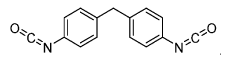
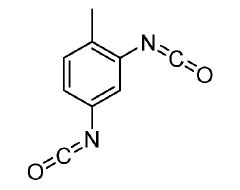
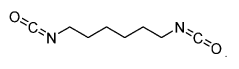
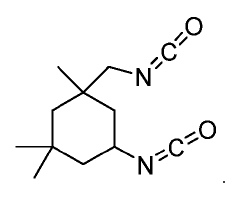
- A continuous flow process involving the mixing of acyl hydrazides with nitrous acid to form acyl azides, followed by heating in the presence of an organic solvent to produce isocyanates through Curtius rearrangement, offering a safer and more scalable method for isocyanate synthesis.
Process for preparing isocyanates
PatentInactiveUS20120253063A1
Innovation
- A phosgene-free process involving the oxydehydrogenation of formamides over noble metal catalysts at elevated temperatures, with vaporized formamides reacting with an oxygen-comprising gas, followed by quenching with an alcohol to form isocyanates, which are then dissociated from urethanes.
Environmental Impact
The environmental impact of isocyanate technologies has become a critical concern in recent years, prompting increased scrutiny and regulatory attention. Isocyanates, widely used in the production of polyurethanes, have been associated with various environmental challenges that demand innovative solutions and sustainable practices.
One of the primary environmental concerns surrounding isocyanates is their potential for air pollution. During manufacturing processes and product application, volatile organic compounds (VOCs) can be released, contributing to smog formation and degradation of air quality. This has led to the development of low-VOC and water-based isocyanate formulations, which aim to reduce emissions while maintaining performance characteristics.
Water contamination is another significant environmental issue associated with isocyanate production and use. Improper disposal or accidental release of isocyanates can lead to water pollution, affecting aquatic ecosystems and potentially entering the food chain. To address this, advanced wastewater treatment technologies and stricter handling protocols have been implemented in many facilities.
The persistence of isocyanate-based products in the environment has also raised concerns about long-term ecological impacts. While many polyurethane products are durable and long-lasting, their eventual disposal can contribute to landfill accumulation. This has spurred research into biodegradable alternatives and more efficient recycling methods for isocyanate-derived materials.
Energy consumption and greenhouse gas emissions associated with isocyanate production processes have come under increasing scrutiny. The industry has responded by exploring more energy-efficient manufacturing techniques and investigating the use of renewable feedstocks to reduce the carbon footprint of isocyanate-based products.
Occupational health and safety concerns related to isocyanate exposure have indirect environmental implications. Stricter workplace safety measures often lead to improved containment and handling practices, which in turn reduce the risk of environmental contamination.
As the industry evolves, emerging isocyanate technologies are increasingly focused on addressing these environmental challenges. Bio-based isocyanates derived from renewable resources are being developed as alternatives to petroleum-based products. These innovations aim to reduce reliance on fossil fuels and potentially offer improved biodegradability.
Additionally, advancements in catalyst technology are enabling more efficient isocyanate production processes, reducing energy consumption and minimizing waste generation. Closed-loop manufacturing systems and improved recycling technologies are also being implemented to minimize environmental impact throughout the product lifecycle.
One of the primary environmental concerns surrounding isocyanates is their potential for air pollution. During manufacturing processes and product application, volatile organic compounds (VOCs) can be released, contributing to smog formation and degradation of air quality. This has led to the development of low-VOC and water-based isocyanate formulations, which aim to reduce emissions while maintaining performance characteristics.
Water contamination is another significant environmental issue associated with isocyanate production and use. Improper disposal or accidental release of isocyanates can lead to water pollution, affecting aquatic ecosystems and potentially entering the food chain. To address this, advanced wastewater treatment technologies and stricter handling protocols have been implemented in many facilities.
The persistence of isocyanate-based products in the environment has also raised concerns about long-term ecological impacts. While many polyurethane products are durable and long-lasting, their eventual disposal can contribute to landfill accumulation. This has spurred research into biodegradable alternatives and more efficient recycling methods for isocyanate-derived materials.
Energy consumption and greenhouse gas emissions associated with isocyanate production processes have come under increasing scrutiny. The industry has responded by exploring more energy-efficient manufacturing techniques and investigating the use of renewable feedstocks to reduce the carbon footprint of isocyanate-based products.
Occupational health and safety concerns related to isocyanate exposure have indirect environmental implications. Stricter workplace safety measures often lead to improved containment and handling practices, which in turn reduce the risk of environmental contamination.
As the industry evolves, emerging isocyanate technologies are increasingly focused on addressing these environmental challenges. Bio-based isocyanates derived from renewable resources are being developed as alternatives to petroleum-based products. These innovations aim to reduce reliance on fossil fuels and potentially offer improved biodegradability.
Additionally, advancements in catalyst technology are enabling more efficient isocyanate production processes, reducing energy consumption and minimizing waste generation. Closed-loop manufacturing systems and improved recycling technologies are also being implemented to minimize environmental impact throughout the product lifecycle.
Regulatory Compliance
Regulatory compliance plays a crucial role in the development and implementation of emerging isocyanate technologies. As these innovative solutions continue to evolve, manufacturers and industry stakeholders must navigate an increasingly complex landscape of regulations and standards.
The primary regulatory bodies overseeing isocyanate technologies include the Environmental Protection Agency (EPA), the Occupational Safety and Health Administration (OSHA), and the European Chemicals Agency (ECHA). These organizations have established stringent guidelines to ensure the safe production, handling, and use of isocyanates across various industries.
One of the key regulatory challenges facing emerging isocyanate technologies is the management of volatile organic compound (VOC) emissions. Many jurisdictions have implemented strict limits on VOC emissions, prompting manufacturers to develop low-VOC and ultra-low-VOC formulations. This has led to significant advancements in water-based and high-solids isocyanate technologies, which offer improved environmental performance while maintaining desired product characteristics.
Worker safety regulations have also driven innovation in isocyanate technologies. OSHA's Respiratory Protection Standard (29 CFR 1910.134) mandates the use of appropriate personal protective equipment (PPE) when working with isocyanates. In response, manufacturers have developed novel encapsulation and delivery systems that minimize worker exposure and reduce the need for extensive PPE.
The Registration, Evaluation, Authorization, and Restriction of Chemicals (REACH) regulation in the European Union has had a significant impact on the global isocyanate market. REACH requires manufacturers to register and provide detailed safety information for chemicals, including isocyanates, before they can be sold or used in the EU. This has led to increased transparency and data sharing within the industry, as well as the development of safer alternatives to traditional isocyanate formulations.
As sustainability becomes an increasingly important factor in regulatory compliance, emerging isocyanate technologies are focusing on bio-based and renewable raw materials. Regulations promoting the use of sustainable resources, such as the EU's Renewable Energy Directive, have spurred research into isocyanates derived from plant-based sources. These bio-based alternatives offer potential environmental benefits while meeting regulatory requirements for performance and safety.
The global nature of the isocyanate market necessitates compliance with diverse regional regulations. Manufacturers must navigate varying standards across different countries and regions, often requiring the development of region-specific formulations. This regulatory complexity has led to increased collaboration between industry players and regulatory bodies to harmonize standards and facilitate global trade.
In conclusion, regulatory compliance continues to shape the trajectory of emerging isocyanate technologies. As regulations evolve to address environmental, health, and safety concerns, manufacturers must remain agile and innovative in their approach to product development and market strategy. The ability to anticipate and adapt to changing regulatory landscapes will be a key differentiator in the competitive isocyanate market.
The primary regulatory bodies overseeing isocyanate technologies include the Environmental Protection Agency (EPA), the Occupational Safety and Health Administration (OSHA), and the European Chemicals Agency (ECHA). These organizations have established stringent guidelines to ensure the safe production, handling, and use of isocyanates across various industries.
One of the key regulatory challenges facing emerging isocyanate technologies is the management of volatile organic compound (VOC) emissions. Many jurisdictions have implemented strict limits on VOC emissions, prompting manufacturers to develop low-VOC and ultra-low-VOC formulations. This has led to significant advancements in water-based and high-solids isocyanate technologies, which offer improved environmental performance while maintaining desired product characteristics.
Worker safety regulations have also driven innovation in isocyanate technologies. OSHA's Respiratory Protection Standard (29 CFR 1910.134) mandates the use of appropriate personal protective equipment (PPE) when working with isocyanates. In response, manufacturers have developed novel encapsulation and delivery systems that minimize worker exposure and reduce the need for extensive PPE.
The Registration, Evaluation, Authorization, and Restriction of Chemicals (REACH) regulation in the European Union has had a significant impact on the global isocyanate market. REACH requires manufacturers to register and provide detailed safety information for chemicals, including isocyanates, before they can be sold or used in the EU. This has led to increased transparency and data sharing within the industry, as well as the development of safer alternatives to traditional isocyanate formulations.
As sustainability becomes an increasingly important factor in regulatory compliance, emerging isocyanate technologies are focusing on bio-based and renewable raw materials. Regulations promoting the use of sustainable resources, such as the EU's Renewable Energy Directive, have spurred research into isocyanates derived from plant-based sources. These bio-based alternatives offer potential environmental benefits while meeting regulatory requirements for performance and safety.
The global nature of the isocyanate market necessitates compliance with diverse regional regulations. Manufacturers must navigate varying standards across different countries and regions, often requiring the development of region-specific formulations. This regulatory complexity has led to increased collaboration between industry players and regulatory bodies to harmonize standards and facilitate global trade.
In conclusion, regulatory compliance continues to shape the trajectory of emerging isocyanate technologies. As regulations evolve to address environmental, health, and safety concerns, manufacturers must remain agile and innovative in their approach to product development and market strategy. The ability to anticipate and adapt to changing regulatory landscapes will be a key differentiator in the competitive isocyanate market.
Unlock deeper insights with Patsnap Eureka Quick Research — get a full tech report to explore trends and direct your research. Try now!
Generate Your Research Report Instantly with AI Agent
Supercharge your innovation with Patsnap Eureka AI Agent Platform!