

Glycogenolysis vs Gluconeogenesis: Substrate Preferences
AUG 28, 20259 MIN READ
Generate Your Research Report Instantly with AI Agent
Patsnap Eureka helps you evaluate technical feasibility & market potential.
Glycogen Metabolism Background and Research Objectives
Glycogen metabolism represents a fundamental biochemical process that plays a crucial role in maintaining glucose homeostasis in the human body. This intricate system has evolved over millions of years to ensure a constant supply of glucose, the primary energy source for various tissues, particularly the brain and red blood cells. The historical understanding of glycogen metabolism dates back to the 19th century when Claude Bernard first discovered glycogen in the liver, marking a significant milestone in biochemistry.
The evolution of glycogen metabolism research has progressed through several distinct phases. Initial studies focused primarily on identifying the basic structure of glycogen and its role as a glucose storage molecule. Subsequent research expanded to elucidate the enzymatic pathways involved in glycogen synthesis (glycogenesis) and breakdown (glycogenolysis). More recently, scientific attention has shifted toward understanding the regulatory mechanisms that control these processes and their integration with other metabolic pathways, particularly gluconeogenesis.
Glycogenolysis and gluconeogenesis represent two distinct yet interconnected pathways that contribute to blood glucose maintenance during fasting states. While glycogenolysis involves the breakdown of stored glycogen to release glucose, gluconeogenesis entails the de novo synthesis of glucose from non-carbohydrate precursors. The substrate preferences for these pathways constitute a critical area of investigation, as they determine the efficiency and regulation of glucose production under various physiological conditions.
The current technological landscape has enabled unprecedented insights into these metabolic processes through advanced techniques such as isotope tracing, metabolomics, and computational modeling. These methodologies have revealed the dynamic nature of substrate utilization in glycogenolysis and gluconeogenesis, highlighting tissue-specific preferences and temporal variations in substrate selection.
Our research objectives encompass several interconnected aims designed to advance understanding in this field. First, we seek to characterize the temporal dynamics of substrate utilization in glycogenolysis versus gluconeogenesis across different tissues, particularly focusing on the liver and skeletal muscle. Second, we aim to identify the molecular switches that govern the transition between these pathways during various metabolic states. Third, we intend to elucidate how pathological conditions, such as diabetes and non-alcoholic fatty liver disease, alter substrate preferences in these pathways.
The ultimate goal of this technical investigation is to develop a comprehensive model of substrate preference regulation in glycogenolysis and gluconeogenesis that can inform therapeutic strategies for metabolic disorders. By understanding the intricate balance between these pathways and their substrate utilization patterns, we anticipate identifying novel targets for pharmacological intervention and developing more effective approaches to manage disorders of glucose metabolism.
The evolution of glycogen metabolism research has progressed through several distinct phases. Initial studies focused primarily on identifying the basic structure of glycogen and its role as a glucose storage molecule. Subsequent research expanded to elucidate the enzymatic pathways involved in glycogen synthesis (glycogenesis) and breakdown (glycogenolysis). More recently, scientific attention has shifted toward understanding the regulatory mechanisms that control these processes and their integration with other metabolic pathways, particularly gluconeogenesis.
Glycogenolysis and gluconeogenesis represent two distinct yet interconnected pathways that contribute to blood glucose maintenance during fasting states. While glycogenolysis involves the breakdown of stored glycogen to release glucose, gluconeogenesis entails the de novo synthesis of glucose from non-carbohydrate precursors. The substrate preferences for these pathways constitute a critical area of investigation, as they determine the efficiency and regulation of glucose production under various physiological conditions.
The current technological landscape has enabled unprecedented insights into these metabolic processes through advanced techniques such as isotope tracing, metabolomics, and computational modeling. These methodologies have revealed the dynamic nature of substrate utilization in glycogenolysis and gluconeogenesis, highlighting tissue-specific preferences and temporal variations in substrate selection.
Our research objectives encompass several interconnected aims designed to advance understanding in this field. First, we seek to characterize the temporal dynamics of substrate utilization in glycogenolysis versus gluconeogenesis across different tissues, particularly focusing on the liver and skeletal muscle. Second, we aim to identify the molecular switches that govern the transition between these pathways during various metabolic states. Third, we intend to elucidate how pathological conditions, such as diabetes and non-alcoholic fatty liver disease, alter substrate preferences in these pathways.
The ultimate goal of this technical investigation is to develop a comprehensive model of substrate preference regulation in glycogenolysis and gluconeogenesis that can inform therapeutic strategies for metabolic disorders. By understanding the intricate balance between these pathways and their substrate utilization patterns, we anticipate identifying novel targets for pharmacological intervention and developing more effective approaches to manage disorders of glucose metabolism.
Market Analysis of Metabolic Pathway Therapeutics
The metabolic pathway therapeutics market is experiencing significant growth, driven by increasing prevalence of metabolic disorders and deeper understanding of cellular energy processes. The global market for metabolic disorder treatments reached approximately $43 billion in 2022 and is projected to grow at a CAGR of 8.7% through 2030, with therapies targeting glycogenolysis and gluconeogenesis representing an emerging segment estimated at $5.2 billion.
Diabetes remains the primary driver in this market, affecting over 537 million adults worldwide according to the International Diabetes Federation. This creates substantial demand for therapeutics that can effectively modulate glucose production pathways, particularly in type 2 diabetes where dysregulated hepatic glucose output is a key pathological feature.
Non-alcoholic fatty liver disease (NAFLD) and its progressive form, non-alcoholic steatohepatitis (NASH), represent rapidly expanding market opportunities. With NAFLD affecting approximately 25% of the global population and limited approved treatments, therapeutics targeting metabolic pathways involved in hepatic glucose and glycogen metabolism are attracting significant investment.
The oncology sector has emerged as an unexpected growth area for metabolic pathway therapeutics. Cancer cells' altered metabolism, including increased reliance on gluconeogenesis in certain tumor types, has opened new therapeutic avenues. This segment is growing at 12.3% annually, outpacing the broader market.
Regional analysis reveals North America dominates with 42% market share, followed by Europe (28%) and Asia-Pacific (22%). However, the Asia-Pacific region shows the fastest growth rate at 10.5% annually, driven by rising diabetes prevalence and expanding healthcare infrastructure in China and India.
Competitive landscape analysis identifies three distinct market segments: established pharmaceutical companies repurposing existing drugs for metabolic pathways (38% market share), specialized biotech firms developing novel pathway-specific compounds (33%), and academic-commercial partnerships advancing cutting-edge research (29%).
Reimbursement trends favor therapeutics demonstrating clear metabolic benefits with measurable outcomes. Payers increasingly require evidence of improved glycemic control, reduced hepatic fat content, or other quantifiable metabolic improvements before granting favorable coverage decisions.
Market forecasts suggest therapeutics specifically targeting the glycogenolysis-gluconeogenesis balance will see accelerated growth, reaching $9.7 billion by 2028 as precision medicine approaches enable more targeted pathway modulation with fewer side effects than current broad-spectrum metabolic agents.
Diabetes remains the primary driver in this market, affecting over 537 million adults worldwide according to the International Diabetes Federation. This creates substantial demand for therapeutics that can effectively modulate glucose production pathways, particularly in type 2 diabetes where dysregulated hepatic glucose output is a key pathological feature.
Non-alcoholic fatty liver disease (NAFLD) and its progressive form, non-alcoholic steatohepatitis (NASH), represent rapidly expanding market opportunities. With NAFLD affecting approximately 25% of the global population and limited approved treatments, therapeutics targeting metabolic pathways involved in hepatic glucose and glycogen metabolism are attracting significant investment.
The oncology sector has emerged as an unexpected growth area for metabolic pathway therapeutics. Cancer cells' altered metabolism, including increased reliance on gluconeogenesis in certain tumor types, has opened new therapeutic avenues. This segment is growing at 12.3% annually, outpacing the broader market.
Regional analysis reveals North America dominates with 42% market share, followed by Europe (28%) and Asia-Pacific (22%). However, the Asia-Pacific region shows the fastest growth rate at 10.5% annually, driven by rising diabetes prevalence and expanding healthcare infrastructure in China and India.
Competitive landscape analysis identifies three distinct market segments: established pharmaceutical companies repurposing existing drugs for metabolic pathways (38% market share), specialized biotech firms developing novel pathway-specific compounds (33%), and academic-commercial partnerships advancing cutting-edge research (29%).
Reimbursement trends favor therapeutics demonstrating clear metabolic benefits with measurable outcomes. Payers increasingly require evidence of improved glycemic control, reduced hepatic fat content, or other quantifiable metabolic improvements before granting favorable coverage decisions.
Market forecasts suggest therapeutics specifically targeting the glycogenolysis-gluconeogenesis balance will see accelerated growth, reaching $9.7 billion by 2028 as precision medicine approaches enable more targeted pathway modulation with fewer side effects than current broad-spectrum metabolic agents.
Current Understanding and Technical Challenges in Substrate Utilization
The current understanding of substrate preferences in glycogenolysis and gluconeogenesis has evolved significantly over the past decades. Research has established that glycogenolysis primarily utilizes glycogen stored in liver and muscle tissues to release glucose-1-phosphate, which is subsequently converted to glucose-6-phosphate and then to free glucose in the liver. This process is activated during short-term energy demands, particularly in fasting states or during high-intensity exercise.
Conversely, gluconeogenesis demonstrates a broader substrate utilization profile, incorporating lactate, pyruvate, glycerol, and certain amino acids, particularly alanine and glutamine. The preference hierarchy among these substrates appears to be context-dependent, influenced by nutritional status, hormonal milieu, and tissue-specific metabolic demands.
Technical challenges in understanding substrate preferences include the dynamic nature of metabolic flux, which complicates real-time measurement of substrate utilization rates. Current metabolomic approaches often provide static snapshots rather than continuous monitoring of substrate flux through these pathways. Additionally, the compartmentalization of metabolic processes within cells creates methodological barriers to accurate measurement.
Isotope tracing techniques have emerged as valuable tools for tracking substrate utilization, but technical limitations persist in distinguishing between direct and indirect contributions of various precursors to glucose production. The overlap between glycogenolysis and gluconeogenesis pathways further complicates discrete analysis of substrate preferences.
Hormonal regulation presents another layer of complexity, with insulin, glucagon, epinephrine, and cortisol exerting differential effects on substrate selection. The temporal dynamics of these hormonal influences remain incompletely characterized, particularly during transitional metabolic states.
Inter-individual variability in substrate preference patterns represents a significant challenge for standardized approaches. Genetic polymorphisms affecting key enzymes like PEPCK, G6Pase, and glycogen phosphorylase contribute to heterogeneous substrate utilization profiles across populations.
Recent technological advances in metabolic imaging, including positron emission tomography with specialized tracers, offer promising approaches for non-invasive assessment of substrate preferences. However, spatial and temporal resolution limitations persist, particularly for distinguishing hepatic from peripheral tissue contributions to glucose homeostasis.
The integration of multi-omics data (genomics, proteomics, metabolomics) presents both opportunities and challenges for comprehensive understanding of substrate preferences. Computational models attempting to predict substrate utilization patterns require further refinement to account for the complex regulatory networks governing these metabolic pathways.
Conversely, gluconeogenesis demonstrates a broader substrate utilization profile, incorporating lactate, pyruvate, glycerol, and certain amino acids, particularly alanine and glutamine. The preference hierarchy among these substrates appears to be context-dependent, influenced by nutritional status, hormonal milieu, and tissue-specific metabolic demands.
Technical challenges in understanding substrate preferences include the dynamic nature of metabolic flux, which complicates real-time measurement of substrate utilization rates. Current metabolomic approaches often provide static snapshots rather than continuous monitoring of substrate flux through these pathways. Additionally, the compartmentalization of metabolic processes within cells creates methodological barriers to accurate measurement.
Isotope tracing techniques have emerged as valuable tools for tracking substrate utilization, but technical limitations persist in distinguishing between direct and indirect contributions of various precursors to glucose production. The overlap between glycogenolysis and gluconeogenesis pathways further complicates discrete analysis of substrate preferences.
Hormonal regulation presents another layer of complexity, with insulin, glucagon, epinephrine, and cortisol exerting differential effects on substrate selection. The temporal dynamics of these hormonal influences remain incompletely characterized, particularly during transitional metabolic states.
Inter-individual variability in substrate preference patterns represents a significant challenge for standardized approaches. Genetic polymorphisms affecting key enzymes like PEPCK, G6Pase, and glycogen phosphorylase contribute to heterogeneous substrate utilization profiles across populations.
Recent technological advances in metabolic imaging, including positron emission tomography with specialized tracers, offer promising approaches for non-invasive assessment of substrate preferences. However, spatial and temporal resolution limitations persist, particularly for distinguishing hepatic from peripheral tissue contributions to glucose homeostasis.
The integration of multi-omics data (genomics, proteomics, metabolomics) presents both opportunities and challenges for comprehensive understanding of substrate preferences. Computational models attempting to predict substrate utilization patterns require further refinement to account for the complex regulatory networks governing these metabolic pathways.
Established Methodologies for Studying Metabolic Pathway Preferences
01 Preferred substrates for glycogenolysis in metabolic pathways
Glycogenolysis involves the breakdown of glycogen to glucose-1-phosphate and ultimately glucose-6-phosphate. The process is regulated by enzymes such as glycogen phosphorylase and debranching enzyme. Key substrates include stored glycogen primarily in liver and muscle tissues. The pathway is activated during fasting states or increased energy demands, with specific substrate preferences influenced by hormonal regulation, particularly by glucagon and epinephrine which trigger the cascade through cAMP-dependent mechanisms.- Preferred substrates for glycogenolysis in metabolic pathways: Glycogenolysis involves the breakdown of glycogen to glucose-1-phosphate and ultimately glucose-6-phosphate. The process is regulated by enzymes such as glycogen phosphorylase and debranching enzyme. Key substrates include glycogen polymers with α-1,4 and α-1,6 glycosidic bonds. The process is activated during fasting states or increased energy demands, with liver glycogenolysis primarily serving to maintain blood glucose levels while muscle glycogenolysis provides energy for muscle contraction.
- Substrate preferences in gluconeogenesis pathways: Gluconeogenesis utilizes various non-carbohydrate precursors to synthesize glucose. Primary substrates include lactate, pyruvate, glycerol, and certain amino acids (particularly alanine and glutamine). The pathway is regulated by key enzymes including pyruvate carboxylase, phosphoenolpyruvate carboxykinase (PEPCK), fructose-1,6-bisphosphatase, and glucose-6-phosphatase. Substrate utilization varies based on physiological conditions, with amino acids being preferentially used during prolonged fasting and glycerol during lipolysis.
- Metabolic regulation of substrate selection between pathways: The selection between glycogenolysis and gluconeogenesis substrates is tightly regulated by hormonal and allosteric mechanisms. Insulin suppresses both pathways while glucagon and epinephrine activate them. The energy status of the cell, represented by ATP/AMP and NADH/NAD+ ratios, influences substrate preference. During exercise, lactate becomes a preferred substrate for gluconeogenesis, while during fasting, amino acids from protein breakdown are utilized. The liver demonstrates metabolic flexibility in substrate utilization depending on nutritional status.
- Analytical methods for studying substrate preferences: Various analytical techniques are employed to study substrate preferences in glycogenolysis and gluconeogenesis. These include isotope labeling to track substrate flux, mass spectrometry for metabolite profiling, enzyme activity assays, and computational modeling of metabolic pathways. Nuclear magnetic resonance spectroscopy allows for real-time monitoring of substrate utilization in tissues. These methods help identify preferred substrates under different physiological conditions and can reveal alterations in substrate preference in metabolic disorders.
- Pathological alterations in substrate utilization: Metabolic disorders can significantly alter substrate preferences in glycogenolysis and gluconeogenesis. In diabetes, insulin resistance leads to enhanced gluconeogenesis with increased utilization of amino acids and glycerol. Glycogen storage diseases feature impaired glycogenolysis, forcing greater reliance on gluconeogenesis. Alcohol consumption inhibits gluconeogenesis from lactate and amino acids while promoting hypoglycemia. Understanding these altered substrate preferences is crucial for developing targeted therapeutic approaches for metabolic disorders.
02 Gluconeogenesis substrate utilization and regulation
Gluconeogenesis utilizes non-carbohydrate precursors to synthesize glucose, with primary substrates including lactate, pyruvate, glycerol, and certain amino acids (particularly alanine and glutamine). The pathway shows preferential utilization of these substrates depending on physiological conditions. Lactate is preferentially utilized during recovery from exercise, while amino acids become important during prolonged fasting. The process is regulated by key enzymes including phosphoenolpyruvate carboxykinase (PEPCK), fructose-1,6-bisphosphatase, and glucose-6-phosphatase, which determine substrate flux through the pathway.Expand Specific Solutions03 Metabolic switching between pathways based on substrate availability
The metabolic switching between glycogenolysis and gluconeogenesis is highly regulated based on substrate availability and energy demands. During short-term fasting, glycogenolysis is the preferred pathway for maintaining blood glucose levels, utilizing glycogen stores. As fasting continues and glycogen becomes depleted, gluconeogenesis becomes dominant, preferentially utilizing available substrates like lactate, pyruvate, and amino acids. This metabolic flexibility is controlled by hormonal signals, particularly the insulin-to-glucagon ratio, which determines which substrates are preferentially utilized in each pathway.Expand Specific Solutions04 Enzymatic preferences for specific substrates in both pathways
The enzymes involved in glycogenolysis and gluconeogenesis exhibit specific substrate preferences that influence pathway efficiency. In glycogenolysis, glycogen phosphorylase preferentially acts on α-1,4-glycosidic bonds in glycogen, while debranching enzyme targets α-1,6-glycosidic bonds at branch points. In gluconeogenesis, PEPCK shows higher affinity for oxaloacetate derived from certain amino acids, while fructose-1,6-bisphosphatase activity is enhanced by specific metabolites. These enzymatic preferences determine which substrates are more efficiently processed through each pathway under various physiological conditions.Expand Specific Solutions05 Pathological alterations in substrate preferences
Pathological conditions can significantly alter substrate preferences in both glycogenolysis and gluconeogenesis. In diabetes, insulin resistance leads to enhanced gluconeogenesis with increased utilization of amino acids and glycerol as substrates, contributing to hyperglycemia. Glycogen storage diseases involve defects in enzymes of glycogenolysis, altering normal substrate utilization patterns. Other metabolic disorders can affect the preferential use of lactate, pyruvate, or specific amino acids in gluconeogenesis, leading to abnormal glucose homeostasis and potentially contributing to metabolic complications.Expand Specific Solutions
Key Research Institutions and Pharmaceutical Companies in Metabolic Research
The glycogenolysis vs gluconeogenesis substrate preferences market is in a growth phase, with increasing focus on metabolic disorders and diabetes management. The global market is estimated at $15-20 billion, driven by rising diabetes prevalence and metabolic syndrome cases. Leading companies like Novo Nordisk, DexCom, and F. Hoffmann-La Roche are advancing monitoring technologies and therapeutic interventions, while biotechnology firms such as Codexis and Novozymes focus on enzyme engineering for metabolic pathway manipulation. ARKRAY and bioMérieux are developing diagnostic tools for metabolic assessment. Academic institutions including Duke University and Tsinghua University contribute fundamental research, creating a competitive landscape where pharmaceutical giants collaborate with specialized biotech firms to develop comprehensive solutions for metabolic regulation disorders.
Hoffmann-La Roche, Inc.
Technical Solution: Hoffmann-La Roche has developed advanced metabolic pathway analysis platforms focusing on the differential regulation of glycogenolysis and gluconeogenesis. Their proprietary technology utilizes high-throughput screening methods to identify substrate preferences under various physiological conditions. Their research has demonstrated that during fasting states, the liver preferentially activates gluconeogenesis from amino acids before utilizing lactate and pyruvate substrates, with a sequential activation pattern that optimizes energy conservation. Roche's metabolic flux analysis technology enables real-time monitoring of substrate utilization rates, showing that glycogenolysis is rapidly activated in response to hypoglycemia but quickly transitions to gluconeogenesis as glycogen stores deplete. Their research has identified specific regulatory enzymes that act as metabolic switches between these pathways, providing potential therapeutic targets for metabolic disorders.
Strengths: Comprehensive metabolic pathway analysis capabilities with proprietary technologies for real-time substrate tracking. Extensive research database on pathway regulation under various physiological conditions. Weaknesses: Their approach requires sophisticated laboratory equipment, limiting point-of-care applications. Technologies primarily focused on pharmaceutical applications rather than diagnostic implementations.
Codexis, Inc.
Technical Solution: Codexis has applied its enzyme engineering platform to develop enhanced assay systems for studying glycogenolysis and gluconeogenesis substrate preferences. Their CodeEvolver® technology has been utilized to create optimized enzymes that can detect and quantify specific metabolic intermediates in these pathways with unprecedented sensitivity. This approach has enabled the development of high-throughput screening platforms for identifying compounds that selectively modulate either glycogenolysis or gluconeogenesis. Codexis has engineered specialized glucose-6-phosphatase variants that can distinguish between glucose-6-phosphate derived from glycogenolysis versus gluconeogenesis based on isotopic labeling patterns. Their research has demonstrated that substrate preferences shift dramatically under different hormonal conditions, with insulin suppressing both pathways but with greater inhibition of gluconeogenesis, while glucagon preferentially stimulates glycogenolysis before enhancing gluconeogenic flux from amino acid substrates.
Strengths: Unique enzyme engineering capabilities that enable highly specific detection of pathway intermediates. Platform technology applicable to both research and diagnostic applications. Weaknesses: Less focus on integrated physiological systems compared to pharmaceutical companies. Technology primarily serves as a research tool rather than direct therapeutic application.
Critical Enzymes and Regulatory Mechanisms in Glucose Production
Continuous monitoring of blood lactate and ongoing targeting of blood lactate via nutritional support
PatentInactiveUS20200158714A1
Innovation
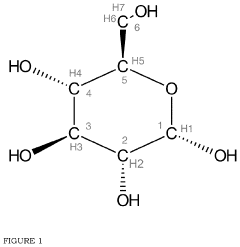
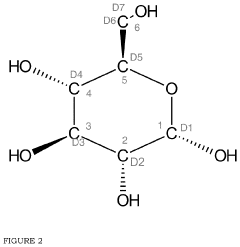
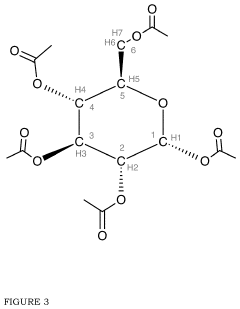
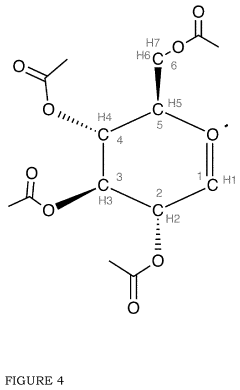
- The development of systems and methods to estimate fractional gluconeogenesis, a biomarker indicating the percentage of glucose production from gluconeogenesis, using deuterium labeling and mass spectrometry to analyze glucose derivatives, allowing for dynamic and ongoing assessment of a patient's metabolic state and nutritional needs.
Systems and methods for optimizing treatment using physiological profiles
PatentWO2023235444A1
Innovation
- A decision support system that uses continuous analyte monitoring and machine learning models to generate patient-specific treatment recommendations and optimize treatment parameters based on real-time physiological data, including glucose, potassium, and other analytes, to predict adverse events and adjust medical treatments accordingly.


Clinical Applications and Therapeutic Implications
Understanding the substrate preferences between glycogenolysis and gluconeogenesis has significant clinical applications and therapeutic implications, particularly in managing metabolic disorders. Diabetes mellitus represents a primary target for therapeutic interventions based on these pathways. In type 2 diabetes, excessive hepatic glucose production contributes substantially to hyperglycemia, making the modulation of glycogenolysis and gluconeogenesis crucial treatment strategies.
Current pharmacological approaches targeting these pathways include metformin, which primarily inhibits gluconeogenesis by activating AMP-activated protein kinase (AMPK) and reducing hepatic energy charge. Glucagon receptor antagonists represent another promising therapeutic avenue, as they can simultaneously reduce both glycogenolysis and gluconeogenesis by blocking glucagon's stimulatory effects on these processes.
The differential regulation of substrate utilization in these pathways offers opportunities for more targeted interventions. For instance, fructose-1,6-bisphosphatase inhibitors specifically target gluconeogenesis without affecting glycogenolysis, potentially providing better glycemic control with fewer side effects in diabetic patients. This substrate-specific approach may help avoid the risk of hypoglycemia associated with less selective agents.
In hepatic disorders, understanding substrate preferences becomes critical for therapeutic management. Non-alcoholic fatty liver disease (NAFLD) and its progressive form, non-alcoholic steatohepatitis (NASH), feature dysregulated hepatic metabolism where altered substrate utilization in both pathways contributes to disease progression. Therapeutic strategies targeting specific substrates in these pathways may help restore metabolic homeostasis.
Exercise physiology and sports medicine also benefit from insights into substrate preferences. Optimizing athletic performance through nutritional strategies that enhance glycogen storage and utilization depends on understanding the substrate kinetics of glycogenolysis. Similarly, recovery protocols can be tailored based on substrate availability for gluconeogenesis during post-exercise recovery periods.
Emerging precision medicine approaches are leveraging genetic and metabolomic profiling to identify individual variations in substrate preferences. This personalized understanding allows for tailored nutritional and pharmacological interventions based on a patient's unique metabolic profile. For example, patients with specific enzyme polymorphisms affecting lactate utilization in gluconeogenesis might benefit from customized dietary recommendations during illness or exercise.
Current pharmacological approaches targeting these pathways include metformin, which primarily inhibits gluconeogenesis by activating AMP-activated protein kinase (AMPK) and reducing hepatic energy charge. Glucagon receptor antagonists represent another promising therapeutic avenue, as they can simultaneously reduce both glycogenolysis and gluconeogenesis by blocking glucagon's stimulatory effects on these processes.
The differential regulation of substrate utilization in these pathways offers opportunities for more targeted interventions. For instance, fructose-1,6-bisphosphatase inhibitors specifically target gluconeogenesis without affecting glycogenolysis, potentially providing better glycemic control with fewer side effects in diabetic patients. This substrate-specific approach may help avoid the risk of hypoglycemia associated with less selective agents.
In hepatic disorders, understanding substrate preferences becomes critical for therapeutic management. Non-alcoholic fatty liver disease (NAFLD) and its progressive form, non-alcoholic steatohepatitis (NASH), feature dysregulated hepatic metabolism where altered substrate utilization in both pathways contributes to disease progression. Therapeutic strategies targeting specific substrates in these pathways may help restore metabolic homeostasis.
Exercise physiology and sports medicine also benefit from insights into substrate preferences. Optimizing athletic performance through nutritional strategies that enhance glycogen storage and utilization depends on understanding the substrate kinetics of glycogenolysis. Similarly, recovery protocols can be tailored based on substrate availability for gluconeogenesis during post-exercise recovery periods.
Emerging precision medicine approaches are leveraging genetic and metabolomic profiling to identify individual variations in substrate preferences. This personalized understanding allows for tailored nutritional and pharmacological interventions based on a patient's unique metabolic profile. For example, patients with specific enzyme polymorphisms affecting lactate utilization in gluconeogenesis might benefit from customized dietary recommendations during illness or exercise.
Metabolic Disorders and Personalized Medicine Approaches
Metabolic disorders involving glycogenolysis and gluconeogenesis pathways represent significant clinical challenges requiring personalized medicine approaches. Disorders such as glycogen storage diseases (GSDs), diabetes mellitus, and hepatic glycogen metabolism abnormalities demonstrate the critical importance of understanding substrate preferences in these pathways for effective treatment strategies.
In patients with Type 1 and Type 2 diabetes, the dysregulation of hepatic glucose production significantly contributes to hyperglycemia. Research indicates that individuals exhibit varying degrees of reliance on glycogenolysis versus gluconeogenesis based on genetic factors, which necessitates personalized therapeutic approaches. For instance, patients with specific polymorphisms in genes encoding gluconeogenic enzymes may respond differently to medications targeting hepatic glucose output.
Glycogen storage diseases present another area where personalized medicine shows promise. GSD type Ia (von Gierke disease) patients experience impaired glucose-6-phosphatase activity, preventing both glycogenolysis and gluconeogenesis from completing normally. Treatment approaches now include gene therapy trials tailored to individual genetic profiles, with preliminary results showing variable efficacy based on specific mutations and residual enzyme activity levels.
Advances in metabolomics and genomics have enabled the development of biomarker panels that can predict individual substrate utilization patterns during fasting and fed states. These biomarkers allow clinicians to categorize patients into metabolic phenotypes, facilitating more precise therapeutic interventions. Studies demonstrate that patients classified as "high gluconeogenic responders" may benefit from targeted inhibition of key gluconeogenic enzymes, while those with predominantly glycogenolytic profiles require different intervention strategies.
Pharmacogenomic research has revealed significant variations in patient responses to medications affecting these pathways. For example, metformin's effectiveness in suppressing gluconeogenesis shows considerable inter-individual variability linked to genetic polymorphisms in organic cation transporters and other factors influencing drug metabolism and target engagement. This has led to the development of genetic screening protocols to optimize medication selection and dosing.
Nutritional approaches have also become increasingly personalized. Dietary interventions based on individual substrate preference patterns show superior outcomes compared to standardized approaches. Patients with impaired glycogenolysis benefit from more frequent, smaller meals with specific carbohydrate compositions, while those with gluconeogenic defects require careful protein intake management and potentially medium-chain triglyceride supplementation to provide alternative energy substrates.
The integration of continuous glucose monitoring with artificial intelligence algorithms now enables real-time assessment of individual metabolic responses, allowing for dynamic adjustment of treatment regimens. These technologies are particularly valuable for patients with complex metabolic disorders involving both pathways, where standard treatment protocols often prove inadequate.
In patients with Type 1 and Type 2 diabetes, the dysregulation of hepatic glucose production significantly contributes to hyperglycemia. Research indicates that individuals exhibit varying degrees of reliance on glycogenolysis versus gluconeogenesis based on genetic factors, which necessitates personalized therapeutic approaches. For instance, patients with specific polymorphisms in genes encoding gluconeogenic enzymes may respond differently to medications targeting hepatic glucose output.
Glycogen storage diseases present another area where personalized medicine shows promise. GSD type Ia (von Gierke disease) patients experience impaired glucose-6-phosphatase activity, preventing both glycogenolysis and gluconeogenesis from completing normally. Treatment approaches now include gene therapy trials tailored to individual genetic profiles, with preliminary results showing variable efficacy based on specific mutations and residual enzyme activity levels.
Advances in metabolomics and genomics have enabled the development of biomarker panels that can predict individual substrate utilization patterns during fasting and fed states. These biomarkers allow clinicians to categorize patients into metabolic phenotypes, facilitating more precise therapeutic interventions. Studies demonstrate that patients classified as "high gluconeogenic responders" may benefit from targeted inhibition of key gluconeogenic enzymes, while those with predominantly glycogenolytic profiles require different intervention strategies.
Pharmacogenomic research has revealed significant variations in patient responses to medications affecting these pathways. For example, metformin's effectiveness in suppressing gluconeogenesis shows considerable inter-individual variability linked to genetic polymorphisms in organic cation transporters and other factors influencing drug metabolism and target engagement. This has led to the development of genetic screening protocols to optimize medication selection and dosing.
Nutritional approaches have also become increasingly personalized. Dietary interventions based on individual substrate preference patterns show superior outcomes compared to standardized approaches. Patients with impaired glycogenolysis benefit from more frequent, smaller meals with specific carbohydrate compositions, while those with gluconeogenic defects require careful protein intake management and potentially medium-chain triglyceride supplementation to provide alternative energy substrates.
The integration of continuous glucose monitoring with artificial intelligence algorithms now enables real-time assessment of individual metabolic responses, allowing for dynamic adjustment of treatment regimens. These technologies are particularly valuable for patients with complex metabolic disorders involving both pathways, where standard treatment protocols often prove inadequate.
Unlock deeper insights with Patsnap Eureka Quick Research — get a full tech report to explore trends and direct your research. Try now!
Generate Your Research Report Instantly with AI Agent
Supercharge your innovation with Patsnap Eureka AI Agent Platform!