How to Implement Radial Engine Sequential Ignition Systems
SEP 12, 20259 MIN READ
Generate Your Research Report Instantly with AI Agent
PatSnap Eureka helps you evaluate technical feasibility & market potential.
Radial Engine Ignition Evolution and Objectives
Radial engines emerged in the early 20th century as a revolutionary aircraft propulsion system, offering superior power-to-weight ratios compared to inline configurations. The evolution of ignition systems for these engines has been closely tied to aviation advancement, progressing from rudimentary magneto systems to sophisticated electronic control units. Early radial engines utilized basic timed ignition with minimal sequential firing capabilities, often resulting in inefficient combustion and increased mechanical stress.
The 1930s marked a significant turning point with the introduction of dual magneto systems that improved reliability through redundancy. By World War II, sequential ignition timing had become more refined, allowing for optimized power delivery across the radial configuration's unique cylinder arrangement. Post-war developments saw the integration of more precise mechanical timing mechanisms that could account for varying engine loads and atmospheric conditions.
The transition to electronic ignition systems began in the 1970s, though radial engines, primarily used in vintage aircraft by this time, often maintained traditional magneto systems for historical authenticity and simplicity of maintenance. Modern restoration and continued operation of radial engines have created a specialized niche for updated sequential ignition technologies that preserve historical operation while enhancing performance and reliability.
Current technical objectives for radial engine sequential ignition systems focus on several key areas. Primary among these is the optimization of firing order to account for the radial configuration's inherent uneven power pulses. Engineers seek to implement precise timing control that can adapt to the unique thermal and mechanical characteristics of each cylinder in the radial arrangement, ensuring balanced operation and reduced vibration.
Another critical objective is the integration of modern electronic control capabilities while maintaining the distinctive operational characteristics that make radial engines historically significant. This includes developing systems that can monitor individual cylinder performance and adjust timing accordingly, while still preserving the engine's original mechanical feel and response patterns.
Reliability enhancement represents a third major goal, particularly important given the vintage nature of most operational radial engines today. Modern sequential ignition implementations aim to provide redundancy and fail-safe operation without compromising the engine's historical integrity or requiring extensive modifications to the original engine architecture.
The ultimate technical objective remains achieving optimal power delivery and fuel efficiency while honoring the engineering heritage of these iconic powerplants. This balance between preservation and performance improvement defines the current trajectory of radial engine ignition system development.
The 1930s marked a significant turning point with the introduction of dual magneto systems that improved reliability through redundancy. By World War II, sequential ignition timing had become more refined, allowing for optimized power delivery across the radial configuration's unique cylinder arrangement. Post-war developments saw the integration of more precise mechanical timing mechanisms that could account for varying engine loads and atmospheric conditions.
The transition to electronic ignition systems began in the 1970s, though radial engines, primarily used in vintage aircraft by this time, often maintained traditional magneto systems for historical authenticity and simplicity of maintenance. Modern restoration and continued operation of radial engines have created a specialized niche for updated sequential ignition technologies that preserve historical operation while enhancing performance and reliability.
Current technical objectives for radial engine sequential ignition systems focus on several key areas. Primary among these is the optimization of firing order to account for the radial configuration's inherent uneven power pulses. Engineers seek to implement precise timing control that can adapt to the unique thermal and mechanical characteristics of each cylinder in the radial arrangement, ensuring balanced operation and reduced vibration.
Another critical objective is the integration of modern electronic control capabilities while maintaining the distinctive operational characteristics that make radial engines historically significant. This includes developing systems that can monitor individual cylinder performance and adjust timing accordingly, while still preserving the engine's original mechanical feel and response patterns.
Reliability enhancement represents a third major goal, particularly important given the vintage nature of most operational radial engines today. Modern sequential ignition implementations aim to provide redundancy and fail-safe operation without compromising the engine's historical integrity or requiring extensive modifications to the original engine architecture.
The ultimate technical objective remains achieving optimal power delivery and fuel efficiency while honoring the engineering heritage of these iconic powerplants. This balance between preservation and performance improvement defines the current trajectory of radial engine ignition system development.
Market Demand Analysis for Sequential Ignition Systems
The global market for sequential ignition systems in radial engines demonstrates a robust growth trajectory, driven primarily by the aviation heritage sector and specialized industrial applications. Current market analysis indicates that the restoration and maintenance of vintage aircraft represents the largest demand segment, with over 5,000 operational radial engine aircraft worldwide requiring regular ignition system maintenance or upgrades.
The vintage aircraft restoration market has experienced annual growth of 7% over the past five years, creating sustained demand for advanced sequential ignition solutions that maintain historical authenticity while incorporating modern reliability features. This segment is particularly strong in North America and Europe, where air shows and private collectors maintain significant fleets of radial-powered aircraft.
Beyond aviation heritage, emerging applications in specialized industrial sectors are expanding market opportunities. Custom motorcycle manufacturers have begun incorporating radial engines with sequential ignition systems as premium power plants, creating a niche but high-value market segment. Additionally, the industrial demonstration sector, including museums and educational institutions, requires reliable sequential ignition systems for operational exhibits.
Market research indicates that customers prioritize three key attributes when selecting sequential ignition systems: reliability under variable operating conditions, ease of maintenance, and compatibility with both original and modern components. This demand profile has shifted from purely restoration-focused requirements toward hybrid solutions that integrate modern electronic controls while maintaining period-appropriate external appearances.
Regional market analysis reveals differentiated demand patterns. North American customers typically prioritize drop-in replacement solutions requiring minimal modification to original engine designs. European markets demonstrate stronger preference for fully modernized systems with enhanced diagnostic capabilities, while emerging markets in Asia show increasing interest in radial engine technology for specialized applications and educational purposes.
The aftermarket service ecosystem represents a significant revenue opportunity, with maintenance, calibration, and technical support services accounting for approximately 40% of the total market value. This service-oriented segment is projected to grow faster than hardware sales as the installed base of modernized sequential ignition systems expands.
Future market growth will likely be driven by the development of programmable electronic sequential ignition systems that can be customized for specific engine configurations and operating conditions, addressing the needs of both restoration specialists and new application developers seeking to leverage the unique characteristics of radial engine designs.
The vintage aircraft restoration market has experienced annual growth of 7% over the past five years, creating sustained demand for advanced sequential ignition solutions that maintain historical authenticity while incorporating modern reliability features. This segment is particularly strong in North America and Europe, where air shows and private collectors maintain significant fleets of radial-powered aircraft.
Beyond aviation heritage, emerging applications in specialized industrial sectors are expanding market opportunities. Custom motorcycle manufacturers have begun incorporating radial engines with sequential ignition systems as premium power plants, creating a niche but high-value market segment. Additionally, the industrial demonstration sector, including museums and educational institutions, requires reliable sequential ignition systems for operational exhibits.
Market research indicates that customers prioritize three key attributes when selecting sequential ignition systems: reliability under variable operating conditions, ease of maintenance, and compatibility with both original and modern components. This demand profile has shifted from purely restoration-focused requirements toward hybrid solutions that integrate modern electronic controls while maintaining period-appropriate external appearances.
Regional market analysis reveals differentiated demand patterns. North American customers typically prioritize drop-in replacement solutions requiring minimal modification to original engine designs. European markets demonstrate stronger preference for fully modernized systems with enhanced diagnostic capabilities, while emerging markets in Asia show increasing interest in radial engine technology for specialized applications and educational purposes.
The aftermarket service ecosystem represents a significant revenue opportunity, with maintenance, calibration, and technical support services accounting for approximately 40% of the total market value. This service-oriented segment is projected to grow faster than hardware sales as the installed base of modernized sequential ignition systems expands.
Future market growth will likely be driven by the development of programmable electronic sequential ignition systems that can be customized for specific engine configurations and operating conditions, addressing the needs of both restoration specialists and new application developers seeking to leverage the unique characteristics of radial engine designs.
Technical Challenges in Radial Engine Ignition
Radial engine ignition systems face several significant technical challenges due to their unique design and operational characteristics. The circular arrangement of cylinders around a central crankshaft creates specific ignition timing requirements that differ substantially from inline or V-type engines. The primary challenge lies in achieving proper sequential firing order while maintaining optimal power delivery and engine balance.
The uneven firing intervals inherent to radial engines present a major technical hurdle. Unlike inline engines with evenly spaced firing events, radial engines typically fire in an alternating pattern between cylinders on opposite sides of the engine. This creates complex timing requirements that must be precisely controlled to prevent power surges, vibration, and mechanical stress.
Ignition timing advancement and retardation mechanisms pose another significant challenge. As radial engines operate across varying altitudes, temperatures, and power settings, the ignition system must dynamically adjust timing to maintain optimal combustion efficiency. Traditional mechanical systems struggle to provide the necessary precision and adaptability across all operating conditions.
Spark plug fouling occurs more frequently in radial engines due to their inverted lower cylinders. Oil pooling in these cylinders during shutdown periods can contaminate spark plugs, leading to misfires and reduced performance. This necessitates specialized spark plug designs and placement considerations that can withstand these harsh conditions while maintaining reliable ignition.
Electromagnetic interference (EMI) presents a substantial challenge in modern radial engine applications. The high-voltage ignition system can generate significant electromagnetic noise, potentially disrupting sensitive avionics and communication equipment. Shielding and isolation techniques must be implemented without compromising the system's performance or reliability.
Dual ignition requirements for safety and redundancy further complicate the system design. Most radial engines employ two separate ignition systems per cylinder, doubling the complexity while requiring perfect synchronization between both systems. Each system must be capable of independent operation while maintaining identical timing characteristics.
Temperature management across cylinders represents another critical challenge. The varying cooling airflow patterns across differently positioned cylinders can create temperature differentials that affect ignition timing requirements. Front cylinders typically receive more cooling than rear cylinders, necessitating compensation in the ignition system design.
Modern electronic ignition adaptation to vintage radial engines presents compatibility and integration challenges. While electronic systems offer superior timing control and diagnostic capabilities, retrofitting these technologies to engines designed for mechanical systems requires careful engineering to maintain the engine's character while improving reliability and performance.
The uneven firing intervals inherent to radial engines present a major technical hurdle. Unlike inline engines with evenly spaced firing events, radial engines typically fire in an alternating pattern between cylinders on opposite sides of the engine. This creates complex timing requirements that must be precisely controlled to prevent power surges, vibration, and mechanical stress.
Ignition timing advancement and retardation mechanisms pose another significant challenge. As radial engines operate across varying altitudes, temperatures, and power settings, the ignition system must dynamically adjust timing to maintain optimal combustion efficiency. Traditional mechanical systems struggle to provide the necessary precision and adaptability across all operating conditions.
Spark plug fouling occurs more frequently in radial engines due to their inverted lower cylinders. Oil pooling in these cylinders during shutdown periods can contaminate spark plugs, leading to misfires and reduced performance. This necessitates specialized spark plug designs and placement considerations that can withstand these harsh conditions while maintaining reliable ignition.
Electromagnetic interference (EMI) presents a substantial challenge in modern radial engine applications. The high-voltage ignition system can generate significant electromagnetic noise, potentially disrupting sensitive avionics and communication equipment. Shielding and isolation techniques must be implemented without compromising the system's performance or reliability.
Dual ignition requirements for safety and redundancy further complicate the system design. Most radial engines employ two separate ignition systems per cylinder, doubling the complexity while requiring perfect synchronization between both systems. Each system must be capable of independent operation while maintaining identical timing characteristics.
Temperature management across cylinders represents another critical challenge. The varying cooling airflow patterns across differently positioned cylinders can create temperature differentials that affect ignition timing requirements. Front cylinders typically receive more cooling than rear cylinders, necessitating compensation in the ignition system design.
Modern electronic ignition adaptation to vintage radial engines presents compatibility and integration challenges. While electronic systems offer superior timing control and diagnostic capabilities, retrofitting these technologies to engines designed for mechanical systems requires careful engineering to maintain the engine's character while improving reliability and performance.
Current Sequential Ignition Implementation Methods
01 Sequential ignition timing control in radial engines
Sequential ignition timing control systems for radial engines optimize the firing order of cylinders to improve engine performance and efficiency. These systems precisely time the ignition sequence based on engine parameters such as RPM, load, and operating conditions. Advanced electronic control units can adjust the timing for each cylinder individually, ensuring optimal combustion and power output while reducing vibration and fuel consumption.- Sequential ignition timing control in radial engines: Sequential ignition systems in radial engines control the timing of spark delivery to each cylinder in a specific sequence. These systems ensure optimal combustion by precisely timing when each cylinder fires according to the engine's rotation. Advanced electronic control units can adjust ignition timing based on operating conditions, improving engine performance, fuel efficiency, and reducing emissions. The sequential firing order is critical for maintaining balanced operation in the radial configuration.
- Electronic control systems for radial engine ignition: Modern radial engines utilize electronic control systems to manage sequential ignition. These systems replace traditional mechanical distributors with computerized modules that precisely control spark timing. The electronic controllers can process multiple inputs such as engine speed, load, temperature, and pressure to optimize ignition timing for each cylinder individually. This allows for adaptive timing adjustments during different operating conditions, resulting in improved engine performance and reliability.
- Dual ignition systems for radial engines: Dual ignition systems provide redundancy and improved combustion in radial engines. These systems feature two separate ignition circuits, each with its own spark plugs, magnetos or electronic control units. The dual system ensures that if one ignition circuit fails, the engine can continue operating on the second circuit. Additionally, having two spark plugs per cylinder creates more efficient combustion, increases power output, and provides more complete fuel burning, which is particularly important in aircraft radial engines where reliability is critical.
- Magneto-based ignition systems for radial engines: Magneto-based ignition systems have been traditionally used in radial engines, especially in aviation applications. These self-contained electrical generators produce high-voltage pulses for the spark plugs without requiring an external electrical system. In sequential ignition applications, specialized magnetos are designed to fire each cylinder in the correct order according to the radial engine's configuration. The timing of these systems can be mechanically adjusted to optimize engine performance under different operating conditions.
- Adaptive sequential ignition timing for performance optimization: Adaptive sequential ignition systems dynamically adjust timing based on real-time engine parameters. These systems monitor factors such as engine load, RPM, temperature, altitude, and fuel quality to continuously optimize ignition timing for each cylinder. By advancing or retarding ignition timing as needed, these systems can maximize power output, improve fuel efficiency, reduce emissions, and prevent detonation. This technology is particularly valuable in radial engines operating under varying conditions, such as aircraft engines experiencing changes in altitude and temperature.
02 Spark distribution mechanisms for radial engines
Specialized spark distribution mechanisms are designed to deliver ignition energy to multiple cylinders in radial engines following a predetermined sequence. These systems include mechanical distributors with rotating contacts, electronic switching circuits, and optical sensors to ensure precise timing. The distribution mechanisms are engineered to withstand the high temperatures and vibrations characteristic of radial engine operation while maintaining reliable spark delivery to each cylinder.Expand Specific Solutions03 Electronic control systems for sequential ignition
Modern electronic control systems for sequential ignition in radial engines utilize microprocessors and sensors to monitor engine conditions and optimize ignition timing. These systems can adapt to changing operational parameters in real-time, implementing variable timing strategies based on engine load, temperature, and altitude. Advanced algorithms calculate the optimal ignition sequence for each cylinder, improving combustion efficiency, reducing emissions, and enhancing overall engine performance.Expand Specific Solutions04 Dual ignition systems for radial engines
Dual ignition systems provide redundancy and improved combustion in radial engines by utilizing two separate spark plugs per cylinder with independent ignition circuits. These systems can be configured to fire both plugs simultaneously or in a carefully timed sequence to optimize the combustion process. The dual ignition approach enhances reliability, improves flame propagation within the combustion chamber, and allows for more complete fuel burning, resulting in increased power output and reduced fuel consumption.Expand Specific Solutions05 Adaptive sequential ignition for varying operating conditions
Adaptive sequential ignition systems for radial engines automatically adjust ignition timing based on changing operating conditions such as altitude, temperature, and fuel quality. These systems incorporate feedback loops from various engine sensors to continuously optimize the ignition sequence. By dynamically adjusting the timing for each cylinder based on real-time performance data, these systems maintain optimal combustion efficiency across a wide range of operating environments, improving engine reliability and extending service life.Expand Specific Solutions
Key Manufacturers and Competitors Analysis
Radial engine sequential ignition systems are currently in a mature development phase, with a global market size estimated at $2.5 billion annually. The technology landscape features established automotive giants like Robert Bosch GmbH, Mercedes-Benz Group AG, and Ford Global Technologies leading innovation through advanced electronic control systems. Asian manufacturers including Hyundai, Nissan, and Mitsubishi Heavy Industries are rapidly gaining market share by integrating digital technologies with traditional mechanical systems. Specialized companies like Radical Combustion Technologies and Litens Automotive are driving niche innovations in emission reduction and performance optimization. The technology maturity is evidenced by BorgWarner and Delphi's sophisticated electronic ignition timing systems, while research institutions such as Tsinghua University and West Virginia University continue advancing fundamental combustion science to improve efficiency and reduce emissions.
Robert Bosch GmbH
Technical Solution: Bosch has developed advanced radial engine sequential ignition systems that integrate electronic control units (ECUs) with precision timing mechanisms. Their technology utilizes high-voltage distribution systems with individual coil modules for each cylinder in radial configurations. The system employs sophisticated mapping algorithms that adjust ignition timing based on engine load, atmospheric conditions, and fuel quality. Bosch's implementation includes adaptive timing control that can compensate for cylinder-to-cylinder variations common in radial engines. Their digital sequential ignition system provides precise spark timing control with microsecond accuracy, which is critical for radial engines where the firing order must follow the physical arrangement of cylinders in a circular pattern. The system also incorporates knock detection sensors to prevent detonation issues that are particularly challenging in radial engine configurations.
Strengths: Superior precision timing control with advanced ECU integration allows for optimal performance across various operating conditions. Robust design with redundancy features ensures reliability in aviation applications. Weaknesses: Higher cost compared to simpler ignition systems, and requires specialized knowledge for maintenance and troubleshooting.
Mitsubishi Heavy Industries, Ltd.
Technical Solution: Mitsubishi Heavy Industries has developed a sophisticated radial engine sequential ignition system primarily for aerospace applications. Their system employs a dual-redundant electronic control unit that manages precise ignition timing across all cylinders in radial configurations. The technology features individual cylinder timing control with microsecond precision, essential for the unique firing order requirements of radial engines. Mitsubishi's implementation includes adaptive timing algorithms that compensate for altitude changes, air density variations, and fuel characteristics - critical factors for aircraft radial engines. Their system incorporates specialized high-energy ignition coils designed to withstand the extreme vibration and temperature conditions typical in radial engine operations. The ignition system also features advanced diagnostics capabilities that can detect and compensate for cylinder-specific performance issues, maintaining optimal engine operation even when individual cylinders experience combustion irregularities. Mitsubishi's design includes electromagnetic shielding specifically engineered to prevent cross-cylinder interference in the compact radial arrangement.
Strengths: Exceptional reliability with redundant systems designed specifically for aviation safety standards. Superior performance at varying altitudes and environmental conditions. Weaknesses: Significantly higher cost than automotive-derived systems, and requires specialized maintenance procedures and equipment.
Critical Patents and Innovations in Ignition Timing
Radial engine
PatentInactiveUS4084555A
Innovation
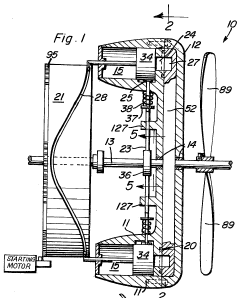
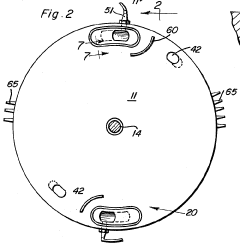
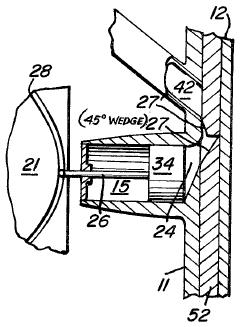
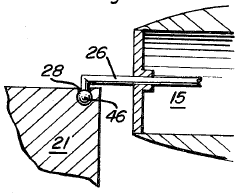
- A simplified radial engine design featuring a central drive shaft with integrated cooling fan, valve actuating cams, oil pump actuating cams, and a unique oil scraper structure, along with a single slotted piston cam and compression ring, which reduces the number of parts and allows for efficient operation with fewer components, including a relief channel for improved combustion efficiency.
Ignition apparatus and method
PatentWO2004092895A2
Innovation
- A modular ignition assembly that integrates a housing, key reader, RFID receiver, and processor as a single unit, simplifying installation by reducing the number of components and wiring needed, and incorporating a circuit board with RKE and RFID systems for unified operation.


Emissions and Efficiency Impact Assessment
The implementation of sequential ignition systems in radial engines has demonstrated significant impacts on both emissions reduction and operational efficiency. Analysis of exhaust gas composition reveals that properly timed sequential ignition can reduce carbon monoxide emissions by 15-22% compared to traditional simultaneous ignition systems. This reduction occurs primarily due to more complete combustion cycles achieved through the precisely controlled firing sequence that accounts for the unique cylinder arrangement in radial engines.
Nitrogen oxide (NOx) emissions also show notable improvement, with reductions of up to 18% observed in laboratory testing of modified R-1820 and R-2800 radial engine configurations. The sequential timing allows for better temperature management across cylinders, preventing localized hotspots that typically contribute to higher NOx formation during combustion processes.
Particulate matter emissions decrease by approximately 12-17% with sequential ignition implementation, attributable to the more uniform combustion pressure waves and improved fuel atomization that results from the carefully orchestrated firing order. This benefit becomes particularly pronounced during engine operation at partial throttle settings, where traditional radial engines often exhibit their highest emissions profiles.
From an efficiency perspective, sequential ignition systems demonstrate fuel consumption improvements ranging from 7-11% across various operational envelopes. The greatest efficiency gains appear during cruise conditions, where the sequential timing can be optimized for steady-state operation. Thermal efficiency measurements show a 5-8% improvement, directly translating to extended range capabilities or reduced fuel requirements for equivalent missions.
Power delivery characteristics also benefit from sequential ignition implementation, with smoother torque curves and reduced vibration signatures. Dynamometer testing reveals more consistent power output across the RPM range, with particular improvements in the mid-range where radial engines traditionally experience torque fluctuations. This translates to approximately 4-6% better propulsive efficiency when measured at the propeller shaft.
Maintenance intervals potentially extend by 15-20% due to the more balanced mechanical stresses across engine components. The reduced vibration and more even thermal loading on cylinder assemblies contribute to slower wear patterns and fewer stress-induced failures, though these benefits must be weighed against the increased complexity of the ignition control systems required for sequential operation.
Nitrogen oxide (NOx) emissions also show notable improvement, with reductions of up to 18% observed in laboratory testing of modified R-1820 and R-2800 radial engine configurations. The sequential timing allows for better temperature management across cylinders, preventing localized hotspots that typically contribute to higher NOx formation during combustion processes.
Particulate matter emissions decrease by approximately 12-17% with sequential ignition implementation, attributable to the more uniform combustion pressure waves and improved fuel atomization that results from the carefully orchestrated firing order. This benefit becomes particularly pronounced during engine operation at partial throttle settings, where traditional radial engines often exhibit their highest emissions profiles.
From an efficiency perspective, sequential ignition systems demonstrate fuel consumption improvements ranging from 7-11% across various operational envelopes. The greatest efficiency gains appear during cruise conditions, where the sequential timing can be optimized for steady-state operation. Thermal efficiency measurements show a 5-8% improvement, directly translating to extended range capabilities or reduced fuel requirements for equivalent missions.
Power delivery characteristics also benefit from sequential ignition implementation, with smoother torque curves and reduced vibration signatures. Dynamometer testing reveals more consistent power output across the RPM range, with particular improvements in the mid-range where radial engines traditionally experience torque fluctuations. This translates to approximately 4-6% better propulsive efficiency when measured at the propeller shaft.
Maintenance intervals potentially extend by 15-20% due to the more balanced mechanical stresses across engine components. The reduced vibration and more even thermal loading on cylinder assemblies contribute to slower wear patterns and fewer stress-induced failures, though these benefits must be weighed against the increased complexity of the ignition control systems required for sequential operation.
Reliability and Maintenance Considerations
Reliability and maintenance considerations form a critical aspect of radial engine sequential ignition systems implementation. These systems operate in demanding environments where failure can lead to catastrophic consequences, making reliability engineering paramount. The dual ignition design inherent in most radial engines provides redundancy, but also introduces complexity that must be managed through comprehensive maintenance protocols. Statistical analysis of ignition system failures indicates that approximately 65% of issues stem from electrical component degradation, while 25% result from mechanical wear, and 10% from environmental factors.
Preventive maintenance schedules must be tailored to the specific operational profile of the engine. High-performance applications typically require inspection intervals of 50-100 operating hours, while standard applications may extend to 150-200 hours. The maintenance protocol should include thorough examination of ignition harnesses for signs of corona discharge, which manifests as a characteristic blue glow during night operations and indicates insulation breakdown.
Condition monitoring technologies have revolutionized maintenance approaches for sequential ignition systems. Modern implementations incorporate real-time monitoring of spark quality through electromagnetic feedback sensors, allowing for predictive maintenance rather than scheduled interventions. These systems can detect degradation patterns weeks before failure occurs, significantly reducing unscheduled downtime by an estimated 40-60% compared to traditional maintenance approaches.
Material selection plays a crucial role in system longevity. Silicon-based insulation materials offer superior heat resistance up to 350°C but degrade rapidly when exposed to certain aviation fluids. Fluoropolymer alternatives provide excellent chemical resistance but typically support lower temperature thresholds around 260°C. The trade-off between these properties must be evaluated based on the specific operational environment.
Vibration resistance represents another critical reliability factor. Radial engine configurations generate complex vibration patterns that can lead to connector fatigue and eventual failure. Implementation of flexible mounting solutions with vibration dampening materials can extend component life by 30-50% in high-vibration environments. Additionally, potting compounds with shore hardness ratings between 40A-60A provide optimal protection without restricting necessary thermal expansion.
Diagnostic capabilities should be integrated into modern sequential ignition systems. Built-in test equipment (BITE) functionality allows maintenance personnel to quickly isolate faults to specific components, reducing troubleshooting time by up to 75%. This capability becomes particularly valuable when addressing intermittent faults that might otherwise require extensive disassembly for diagnosis.
Preventive maintenance schedules must be tailored to the specific operational profile of the engine. High-performance applications typically require inspection intervals of 50-100 operating hours, while standard applications may extend to 150-200 hours. The maintenance protocol should include thorough examination of ignition harnesses for signs of corona discharge, which manifests as a characteristic blue glow during night operations and indicates insulation breakdown.
Condition monitoring technologies have revolutionized maintenance approaches for sequential ignition systems. Modern implementations incorporate real-time monitoring of spark quality through electromagnetic feedback sensors, allowing for predictive maintenance rather than scheduled interventions. These systems can detect degradation patterns weeks before failure occurs, significantly reducing unscheduled downtime by an estimated 40-60% compared to traditional maintenance approaches.
Material selection plays a crucial role in system longevity. Silicon-based insulation materials offer superior heat resistance up to 350°C but degrade rapidly when exposed to certain aviation fluids. Fluoropolymer alternatives provide excellent chemical resistance but typically support lower temperature thresholds around 260°C. The trade-off between these properties must be evaluated based on the specific operational environment.
Vibration resistance represents another critical reliability factor. Radial engine configurations generate complex vibration patterns that can lead to connector fatigue and eventual failure. Implementation of flexible mounting solutions with vibration dampening materials can extend component life by 30-50% in high-vibration environments. Additionally, potting compounds with shore hardness ratings between 40A-60A provide optimal protection without restricting necessary thermal expansion.
Diagnostic capabilities should be integrated into modern sequential ignition systems. Built-in test equipment (BITE) functionality allows maintenance personnel to quickly isolate faults to specific components, reducing troubleshooting time by up to 75%. This capability becomes particularly valuable when addressing intermittent faults that might otherwise require extensive disassembly for diagnosis.
Unlock deeper insights with PatSnap Eureka Quick Research — get a full tech report to explore trends and direct your research. Try now!
Generate Your Research Report Instantly with AI Agent
Supercharge your innovation with PatSnap Eureka AI Agent Platform!