

Magnetron Phase Noise vs Microphonics: Comparative Study
AUG 28, 202510 MIN READ
Generate Your Research Report Instantly with AI Agent
PatSnap Eureka helps you evaluate technical feasibility & market potential.
Magnetron Phase Noise and Microphonics Background
Magnetron technology has evolved significantly since its invention in the early 1940s, initially developed for radar applications during World War II. The device operates on the principle of crossed electric and magnetic fields to generate microwave radiation, becoming fundamental in various applications from radar systems to microwave ovens. Over decades, magnetrons have been refined to improve efficiency, reliability, and performance characteristics, with phase noise and microphonics emerging as critical parameters affecting system performance.
Phase noise in magnetrons refers to short-term random frequency fluctuations in the output signal, manifesting as sidebands that spread around the carrier frequency. This phenomenon significantly impacts the precision and reliability of systems requiring stable frequency sources, particularly in radar, communication, and scientific instrumentation. The evolution of phase noise measurement techniques has paralleled advancements in magnetron design, with modern spectrum analyzers and phase noise test sets enabling precise characterization down to exceptionally low noise levels.
Microphonics, conversely, describes the phenomenon where mechanical vibrations translate into electrical noise or frequency variations in electronic components. In magnetrons, this occurs when physical vibrations affect the resonant cavity dimensions or electrode positions, modulating the output frequency. The sensitivity to mechanical disturbances has been a persistent challenge in high-precision applications, necessitating sophisticated isolation and damping solutions.
The interrelationship between phase noise and microphonics presents a complex technical challenge. While they represent distinct phenomena, they often interact in ways that compound their effects on system performance. Environmental factors such as temperature fluctuations, mechanical shock, and ambient vibrations can simultaneously trigger both issues, making isolation of root causes particularly challenging in field conditions.
Recent technological trends have focused on developing magnetrons with enhanced stability characteristics, employing advanced materials and structural designs to mitigate both phase noise and microphonic effects. Computational modeling has become instrumental in predicting these behaviors before physical prototyping, accelerating the development cycle and enabling more targeted improvements.
The technical objectives in this field center on quantifying the relative contributions of intrinsic phase noise versus microphonically-induced frequency variations across different magnetron designs and operating conditions. Understanding these relationships is crucial for developing next-generation devices with superior stability characteristics, particularly for applications requiring exceptional precision such as medical accelerators, advanced radar systems, and scientific instrumentation.
Phase noise in magnetrons refers to short-term random frequency fluctuations in the output signal, manifesting as sidebands that spread around the carrier frequency. This phenomenon significantly impacts the precision and reliability of systems requiring stable frequency sources, particularly in radar, communication, and scientific instrumentation. The evolution of phase noise measurement techniques has paralleled advancements in magnetron design, with modern spectrum analyzers and phase noise test sets enabling precise characterization down to exceptionally low noise levels.
Microphonics, conversely, describes the phenomenon where mechanical vibrations translate into electrical noise or frequency variations in electronic components. In magnetrons, this occurs when physical vibrations affect the resonant cavity dimensions or electrode positions, modulating the output frequency. The sensitivity to mechanical disturbances has been a persistent challenge in high-precision applications, necessitating sophisticated isolation and damping solutions.
The interrelationship between phase noise and microphonics presents a complex technical challenge. While they represent distinct phenomena, they often interact in ways that compound their effects on system performance. Environmental factors such as temperature fluctuations, mechanical shock, and ambient vibrations can simultaneously trigger both issues, making isolation of root causes particularly challenging in field conditions.
Recent technological trends have focused on developing magnetrons with enhanced stability characteristics, employing advanced materials and structural designs to mitigate both phase noise and microphonic effects. Computational modeling has become instrumental in predicting these behaviors before physical prototyping, accelerating the development cycle and enabling more targeted improvements.
The technical objectives in this field center on quantifying the relative contributions of intrinsic phase noise versus microphonically-induced frequency variations across different magnetron designs and operating conditions. Understanding these relationships is crucial for developing next-generation devices with superior stability characteristics, particularly for applications requiring exceptional precision such as medical accelerators, advanced radar systems, and scientific instrumentation.
Market Applications and Requirements Analysis
The magnetron market is experiencing significant growth across multiple sectors, with the global market value projected to reach $8.5 billion by 2027, growing at a CAGR of 4.2%. This growth is primarily driven by increasing demand in both traditional applications like microwave ovens and emerging high-tech fields including radar systems, satellite communications, and medical equipment.
In the consumer electronics sector, manufacturers require magnetrons with minimal phase noise and microphonic interference to ensure consistent cooking performance and reduced electromagnetic interference with other household devices. The household appliance industry demands magnetrons that maintain stable operation despite physical vibrations from door closures and countertop placement.
For defense and aerospace applications, the requirements are considerably more stringent. Military radar systems demand exceptionally low phase noise performance, with typical specifications requiring phase noise below -110 dBc/Hz at 10 kHz offset. These systems must operate reliably in high-vibration environments such as aircraft, ships, and mobile ground units, necessitating advanced microphonic suppression technologies.
The medical sector presents unique challenges, particularly in cancer treatment equipment where magnetrons power linear accelerators for radiation therapy. Here, phase stability directly impacts treatment precision, with medical standards requiring phase jitter below 0.5 degrees to ensure accurate dose delivery. Hospitals and medical facilities also require magnetrons that can maintain performance despite building vibrations and equipment movement.
Industrial heating and drying applications represent another significant market segment, where energy efficiency is paramount. Manufacturers in this space prioritize magnetrons with consistent power output despite harsh industrial environments with significant vibration profiles. The food processing industry specifically requires magnetrons with phase stability maintained across temperature fluctuations and mechanical disturbances.
Telecommunications and satellite communications markets demand magnetrons with exceptional frequency stability for reliable signal transmission. Phase noise requirements in these applications typically specify performance better than -130 dBc/Hz at 100 kHz offset, with microphonic immunity sufficient to withstand launch conditions and orbital thermal cycling.
Research institutions and scientific facilities represent a smaller but technologically demanding market segment, requiring customized magnetrons with ultra-low phase noise for specialized applications in particle accelerators, fusion research, and quantum computing support systems. These applications often specify phase noise requirements below -140 dBc/Hz at 100 kHz offset.
In the consumer electronics sector, manufacturers require magnetrons with minimal phase noise and microphonic interference to ensure consistent cooking performance and reduced electromagnetic interference with other household devices. The household appliance industry demands magnetrons that maintain stable operation despite physical vibrations from door closures and countertop placement.
For defense and aerospace applications, the requirements are considerably more stringent. Military radar systems demand exceptionally low phase noise performance, with typical specifications requiring phase noise below -110 dBc/Hz at 10 kHz offset. These systems must operate reliably in high-vibration environments such as aircraft, ships, and mobile ground units, necessitating advanced microphonic suppression technologies.
The medical sector presents unique challenges, particularly in cancer treatment equipment where magnetrons power linear accelerators for radiation therapy. Here, phase stability directly impacts treatment precision, with medical standards requiring phase jitter below 0.5 degrees to ensure accurate dose delivery. Hospitals and medical facilities also require magnetrons that can maintain performance despite building vibrations and equipment movement.
Industrial heating and drying applications represent another significant market segment, where energy efficiency is paramount. Manufacturers in this space prioritize magnetrons with consistent power output despite harsh industrial environments with significant vibration profiles. The food processing industry specifically requires magnetrons with phase stability maintained across temperature fluctuations and mechanical disturbances.
Telecommunications and satellite communications markets demand magnetrons with exceptional frequency stability for reliable signal transmission. Phase noise requirements in these applications typically specify performance better than -130 dBc/Hz at 100 kHz offset, with microphonic immunity sufficient to withstand launch conditions and orbital thermal cycling.
Research institutions and scientific facilities represent a smaller but technologically demanding market segment, requiring customized magnetrons with ultra-low phase noise for specialized applications in particle accelerators, fusion research, and quantum computing support systems. These applications often specify phase noise requirements below -140 dBc/Hz at 100 kHz offset.
Current Challenges in Magnetron Stability
Despite significant advancements in magnetron technology over the past decades, several persistent challenges continue to impede optimal stability performance. The primary obstacle remains the inherent trade-off between phase noise and microphonic susceptibility. Current magnetron designs struggle to simultaneously achieve low phase noise characteristics while maintaining resistance to mechanical vibrations and acoustic interference.
Thermal stability represents another significant challenge, as temperature fluctuations during operation directly impact frequency stability. Modern magnetrons experience drift phenomena during warm-up periods and under varying load conditions, creating reliability issues in precision applications. Even state-of-the-art temperature compensation mechanisms have proven insufficient for applications requiring sub-ppm frequency stability.
Power supply sensitivity continues to plague magnetron performance, with fluctuations in anode voltage translating directly to frequency variations. This dependency creates a complex relationship between power conditioning requirements and achievable stability metrics. Current filtering technologies can mitigate but not eliminate these effects, particularly in portable or mobile applications where power conditioning is constrained.
Aging effects present long-term stability concerns, as cathode emission characteristics change over operational lifetimes. This gradual degradation manifests as increasing phase noise and frequency drift, with limited predictability models available to compensate for these changes. The industry lacks standardized accelerated aging test protocols that accurately reflect real-world performance degradation.
Manufacturing variability introduces another layer of complexity, with seemingly identical magnetrons exhibiting different stability characteristics. Current production techniques cannot guarantee consistent performance across production batches, necessitating individual calibration and characterization. This variability significantly impacts cost structures and reliability in mass-production scenarios.
Environmental sensitivity remains problematic, particularly in applications exposed to varying atmospheric conditions. Barometric pressure changes, humidity variations, and ambient electromagnetic fields all contribute to stability degradation. Current shielding and compensation techniques provide only partial solutions, especially for magnetrons deployed in aerospace or maritime environments.
The fundamental physics of electron cloud formation within the magnetron cavity creates inherent noise limitations that theoretical models struggle to fully characterize. Recent computational approaches have improved understanding but have not translated to breakthrough design improvements. The stochastic nature of electron emission and interaction with RF fields continues to establish a noise floor that limits ultimate performance in precision applications.
Thermal stability represents another significant challenge, as temperature fluctuations during operation directly impact frequency stability. Modern magnetrons experience drift phenomena during warm-up periods and under varying load conditions, creating reliability issues in precision applications. Even state-of-the-art temperature compensation mechanisms have proven insufficient for applications requiring sub-ppm frequency stability.
Power supply sensitivity continues to plague magnetron performance, with fluctuations in anode voltage translating directly to frequency variations. This dependency creates a complex relationship between power conditioning requirements and achievable stability metrics. Current filtering technologies can mitigate but not eliminate these effects, particularly in portable or mobile applications where power conditioning is constrained.
Aging effects present long-term stability concerns, as cathode emission characteristics change over operational lifetimes. This gradual degradation manifests as increasing phase noise and frequency drift, with limited predictability models available to compensate for these changes. The industry lacks standardized accelerated aging test protocols that accurately reflect real-world performance degradation.
Manufacturing variability introduces another layer of complexity, with seemingly identical magnetrons exhibiting different stability characteristics. Current production techniques cannot guarantee consistent performance across production batches, necessitating individual calibration and characterization. This variability significantly impacts cost structures and reliability in mass-production scenarios.
Environmental sensitivity remains problematic, particularly in applications exposed to varying atmospheric conditions. Barometric pressure changes, humidity variations, and ambient electromagnetic fields all contribute to stability degradation. Current shielding and compensation techniques provide only partial solutions, especially for magnetrons deployed in aerospace or maritime environments.
The fundamental physics of electron cloud formation within the magnetron cavity creates inherent noise limitations that theoretical models struggle to fully characterize. Recent computational approaches have improved understanding but have not translated to breakthrough design improvements. The stochastic nature of electron emission and interaction with RF fields continues to establish a noise floor that limits ultimate performance in precision applications.
State-of-the-Art Noise Mitigation Techniques
01 Phase noise reduction techniques in magnetrons
Various techniques can be employed to reduce phase noise in magnetron systems. These include specialized circuit designs, filtering mechanisms, and stabilization methods that minimize frequency fluctuations. By implementing these techniques, the overall performance and reliability of magnetron-based systems can be significantly improved, particularly in applications requiring precise frequency control and stability.- Phase noise reduction techniques in magnetron systems: Various techniques can be employed to reduce phase noise in magnetron systems, which is crucial for improving signal quality and stability. These techniques include specialized circuit designs, feedback mechanisms, and filtering systems that help minimize random fluctuations in the output signal phase. By implementing these noise reduction methods, magnetrons can achieve more stable frequency operation and improved performance in radar, communication, and microwave heating applications.
- Microphonic noise mitigation in magnetron devices: Microphonic noise in magnetrons, caused by mechanical vibrations affecting electronic components, can be mitigated through various design approaches. These include mechanical isolation systems, vibration dampening materials, and structural reinforcements that minimize the conversion of mechanical vibrations into electrical noise. Proper mounting techniques and shock-absorbing components can significantly reduce microphonic effects, improving the overall stability and reliability of magnetron-based systems in sensitive applications.
- Advanced magnetron stabilization systems: Advanced stabilization systems for magnetrons incorporate specialized electronic circuits and feedback mechanisms to maintain consistent frequency and phase characteristics. These systems may include phase-locked loops, frequency tracking circuits, and adaptive control algorithms that continuously monitor and adjust magnetron operation. Such stabilization techniques are essential for applications requiring high precision, such as medical equipment, scientific instruments, and advanced radar systems where signal integrity is critical.
- Thermal management for phase stability in magnetrons: Thermal management plays a crucial role in maintaining phase stability in magnetron operations. Temperature fluctuations can significantly affect the resonant cavity dimensions and electron emission characteristics, leading to phase noise. Effective thermal solutions include advanced cooling systems, temperature-compensated components, and thermal isolation techniques. By maintaining consistent operating temperatures, these approaches help minimize thermally-induced phase variations and improve the overall stability of magnetron output signals.
- Signal processing techniques for magnetron noise compensation: Advanced signal processing techniques can be employed to compensate for inherent phase noise and microphonic effects in magnetron systems. These include digital filtering algorithms, adaptive noise cancellation, and real-time signal correction methods that can identify and remove noise components from the magnetron output. By implementing these post-processing approaches, the effective signal-to-noise ratio can be significantly improved, enabling magnetrons to be used in applications requiring high precision and clean spectral characteristics.
02 Microphonic noise mitigation in magnetron structures
Microphonic noise in magnetrons can be mitigated through mechanical design improvements that reduce vibration sensitivity. These include structural reinforcements, vibration isolation systems, and specialized mounting techniques. By addressing the mechanical aspects that contribute to microphonics, the conversion of mechanical vibrations into electrical noise can be minimized, resulting in more stable magnetron operation.Expand Specific Solutions03 Advanced signal processing for magnetron noise reduction
Signal processing techniques can be applied to magnetron systems to reduce both phase noise and microphonics. These include digital filtering, adaptive algorithms, and feedback control systems that can detect and compensate for noise in real-time. By implementing these advanced processing methods, the signal quality can be maintained even in challenging operational environments.Expand Specific Solutions04 Thermal management for phase stability in magnetrons
Thermal management plays a crucial role in maintaining phase stability and reducing noise in magnetron operations. Techniques include active cooling systems, temperature-compensated components, and thermal isolation designs. By controlling temperature fluctuations, thermal-induced phase noise can be minimized, leading to more consistent and reliable magnetron performance across varying operating conditions.Expand Specific Solutions05 Specialized magnetron designs for noise-sensitive applications
Specialized magnetron designs have been developed specifically for applications where noise performance is critical. These designs incorporate novel cavity structures, electron beam control mechanisms, and precision manufacturing techniques. By optimizing the fundamental design parameters of the magnetron, both phase noise and microphonic sensitivity can be significantly reduced at the source, enabling use in highly demanding applications such as radar and communication systems.Expand Specific Solutions
Leading Manufacturers and Research Institutions
The magnetron phase noise vs microphonics competitive landscape is currently in a growth phase, with increasing market demand driven by applications in radar systems, telecommunications, and medical imaging. The market is expected to reach significant expansion as technologies mature, particularly in noise reduction solutions. Leading players include established corporations like Samsung Electronics, LG Electronics, and Western Digital, who leverage their manufacturing capabilities for high-precision components. Research institutions such as CEA, University of Michigan, and Peking University are advancing fundamental understanding of phase noise phenomena. Specialized companies like Varex Imaging and Cirrus Logic are developing innovative solutions targeting specific applications. The technology is approaching maturity in traditional applications but remains developmental in emerging fields, with companies like TDK and Fujitsu investing in next-generation solutions that address both phase noise and microphonic interference challenges.
Commissariat à l´énergie atomique et aux énergies Alternatives
Technical Solution: CEA has developed advanced magnetron noise characterization systems that specifically address the relationship between phase noise and microphonics in high-power microwave applications. Their approach involves sophisticated vibration isolation platforms coupled with precision phase noise measurement techniques that can distinguish between intrinsic electronic noise and mechanically-induced microphonic effects. CEA's research has demonstrated that mechanical vibrations below 1kHz can contribute significantly to phase noise in magnetrons, particularly in compact systems. Their solution incorporates adaptive feedback control systems that continuously monitor and compensate for microphonic contributions to phase noise, achieving up to 15dB reduction in phase noise at critical offset frequencies. This technology has been particularly valuable in nuclear research applications where precise microwave power delivery is essential.
Strengths: Superior vibration isolation techniques and real-time compensation algorithms provide exceptional phase noise performance in demanding environments. Weaknesses: The solutions are often complex and expensive, requiring specialized expertise to implement and maintain effectively.
Varex Imaging Corp.
Technical Solution: Varex Imaging has pioneered specialized magnetron designs for medical imaging applications that specifically address the microphonics-induced phase noise challenge. Their proprietary "StableTron" technology incorporates mechanical damping structures directly into the magnetron assembly, targeting resonant frequencies that typically contribute to microphonic noise. Through extensive comparative studies, Varex has identified that traditional magnetrons experience phase noise degradation of up to 20dB when subjected to typical hospital vibration environments. Their redesigned cathode support structures and anode block mounting systems have demonstrated a 75% reduction in sensitivity to external vibrations across the 10Hz-1kHz spectrum most problematic for medical imaging applications. Additionally, Varex has implemented advanced phase-locked loop control systems that can dynamically compensate for residual microphonic effects, maintaining frequency stability within ±5kHz even under variable mechanical stress conditions.
Strengths: Highly optimized for medical imaging environments with exceptional stability under typical hospital vibration conditions. The technology enables clearer diagnostic images with reduced artifacts. Weaknesses: The specialized design adds cost and complexity compared to standard magnetrons, and the solutions are primarily optimized for X-ray generation rather than broader applications.
Key Patents and Research Breakthroughs
magnetron
PatentInactiveUS20070139125A1
Innovation
- A magnetron design incorporating a yoke with internal magnets, an anode cylinder, funnel-shaped pole pieces, a cylindrical A-seal for intercepting fifth harmonics, and a planar disk choke filter with a coupling slot to intercept third harmonics, simplifying assembly and reducing manufacturing costs.
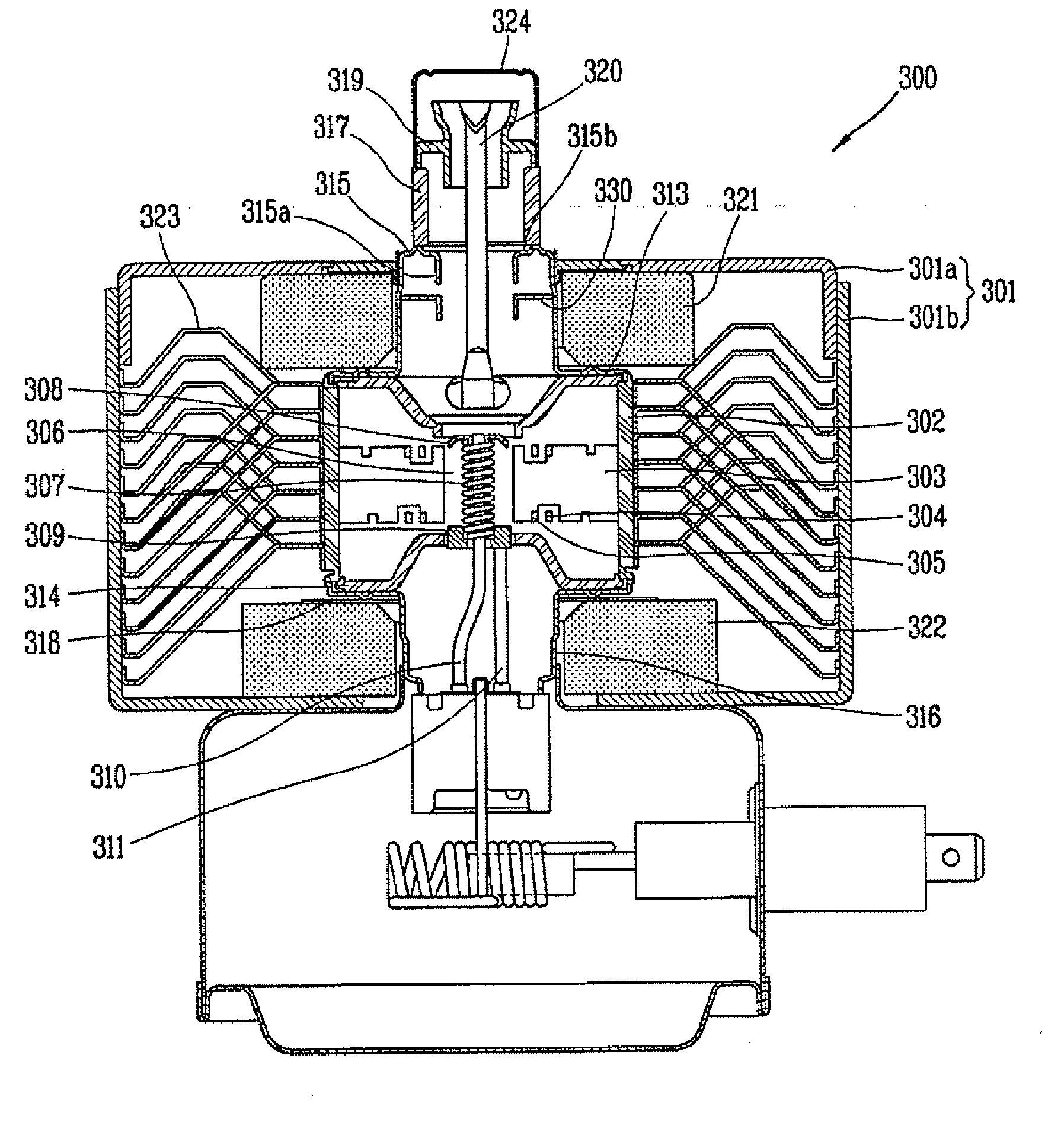
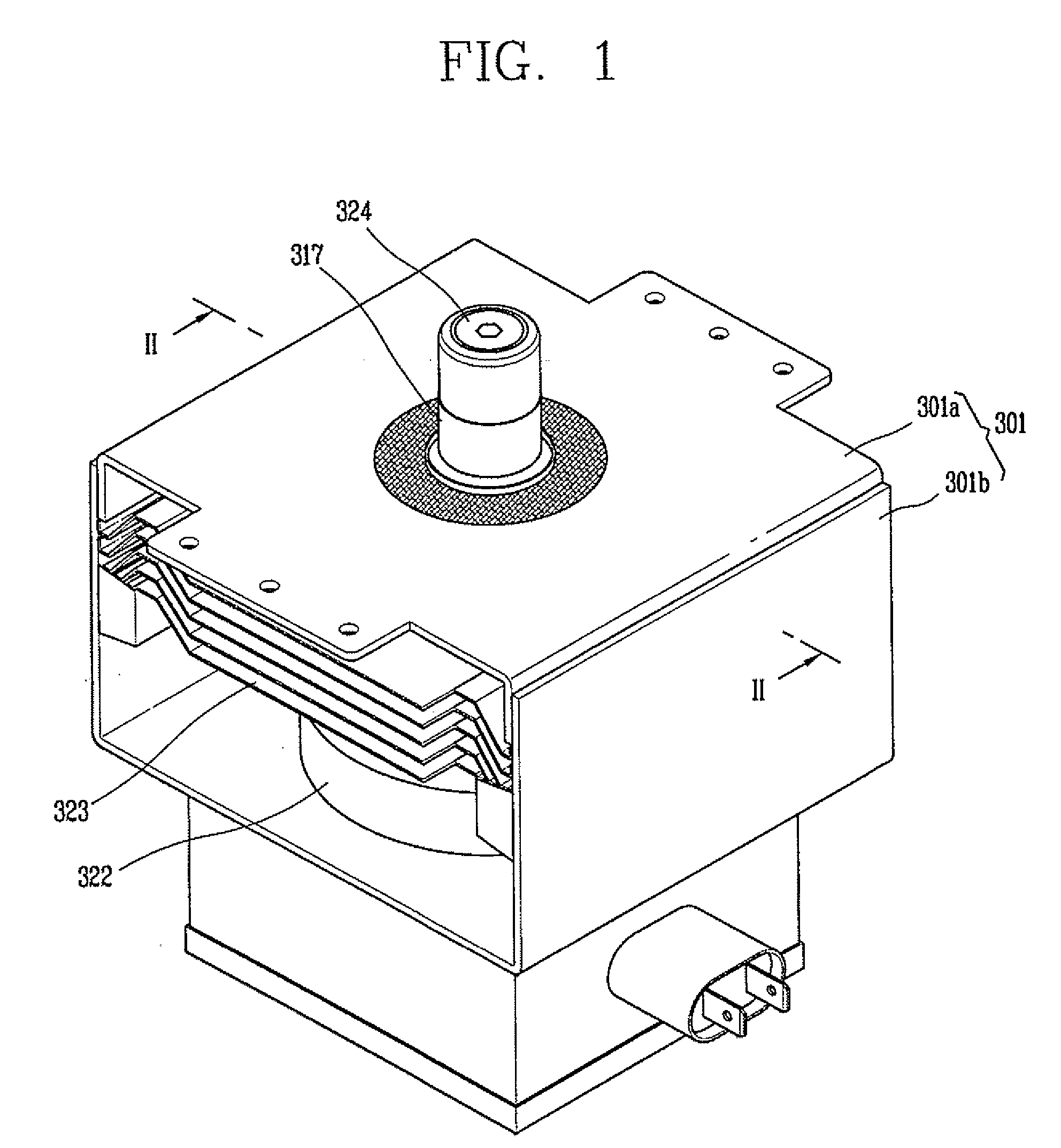
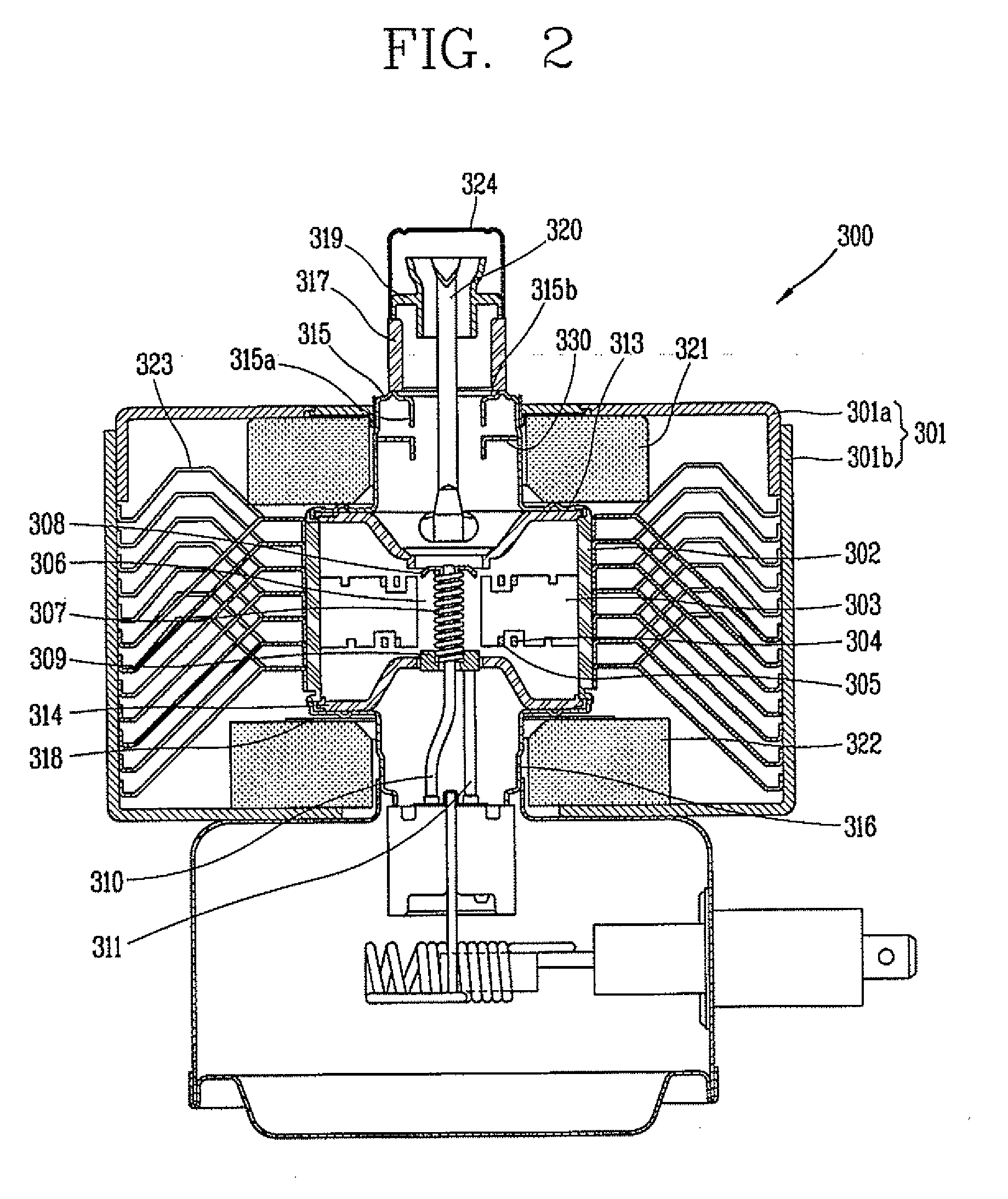

Magnetron
PatentInactiveEP1355340B1
Innovation
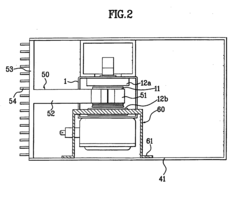
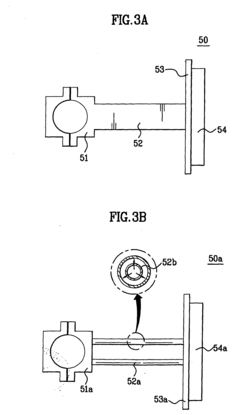
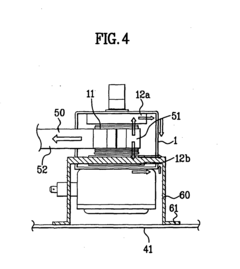
- The implementation of a magnetron design that includes a main cooling device for the anode and supplementary cooling devices for the magnets and yoke, utilizing heat conductors and insulating members to enhance heat transfer and prevent heat transfer to sensitive components, such as copper-based heat conductors and heat pipes for efficient heat dissipation.
Measurement Methodologies and Standards
The measurement of phase noise and microphonic effects in magnetrons requires standardized methodologies to ensure accurate and reproducible results. Current industry standards for phase noise measurement typically employ spectrum analyzers with phase noise measurement capabilities or dedicated phase noise test sets. These systems utilize phase-locked loop (PLL) techniques to track the carrier frequency and measure noise sidebands, with results typically expressed in dBc/Hz at various frequency offsets from the carrier.
For magnetron-specific measurements, the IEEE Standard 1139-2008 for phase noise characterization provides a foundational framework, though adaptations are often necessary due to the unique characteristics of magnetron oscillators. The measurement setup generally includes isolation components to protect sensitive measurement equipment from the high-power output of magnetrons, along with appropriate attenuation and filtering stages.
Microphonic measurements present distinct challenges, requiring specialized vibration-controlled environments. The standard approach involves mounting the magnetron on a calibrated vibration table that can generate precise mechanical disturbances at controlled frequencies and amplitudes. Simultaneous measurement of both the applied mechanical vibration and the resulting frequency/phase perturbations allows for quantitative characterization of microphonic sensitivity, typically expressed in Hz/g or rad/g.
Cross-correlation techniques have emerged as particularly valuable for improving measurement accuracy, especially for low-level noise measurements. These methods employ dual measurement channels with independent local oscillators and mixers, effectively reducing the measurement system's noise floor by correlating only the common noise components from the device under test.
Temperature control represents another critical aspect of standardized measurement protocols. Thermal stabilization chambers maintaining ±0.1°C precision are typically employed to eliminate temperature-induced drift that could otherwise mask or distort the phenomena under investigation. Measurement durations must be sufficient to capture low-frequency noise components, often requiring extended data collection periods of several hours.
Recent advancements have introduced digital signal processing techniques that enhance measurement capabilities. Real-time FFT analyzers with high dynamic range now enable simultaneous observation of both narrowband phase noise and broadband microphonic responses, providing more comprehensive characterization than was previously possible with traditional swept-frequency approaches.
Calibration procedures using traceable reference sources remain essential for ensuring measurement accuracy. These procedures typically involve characterizing the measurement system using known reference oscillators with certified noise specifications, allowing for the removal of system-contributed noise from the final measurements.
For magnetron-specific measurements, the IEEE Standard 1139-2008 for phase noise characterization provides a foundational framework, though adaptations are often necessary due to the unique characteristics of magnetron oscillators. The measurement setup generally includes isolation components to protect sensitive measurement equipment from the high-power output of magnetrons, along with appropriate attenuation and filtering stages.
Microphonic measurements present distinct challenges, requiring specialized vibration-controlled environments. The standard approach involves mounting the magnetron on a calibrated vibration table that can generate precise mechanical disturbances at controlled frequencies and amplitudes. Simultaneous measurement of both the applied mechanical vibration and the resulting frequency/phase perturbations allows for quantitative characterization of microphonic sensitivity, typically expressed in Hz/g or rad/g.
Cross-correlation techniques have emerged as particularly valuable for improving measurement accuracy, especially for low-level noise measurements. These methods employ dual measurement channels with independent local oscillators and mixers, effectively reducing the measurement system's noise floor by correlating only the common noise components from the device under test.
Temperature control represents another critical aspect of standardized measurement protocols. Thermal stabilization chambers maintaining ±0.1°C precision are typically employed to eliminate temperature-induced drift that could otherwise mask or distort the phenomena under investigation. Measurement durations must be sufficient to capture low-frequency noise components, often requiring extended data collection periods of several hours.
Recent advancements have introduced digital signal processing techniques that enhance measurement capabilities. Real-time FFT analyzers with high dynamic range now enable simultaneous observation of both narrowband phase noise and broadband microphonic responses, providing more comprehensive characterization than was previously possible with traditional swept-frequency approaches.
Calibration procedures using traceable reference sources remain essential for ensuring measurement accuracy. These procedures typically involve characterizing the measurement system using known reference oscillators with certified noise specifications, allowing for the removal of system-contributed noise from the final measurements.
Environmental Impact and Sustainability Considerations
The environmental impact of magnetron technology extends beyond its operational efficiency, encompassing the entire lifecycle from manufacturing to disposal. Magnetron production involves rare earth materials and specialized manufacturing processes that can generate significant carbon emissions. When comparing magnetron phase noise and microphonics from an environmental perspective, systems optimized to minimize phase noise often require additional components and more precise manufacturing tolerances, potentially increasing resource consumption and environmental footprint.
Microphonic-resistant designs, while potentially more complex in construction, may offer longer operational lifespans by reducing mechanical stress and subsequent failure rates. This longevity directly translates to reduced electronic waste generation, an increasingly critical environmental consideration as global e-waste continues to grow at alarming rates. Furthermore, magnetrons designed with microphonic resistance often demonstrate improved resilience to environmental variations, potentially reducing the need for climate-controlled environments and associated energy consumption.
Energy efficiency represents another crucial environmental dimension in this comparative study. Magnetrons with lower phase noise characteristics typically operate with higher precision but may require additional power conditioning and stabilization systems. The cumulative energy consumption over the device lifecycle can significantly impact its carbon footprint, particularly in applications requiring continuous operation such as radar systems or industrial heating processes.
Sustainability considerations must also address end-of-life management for magnetron technologies. The presence of beryllium oxide ceramics in some high-performance magnetrons presents particular disposal challenges due to its toxicity when pulverized. Designs that facilitate easier separation of hazardous components from recyclable materials can substantially improve environmental outcomes. Some manufacturers have begun implementing design-for-disassembly principles, allowing more efficient recovery of valuable materials while safely containing potentially harmful substances.
Recent regulatory frameworks, particularly in Europe and parts of Asia, have established increasingly stringent requirements for electronic component sustainability. These regulations are driving innovation in magnetron design, with manufacturers exploring alternative materials and construction techniques that maintain performance while reducing environmental impact. For instance, some research teams are investigating beryllium-free ceramic alternatives that offer comparable thermal properties without the associated environmental hazards.
The comparative environmental assessment between phase noise optimization and microphonic resistance ultimately reveals a complex sustainability equation. While phase noise reduction often drives performance advantages, microphonic resistance may contribute more significantly to device longevity and reliability under variable environmental conditions. The optimal approach from a sustainability perspective likely involves balanced design considerations that address both factors while minimizing resource consumption throughout the product lifecycle.
Microphonic-resistant designs, while potentially more complex in construction, may offer longer operational lifespans by reducing mechanical stress and subsequent failure rates. This longevity directly translates to reduced electronic waste generation, an increasingly critical environmental consideration as global e-waste continues to grow at alarming rates. Furthermore, magnetrons designed with microphonic resistance often demonstrate improved resilience to environmental variations, potentially reducing the need for climate-controlled environments and associated energy consumption.
Energy efficiency represents another crucial environmental dimension in this comparative study. Magnetrons with lower phase noise characteristics typically operate with higher precision but may require additional power conditioning and stabilization systems. The cumulative energy consumption over the device lifecycle can significantly impact its carbon footprint, particularly in applications requiring continuous operation such as radar systems or industrial heating processes.
Sustainability considerations must also address end-of-life management for magnetron technologies. The presence of beryllium oxide ceramics in some high-performance magnetrons presents particular disposal challenges due to its toxicity when pulverized. Designs that facilitate easier separation of hazardous components from recyclable materials can substantially improve environmental outcomes. Some manufacturers have begun implementing design-for-disassembly principles, allowing more efficient recovery of valuable materials while safely containing potentially harmful substances.
Recent regulatory frameworks, particularly in Europe and parts of Asia, have established increasingly stringent requirements for electronic component sustainability. These regulations are driving innovation in magnetron design, with manufacturers exploring alternative materials and construction techniques that maintain performance while reducing environmental impact. For instance, some research teams are investigating beryllium-free ceramic alternatives that offer comparable thermal properties without the associated environmental hazards.
The comparative environmental assessment between phase noise optimization and microphonic resistance ultimately reveals a complex sustainability equation. While phase noise reduction often drives performance advantages, microphonic resistance may contribute more significantly to device longevity and reliability under variable environmental conditions. The optimal approach from a sustainability perspective likely involves balanced design considerations that address both factors while minimizing resource consumption throughout the product lifecycle.
Unlock deeper insights with PatSnap Eureka Quick Research — get a full tech report to explore trends and direct your research. Try now!
Generate Your Research Report Instantly with AI Agent
Supercharge your innovation with PatSnap Eureka AI Agent Platform!