Optimizing Direct Lithium Extraction for Resilience in Harsh Environments
SEP 12, 20259 MIN READ
Generate Your Research Report Instantly with AI Agent
PatSnap Eureka helps you evaluate technical feasibility & market potential.
DLE Technology Background and Objectives
Direct Lithium Extraction (DLE) technology has emerged as a revolutionary approach to lithium production, evolving significantly since its conceptual development in the 1990s. Traditional lithium extraction methods primarily relied on evaporation ponds and hard-rock mining, both characterized by extensive environmental footprints, high water consumption, and lengthy production timelines. DLE represents a paradigm shift by offering more sustainable and efficient extraction directly from brine resources.
The evolution of DLE technologies has accelerated notably in the past decade, driven by the exponential growth in lithium demand for electric vehicle batteries and energy storage systems. Early DLE approaches focused on ion exchange and adsorption techniques, while recent innovations have expanded to include membrane separation, solvent extraction, and electrochemical processes specifically designed for lithium recovery.
The primary objective of optimizing DLE for harsh environments addresses a critical gap in current extraction capabilities. Many high-concentration lithium resources exist in challenging geological settings characterized by extreme temperatures, high salinity, presence of contaminants, and remote locations with limited infrastructure. These conditions significantly impair the efficiency and durability of conventional DLE systems.
Technical objectives for resilient DLE systems include developing sorbents and membranes capable of maintaining selectivity and capacity under extreme pH conditions (typically pH 1-12) and temperatures ranging from sub-zero to over 100°C. Additionally, these systems must demonstrate resistance to fouling from competing ions such as magnesium, calcium, and boron that are commonly present in lithium-rich brines.
Performance targets for next-generation DLE technologies focus on achieving lithium recovery rates exceeding 90%, reducing water consumption by at least 70% compared to evaporation methods, and maintaining operational stability for extended periods without significant degradation in harsh environments. Energy efficiency improvements of 30-50% over current systems represent another critical objective.
The technological trajectory indicates a convergence toward hybrid systems that combine multiple extraction mechanisms to overcome the limitations of single-approach methods. These integrated systems aim to address the full spectrum of challenges presented by harsh-environment lithium resources while maintaining economic viability at commercial scales.
Research priorities include developing novel materials with enhanced selectivity for lithium ions, engineering robust system components capable of withstanding corrosive conditions, and designing process configurations that minimize energy consumption while maximizing recovery rates. Computational modeling and simulation have become increasingly important in predicting system performance under variable environmental conditions.
The evolution of DLE technologies has accelerated notably in the past decade, driven by the exponential growth in lithium demand for electric vehicle batteries and energy storage systems. Early DLE approaches focused on ion exchange and adsorption techniques, while recent innovations have expanded to include membrane separation, solvent extraction, and electrochemical processes specifically designed for lithium recovery.
The primary objective of optimizing DLE for harsh environments addresses a critical gap in current extraction capabilities. Many high-concentration lithium resources exist in challenging geological settings characterized by extreme temperatures, high salinity, presence of contaminants, and remote locations with limited infrastructure. These conditions significantly impair the efficiency and durability of conventional DLE systems.
Technical objectives for resilient DLE systems include developing sorbents and membranes capable of maintaining selectivity and capacity under extreme pH conditions (typically pH 1-12) and temperatures ranging from sub-zero to over 100°C. Additionally, these systems must demonstrate resistance to fouling from competing ions such as magnesium, calcium, and boron that are commonly present in lithium-rich brines.
Performance targets for next-generation DLE technologies focus on achieving lithium recovery rates exceeding 90%, reducing water consumption by at least 70% compared to evaporation methods, and maintaining operational stability for extended periods without significant degradation in harsh environments. Energy efficiency improvements of 30-50% over current systems represent another critical objective.
The technological trajectory indicates a convergence toward hybrid systems that combine multiple extraction mechanisms to overcome the limitations of single-approach methods. These integrated systems aim to address the full spectrum of challenges presented by harsh-environment lithium resources while maintaining economic viability at commercial scales.
Research priorities include developing novel materials with enhanced selectivity for lithium ions, engineering robust system components capable of withstanding corrosive conditions, and designing process configurations that minimize energy consumption while maximizing recovery rates. Computational modeling and simulation have become increasingly important in predicting system performance under variable environmental conditions.
Market Analysis for Lithium Extraction Solutions
The global lithium market is experiencing unprecedented growth, driven primarily by the rapid expansion of electric vehicle (EV) production and renewable energy storage systems. Current market valuations place the lithium extraction industry at approximately $6.8 billion in 2023, with projections indicating a compound annual growth rate (CAGR) of 12.3% through 2030, potentially reaching $17.6 billion. This growth trajectory is significantly steeper than forecasts from just five years ago, reflecting accelerated adoption of lithium-dependent technologies.
Direct Lithium Extraction (DLE) technologies specifically are gaining substantial market traction, with an estimated market share of 8% in 2023, expected to reach 25-30% by 2030. This shift represents a fundamental market restructuring away from traditional evaporation pond methods, particularly in regions where environmental concerns and water scarcity are prominent considerations.
Demand analysis reveals three primary market segments driving growth in resilient lithium extraction solutions: automotive manufacturers seeking stable supply chains for EV production, grid-scale energy storage developers requiring high-purity lithium compounds, and consumer electronics producers needing consistent lithium supplies. The automotive sector currently represents the largest demand segment at 51% of total lithium consumption.
Geographically, the market for harsh-environment lithium extraction solutions is concentrated in regions with challenging lithium deposits, including high-altitude Andean salt flats, geothermal brines in the North American west, and oil field brines across multiple continents. These environments present unique operational challenges that conventional extraction methods struggle to address effectively.
Price sensitivity analysis indicates that end-users are increasingly willing to pay premium prices (15-20% above standard market rates) for lithium sourced through environmentally sustainable methods that demonstrate resilience in harsh conditions. This price tolerance is particularly evident among European and North American manufacturers subject to stringent ESG requirements.
Market barriers include high capital expenditure requirements for DLE implementation, estimated at $20-35 million for commercial-scale operations, and technological uncertainty regarding long-term performance in extreme environments. Additionally, regulatory frameworks governing lithium extraction vary significantly across jurisdictions, creating complex compliance landscapes for multinational operations.
Customer surveys indicate that extraction efficiency, operational reliability in extreme conditions, and reduced environmental footprint rank as the top three priorities for potential adopters of advanced lithium extraction technologies, with cost considerations ranking fourth – a notable shift from previous years when cost was the primary consideration.
Direct Lithium Extraction (DLE) technologies specifically are gaining substantial market traction, with an estimated market share of 8% in 2023, expected to reach 25-30% by 2030. This shift represents a fundamental market restructuring away from traditional evaporation pond methods, particularly in regions where environmental concerns and water scarcity are prominent considerations.
Demand analysis reveals three primary market segments driving growth in resilient lithium extraction solutions: automotive manufacturers seeking stable supply chains for EV production, grid-scale energy storage developers requiring high-purity lithium compounds, and consumer electronics producers needing consistent lithium supplies. The automotive sector currently represents the largest demand segment at 51% of total lithium consumption.
Geographically, the market for harsh-environment lithium extraction solutions is concentrated in regions with challenging lithium deposits, including high-altitude Andean salt flats, geothermal brines in the North American west, and oil field brines across multiple continents. These environments present unique operational challenges that conventional extraction methods struggle to address effectively.
Price sensitivity analysis indicates that end-users are increasingly willing to pay premium prices (15-20% above standard market rates) for lithium sourced through environmentally sustainable methods that demonstrate resilience in harsh conditions. This price tolerance is particularly evident among European and North American manufacturers subject to stringent ESG requirements.
Market barriers include high capital expenditure requirements for DLE implementation, estimated at $20-35 million for commercial-scale operations, and technological uncertainty regarding long-term performance in extreme environments. Additionally, regulatory frameworks governing lithium extraction vary significantly across jurisdictions, creating complex compliance landscapes for multinational operations.
Customer surveys indicate that extraction efficiency, operational reliability in extreme conditions, and reduced environmental footprint rank as the top three priorities for potential adopters of advanced lithium extraction technologies, with cost considerations ranking fourth – a notable shift from previous years when cost was the primary consideration.
Current DLE Challenges in Harsh Environments
Direct Lithium Extraction (DLE) technologies face significant challenges when deployed in harsh environmental conditions, which can substantially impact their efficiency, durability, and economic viability. These challenges are particularly pronounced in extreme temperature regions, high-altitude locations, and areas with complex brine chemistry.
Temperature fluctuations represent a primary obstacle for DLE operations. In geothermal brines where temperatures can exceed 200°C, conventional ion exchange materials and membranes often experience accelerated degradation, reducing their operational lifespan from years to mere months. Conversely, in cold climate regions, decreased kinetics of ion exchange processes necessitate additional energy inputs, increasing operational costs by up to 30%.
Brine chemistry complexity presents another formidable challenge. High concentrations of competing ions such as magnesium, calcium, and sodium can reduce lithium selectivity in adsorption-based DLE systems by 40-60%. Furthermore, elevated levels of silica, iron, and manganese frequently lead to scaling and fouling of equipment, requiring more frequent maintenance cycles and reducing overall system availability.
Pressure variations in deep subsurface environments create mechanical stress on DLE equipment. Systems operating at depths exceeding 2,000 meters must withstand hydrostatic pressures above 200 bar, necessitating specialized materials and engineering solutions that significantly increase capital expenditures.
Water scarcity in arid regions where many lithium resources are located compounds these challenges. Current DLE technologies typically require 10-15 cubic meters of fresh water per ton of lithium carbonate equivalent produced, creating competition with agricultural and municipal water needs in already water-stressed regions.
Energy availability and reliability present additional hurdles. Remote lithium-rich locations often lack robust grid infrastructure, forcing reliance on diesel generators or intermittent renewable sources. This energy uncertainty can lead to process interruptions and reduced recovery rates, with some operations reporting efficiency decreases of up to 25% during power fluctuations.
Waste management poses environmental concerns, as spent sorbents and process residues may contain concentrated levels of potentially harmful elements like arsenic, antimony, and boron. Current disposal methods often lack sustainability, creating long-term environmental liabilities.
Infrastructure limitations in remote areas further complicate DLE deployment. Inadequate transportation networks, limited skilled labor availability, and challenging logistics for equipment maintenance all contribute to increased operational costs and reduced system reliability.
These multifaceted challenges necessitate innovative approaches to DLE technology development that specifically address resilience in harsh environments, as current solutions often demonstrate significant performance degradation when faced with these real-world conditions.
Temperature fluctuations represent a primary obstacle for DLE operations. In geothermal brines where temperatures can exceed 200°C, conventional ion exchange materials and membranes often experience accelerated degradation, reducing their operational lifespan from years to mere months. Conversely, in cold climate regions, decreased kinetics of ion exchange processes necessitate additional energy inputs, increasing operational costs by up to 30%.
Brine chemistry complexity presents another formidable challenge. High concentrations of competing ions such as magnesium, calcium, and sodium can reduce lithium selectivity in adsorption-based DLE systems by 40-60%. Furthermore, elevated levels of silica, iron, and manganese frequently lead to scaling and fouling of equipment, requiring more frequent maintenance cycles and reducing overall system availability.
Pressure variations in deep subsurface environments create mechanical stress on DLE equipment. Systems operating at depths exceeding 2,000 meters must withstand hydrostatic pressures above 200 bar, necessitating specialized materials and engineering solutions that significantly increase capital expenditures.
Water scarcity in arid regions where many lithium resources are located compounds these challenges. Current DLE technologies typically require 10-15 cubic meters of fresh water per ton of lithium carbonate equivalent produced, creating competition with agricultural and municipal water needs in already water-stressed regions.
Energy availability and reliability present additional hurdles. Remote lithium-rich locations often lack robust grid infrastructure, forcing reliance on diesel generators or intermittent renewable sources. This energy uncertainty can lead to process interruptions and reduced recovery rates, with some operations reporting efficiency decreases of up to 25% during power fluctuations.
Waste management poses environmental concerns, as spent sorbents and process residues may contain concentrated levels of potentially harmful elements like arsenic, antimony, and boron. Current disposal methods often lack sustainability, creating long-term environmental liabilities.
Infrastructure limitations in remote areas further complicate DLE deployment. Inadequate transportation networks, limited skilled labor availability, and challenging logistics for equipment maintenance all contribute to increased operational costs and reduced system reliability.
These multifaceted challenges necessitate innovative approaches to DLE technology development that specifically address resilience in harsh environments, as current solutions often demonstrate significant performance degradation when faced with these real-world conditions.
Current DLE Technical Solutions Assessment
01 Resilient DLE membrane technologies
Advanced membrane technologies for Direct Lithium Extraction (DLE) that demonstrate improved resilience against fouling, chemical degradation, and mechanical stress. These membranes are designed with specialized coatings or composite structures that extend operational lifespan in harsh brine environments. The resilient design allows for continuous extraction cycles without significant performance degradation, reducing maintenance requirements and improving overall extraction efficiency in various lithium-rich sources.- Resilient DLE membrane technologies: Advanced membrane technologies for Direct Lithium Extraction (DLE) that demonstrate improved resilience against fouling, chemical degradation, and mechanical stress. These membranes incorporate specialized polymers and composite materials that can withstand harsh brine conditions while maintaining selective lithium extraction capabilities. The resilient design extends operational lifespan and reduces maintenance requirements in continuous extraction operations.
- Environmentally resilient DLE systems: DLE systems designed to operate with resilience across diverse environmental conditions, including extreme temperatures, variable water chemistry, and remote locations. These systems incorporate adaptive control mechanisms, energy-efficient components, and modular designs that can be deployed in challenging environments while maintaining extraction efficiency. The environmental resilience enables lithium extraction from previously inaccessible or economically unfeasible sources.
- Resilient sorbent materials for DLE: Specialized sorbent materials developed for DLE applications with enhanced resilience to degradation, capacity loss, and contamination. These materials feature optimized pore structures, surface chemistries, and regeneration capabilities that maintain lithium selectivity over extended operational cycles. The resilient sorbents reduce replacement frequency and improve the economic viability of DLE operations in diverse brine environments.
- Process resilience in DLE operations: Innovative process designs that enhance the operational resilience of DLE systems through redundancy, adaptive control strategies, and fault-tolerant architectures. These approaches incorporate real-time monitoring, predictive maintenance, and automated recovery procedures to maintain continuous lithium extraction despite fluctuations in feed composition, equipment performance, or external disruptions. The process resilience maximizes uptime and extraction efficiency in commercial DLE implementations.
- Supply chain resilience for DLE technologies: Strategic approaches to ensure supply chain resilience for DLE technologies, including diversified material sourcing, localized manufacturing, and circular economy principles. These methods address potential vulnerabilities in equipment availability, chemical supply, and technical expertise required for DLE operations. The supply chain resilience strategies support sustainable scaling of DLE technologies to meet growing lithium demand while minimizing operational risks.
02 Environmentally resilient DLE systems
DLE systems specifically engineered to maintain operational resilience under varying environmental conditions. These systems incorporate adaptive control mechanisms that respond to fluctuations in temperature, pH, and brine composition. The environmentally resilient designs minimize water consumption and reduce environmental footprint while maintaining extraction efficiency. Such systems often include closed-loop processes that recycle water and reagents, making them suitable for deployment in environmentally sensitive or water-scarce regions.Expand Specific Solutions03 Resilient sorbent materials for lithium extraction
Innovative sorbent materials with enhanced resilience properties for selective lithium capture from brines and other sources. These materials maintain structural integrity and adsorption capacity over numerous extraction-regeneration cycles. The resilient sorbents demonstrate resistance to competing ions, pH variations, and temperature fluctuations. Advanced formulations incorporate nanostructured components or composite designs that prevent degradation while maximizing lithium selectivity and capacity, resulting in more economical and sustainable extraction processes.Expand Specific Solutions04 Process resilience in DLE operations
Methodologies and systems designed to ensure operational resilience in DLE processes through advanced process control, redundancy systems, and adaptive technologies. These approaches incorporate real-time monitoring and automated adjustment capabilities to maintain optimal extraction conditions despite variations in feed composition or equipment performance. Process resilience strategies include predictive maintenance protocols, fault-tolerant designs, and rapid recovery mechanisms that minimize downtime and maintain consistent lithium recovery rates even under suboptimal conditions.Expand Specific Solutions05 Economic resilience in DLE implementation
Frameworks and technologies that enhance the economic resilience of DLE projects through cost optimization, energy efficiency, and adaptable business models. These approaches focus on reducing operational expenses, minimizing capital requirements, and creating flexible extraction systems that can remain profitable despite market fluctuations. Economically resilient DLE implementations often incorporate renewable energy integration, modular designs that allow for scalable deployment, and multi-product recovery systems that generate additional revenue streams beyond lithium extraction.Expand Specific Solutions
Key Industry Players in Direct Lithium Extraction
The Direct Lithium Extraction (DLE) market is in its early growth phase, characterized by rapid technological innovation and increasing commercial deployment. The global market is projected to reach $1.2 billion by 2030, driven by surging demand for lithium in battery technologies. Companies like Lilac Solutions and Energy Exploration Technologies are pioneering selective ion exchange technologies, while established players such as Schlumberger Technologies are leveraging their expertise in harsh environments to develop resilient DLE systems. Academic institutions including Central South University and The University of Manchester are advancing fundamental research in membrane technologies. Koch Technology Solutions and Sunresin New Materials are focusing on adsorbent materials that maintain performance under challenging conditions, while International Battery Metals and Evove are developing modular systems for deployment in diverse geothermal and brine environments.
Schlumberger Technologies, Inc.
Technical Solution: Schlumberger has developed advanced Direct Lithium Extraction (DLE) technologies specifically designed for harsh environments, focusing on selective ion exchange materials that can withstand extreme temperatures and chemical conditions. Their proprietary NeoLith Energy platform utilizes specialized sorbents with enhanced selectivity for lithium ions even in high-salinity brines. The system incorporates multi-stage extraction processes with regenerable sorbents that maintain performance under repeated cycling in challenging conditions. Schlumberger's approach includes integrated pre-treatment systems that remove contaminants like iron, manganese, and organic compounds that typically foul conventional extraction media. Their technology employs modular, containerized solutions with automated monitoring systems that can adjust operational parameters in real-time based on changing brine chemistry and environmental conditions, ensuring consistent performance in remote locations with minimal maintenance requirements[1][3].
Strengths: Superior performance in high-temperature and high-salinity environments; extensive oil and gas industry experience translates well to lithium brine operations; global technical support infrastructure. Weaknesses: Higher capital costs compared to conventional methods; technology still being scaled to commercial production levels; requires significant energy input for regeneration processes.
Koch Technology Solutions LLC
Technical Solution: Koch Technology Solutions has developed a comprehensive Direct Lithium Extraction (DLE) platform specifically engineered for resilience in harsh operational environments. Their technology centers around advanced ion exchange materials with enhanced chemical stability that can withstand extreme pH conditions, high temperatures, and elevated concentrations of interfering ions. The system employs a multi-barrier approach with specialized pre-treatment modules that remove scaling compounds, suspended solids, and organic contaminants before the primary lithium extraction stage. Koch's proprietary sorbent materials feature tailored pore structures and surface chemistries that maintain selectivity for lithium even in the presence of competing ions like magnesium and calcium at high concentrations. Their process incorporates intelligent regeneration cycles that minimize chemical consumption while extending media life in challenging conditions. The technology utilizes corrosion-resistant materials throughout the process train, with specialized alloys and composite materials in critical components exposed to aggressive brine chemistries. Koch's system includes advanced process control algorithms that continuously optimize operational parameters based on real-time monitoring of brine composition and environmental conditions[5][7], ensuring consistent performance across varying feed conditions.
Strengths: Exceptional chemical resistance to aggressive brine constituents; highly automated operation requiring minimal operator intervention; modular design allows for deployment in remote locations; extensive experience in industrial separation technologies. Weaknesses: Higher initial capital investment compared to conventional methods; requires specialized maintenance expertise; energy-intensive regeneration process in certain configurations.
Critical Patents and Innovations in Resilient DLE
Process and product
PatentWO2025105970A1
Innovation
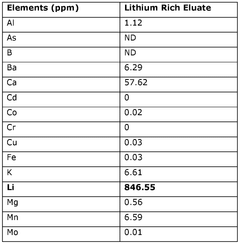
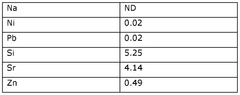
- A DLE process using a lithium sorbent with a high specific surface area, combined with ultrafiltration or nanofiltration membranes for separation, and a pH-controlled upload step to optimize lithium absorption and reduce impurity carryover.


Method for improving lithium yield in a direct lithium extraction process
PatentPendingUS20250249465A1
Innovation
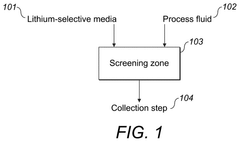
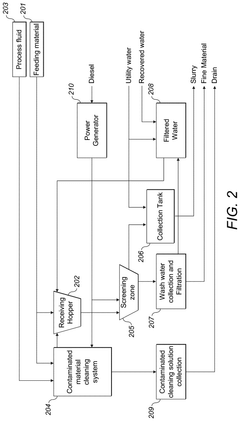
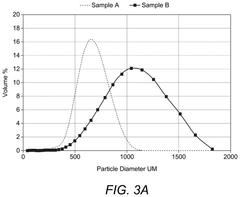
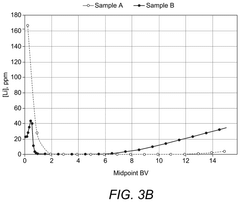
- A method involving a screening process using sieve elements with specific mesh sizes to separate lithium-selective media into desired particle sizes and remove contaminants, followed by dewatering and cleaning, to ensure optimal media performance in packed-bed columns.
Environmental Impact and Sustainability Considerations
Direct Lithium Extraction (DLE) technologies present significant environmental advantages over traditional lithium extraction methods, particularly regarding water usage and land disturbance. Conventional evaporation pond methods consume approximately 500,000 gallons of water per metric ton of lithium produced, while DLE technologies can reduce this consumption by up to 90%. This water conservation aspect is crucial in arid regions where lithium brine resources are often located, such as the "Lithium Triangle" spanning Argentina, Bolivia, and Chile.
The carbon footprint of DLE operations also demonstrates potential sustainability benefits. Studies indicate that optimized DLE processes can achieve carbon emissions of 5-15 kg CO2e per kg of lithium carbonate equivalent (LCE), compared to 15-25 kg CO2e for traditional methods. However, these benefits are contingent upon the energy sources powering DLE operations, with renewable energy integration being essential for maximizing environmental advantages.
Waste management represents another critical environmental consideration. DLE technologies generate different waste streams than conventional methods, including spent sorbents, membranes, and chemical reagents. The development of closed-loop systems that recycle process chemicals and regenerate extraction media is advancing, with recent innovations demonstrating 85-95% reagent recovery rates in laboratory settings. These improvements significantly reduce the environmental burden associated with chemical consumption and disposal.
Land use impacts of DLE are substantially lower than traditional methods, requiring approximately 1/50th of the surface area compared to evaporation ponds. This reduced footprint minimizes habitat disruption and preserves ecosystem integrity in sensitive areas. However, subsurface impacts require careful monitoring, as continuous extraction from brine aquifers may affect regional hydrogeology if not properly managed.
Biodiversity protection must be integrated into DLE implementation strategies, particularly in ecologically sensitive regions. Recent environmental impact assessments of DLE projects have identified the need for comprehensive baseline studies and ongoing monitoring protocols to detect and mitigate potential impacts on local flora and fauna. Several pilot projects have successfully implemented adaptive management frameworks that adjust extraction parameters based on real-time environmental monitoring data.
The sustainability of DLE technologies also extends to their role in the circular economy. End-of-life management for extraction media and equipment is emerging as an important consideration, with research focusing on developing biodegradable sorbents and recyclable system components. These innovations aim to minimize the long-term environmental legacy of lithium extraction operations while supporting the transition to more sustainable energy systems globally.
The carbon footprint of DLE operations also demonstrates potential sustainability benefits. Studies indicate that optimized DLE processes can achieve carbon emissions of 5-15 kg CO2e per kg of lithium carbonate equivalent (LCE), compared to 15-25 kg CO2e for traditional methods. However, these benefits are contingent upon the energy sources powering DLE operations, with renewable energy integration being essential for maximizing environmental advantages.
Waste management represents another critical environmental consideration. DLE technologies generate different waste streams than conventional methods, including spent sorbents, membranes, and chemical reagents. The development of closed-loop systems that recycle process chemicals and regenerate extraction media is advancing, with recent innovations demonstrating 85-95% reagent recovery rates in laboratory settings. These improvements significantly reduce the environmental burden associated with chemical consumption and disposal.
Land use impacts of DLE are substantially lower than traditional methods, requiring approximately 1/50th of the surface area compared to evaporation ponds. This reduced footprint minimizes habitat disruption and preserves ecosystem integrity in sensitive areas. However, subsurface impacts require careful monitoring, as continuous extraction from brine aquifers may affect regional hydrogeology if not properly managed.
Biodiversity protection must be integrated into DLE implementation strategies, particularly in ecologically sensitive regions. Recent environmental impact assessments of DLE projects have identified the need for comprehensive baseline studies and ongoing monitoring protocols to detect and mitigate potential impacts on local flora and fauna. Several pilot projects have successfully implemented adaptive management frameworks that adjust extraction parameters based on real-time environmental monitoring data.
The sustainability of DLE technologies also extends to their role in the circular economy. End-of-life management for extraction media and equipment is emerging as an important consideration, with research focusing on developing biodegradable sorbents and recyclable system components. These innovations aim to minimize the long-term environmental legacy of lithium extraction operations while supporting the transition to more sustainable energy systems globally.
Supply Chain Resilience and Geopolitical Factors
The global lithium supply chain presents significant vulnerabilities that directly impact the optimization of Direct Lithium Extraction (DLE) technologies in harsh environments. Currently, lithium production is highly concentrated in a few geographical regions, with Australia, Chile, China, and Argentina controlling approximately 95% of global supply. This concentration creates inherent risks for technology developers and end-users relying on stable lithium access.
Geopolitical tensions have increasingly affected lithium availability and pricing, with several producing nations implementing export restrictions or resource nationalism policies. China's dominance in lithium processing (controlling roughly 60% of global lithium refining capacity) represents a particular vulnerability point, as evidenced during recent trade disputes that disrupted supply chains for Western technology companies.
Climate change further complicates supply chain resilience, with traditional lithium extraction methods in the "Lithium Triangle" (Chile, Argentina, Bolivia) facing increasing water scarcity challenges. These environmental pressures have accelerated diplomatic tensions over water rights in these regions, potentially threatening stable access to lithium resources.
DLE technologies designed for harsh environments must therefore incorporate supply chain considerations from the earliest development stages. Companies pioneering resilient DLE solutions are increasingly pursuing vertical integration strategies, securing direct access to lithium sources or developing technologies compatible with multiple lithium sources to reduce dependency on single regions.
Strategic partnerships between technology developers and resource-rich nations are emerging as a critical resilience factor. For instance, several North American DLE companies have established government-backed agreements with lithium-rich nations to ensure preferential access during supply disruptions, creating resilience through diplomatic channels rather than purely technological means.
Regulatory frameworks across major economies are evolving to address these vulnerabilities. The EU's Critical Raw Materials Act and the US Inflation Reduction Act both contain provisions specifically targeting lithium supply chain resilience, offering financial incentives for companies developing technologies that reduce dependency on geopolitically sensitive regions.
For DLE optimization in harsh environments, these geopolitical factors necessitate designing systems with material flexibility - the ability to process varying lithium concentrations and compositions from diverse geographical sources. This adaptability requirement adds complexity to technical development but ultimately creates more resilient extraction systems capable of functioning despite supply chain disruptions.
Geopolitical tensions have increasingly affected lithium availability and pricing, with several producing nations implementing export restrictions or resource nationalism policies. China's dominance in lithium processing (controlling roughly 60% of global lithium refining capacity) represents a particular vulnerability point, as evidenced during recent trade disputes that disrupted supply chains for Western technology companies.
Climate change further complicates supply chain resilience, with traditional lithium extraction methods in the "Lithium Triangle" (Chile, Argentina, Bolivia) facing increasing water scarcity challenges. These environmental pressures have accelerated diplomatic tensions over water rights in these regions, potentially threatening stable access to lithium resources.
DLE technologies designed for harsh environments must therefore incorporate supply chain considerations from the earliest development stages. Companies pioneering resilient DLE solutions are increasingly pursuing vertical integration strategies, securing direct access to lithium sources or developing technologies compatible with multiple lithium sources to reduce dependency on single regions.
Strategic partnerships between technology developers and resource-rich nations are emerging as a critical resilience factor. For instance, several North American DLE companies have established government-backed agreements with lithium-rich nations to ensure preferential access during supply disruptions, creating resilience through diplomatic channels rather than purely technological means.
Regulatory frameworks across major economies are evolving to address these vulnerabilities. The EU's Critical Raw Materials Act and the US Inflation Reduction Act both contain provisions specifically targeting lithium supply chain resilience, offering financial incentives for companies developing technologies that reduce dependency on geopolitically sensitive regions.
For DLE optimization in harsh environments, these geopolitical factors necessitate designing systems with material flexibility - the ability to process varying lithium concentrations and compositions from diverse geographical sources. This adaptability requirement adds complexity to technical development but ultimately creates more resilient extraction systems capable of functioning despite supply chain disruptions.
Unlock deeper insights with PatSnap Eureka Quick Research — get a full tech report to explore trends and direct your research. Try now!
Generate Your Research Report Instantly with AI Agent
Supercharge your innovation with PatSnap Eureka AI Agent Platform!