Overcoming Challenges in Carboxylic Acid Drug Formulations
JUL 31, 20259 MIN READ
Generate Your Research Report Instantly with AI Agent
Patsnap Eureka helps you evaluate technical feasibility & market potential.
Carboxylic Acid Drug Formulation Background
Carboxylic acid drugs represent a significant class of pharmaceutical compounds, encompassing a wide range of therapeutic agents such as nonsteroidal anti-inflammatory drugs (NSAIDs), antibiotics, and antihypertensive medications. These drugs are characterized by the presence of one or more carboxyl groups (-COOH) in their molecular structure, which play a crucial role in their pharmacological activity and physicochemical properties.
The development of carboxylic acid drug formulations has been a focus of pharmaceutical research for decades, driven by the need to overcome inherent challenges associated with these compounds. One of the primary issues is their poor aqueous solubility, which can significantly impact bioavailability and, consequently, therapeutic efficacy. This solubility challenge is often attributed to the ionizable nature of the carboxyl group, which exists in different states depending on the pH of the environment.
Another critical aspect of carboxylic acid drug formulations is their stability. These compounds are susceptible to various degradation pathways, including hydrolysis and oxidation, which can compromise the shelf-life and efficacy of the final product. The stability concerns are particularly pronounced in liquid formulations, where the presence of water can accelerate degradation processes.
The formulation of carboxylic acid drugs also faces challenges related to their permeability across biological membranes. While the ionized form of these drugs exhibits good aqueous solubility, it often demonstrates poor membrane permeability. Conversely, the non-ionized form may have better permeability but lower solubility. This delicate balance between solubility and permeability, known as the pH-partition hypothesis, necessitates careful consideration in formulation design.
Gastrointestinal (GI) irritation is another significant concern associated with many carboxylic acid drugs, particularly NSAIDs. The acidic nature of these compounds can lead to local irritation of the GI mucosa, potentially resulting in ulceration and other adverse effects. This issue has driven the development of various formulation strategies aimed at reducing GI side effects while maintaining therapeutic efficacy.
Over the years, numerous approaches have been explored to address these formulation challenges. These include the use of salt forms to improve solubility, the development of prodrugs to enhance stability and permeability, and the application of advanced drug delivery systems such as nanoparticles, liposomes, and cyclodextrin complexes. Each of these strategies aims to optimize the physicochemical properties of carboxylic acid drugs, ultimately improving their pharmacokinetic profiles and therapeutic outcomes.
The development of carboxylic acid drug formulations has been a focus of pharmaceutical research for decades, driven by the need to overcome inherent challenges associated with these compounds. One of the primary issues is their poor aqueous solubility, which can significantly impact bioavailability and, consequently, therapeutic efficacy. This solubility challenge is often attributed to the ionizable nature of the carboxyl group, which exists in different states depending on the pH of the environment.
Another critical aspect of carboxylic acid drug formulations is their stability. These compounds are susceptible to various degradation pathways, including hydrolysis and oxidation, which can compromise the shelf-life and efficacy of the final product. The stability concerns are particularly pronounced in liquid formulations, where the presence of water can accelerate degradation processes.
The formulation of carboxylic acid drugs also faces challenges related to their permeability across biological membranes. While the ionized form of these drugs exhibits good aqueous solubility, it often demonstrates poor membrane permeability. Conversely, the non-ionized form may have better permeability but lower solubility. This delicate balance between solubility and permeability, known as the pH-partition hypothesis, necessitates careful consideration in formulation design.
Gastrointestinal (GI) irritation is another significant concern associated with many carboxylic acid drugs, particularly NSAIDs. The acidic nature of these compounds can lead to local irritation of the GI mucosa, potentially resulting in ulceration and other adverse effects. This issue has driven the development of various formulation strategies aimed at reducing GI side effects while maintaining therapeutic efficacy.
Over the years, numerous approaches have been explored to address these formulation challenges. These include the use of salt forms to improve solubility, the development of prodrugs to enhance stability and permeability, and the application of advanced drug delivery systems such as nanoparticles, liposomes, and cyclodextrin complexes. Each of these strategies aims to optimize the physicochemical properties of carboxylic acid drugs, ultimately improving their pharmacokinetic profiles and therapeutic outcomes.
Market Analysis for Carboxylic Acid Drugs
The global market for carboxylic acid drugs has shown significant growth in recent years, driven by increasing prevalence of chronic diseases and a growing aging population. This market segment encompasses a wide range of therapeutic applications, including anti-inflammatory drugs, antibiotics, and cardiovascular medications. The demand for these drugs is particularly strong in developed regions such as North America and Europe, where healthcare infrastructure is well-established and there is a high awareness of advanced treatment options.
Emerging economies in Asia-Pacific and Latin America are also contributing to market expansion, as improving healthcare access and rising disposable incomes fuel the demand for more sophisticated pharmaceutical products. The carboxylic acid drug market is characterized by a mix of both generic and branded medications, with generics gaining traction due to their cost-effectiveness and increasing acceptance among healthcare providers and patients alike.
One of the key drivers of market growth is the rising incidence of gastrointestinal disorders and inflammatory conditions. Nonsteroidal anti-inflammatory drugs (NSAIDs), many of which contain carboxylic acid moieties, are widely prescribed for these conditions. The market is also benefiting from ongoing research and development efforts aimed at improving drug formulations to enhance bioavailability and reduce side effects associated with carboxylic acid-based medications.
However, the market faces challenges such as stringent regulatory requirements and the need for substantial investments in research and development. The complexity of formulating carboxylic acid drugs, particularly in addressing issues like poor solubility and stability, presents both a challenge and an opportunity for innovation in the pharmaceutical industry.
Looking ahead, the market for carboxylic acid drugs is expected to continue its growth trajectory. Factors such as the increasing focus on personalized medicine and the development of novel drug delivery systems are likely to shape the future of this market segment. Additionally, the growing trend towards combination therapies, where carboxylic acid drugs are used in conjunction with other active ingredients, is opening up new avenues for market expansion and product differentiation.
Emerging economies in Asia-Pacific and Latin America are also contributing to market expansion, as improving healthcare access and rising disposable incomes fuel the demand for more sophisticated pharmaceutical products. The carboxylic acid drug market is characterized by a mix of both generic and branded medications, with generics gaining traction due to their cost-effectiveness and increasing acceptance among healthcare providers and patients alike.
One of the key drivers of market growth is the rising incidence of gastrointestinal disorders and inflammatory conditions. Nonsteroidal anti-inflammatory drugs (NSAIDs), many of which contain carboxylic acid moieties, are widely prescribed for these conditions. The market is also benefiting from ongoing research and development efforts aimed at improving drug formulations to enhance bioavailability and reduce side effects associated with carboxylic acid-based medications.
However, the market faces challenges such as stringent regulatory requirements and the need for substantial investments in research and development. The complexity of formulating carboxylic acid drugs, particularly in addressing issues like poor solubility and stability, presents both a challenge and an opportunity for innovation in the pharmaceutical industry.
Looking ahead, the market for carboxylic acid drugs is expected to continue its growth trajectory. Factors such as the increasing focus on personalized medicine and the development of novel drug delivery systems are likely to shape the future of this market segment. Additionally, the growing trend towards combination therapies, where carboxylic acid drugs are used in conjunction with other active ingredients, is opening up new avenues for market expansion and product differentiation.
Current Challenges in Carboxylic Acid Formulations
Carboxylic acid-containing drugs present significant challenges in formulation due to their inherent physicochemical properties. These compounds often exhibit poor aqueous solubility, which can lead to limited bioavailability and reduced therapeutic efficacy. The acidic nature of these molecules can also cause stability issues, particularly in aqueous environments, leading to potential degradation and reduced shelf life.
One of the primary challenges is the pH-dependent solubility of carboxylic acids. At low pH, these compounds tend to be protonated and less soluble, while at higher pH, they become ionized and more soluble. This characteristic can lead to variable absorption profiles in different parts of the gastrointestinal tract, making it difficult to achieve consistent drug delivery and therapeutic outcomes.
Another significant issue is the potential for gastrointestinal irritation caused by the acidic nature of these drugs. This can lead to patient discomfort and reduced compliance, particularly in chronic treatment regimens. Additionally, the acidity can cause damage to the gastric mucosa, potentially leading to ulceration and other adverse effects.
Formulation scientists also face challenges in developing suitable dosage forms for carboxylic acid drugs. Traditional approaches such as salt formation may improve solubility but can introduce new issues like hygroscopicity or reduced stability. Solid dispersions and lipid-based formulations have shown promise but can be complex to manufacture and may have limited long-term stability.
The interaction of carboxylic acid drugs with excipients and packaging materials presents another set of challenges. These compounds can potentially react with certain excipients, leading to incompatibilities and reduced stability. Moreover, their acidic nature may cause corrosion or degradation of packaging materials, necessitating careful selection of container closure systems.
Overcoming these challenges often requires innovative formulation strategies. Approaches such as prodrug design, nanoparticle formulations, and advanced drug delivery systems are being explored to address solubility and stability issues. However, these solutions often come with their own set of challenges, including complex manufacturing processes, regulatory hurdles, and increased production costs.
In summary, the formulation of carboxylic acid drugs presents a multifaceted challenge that requires a comprehensive understanding of the physicochemical properties of these compounds and innovative approaches to overcome their inherent limitations. Addressing these challenges is crucial for developing effective and patient-friendly formulations that can maximize the therapeutic potential of carboxylic acid-containing drugs.
One of the primary challenges is the pH-dependent solubility of carboxylic acids. At low pH, these compounds tend to be protonated and less soluble, while at higher pH, they become ionized and more soluble. This characteristic can lead to variable absorption profiles in different parts of the gastrointestinal tract, making it difficult to achieve consistent drug delivery and therapeutic outcomes.
Another significant issue is the potential for gastrointestinal irritation caused by the acidic nature of these drugs. This can lead to patient discomfort and reduced compliance, particularly in chronic treatment regimens. Additionally, the acidity can cause damage to the gastric mucosa, potentially leading to ulceration and other adverse effects.
Formulation scientists also face challenges in developing suitable dosage forms for carboxylic acid drugs. Traditional approaches such as salt formation may improve solubility but can introduce new issues like hygroscopicity or reduced stability. Solid dispersions and lipid-based formulations have shown promise but can be complex to manufacture and may have limited long-term stability.
The interaction of carboxylic acid drugs with excipients and packaging materials presents another set of challenges. These compounds can potentially react with certain excipients, leading to incompatibilities and reduced stability. Moreover, their acidic nature may cause corrosion or degradation of packaging materials, necessitating careful selection of container closure systems.
Overcoming these challenges often requires innovative formulation strategies. Approaches such as prodrug design, nanoparticle formulations, and advanced drug delivery systems are being explored to address solubility and stability issues. However, these solutions often come with their own set of challenges, including complex manufacturing processes, regulatory hurdles, and increased production costs.
In summary, the formulation of carboxylic acid drugs presents a multifaceted challenge that requires a comprehensive understanding of the physicochemical properties of these compounds and innovative approaches to overcome their inherent limitations. Addressing these challenges is crucial for developing effective and patient-friendly formulations that can maximize the therapeutic potential of carboxylic acid-containing drugs.
Existing Strategies for Carboxylic Acid Drugs
01 Solubility enhancement techniques
Carboxylic acid drugs often face solubility challenges due to their acidic nature. Various techniques can be employed to enhance solubility, including salt formation, prodrug approaches, and the use of solubilizing excipients. These methods aim to improve the drug's dissolution profile and bioavailability.- Solubility enhancement techniques: Carboxylic acid drugs often face solubility challenges due to their acidic nature. Various techniques can be employed to enhance solubility, including salt formation, prodrug approaches, and the use of solubilizing excipients. These methods aim to improve the drug's dissolution profile and bioavailability, addressing a key formulation challenge for carboxylic acid-containing pharmaceuticals.
- pH-dependent stability considerations: Carboxylic acid drugs may exhibit pH-dependent stability, which can affect their shelf life and efficacy. Formulation strategies often involve careful selection of buffering agents and pH adjusters to maintain an optimal pH range. Additionally, protective coatings or specialized packaging may be employed to shield the drug from environmental factors that could trigger degradation.
- Controlled release formulations: Developing controlled release formulations for carboxylic acid drugs presents unique challenges due to their ionization properties. Techniques such as matrix systems, reservoir devices, or ion-exchange resins may be utilized to achieve sustained drug release. These approaches aim to maintain therapeutic levels over extended periods while minimizing pH-related variations in drug release.
- Gastrointestinal irritation mitigation: Carboxylic acid drugs can cause gastrointestinal irritation, particularly in their free acid form. Formulation strategies to address this issue include enteric coatings, gastro-resistant polymers, or the use of less irritating prodrugs. These approaches aim to protect the stomach lining and improve patient tolerability while maintaining therapeutic efficacy.
- Compatibility with excipients and packaging materials: Carboxylic acid drugs may interact with certain excipients or packaging materials, leading to stability issues or reduced efficacy. Careful selection of compatible excipients, stabilizers, and appropriate packaging materials is crucial. Stability studies and compatibility assessments are essential to ensure the integrity of the drug formulation throughout its shelf life.
02 pH-dependent stability issues
Carboxylic acid drugs may exhibit pH-dependent stability, which can pose challenges in formulation and storage. Strategies to address this include developing buffer systems, using protective coatings, or creating pH-independent formulations to maintain drug stability across various physiological conditions.Expand Specific Solutions03 Controlled release formulations
Developing controlled release formulations for carboxylic acid drugs can be challenging due to their ionization properties. Techniques such as matrix systems, osmotic delivery, or polymer-based carriers can be utilized to achieve sustained release profiles and improve patient compliance.Expand Specific Solutions04 Gastrointestinal irritation mitigation
Carboxylic acid drugs may cause gastrointestinal irritation, necessitating formulation strategies to minimize this side effect. Approaches include enteric coating, mucoadhesive systems, or the use of gastroprotective agents to reduce direct contact with the gastric mucosa.Expand Specific Solutions05 Compatibility with excipients
Ensuring compatibility between carboxylic acid drugs and formulation excipients is crucial. Challenges may arise due to potential interactions or degradation. Careful selection of excipients, stability testing, and the use of protective agents or antioxidants may be necessary to maintain drug integrity and efficacy.Expand Specific Solutions
Key Players in Pharmaceutical Formulation
The competitive landscape for overcoming challenges in carboxylic acid drug formulations is characterized by a mature market with significant potential for growth. Major pharmaceutical companies like Pfizer, Boehringer Ingelheim, and Astellas Pharma are actively involved in research and development efforts. The market is driven by increasing demand for improved drug delivery systems and enhanced bioavailability of carboxylic acid-based drugs. Technological advancements in formulation techniques, such as those developed by specialized firms like Grünenthal and Dr. Reddy's Laboratories, are contributing to the evolution of this field. The presence of academic institutions like Soochow University and Peking University indicates ongoing fundamental research, suggesting a dynamic ecosystem of innovation and collaboration between industry and academia.
Pfizer Inc.
Technical Solution: Pfizer has developed innovative formulation strategies for carboxylic acid drugs, focusing on improving solubility and bioavailability. They utilize advanced lipid-based drug delivery systems, such as self-emulsifying drug delivery systems (SEDDS) and solid lipid nanoparticles (SLNs)[1]. These technologies enhance drug solubility in the gastrointestinal tract, leading to improved absorption. Pfizer also employs prodrug approaches, where the carboxylic acid moiety is temporarily masked to improve lipophilicity and membrane permeability[2]. Additionally, they have explored the use of cyclodextrin complexation and cocrystallization techniques to address solubility issues in carboxylic acid drugs[3].
Strengths: Extensive R&D capabilities, diverse technology portfolio, and global reach for clinical trials. Weaknesses: High development costs and potential regulatory hurdles for novel formulation approaches.
BASF Corp.
Technical Solution: BASF Corp. has developed innovative excipient solutions to address challenges in carboxylic acid drug formulations. They have created advanced solubilizers and surfactants, such as Soluplus® and Kolliphor®, specifically designed to enhance the solubility and bioavailability of poorly soluble drugs, including carboxylic acids[13]. BASF also offers a range of functional polymers, like Kollicoat® and Kollidon®, which enable controlled release and pH-dependent drug delivery for acid-sensitive compounds[14]. Additionally, the company has developed novel co-processing techniques to create high-functionality excipients that improve the stability and performance of challenging carboxylic acid formulations[15].
Strengths: Extensive portfolio of functional excipients, strong expertise in polymer science and formulation development. Weaknesses: Limited direct involvement in drug development, reliance on pharmaceutical partners for implementation of technologies.
Innovative Approaches in Formulation Science
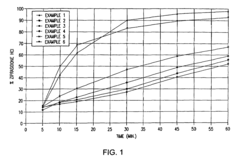
Solubility of hydrophobic drugs with a compound having a carboxylic acid moiety
PatentInactiveUS7727556B2
Innovation
- A pharmaceutical composition comprising a hydrophobic drug or its pharmaceutically acceptable salt combined with a compound having a carboxylic acid moiety, with a molar ratio of 0.1:1 to 25:1, prepared using wet granulation or dry compaction methods to enhance solubility and bioavailability.
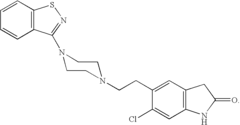
Carboxylic acid derivative or salt thereof
PatentWO2007072782A1
Innovation
- Development of carboxylic acid derivatives with EP1 receptor antagonistic activity, specifically compounds having a lower alkyl group substituted with a heterocyclic group, which exhibit potent EP1 receptor antagonism, offering a safer and more effective treatment option for these conditions.


Regulatory Considerations for Novel Formulations
Regulatory considerations play a crucial role in the development and approval of novel formulations for carboxylic acid drugs. The regulatory landscape for these formulations is complex and dynamic, requiring careful navigation to ensure compliance and successful market entry.
One of the primary regulatory challenges is demonstrating the safety and efficacy of novel formulations. Regulatory agencies, such as the FDA and EMA, require extensive data from preclinical and clinical studies to support the use of new formulation technologies. This includes comprehensive stability studies, bioequivalence assessments, and toxicology evaluations specific to the novel formulation approach.
Formulation developers must also address potential concerns related to the impact of novel excipients or delivery systems on drug absorption, distribution, metabolism, and excretion (ADME) profiles. Regulatory bodies may require additional studies to characterize these effects and ensure that the novel formulation does not alter the drug's safety or efficacy profile.
Quality control and manufacturing processes for novel formulations often face heightened scrutiny from regulatory agencies. Developers must establish robust quality management systems and validate manufacturing processes to ensure consistent product quality. This may involve developing new analytical methods or adapting existing ones to accurately characterize and control the novel formulation.
Intellectual property considerations are another critical aspect of regulatory strategy for novel formulations. Developers must navigate patent landscapes and potentially seek new patents or exclusivity periods for their innovative approaches. This can impact regulatory timelines and strategies for market entry.
Regulatory agencies have shown increasing interest in patient-centric formulations, particularly those that improve adherence or quality of life. Novel formulations addressing these aspects may benefit from expedited review pathways or receive favorable consideration during the approval process.
Global regulatory harmonization efforts, such as the International Council for Harmonisation (ICH) guidelines, have helped streamline some aspects of regulatory submissions for novel formulations. However, developers must still navigate country-specific requirements and adapt their regulatory strategies accordingly.
As the field of drug delivery continues to evolve, regulatory agencies are adapting their approaches to novel formulations. This includes developing new guidance documents and regulatory frameworks to address emerging technologies and formulation strategies. Staying abreast of these regulatory developments is crucial for successful development and approval of innovative carboxylic acid drug formulations.
One of the primary regulatory challenges is demonstrating the safety and efficacy of novel formulations. Regulatory agencies, such as the FDA and EMA, require extensive data from preclinical and clinical studies to support the use of new formulation technologies. This includes comprehensive stability studies, bioequivalence assessments, and toxicology evaluations specific to the novel formulation approach.
Formulation developers must also address potential concerns related to the impact of novel excipients or delivery systems on drug absorption, distribution, metabolism, and excretion (ADME) profiles. Regulatory bodies may require additional studies to characterize these effects and ensure that the novel formulation does not alter the drug's safety or efficacy profile.
Quality control and manufacturing processes for novel formulations often face heightened scrutiny from regulatory agencies. Developers must establish robust quality management systems and validate manufacturing processes to ensure consistent product quality. This may involve developing new analytical methods or adapting existing ones to accurately characterize and control the novel formulation.
Intellectual property considerations are another critical aspect of regulatory strategy for novel formulations. Developers must navigate patent landscapes and potentially seek new patents or exclusivity periods for their innovative approaches. This can impact regulatory timelines and strategies for market entry.
Regulatory agencies have shown increasing interest in patient-centric formulations, particularly those that improve adherence or quality of life. Novel formulations addressing these aspects may benefit from expedited review pathways or receive favorable consideration during the approval process.
Global regulatory harmonization efforts, such as the International Council for Harmonisation (ICH) guidelines, have helped streamline some aspects of regulatory submissions for novel formulations. However, developers must still navigate country-specific requirements and adapt their regulatory strategies accordingly.
As the field of drug delivery continues to evolve, regulatory agencies are adapting their approaches to novel formulations. This includes developing new guidance documents and regulatory frameworks to address emerging technologies and formulation strategies. Staying abreast of these regulatory developments is crucial for successful development and approval of innovative carboxylic acid drug formulations.
Environmental Impact of Drug Formulations
The environmental impact of drug formulations, particularly those containing carboxylic acids, is a growing concern in the pharmaceutical industry. Carboxylic acid-based drugs, while effective in treating various conditions, can pose significant challenges to the environment if not properly managed throughout their lifecycle.
One of the primary environmental concerns is the potential for these drugs to enter water systems through improper disposal or excretion. Carboxylic acids, being water-soluble, can easily contaminate aquatic ecosystems. This contamination can lead to adverse effects on aquatic life, including altered reproductive patterns in fish and disrupted ecosystem balance. Studies have shown that even low concentrations of certain carboxylic acid drugs can have long-term impacts on aquatic organisms.
The production process of carboxylic acid drug formulations also contributes to environmental concerns. The synthesis of these compounds often involves the use of organic solvents and other chemicals that can be harmful if released into the environment. Proper waste management and treatment protocols are essential to mitigate these risks. Additionally, the energy-intensive nature of some production processes contributes to increased carbon emissions, further impacting the environment.
Another significant issue is the persistence of these drugs in the environment. Many carboxylic acid-based pharmaceuticals are designed to be stable, which can lead to their accumulation in soil and water over time. This persistence can result in chronic exposure for wildlife and potentially enter the human food chain through contaminated water sources or agricultural products.
To address these environmental challenges, the pharmaceutical industry is exploring various strategies. Green chemistry principles are being increasingly applied in drug formulation processes, focusing on using less harmful solvents and more environmentally friendly synthesis methods. Biodegradable formulations are also being developed to reduce the persistence of drugs in the environment after use.
Improved wastewater treatment technologies are being implemented to remove pharmaceutical residues more effectively before they enter natural water systems. Advanced oxidation processes and membrane filtration techniques show promise in reducing the concentration of carboxylic acid drugs in treated wastewater.
Furthermore, there is a growing emphasis on the concept of "benign by design" in drug development. This approach considers the environmental fate of a drug from the earliest stages of its development, aiming to create formulations that are both therapeutically effective and environmentally sustainable.
The pharmaceutical industry is also focusing on improving drug delivery systems to enhance bioavailability and reduce the amount of active ingredient needed. This not only improves therapeutic efficacy but also reduces the environmental burden by minimizing the quantity of drug excreted into the environment.
One of the primary environmental concerns is the potential for these drugs to enter water systems through improper disposal or excretion. Carboxylic acids, being water-soluble, can easily contaminate aquatic ecosystems. This contamination can lead to adverse effects on aquatic life, including altered reproductive patterns in fish and disrupted ecosystem balance. Studies have shown that even low concentrations of certain carboxylic acid drugs can have long-term impacts on aquatic organisms.
The production process of carboxylic acid drug formulations also contributes to environmental concerns. The synthesis of these compounds often involves the use of organic solvents and other chemicals that can be harmful if released into the environment. Proper waste management and treatment protocols are essential to mitigate these risks. Additionally, the energy-intensive nature of some production processes contributes to increased carbon emissions, further impacting the environment.
Another significant issue is the persistence of these drugs in the environment. Many carboxylic acid-based pharmaceuticals are designed to be stable, which can lead to their accumulation in soil and water over time. This persistence can result in chronic exposure for wildlife and potentially enter the human food chain through contaminated water sources or agricultural products.
To address these environmental challenges, the pharmaceutical industry is exploring various strategies. Green chemistry principles are being increasingly applied in drug formulation processes, focusing on using less harmful solvents and more environmentally friendly synthesis methods. Biodegradable formulations are also being developed to reduce the persistence of drugs in the environment after use.
Improved wastewater treatment technologies are being implemented to remove pharmaceutical residues more effectively before they enter natural water systems. Advanced oxidation processes and membrane filtration techniques show promise in reducing the concentration of carboxylic acid drugs in treated wastewater.
Furthermore, there is a growing emphasis on the concept of "benign by design" in drug development. This approach considers the environmental fate of a drug from the earliest stages of its development, aiming to create formulations that are both therapeutically effective and environmentally sustainable.
The pharmaceutical industry is also focusing on improving drug delivery systems to enhance bioavailability and reduce the amount of active ingredient needed. This not only improves therapeutic efficacy but also reduces the environmental burden by minimizing the quantity of drug excreted into the environment.
Unlock deeper insights with Patsnap Eureka Quick Research — get a full tech report to explore trends and direct your research. Try now!
Generate Your Research Report Instantly with AI Agent
Supercharge your innovation with Patsnap Eureka AI Agent Platform!