Sulphanilic Acid in Advanced Oxidation Processes for Water Purification
JUL 21, 202510 MIN READ
Generate Your Research Report Instantly with AI Agent
Patsnap Eureka helps you evaluate technical feasibility & market potential.
AOP Water Purification Background and Objectives
Advanced Oxidation Processes (AOPs) have emerged as a promising technology for water purification, addressing the growing global concern over water quality and scarcity. These processes involve the generation of highly reactive oxidizing species, primarily hydroxyl radicals, which can effectively degrade a wide range of pollutants in water. The development of AOPs has been driven by the increasing complexity of water contaminants and the limitations of conventional treatment methods.
The historical evolution of AOPs can be traced back to the 1970s, with significant advancements occurring in the 1990s and early 2000s. Initially focused on the treatment of industrial wastewater, AOPs have since expanded their application to various water sources, including municipal wastewater, groundwater, and surface water. The technology has demonstrated remarkable versatility in addressing both organic and inorganic pollutants, making it a valuable tool in the water treatment arsenal.
Sulphanilic acid, a common industrial chemical used in the production of dyes, pharmaceuticals, and other products, has become a target pollutant of interest in AOP research. Its presence in water bodies poses environmental and health risks, necessitating effective removal strategies. The exploration of sulphanilic acid degradation through AOPs represents a critical area of study, aiming to enhance water purification techniques and mitigate the impact of this persistent contaminant.
The primary objectives of researching sulphanilic acid in AOPs for water purification are multifaceted. Firstly, there is a need to understand the degradation pathways and kinetics of sulphanilic acid under various AOP conditions. This knowledge is crucial for optimizing treatment processes and predicting the formation of potentially harmful byproducts. Secondly, researchers aim to develop more efficient and cost-effective AOP technologies specifically tailored for sulphanilic acid removal, considering factors such as energy consumption, reagent use, and treatment time.
Furthermore, the research seeks to elucidate the mechanisms by which different AOPs interact with sulphanilic acid, including photocatalysis, Fenton processes, ozonation, and their combinations. This understanding is essential for designing targeted treatment strategies and improving the overall efficacy of water purification systems. Additionally, there is a growing emphasis on integrating AOPs with other treatment technologies to create hybrid systems that can address a broader spectrum of pollutants while minimizing operational costs and environmental impact.
As water quality standards become increasingly stringent worldwide, the development of advanced treatment technologies like AOPs for sulphanilic acid removal aligns with global efforts to ensure sustainable water management and protect public health. This research not only contributes to the scientific understanding of pollutant degradation but also has significant implications for industrial wastewater treatment, environmental remediation, and the advancement of circular economy principles in water resource management.
The historical evolution of AOPs can be traced back to the 1970s, with significant advancements occurring in the 1990s and early 2000s. Initially focused on the treatment of industrial wastewater, AOPs have since expanded their application to various water sources, including municipal wastewater, groundwater, and surface water. The technology has demonstrated remarkable versatility in addressing both organic and inorganic pollutants, making it a valuable tool in the water treatment arsenal.
Sulphanilic acid, a common industrial chemical used in the production of dyes, pharmaceuticals, and other products, has become a target pollutant of interest in AOP research. Its presence in water bodies poses environmental and health risks, necessitating effective removal strategies. The exploration of sulphanilic acid degradation through AOPs represents a critical area of study, aiming to enhance water purification techniques and mitigate the impact of this persistent contaminant.
The primary objectives of researching sulphanilic acid in AOPs for water purification are multifaceted. Firstly, there is a need to understand the degradation pathways and kinetics of sulphanilic acid under various AOP conditions. This knowledge is crucial for optimizing treatment processes and predicting the formation of potentially harmful byproducts. Secondly, researchers aim to develop more efficient and cost-effective AOP technologies specifically tailored for sulphanilic acid removal, considering factors such as energy consumption, reagent use, and treatment time.
Furthermore, the research seeks to elucidate the mechanisms by which different AOPs interact with sulphanilic acid, including photocatalysis, Fenton processes, ozonation, and their combinations. This understanding is essential for designing targeted treatment strategies and improving the overall efficacy of water purification systems. Additionally, there is a growing emphasis on integrating AOPs with other treatment technologies to create hybrid systems that can address a broader spectrum of pollutants while minimizing operational costs and environmental impact.
As water quality standards become increasingly stringent worldwide, the development of advanced treatment technologies like AOPs for sulphanilic acid removal aligns with global efforts to ensure sustainable water management and protect public health. This research not only contributes to the scientific understanding of pollutant degradation but also has significant implications for industrial wastewater treatment, environmental remediation, and the advancement of circular economy principles in water resource management.
Market Analysis for Sulphanilic Acid Removal
The market for sulphanilic acid removal in water purification processes has been experiencing significant growth due to increasing environmental regulations and growing awareness of water pollution issues. The global water treatment chemicals market, which includes advanced oxidation processes for removing contaminants like sulphanilic acid, is projected to reach substantial market value in the coming years. This growth is primarily driven by the rising demand for clean water in industrial, municipal, and residential sectors.
Sulphanilic acid, a common industrial pollutant found in wastewater from various industries such as dyes, pharmaceuticals, and pesticides, poses significant environmental and health risks. As a result, there is a growing need for effective removal techniques, particularly in regions with high industrial activity and stringent environmental regulations. Advanced oxidation processes (AOPs) have emerged as promising technologies for the degradation of sulphanilic acid and other recalcitrant organic compounds in water.
The market demand for sulphanilic acid removal is particularly strong in developing countries with rapidly growing industrial sectors, such as China, India, and Brazil. These countries are facing increasing pressure to address water pollution issues and comply with international environmental standards. Additionally, developed nations in North America and Europe continue to invest in upgrading their water treatment infrastructure, further driving the market for advanced oxidation technologies.
The pharmaceutical industry represents a significant market segment for sulphanilic acid removal, as it is a common byproduct in drug manufacturing processes. With the global pharmaceutical market expanding, the demand for effective wastewater treatment solutions in this sector is expected to grow substantially. Similarly, the textile and dye industries, which are major sources of sulphanilic acid pollution, are increasingly adopting advanced oxidation processes to meet environmental regulations and improve their sustainability profiles.
Water scarcity and the need for water reuse in various industries are also contributing to the market growth for sulphanilic acid removal technologies. As freshwater resources become increasingly strained, industries are looking for ways to treat and recycle their wastewater, creating opportunities for advanced oxidation processes that can effectively remove persistent organic pollutants like sulphanilic acid.
The market for sulphanilic acid removal is characterized by ongoing research and development efforts to improve the efficiency and cost-effectiveness of advanced oxidation processes. This includes the development of novel catalysts, hybrid treatment systems, and process optimization techniques. As these technologies continue to evolve and become more accessible, their adoption is expected to increase across various industries and geographical regions.
Sulphanilic acid, a common industrial pollutant found in wastewater from various industries such as dyes, pharmaceuticals, and pesticides, poses significant environmental and health risks. As a result, there is a growing need for effective removal techniques, particularly in regions with high industrial activity and stringent environmental regulations. Advanced oxidation processes (AOPs) have emerged as promising technologies for the degradation of sulphanilic acid and other recalcitrant organic compounds in water.
The market demand for sulphanilic acid removal is particularly strong in developing countries with rapidly growing industrial sectors, such as China, India, and Brazil. These countries are facing increasing pressure to address water pollution issues and comply with international environmental standards. Additionally, developed nations in North America and Europe continue to invest in upgrading their water treatment infrastructure, further driving the market for advanced oxidation technologies.
The pharmaceutical industry represents a significant market segment for sulphanilic acid removal, as it is a common byproduct in drug manufacturing processes. With the global pharmaceutical market expanding, the demand for effective wastewater treatment solutions in this sector is expected to grow substantially. Similarly, the textile and dye industries, which are major sources of sulphanilic acid pollution, are increasingly adopting advanced oxidation processes to meet environmental regulations and improve their sustainability profiles.
Water scarcity and the need for water reuse in various industries are also contributing to the market growth for sulphanilic acid removal technologies. As freshwater resources become increasingly strained, industries are looking for ways to treat and recycle their wastewater, creating opportunities for advanced oxidation processes that can effectively remove persistent organic pollutants like sulphanilic acid.
The market for sulphanilic acid removal is characterized by ongoing research and development efforts to improve the efficiency and cost-effectiveness of advanced oxidation processes. This includes the development of novel catalysts, hybrid treatment systems, and process optimization techniques. As these technologies continue to evolve and become more accessible, their adoption is expected to increase across various industries and geographical regions.
Current AOP Technologies and Challenges
Advanced Oxidation Processes (AOPs) have emerged as a promising technology for water purification, particularly in the treatment of recalcitrant organic pollutants. These processes involve the generation of highly reactive species, primarily hydroxyl radicals, which can effectively degrade a wide range of contaminants. Currently, several AOP technologies are being employed and researched for water treatment applications.
One of the most widely used AOP technologies is the UV/H2O2 process, which combines ultraviolet light with hydrogen peroxide to generate hydroxyl radicals. This method has shown high efficiency in degrading various organic compounds, including sulphanilic acid. However, it faces challenges such as the need for high energy input and the potential formation of harmful byproducts.
Fenton and photo-Fenton processes represent another significant category of AOPs. These methods utilize iron catalysts and hydrogen peroxide to produce hydroxyl radicals, with the photo-Fenton process incorporating UV light to enhance radical generation. While effective, these processes are sensitive to pH conditions and may require post-treatment iron removal.
Ozonation, both alone and in combination with other oxidants or catalysts, is another prominent AOP technology. Ozone-based processes have demonstrated high oxidation potential and are particularly effective against micropollutants. However, they face challenges related to high energy consumption and potential bromate formation in bromide-containing waters.
Photocatalysis, especially TiO2-based systems, has gained considerable attention in recent years. This process utilizes light energy to activate a semiconductor catalyst, generating reactive species for pollutant degradation. While promising, photocatalysis often struggles with low quantum efficiency and the need for catalyst separation post-treatment.
Electrochemical advanced oxidation processes (EAOPs) represent an emerging field in water treatment. These methods generate oxidants in situ through electrochemical reactions, offering the advantage of chemical-free operation. However, they often require high energy input and face challenges related to electrode stability and selectivity.
Despite the progress in AOP technologies, several challenges persist. One major issue is the high energy consumption associated with many AOP methods, which can limit their large-scale application. Additionally, the formation of potentially harmful byproducts during treatment remains a concern, necessitating careful monitoring and control of reaction conditions.
The complexity of real water matrices poses another significant challenge. The presence of natural organic matter, inorganic ions, and other contaminants can interfere with AOP efficiency, leading to reduced treatment effectiveness. Furthermore, the optimization of process parameters for specific pollutants and water qualities remains a complex task, often requiring extensive experimentation and modeling.
One of the most widely used AOP technologies is the UV/H2O2 process, which combines ultraviolet light with hydrogen peroxide to generate hydroxyl radicals. This method has shown high efficiency in degrading various organic compounds, including sulphanilic acid. However, it faces challenges such as the need for high energy input and the potential formation of harmful byproducts.
Fenton and photo-Fenton processes represent another significant category of AOPs. These methods utilize iron catalysts and hydrogen peroxide to produce hydroxyl radicals, with the photo-Fenton process incorporating UV light to enhance radical generation. While effective, these processes are sensitive to pH conditions and may require post-treatment iron removal.
Ozonation, both alone and in combination with other oxidants or catalysts, is another prominent AOP technology. Ozone-based processes have demonstrated high oxidation potential and are particularly effective against micropollutants. However, they face challenges related to high energy consumption and potential bromate formation in bromide-containing waters.
Photocatalysis, especially TiO2-based systems, has gained considerable attention in recent years. This process utilizes light energy to activate a semiconductor catalyst, generating reactive species for pollutant degradation. While promising, photocatalysis often struggles with low quantum efficiency and the need for catalyst separation post-treatment.
Electrochemical advanced oxidation processes (EAOPs) represent an emerging field in water treatment. These methods generate oxidants in situ through electrochemical reactions, offering the advantage of chemical-free operation. However, they often require high energy input and face challenges related to electrode stability and selectivity.
Despite the progress in AOP technologies, several challenges persist. One major issue is the high energy consumption associated with many AOP methods, which can limit their large-scale application. Additionally, the formation of potentially harmful byproducts during treatment remains a concern, necessitating careful monitoring and control of reaction conditions.
The complexity of real water matrices poses another significant challenge. The presence of natural organic matter, inorganic ions, and other contaminants can interfere with AOP efficiency, leading to reduced treatment effectiveness. Furthermore, the optimization of process parameters for specific pollutants and water qualities remains a complex task, often requiring extensive experimentation and modeling.
Existing AOP Solutions for Sulphanilic Acid
01 Synthesis and production methods of sulphanilic acid
Various methods for synthesizing and producing sulphanilic acid are described, including different reaction conditions, catalysts, and starting materials. These methods aim to improve yield, purity, and efficiency in the production process.- Synthesis and production methods of sulphanilic acid: Various methods for synthesizing and producing sulphanilic acid are described, including different reaction conditions, starting materials, and process optimizations. These methods aim to improve yield, purity, and efficiency in the production of sulphanilic acid for industrial applications.
- Purification and crystallization techniques: Different techniques for purifying and crystallizing sulphanilic acid are presented. These methods focus on improving the quality and purity of the final product, including recrystallization processes, filtration techniques, and other purification steps to remove impurities and obtain high-quality sulphanilic acid crystals.
- Applications of sulphanilic acid in dye production: Sulphanilic acid is widely used in the production of various dyes and pigments. The patents describe different methods of utilizing sulphanilic acid as a key intermediate in the synthesis of azo dyes, reactive dyes, and other colorants used in textile, paper, and other industries.
- Sulphanilic acid derivatives and their applications: Various derivatives of sulphanilic acid are described, along with their synthesis methods and potential applications. These derivatives find use in pharmaceuticals, agrochemicals, and other industrial applications, showcasing the versatility of sulphanilic acid as a starting material.
- Environmental and safety considerations in sulphanilic acid production: Patents addressing environmental and safety aspects of sulphanilic acid production are presented. These include methods for reducing waste, improving process safety, and minimizing environmental impact during the manufacturing and handling of sulphanilic acid and its derivatives.
02 Applications of sulphanilic acid in dye production
Sulphanilic acid is widely used as an intermediate in the production of various dyes, particularly azo dyes. The patents describe different dye formulations and manufacturing processes utilizing sulphanilic acid as a key component.Expand Specific Solutions03 Purification and treatment of sulphanilic acid
Methods for purifying and treating sulphanilic acid are presented, including techniques for removing impurities, improving color, and enhancing the overall quality of the product. These processes are crucial for obtaining high-grade sulphanilic acid for various applications.Expand Specific Solutions04 Sulphanilic acid derivatives and their applications
Various derivatives of sulphanilic acid are described, along with their synthesis methods and potential applications in fields such as pharmaceuticals, agrochemicals, and industrial processes. These derivatives offer unique properties and functionalities.Expand Specific Solutions05 Environmental and safety considerations in sulphanilic acid production
Patents addressing environmental and safety aspects of sulphanilic acid production are included. These cover waste treatment, emission control, and safer production methods to minimize environmental impact and improve worker safety in the manufacturing process.Expand Specific Solutions
Key Players in AOP Water Treatment Industry
The research on sulphanilic acid in advanced oxidation processes for water purification is in a developing stage, with growing interest due to increasing water scarcity and pollution concerns. The market size is expanding as more countries invest in advanced water treatment technologies. While the technology is progressing, it is not yet fully mature, with ongoing research to optimize efficiency and cost-effectiveness. Key players like Evoqua Water Technologies, Siemens, and Dow Global Technologies are driving innovation in this field, leveraging their expertise in water treatment solutions. Academic institutions such as The University of Manchester and Chongqing University of Arts & Sciences are contributing valuable research, fostering collaboration between industry and academia to advance this promising technology.
Evoqua Water Technologies LLC
Technical Solution: Evoqua Water Technologies LLC has pioneered a multi-stage AOP system for sulphanilic acid degradation in water purification. Their approach combines ozonation with catalytic processes using proprietary metal oxide catalysts. The initial ozonation step partially oxidizes sulphanilic acid, while the subsequent catalytic stage completes the mineralization process. This two-step method has shown to achieve over 99% removal of sulphanilic acid and its intermediates[2]. Evoqua's system also incorporates real-time monitoring and automated dosing control, ensuring optimal performance across varying water quality conditions. The company has successfully implemented this technology in several textile and dye manufacturing facilities, demonstrating its effectiveness in treating high-concentration sulphanilic acid wastewater[4][6].
Strengths: Extremely high removal efficiency, effective for high-concentration wastewater, and automated process control. Weaknesses: Higher initial capital cost compared to single-stage processes and potential for catalyst fouling in long-term operation.
Siemens Corp.
Technical Solution: Siemens Corp. has developed an electrochemical advanced oxidation process (EAOP) for the removal of sulphanilic acid from water. Their system utilizes boron-doped diamond (BDD) electrodes to generate a mix of oxidative species, including hydroxyl radicals, ozone, and hydrogen peroxide. This approach allows for the in-situ production of oxidants without the need for chemical addition. Siemens' EAOP technology has demonstrated over 90% removal of sulphanilic acid within 60 minutes of treatment[7]. The company has also integrated this technology with their existing water treatment platforms, offering a comprehensive solution for industrial clients. Recent improvements include the development of flow-through cell designs that enhance mass transfer and energy efficiency[9].
Strengths: Chemical-free process, high removal efficiency, and integration with existing water treatment systems. Weaknesses: High energy consumption and potential for electrode fouling in waters with high mineral content.
Core Innovations in Sulphanilic Acid Oxidation
Advanced oxidation water treatment apparatus including high-efficiency plug-flow type ozone dissolution reactor
PatentWO2022092653A1
Innovation
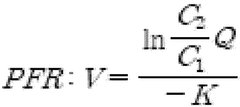
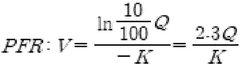
- A high-efficiency plug-flow type ozone dissolution reaction tank is designed with dynamic dissolution means that change the flow rate and create turbulence, enhancing ozone contact with raw water through zigzag flow paths and partitioned pipes, combined with ozone and hydrogen peroxide injection, and a gas processing system for efficient ozone management.


Improved process for the purification of sulphanilic acid of purified grade
PatentInactiveIN773MUM2005A
Innovation
- A process involving dissolving technical grade sulphanilic acid in hot water, adding activated carbon for decolourization and impurity settlement, followed by filtration, precipitation, centrifugation, drying, and pulverization, which recycles the mother liquor to eliminate water effluents and reduce raw material usage.
Environmental Regulations on Water Treatment
Environmental regulations on water treatment have become increasingly stringent in recent years, reflecting growing concerns about water quality and the need for effective purification methods. These regulations play a crucial role in shaping the development and implementation of advanced oxidation processes (AOPs) for water treatment, including those involving sulphanilic acid.
In many countries, regulatory bodies have established strict limits on the concentration of various pollutants in treated water. For instance, the European Union's Water Framework Directive sets comprehensive standards for water quality, including specific parameters for chemical pollutants. Similarly, the United States Environmental Protection Agency (EPA) has established the National Primary Drinking Water Regulations, which set legally enforceable standards for contaminants in public water systems.
These regulations often necessitate the use of advanced treatment technologies, such as AOPs, to meet the required water quality standards. As a result, research into the effectiveness of sulphanilic acid in AOPs has gained importance, as it offers potential solutions for removing recalcitrant organic compounds that traditional treatment methods struggle to eliminate.
Regulatory frameworks also influence the choice of treatment processes and chemicals used in water purification. Many jurisdictions require thorough testing and approval of treatment methods before they can be implemented in public water systems. This has led to increased scrutiny of the environmental impact and safety of AOPs involving sulphanilic acid, driving research into optimizing these processes to minimize potential harmful byproducts.
Furthermore, regulations often mandate regular monitoring and reporting of water quality parameters. This has spurred the development of more sensitive and accurate analytical techniques for detecting sulphanilic acid and its degradation products in treated water. Such advancements in monitoring capabilities have, in turn, informed the refinement of treatment processes and regulatory standards.
The global nature of water pollution has also led to international cooperation in setting water quality standards. Organizations such as the World Health Organization (WHO) provide guidelines for drinking water quality that are widely adopted or adapted by national regulatory bodies. These international standards often serve as benchmarks for research into AOPs, including those utilizing sulphanilic acid, ensuring that developed technologies have global applicability.
As environmental concerns continue to evolve, regulations are likely to become even more stringent. This trend is expected to drive further innovation in water treatment technologies, potentially expanding the role of sulphanilic acid in AOPs. Researchers and water treatment professionals must stay abreast of these regulatory changes to ensure that their work remains compliant and relevant in addressing current and future water quality challenges.
In many countries, regulatory bodies have established strict limits on the concentration of various pollutants in treated water. For instance, the European Union's Water Framework Directive sets comprehensive standards for water quality, including specific parameters for chemical pollutants. Similarly, the United States Environmental Protection Agency (EPA) has established the National Primary Drinking Water Regulations, which set legally enforceable standards for contaminants in public water systems.
These regulations often necessitate the use of advanced treatment technologies, such as AOPs, to meet the required water quality standards. As a result, research into the effectiveness of sulphanilic acid in AOPs has gained importance, as it offers potential solutions for removing recalcitrant organic compounds that traditional treatment methods struggle to eliminate.
Regulatory frameworks also influence the choice of treatment processes and chemicals used in water purification. Many jurisdictions require thorough testing and approval of treatment methods before they can be implemented in public water systems. This has led to increased scrutiny of the environmental impact and safety of AOPs involving sulphanilic acid, driving research into optimizing these processes to minimize potential harmful byproducts.
Furthermore, regulations often mandate regular monitoring and reporting of water quality parameters. This has spurred the development of more sensitive and accurate analytical techniques for detecting sulphanilic acid and its degradation products in treated water. Such advancements in monitoring capabilities have, in turn, informed the refinement of treatment processes and regulatory standards.
The global nature of water pollution has also led to international cooperation in setting water quality standards. Organizations such as the World Health Organization (WHO) provide guidelines for drinking water quality that are widely adopted or adapted by national regulatory bodies. These international standards often serve as benchmarks for research into AOPs, including those utilizing sulphanilic acid, ensuring that developed technologies have global applicability.
As environmental concerns continue to evolve, regulations are likely to become even more stringent. This trend is expected to drive further innovation in water treatment technologies, potentially expanding the role of sulphanilic acid in AOPs. Researchers and water treatment professionals must stay abreast of these regulatory changes to ensure that their work remains compliant and relevant in addressing current and future water quality challenges.
Cost-Benefit Analysis of AOP Technologies
The cost-benefit analysis of Advanced Oxidation Processes (AOP) technologies for water purification, particularly focusing on the treatment of sulphanilic acid, reveals a complex interplay of economic and environmental factors. Initial investment costs for AOP systems can be substantial, encompassing equipment, installation, and infrastructure modifications. However, these upfront expenses must be weighed against the long-term operational benefits and environmental advantages.
Operational costs for AOP technologies primarily involve energy consumption, chemical reagents, and maintenance. Energy requirements can be significant, especially for processes like UV/H2O2 or ozonation. However, recent advancements in energy-efficient UV lamps and ozone generators have helped mitigate these costs. Chemical costs vary depending on the specific AOP method, with some requiring ongoing purchases of hydrogen peroxide or other oxidants.
Maintenance expenses for AOP systems are generally lower compared to conventional treatment methods, due to fewer moving parts and reduced sludge production. This aspect contributes positively to the overall cost-benefit ratio, especially in long-term operations.
The benefits of AOP technologies in treating sulphanilic acid and similar contaminants are substantial. These processes demonstrate high removal efficiencies, often achieving near-complete degradation of the target pollutant. This effectiveness translates to improved water quality, reduced environmental impact, and potential compliance with stringent regulatory standards.
Furthermore, AOP technologies offer versatility in treating a wide range of pollutants beyond sulphanilic acid. This adaptability can be particularly valuable for facilities dealing with variable wastewater compositions or anticipating future regulatory changes. The ability to handle multiple contaminants with a single system can offset the initial investment costs over time.
From an environmental perspective, the benefits of AOP technologies extend beyond direct water treatment. By effectively removing persistent organic pollutants like sulphanilic acid, these processes contribute to overall ecosystem health and biodiversity preservation. This aspect, while challenging to quantify economically, represents a significant long-term benefit to society and the environment.
When considering scalability, AOP technologies show promising cost-benefit ratios for both small-scale and large-scale applications. Modular designs allow for gradual expansion, enabling facilities to manage capital expenditures while adapting to increasing treatment demands. This flexibility in scaling can be particularly advantageous for growing industries or municipalities.
In conclusion, while the initial costs of implementing AOP technologies for sulphanilic acid treatment can be high, the long-term benefits in terms of treatment efficiency, operational flexibility, and environmental protection often justify the investment. As technology continues to advance and economies of scale come into play, the cost-benefit ratio of AOP technologies is expected to improve further, making them an increasingly attractive option for water purification challenges.
Operational costs for AOP technologies primarily involve energy consumption, chemical reagents, and maintenance. Energy requirements can be significant, especially for processes like UV/H2O2 or ozonation. However, recent advancements in energy-efficient UV lamps and ozone generators have helped mitigate these costs. Chemical costs vary depending on the specific AOP method, with some requiring ongoing purchases of hydrogen peroxide or other oxidants.
Maintenance expenses for AOP systems are generally lower compared to conventional treatment methods, due to fewer moving parts and reduced sludge production. This aspect contributes positively to the overall cost-benefit ratio, especially in long-term operations.
The benefits of AOP technologies in treating sulphanilic acid and similar contaminants are substantial. These processes demonstrate high removal efficiencies, often achieving near-complete degradation of the target pollutant. This effectiveness translates to improved water quality, reduced environmental impact, and potential compliance with stringent regulatory standards.
Furthermore, AOP technologies offer versatility in treating a wide range of pollutants beyond sulphanilic acid. This adaptability can be particularly valuable for facilities dealing with variable wastewater compositions or anticipating future regulatory changes. The ability to handle multiple contaminants with a single system can offset the initial investment costs over time.
From an environmental perspective, the benefits of AOP technologies extend beyond direct water treatment. By effectively removing persistent organic pollutants like sulphanilic acid, these processes contribute to overall ecosystem health and biodiversity preservation. This aspect, while challenging to quantify economically, represents a significant long-term benefit to society and the environment.
When considering scalability, AOP technologies show promising cost-benefit ratios for both small-scale and large-scale applications. Modular designs allow for gradual expansion, enabling facilities to manage capital expenditures while adapting to increasing treatment demands. This flexibility in scaling can be particularly advantageous for growing industries or municipalities.
In conclusion, while the initial costs of implementing AOP technologies for sulphanilic acid treatment can be high, the long-term benefits in terms of treatment efficiency, operational flexibility, and environmental protection often justify the investment. As technology continues to advance and economies of scale come into play, the cost-benefit ratio of AOP technologies is expected to improve further, making them an increasingly attractive option for water purification challenges.
Unlock deeper insights with Patsnap Eureka Quick Research — get a full tech report to explore trends and direct your research. Try now!
Generate Your Research Report Instantly with AI Agent
Supercharge your innovation with Patsnap Eureka AI Agent Platform!