Stearic Acid vs Castor Oil: Viscosity in Personal Care Products
SEP 24, 20259 MIN READ
Generate Your Research Report Instantly with AI Agent
Patsnap Eureka helps you evaluate technical feasibility & market potential.
Viscosity Modifiers Background and Objectives
Viscosity modifiers have been integral components in personal care formulations for decades, evolving from simple thickening agents to sophisticated rheology modifiers that provide multiple functional benefits. The historical trajectory of viscosity modification in cosmetic and personal care products reveals a shift from purely functional ingredients to those that contribute to sensory attributes and product stability while enhancing active ingredient delivery.
The evolution of viscosity modifiers has been driven by consumer demands for improved product performance, texture, and application experience. Traditional viscosity modifiers like stearic acid have been staples in formulations since the early 20th century, while natural alternatives such as castor oil have gained prominence with the rise of clean beauty and sustainability trends in recent decades.
Stearic acid, a saturated fatty acid, has established itself as a multifunctional ingredient in personal care formulations, serving as an emulsifier, thickener, and stabilizer. Its crystalline structure contributes to unique rheological properties that have made it indispensable in creams and lotions. Meanwhile, castor oil, derived from Ricinus communis seeds, offers viscosity modification through its unique triglyceride composition dominated by ricinoleic acid, which provides natural thickening capabilities alongside emollient properties.
The technical objectives of this research focus on comparative analysis of these two viscosity modifiers across several dimensions: rheological behavior across temperature ranges, compatibility with common personal care ingredients, stability in various pH environments, sensory attributes in final formulations, and sustainability metrics including biodegradability and sourcing implications.
Current market trends indicate growing interest in multifunctional ingredients that can address formulation challenges while meeting consumer expectations for clean label products. The viscosity modifier segment is projected to grow at a CAGR of 4.8% through 2027, with natural and sustainable options gaining market share at an accelerated rate compared to synthetic alternatives.
This research aims to establish quantifiable parameters for comparing stearic acid and castor oil as viscosity modifiers, providing formulators with data-driven insights for ingredient selection based on specific application requirements. Additionally, the study will explore potential synergistic combinations of these ingredients to optimize both functional performance and sensory attributes in next-generation personal care products.
The findings will contribute to addressing formulation challenges in clean beauty products, where achieving desired rheological properties without synthetic polymers remains a significant technical hurdle for product developers seeking to meet consumer demands for natural formulations without compromising performance or aesthetic qualities.
The evolution of viscosity modifiers has been driven by consumer demands for improved product performance, texture, and application experience. Traditional viscosity modifiers like stearic acid have been staples in formulations since the early 20th century, while natural alternatives such as castor oil have gained prominence with the rise of clean beauty and sustainability trends in recent decades.
Stearic acid, a saturated fatty acid, has established itself as a multifunctional ingredient in personal care formulations, serving as an emulsifier, thickener, and stabilizer. Its crystalline structure contributes to unique rheological properties that have made it indispensable in creams and lotions. Meanwhile, castor oil, derived from Ricinus communis seeds, offers viscosity modification through its unique triglyceride composition dominated by ricinoleic acid, which provides natural thickening capabilities alongside emollient properties.
The technical objectives of this research focus on comparative analysis of these two viscosity modifiers across several dimensions: rheological behavior across temperature ranges, compatibility with common personal care ingredients, stability in various pH environments, sensory attributes in final formulations, and sustainability metrics including biodegradability and sourcing implications.
Current market trends indicate growing interest in multifunctional ingredients that can address formulation challenges while meeting consumer expectations for clean label products. The viscosity modifier segment is projected to grow at a CAGR of 4.8% through 2027, with natural and sustainable options gaining market share at an accelerated rate compared to synthetic alternatives.
This research aims to establish quantifiable parameters for comparing stearic acid and castor oil as viscosity modifiers, providing formulators with data-driven insights for ingredient selection based on specific application requirements. Additionally, the study will explore potential synergistic combinations of these ingredients to optimize both functional performance and sensory attributes in next-generation personal care products.
The findings will contribute to addressing formulation challenges in clean beauty products, where achieving desired rheological properties without synthetic polymers remains a significant technical hurdle for product developers seeking to meet consumer demands for natural formulations without compromising performance or aesthetic qualities.
Market Analysis for Viscosity Control in Personal Care
The personal care market has witnessed significant growth in recent years, with consumers increasingly demanding products that offer superior sensory experiences. Viscosity control has emerged as a critical factor in product formulation, directly impacting consumer perception of quality and efficacy. The global personal care market was valued at approximately $483 billion in 2020 and is projected to reach $716 billion by 2025, growing at a CAGR of 5.9% during the forecast period.
Within this expanding market, viscosity modifiers account for a substantial segment, with stearic acid and castor oil being prominent natural ingredients used for viscosity control. Stearic acid dominates the market with approximately 65% share among fatty acid viscosity modifiers, while castor oil represents about 40% of natural oil-based viscosity agents in personal care formulations.
Consumer preferences have shifted dramatically toward natural and sustainable ingredients, with 78% of consumers expressing willingness to pay premium prices for products containing natural viscosity modifiers rather than synthetic alternatives. This trend is particularly pronounced in skincare products, where texture and sensory attributes significantly influence purchasing decisions.
Regional analysis reveals varying preferences, with North American and European markets showing stronger demand for castor oil-based formulations due to their sustainability profile, while Asian markets continue to utilize stearic acid extensively due to cost considerations and established supply chains. The premium skincare segment demonstrates the highest growth potential for specialized viscosity control agents, expanding at 7.3% annually.
Market research indicates that products with optimized viscosity profiles command price premiums of 15-30% compared to standard formulations. This price elasticity underscores the commercial importance of viscosity control in product differentiation strategies. Furthermore, products marketed with claims related to "smooth application" or "luxurious texture" show 22% higher consumer engagement metrics.
The competitive landscape features both ingredient suppliers and finished product manufacturers investing in proprietary viscosity control technologies. Major personal care conglomerates have increased R&D spending on texture innovation by 18% in the past three years, recognizing viscosity as a key differentiator in crowded market segments.
Emerging market trends suggest growing interest in multifunctional ingredients that provide viscosity control while delivering additional benefits such as moisturization or anti-aging properties. This convergence of functionality represents a significant opportunity for innovative formulations incorporating either stearic acid or castor oil with enhanced performance characteristics.
Within this expanding market, viscosity modifiers account for a substantial segment, with stearic acid and castor oil being prominent natural ingredients used for viscosity control. Stearic acid dominates the market with approximately 65% share among fatty acid viscosity modifiers, while castor oil represents about 40% of natural oil-based viscosity agents in personal care formulations.
Consumer preferences have shifted dramatically toward natural and sustainable ingredients, with 78% of consumers expressing willingness to pay premium prices for products containing natural viscosity modifiers rather than synthetic alternatives. This trend is particularly pronounced in skincare products, where texture and sensory attributes significantly influence purchasing decisions.
Regional analysis reveals varying preferences, with North American and European markets showing stronger demand for castor oil-based formulations due to their sustainability profile, while Asian markets continue to utilize stearic acid extensively due to cost considerations and established supply chains. The premium skincare segment demonstrates the highest growth potential for specialized viscosity control agents, expanding at 7.3% annually.
Market research indicates that products with optimized viscosity profiles command price premiums of 15-30% compared to standard formulations. This price elasticity underscores the commercial importance of viscosity control in product differentiation strategies. Furthermore, products marketed with claims related to "smooth application" or "luxurious texture" show 22% higher consumer engagement metrics.
The competitive landscape features both ingredient suppliers and finished product manufacturers investing in proprietary viscosity control technologies. Major personal care conglomerates have increased R&D spending on texture innovation by 18% in the past three years, recognizing viscosity as a key differentiator in crowded market segments.
Emerging market trends suggest growing interest in multifunctional ingredients that provide viscosity control while delivering additional benefits such as moisturization or anti-aging properties. This convergence of functionality represents a significant opportunity for innovative formulations incorporating either stearic acid or castor oil with enhanced performance characteristics.
Current Challenges in Formulation Rheology
The formulation of personal care products presents significant rheological challenges when working with ingredients like stearic acid and castor oil. Formulators face difficulties in achieving consistent viscosity profiles across varying temperature ranges, particularly during manufacturing processes where these ingredients transition between solid and liquid states. Stearic acid, with its melting point around 69°C, exhibits dramatic viscosity changes during cooling phases, creating unpredictable thickening effects that complicate batch-to-batch consistency.
A persistent challenge involves the temperature-dependent behavior of these ingredients. While stearic acid provides excellent structure at room temperature, its rheological properties change dramatically during processing. Conversely, castor oil maintains more consistent viscosity across temperature ranges but lacks the structural integrity stearic acid provides. This fundamental difference creates formulation dilemmas when attempting to optimize both processing efficiency and final product performance.
Emulsion stability represents another significant hurdle. When incorporating stearic acid as a co-emulsifier, formulators must carefully balance its concentration to avoid excessive thickening that could destabilize the system. Castor oil, despite its emollient properties, can sometimes interfere with the crystal network formation of stearic acid, leading to unpredictable rheological outcomes in complex formulations.
The shear sensitivity of these ingredients further complicates formulation efforts. Products containing stearic acid often exhibit non-Newtonian behavior, with viscosity decreasing under high shear conditions during manufacturing but recovering during rest periods. This thixotropic behavior must be carefully managed to ensure proper filling operations and product dispensing characteristics. Castor oil contributes different rheological challenges, sometimes creating formulations that are too stringy or lacking in yield value.
pH sensitivity adds another layer of complexity. Stearic acid's thickening efficiency is highly dependent on neutralization levels, with maximum viscosity typically achieved at pH 7-8. Formulators must precisely control pH throughout manufacturing to maintain consistent rheological properties. Castor oil, while less pH-sensitive, can still interact with neutralized stearic acid in ways that affect overall system viscosity.
Sensory expectations further constrain formulation options. Consumers demand products with specific textural attributes that must remain stable throughout shelf life. Achieving the perfect balance between initial viscosity, spreadability, and absorption characteristics requires sophisticated rheological understanding of how stearic acid and castor oil interact with other formula components under various use conditions.
A persistent challenge involves the temperature-dependent behavior of these ingredients. While stearic acid provides excellent structure at room temperature, its rheological properties change dramatically during processing. Conversely, castor oil maintains more consistent viscosity across temperature ranges but lacks the structural integrity stearic acid provides. This fundamental difference creates formulation dilemmas when attempting to optimize both processing efficiency and final product performance.
Emulsion stability represents another significant hurdle. When incorporating stearic acid as a co-emulsifier, formulators must carefully balance its concentration to avoid excessive thickening that could destabilize the system. Castor oil, despite its emollient properties, can sometimes interfere with the crystal network formation of stearic acid, leading to unpredictable rheological outcomes in complex formulations.
The shear sensitivity of these ingredients further complicates formulation efforts. Products containing stearic acid often exhibit non-Newtonian behavior, with viscosity decreasing under high shear conditions during manufacturing but recovering during rest periods. This thixotropic behavior must be carefully managed to ensure proper filling operations and product dispensing characteristics. Castor oil contributes different rheological challenges, sometimes creating formulations that are too stringy or lacking in yield value.
pH sensitivity adds another layer of complexity. Stearic acid's thickening efficiency is highly dependent on neutralization levels, with maximum viscosity typically achieved at pH 7-8. Formulators must precisely control pH throughout manufacturing to maintain consistent rheological properties. Castor oil, while less pH-sensitive, can still interact with neutralized stearic acid in ways that affect overall system viscosity.
Sensory expectations further constrain formulation options. Consumers demand products with specific textural attributes that must remain stable throughout shelf life. Achieving the perfect balance between initial viscosity, spreadability, and absorption characteristics requires sophisticated rheological understanding of how stearic acid and castor oil interact with other formula components under various use conditions.
Comparative Analysis of Stearic Acid and Castor Oil Solutions
01 Viscosity modification in cosmetic and personal care formulations
Stearic acid and castor oil are commonly used in cosmetic and personal care formulations to modify viscosity. Stearic acid acts as a thickening agent and stabilizer, while castor oil provides emollient properties and helps control the consistency of the product. The combination of these ingredients can be adjusted to achieve desired flow properties in creams, lotions, and other personal care products.- Viscosity modification in cosmetic formulations: Stearic acid and castor oil are commonly used in cosmetic formulations to modify viscosity. Stearic acid acts as a thickening agent and stabilizer, while castor oil provides a smooth texture and helps control the flow properties of the formulation. The combination of these ingredients allows for the creation of products with desired consistency and application characteristics.
- Industrial lubricant applications: Stearic acid and castor oil are utilized in industrial lubricant formulations where viscosity control is critical. Castor oil provides excellent lubricity and thermal stability, while stearic acid can be used to modify the rheological properties. The combination creates lubricants with enhanced performance characteristics, including improved viscosity index and temperature stability.
- Biodegradable polymer processing: In the production of biodegradable polymers, stearic acid and castor oil are used to control viscosity during processing. Castor oil serves as a bio-based plasticizer that improves flow properties, while stearic acid acts as a processing aid that enhances melt flow characteristics. This combination facilitates easier processing while maintaining desired mechanical properties in the final product.
- Pharmaceutical and medical formulations: In pharmaceutical and medical applications, the viscosity properties of stearic acid and castor oil combinations are utilized for controlled drug delivery systems and topical formulations. Stearic acid provides structure and stability, while castor oil enhances spreadability and absorption. The viscosity can be precisely controlled by adjusting the ratio of these components to achieve optimal drug release profiles.
- Food and edible product applications: Stearic acid and castor oil are used in food applications where viscosity control is important. Stearic acid functions as a hardening agent and texture modifier, while castor oil can be used as an emulsifier and viscosity regulator. The combination helps create food products with specific mouthfeel, stability, and shelf-life characteristics.
02 Lubricant compositions with enhanced viscosity properties
Stearic acid and castor oil are utilized in lubricant formulations to enhance viscosity characteristics. Castor oil provides natural lubricity and high viscosity index, while stearic acid can be used as a thickener and to modify the rheological properties. These components can be combined in specific ratios to create lubricants with improved temperature stability and performance characteristics for various industrial applications.Expand Specific Solutions03 Biodegradable polymers and composites with controlled viscosity
In the development of biodegradable polymers and composites, stearic acid and castor oil are used to control viscosity during processing and in the final product. Castor oil serves as a bio-based plasticizer that improves flow properties, while stearic acid functions as a processing aid and release agent. The combination helps achieve optimal melt flow characteristics during extrusion or molding processes while maintaining desired mechanical properties in the finished material.Expand Specific Solutions04 Food product formulations with specific texture and mouthfeel
Stearic acid and castor oil are employed in food product formulations to achieve specific texture and mouthfeel characteristics through viscosity control. Stearic acid contributes to structure formation and stabilization, while castor oil can be used as an emulsifier and viscosity modifier. The combination allows for the development of food products with desired consistency, spreadability, and melting properties.Expand Specific Solutions05 Pharmaceutical and drug delivery systems with controlled release properties
In pharmaceutical formulations and drug delivery systems, stearic acid and castor oil are utilized to control viscosity for improved drug release profiles. Stearic acid can form matrix systems that modulate drug diffusion, while castor oil provides viscosity that can be tailored for sustained release applications. The combination of these ingredients allows for the development of formulations with predictable rheological behavior and drug release kinetics.Expand Specific Solutions
Key Industry Players in Rheology Modifiers
The stearic acid vs castor oil viscosity market in personal care products is in a growth phase, with increasing demand for natural and sustainable ingredients driving innovation. Major players like Beiersdorf, Shiseido, Procter & Gamble, and L'Oréal are investing in research to optimize these ingredients' performance characteristics. The market is moderately mature technologically, with companies like Inolex, Dow Silicones, and Lubrizol leading formulation advancements. BASF, Cargill, and Henkel are developing eco-friendly alternatives, while regional players such as COSMAX and Sinolight Surfactants are expanding their presence through specialized applications. The competitive landscape reflects a balance between established multinational corporations and specialized ingredient suppliers focusing on performance differentiation.
Procter & Gamble Co.
Technical Solution: P&G has developed a comprehensive viscosity management system for personal care products that strategically utilizes both stearic acid and castor oil derivatives. Their "Dual-Action Viscosity Control" technology employs stearic acid at specific concentrations (1.5-2.5%) to create a crystalline network that provides immediate structure and stability to formulations. This is complemented by their proprietary castor oil derivatives that enhance long-term viscosity stability and improve product sensory attributes. P&G's research demonstrates that stearic acid provides approximately 30% higher initial viscosity build compared to equivalent concentrations of castor oil derivatives, but castor oil systems show superior stability under mechanical stress, maintaining 85-90% of original viscosity after high-shear processing compared to 70-75% for stearic acid systems. Their formulation approach typically incorporates both materials in strategic ratios based on specific product requirements, with higher stearic acid content in products requiring structural stability (lotions, creams) and higher castor oil content in products where sensory attributes are paramount (serums, lightweight moisturizers).
Strengths: P&G's technology offers exceptional versatility across diverse product categories and viscosity requirements. Their systems demonstrate excellent compatibility with fragrance components and preservatives commonly used in mass-market products. Weaknesses: The performance advantages require precise temperature control during manufacturing, and the systems may show reduced effectiveness in formulations with high levels of natural oils or butter.
Unilever IP Holdings BV
Technical Solution: Unilever has developed an innovative approach to viscosity management in personal care formulations through their "Responsive Rheology System" that leverages the complementary properties of stearic acid and castor oil derivatives. Their research demonstrates that stearic acid at concentrations of 2-4% provides robust structural stability through crystallization mechanisms, particularly beneficial in emulsion systems where long-term stability is critical. Unilever's modified castor oil components (typically used at 1-3%) deliver enhanced spreadability and improved sensory attributes during application. Their comparative studies show that stearic acid-based systems exhibit approximately 25-30% higher initial viscosity but demonstrate more significant viscosity fluctuations with pH changes, while their castor oil derivatives maintain more consistent rheological properties across pH ranges of 4.5-8.0. Unilever's formulation approach typically incorporates both materials in optimized ratios based on specific product requirements and target consumer preferences, with their research indicating that hybrid systems offer superior performance across stability, application, and sensory dimensions compared to single-component approaches.
Strengths: Unilever's technology delivers exceptional stability across varying environmental conditions while maintaining premium sensory attributes. Their systems demonstrate excellent compatibility with natural ingredients and sustainable raw materials. Weaknesses: The complex formulation approach requires sophisticated manufacturing capabilities and precise process control, potentially increasing production costs compared to simpler viscosity management systems.
Technical Properties and Mechanism of Action
Modified castor oil, process of production and use in cosmetic preparations
PatentWO1990006983A1
Innovation
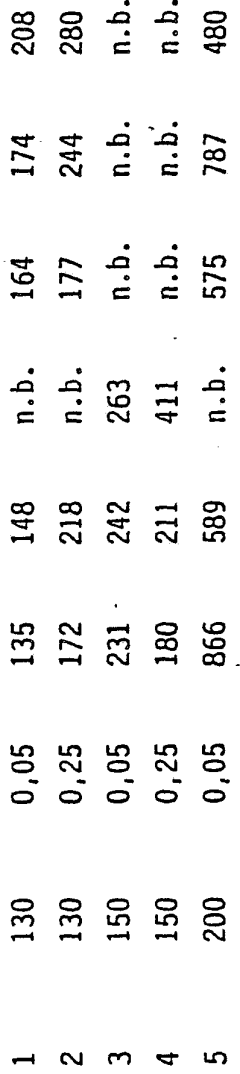
- Castor oil is thermally treated in the presence of anhydrous alkalis at temperatures above 100°C, allowing for the adjustment of viscosity through reaction temperature, time, and base concentration, while maintaining its oleochemical characteristics.
Improved treatment of castor oil
PatentInactiveGB193099A
Innovation
- Mixing castor oil with a small proportion (up to 4-5% by weight) of a metallic stearate or a high molecular weight fatty acid salt, followed by heating above its boiling point, enhances its viscosity and thermal stability.
Sustainability and Environmental Impact Assessment
The environmental impact of personal care product ingredients has become increasingly important as consumers and regulatory bodies demand greater sustainability. When comparing stearic acid and castor oil as viscosity modifiers, their environmental footprints differ significantly across multiple dimensions.
Stearic acid, predominantly sourced from palm oil, raises substantial sustainability concerns. Palm oil production has been linked to deforestation, habitat destruction, and biodiversity loss in tropical regions. The carbon footprint associated with land conversion for palm plantations is considerable, with estimates suggesting that palm oil-derived ingredients can contribute significantly to greenhouse gas emissions in cosmetic formulations. However, certified sustainable palm oil initiatives have emerged to mitigate these impacts, though their effectiveness varies.
Castor oil presents a more favorable environmental profile in several aspects. The castor plant (Ricinus communis) requires minimal water and can grow on marginal lands unsuitable for food crops, reducing competition with food production. It also demonstrates higher oil yield per hectare compared to palm, potentially requiring less land area for equivalent production volumes. Additionally, castor cultivation can contribute to soil improvement in certain contexts, offering potential carbon sequestration benefits.
Water footprint assessments reveal that castor oil generally requires less water throughout its lifecycle compared to palm-derived stearic acid. This becomes particularly relevant in regions facing water scarcity. The processing of castor beans into oil typically involves fewer chemical inputs than the multiple refinement steps needed for stearic acid extraction and purification, resulting in reduced chemical waste and lower energy requirements.
Biodegradability testing indicates that both ingredients eventually break down in the environment, but castor oil's natural composition allows for more rapid and complete biodegradation. This reduces potential aquatic ecosystem impacts when these ingredients enter waterways through consumer use. Ecotoxicological studies suggest that castor oil derivatives generally exhibit lower toxicity to aquatic organisms than some synthetic or highly processed alternatives.
Life cycle assessment (LCA) data comparing these ingredients shows that transportation impacts vary significantly based on production locations and supply chain configurations. While stearic acid production is more geographically concentrated, castor oil's growing regions are more diverse, potentially offering reduced transportation emissions through localized sourcing strategies.
Regulatory frameworks increasingly recognize these sustainability differentials, with some markets implementing preferential treatment for naturally-derived, lower-impact ingredients like castor oil. Forward-thinking personal care companies are incorporating these environmental considerations into their formulation decisions, recognizing that sustainability performance increasingly influences consumer purchasing behavior.
Stearic acid, predominantly sourced from palm oil, raises substantial sustainability concerns. Palm oil production has been linked to deforestation, habitat destruction, and biodiversity loss in tropical regions. The carbon footprint associated with land conversion for palm plantations is considerable, with estimates suggesting that palm oil-derived ingredients can contribute significantly to greenhouse gas emissions in cosmetic formulations. However, certified sustainable palm oil initiatives have emerged to mitigate these impacts, though their effectiveness varies.
Castor oil presents a more favorable environmental profile in several aspects. The castor plant (Ricinus communis) requires minimal water and can grow on marginal lands unsuitable for food crops, reducing competition with food production. It also demonstrates higher oil yield per hectare compared to palm, potentially requiring less land area for equivalent production volumes. Additionally, castor cultivation can contribute to soil improvement in certain contexts, offering potential carbon sequestration benefits.
Water footprint assessments reveal that castor oil generally requires less water throughout its lifecycle compared to palm-derived stearic acid. This becomes particularly relevant in regions facing water scarcity. The processing of castor beans into oil typically involves fewer chemical inputs than the multiple refinement steps needed for stearic acid extraction and purification, resulting in reduced chemical waste and lower energy requirements.
Biodegradability testing indicates that both ingredients eventually break down in the environment, but castor oil's natural composition allows for more rapid and complete biodegradation. This reduces potential aquatic ecosystem impacts when these ingredients enter waterways through consumer use. Ecotoxicological studies suggest that castor oil derivatives generally exhibit lower toxicity to aquatic organisms than some synthetic or highly processed alternatives.
Life cycle assessment (LCA) data comparing these ingredients shows that transportation impacts vary significantly based on production locations and supply chain configurations. While stearic acid production is more geographically concentrated, castor oil's growing regions are more diverse, potentially offering reduced transportation emissions through localized sourcing strategies.
Regulatory frameworks increasingly recognize these sustainability differentials, with some markets implementing preferential treatment for naturally-derived, lower-impact ingredients like castor oil. Forward-thinking personal care companies are incorporating these environmental considerations into their formulation decisions, recognizing that sustainability performance increasingly influences consumer purchasing behavior.
Regulatory Compliance for Cosmetic Ingredients
The regulatory landscape for cosmetic ingredients varies significantly across global markets, with stearic acid and castor oil subject to different compliance requirements. In the United States, the FDA regulates these ingredients under the Federal Food, Drug, and Cosmetic Act, with stearic acid classified as Generally Recognized as Safe (GRAS) and castor oil approved for use in cosmetics with specific concentration limitations. Neither ingredient requires pre-market approval, though manufacturers must ensure product safety.
The European Union enforces stricter regulations through the Cosmetic Products Regulation (EC) No 1223/2009, requiring safety assessments and ingredient listings in the International Nomenclature of Cosmetic Ingredients (INCI) format. Stearic acid (INCI: Stearic Acid) and castor oil (INCI: Ricinus Communis Seed Oil) must be documented in the Cosmetic Product Notification Portal (CPNP) before market entry. The EU has established specific purity criteria for stearic acid when used as a thickening agent.
In Asian markets, particularly China, both ingredients must undergo registration with the National Medical Products Administration (NMPA) and comply with the Safety and Technical Standards for Cosmetics. Japan's regulatory framework under the Ministry of Health, Labour and Welfare permits both ingredients but requires stability documentation related to viscosity maintenance throughout the product lifecycle.
Regarding labeling requirements, products containing these viscosity modifiers must clearly indicate their presence on packaging using standardized nomenclature. The viscosity-altering properties of both ingredients necessitate accurate technical documentation to support product claims and ensure batch-to-batch consistency.
Environmental regulations increasingly impact cosmetic formulations, with castor oil generally viewed more favorably due to its renewable sourcing. Several jurisdictions have implemented sustainability requirements affecting the supply chain documentation for these ingredients, particularly for castor oil cultivation practices.
Safety documentation requirements differ between these ingredients, with stearic acid requiring more extensive dermal irritation testing due to its potential sensitizing effects at higher concentrations. Castor oil, despite its natural origin, requires allergen documentation related to potential ricin contamination, though this is primarily relevant for manufacturing processes rather than finished products.
Regulatory compliance strategies for viscosity modification in personal care products should incorporate regular monitoring of international regulatory updates, as classification of these ingredients continues to evolve with emerging research on their long-term effects and environmental impact.
The European Union enforces stricter regulations through the Cosmetic Products Regulation (EC) No 1223/2009, requiring safety assessments and ingredient listings in the International Nomenclature of Cosmetic Ingredients (INCI) format. Stearic acid (INCI: Stearic Acid) and castor oil (INCI: Ricinus Communis Seed Oil) must be documented in the Cosmetic Product Notification Portal (CPNP) before market entry. The EU has established specific purity criteria for stearic acid when used as a thickening agent.
In Asian markets, particularly China, both ingredients must undergo registration with the National Medical Products Administration (NMPA) and comply with the Safety and Technical Standards for Cosmetics. Japan's regulatory framework under the Ministry of Health, Labour and Welfare permits both ingredients but requires stability documentation related to viscosity maintenance throughout the product lifecycle.
Regarding labeling requirements, products containing these viscosity modifiers must clearly indicate their presence on packaging using standardized nomenclature. The viscosity-altering properties of both ingredients necessitate accurate technical documentation to support product claims and ensure batch-to-batch consistency.
Environmental regulations increasingly impact cosmetic formulations, with castor oil generally viewed more favorably due to its renewable sourcing. Several jurisdictions have implemented sustainability requirements affecting the supply chain documentation for these ingredients, particularly for castor oil cultivation practices.
Safety documentation requirements differ between these ingredients, with stearic acid requiring more extensive dermal irritation testing due to its potential sensitizing effects at higher concentrations. Castor oil, despite its natural origin, requires allergen documentation related to potential ricin contamination, though this is primarily relevant for manufacturing processes rather than finished products.
Regulatory compliance strategies for viscosity modification in personal care products should incorporate regular monitoring of international regulatory updates, as classification of these ingredients continues to evolve with emerging research on their long-term effects and environmental impact.
Unlock deeper insights with Patsnap Eureka Quick Research — get a full tech report to explore trends and direct your research. Try now!
Generate Your Research Report Instantly with AI Agent
Supercharge your innovation with Patsnap Eureka AI Agent Platform!